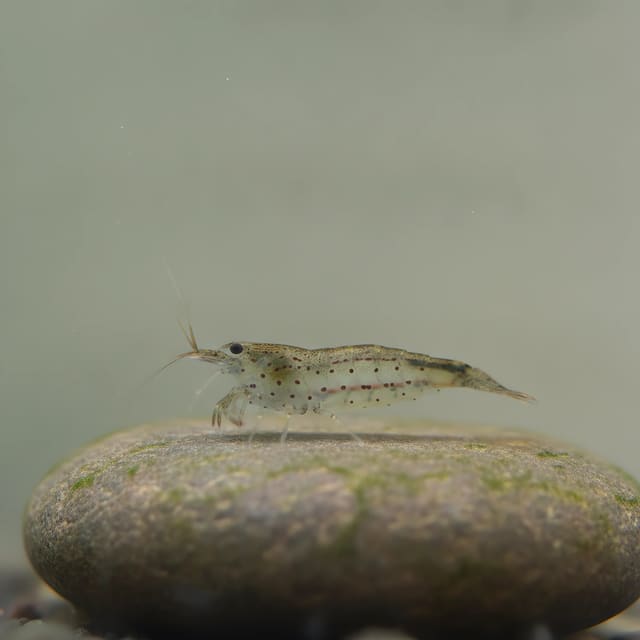

Caridina spongicola
Harlequin Shrimp (Caridina spongicola) - UK
Rare and eye-catching Harlequin Shrimp from Celebes, ideal for specialist freshwater setups. Order online today with our live arrival guarantee.
Care at a Glance
Premium Quality
Healthy, vibrant fish from trusted suppliers
Expert Care
Detailed care guides and support
Live Arrival Guarantee
Your fish arrives healthy or we'll replace it
Acclimated
Properly quarantined and ready for your tank
Quick Care Guide
Water Parameters
Maintain these water conditions for optimal health and vibrant colors
Why Choose This Fish?
Rare and eye-catching Harlequin Shrimp from Celebes, ideal for specialist freshwater setups. Order online today with our live arrival guarantee.
The Harlequin Shrimp, also sold as Caridina spongicola, Celebes Beauty Shrimp, or Sponge Shrimp, is one of the most unusual freshwater shrimp in the hobby. Unlike common dwarf shrimp, this Sulawesi species comes from the ancient lakes of Indonesia and has very specific needs. If you have been searching for a true harlequin shrimp freshwater species, this is the one aquarists mean in the UK shrimp hobby—not the marine harlequin shrimp that feeds on starfish. Its striking cream, red, and patterned body, tiny adult harlequin shrimp size of around 2 cm, peaceful temperament, and close association with freshwater sponges make it a real specialist’s shrimp. Typical harlequin shrimp lifespan is around 2 years when kept in stable Sulawesi-style water.
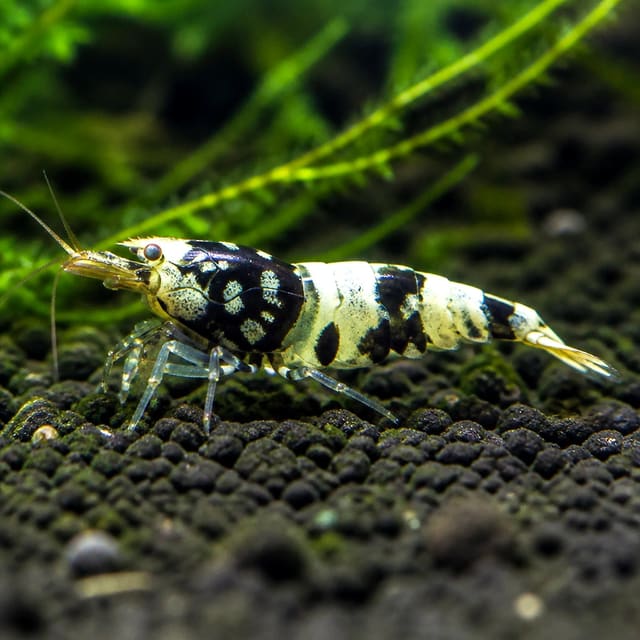
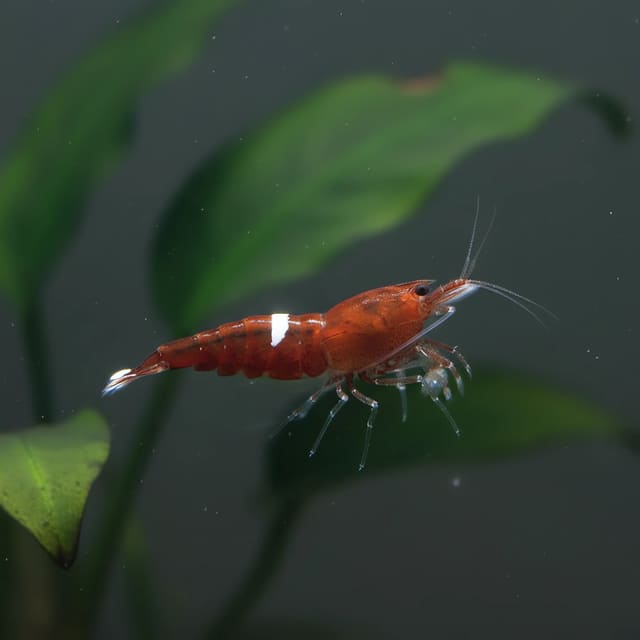
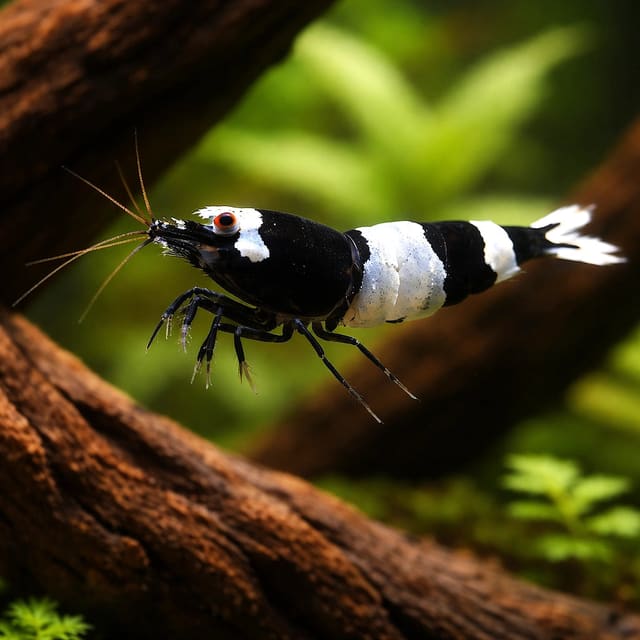
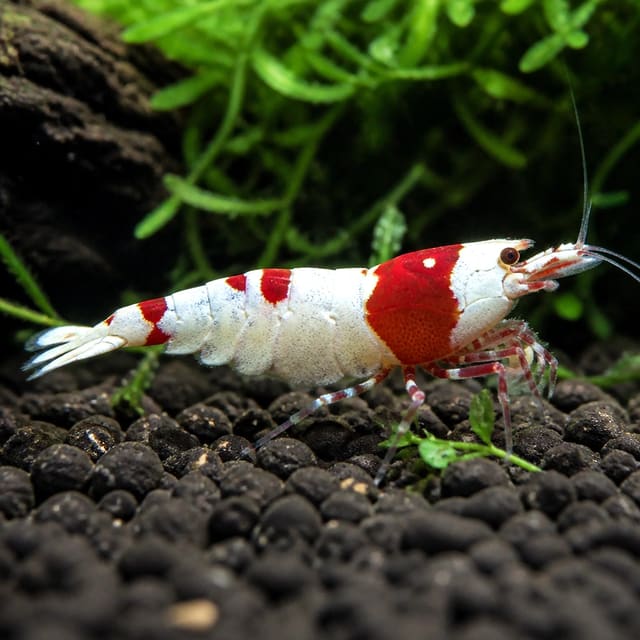
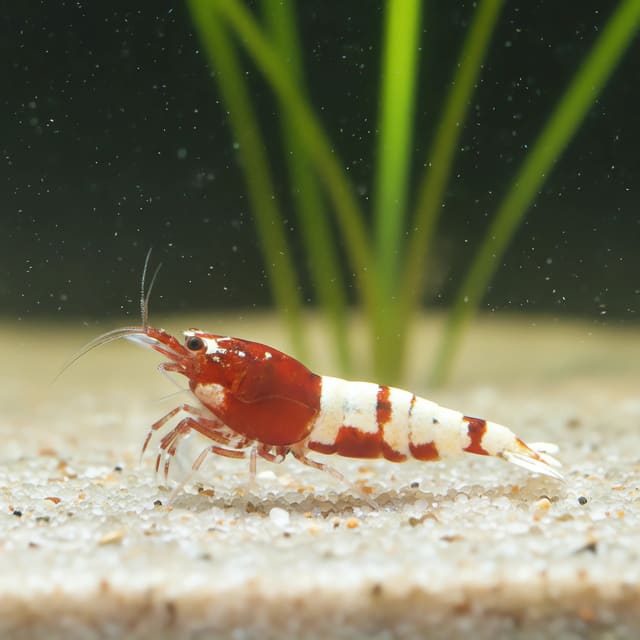
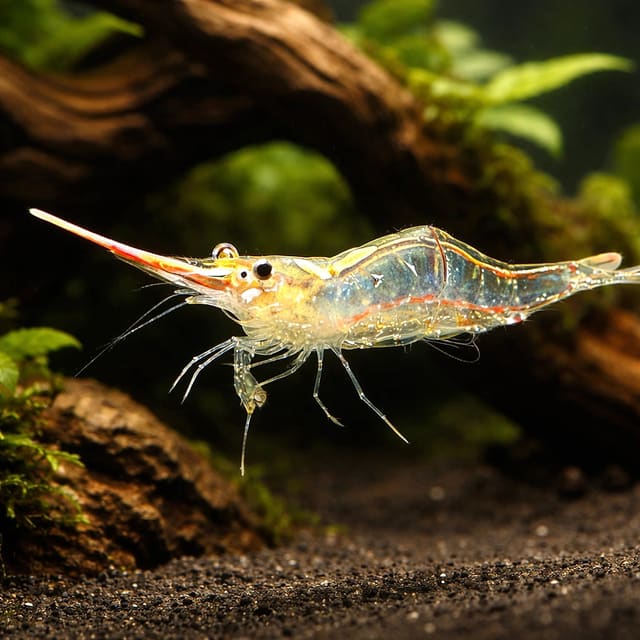
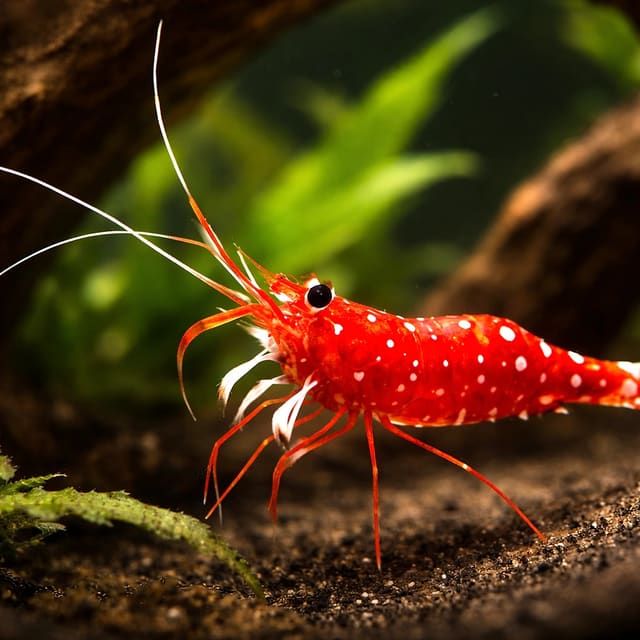
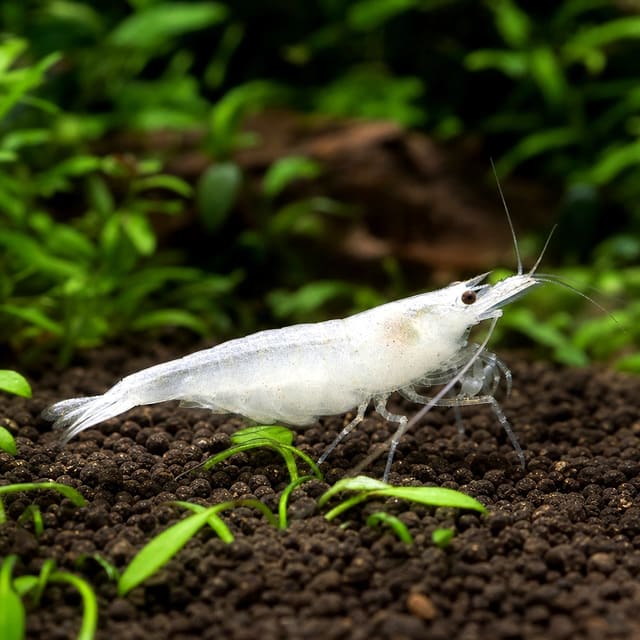
This is not the best shrimp for community tank beginners, but it is a brilliant choice for experienced keepers who want a rare, conversation-starting species. A proper harlequin shrimp care guide focuses on warm alkaline water, excellent stability, and a mature setup rich in biofilm. See our detailed photos showing the fine body pattern and elegant posture of this species in a well-maintained harlequin shrimp aquarium. For aquarists looking for unusual aquarium shrimp UK stock, rare freshwater shrimp UK species, or to buy harlequin shrimp UK with confidence, this shrimp offers something genuinely different from standard Neocaridina lines.
🔹 Quick Facts
- Scientific Name: Caridina spongicola
- Care Level: Expert to moderate-specialist
- Min Tank Size: 20 litres (4.4 gallons)
- Temperature: 27-30°C (80.6-86°F)
- pH Range: 7.8-8.5
- Lifespan: Up to 2 years
- Temperament: Peaceful
- Diet: Omnivore; biofilm, algae, spirulina, specialised shrimp foods
Classification
- Order: Decapoda
- Family: Atyidae
- Genus: Caridina
Caridina spongicola is a Sulawesi freshwater shrimp from the atyid family, the same broad family that includes many ornamental dwarf shrimp kept in aquariums. In the hobby, it stands apart because of its specialised ecology and its association with freshwater sponges in Lake Towuti. That is why experienced keepers often compare it with other Sulawesi shrimp rather than standard cherry shrimp types.
Where Do Harlequin Shrimp Come From? Natural Habitat Explained
The true freshwater Harlequin Shrimp originates from Indonesia, specifically Lake Towuti in Sulawesi. This is important because many people searching what is a harlequin shrimp or where do harlequin shrimp live find information about a marine reef species instead. Caridina spongicola is a different animal entirely. Its harlequin shrimp origin is inland, ancient, mineral-rich freshwater rather than coral reef seawater.
In the wild, the harlequin shrimp habitat is warm, alkaline, stable, and exceptionally clean. These shrimp are often found living on or around freshwater sponges, which is how the common name Sponge Shrimp developed. Their natural environment has little seasonal fluctuation compared with many tropical streams. That stability explains why sudden swings in pH, hardness, or temperature can be so damaging in captivity.
If you have looked up terms like freshwater shrimp uk rivers, native freshwater shrimp uk, or wild freshwater shrimp uk, it helps to know this species is not native to Britain and should not be confused with local river shrimp. It is also not suitable for a freshwater shrimp in pond uk setup, freshwater shrimp uk pond system, or outdoor summer tub. Unlike some hardy Neocaridina, Caridina spongicola needs consistently high tropical temperatures and controlled mineral balance.
Because it comes from a very narrow ecological niche, this species is best treated as a specialist Sulawesi shrimp. Aquarists searching for live river shrimp for sale uk, river shrimp for sale uk, or pond shrimp for sale uk are usually looking for something much hardier and less demanding. The Harlequin Shrimp is instead for keepers who enjoy recreating a precise biotope and watching rare natural behaviour in a small, dedicated aquarium.
💡 Expert Tip
Mimicking the natural habitat is the single biggest key to success. Keep the water warm, alkaline, and stable, and provide mature hardscape with biofilm-covered surfaces. Shrimp kept in a biologically mature Sulawesi setup show stronger colour, more confident grazing behaviour, and better long-term survival.
How to Set Up the Perfect Tank for Harlequin Shrimp
A successful harlequin shrimp aquarium setup starts with understanding that this is a stability-first species. The published harlequin shrimp minimum tank size is 20 litres, but a slightly larger aquarium of 30-45 litres is usually easier to keep stable. When people ask about harlequin shrimp tank size or how many harlequin shrimp per tank, the best answer is to keep a small group of 6 or more in a mature tank with low competition and no sudden parameter swings.
Tank Size Requirements
The minimum harlequin shrimp tank requirements are modest in volume but demanding in consistency. A nano tank can work, but only if it is fully cycled and monitored closely. For beginners to Sulawesi species, 30 litres or more gives better temperature stability and more room for biofilm growth. Although the species is tiny, the real issue is not swimming space but water chemistry control.
Water Parameters
The ideal harlequin shrimp water parameters are very specific: harlequin shrimp water temperature should stay between 27 and 30°C, pH between 7.8 and 8.5, and harlequin shrimp water hardness around 6-10 dGH. If you are researching harlequin shrimp GH KH requirements, aim for moderate general hardness and enough carbonate hardness to keep pH stable. These are the true harlequin shrimp ideal conditions. Unlike many common dwarf shrimp, they do not appreciate cool water or soft acidic setups.
Filtration
Gentle, oxygen-rich filtration is best. A mature sponge filter or small air-driven box filter works well because it protects shrimplets and grows microbial food. If you use a power filter, fit a fine pre-filter sponge over the intake. The best harlequin shrimp tank setup avoids strong current; these shrimp are grazers, not stream specialists.
Substrate
Use an inert substrate suitable for alkaline shrimp systems. Fine gravel or sand works, but the key is that it must not drive pH downward. Darker substrate often improves visual contrast and makes the shrimp’s pattern stand out in photos like our product image harlequin-shrimp.webp. Avoid active soils designed for soft-water bee shrimp.
Plants & Decor
Many keepers ask about harlequin shrimp with plants and whether they can keep harlequin shrimp in planted aquarium layouts. Yes, but choose plants that tolerate warm, alkaline water. Hardscape is even more important than lush planting. Lava rock, porous stone, and mature surfaces covered in biofilm are useful. Mosses can be tried cautiously, but many common mosses struggle at 28-30°C. For hobbyists who also enjoy colourful dwarf shrimp displays, compare this species with Super Red Sakura Shrimp, Full Black Rili Shrimp, or Green Jade Shrimp to see how different their setup needs are.
Lighting
Moderate lighting is enough. Bright lights can help biofilm and algae growth if balanced properly, but overheating is a risk in small tanks. Run lighting for 6-8 hours at first, then adjust depending on algae growth and plant response.
Quick Setup Checklist
- Fully cycle the aquarium before adding shrimp
- Keep harlequin shrimp temperature stable at 27-30°C
- Use alkaline, mineralised water with steady KH
- Choose gentle filtration with shrimp-safe intake protection
- Provide mature hardscape for biofilm grazing
- Avoid mixing with soft-water Caridina or most fish
💡 Pro Tip
Always cycle the tank for 4-6 weeks before adding Sulawesi shrimp. A tank that tests “safe” on paper but lacks mature biofilm often leads to poor feeding response, hiding, and unexplained losses in the first month.
What Do Harlequin Shrimp Eat? Complete Feeding Guide
The freshwater Harlequin Shrimp diet is very different from the marine species that eats starfish. This is one of the biggest points of confusion online. If you are asking what do harlequin shrimp eat, harlequin shrimp what do they eat, or what to feed harlequin shrimp, the answer for Caridina spongicola is biofilm, algae films, fine plant matter, spirulina-based foods, and specialised shrimp foods designed for grazing species.
Because search results often mix marine and freshwater species, we should answer this clearly: do harlequin shrimp eat asterina starfish, what starfish do harlequin shrimp eat, will harlequin shrimp eat sand sifting starfish, will harlequin shrimp eat sand sifting star, do harlequin shrimp eat brittle stars, and harlequin shrimp eat brittle star all refer to the saltwater Hymenocera shrimp, not this freshwater Sulawesi species. Likewise, harlequin shrimp eating chocolate chip starfish and do harlequin shrimp eat coral are marine-reef questions and do not apply to Caridina spongicola.
Staple Foods
A good harlequin shrimp feeding guide starts with natural grazing. Let them browse on mature surfaces through the day, then supplement with tiny portions of specialised shrimp food in the evening. Algae wafers broken into small pieces, spirulina powders, and fine shrimp granules all work well.
Supplemental Foods
Blanched nettle, spinach, mulberry leaf, and powdered biofilm foods can be offered sparingly. The best harlequin shrimp feeding strategy is little and often, with enough natural surface growth that the shrimp never rely on one heavy daily meal.
Treats & Foods to Avoid
If you are wondering about harlequin shrimp alternative food, use only foods intended for freshwater ornamental shrimp. Avoid oily kitchen foods, uneaten protein-heavy pellets, and anything containing copper medication residue. Search terms like brine shrimp eggs for sale uk and can you eat freshwater shrimp are unrelated to keeping this species and should be ignored for aquarium care.
Feeding Frequency & Portion Control
For harlequin shrimp how to feed and how to feed harlequin shrimp, feed a very small amount once daily or every other day depending on biofilm availability. In a mature tank, less is often better. Remove uneaten food after a few hours to protect water quality.
| Time | Food | Amount |
|---|---|---|
| Morning | Natural biofilm/algae grazing | Available continuously |
| Evening | Spirulina shrimp food or powdered grazer food | Tiny pinch for the group |
Useful if you are building a specialist shrimp setup and want suitable foods and care items for small freshwater shrimp.
⚠️ Feeding Warning
Overfeeding causes ammonia spikes, bacterial blooms, and failed moults. Sulawesi shrimp are far less forgiving of dirty water than common cherry shrimp, so always feed lightly and prioritise a mature tank with natural grazing surfaces.
What Does a Harlequin Shrimp Look Like? Colors, Patterns & Varieties
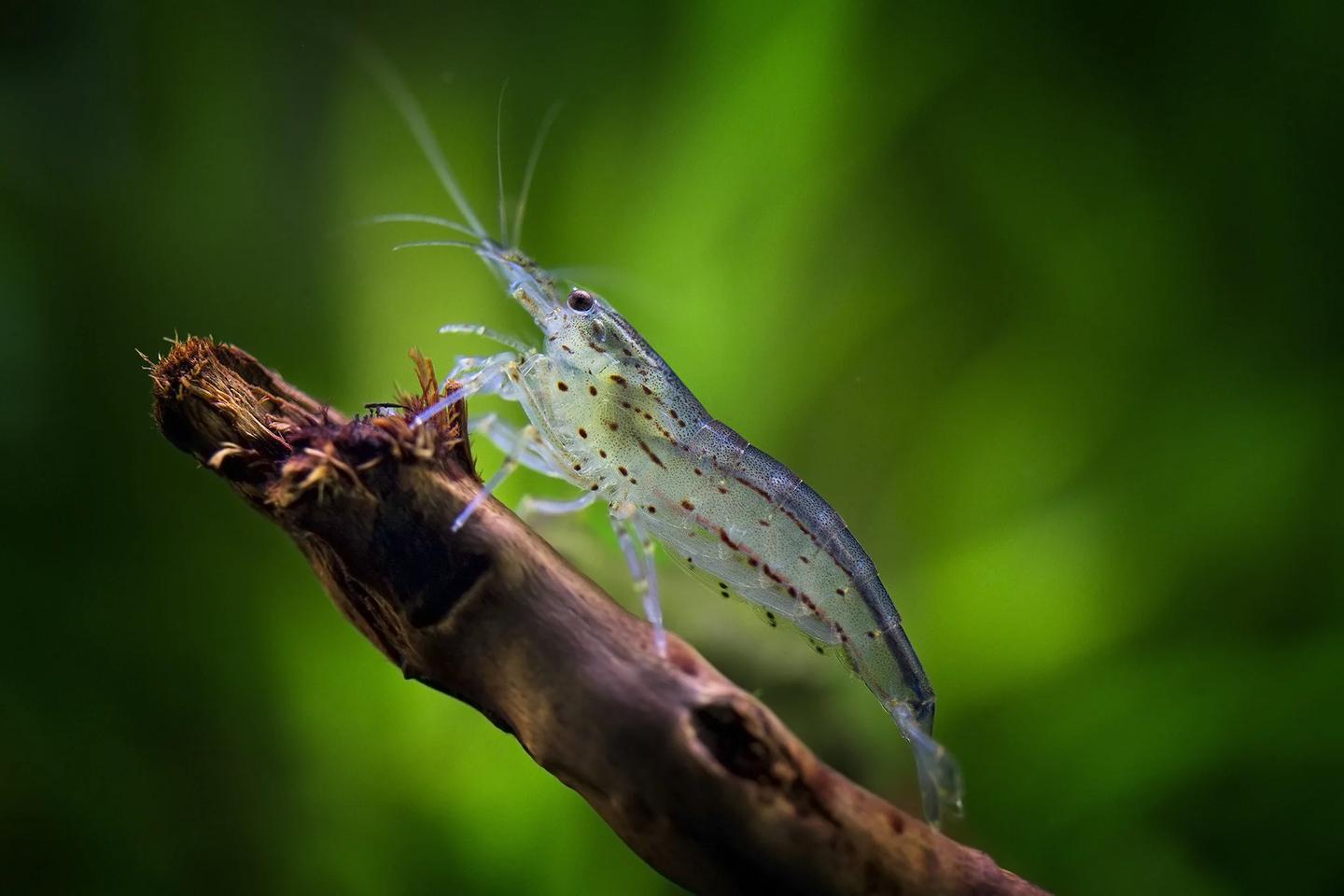
If you have searched what does a harlequin shrimp look like, the freshwater species is small, elegant, and finely patterned rather than bulky. Adult harlequin shrimp size is usually around 2 cm. The body is slender, the rostrum is delicate, and the legs are adapted for constant picking and grazing over sponge, rock, and biofilm-covered surfaces.
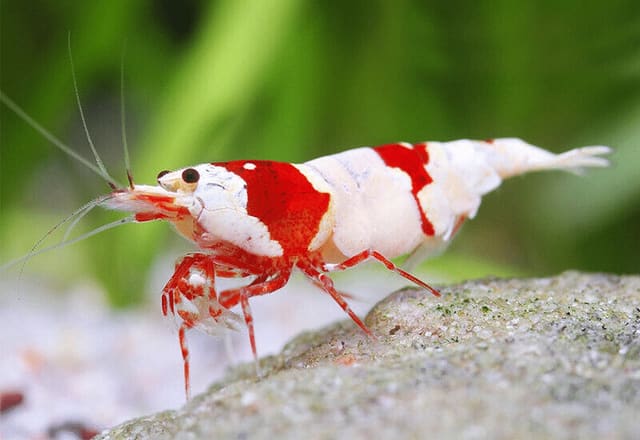
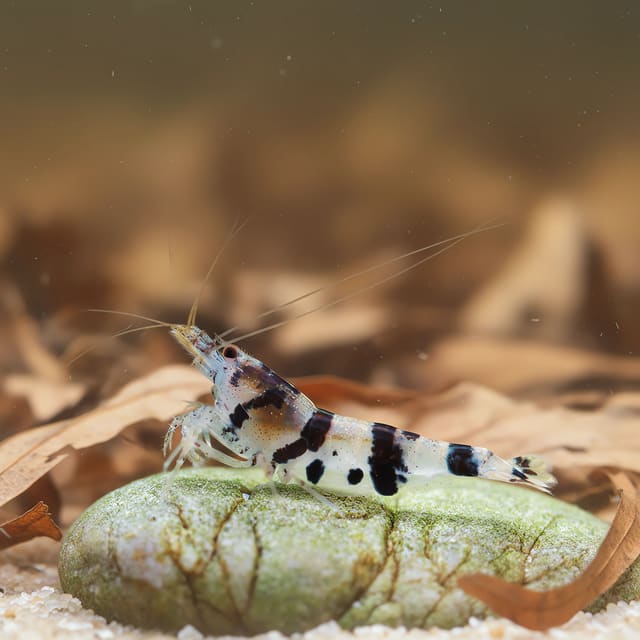
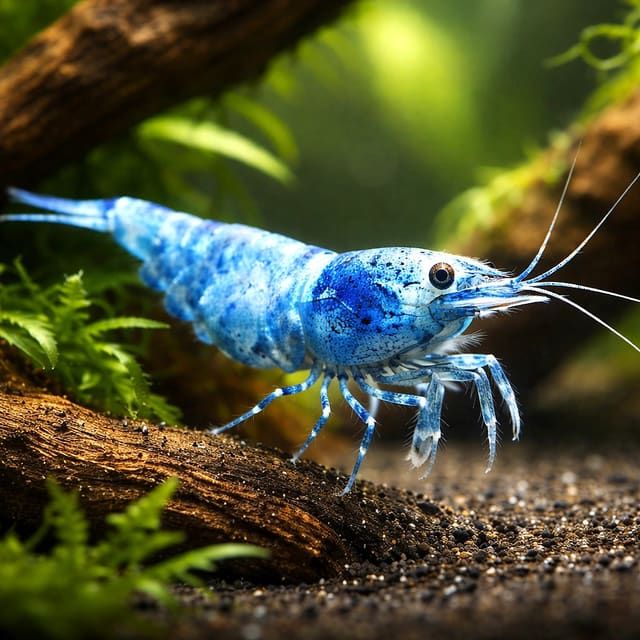
Colouration is the main attraction. Most specimens show a pale cream to translucent base overlaid with reddish, maroon, or patterned markings. In a settled colony, contrast improves under stable warm water and dark décor. This is one reason hobbyists compare harlequin shrimp vs cherry shrimp, harlequin shrimp vs blue velvet shrimp, or harlequin shrimp or crystal red shrimp. Cherry shrimp are bolder blocks of solid colour, while Caridina spongicola has a more refined, wild-looking pattern.
Females are generally a little fuller-bodied than males, especially when mature. If you are trying to identify harlequin shrimp male or female or harlequin shrimp male vs female, females tend to have a broader underside for carrying eggs, while males are slimmer. The differences are subtle, so sexing juveniles is difficult.
For keepers browsing colourful alternatives such as Bloody Mary Cherry Shrimp, Yellow Neon Shrimp, Chocolate Cherry Shrimp, or terms like blue dream shrimp for sale uk, blue bolt shrimp for sale uk, blue cherry shrimp for sale uk, and blue diamond shrimp for sale uk, the Harlequin Shrimp offers rarity and pattern over solid colour intensity.
What Fish Can Live With Harlequin Shrimp? Compatibility Guide
The short answer is: very few. When people ask what can live with freshwater shrimp or look for the best shrimp for community tank, this species is usually not the one to choose. Harlequin shrimp tank mates must tolerate high temperature and alkaline water while also being completely shrimp-safe. That rules out most community fish.
Are Harlequin Shrimp Aggressive?
Are harlequin shrimp aggressive? No. Their temperament is peaceful and shy. Their main defence is hiding among décor and sponge-like surfaces. If you notice harlequin shrimp hiding, it usually points to stress, recent moulting, bright lighting, or unsuitable tank mates rather than aggression.
Ideal Tank Mates
The safest harlequin shrimp compatibility options are other specialist Sulawesi invertebrates. Suitable harlequin shrimp safe tank mates include Sulawesi snails and, in advanced setups, other warm-water Sulawesi shrimp with matching water chemistry. If you want a more forgiving shrimp display, species such as X Cherry Shrimps Neocaridina Davidi Algae, Full Black Rili Shrimp, Green Jade Shrimp, and Yellow Neon Shrimp are easier choices for mixed shrimp communities—but not for the same water parameters.
Species to Avoid
Most fish are a poor match. So, is harlequin shrimp safe with fish? Usually no. Even small fish may eat shrimplets or outcompete adults at feeding time. This also answers online searches like what fish eat harlequin shrimp and what eats harlequin shrimp: many nano fish, larger shrimp, and opportunistic invertebrates will prey on them or stress them.
Do not mix them with standard soft-water Caridina, large Amano shrimp, or boisterous species. Amano shrimp are excellent algae eaters, but their care conditions differ and they can dominate food in a small tank. Marine searches such as banded coral shrimp, cleaner shrimp, or harlequin crab are also unrelated to this freshwater species.
| Species | Compatible? | Notes |
|---|---|---|
| Super Red Sakura Shrimp | ⚠️ Caution | Peaceful, but prefers cooler and less alkaline water than Sulawesi shrimp. |
| Sulawesi snails | ✅ Yes | Excellent companions in the same warm, mineral-rich setup. |
| Most community fish | ❌ Avoid | Predation risk, stress, and feeding competition are too high. |
If your goal is a colourful general shrimp collection rather than a specialist Sulawesi tank, compare this species with Bloody Mary Cherry Shrimp, Chocolate Cherry Shrimp, and Red Pinto Shrimp. Those are better suited to hobbyists asking how to keep harlequin shrimp in a broader sense but who may actually need a simpler first shrimp species.
💡 Compatibility Tip
Always quarantine new arrivals for 2-4 weeks before adding them to a specialist shrimp tank. Sulawesi shrimp react badly to hidden parasites, unstable acclimation, and sudden microbial changes introduced by unquarantined livestock.
How to Breed Harlequin Shrimp: Complete Breeding Guide
Harlequin shrimp breeding is considered difficult, but it is possible in a stable, mature Sulawesi aquarium. If you are researching how to breed harlequin shrimp, the most important factors are stable heat, alkaline mineral balance, low stress, and a well-fed colony. A healthy harlequin shrimp colony should be kept in a species-focused setup with minimal disturbance.
Breeding Setup
A dedicated tank of 20-30 litres works for a breeding group, though larger is easier to maintain. Keep parameters fixed within the normal range and avoid large water changes. Condition the adults on biofilm-rich surfaces and tiny amounts of quality shrimp foods. A compatible harlequin shrimp pair may breed naturally once settled.
Spawning Behaviour
Females carry harlequin shrimp eggs under the abdomen after mating. If you are trying to identify harlequin shrimp male or female, berried females are easiest to spot. Harlequin shrimp reproduction is slow compared with prolific Neocaridina, and success depends heavily on avoiding stress during moulting and egg carrying.
Egg Care & Hatching
Unlike marine species with free-swimming larvae, this freshwater Sulawesi shrimp is generally kept because it can complete development in freshwater under the right conditions. Even so, losses can occur if the tank is immature. Searches for harlequin shrimp larvae and baby harlequin shrimp usually reflect how little information is available compared with common shrimp species.
Juvenile Care & Growth
Newly hatched young need microscopic food sources immediately. This is why tanks rich in biofilm are so important. Powdered grazer foods can help, but they should supplement, not replace, natural surfaces. If you are used to asking how often do freshwater shrimp breed, note that this species reproduces much more slowly than cherry shrimp and should not be treated as a fast-multiplying clean-up crew.
Common Breeding Challenges
The biggest reasons breeding fails are unstable pH, low mineral availability, overclean tanks, and excessive feeding. Aquarists looking for freshwater shrimp that don't breed may actually appreciate how controlled and specialist this species is compared with Neocaridina. Terms like harlequin shrimp pair for sale, baby mantis shrimp for sale uk, baby peacock mantis shrimp for sale uk, fairy shrimp eggs for sale uk, and pistol shrimp and goby pair for sale uk refer to completely different animals and care systems.
Advanced Breeding Tip
For the best chance of seeing juveniles survive, avoid deep substrate cleaning and keep a large proportion of hardscape undisturbed for months at a time. In specialist Sulawesi breeding tanks, the invisible food web on stone, sponge-like surfaces, and filter foam is often more important than any prepared food you add.
Harlequin Shrimp vs Similar Species: Which Should You Choose?
Comparison matters because many buyers searching shrimp for sale UK or aquarium shrimp for sale uk are deciding between rarity and ease of care. The Harlequin Shrimp is beautiful, but it is not the easiest dwarf shrimp to keep.
| Feature | Harlequin Shrimp | Cherry Shrimp |
|---|---|---|
| Max Size | ~2 cm | ~2.5-3 cm |
| Care Level | Expert-specialist | Beginner-friendly |
| Temperature | 27-30°C | 18-26°C |
| Price | £20.32 | Varies by grade |
| Best For | Sulawesi biotopes and rare shrimp collections | General community shrimp tanks |
| Feature | Harlequin Shrimp | Amano Shrimp |
|---|---|---|
| Temperament | Peaceful, shy | Peaceful, bolder feeder |
| Water Type | Warm alkaline Sulawesi water | Broader freshwater range |
| Breeding | Difficult in hobby | Larval stage complex |
| Algae Control | Light grazer | Excellent algae eater |
| Best For | Collectors | Utility and planted tanks |
Choose Harlequin Shrimp if you want a rare Sulawesi species, enjoy fine-tuning water chemistry, and value unusual natural history. Choose cherry shrimp for sale types such as Bloody Mary Cherry Shrimp or Chocolate Cherry Shrimp if you want easier care, faster breeding, and a more forgiving setup. Hobbyists comparing harlequin shrimp for beginners with common Neocaridina should know that this species is rewarding, but definitely not the simplest first step into shrimp keeping.
Common Health Problems in Harlequin Shrimp & How to Prevent Them
Healthy Harlequin Shrimp are active grazers with steady posture, clear body pattern, and regular moulting. If they become lethargic, stop feeding, or remain hidden for long periods, review the basics first: temperature, pH, hardness, oxygenation, and recent changes. Most losses in this species come from environmental instability rather than infectious disease.
Signs of a Healthy Shrimp
Look for steady grazing, normal response to food, clean antennae, and complete moults. A settled shrimp will spend much of the day picking at surfaces rather than swimming frantically. This answers part of what do harlequin shrimp do: in a healthy tank, they graze almost constantly.
Common Problems
Failed moults, bacterial stress, starvation in immature tanks, and osmotic shock after poor acclimation are the main risks. If you are browsing which shrimp for sale uk online, which shrimp for sale uk 2023, or which shrimp for sale uk 2024, this species should be chosen for its rarity, not because it is easy. Sudden losses often trace back to the wrong substrate, low KH, or adding them to a new tank.
Treatment & Prevention
Prevention is far better than treatment. Keep water changes small and matched closely to tank parameters. Quarantine all new livestock. Feed lightly, remove waste, and avoid parameter swings. If a problem appears, test water immediately before adding any medication.
⚠️ Medication Warning
NEVER use copper-based medications with invertebrates. Copper is lethal to shrimp, including Sulawesi species, even at doses often tolerated by fish. Always check labels before treating a tank.
Quarantine Protocol
- Use a separate cycled tank for 2-4 weeks
- Match temperature and mineral content closely
- Observe feeding response and moulting
- Do not medicate unless the diagnosis is clear
- Use dedicated nets and tools to avoid contamination
Searches like which shrimp for sale uk to usa or which shrimp for sale ukraine are not useful for care, but they do show how often rare shrimp are bought on impulse. This is one species that should only be ordered once the aquarium is fully prepared.
Understanding Harlequin Shrimp Behavior in the Aquarium
Harlequin Shrimp are peaceful, deliberate, and somewhat shy. They spend most of their time grazing on surfaces, investigating crevices, and resting on hardscape. In a mature tank, they become more visible and confident. In a bare or immature setup, harlequin shrimp hiding is common.
They are best kept in groups, and a calm group dynamic helps them settle. If you are asking how to care for harlequin shrimp or how to find harlequin shrimp once introduced, check shaded rockwork, sponge-like décor, and the undersides of hardscape. Newly introduced shrimp often stay out of sight for several days.
Because they are small and non-aggressive, they are not ideal show animals for busy community tanks. Their appeal is subtler: close-up observation, natural grazing, and the satisfaction of maintaining a species with very exact freshwater shrimp requirements. For many keepers, that challenge is exactly what makes them special.
Why Buy from Tropical Fish Co?
Our Harlequin Shrimp are selected for aquarists who understand the value of stable Sulawesi conditions. This is not a generic dwarf shrimp listing. We identify this species correctly as freshwater Caridina spongicola, not the marine starfish-eating shrimp that often appears in search results for harlequin shrimp for sale online or live harlequin shrimp for sale. That matters because accurate identification is the first step in successful care.
Each group is held and observed before sale, with close attention paid to activity, feeding response, and moulting. We recommend these shrimp only for prepared keepers with a suitable warm alkaline setup, and we include clear acclimation guidance because Sulawesi shrimp react badly to rushed transfers. If you are wondering where to buy harlequin shrimp UK, want a specialist harlequin shrimp shop UK, or need to order harlequin shrimp UK from a source that understands the species, this is the level of detail you should expect.
For transport, livestock is packed in insulated boxes with professional bagging methods, and heat packs are used in cold weather when needed. Harlequin shrimp delivery UK orders are prepared to reduce temperature fluctuation and transit stress. Whether you normally buy shrimp UK, search for live aquarium shrimp for sale uk, aquarium shrimp for sale uk nearby, or compare sulawesi shrimp for sale uk listings, the key difference here is species-specific handling and honest care guidance. This is not a cheap harlequin shrimp UK impulse purchase; it is a specialist animal for the right aquarium.
If you are comparing rare shrimp with terms like ghost shrimp for sale uk, wood shrimp for sale, or even hawaiian harlequin shrimp for sale, remember those are very different species with different needs. Order your Harlequin Shrimp today only when your Sulawesi tank is mature, warm, and ready.
Why Choose Tropical Fish Co for Harlequin Shrimp
- Correctly identified freshwater Caridina spongicola, not confused with the marine harlequin shrimp
- Held under observation for feeding behaviour, moulting, and general condition before sale
- Packed for UK transit with insulation and seasonally appropriate heat protection for this warmth-loving Sulawesi species
You Might Also Like
If you enjoy rare and colourful shrimp, compare this species with easier dwarf shrimp options such as Super Red Sakura Shrimp, Full Black Rili Shrimp, Bloody Mary Cherry Shrimp, and Chocolate Cherry Shrimp. For brighter contrast in planted nano tanks, take a look at Green Jade Shrimp or Yellow Neon Shrimp. If you are still deciding between specialist Sulawesi shrimp and easier community species, our wider freshwater shrimp UK collection is a good place to compare care levels, colours, and compatibility.
You Might Also Like


Aulonocara sp. 'Firefish' - Tropical Fish for Sale UK

Best Food for Tropical Fish - White Worms (90 ML) | UK

Orange Venezuelan Cory (Corydoras venezuelanus var. 'Orange') - UK

Yellow Lepturus Cichlid - UK

Apistogramma agassizii “Super Red” - UK

X Neon Green Rasbora - UK

Rasbora Heteromorpha (Trigonostigma heteromorpha) - UK
Popular Right Now

Endler Gold Guppy Breeding (Poecilia wingei) - UK

Chindongo saulosi 'Coral Red' - UK
10x Assorted Swordtails – Xiphophorus Hellerii

Glass Catfish (Kryptopterus vitreolus) - UK

Blood Red Dwarf Gourami - UK

Striped Kribensis Dehane - Tropical Fish for Sale UK