−10%
Moderate
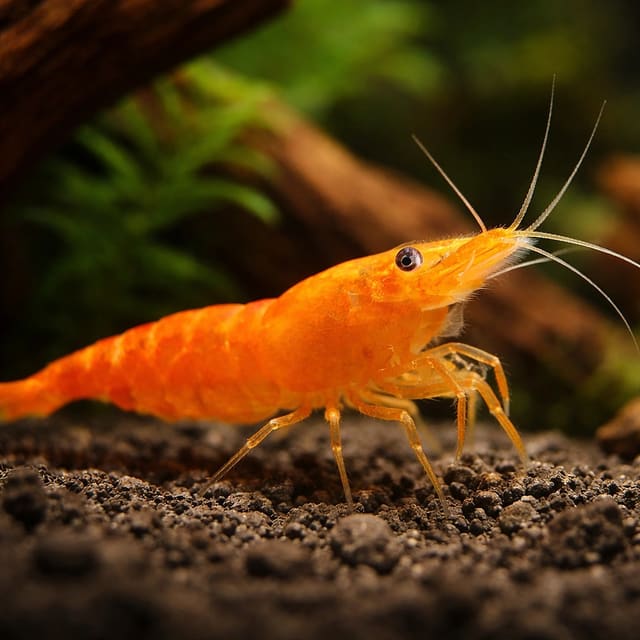
Orange Sakura Shrimp (Neocaridina davidi)
17–27°C · pH 6.5–8
£14.39£15.99

Red Nose Rhino Shrimp is a distinctive Caridina gracilirostris for mature, stable aquariums, with careful acclimation and brackish breeding caution.
Adult size is the maximum length this species reaches at full maturity (scientific sources). The livestock you receive will be younger and smaller. Product-photo provenance and any image-specific limitations are stated on the listing.
Caridina gracilirostris
Lives in groups: kept together they stay settled, active and show their best colour.
Confirm your email, then we’ll send an availability message for this exact item if it returns within 180 days.
This request is only for this product—no newsletter or other promotions. A mail-provider retry may very rarely duplicate the same availability message. Unconfirmed addresses are removed after 48 hours. See our privacy policy.
Red Nose Rhino Shrimp is a distinctive Caridina gracilirostris for mature, stable aquariums, with careful acclimation and brackish breeding caution.
Adult size is the maximum length this species reaches at full maturity (scientific sources). The livestock you receive will be younger and smaller. Product-photo provenance and any image-specific limitations are stated on the listing.
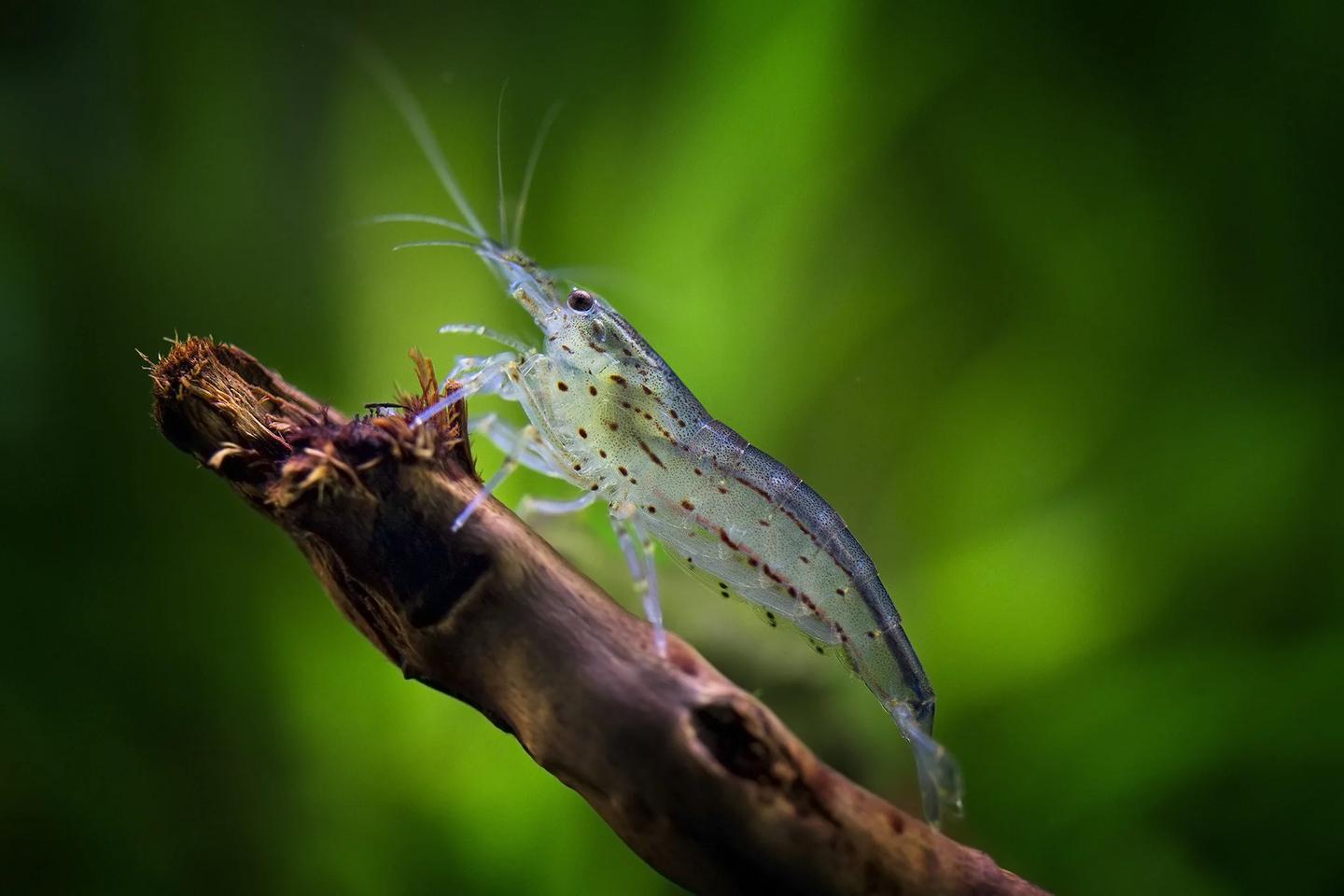
Start with a mature, filtered aquarium. OATA's broad UK guidance suggests approximately 20 litres for Amano Shrimp and at least five for social shrimp, with a larger aquarium when fish are present. Treat those as cautious planning screens—not biological minima or a per-litre formula. Match the complete adult community, test your water, protect the filter inlet and never buy them as a guaranteed algae cure.
Maintain these water conditions for optimal health and vibrant colors
Red Nose Rhino Shrimp (Caridina gracilirostris), also sold under names such as Red Nose Shrimp or Pinocchio Shrimp, is a distinctive algae-grazing shrimp with a long red rostrum and a slim, mostly translucent body. It is not the same animal as the common algae-grazing Caridina sold under other trade names, and it is not a Neocaridina colour morph. This listing is for aquarists who want a more unusual Caridina species and are prepared to keep water stable, mature and carefully matched to the shrimp's needs.
This is a peaceful invertebrate, but it is not the easiest beginner shrimp. Many care sources describe Caridina gracilirostris as a freshwater-to-brackish-edge species, and breeding requires brackish water for the larval stage. Adults may be sold for freshwater aquariums, but they should not be treated like ordinary Neocaridina. The safest approach is a mature, mineral-stable aquarium, slow acclimation, low nitrate, zero ammonia/nitrite, and no copper-based medication.
| Care point | Best guidance for this listing |
|---|---|
| Scientific name | Caridina gracilirostris |
| Common names | Red Nose Shrimp, Rhino Shrimp, Pinocchio Shrimp |
| Adult size | Usually around 3-4 cm |
| Care level | Moderate; not a casual beginner dwarf-shrimp substitute |
| Temperature | About 22-28 C for aquarium keeping |
| pH | Usually around neutral to slightly alkaline; stability matters more than chasing a number |
| Diet | Biofilm, algae, shrimp foods, blanched vegetables and tiny prepared foods |
| Breeding | Difficult in home aquariums; larvae need brackish water |
The most important quality fix on this page is the name. Caridina gracilirostris is better described as Red Nose Rhino Shrimp than as a generic aquarium shrimp listing. The long red rostrum is the feature that gives the shrimp its common names. Mature specimens are slim, active and usually semi-transparent, with subtle red or yellow markings rather than the solid colour of common Neocaridina colour morphs.
Because this species is easily confused in search results, the listing now avoids forcing unrelated trade names into the body. For comparison, the familiar algae-eating Caridina is Caridina multidentata, while the common colourful dwarf shrimp in many planted tanks are usually Neocaridina davidi. This product should be chosen for its own behaviour and specialist care needs.
Use a mature aquarium with stable filtration and plenty of biofilm. A 40-litre tank can hold a small group, but a larger aquarium is easier to keep stable and gives more grazing surface. If you keep this shrimp in a community, avoid boisterous fish and anything likely to pick at invertebrates. A shrimp-focused or very calm planted tank is usually the better choice.
| Setup area | Recommended approach | Reason |
|---|---|---|
| Maturity | Use a fully cycled aquarium with visible biofilm and stable readings | New tanks are risky for Caridina because water swings cause moulting problems. |
| Filtration | Gentle sponge or protected intake filtration | Shrimp need oxygen and cleanliness without being pulled into the filter. |
| Decor | Moss, fine plants, wood, leaves and grazing surfaces | Provides cover and natural feeding areas. |
| Water changes | Small, regular, well-matched changes | Sudden shifts in temperature, pH, salinity or hardness are dangerous. |
| Medication | Avoid copper and invertebrate-unsafe treatments | Copper can kill shrimp even when fish tolerate it. |
Care information for Red Nose/Rhino Shrimp is inconsistent because the species can be encountered around fresh and brackish habitats, and suppliers do not always state the exact holding conditions. That means the honest advice is caution, not overconfidence. Adults may adapt to freshwater when acclimated properly, but many experienced sources warn that long-term success and breeding are strongly tied to brackish conditions.
| Parameter | Practical target | Important note |
|---|---|---|
| Temperature | 22-28 C | Keep oxygen high, especially at the warmer end. |
| pH | Neutral to slightly alkaline | Avoid rapid pH changes. |
| Hardness | Moderate mineral content | Very soft unstable water increases moulting risk. |
| Salinity | Freshwater only if already acclimated; brackish may be needed for specialist keeping | Do not mix salt-sensitive plants or fish into a brackish plan casually. |
| Nitrogen waste | 0 ammonia, 0 nitrite, low nitrate | Shrimp are less forgiving than many fish. |
Red Nose Rhino Shrimp spend much of their time grazing. Biofilm and algae are valuable, but they should not be the only food in a clean aquarium. Supplement with tiny portions of shrimp pellets, powdered shrimp food, spirulina, leaf litter, blanched vegetables and occasional fine frozen foods. Feed lightly; uneaten food can harm water quality faster than it helps the shrimp.
| Food | Use | Warning |
|---|---|---|
| Biofilm and algae | Everyday grazing | Do not over-clean every surface. |
| Shrimp pellets or powder | Small controlled feeds | Remove leftovers quickly. |
| Blanched vegetables | Occasional fibre-rich supplement | Use tiny pieces only. |
| Leaf litter | Longer-term grazing surface | Add gradually and monitor water colour. |
| Frozen micro foods | Rare variety food | Too much protein can foul the aquarium. |
Choose tank mates by shrimp safety, not just by water temperature. Peaceful snails and small calm fish can work, but a species-only shrimp setup is safest if you want to see natural behaviour. Avoid fish that hunt, nip, dig aggressively or rush food. Even peaceful community fish may eat tiny shrimplets, and this species is difficult to breed in freshwater anyway.
| Best choices | Use with care | Avoid |
|---|---|---|
| Peaceful snails | Very small calm fish | Puffers, loaches and predatory fish |
| Other similar-sized peaceful shrimp | Community fish in larger planted tanks | Aggressive cichlids or active barbs |
| Shrimp-only planted setup | Brackish specialist companions only in planned systems | Any setup needing copper medication |
Order only when your aquarium is ready. First-time customers can use WELCOME10 where the code is active and eligible for the basket, and livestock orders are covered by the Tropical Fish Co Live Arrival Guarantee when the policy conditions are followed. On arrival, keep lights low, drip acclimate slowly, and match temperature and mineral conditions carefully. Do not add shrimp to a tank recently treated with medication.
No reviews for this item yet. Bought one? Honest reviews only, good or bad.
What customers say about ordering from us
I have a small group of long finned mountain minnows. So was delighted to be able to order ten of this variety to increase the genetics in my tank . The ones I recieved are healthy but it’s to early to give a verdict on wether they are of a long finned type since they are small currently.
Gordon Walker · 23 Sept 2026
100% success travel and "installation". Pleased with quality of purchase. The Siamese fighter a bit "shy" so have not yet seen him at his best yet but looking good. Happy customer. GG
George E Garratt · 21 Sept 2026
Reviews of our shop, collected by Judge.me, an independent third-party review collector. Newest first.