−11%
Moderate
Amano Shrimp (Caridina multidentata)
£5.33£5.99

Wood / Bamboo Shrimp is Atyopsis moluccensis, a freshwater atyid shrimp sold as one animal in a selected 2–3 cm, 4–5 cm or 5–7 cm dispatch size. Use a mature filtered aquarium, keep ammonia and nitrite at 0 mg/L, and screen out predators or fish able to swallow it.
Atyopsis moluccensis
Lives in groups: kept together they stay settled, active and show their best colour.
Wood / Bamboo Shrimp is Atyopsis moluccensis, a freshwater atyid shrimp sold as one animal in a selected 2–3 cm, 4–5 cm or 5–7 cm dispatch size. Use a mature filtered aquarium, keep ammonia and nitrite at 0 mg/L, and screen out predators or fish able to swallow it.
Maintain these water conditions for optimal health and vibrant colors
Wood / Bamboo Shrimp is Atyopsis moluccensis, an accepted freshwater shrimp species in the family Atyidae. The World Register of Marine Species places it within the decapod crustaceans and accepts the scientific name used here.
At genus level, the natural-history summary for Atyopsis describes freshwater shrimp from Southeast Asia. The genus was established in 1983 for two species formerly treated as Atya, with anatomical features separating the two genera. That background helps identify the animal without turning a regional genus description into an aquarium water prescription.
Choose this shrimp for an established aquarium where filtration, water testing and restrained feeding are already routine. The central decisions are practical: the biological filter must be mature, ammonia and nitrite must remain at 0 mg/L, every proposed fish must pass a predation screen, and any treatment used in the aquarium must be safe for invertebrates.
| Decision | What to check |
|---|---|
| Identity | Atyopsis moluccensis, family Atyidae |
| Aquarium readiness | Mature filter and stable tested water |
| Companions | No predators or fish able to swallow the shrimp |
| Treatments | Explicitly safe for invertebrates |
Keepers comparing freshwater invertebrates can also browse the shrimps and crustaceans collection. Compare care requirements rather than assuming that different shrimp share the same size, social or feeding needs.
One purchase quantity supplies one Wood / Bamboo Shrimp in the option selected. The live size selector shows three dispatch sizes: 2–3 cm, 4–5 cm and 5–7 cm. Select the grade you want there rather than using photographs to estimate the animal that will be sent.
The size you select is the size supplied, not the adult size. Treat each measurement as a dispatch description and plan future space around the animal’s continuing needs, filtration capacity and intended companions. A larger dispatch grade does not remove the need to screen every fish for predatory behaviour or the ability to swallow the shrimp.
Sex is guaranteed only when the selected option explicitly states male or female. This Wood / Bamboo Shrimp listing has no sex-guaranteed option.
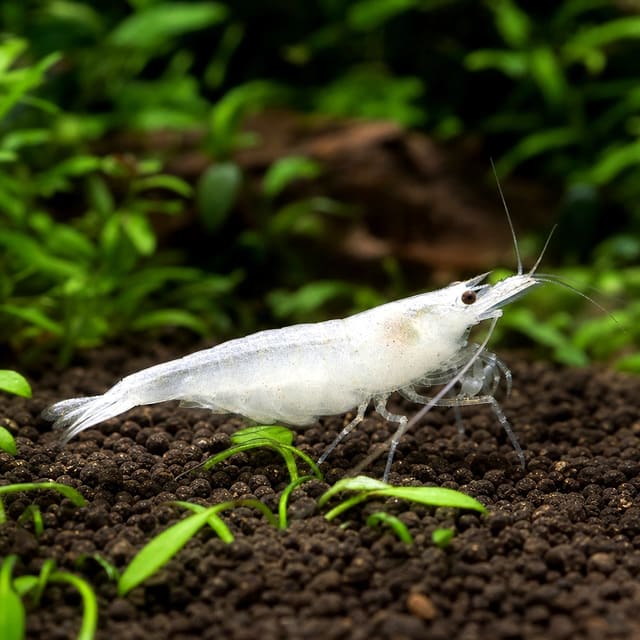
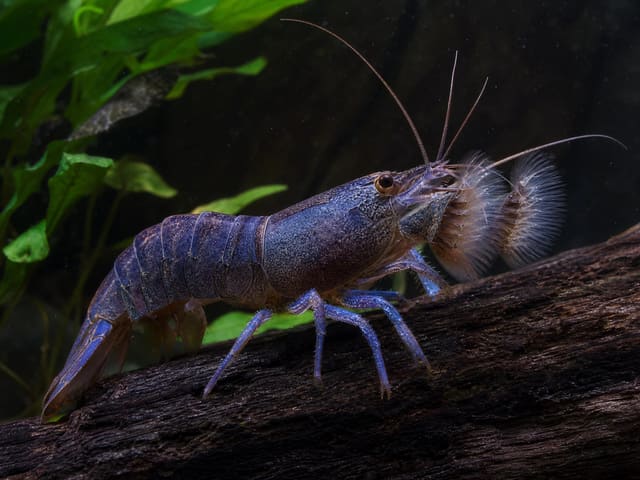
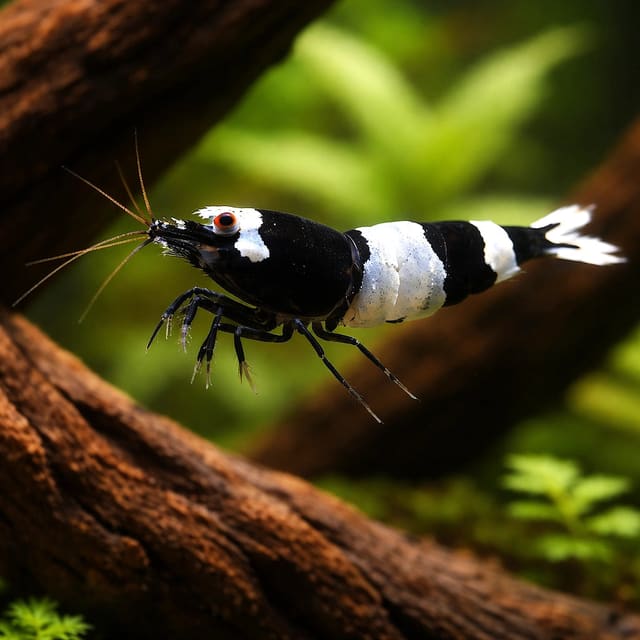
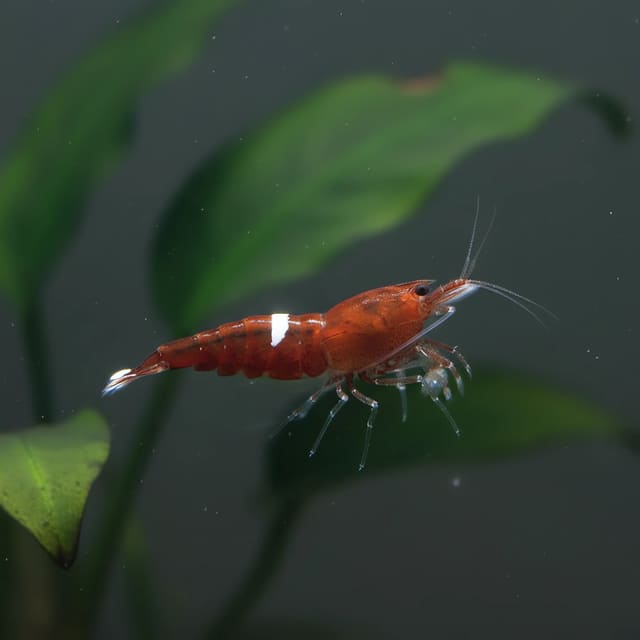
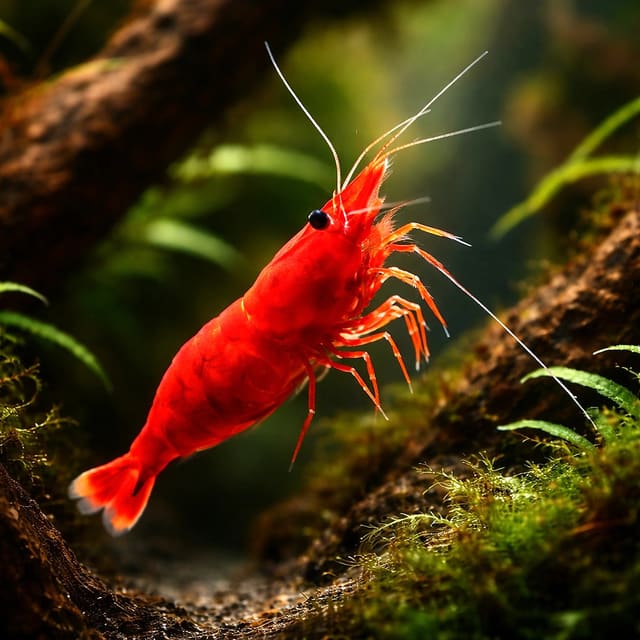
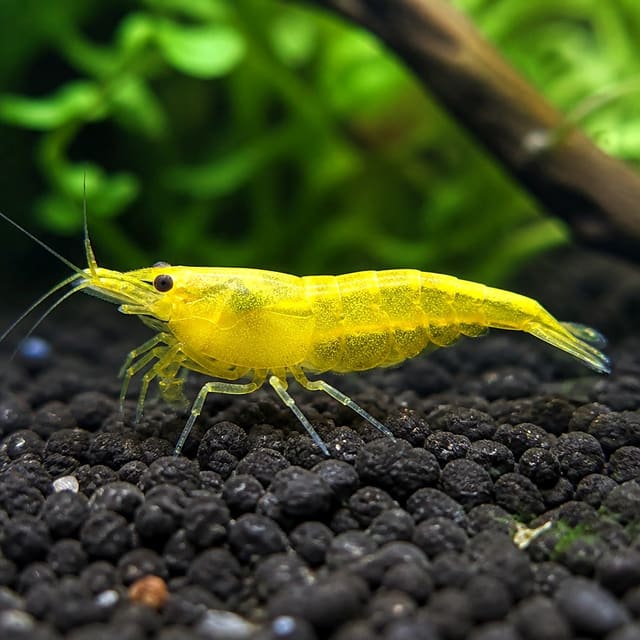
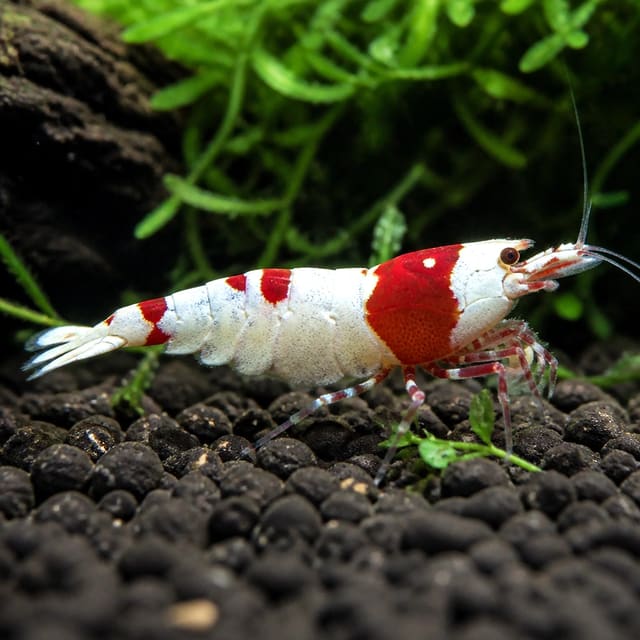
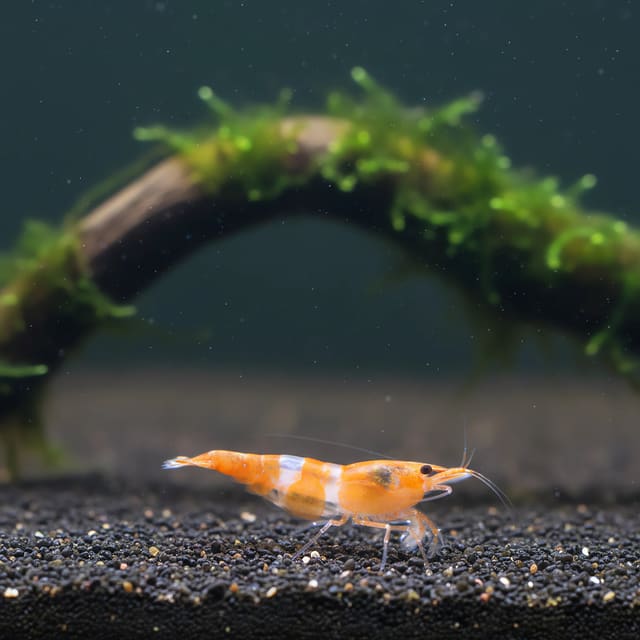
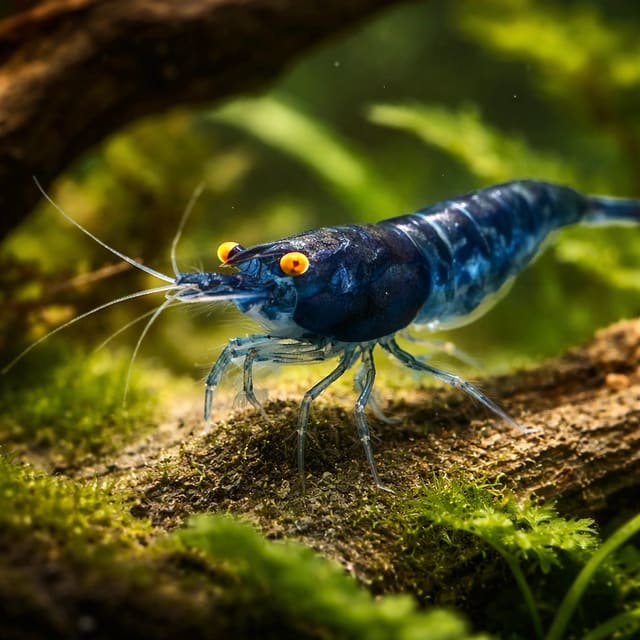
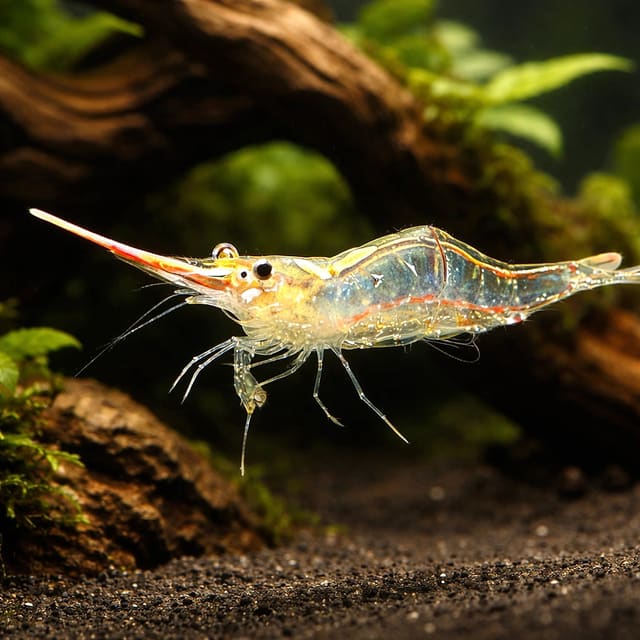
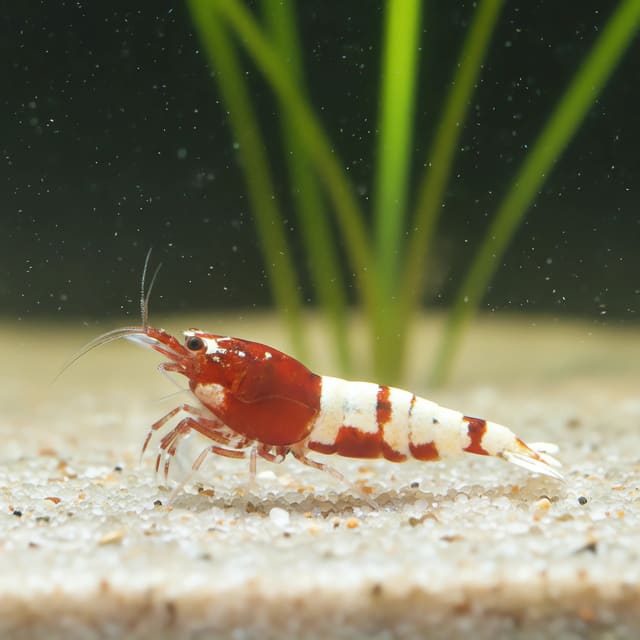
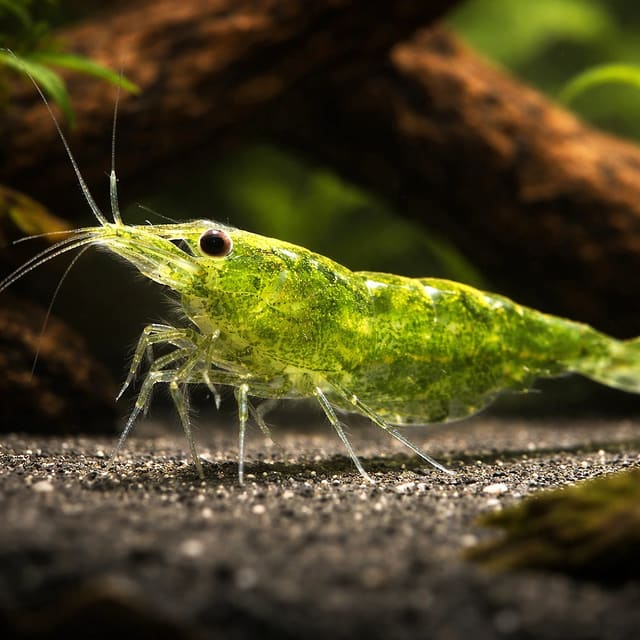
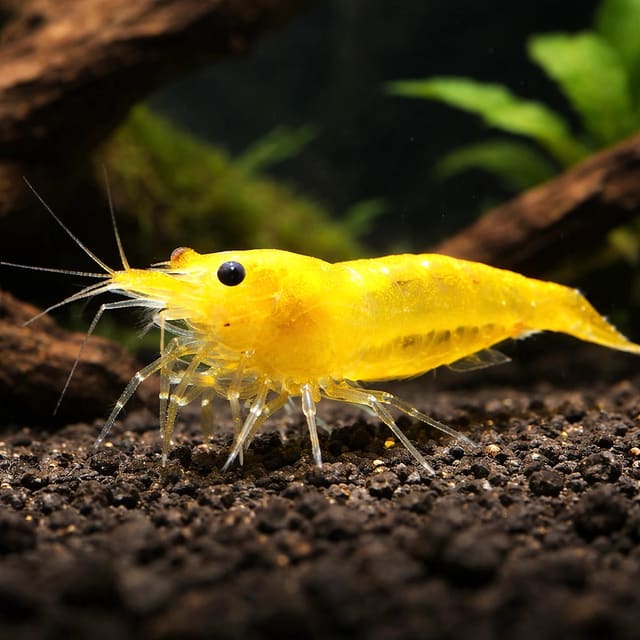
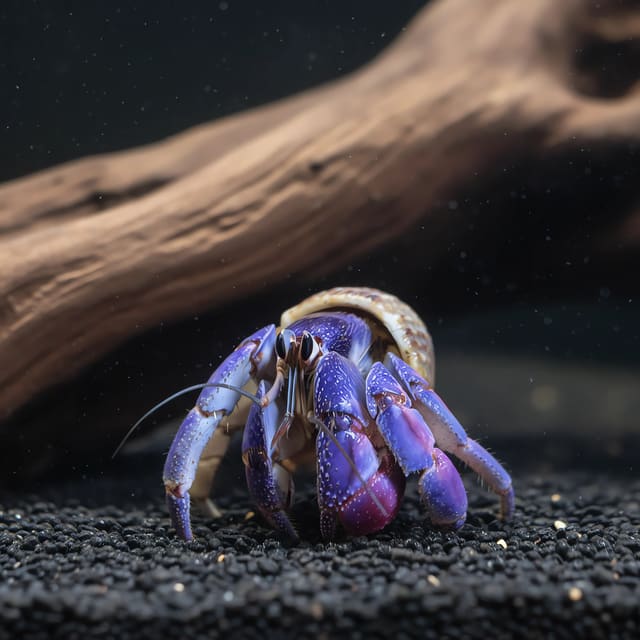
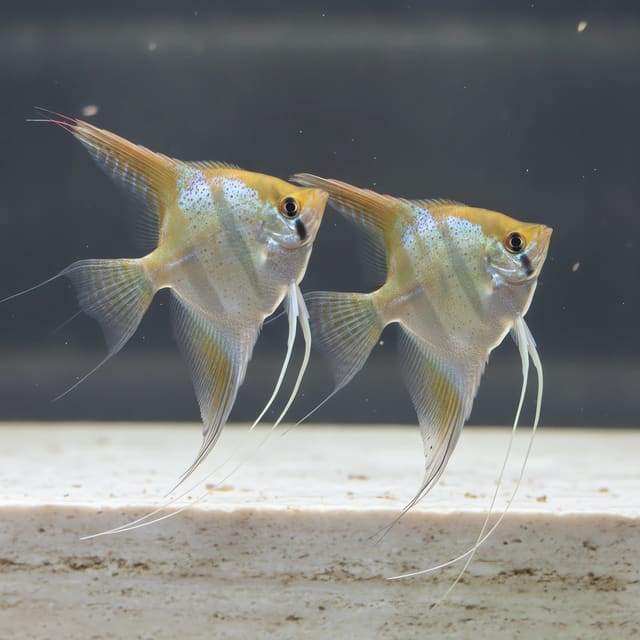
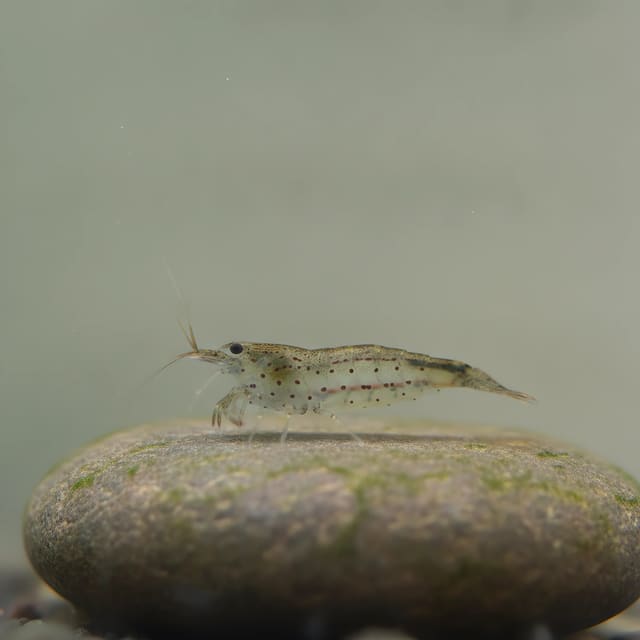
The gallery images are representative of this type of animal rather than photographs of the exact animal supplied, so colours can look slightly different from the live animal.
For dispatch days, packing information and claim requirements, read the current delivery and Live Arrival Guarantee policy. Use that policy page for the terms that apply to an order rather than relying on a static summary.
OATA’s freshwater shrimp and snail guidance gives 17–27°C, pH 6.5–8.0, general hardness of 4–18°dH and carbonate hardness of 3–15°dKH. These are broad group values rather than a species-specific optimum, so use them as the working envelope while keeping the aquarium stable.
| Readiness check | Working value |
|---|---|
| Temperature | 17–27°C |
| pH | 6.5–8.0 |
| General hardness | 4–18°dH |
| Carbonate hardness | 3–15°dKH |
| Ammonia | 0 mg/L |
| Nitrite | 0 mg/L |
| Nitrate | Up to 20 mg/L above the normal tap-water level |
Test the aquarium before adding the shrimp. Ammonia or nitrite above 0 mg/L means the biological system is not meeting the stated target, so pause livestock additions and check filter function, stocking pace and feeding. Record the nitrate level of conditioned tap water as the baseline; the aquarium reading should not exceed that baseline by more than 20 mg/L.
Water values are only one part of readiness. The aquarium also needs an essential working filter, gravel or sand, and cover from plants or suitable ornaments. Larger aquariums generally provide more stable temperature and water quality, while an aquarium containing fish needs more space than a shrimp-only arrangement.
A filter is essential in every aquarium used for freshwater shrimp. Its mechanical role helps collect waste, but its biological role is the decisive one: beneficial bacteria process toxic ammonia into toxic nitrite and then into the safer nitrate stage.
The RSPCA’s explanation of aquarium filtration describes this waste-processing sequence and the importance of a well-established biological filter. Maturation means allowing that bacterial population to establish before livestock is introduced; it does not mean adding an animal to a newly filled aquarium and waiting for the filter to catch up afterwards.
Our shrimp-keeping guide can help organise the preparation and maturation stages before an animal arrives. Complete those stages first, then use measured water results rather than the aquarium’s age alone as the readiness test.
Check the filter for blockages as part of weekly maintenance. When the media needs cleaning, rinse it lightly in aquarium water removed during a partial water change. Do not rinse it beneath tap water because chlorine or chloramine may kill part of the beneficial bacterial population.
Stocking too quickly can create new tank syndrome when the established bacteria cannot process the increased waste. Prevent that problem by adding animals slowly, controlling food and continuing weekly tests. A filter that worked for the previous livestock load needs time to respond when the load increases.
Keep temperature between 17°C and 27°C, pH between 6.5 and 8.0, general hardness between 4°dH and 18°dH, and carbonate hardness between 3°dKH and 15°dKH. Aim for stability within those working ranges rather than allowing readings to move repeatedly between their limits.
Ammonia and nitrite each have a target of 0 mg/L. Nitrate should not exceed 20 mg/L above the normal level in the tap water used for the aquarium. This makes the tap-water reading part of the calculation rather than treating one fixed nitrate number as suitable for every household.
| Tap-water nitrate | Aquarium ceiling |
|---|---|
| 0 mg/L | 20 mg/L |
| 5 mg/L | 25 mg/L |
| 8 mg/L | 28 mg/L |
| 10 mg/L | 30 mg/L |
For example, if conditioned tap water tests at 8 mg/L nitrate, adding the permitted difference of 20 mg/L gives an aquarium ceiling of 28 mg/L. Continue testing at least weekly because feeding, stocking and filter performance can change the aquarium reading.
Use our water-chemistry guide to understand what each measurement means, then enter the measured results into the water matcher for a direct comparison with the stated range. Keep a dated log so changes can be connected to feeding, maintenance or new livestock.
Aquarium volume should be chosen around the whole plan: the number of animals, whether fish will share the aquarium, the amount of cover and the filter’s capacity. Favour more space where practical because a larger aquarium generally holds temperature and water quality more steadily.
The freshwater-invertebrate guidance uses an aquarium of at least 10 litres for a group of small shrimp or snails and approximately 20 litres for larger examples such as Amano shrimp. It also says the aquarium must be larger when fish are included. Use those figures as comparison points while selecting an aquarium around this shrimp’s complete long-term arrangement, not as a reason to squeeze it into the smallest container.
| Aquarium plan | Space decision |
|---|---|
| Shrimp-only arrangement | Allow room for filtration, substrate and several covered areas |
| Shrimp with fish | Choose more volume than the invertebrate-only comparison |
| Several livestock additions | Add slowly so bacterial capacity can increase |
| Smaller water volume | Expect less buffering against changes in temperature and water quality |
Do not let the selected dispatch size become the sole space calculation. The 2–3 cm, 4–5 cm and 5–7 cm options describe the animal at dispatch, while aquarium planning must also account for continued care, cover, companions and stability.
Use the general freshwater-shrimp feeding routine as the starting point: provide algae wafers or commercial pellets made for freshwater shrimp. Freshwater shrimp are generally described as herbivorous grazers that eat aquarium algae, but supplementary food is still recommended to make sure they receive enough.
Feed two or three times a week. Leave pellets or wafers for at least 30 minutes so the shrimp has time to feed. Avoid adding food every day by habit because excess food can remain in the aquarium, break down and release toxic waste into the water.
| What you observe | Next decision |
|---|---|
| Food is taken within the feeding period | Keep the same controlled routine |
| Food repeatedly remains | Reduce the next portion |
| Ammonia or nitrite appears | Pause additions and review feeding and filtration |
| Nitrate rises towards its ceiling | Check feeding quantity and the water-change schedule |
Do not rely on the shrimp’s reputation for grazing as a substitute for planned feeding. Equally, do not add extra food simply because algae is difficult to see. Use the stated foods, frequency, 30-minute observation period and weekly water results together.
Food choice must also protect water quality. A mature filter processes waste, but it does not make overfeeding harmless. Controlled portions reduce the amount of uneaten material that can decay and help keep ammonia and nitrite at 0 mg/L.
Carry out a partial water change of 25% at least once every week. Treat replacement tap water with a suitable conditioner before it enters the aquarium so chlorine or chloramine cannot harm the livestock or the beneficial bacteria in the filter.
| Aquarium volume | 25% water change |
|---|---|
| 20 litres | 5 litres |
| 40 litres | 10 litres |
| 60 litres | 15 litres |
| 80 litres | 20 litres |
These examples show the calculation rather than minimum aquarium recommendations. Multiply the aquarium’s actual water volume by 0.25, prepare that amount of conditioned replacement water and record the change in the maintenance log.
Test the aquarium at least once a week even when it looks clear. Clear water does not show whether ammonia and nitrite are at 0 mg/L or whether nitrate is approaching the limit calculated from the tap-water baseline.
Invertebrates are very sensitive to copper and will die after exposure even to low levels. Check every medication or treatment before use and choose only one explicitly described as safe for invertebrates. This rule applies to the shared aquarium, not only to products marketed for shrimp.
Consistency makes changes easier to interpret. When tests are taken on the same day each week and the same percentage is changed, a shift in readings can be compared with recent feeding, livestock additions or filter maintenance rather than treated as an isolated number.
Before introducing the shrimp, confirm that the aquarium is appropriately sized for the complete stocking plan, the biological filter is mature, and ammonia and nitrite both test at 0 mg/L. Check temperature, pH and hardness against the working ranges and record the results.
Increase livestock numbers slowly. Every new animal and every increase in feeding creates more waste, while the beneficial bacterial population needs time to expand. Several additions made together can overwhelm that capacity and lead to new tank syndrome, with unhealthy ammonia or nitrite levels.
Watch for increased inactivity, restlessness, unusual behaviour, darker or paler colour, more hiding, altered breathing rate or effort, time spent in areas with higher oxygen levels, white spots, discolouration, lesions, abnormal growths, exoskeleton damage, lost appendages, weight change, swelling or reduced interest in food.
A change is a prompt to inspect the whole system. Test ammonia and nitrite first, compare nitrate with its calculated ceiling, check the filter for blockage, review recent feeding and consider whether any treatment or chemical entered the aquarium. Do not add medication unless it is explicitly safe for invertebrates.
If you are concerned about a health change, contact us with the measured water values, aquarium volume, stocking list, feeding routine and a description of what changed. Concrete observations and test results make the next welfare decision more useful than a general statement that the shrimp looks different.
Keep dated notes on normal activity, colour, hiding and food response alongside the weekly test results. Individual animals can vary, so the most useful comparison is between the shrimp’s usual pattern and a clear new change.
Freshwater shrimp may be eaten by common aquarium fish. Avoid any fish able to fit the shrimp in its mouth and avoid any species known to be predatory. Apply both tests to every proposed companion rather than relying on a broad community label.
A fish that passes one part still has to pass the other. A small predator remains a predator, while a fish not described as predatory may still be unsuitable if the shrimp can fit in its mouth. Repeat the assessment for the animal’s planned aquarium arrangement rather than judging from a photograph.
| Screening result | Decision |
|---|---|
| Can swallow the shrimp | Avoid |
| Known predatory species | Avoid |
| Passes both exclusions | Continue the space and water assessment |
| Mixed aquarium with fish | Provide more space than a shrimp-only arrangement |
Passing the predation screen is not the end of compatibility planning. Compare the companion’s water requirements with 17–27°C, pH 6.5–8.0 and the stated hardness ranges. Make sure the complete stocking plan can maintain ammonia and nitrite at 0 mg/L and keep nitrate within 20 mg/L of the normal tap-water level.
Include physical cover through plants or suitable ornaments, but do not treat hiding places as permission to add a predator. Cover supports the aquarium arrangement; it does not cancel the mouth-size or predatory-species exclusions.
A proposed companion outside those clear exclusions still needs an individual assessment for space, water and stocking load. For a stocking and compatibility assessment, send us the exact species, approximate sizes, aquarium volume and measured water values.
OATA describes shrimp species as usually social, but a group must still fit the aquarium’s space, filtration and maintenance capacity. Plan the number through those limits rather than choosing an arbitrary count that ignores the rest of the livestock.
Do not assume another shrimp or snail is automatically compatible simply because it is also an invertebrate. The aquarium still has finite space and biological capacity, and each animal adds to feeding and waste. Apply the same water and stocking assessment to mixed-invertebrate arrangements.
| Planning question | Required answer |
|---|---|
| Can every animal fit the water plan? | Yes, before combining them |
| Can any fish swallow the shrimp? | No |
| Is any companion predatory? | No |
| Can the filter hold ammonia and nitrite at 0 mg/L? | Yes, with gradual additions |
| Is there enough cover? | Plants or suitable ornaments are in place |
When increasing the number of shrimp, keep the established feeding schedule and judge portions through the 30-minute observation period. More animals may change food use and waste production, so let water tests determine whether the biological system is coping before making another addition.
Copper sensitivity applies to every inhabitant sharing the water. Check treatments for explicit invertebrate safety even when the treatment is intended for a fish companion.
It is an accepted freshwater shrimp species in the family Atyidae. At genus level, Atyopsis is associated with Southeast Asia.
One purchase supplies one animal of the selected option. Check the live size selector for the option you want.
The size options are 2–3 cm, 4–5 cm and 5–7 cm. They are dispatch measurements and should not be treated as adult length.
Use a mature aquarium with essential filtration, gravel or sand, and live plants or suitable artificial cover. Keep ammonia and nitrite at 0 mg/L.
OATA says shrimp species are usually social. Plan any group around aquarium space and filter capacity, then add animals slowly so the biological filter can adjust.
Broad freshwater-shrimp guidance uses 17–27°C, pH 6.5–8.0, 4–18°dH general hardness and 3–15°dKH carbonate hardness; ammonia and nitrite should be 0 mg/L.
Use algae wafers or commercial freshwater-shrimp pellets as the general baseline, two or three times a week. Allow at least 30 minutes for feeding and avoid excess food.
Before introduction, confirm that the aquarium is appropriately sized, the filter is mature, and ammonia and nitrite are 0 mg/L. Add livestock slowly rather than making several additions together.
Avoid fish able to fit the shrimp in their mouth and species known to be predatory. Assess every other proposed companion against aquarium space, water values and the same predation screen.
No reviews for this item yet. Bought one? Honest reviews only, good or bad.
What customers say about ordering from us
I have a small group of long finned mountain minnows. So was delighted to be able to order ten of this variety to increase the genetics in my tank . The ones I recieved are healthy but it’s to early to give a verdict on wether they are of a long finned type since they are small currently.
Gordon Walker · 23 Sept 2026
100% success travel and "installation". Pleased with quality of purchase. The Siamese fighter a bit "shy" so have not yet seen him at his best yet but looking good. Happy customer. GG
George E Garratt · 21 Sept 2026
Reviews of our shop, collected by Judge.me, an independent third-party review collector. Newest first.