Easy
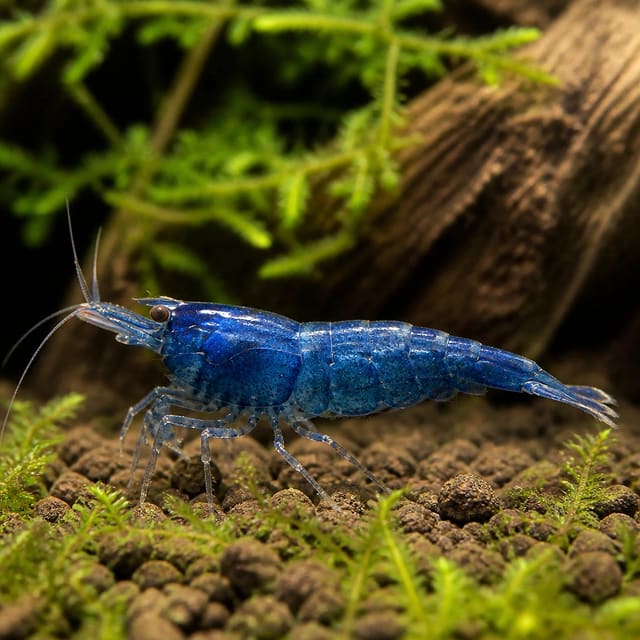
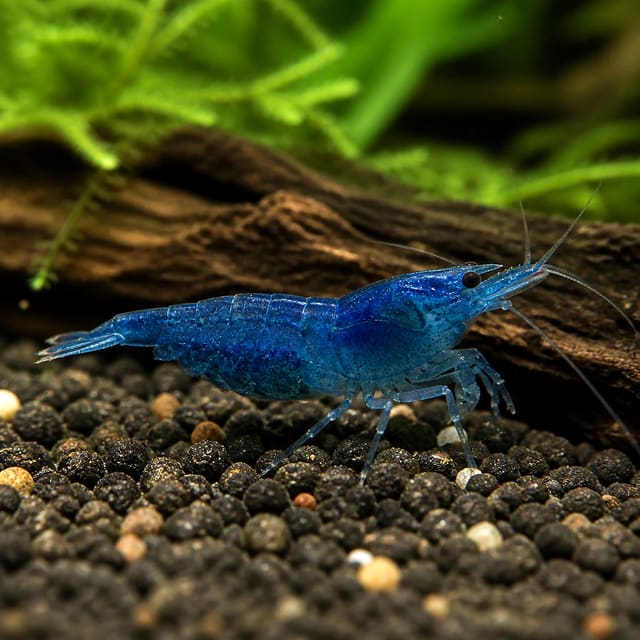
Blue Dream Shrimp (Neocaridina davidi)
18–28°C · pH 6.5–8 · 20L
£16.19

The Bloody Mary Shrimp (Neocaridina davidi) is an atyid freshwater shrimp native to Taiwan, east of China, the Korean Peninsula and Vietnam that reaches about 4 cm. It suits intermediate keepers with a mature aquarium; OATA’s group guidance gives at least five shrimp, 17–27°C and pH 6.5–8.0. Sold individually.
Adult size is the maximum length this species reaches at full maturity (scientific sources). The livestock you receive will be younger and smaller. Product-photo provenance and any image-specific limitations are stated on the listing.
Neocaridina davidi
Lives in groups: kept together they stay settled, active and show their best colour.
The Bloody Mary Shrimp (Neocaridina davidi) is an atyid freshwater shrimp native to Taiwan, east of China, the Korean Peninsula and Vietnam that reaches about 4 cm. It suits intermediate keepers with a mature aquarium; OATA’s group guidance gives at least five shrimp, 17–27°C and pH 6.5–8.0. Sold individually.
Adult size is the maximum length this species reaches at full maturity (scientific sources). The livestock you receive will be younger and smaller. Product-photo provenance and any image-specific limitations are stated on the listing.
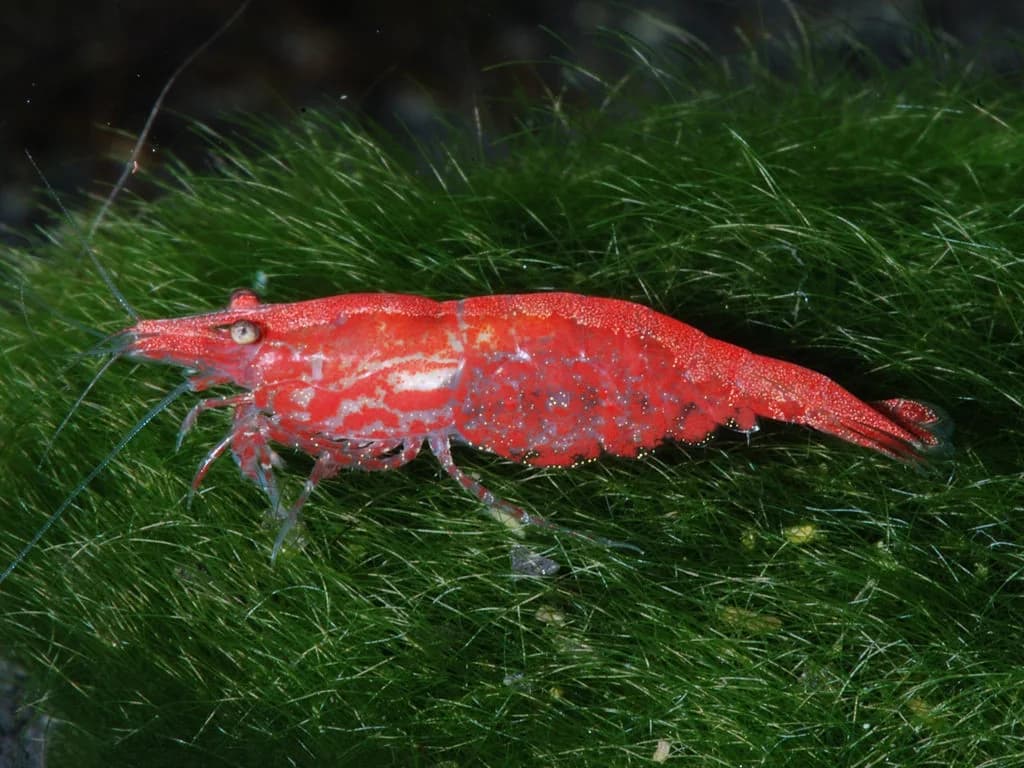
Use a mature, filtered aquarium and measured water—not a shrimp-per-litre rule. Tropical Fish Co uses 20 litres as a cautious starting policy for a small Cherry Shrimp group, above OATA's general 10-litre screen for small shrimp. Provide established grazing surfaces, cover and a protected filter inlet. No fish is guaranteed shrimplet-safe, and breeding should never be promised.
Maintain these water conditions for optimal health and vibrant colors
The Bloody Mary Shrimp (Neocaridina davidi) is a red aquarium colour form of a freshwater shrimp in the family Atyidae. It is native to Taiwan, east of China, the Korean Peninsula and Vietnam, where the species occurs in lakes, ponds, rivers and streams. Plan for an adult length of about 4 cm. We rate it intermediate because success depends on a mature biological filter, measured water, stable conditions, appropriate food and careful screening of every companion.
WoRMS lists Neocaridina davidi as an accepted member of Atyidae. The Wikipedia account of the species describes its East Asian range, freshwater habitats, omnivorous feeding and selectively bred colour forms. Bloody Mary is the named red form here; colour intensity should not be used to infer sex, maturity or health on its own.
The species is recorded at approximately 3–4 cm when mature, so the upper figure of about 4 cm is the appropriate adult planning length. Our Cherry Shrimp guide also refers to OATA’s approximate 3 cm figure for its smaller-shrimp category. That lower group figure is useful for comparison, but the aquarium plan here remains based on about 4 cm for this identified species.
This is a peaceful grazing shrimp, but its small body does not make water quality optional. It suits a keeper prepared to establish the aquarium before adding livestock, protect the filter inlet, provide covered grazing surfaces and check ammonia and nitrite with tests. A mature planted layout can provide useful structure, but plants cannot replace filtration, feeding or maintenance.
One purchase supplies one live Bloody Mary Shrimp. The dispatch length is 1–1.5 cm; this is the size supplied, not the eventual adult length. Plan the permanent aquarium around an adult length of about 4 cm rather than treating the dispatch grade as a space limit.
Sex is guaranteed only when the selected option explicitly states male or female. This Bloody Mary Shrimp listing has no sex-guaranteed option.
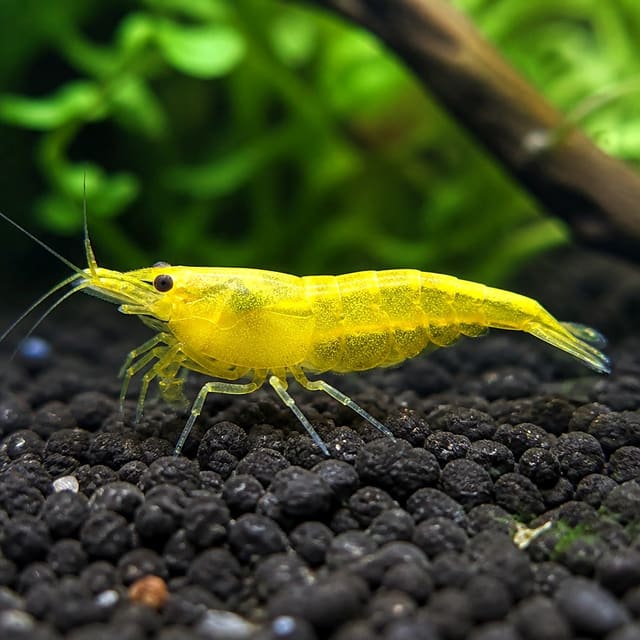
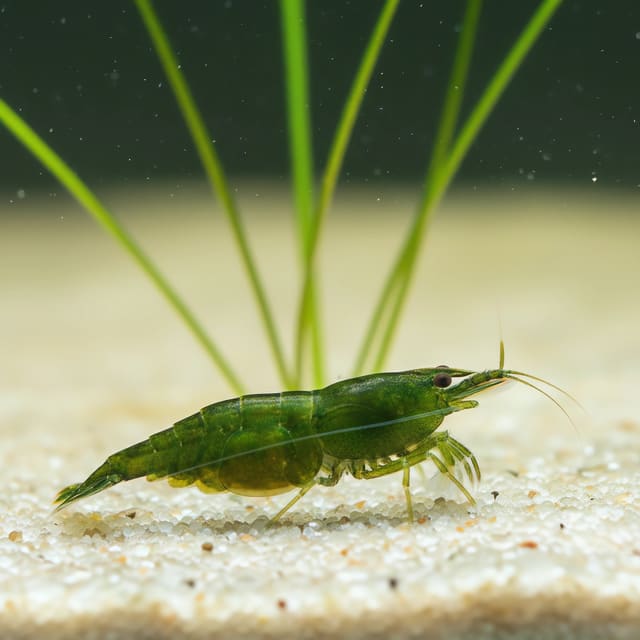
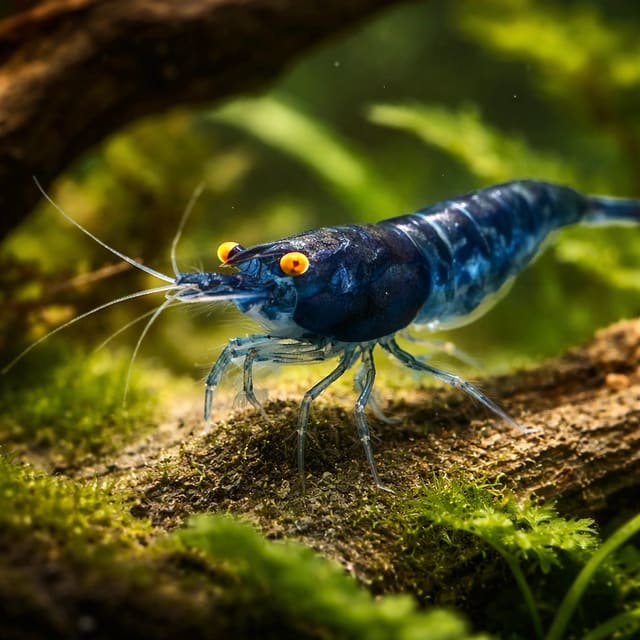
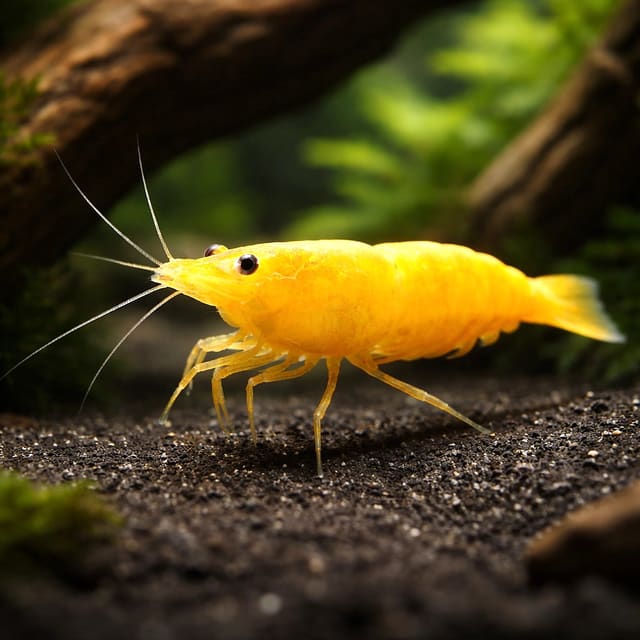
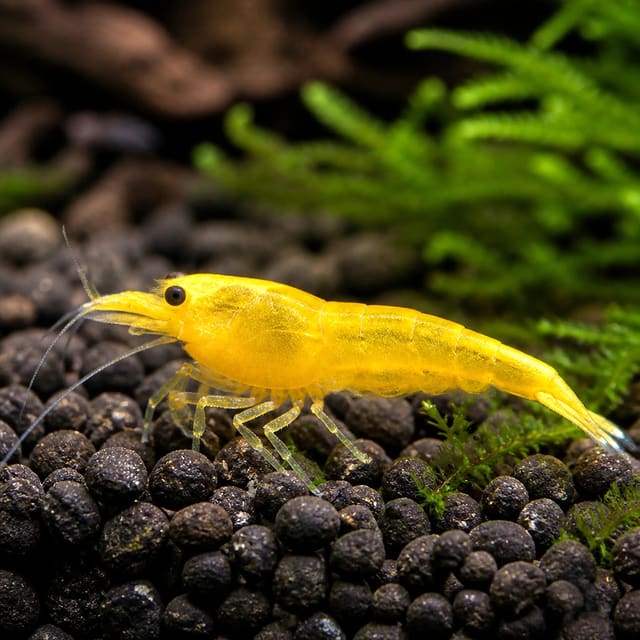
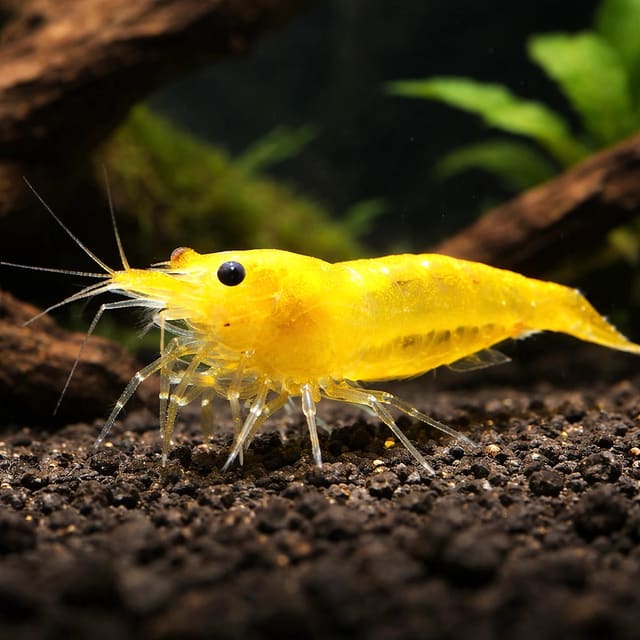
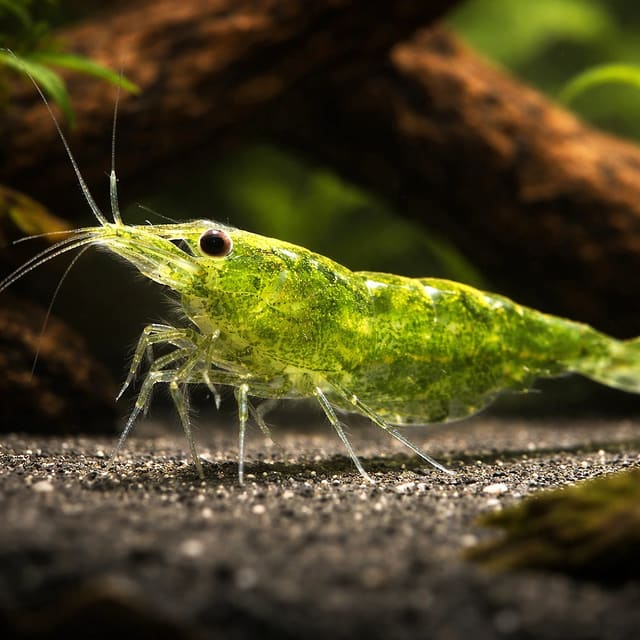
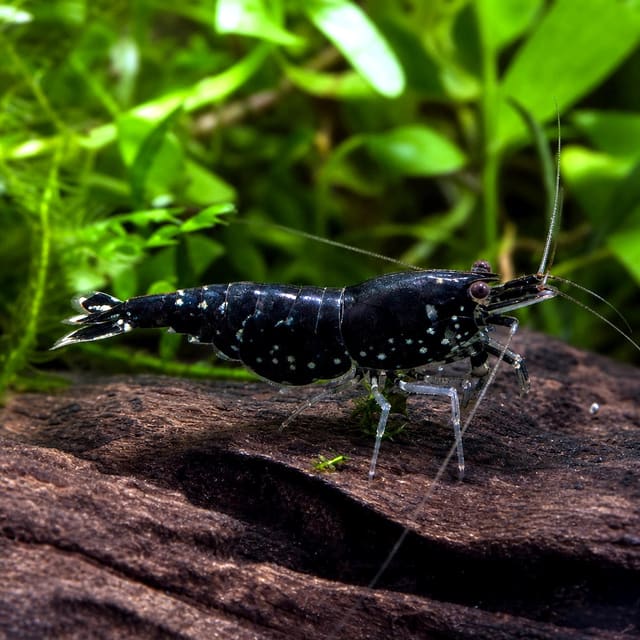
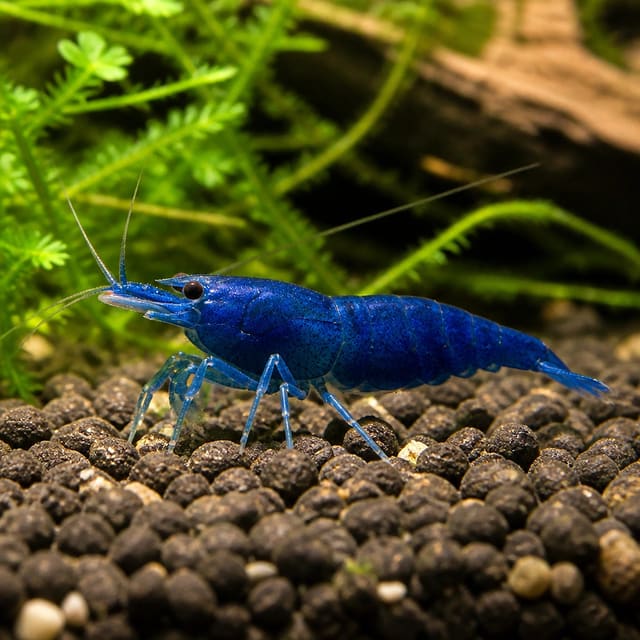
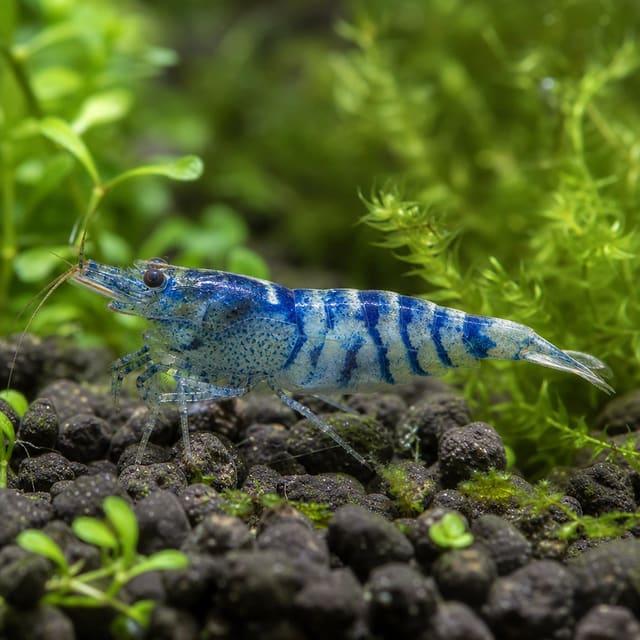
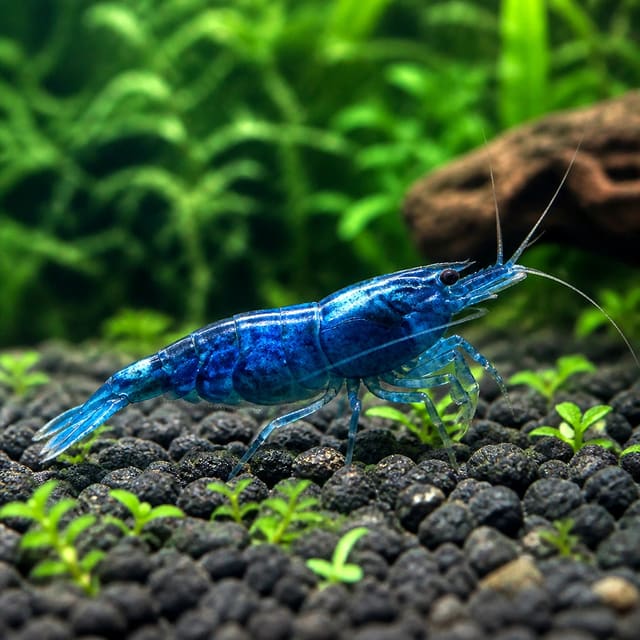
Some gallery images have been digitally enhanced to improve image quality. They show the listed type of animal rather than guaranteeing the exact markings of the individual supplied, so natural colour and pattern can vary.
Bloody Mary names a red aquarium colour line of Neocaridina davidi. Lighting, background, camera processing, stress, health and inherited colour can all change how red a shrimp appears. Do not use a photograph to diagnose health, identify sex or predict breeding results. Judge the animal after settling by its activity, feeding response, body condition and the absence of persistent abnormal signs.
If you are comparing red shrimp with other named colour lines, browse the cherry shrimp collection. Keep different colour choices separate from compatibility decisions: every aquarium still needs mature filtration, stable measured water, suitable food and protection from predators.
Start with a mature, filtered aquarium of 20 litres for a small group. This is Tropical Fish Co’s cautious planning policy, above OATA’s general 10-litre screen for small freshwater shrimp. It is not a permanent shrimp-per-litre formula. Increase the plan when fish, other livestock, restricted floor area or possible population growth place additional demands on the system.
Keep the aquarium at 17–27°C, pH 6.5–8.0 and 4–18 dGH, with ammonia and nitrite at zero. OATA’s broad freshwater-shrimp guidance supplies these planning values; they are not a species-specific optimum. Choose stable values within these ranges and compare the aquarium with measured holding water before transfer.
| Suits | Not suited to |
|---|---|
| Intermediate keepers using a mature biological filter | Immature or untested aquariums |
| A small group planned from at least five shrimp | Keeping one shrimp as a social-group substitute |
| A measured 17–27°C and pH 6.5–8.0 aquarium | Systems subject to abrupt temperature or chemistry changes |
| Layouts with grazing surfaces, shelter and a protected intake | Unprotected filter intakes that could trap small shrimp |
| Shrimp-only plans intended to remove fish predation | Fish able to fit shrimp in their mouth or known predators |
Use at least five shrimp as the starting social-group figure from OATA’s guidance. Five shrimp in 20 litres does not create a rule of one shrimp per four litres. Filtration capacity, grazing area, food access, oxygen, companions and juvenile survival all affect how much livestock the aquarium can support.
Use a mature, filtered aquarium and confirm that ammonia and nitrite remain at zero before introducing the shrimp. Maturity is a functioning biological state, not a fixed number of days. The filter must process the planned livestock load while tests show that toxic waste is being controlled.
The RSPCA explains the biological filtration process: beneficial bacteria convert toxic ammonia to nitrite and then to the safer nitrate. Shrimp still require regular maintenance because filtration transforms waste rather than making it disappear.
Tropical Fish Co uses 20 litres as a cautious starting point for a small Cherry Shrimp group. Work with the real water volume after substrate, wood and equipment have displaced water. Include every other animal in the plan, leave room around equipment and allow headroom for feeding mistakes, warm weather and possible juvenile survival.
Do not calculate capacity by multiplying litres by a fixed shrimp ratio. For example, a 20-litre aquarium with five shrimp is not automatically able to support ten shrimp simply because its volume has doubled from a smaller vessel. Its usable grazing area, filter performance, oxygen level, feeding access and companions may scale differently.
Use our freshwater shrimp setup guide to prepare the aquarium, and read the complete Cherry Shrimp Care Guide for the store’s full planning policy. OATA’s freshwater aquarium guidance also supports cycling, testing and gradual stocking.
Keep Bloody Mary Shrimp at 17–27°C, pH 6.5–8.0 and 4–18 dGH. Maintain carbonate hardness within 3–15 dKH, keep ammonia and nitrite at zero, and keep nitrate from exceeding 20 mg per litre above the normal tap-water level. Stability within the chosen range matters more than chasing a different target after every test.
These figures are practical screening ranges for freshwater shrimp. They are wide enough to make measurement essential: two aquariums can both sit inside the ranges while still differing substantially in temperature, pH and hardness. Compare actual readings before transfer and make changes gradually.
A result inside the range is only useful when it is reliable and stable. A reading of 24°C today does not answer whether the aquarium overheats later, while pH measured without hardness gives an incomplete view of the water. The aquarium water chemistry guide explains what the main readings mean.
Record the aquarium values and compare them with measured holding-water values. If the difference is substantial, avoid trying to correct the display aquarium abruptly while the shrimp is waiting. Sudden chemistry or temperature changes add another stressor at the point of transfer.
The water matcher can organise the comparison. Use it as a planning aid rather than permission to overlook ammonia, nitrite, filter maturity or compatibility. Water overlap cannot make a predator suitable, and peaceful behaviour cannot compensate for unsuitable water.
Provide established surfaces that the shrimp can explore and graze. Aquarium-safe plants, wood, rock and other structure create usable surface area, while sheltered areas let shrimp move out of exposed positions. Keep enough open access to inspect the animals, remove recurring waste and maintain equipment.
Use aquarium gravel or sand as the substrate. Live plants are useful for cover, but suitable artificial plants and aquarium-safe ornaments can provide shelter when live plants are not used. Arrange the layout so cover remains useful after routine trimming or cleaning rather than disappearing in one maintenance session.
Fit a fine guard or suitable sponge to an intake that could trap small shrimp or juveniles. Check that the guard remains seated and that debris has not reduced flow. A protected intake must still allow the filter to circulate and process the aquarium water effectively.
Do not assume that a gentle-looking current means an opening is safe. The relevant test is whether a small shrimp can reach the intake and be drawn against or through it. Inspect gaps around pipework, guards and removable filter parts after every cleaning.
Biofilm and soft growth contribute grazing opportunities, but an established appearance does not prove that the aquarium is mature or nutritionally complete. Confirm maturity through water tests and filtration, then provide an appropriate complete shrimp food rather than expecting visible algae to meet every need.
Use an appropriate complete sinking shrimp food as the nutritional base. Neocaridina davidi is omnivorous and also grazes biofilm and some soft growth, but visible algae alone is not a complete feeding plan. Follow the food manufacturer’s instructions, observe access and reduce the next portion when food is repeatedly left behind.
Overfeeding creates a water-quality problem when uneaten food breaks down and releases waste. OATA advises leaving pellets or wafers for at least 30 minutes so freshwater shrimp have time to feed. Use that as a minimum access period, then remove recurring excess and adjust future portions rather than letting it decay.
A worked decision is more useful than a universal spoonful. If all five starting shrimp reach a small portion and recurring waste remains afterwards, reduce the next portion. If food disappears immediately but one shrimp is repeatedly excluded, divide the appropriate total amount between more than one accessible feeding place rather than automatically increasing the overall quantity.
Do not treat pale colour as an automatic need for colour-enhancing food. Lighting, background, camera processing, inherited colour, stress and health can all affect appearance. Check temperature, ammonia, nitrite, filtration and behaviour before changing several parts of the diet.
Reduced food intake can be an early warning sign. Compare it with activity, colour, breathing effort, body condition and the behaviour of the rest of the group. If the change persists or accompanies lesions, abnormal growths, swelling or exoskeleton damage, move from feeding adjustment to the health checks below.
At least once every week, complete a partial water change of 25%. Treat replacement tap water with a suitable conditioner to remove chlorine or chloramine before it enters the aquarium. Match the new water carefully enough to avoid an abrupt temperature or chemistry change.
Test the water at least once per week, with ammonia and nitrite kept at zero. Review nitrate against OATA’s limit of no more than 20 mg per litre above the normal tap-water level. Record results so a gradual change is visible before it becomes an emergency.
If the filter needs cleaning, do not run it under the tap. Rinse it lightly in tank water removed during the partial water change. This reduces the loss of the beneficial bacterial population established in the filter media.
When a test result moves in the wrong direction, first confirm the reading and inspect filtration, feeding and recent stocking. Correct the cause while protecting the shrimp from abrupt change. Replacing large amounts of water, deep-cleaning all substrate and washing the entire filter together can remove stability at the moment it is most needed.
Increase livestock slowly. Every additional animal and every feeding increase adds waste that the biological filter must process. If ammonia or nitrite becomes detectable, stop further additions, test closely and address filtration and waste inputs rather than assuming a small shrimp has no effect on the system.
Use the weekly record to recognise patterns. A single normal reading after maintenance is less informative than repeated zero ammonia and nitrite results through the feeding and cleaning cycle. Stable measurements, reliable filter flow and controlled feeding together provide the clearest routine check.
An empty exoskeleton can resemble a dead shrimp, and hiding can accompany moulting. Neither sign alone diagnoses a problem. Check whether the shell is hollow, observe the rest of the group and measure the aquarium before reaching a conclusion.
Watch for increased inactivity, restlessness, unusual movement, persistent hiding, darker or paler colour, altered breathing effort, white spots, discolouration, lesions, abnormal growths, exoskeleton damage, lost appendages, abnormal swelling, weight change or reduced interest in food. A combination of signs or a persistent change deserves suitably qualified aquatic or veterinary help.
OATA warns that freshwater shrimp and snails will die if exposed even to low levels of copper. Ensure that every treatment added to the aquarium is safe for invertebrates. Read the exact current label and every invertebrate warning rather than inferring a safe concentration from another animal or product.
Do not medicate automatically because a shrimp hides, moults or develops one pale mark. Identify the problem, check water and equipment, and compare the affected animal with the group. An unnecessary treatment can add risk without addressing the cause.
Review plant treatments, aquarium medicines and any recently introduced material when several shrimp change at the same time. Keep packaging and labels so the active ingredients and warnings can be checked accurately. If separation is required, the alternative aquarium must also have mature filtration, suitable measured water and protected equipment.
Never release shrimp, aquarium water, plants or equipment contents into the wild. Keep the aquarium secure and use responsible rehoming or disposal routes so this adaptable species cannot enter natural waterways.
Tropical Fish Co packs live animals in bags with pure oxygen, inside an insulated poly box, with a heat pack when weather conditions call for it. Be present to receive the parcel because live animals cannot be left unattended.
These steps preserve the condition record and provide the stated acclimatisation period. Read the delivery and Live Arrival Guarantee policy before the parcel arrives so the receiving person knows the sequence.
Before release, confirm that the prepared aquarium remains within 17–27°C and pH 6.5–8.0, with ammonia and nitrite at zero. Check the filter is running and the inlet guard remains secure. These aquarium checks come from freshwater-shrimp care guidance rather than replacing the arrival steps above.
OATA advises increasing shrimp numbers slowly because beneficial bacteria must respond whenever livestock and feeding increase. After release, observe the shrimp without making several immediate changes. Check whether it can reach cover, whether filter flow presents a trapping risk and whether its movement and feeding begin to resemble the rest of the group.
A moult or a period of hiding does not by itself diagnose illness. If a change persists, begin with measured water, equipment and recent changes. Keep the routine steady unless a result identifies a problem that needs correction.
Avoid fish able to fit the shrimp in their mouth and avoid species known to be predatory. OATA states that freshwater shrimp should not be mixed with either group. Apply that rule to the adult community rather than judging a fish only at its present purchase size.
No fish is guaranteed safe with adult Cherry Shrimp, and claims about adults offer even less protection for newly hatched shrimplets. A fish can appear calm while still taking small shrimp when the opportunity arises. Dense planting and hiding places may reduce exposure, but they do not turn a predator into a suitable companion.
A mixed display and a colony intended to maximise juvenile survival have different risk limits. If juvenile survival is the priority, a shrimp-only aquarium removes fish predation. It does not remove risks from water quality, food, equipment, disease, crowding or unstable conditions.
| Avoid | Reason |
|---|---|
| Fish able to fit shrimp in their mouth | OATA warns that the shrimp may be eaten |
| Species known to be predatory | Hunting behaviour creates a direct predation risk |
Do not convert a lack of immediate chasing into a permanent safety claim. Behaviour may change after growth, territorial shifts, feeding changes, plant trimming or a shrimp moult. Keep a practical separation plan before combining animals so action does not depend on finding another mature aquarium during a problem.
Water overlap remains essential but cannot override predation. Two animals may share 17–27°C and pH 6.5–8.0 while still being incompatible because one can eat the other. Complete the behavioural screen after confirming water compatibility, not instead of it.
Assess adult mouth size, hunting and territorial behaviour, feeding competition, water overlap and usable cover before adding Bloody Mary Shrimp to a shared aquarium. Review every existing animal and the likely adult community rather than approving the aquarium from one peaceful species name.
Use adult characteristics for the screen. A young fish that cannot take an adult shrimp today may grow, while tiny juveniles remain more vulnerable than adults. Do not treat present calm behaviour or successful coexistence elsewhere as a guarantee for a different aquarium.
Feeding competition matters even without aggression. If every portion disappears before the shrimp reach it, adding more food can foul the water while the access problem remains. Place the appropriate total amount where shrimp can feed, then observe whether leftovers or exclusion recur.
A shared aquarium also needs a treatment plan that protects invertebrates. Freshwater shrimp will die if exposed even to low levels of copper, so every product must be checked for current invertebrate warnings before use. A medicine suitable for a fish is not automatically suitable for the shrimp sharing its water.
Choose a shrimp-only aquarium when removing fish predation is central to the plan. Choose a mixed display only after the full adult community passes the mouth-size, predatory-behaviour, water, food and cover screens. In either case, mature filtration and measured zero ammonia and nitrite remain essential.
Plan for an adult length of about 4 cm, using the upper end of the species’ recorded mature length for aquarium planning.
Start with a mature, filtered 20-litre aquarium for a small group under Tropical Fish Co’s cautious planning policy, then allow more space for fish, other livestock and possible population growth.
OATA’s freshwater-shrimp group guidance recommends at least five social shrimp; this is a starting group figure, not a permanent shrimp-per-litre formula.
We rate it intermediate because it needs mature filtration, measured zero ammonia and nitrite, stable water, a protected filter inlet, suitable food and carefully screened companions.
It is omnivorous: use an appropriate complete sinking shrimp food as the nutritional base and provide established surfaces for grazing biofilm and soft growth.
OATA’s freshwater-shrimp group guidance gives 17–27°C, pH 6.5–8.0 and 4–18 dGH; keep ammonia and nitrite at zero and avoid abrupt changes.
It is a peaceful shrimp rather than a fin-nipping fish, but peaceful behaviour does not protect it from fish able to eat or hunt shrimp.
Avoid fish able to fit shrimp in their mouth and species known to be predatory; screen every other fish for adult mouth size, hunting, territorial behaviour, water overlap, feeding competition and cover.
Start filming the sealed parcel before opening it, show the outer box, open it in one continuous take and show the shrimp inside the sealed bag; Tropical Fish Co packs live animals with pure oxygen in an insulated box, and the bag must be floated for 20–30 minutes before release.
No reviews for this item yet. Bought one? Honest reviews only, good or bad.
What customers say about ordering from us
I have a small group of long finned mountain minnows. So was delighted to be able to order ten of this variety to increase the genetics in my tank . The ones I recieved are healthy but it’s to early to give a verdict on wether they are of a long finned type since they are small currently.
Gordon Walker · 23 Sept 2026
100% success travel and "installation". Pleased with quality of purchase. The Siamese fighter a bit "shy" so have not yet seen him at his best yet but looking good. Happy customer. GG
George E Garratt · 21 Sept 2026
Reviews of our shop, collected by Judge.me, an independent third-party review collector. Newest first.