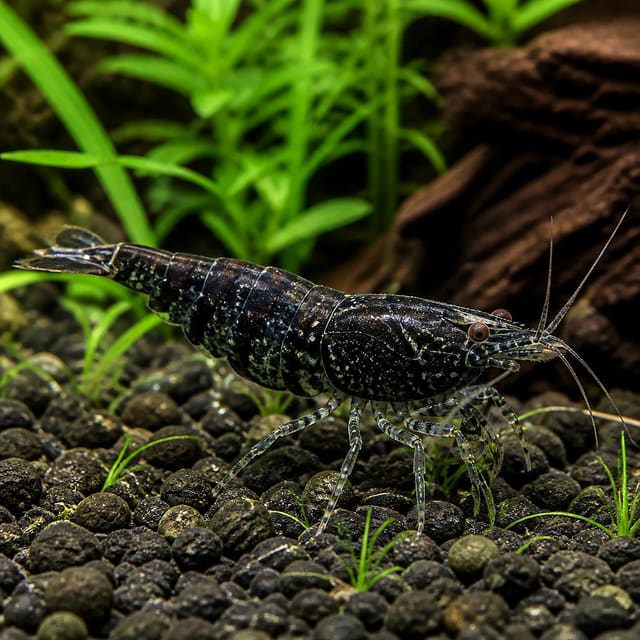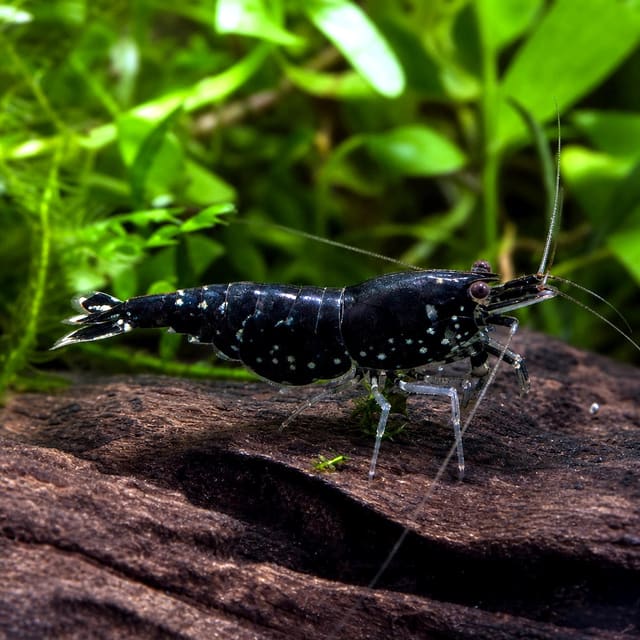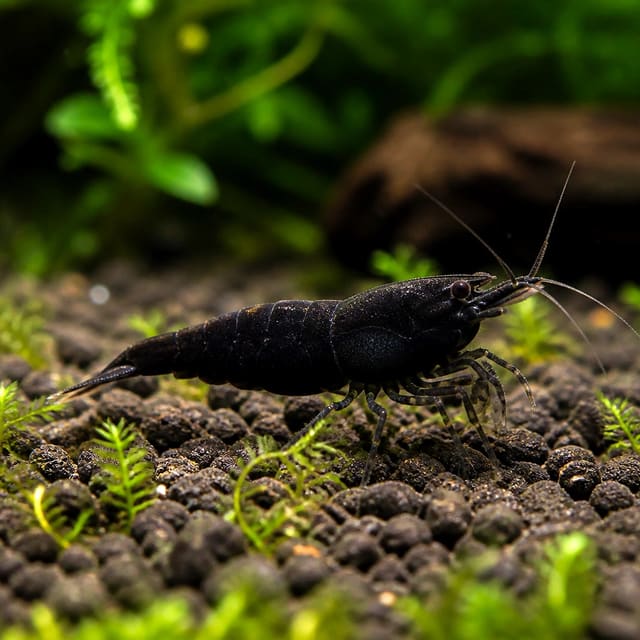
Easy
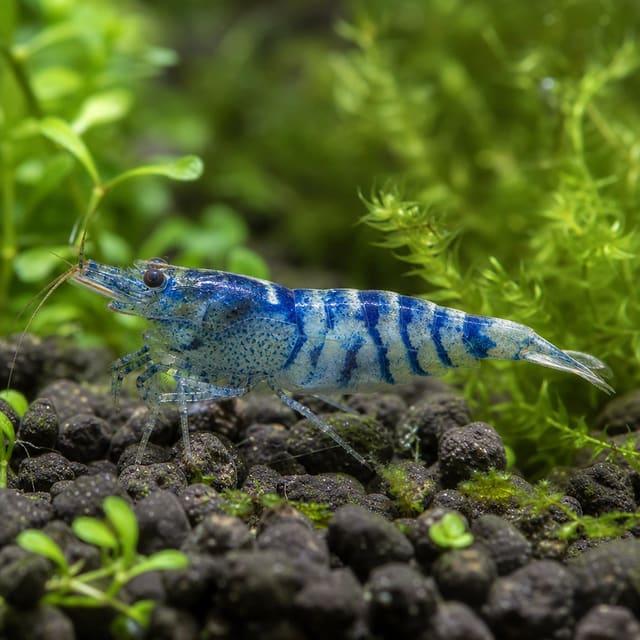
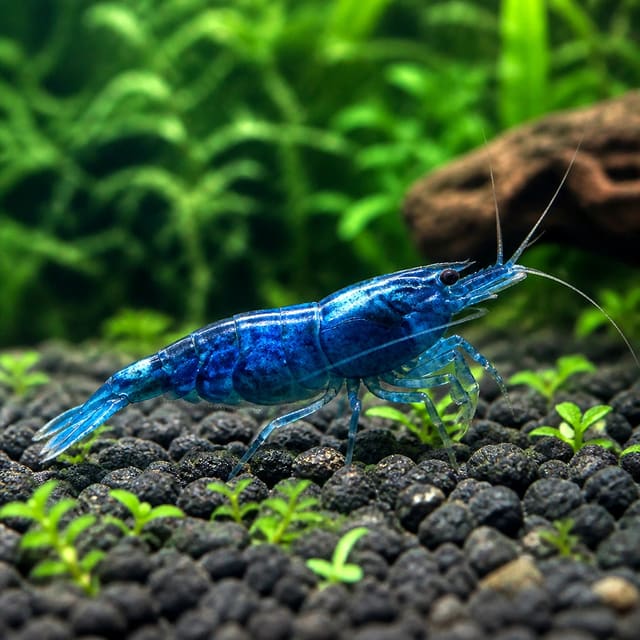
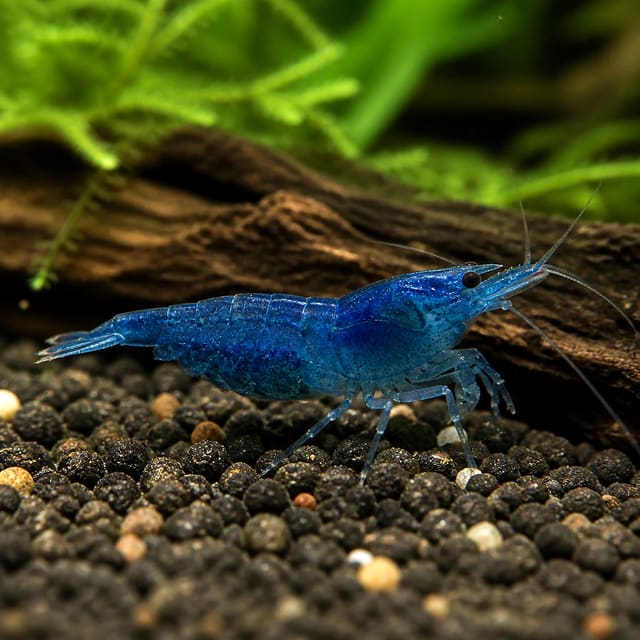
Blue Dream Shrimp (Neocaridina davidi)
18–28°C · pH 6.5–8 · 20L
£16.19
The Sakura Red Shrimp (Neocaridina davidi) is a selectively bred red form of a freshwater shrimp in the family Atyidae, a species native to Taiwan, eastern China, the Korean Peninsula and Vietnam that grows to about 4 cm. It suits a matured, filtered aquarium and is kept as a group; OATA's group guidance for freshwater shrimp gives 17–27°C and pH 6.5–8.0. Sold as one live shrimp, dispatched at 1 cm.
Adult size is the maximum length this species reaches at full maturity (scientific sources). The livestock you receive will be younger and smaller. Product-photo provenance and any image-specific limitations are stated on the listing.
Neocaridina davidi
Lives in groups: kept together they stay settled, active and show their best colour.
The Sakura Red Shrimp (Neocaridina davidi) is a selectively bred red form of a freshwater shrimp in the family Atyidae, a species native to Taiwan, eastern China, the Korean Peninsula and Vietnam that grows to about 4 cm. It suits a matured, filtered aquarium and is kept as a group; OATA's group guidance for freshwater shrimp gives 17–27°C and pH 6.5–8.0. Sold as one live shrimp, dispatched at 1 cm.
Adult size is the maximum length this species reaches at full maturity (scientific sources). The livestock you receive will be younger and smaller. Product-photo provenance and any image-specific limitations are stated on the listing.
Use a mature, filtered aquarium and measured water—not a shrimp-per-litre rule. Tropical Fish Co uses 20 litres as a cautious starting policy for a small Cherry Shrimp group, above OATA's general 10-litre screen for small shrimp. Provide established grazing surfaces, cover and a protected filter inlet. No fish is guaranteed shrimplet-safe, and breeding should never be promised.
Maintain these water conditions for optimal health and vibrant colors
The Sakura Red Shrimp (Neocaridina davidi) is a small freshwater shrimp in the family Atyidae and one of the red colour forms of the species the hobby calls the cherry shrimp. Adults grow to about 4 cm. The species is native to Taiwan, eastern China, the Korean Peninsula and Vietnam, where it lives in lakes, ponds, rivers and streams. It is kept as a group in a matured, planted aquarium, where its red shows up well against green plants.
The names can look confusing, so here is the short version. WoRMS accepts Neocaridina davidi (Bouvier, 1904) as the valid name and records Neocaridina heteropoda, which still appears on many trade labels, including ours, as a junior synonym. Both names point to the same animal, and "Sakura Red" is the trade name for this red form.
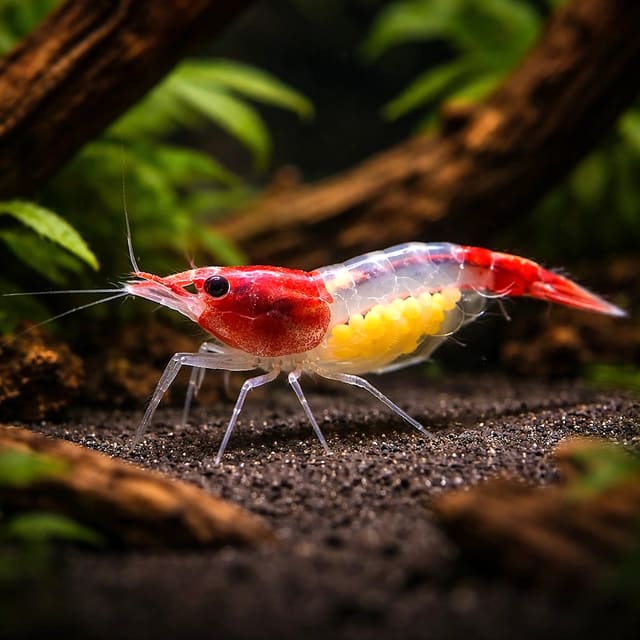
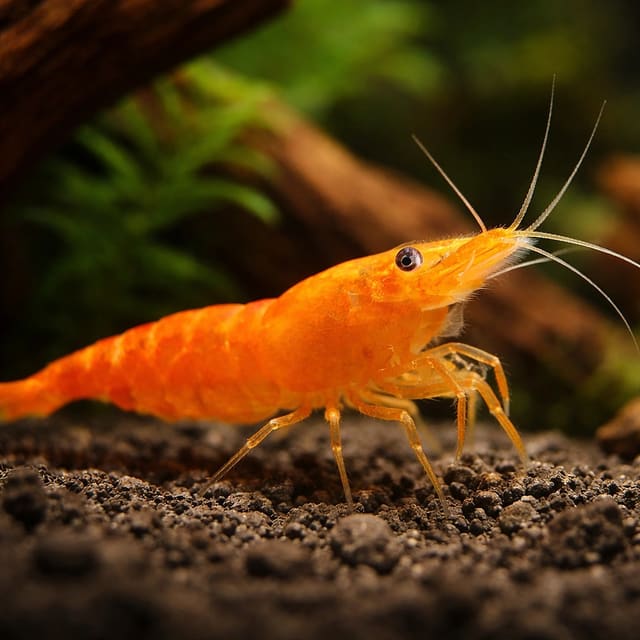
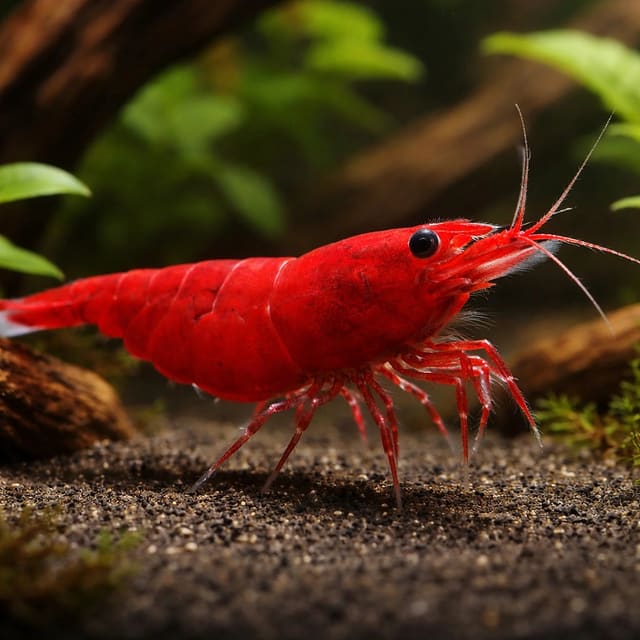
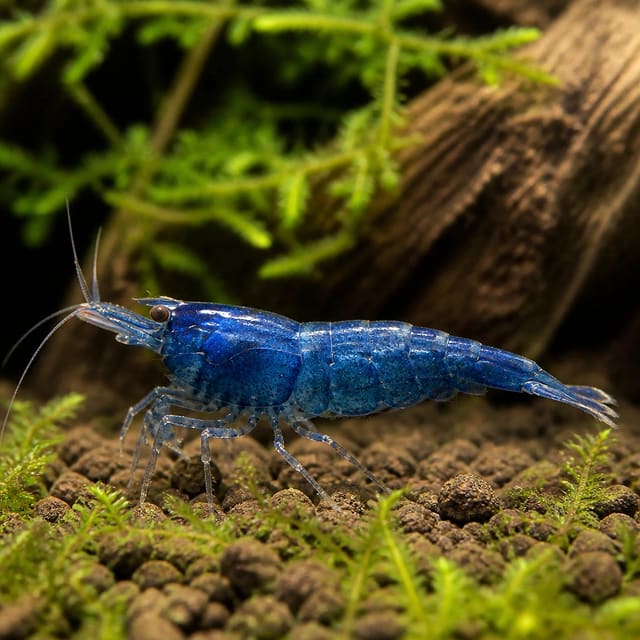
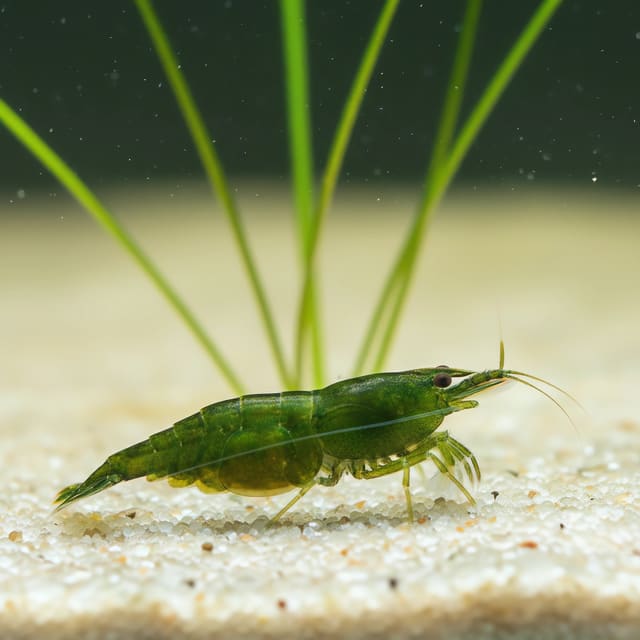
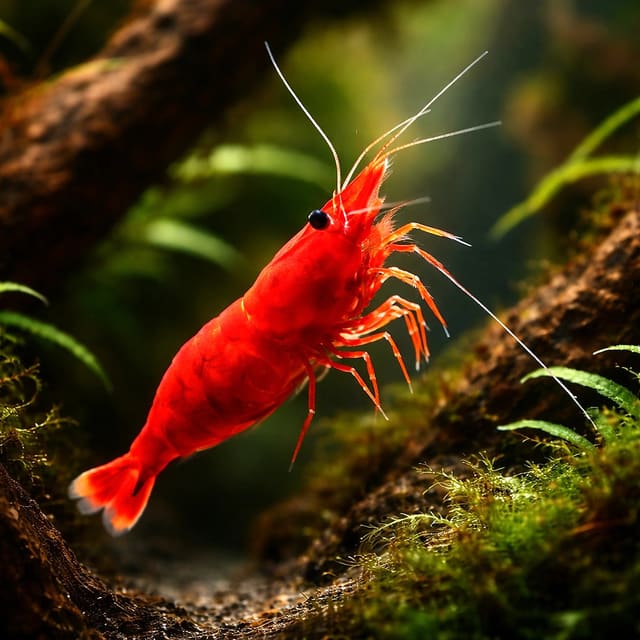
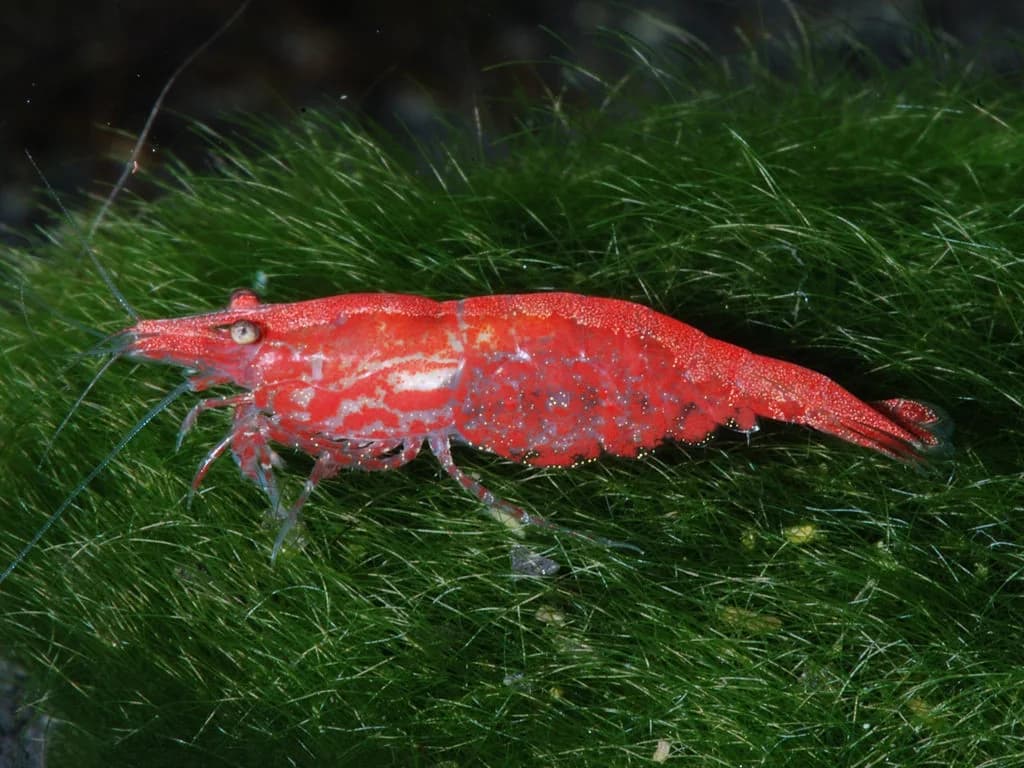
Wikipedia describes the wild type as a mottled brown shrimp. The red, orange, yellow, green, blue, violet, white and clear forms sold today were produced by selective breeding, and the popularity of the red form gave the whole species its common name. The shrimp in our photograph shows that red clearly: a deep red body flecked with fine white speckles, translucent legs and long antennae, standing on a carpet of small green leaves.
| Suits | Not suited to |
|---|---|
| A matured, filtered aquarium with plants or other cover | A new aquarium where ammonia or nitrite still shows on a test |
| A group of shrimp built up gradually | A single shrimp kept on its own |
| Shrimp-only tanks, snails and fish that cannot fit a shrimp in their mouth | Fish that can fit a shrimp in their mouth, and predatory species |
| Keepers who test weekly and change a quarter of the water at least once a week | Tanks treated with copper or medicines unsafe for invertebrates |
Each purchase supplies one live Sakura Red Shrimp, dispatched at 1 cm. That is the size it travels at, well short of the adult size of about 4 cm, so it still has growing to do. Because shrimp are usually social, order the number of shrimp you want in your group: the quantity you choose is the number of shrimp you receive.
Sex is guaranteed only when the selected option explicitly states male or female. This Neocaridina heteropoda Sakura Red listing has no sex-guaranteed option. A group bought here is therefore unsexed, and the balance of males and females is not chosen.
Gallery images have been digitally enhanced to improve image quality. Natural colour, pattern, size and maturity can vary between live animals.
| Key fact | Detail |
|---|---|
| Accepted name | Neocaridina davidi, family Atyidae |
| Trade label | Neocaridina heteropoda Sakura Red |
| Adult size | About 4 cm |
| Size when dispatched | 1 cm |
| Social needs | Kept as a group |
| Water (OATA group guidance) | 17–27°C, pH 6.5–8.0, 4–18°dH |
| Aquarium | At least 10 litres for a small group, larger with fish |
If you are still choosing a colour, you can compare the cherry shrimp colours in our range before deciding; the care below is written for this Sakura Red offer.
Shrimp are easiest to keep when the aquarium is ready before they arrive. Work through this list first:
Once all five are settled, the order can go in, and the arrival steps in the care tab cover the day itself. If one of them is not ready yet, a week spent maturing a filter or rehoming an unsuitable fish is far cheaper than losing a group of shrimp.
Plan the tank for the group you want to keep rather than for one shrimp. OATA's care sheet for freshwater shrimp and snails recommends an aquarium of at least 10 litres for a group of small freshwater shrimp, and places cherry shrimp among the smaller species. It advises a larger aquarium whenever shrimp share it with any fish, and buying as large an aquarium as is reasonable, because a bigger volume keeps temperature and water quality more stable.
Ten litres is a floor for a small group, not a target. If your shrimp breed, the group will grow in number, and every extra shrimp adds waste for the filter to handle, so a larger tank gives you room to let the colony expand without the water quality slipping. If fish are part of the plan, size up from the start rather than adding them to a small shrimp tank later.
For a complete build from an empty tank to the first shrimp, follow our guide to setting up a first freshwater shrimp tank.
Aim for 17–27°C, pH 6.5–8.0, general hardness of 4–18°dH and carbonate hardness of 3–15°dKH, with ammonia and nitrite at zero and nitrate no more than 20 mg per litre above your tap water. OATA gives these figures for freshwater shrimp and snails as a group rather than as a species-specific optimum, and describes the group as usually undemanding of water chemistry. Wikipedia notes that Neocaridina davidi can tolerate a wide range of environmental conditions; that describes how wild and escaped populations cope, not a target for your aquarium, so keep conditions steady inside the ranges below.
| Reading | Aim for |
|---|---|
| Temperature | 17–27°C, held steady |
| pH | 6.5–8.0 |
| General hardness | 4–18°dH |
| Carbonate hardness | 3–15°dKH |
| Ammonia and nitrite | Zero |
| Nitrate | No more than 20 mg per litre above your tap |
Test your tap water before you set the aquarium up, because it is the water every change will bring in. It also sets your nitrate ceiling: if the tap reads 5 mg per litre, the aquarium should stay at or below 25 mg per litre. You can check tap and tank readings against these ranges with our water parameter matcher, and our guide to what each aquarium water test measures explains why every reading matters.
The range is broad, but a steady tank is still the aim. If your room drops below 17°C on winter nights, fit a heater to hold the aquarium inside the range; in a heatwave, read the thermometer every day and act if the tank climbs above 27°C. OATA recommends a larger aquarium precisely because it keeps temperature and water quality more stable, so avoid a spot where sun or a radiator will warm the tank through the day.
OATA advises testing at least once a week so that ammonia and nitrite do not build up. Record each result with the date. In a shrimp tank, a log is the quickest way to see a slow change, such as nitrate edging up as the group grows, and to act with an extra water change before the shrimp show any sign of it.
Shrimp waste releases ammonia, and ammonia is toxic. The RSPCA explains how a working biological filter deals with it: beneficial bacteria grow in the filter and break waste down, converting ammonia to nitrite, which is also toxic, and then to nitrate, which is safer. A new filter has not grown those bacteria yet, which is why the aquarium must be matured before any shrimp go in.
OATA's rule is to check that ammonia and nitrite are both at zero before adding freshwater shrimp, and to increase numbers only slowly. The bacteria have to catch up every time livestock is added and feeding increases. Overstocking, or stocking too quickly, can result in "new tank syndrome", where there are not enough nitrifying bacteria for the extra waste, ammonia and nitrite reach unhealthy levels, and that may cause freshwater shrimp to become ill or die.
| Stage | What to do |
|---|---|
| Before any shrimp | Run the filter until weekly tests show zero ammonia and nitrite |
| First shrimp | Add the first part of the group and keep feeding light |
| Following weeks | Test weekly; add more shrimp only while readings stay at zero |
| Full group | Raise the amount of food gradually as numbers grow |
If a test shows ammonia or nitrite after an addition, pause there. Change part of the water with conditioned water, feed less, and wait for the readings to return to zero before the next shrimp go in.
Your shrimp are hand-bagged in pure oxygen and packed in an insulated poly box, with a heat pack when the weather calls for it, and a licensed live-animal courier carries the parcel. We email the tracking number and your confirmed delivery date so you know when to be in. The Live Arrival Guarantee requires someone to be at the delivery address to receive the parcel, because live animals cannot be left unattended, the parcel to be opened and inspected the same day it arrives, and a continuous unboxing video that starts with the parcel still sealed. Read the full terms on our delivery and Live Arrival Guarantee page.
Film every delivery from the sealed parcel onward, then follow these steps:
For the aquarium itself, OATA's advice is to confirm that ammonia and nitrite read zero before freshwater shrimp are added, so test the tank the day before delivery. Once the shrimp are in, watch where they settle to graze; after a day or two you will know the group's normal behaviour, which is the baseline for the health checks further down.
Use the first fortnight to confirm that the aquarium copes with its new residents and that the group has settled. Each check below leads to a clear next step.
| When | Check and decide |
|---|---|
| Arrival day | Once the shrimp have spread out, note roughly how many you can see and where they graze |
| First feeding day | Offer a small portion and see how many shrimp come to it within the 30 minutes |
| End of week one | Test ammonia and nitrite; at zero, carry on, and if either shows, change part of the water, feed less and retest |
| End of week two | Run through the health signs below; if the group is feeding and moving normally and the tests stay at zero, you can plan the next addition |
If a shrimp dies in these early days, lift it out promptly, because it will break down and foul the water just as uneaten food does, and test ammonia and nitrite the same day. A single loss with clean readings calls for watching; a loss alongside a rising reading calls for a water change and lighter feeding straight away.
Resist the urge to add the rest of the group, or new fish, during this fortnight. OATA's advice to increase numbers only slowly is at its most important while the filter is adjusting to the first shrimp.
Wikipedia describes Neocaridina davidi as an omnivore, and in the aquarium it grazes on algae as well as taking prepared food. OATA advises supplementing that grazing with algae wafers so the shrimp get enough to eat, and notes that commercial pellets made for freshwater shrimp are available. Offer both, alternating between them, so the group has more than one kind of food.
Feed only two or three times a week. OATA advises leaving pellets or wafers in place for at least 30 minutes so the shrimp have time to feed, and taking care not to overfeed, because uneaten food breaks down and releases toxic waste into the water. In a small shrimp tank a little too much food shows up quickly as rising ammonia or nitrate.
| What you see | What to do |
|---|---|
| Food gone and shrimp still searching | Keep the portion and the schedule as they are |
| Most of the food untouched | Lift it out and offer less next time |
| Shrimp crowding one piece | Split the next portion into several small pieces |
| Shrimp ignoring food they used to take | Test the water and check the health signs below |
With a growing group, spread food across two or three spots so smaller shrimp are not pushed away from a single piece, and increase portions in small steps as numbers rise rather than all at once.
OATA strongly recommends a partial water change of 25% at least once every week, with a siphon to remove solid waste from the gravel. Treat the replacement water with tap water conditioner to remove any chlorine or chloramine before it goes into the aquarium.
When the filter needs cleaning, do not run it under the tap, because any chlorine or chloramine present may kill the beneficial bacteria living in the media. Rinse the media lightly in the tank water you have just removed during the water change instead; that way far fewer bacteria are lost.
In a 10-litre shrimp tank, a 25% change means removing 2.5 litres and replacing it with 2.5 litres of conditioned water. Done at least once every week, that keeps nitrate in check and the water values steady, which matters more for a small volume than for a large one.
OATA points out that every shrimp varies a little in behaviour and appearance, and that watching for changes helps you spot a problem before it becomes a real health issue. Keep an eye on:
For a red shrimp, colour is an especially useful signal: learn how deep the red looks on your group in the first week so you can tell a real change from normal variation. If you see any of these signs, test ammonia, nitrite and nitrate first, and contact us with your readings if you are concerned about the shrimp's health.
Being invertebrates, freshwater shrimp are very sensitive to copper and will die if exposed even to low levels. Make sure that any treatment added to the aquarium is safe for invertebrates, and check the label of every product before it goes near a tank that holds shrimp.
A Sakura Red Shrimp arrives at 1 cm and grows to about 4 cm; Wikipedia gives approximately 3–4 cm for the species at maturity, so plan space and tank mates around the upper figure. The same account notes that Neocaridina davidi has no distinct larval stage and that the shrimp reach maturity in 30 days.
This listing does not select shrimp by sex, so there is no promise of breeding from a group bought here. If young shrimp do appear, they need nothing different from the adults: clean, matured water, food that reaches the bottom and tank mates that cannot eat them. Check your siphon bucket with extra care once there are young in the tank.
Neocaridina davidi copes with a wide range of conditions, and Wikipedia records that it has become invasive in thermally polluted waterways in Japan, the United States, Poland and Germany. The release of captive shrimp is thought to be how it reached those places.
Keep your shrimp in the aquarium. Never release shrimp into a pond, river, stream or drain, and if you ever need to reduce a group that has grown, pass the surplus on to another aquarium keeper instead.
OATA's guidance is that freshwater shrimp are generally compatible with most species in the aquarium, but should be mixed with caution because common aquarium fish may eat them. Its shrimp rule is clear: freshwater shrimp should not be mixed with any fish which can fit them in their mouth, or any species known to be predatory. OATA also advises a larger aquarium whenever shrimp share it with fish.
| Question | If the answer is yes |
|---|---|
| Could it fit a 1 cm shrimp in its mouth? | Leave it out; that is the size your shrimp arrive at |
| Could it fit a 4 cm adult in its mouth? | Leave it out; it is a risk to the whole group |
| Is it known to be predatory? | Leave it out |
| Does the tank need to be bigger to hold it? | Upgrade the aquarium before adding the fish |
Newly hatched young are smaller still than the 1 cm size shrimp are dispatched at, so a fish that is safe with adults may still take babies. OATA recommends checking before mixing freshwater shrimp with any fish species, so ask us about a specific combination before you buy.
Freshwater snails share the same OATA care sheet and water values as shrimp, and OATA treats both as generally compatible with most aquarium species, so a snail makes a straightforward companion in a shrimp tank. The two differ socially: OATA notes that snails are not social creatures, while shrimp species usually are, which is why the shrimp are the ones kept as a group.
Every colour form of the cherry shrimp, from red to blue or yellow, belongs to the same species, Neocaridina davidi. Different colours kept together can therefore interbreed. If you want your tank to stay red, keep Sakura Red on its own; if you are happy for the colours to mix, plan for young that may not look like either parent.
Commercial pellets made for freshwater shrimp can be used for both shrimp and snails, which keeps feeding simple in a mixed invertebrate tank. Stock any new neighbours as gradually as the shrimp themselves.
Keeping Sakura Red on its own, or with snails, removes the mouth-size question completely, because nothing in the tank can eat the shrimp or their young. It is also the simplest way to keep the colony red, since no other colour form is there to interbreed with. OATA's figure of at least 10 litres for a small group of shrimp is the starting point, and more room lets a growing group expand.
If fish are part of the plan, choose the aquarium with the fish in mind, as OATA advises a larger aquarium whenever shrimp share it with fish. Screen each fish with the questions above, add fish and shrimp gradually so the filter keeps up, and accept that fewer young shrimp are likely to reach adult size where fish can reach them. Dense planting gives the group cover, which OATA recommends for shrimp tanks.
Adults grow to about 4 cm at maturity, according to Wikipedia's account of the species, so plan the aquarium and choose tank mates around a shrimp of that size.
OATA's group guidance for freshwater shrimp recommends at least 10 litres for a group of small shrimp, a category that includes cherry shrimp on its care sheet, and a larger aquarium whenever fish share the tank. A bigger volume keeps temperature and water quality steadier, so choose the largest aquarium that is reasonable for your space.
Keep a group rather than a single shrimp, because OATA notes that shrimp species are usually social. Build the group up gradually, adding more shrimp only once ammonia and nitrite have stayed at zero, so the filter bacteria can keep pace with the extra waste.
Preparation matters more than experience. They suit a keeper who lets the filter mature until ammonia and nitrite read zero, tests the water weekly, changes 25% of it at least once every week and keeps copper out of the tank, because freshwater shrimp will die if exposed even to low levels of copper.
Wikipedia describes the species as an omnivore, and in the aquarium it grazes on algae. Supplement that grazing with algae wafers or pellets made for freshwater shrimp, feed only two or three times a week, and leave the food for at least 30 minutes so the group can feed before you lift out any leftovers.
OATA's group guidance for freshwater shrimp and snails gives 17–27°C, pH 6.5–8.0 and general hardness of 4–18°dH, with ammonia and nitrite at zero. Keep conditions steady inside those ranges; the species' ability to cope with a wide range of conditions in the wild is not a target for the aquarium.
No. OATA describes freshwater shrimp as generally compatible with most species in the aquarium. The danger runs the other way: fish that can fit a shrimp in their mouth, and predatory species, should not share its tank.
Freshwater snails and fish that cannot fit a shrimp in their mouth can share its aquarium. OATA advises that freshwater shrimp should not be mixed with any fish which can fit them in their mouth, or any species known to be predatory, and recommends checking before mixing shrimp with any fish. Other colour forms of the same species can interbreed, so keep that in mind before combining colours.
It is hand-bagged in pure oxygen, packed in an insulated poly box with a heat pack when the weather calls for it, and carried by a licensed live-animal courier. Someone must be at the address to receive the parcel. Start a continuous unboxing video before you open the sealed parcel, then float the bag for 20–30 minutes before releasing the shrimp, and never pour the bag water into your tank. Message us the same day, with your order number and the video, if anything has gone wrong.
No reviews for this item yet. Bought one? Honest reviews only, good or bad.
What customers say about ordering from us
Easy website plenty of info on fish your buying great to pick a time slot
TRACEY DURRANT · 7 Oct 2026
Got some lovely fish thank you
Kevin Mackie · 7 Oct 2026
Reviews of our shop, collected by Judge.me, an independent third-party review collector. Newest first.