Easy
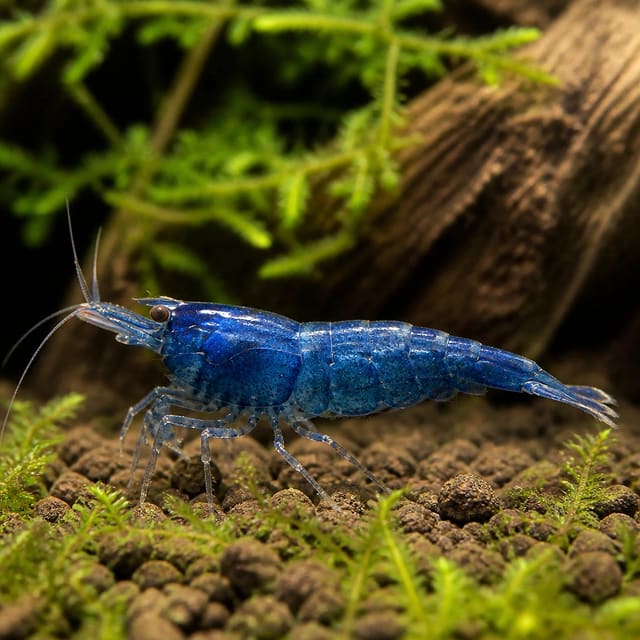
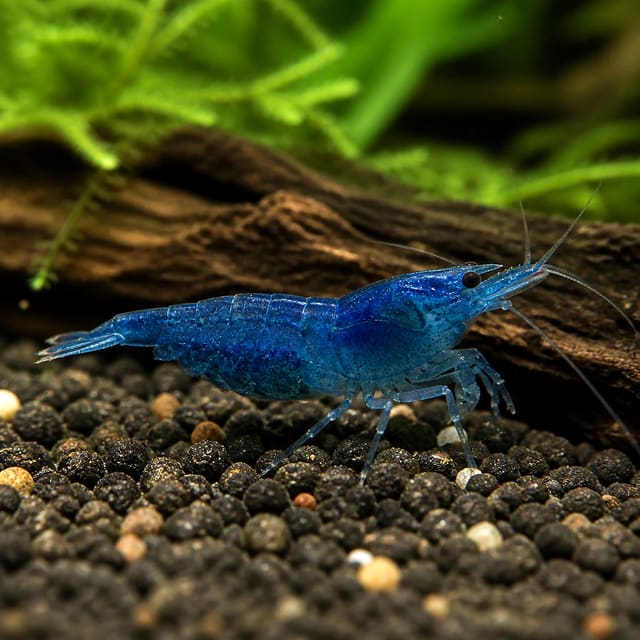
Blue Dream Shrimp (Neocaridina davidi)
18–28°C · pH 6.5–8 · 20L
£16.19

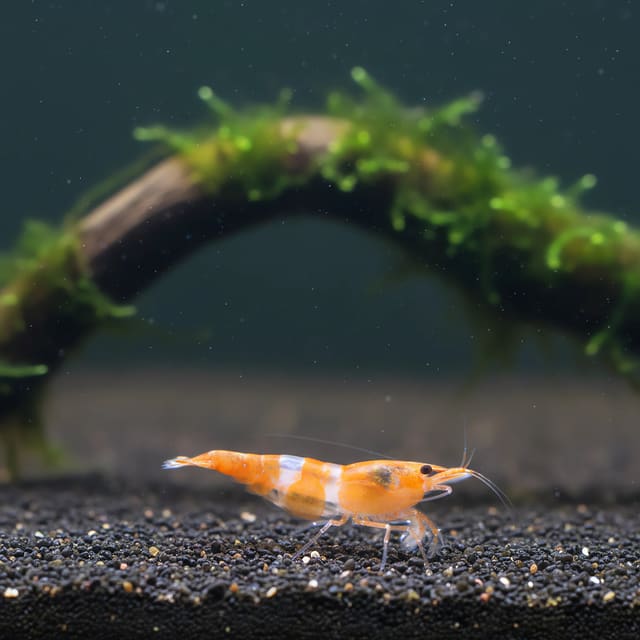
The Orange Sakura Shrimp (Neocaridina davidi) is an Atyidae freshwater shrimp native to Taiwan, east of China, the Korean Peninsula and Vietnam that reaches approximately 4 cm. It suits prepared keepers who can provide a mature, filtered aquarium; OATA’s group guidance is at least five shrimp, 17–27°C, pH 6.5–8.0 and 4–18 dGH. Sold individually.
Adult size is the maximum length this species reaches at full maturity (scientific sources). The livestock you receive will be younger and smaller. Product-photo provenance and any image-specific limitations are stated on the listing.
Neocaridina davidi
Lives in groups: kept together they stay settled, active and show their best colour.
The Orange Sakura Shrimp (Neocaridina davidi) is an Atyidae freshwater shrimp native to Taiwan, east of China, the Korean Peninsula and Vietnam that reaches approximately 4 cm. It suits prepared keepers who can provide a mature, filtered aquarium; OATA’s group guidance is at least five shrimp, 17–27°C, pH 6.5–8.0 and 4–18 dGH. Sold individually.
Adult size is the maximum length this species reaches at full maturity (scientific sources). The livestock you receive will be younger and smaller. Product-photo provenance and any image-specific limitations are stated on the listing.
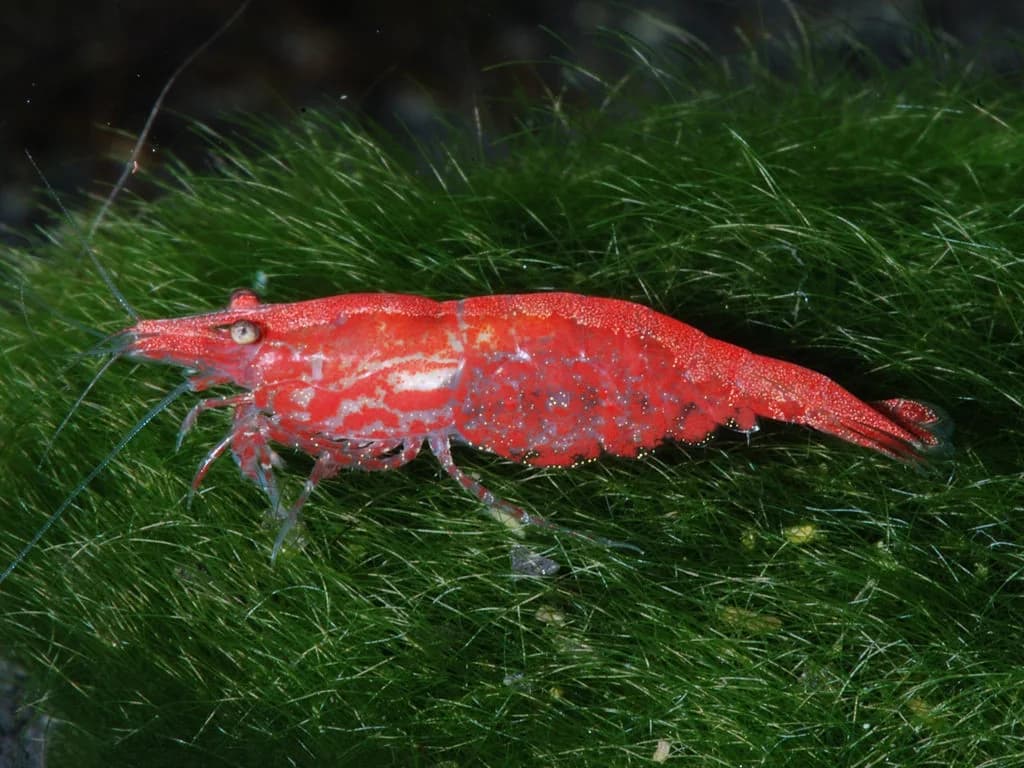
Use a mature, filtered aquarium and measured water—not a shrimp-per-litre rule. Tropical Fish Co uses 20 litres as a cautious starting policy for a small Cherry Shrimp group, above OATA's general 10-litre screen for small shrimp. Provide established grazing surfaces, cover and a protected filter inlet. No fish is guaranteed shrimplet-safe, and breeding should never be promised.
Maintain these water conditions for optimal health and vibrant colors
Orange Sakura Shrimp is a selectively bred orange colour form of Neocaridina davidi, a freshwater shrimp in the family Atyidae. It is native to Taiwan, east of China, the Korean Peninsula and Vietnam and reaches approximately 4 cm. It suits a prepared keeper who can provide mature biological filtration, measured water, established grazing surfaces and carefully screened companions. The current taxonomic entry for Neocaridina davidi records the accepted species and family. “Orange Sakura” describes the aquarium colour line rather than a separate species, so its basic welfare needs follow the identified animal rather than the intensity of an individual shrimp’s colour.
For natural history rather than aquarium targets, the Neocaridina davidi species summary describes an omnivorous shrimp associated with lakes, ponds, rivers and streams. The wild type is mottled brown, while selective breeding has produced orange and several other colour forms. Captive colour should therefore be treated as an inherited characteristic, not as a reason to alter water chemistry or feeding.
We class this shrimp as intermediate because success depends on preparation rather than complicated daily handling. The aquarium needs mature biological filtration, measured zero ammonia and nitrite, stable temperature and chemistry, established grazing surfaces, suitable food, protected filter inlets and carefully screened companions. It suits a keeper willing to test water, observe feeding and make gradual changes. A newly assembled or untested aquarium should be matured before livestock is introduced.
| Suits | Not suited to |
|---|---|
| A mature, filtered freshwater aquarium | A newly assembled or untested aquarium |
| Keepers prepared to test water and make gradual changes | Systems with measurable ammonia or nitrite |
| A dedicated shrimp setup or carefully screened community | Fish able to swallow shrimp or known predators |
| A group with established grazing surfaces and cover | An exposed filter inlet that can trap small shrimp |
Peaceful behaviour makes this an appealing animal for a planted display or dedicated shrimp aquarium, but small size creates practical risks. Fish may eat adults or juveniles, an exposed filter inlet may trap young shrimp, and excess food can damage water quality. The complete Cherry Shrimp Care Guide explains the wider planning method, while the cherry shrimp collection lets you compare colour forms before choosing a line.
One purchase supplies one Orange Sakura Shrimp. Plan permanent space around an approximate adult length of 4 cm.
Sex is guaranteed only when the selected option explicitly states male or female. This Orange Sakura Shrimp listing has no sex-guaranteed option.
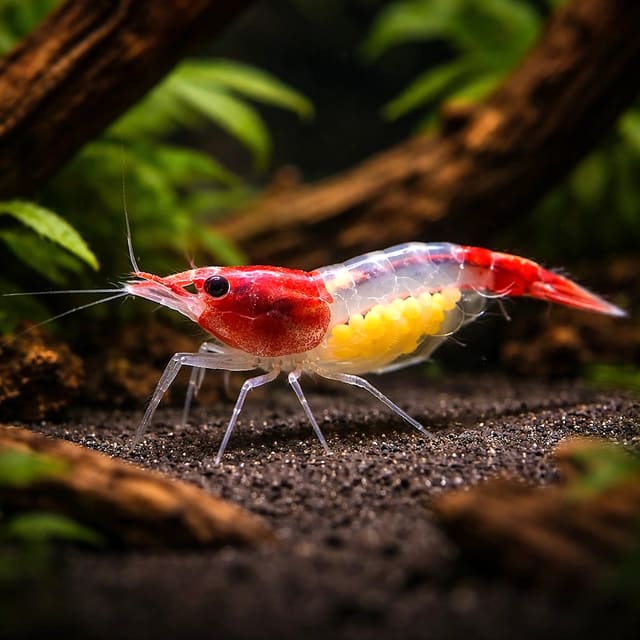
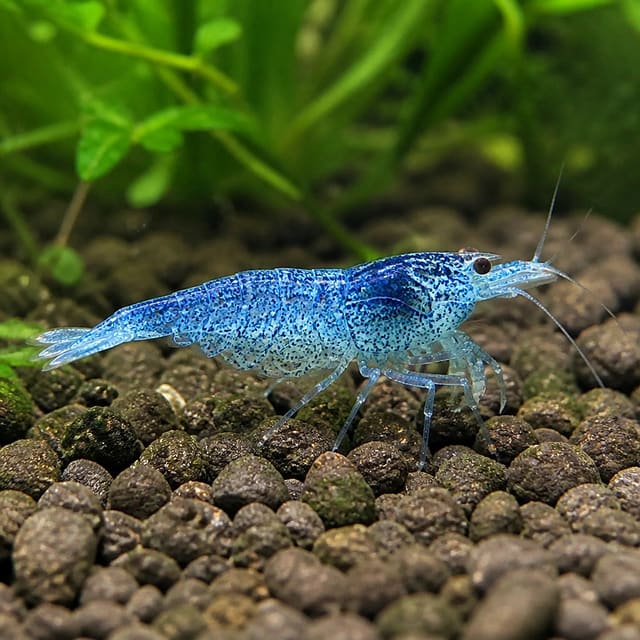
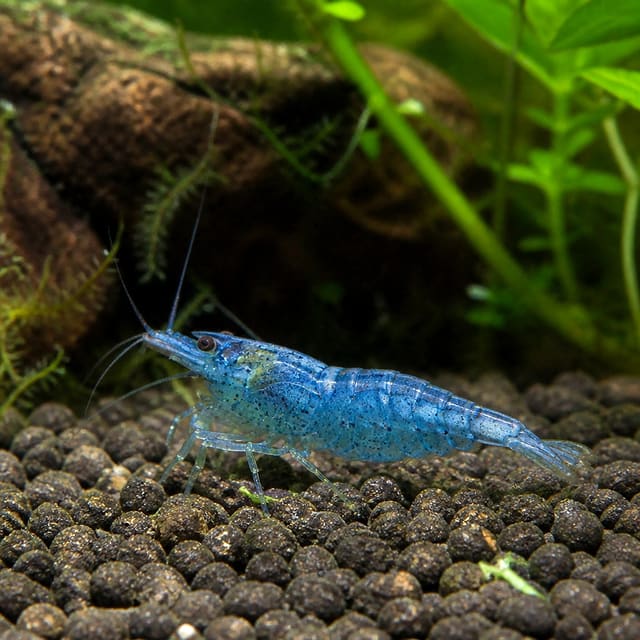
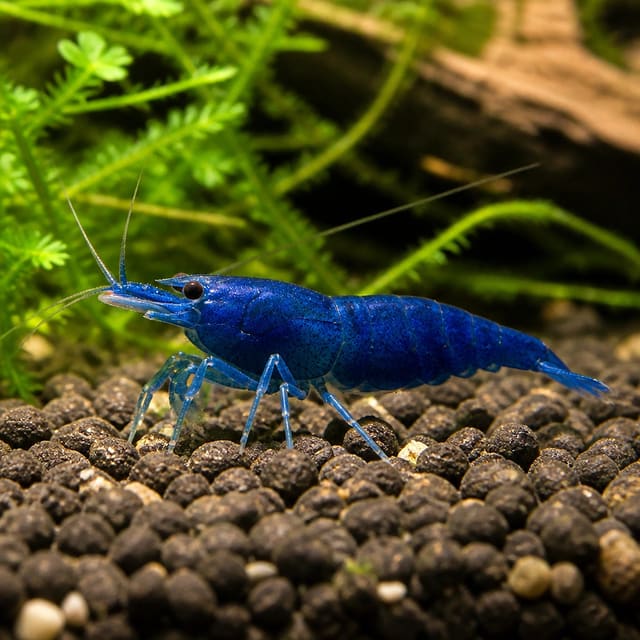
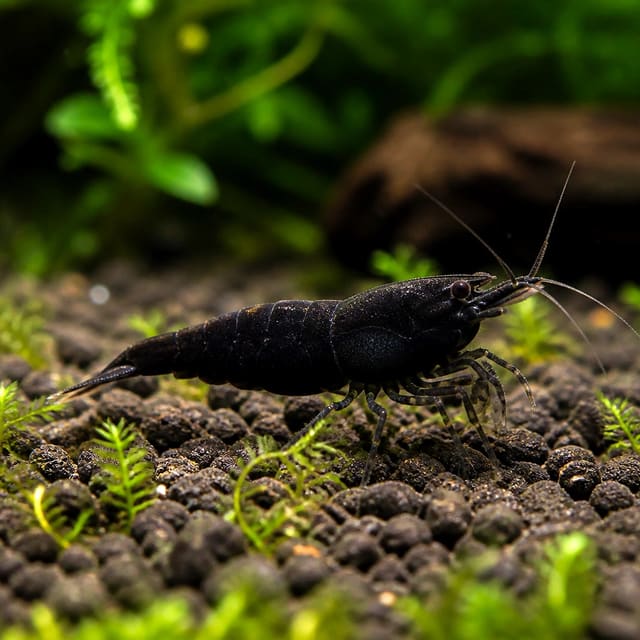
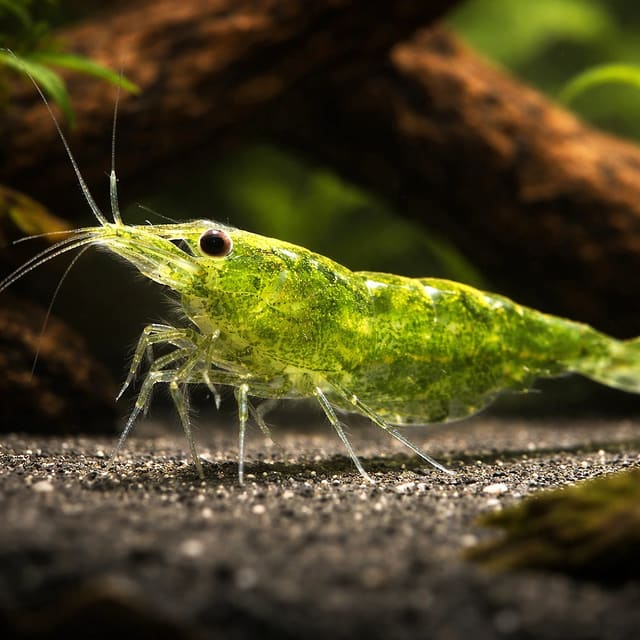
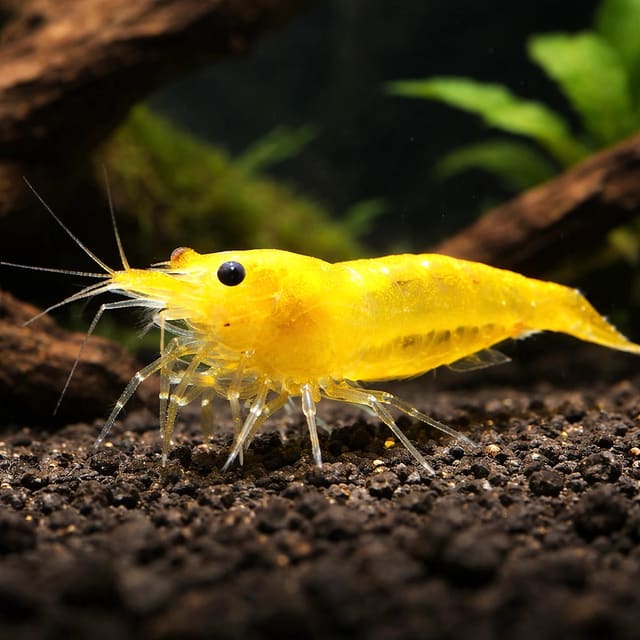
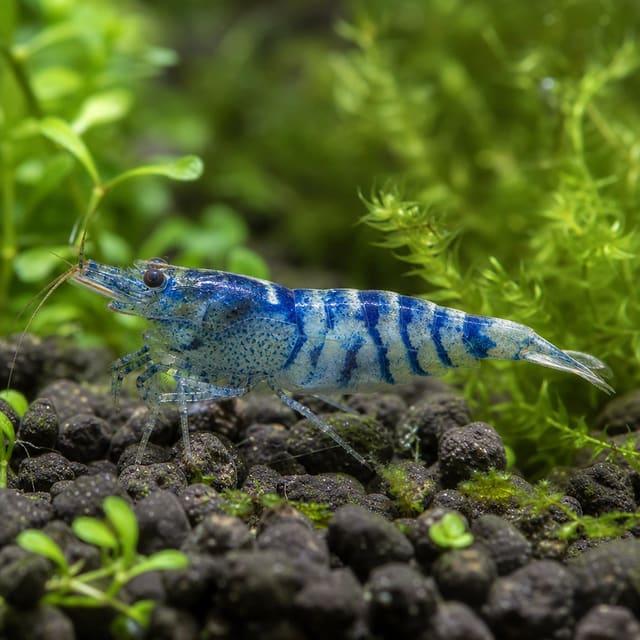
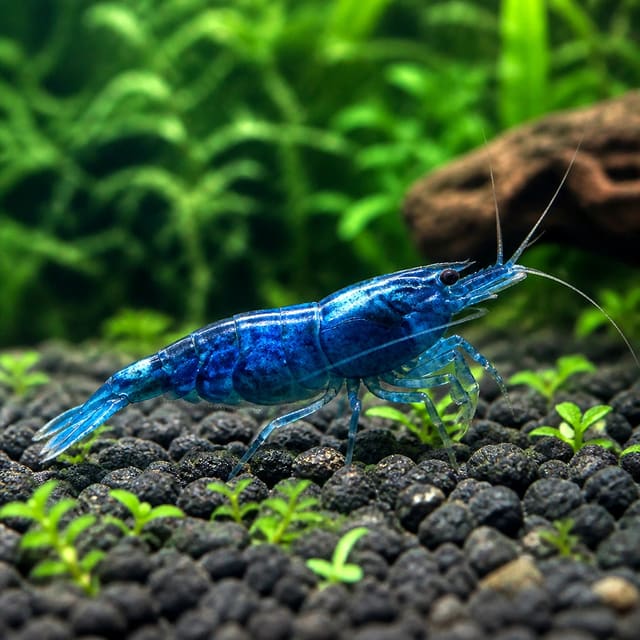
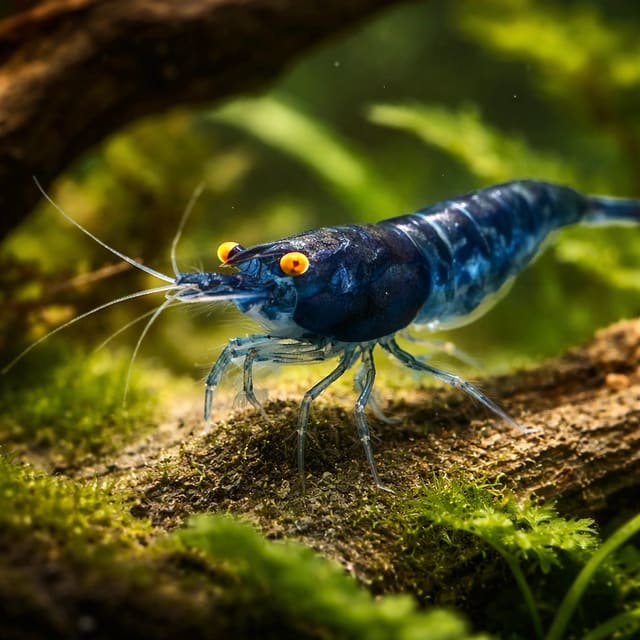
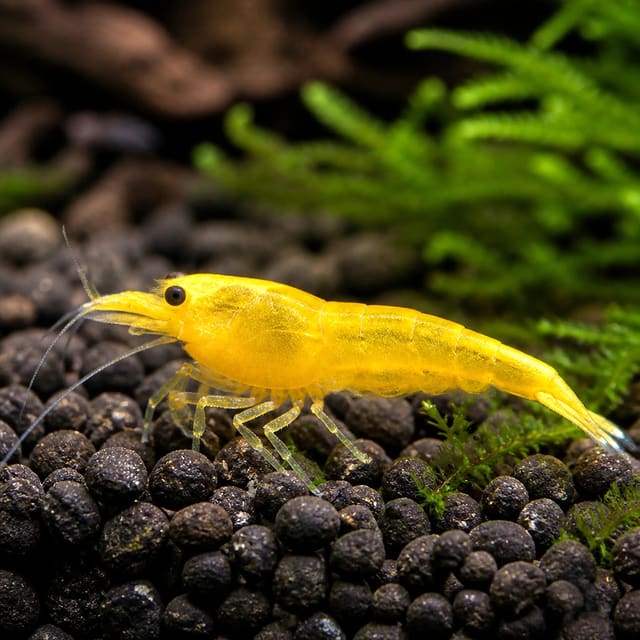
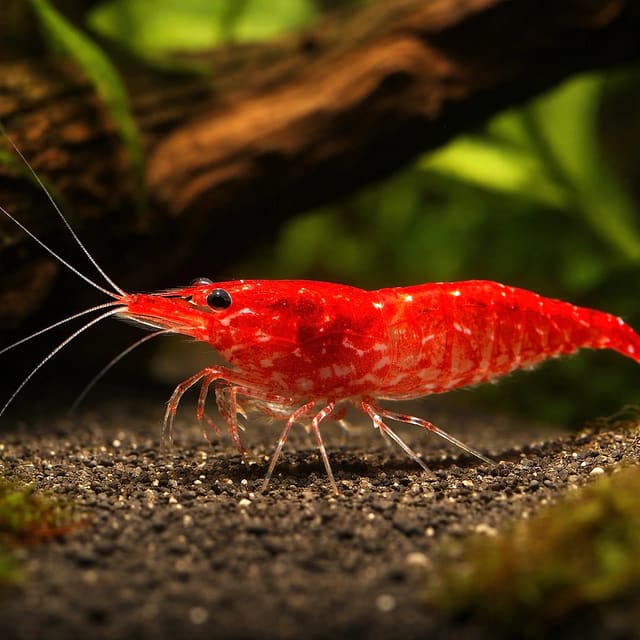
The gallery images are representative, based on reference photographs of this species, so colours can look slightly different from the live animal.
OATA’s freshwater shrimp and snail sheet gives 17–27°C, pH 6.5–8.0 and 4–18 dGH for the group; these values are not a species-specific optimum. It also recommends at least 10 litres for a group of small shrimp and at least five individuals for social shrimp. Our cautious planning policy starts a small group in a mature, filtered 20-litre aquarium because the extra volume and footprint provide more headroom for grazing, equipment, feeding and change. Plan larger when fish or other livestock share the system.
| Decision | Figure to use |
|---|---|
| Purchase unit | One animal per purchase |
| Adult planning length | Approximately 4 cm |
| Starting group | At least five shrimp |
| Cautious aquarium start | 20 litres, then allow for the full community |
| Water planning range | 17–27°C, pH 6.5–8.0, 4–18 dGH |
These figures work together. A 20-litre aquarium is not permission to ignore filtration, usable footprint, feeding area, water stability or population growth, and it should not be converted into a permanent shrimp-per-litre formula. Base the decision on the mature system you can maintain and the complete adult community you intend to keep.
Begin with the aquarium’s real water volume and usable footprint, not the number printed on its box. Substrate, wood, rock, filters and other equipment reduce water volume and divide the floor into areas the shrimp can or cannot reach. A useful setup leaves sheltered grazing surfaces, an accessible feeding area and enough open space to inspect the animals and equipment.
Use 20 litres as our cautious starting point for a small Orange Sakura group. That policy sits above OATA’s 10-litre general screen and is intended to provide extra headroom, not to define a biological minimum. Increase the plan when the aquarium will contain fish, other invertebrates or a growing shrimp population. A longer footprint can also offer more feeding and grazing surface than a tall aquarium with the same nominal volume.
For example, beginning with five shrimp in 20 litres does not create a rule of four litres per shrimp. Adding five more later cannot be approved by division alone: the filter’s performance, feeding access, water-test trends, cover and the rest of the community still decide whether the system can carry the change. Add livestock gradually so the beneficial bacterial population can respond to the increased waste and feeding load.
A group intended only for display and one intended to produce surviving juveniles require different layouts. The display aquarium may prioritise viewing space, while a juvenile-focused setup needs more protected cover, mature surfaces and guarded equipment. Decide which result matters before arranging the aquarium, because changing the layout repeatedly after introduction can reduce stability.
Use 17–27°C, pH 6.5–8.0 and 4–18 dGH as the first water-planning screen. General carbonate-hardness guidance is 3–15 dKH. Test the aquarium rather than assuming that a UK postcode, a label such as “soft water” or a successful fish community tells you its chemistry. Rock, substrate, top-ups, treatments and household water equipment can all affect what reaches the shrimp.
Compare the aquarium with measured holding-water values before transfer. A result within the planning range still calls for gradual acclimation when the two sets of measurements differ. Stability does not mean refusing all maintenance; it means avoiding abrupt, poorly measured changes and changing only what the test results and the animals’ needs justify.
| Measurement | Decision it informs |
|---|---|
| Temperature | Whether heating, cooling or a slower transfer is needed |
| pH | How closely the holding water and aquarium match |
| GH | The measured general mineral content |
| KH | The carbonate-hardness context for the aquarium |
| Ammonia and nitrite | Whether the biological filter is ready and functioning |
Our aquarium water chemistry guide explains what the measurements mean. Once you have real results, use the water matcher to compare them with the planning range instead of adjusting several values from guesswork.
Choose a heater from measurements, not from the season alone. A cool room may need a correctly sized, guarded and thermostatically controlled heater to maintain the chosen stable range. A warm room needs an overheating plan rather than extra heat. Check the aquarium at the warmest and coolest relevant times, then choose a stable point that also suits every other inhabitant.
Do not assume that water from an ion-exchange household softener is suitable because it tests “soft”. That process can replace calcium and magnesium with sodium. Test the aquarium and source water directly, and avoid adding minerals or chemical adjusters without a measured reason and a controlled plan.
A filter is essential, but owning one is not the same as having mature biological filtration. The RSPCA’s aquarium filtration guidance explains that beneficial bacteria convert toxic ammonia to nitrite and then to safer nitrate. Before adding shrimp, tests should show that the established filter processes the intended load while ammonia and nitrite remain at zero.
Maturity is a biological state rather than a fixed waiting period. A tank that has stood for several weeks without a suitable cycling process may still be unready, while calendar age alone cannot show what the filter can process. Follow the cycling, testing and gradual-stocking principles in OATA’s freshwater aquarium setup guidance, then confirm readiness through measurements.
Biofilm contributes grazing opportunities, but an old-looking surface does not demonstrate safe water or complete nutrition. Mature filtration, measured chemistry and deliberate feeding remain separate requirements. If this is your first invertebrate setup, use our freshwater shrimp keeping guide to plan the aquarium before livestock arrives.
During the first month, judge the filter by results. Record ammonia, nitrite, feeding and maintenance together. If either toxic nitrogen compound rises above zero, stop further stocking, check filter operation and reduce avoidable waste while restoring safe conditions. Do not replace or deep-clean all biological media at once, because that can remove a large part of the bacterial population the aquarium depends on.
Orange Sakura Shrimp are omnivorous and spend time grazing established surfaces. Biofilm and some soft growth contribute to that behaviour, but neither algae nor an established-looking aquarium should be treated as a complete feeding plan. Use an appropriate complete sinking shrimp food as the nutritional base and follow the manufacturer’s instructions for that product.
A practical starting schedule is two or three prepared feeds each week. Allow pellets or wafers at least 30 minutes so slow-feeding shrimp have time to reach them. The correct portion is the amount the group can access without recurring leftovers, not a fixed number of pellets for every aquarium. Population size, grazing area, competing animals and the food’s density all change the result.
| If you see | Do this next |
|---|---|
| Food repeatedly left to break down | Remove the excess and reduce the next portion |
| Some shrimp displaced from food | Spread the portion across more than one accessible area |
| Fish consuming the shrimp food first | Reassess feeding competition and the companion plan |
| Ammonia, nitrite or nitrate trends worsening | Review portion size, waste removal and filtration before adding more food |
| More juveniles or a larger group | Reassess access and total demand rather than multiplying an old portion blindly |
Do not judge nutrition from orange intensity alone. Selective breeding establishes the colour form, while lineage, lighting, substrate, stress, health and photographic processing can change how colour appears. Adding more food solely to deepen colour can create excess waste without addressing the real cause of a visual change.
Keep feeding changes small enough to assess. If you alter the product, portion and schedule at the same time, the next water-test result cannot show which change mattered. Record what was offered, whether every shrimp reached it and what remained. That simple routine gives a more useful guide than assuming the shrimp will live on algae or act as automatic aquarium cleaners.
At least once every week, carry out a partial water change of 25%. Treat replacement tap water with a suitable conditioner before it enters the aquarium so chlorine or chloramine cannot harm the livestock or biological filter. Match the replacement water closely enough to avoid an abrupt temperature or chemistry shift.
Test ammonia and nitrite at least weekly and keep both at zero. Monitor nitrate in relation to the source water; the group guidance says it should not exceed 20 mg per litre above the normal tap-water level. Testing after a change in stocking, feeding or filter performance is also useful because those events can alter the load before the next routine test.
Clean enough to restore function without stripping every established surface at once. Shrimp use mature surfaces for grazing, while the filter depends on bacterial communities to process waste. A rotating routine—cleaning the necessary equipment while leaving other stable areas undisturbed—protects both functions better than a complete reset.
Keep a first-month log with the date, temperature, ammonia, nitrite, nitrate, pH, GH, water-change volume, feeding and any notable behaviour. The purpose is not to chase identical readings every day; it is to notice a trend early and connect it to a real event. A rising nitrate trend may point to increased feeding or stocking, while ammonia or nitrite calls for immediate attention to filtration and waste.
Increase livestock slowly. Every addition raises waste and can lead to extra feeding, so the beneficial bacteria need time to respond. If a test changes after an addition, pause further stocking and restore stable results before making another change. This measured approach gives the aquarium more protection against new tank syndrome than relying on appearance alone.
Prepare the aquarium before the journey. Confirm mature filtration, zero ammonia and nitrite, a protected intake, stable temperature, suitable cover and an accessible grazing area. Someone must be present to receive the parcel because live animals cannot be left unattended.
Read our delivery and Live Arrival Guarantee policy for the current claim conditions. Follow the arrival sequence before changing the transport container.
During the first day, confirm that the filter, guard, heater and circulation remain in their intended positions. Observe whether the shrimp can reach shelter and grazing surfaces without being trapped or displaced. Hiding alone can accompany settling or moulting, so use water tests and comparison with the rest of the group rather than treating one behaviour as a diagnosis.
Through the first week, check temperature and equipment daily, continue the normal water-testing plan and watch feeding access. If ammonia or nitrite appears, respond to the water-quality problem before adding livestock or increasing food. Record marked changes in activity, colour, breathing effort, feeding, body condition or the exoskeleton.
Use dedicated wet equipment for isolation where practical, and do not release shrimp, plants, aquarium water or equipment contents into the wild. Neocaridina davidi has established outside its native range after captive releases, so secure rehoming and responsible disposal protect both the aquarium and local waterways.
Learn the normal pattern of your own group so a change is easier to recognise. Warning signs include increased inactivity, restlessness, unusual swimming, darker or paler colour, increased hiding, changed breathing effort, reduced feeding, abnormal swelling, weight change, white spots, lesions, discolouration, damaged exoskeleton, abnormal growths or loss of appendages. One sign rarely identifies a cause by itself.
An empty exoskeleton can resemble a dead shrimp, and hiding may accompany moulting. Check the animal and the rest of the group before drawing a conclusion. Do not treat a clean shed shell, one period of hiding or a single colour change as a diagnosis.
Prevent copper exposure. Invertebrates are highly sensitive to copper and will die if exposed even to low levels, so read the exact current label and every invertebrate warning before any aquarium medicine, algae treatment or additive is used. Do not infer safety from a similar product name, a dose used for fish or a concentration reported for another crustacean. When the label leaves compatibility unclear, obtain qualified advice before treatment.
Avoid changing temperature, hardness, food and medication together. Multiple simultaneous changes can add stress and make the cause harder to identify. Correct an immediate water-quality or equipment failure first, then reassess the animals with fresh measurements.
Plan ongoing care around consistent observation rather than a fixed lifespan promise. Temperature, lineage, sex, food, predation and aquarium conditions can all affect what a keeper sees. A stable routine, rapid response to toxic nitrogen compounds and careful medicine screening are more useful decisions than predicting an exact number of months or years.
Avoid fish able to fit the shrimp in their mouth and any species known to be predatory. Apply that rule to the companion’s adult size and behaviour, not only to the juvenile seen in a shop. A fish that appears too small to eat an adult shrimp may still take newly hatched juveniles, and behaviour can change as the fish matures or becomes territorial.
No fish is guaranteed safe with Orange Sakura Shrimp, especially where shrimplet survival matters. Honest screening therefore replaces a universal tank-mate list. The same fish species can produce different outcomes as individual behaviour, group structure, feeding competition, plant cover and aquarium dimensions change.
| Screen | Decision |
|---|---|
| Adult mouth size | Exclude fish capable of swallowing the shrimp |
| Hunting behaviour | Exclude known predators and monitor active pursuit |
| Territorial behaviour | Ensure shrimp are not driven away from cover or food |
| Feeding speed | Confirm shrimp can reach suitable food before it is taken |
| Water overlap | Use one stable range appropriate for every inhabitant |
| Cover after maintenance | Keep shelter usable after plants are trimmed or decor moves |
| Moulting risk | Provide retreat areas for vulnerable shrimp |
| Separation plan | Have a mature alternative if behaviour changes |
Do not use words such as “peaceful”, “small” or “community” as the whole assessment. They do not answer whether an adult fish hunts crustaceans, competes strongly at the bottom or can reach shrimp inside the proposed cover. Likewise, successful coexistence with adult shrimp says little about tiny juveniles.
For a stocking and compatibility assessment, send us the aquarium volume, measured temperature, pH and hardness, mature adult stock list, group sizes, filter type, cover and whether your priority is display coexistence or maximum juvenile survival. The answer may be conditional because individual behaviour cannot be guaranteed. Keep a separation plan ready whenever fish and shrimp share an aquarium.
Decide whether the aquarium is intended as a mixed display, a single-colour shrimp line or a setup aimed at maximising juvenile survival. Each goal changes the compatibility decision. A mixed display accepts more predation uncertainty; a juvenile-focused aquarium should remove fish predation by remaining shrimp-only; a colour-line aquarium also needs a plan for which Neocaridina forms are kept together.
| Goal | Plan around |
|---|---|
| Mixed display | Adult mouth size, hunting, food competition, cover and a separation option |
| Juvenile survival | A shrimp-only setup, protected intakes, mature grazing surfaces and dense usable shelter |
| Orange colour line | A dedicated single-line aquarium where preserving the named colour matters |
A shrimp-only aquarium removes fish predation, but it does not remove water-quality, equipment, crowding, food or health risks. Continue to plan the group around mature filtration, real grazing area, feeding access and population growth. If juvenile numbers increase, reassess the load rather than applying a permanent shrimp-per-litre ratio.
When a mature female is present, eggs are carried externally beneath the abdomen. Development is direct or abbreviated: young hatch as benthic juveniles rather than entering the prolonged saline planktonic phase associated with Amano Shrimp. That biology explains why tiny juveniles may appear throughout the aquarium and why filter guards and fine cover matter from the outset. It does not promise that an unsexed purchase will form a breeding group or that juveniles will survive.
If preserving the orange line matters, keep one named colour line in the breeding aquarium. Different Neocaridina colour forms share the species, but a mixed-colour setup should not be expected to preserve a predictable orange result. Choose the colour-line goal before adding other forms, because separating individuals after juveniles appear is more difficult than planning a dedicated aquarium initially.
Continue screening after introduction. Reassess when fish grow, territories change, plants are trimmed or feeding behaviour shifts. If shrimp begin losing access to food or shelter, or if active hunting appears, use the prepared separation option. Compatibility is an ongoing observation decision rather than a one-time label attached to a species name.
Orange Sakura Shrimp reach approximately 4 cm, so plan the permanent aquarium around that adult length rather than the size of a newly supplied animal.
Start a small group in a mature, filtered 20-litre aquarium under Tropical Fish Co’s cautious planning policy, then allow more space for fish, other livestock and possible population growth.
OATA’s group guidance says social shrimp should be kept in groups of at least five. Each animal still needs access to established grazing surfaces, suitable food and stable filtered water.
We class it as intermediate because the keeper must prepare a mature filter, measure zero ammonia and nitrite, protect the filter inlet and keep water changes gradual.
It is omnivorous. Provide an appropriate complete sinking shrimp food two or three times a week, allow at least 30 minutes for feeding and use biofilm as additional grazing rather than the entire diet.
OATA’s freshwater shrimp group guidance is 17–27°C, pH 6.5–8.0 and 4–18 dGH; these are planning values rather than a species-specific optimum. Keep ammonia and nitrite at zero and make changes gradually.
Orange Sakura Shrimp are peaceful. Compatibility concerns centre on the shrimp being eaten, displaced from food or denied cover rather than this shrimp attacking fish.
Avoid fish able to fit shrimp in their mouth and species known to be predatory. No fish is guaranteed shrimplet-safe, so screen adult mouth size, hunting, territorial behaviour, feeding competition, shared water needs and cover.
Start filming every delivery continuously from the sealed parcel before floating the bag; show the parcel opening and the shrimp still inside the sealed bag. Someone must be present to receive it, then float the bag for 20–30 minutes and never pour the bag water into the aquarium.
No reviews for this item yet. Bought one? Honest reviews only, good or bad.
What customers say about ordering from us
I have a small group of long finned mountain minnows. So was delighted to be able to order ten of this variety to increase the genetics in my tank . The ones I recieved are healthy but it’s to early to give a verdict on wether they are of a long finned type since they are small currently.
Gordon Walker · 23 Sept 2026
100% success travel and "installation". Pleased with quality of purchase. The Siamese fighter a bit "shy" so have not yet seen him at his best yet but looking good. Happy customer. GG
George E Garratt · 21 Sept 2026
Reviews of our shop, collected by Judge.me, an independent third-party review collector. Newest first.