Moderate
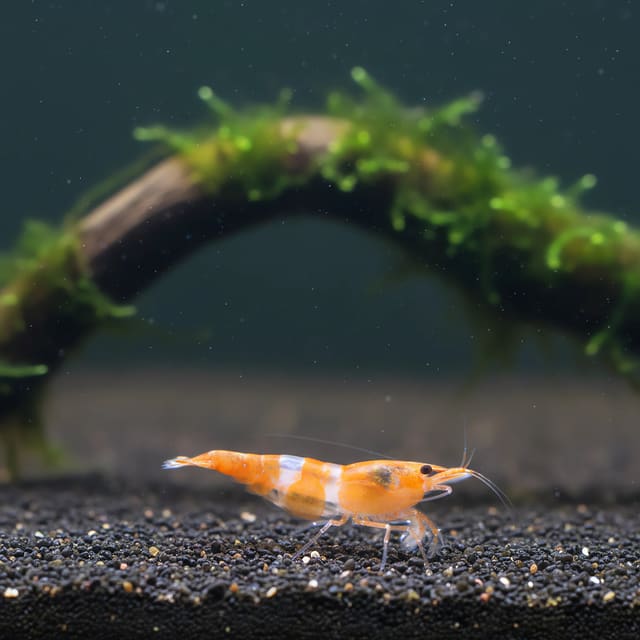
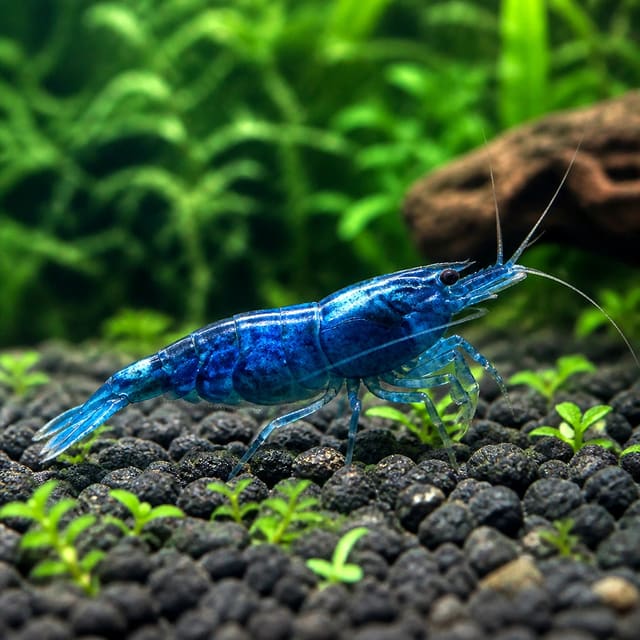
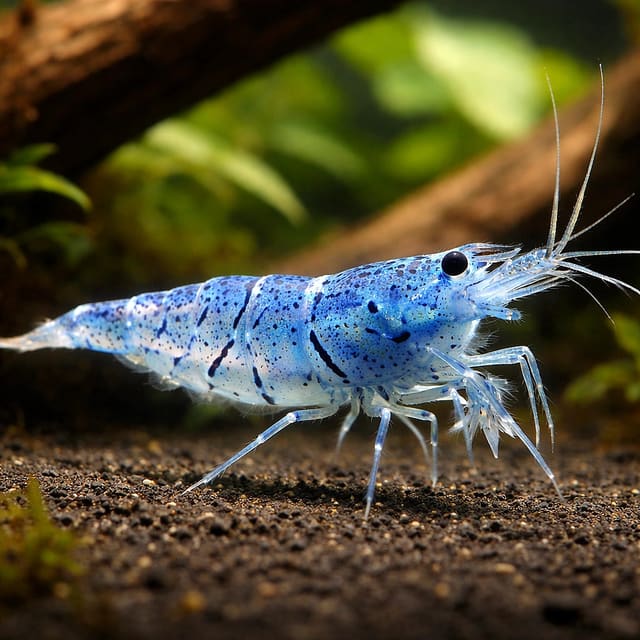
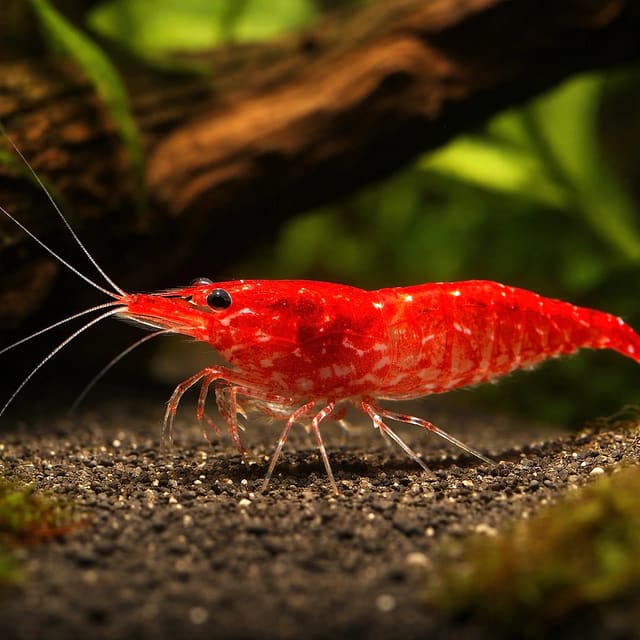
Deluxe Neocaridina Shrimp Mix (Neocaridina davidi)
17–27°C · pH 6.5–8
£14.99

Snowball or White Pearl Shrimp are peaceful, translucent-white freshwater grazers for a mature, stable planted aquarium. Sold singly at a trade-listed dispatch size of approximately 1–1.5 cm; adults commonly reach around 2–3 cm.
Adult size is the maximum length this species reaches at full maturity (scientific sources). The livestock you receive will be younger and smaller. Product-photo provenance and any image-specific limitations are stated on the listing.
Neocaridina cf. zhangjiajiensis
Lives in groups: kept together they stay settled, active and show their best colour.
Confirm your email, then we’ll send an availability message for this exact item if it returns within 180 days.
This request is only for this product—no newsletter or other promotions. A mail-provider retry may very rarely duplicate the same availability message. Unconfirmed addresses are removed after 48 hours. See our privacy policy.
Snowball or White Pearl Shrimp are peaceful, translucent-white freshwater grazers for a mature, stable planted aquarium. Sold singly at a trade-listed dispatch size of approximately 1–1.5 cm; adults commonly reach around 2–3 cm.
Adult size is the maximum length this species reaches at full maturity (scientific sources). The livestock you receive will be younger and smaller. Product-photo provenance and any image-specific limitations are stated on the listing.
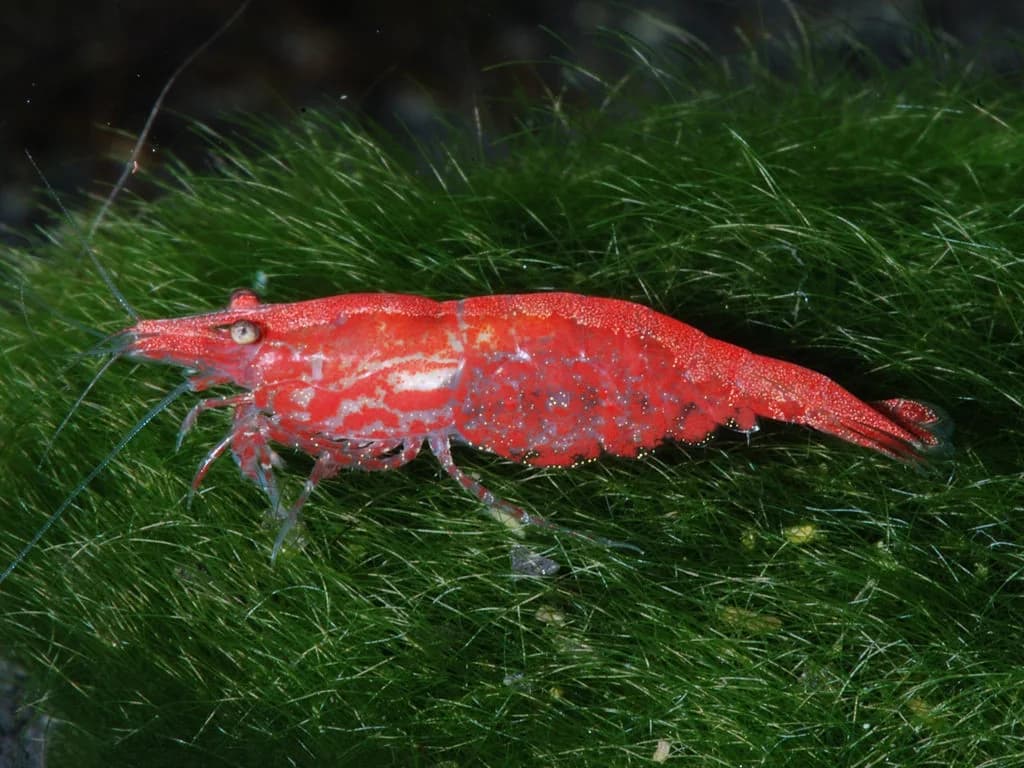
Use a mature, filtered aquarium and measured water—not a shrimp-per-litre rule. Tropical Fish Co uses 20 litres as a cautious starting policy for a small Cherry Shrimp group, above OATA's general 10-litre screen for small shrimp. Provide established grazing surfaces, cover and a protected filter inlet. No fish is guaranteed shrimplet-safe, and breeding should never be promised.
Maintain these water conditions for optimal health and vibrant colors
Snowball Shrimp, also called White Pearl Shrimp, are small, peaceful freshwater shrimp selected for a translucent milky-white appearance. They spend much of the day grazing over plants, wood and other aquarium surfaces, making them engaging animals to watch in a mature planted tank.
This listing is for one unsexed shrimp. The trade-listed dispatch size is approximately 1–1.5 cm; this is not the adult size. Colour, opacity, markings and sex vary naturally between individuals, and a shrimp may appear paler after transport or around a moult.
The Snowball or White Pearl form is usually translucent white to milky white, often with a visible digestive tract and dark eyes. Mature females are generally broader through the abdomen than males and may carry pale eggs beneath the abdomen. These are natural biological features, not faults.
Aquarium-trade naming is not completely consistent. Our supplier identifies this stock as Neocaridina zhangjiajiensis white, while specialist sources also use Neocaridina cf. zhangjiajiensis or place related Pearl Shrimp forms near Neocaridina palmata. We use “cf.” on this page to show that uncertainty honestly rather than presenting a disputed aquarium-strain identification as absolute.
Use a fully cycled aquarium with stable water chemistry and plenty of established grazing surfaces. A 20-litre-or-larger tank is recommended because it is generally more stable than a very small container, especially for a group. Include live plants, moss, wood, smooth rock and leaf litter where appropriate. These surfaces support biofilm and give newly moulted shrimp and shrimplets places to shelter.
Gentle filtration is suitable, but cover filter intakes with a fine sponge so small shrimp cannot be drawn in. Ammonia and nitrite should remain at zero, nitrate should be kept low, and temperature or mineral levels should not change abruptly. Match new water carefully during maintenance rather than chasing a particular number with rapid chemical adjustments.
A stable temperature around 20–25°C and pH around 6.5–8.0 suit the broad conditions in which this aquarium strain is commonly kept. General hardness matters because shrimp require minerals to form a healthy exoskeleton, but stability and suitability for the stock you receive are more important than repeatedly altering the water. If your tap water is unusually soft or hard, test it before making changes and adjust gradually only when needed.
Shrimp periodically shed their exoskeleton as they grow. They may hide and stop feeding around a moult. Leave a clean shed exoskeleton in the aquarium for a time because shrimp often graze it and recover minerals from it. Persistent failed moults can indicate unstable water, unsuitable mineral balance or another husbandry problem.
Snowball Shrimp graze biofilm, soft algae and fine organic material, but they are not a replacement for aquarium maintenance. In an established aquarium, offer a small amount of complete shrimp food as needed and vary the diet with appropriate algae-based foods or occasional blanched vegetables. Remove uneaten food before it spoils.
Feed lightly. Overfeeding can raise waste levels, reduce oxygen and destabilise a small aquarium. A visible film of natural grazing material on plants and hardscape is valuable, particularly for young shrimp, so avoid making every surface sterile.
These shrimp are peaceful and often gather where food is available, but they do not school like fish. A group usually behaves more confidently than a single shrimp. Snails and other peaceful dwarf shrimp with compatible water needs are generally low-risk companions.
Almost any fish may eat newly hatched shrimplets, and larger or predatory fish may also injure or eat adults. A shrimp-only aquarium offers the best chance of building a colony. If kept with fish, provide dense plant cover and accept that survival of young shrimp may be lower. Avoid crayfish, large loaches, cichlids and other obvious shrimp predators.
In stable freshwater conditions, mature females can carry eggs beneath the abdomen and release miniature shrimp without a marine larval stage. Breeding success depends on mature biofilm, safe filtration, cover and the absence of predators. It cannot be guaranteed from an individual unsexed shrimp.
Do not mix this line with other Neocaridina colour forms if maintaining the white appearance is important. Closely related lines can interbreed, and later generations may lose the selected colour or show variable wild-type tones.
Shrimp can be harmed by excessive copper and by medicines not intended for invertebrates. Copper is also a trace nutrient, so the accurate rule is to avoid unverified doses and check every treatment label—not to assume that any detectable trace is automatically fatal. Never dose a shrimp aquarium blindly.
On arrival, compare the transport water with the aquarium and acclimate gradually to reduce sudden temperature and chemistry changes. Do not add shipping water to the aquarium. Read our current live-animal delivery guidance before ordering and our returns policy for arrival procedures.
The listed 1–1.5 cm is an approximate dispatch size. Adults commonly reach around 2–3 cm, with females generally larger and broader than males.
They can suit a careful beginner who has a mature, fully cycled aquarium and understands stable water chemistry. They are not suitable for a newly filled or uncycled tank.
They graze biofilm, some soft algae and fine food particles, but they do not replace water changes, substrate care or control of the cause of excess algae.
Adults can coexist with carefully chosen small peaceful fish, but no fish should be considered completely safe for shrimplets. A species-only setup is the safer breeding option.
They may interbreed. Keep colour lines separately if retaining the Snowball or White Pearl appearance matters to you.
No reviews for this item yet. Bought one? Honest reviews only, good or bad.
What customers say about ordering from us
I have a small group of long finned mountain minnows. So was delighted to be able to order ten of this variety to increase the genetics in my tank . The ones I recieved are healthy but it’s to early to give a verdict on wether they are of a long finned type since they are small currently.
Gordon Walker · 23 Sept 2026
100% success travel and "installation". Pleased with quality of purchase. The Siamese fighter a bit "shy" so have not yet seen him at his best yet but looking good. Happy customer. GG
George E Garratt · 21 Sept 2026
Reviews of our shop, collected by Judge.me, an independent third-party review collector. Newest first.