Easy
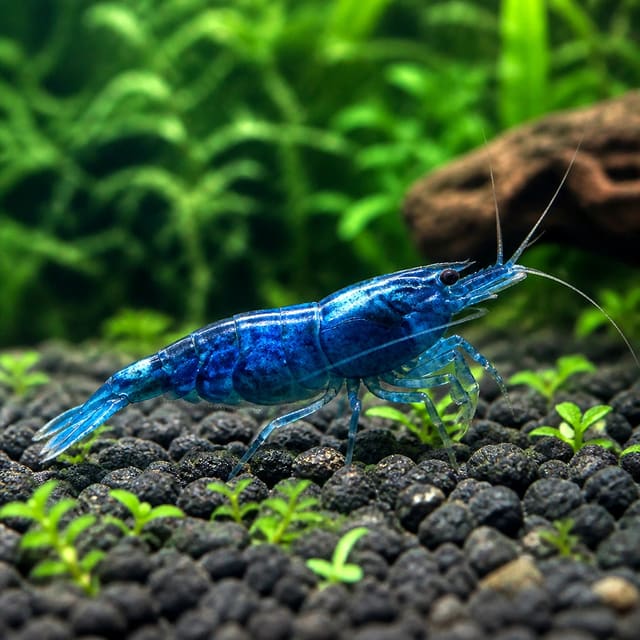
Blue Dream Shrimp (Neocaridina davidi)
18–28°C · pH 6.5–8 · 20L
£16.19
The Yellow Neon Shrimp (Neocaridina yellow neon) is a freshwater invertebrate that reaches 3 cm. It suits beginners who can maintain stable water at 18–26°C and pH 6.5–7.8; OATA’s freshwater-shrimp guidance supports group keeping and gives 4–18°dH. Sold individually at approximately 1.5–2 cm.
Adult size is the maximum length this species reaches at full maturity (scientific sources). The livestock you receive will be younger and smaller. Product-photo provenance and any image-specific limitations are stated on the listing.
Neocaridina yellow neon
Lives in groups: kept together they stay settled, active and show their best colour.
The Yellow Neon Shrimp (Neocaridina yellow neon) is a freshwater invertebrate that reaches 3 cm. It suits beginners who can maintain stable water at 18–26°C and pH 6.5–7.8; OATA’s freshwater-shrimp guidance supports group keeping and gives 4–18°dH. Sold individually at approximately 1.5–2 cm.
Adult size is the maximum length this species reaches at full maturity (scientific sources). The livestock you receive will be younger and smaller. Product-photo provenance and any image-specific limitations are stated on the listing.
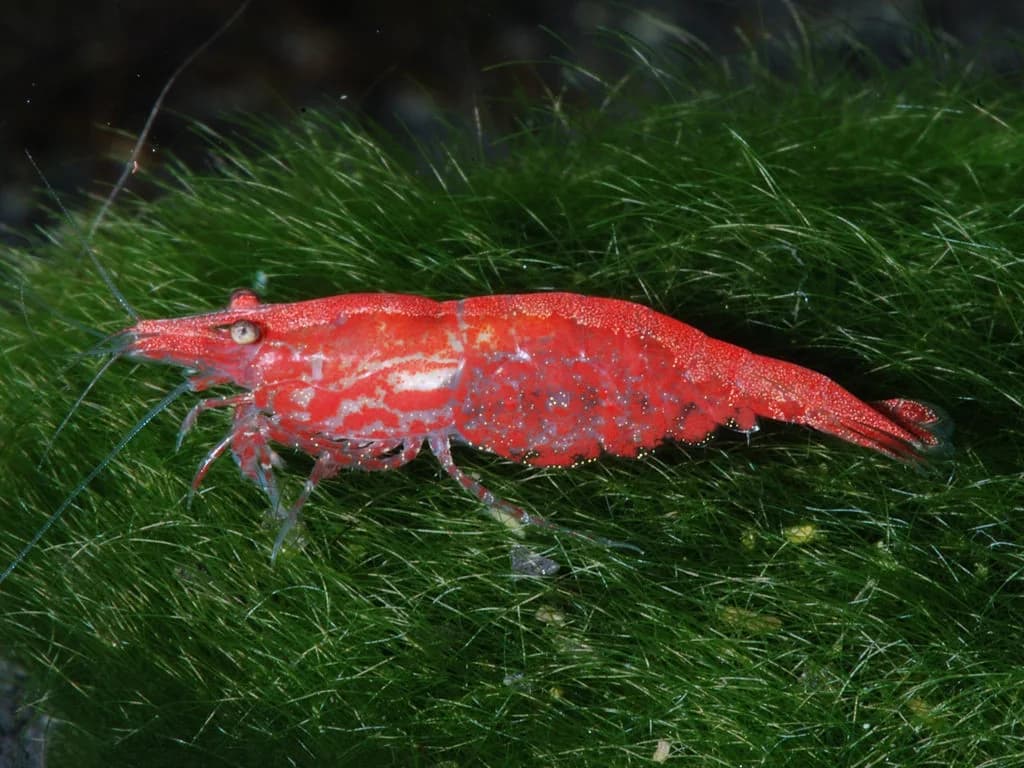
Use a mature, filtered aquarium and measured water—not a shrimp-per-litre rule. Tropical Fish Co uses 20 litres as a cautious starting policy for a small Cherry Shrimp group, above OATA's general 10-litre screen for small shrimp. Provide established grazing surfaces, cover and a protected filter inlet. No fish is guaranteed shrimplet-safe, and breeding should never be promised.
Maintain these water conditions for optimal health and vibrant colors
The Yellow Neon Shrimp (Neocaridina yellow neon) is a small freshwater invertebrate in the Atyidae family. It reaches 3 cm and suits keepers who want a peaceful grazing shrimp for a stable, filtered aquarium. Its easy care rating is our store assessment: the routine is straightforward, but success still depends on mature filtration, measured water values, careful feeding and protection from predators.
This yellow form brings its strongest practical value to planted and shrimp-focused aquariums. It spends time grazing algae and biofilm from surfaces, giving it plenty to do among plants, wood, stones and fine substrate. Grazing can help control nuisance algae, but it does not replace water changes, glass cleaning or control of excess nutrients.
Use 18–26°C and pH 6.5–7.8 as the routine targets for this animal. The OATA freshwater shrimp and snail guidance gives broader group values of 17–27°C, pH 6.5–8.0, general hardness of 4–18°dH and carbonate hardness of 3–15°dKH. Stable conditions matter more than repeatedly adjusting water that is already within the target range.
Choose this shrimp when you can provide an established biological filter, a group setting, shelter and regular water tests. A newly filled aquarium, an unfiltered container or a community containing predatory fish is not an appropriate starting point. If fish will share the aquarium, assess their feeding behaviour and mouth size before adding shrimp.
Plan around an adult length of 3 cm and use at least 20 litres for the shrimp setup. OATA recommends at least 10 litres for a group of small freshwater shrimp and says the aquarium needs to be larger when fish are included. The 20-litre plan adds useful water volume because larger aquariums generally hold temperature and water quality more steadily.
This shrimp is rated easy for a keeper who will test water, maintain the filter and feed sparingly. It is not a shortcut around aquarium maturation. Ammonia and nitrite must remain at zero, nitrate must not exceed 20 mg per litre above the normal tap-water level, and any treatment entering the aquarium must be safe for invertebrates.
| Suits | Not suited to |
|---|---|
| A mature, filtered freshwater aquarium | A newly filled or unfiltered container |
| A planted or well-sheltered shrimp setup | An exposed setup without plants or ornaments |
| Stable water at 18–26°C and pH 6.5–7.8 | Frequently changing temperature or chemistry |
| A group introduced gradually | Rapid additions that exceed filter capacity |
| Carefully screened, non-predatory fish | Predatory fish or fish able to swallow the shrimp |
One purchase supplies one live shrimp at approximately 1.5–2 cm. This is the dispatch measurement, not the adult length; plan the aquarium around 3 cm. The shrimp should still be assessed against the aquarium’s adult stocking plan before it arrives.
Sex is guaranteed only when the selected option explicitly states male or female. This Neocaridina yellow neon listing has no sex-guaranteed option.
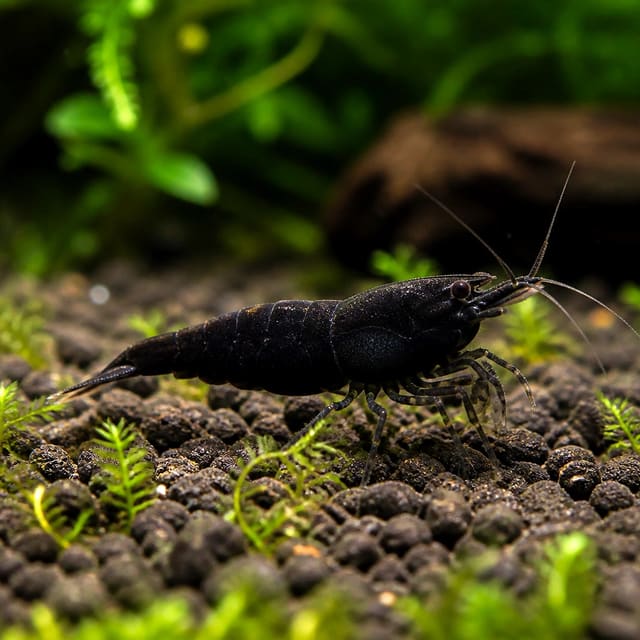
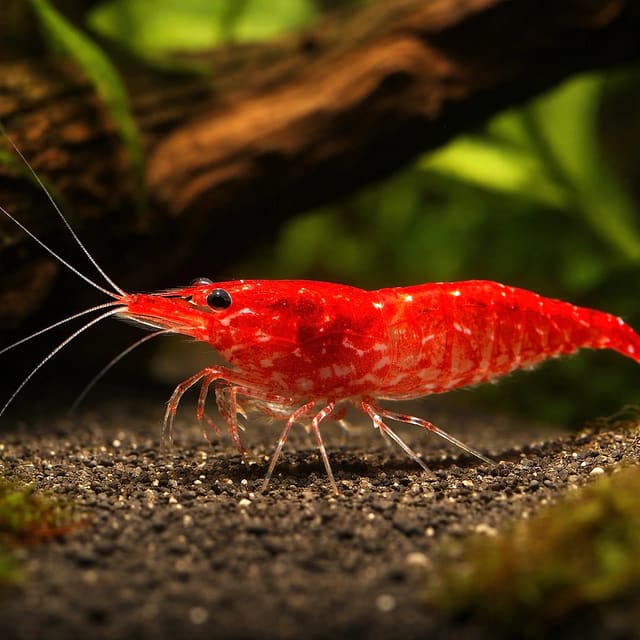
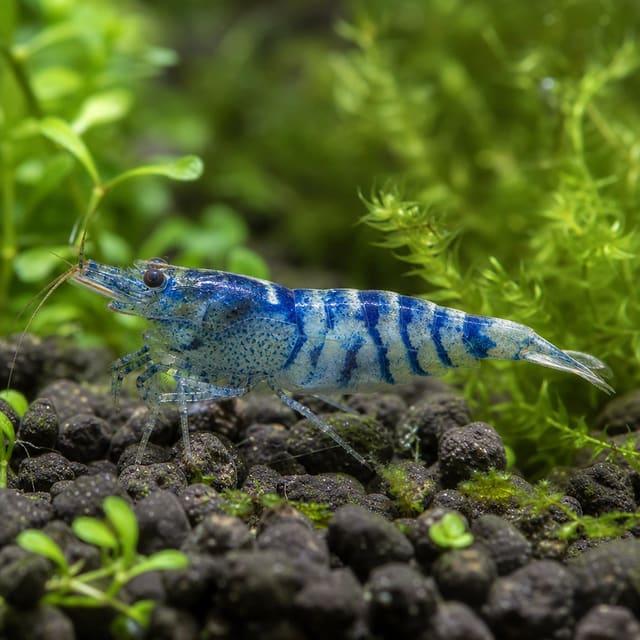
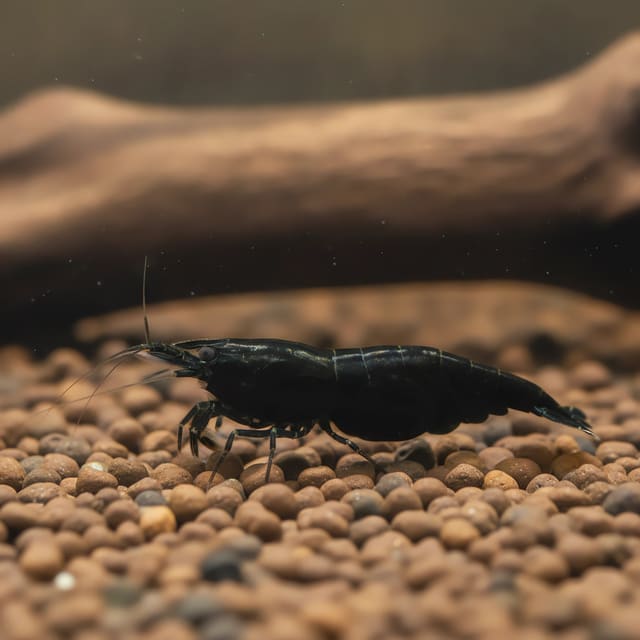
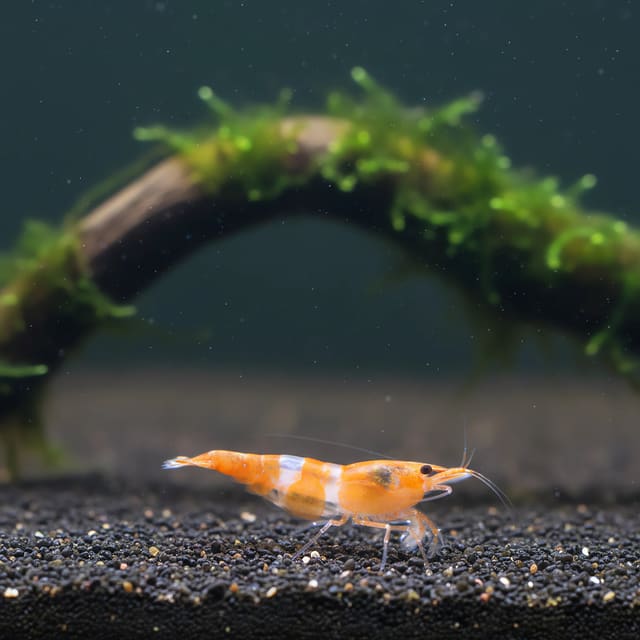
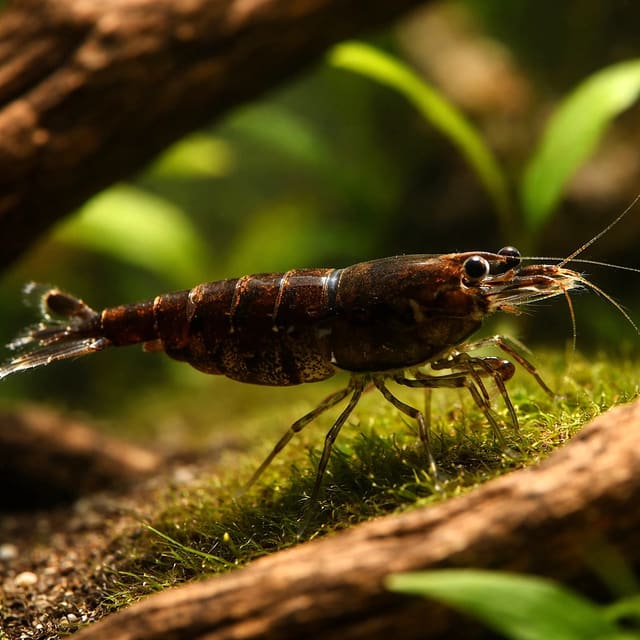
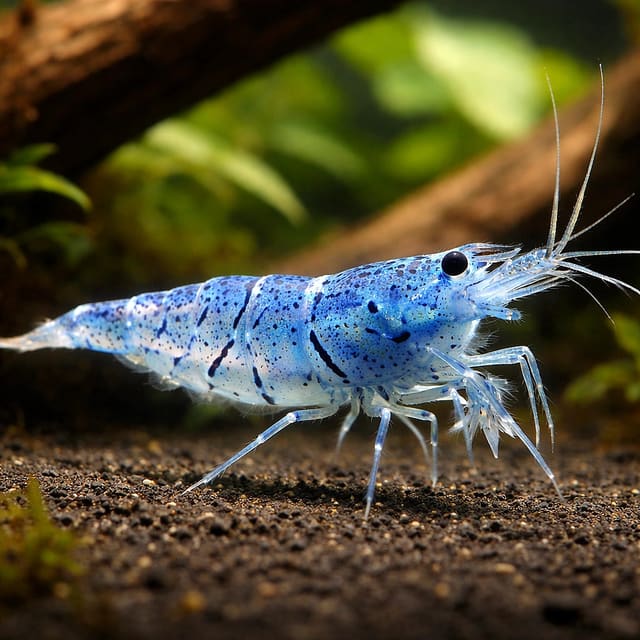
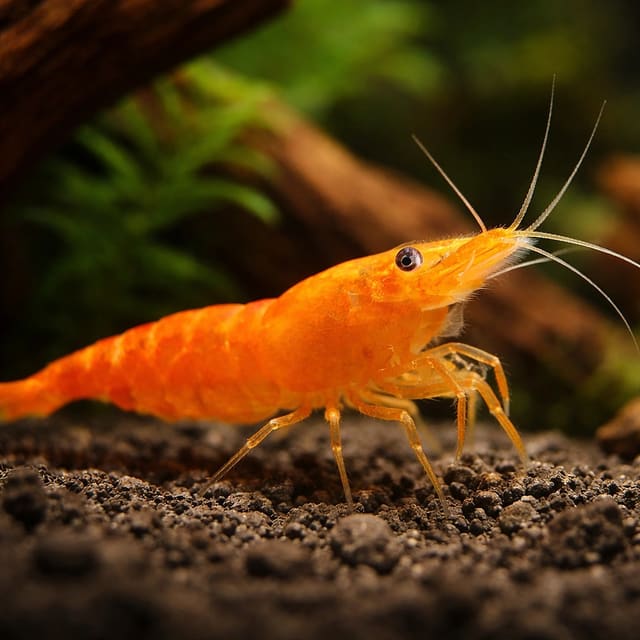
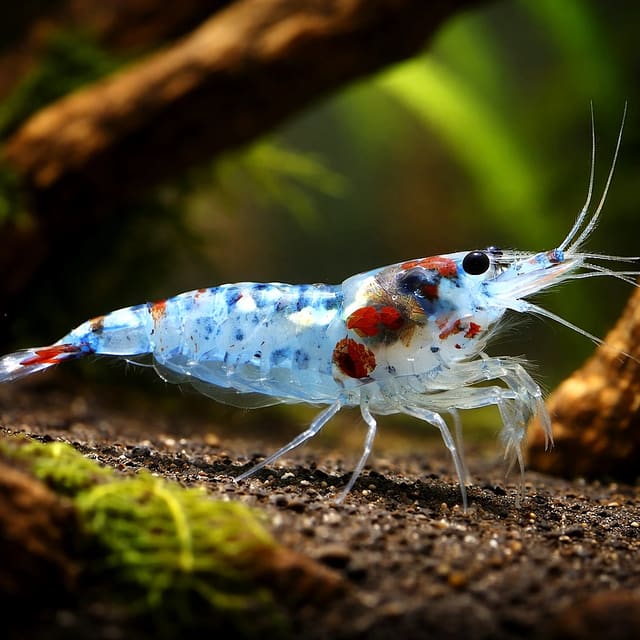
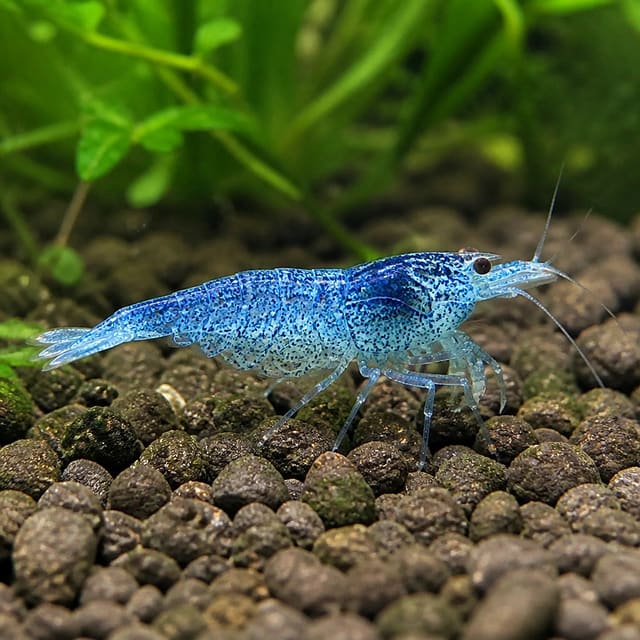
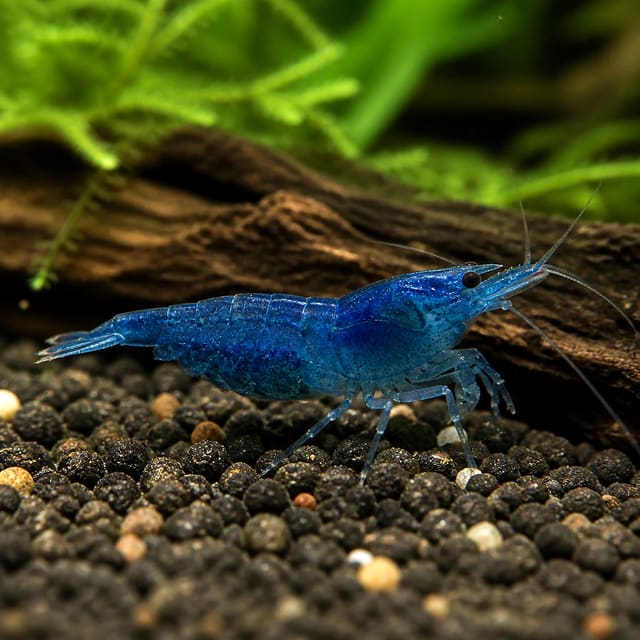
The gallery images are representative of this type of animal rather than photographs of the exact animal supplied, so colours can look slightly different from the live animal.
Use the product identity and care needs to make the decision, rather than treating the pictured shade, stripe or speckling as a promise for every individual. Lighting, background and the animal’s position can also affect how colour appears in the aquarium.
Use at least 20 litres for this shrimp setup and increase the volume when fish are included. OATA’s minimum for a group of small freshwater shrimp is at least 10 litres, but it also explains that larger aquariums provide more stable temperature and water quality. The 20-litre plan therefore gives a useful margin for routine care without encouraging heavy stocking.
Aquarium size is only one part of the decision. A well-maintained 20-litre shrimp aquarium can be more appropriate than a neglected larger tank, while a fish community may need considerably more room. Account for every animal, the filter’s biological capacity, feeding load, cover and swimming space before deciding the final volume.
If you are comparing yellow shrimp with other colour forms, browse the cherry shrimp collection. Treat colour as a visual preference rather than a reason to relax the same water-quality and compatibility checks.
Cover the base with aquarium sand or gravel and add live plants where possible. Plants create cover and add surfaces for grazing. If live plants are not used, provide plastic plants and suitable ornaments such as caves or plant pots so the shrimp can shelter.
Mosses, compact plants, wood, stones and leaf litter can add more grazing area and break up exposed spaces. Arrange them so you can still inspect the shrimp and siphon accessible parts of the substrate. An aquarium packed so tightly that waste cannot be reached may look sheltered while making maintenance harder.
A filter is essential, but the intake should not draw a small shrimp into the mechanism. Use a fine sponge pre-filter where needed and check it for reduced flow or accumulated debris. Gentle circulation is preferable to an exposed intake or a current that constantly pushes the shrimp away from grazing surfaces.
Prepare the aquarium and establish its filter before livestock arrives. Our shrimp-keeping guide explains how to mature a first setup. Maturation means giving beneficial bacteria time and conditions to develop in the filter; it does not mean leaving an untested aquarium running and assuming that it is ready.
These checks make the purchasing decision practical: the shrimp has somewhere stable to go, and you know which readings need attention before livestock enters the aquarium.
For a community aquarium, calculate space around all inhabitants rather than the shrimp alone. More fish means more waste, feeding and competition for shelter. Increase livestock gradually and recheck water after each change instead of filling the planned capacity immediately.
Keep the aquarium at 18–26°C and pH 6.5–7.8. OATA’s broad group guidance gives 4–18°dH for general hardness and 3–15°dKH for carbonate hardness. Test the aquarium rather than relying on the tap-water value alone, because substrate, decoration, water changes and biological activity can affect the final readings.
Maintain ammonia at zero mg per litre and nitrite at zero mg per litre. Nitrate must not exceed 20 mg per litre above the normal tap-water level. Test the tap water and aquarium water separately when judging nitrate: if the tap reading is 10 mg per litre, the aquarium must not exceed 30 mg per litre under that OATA limit. A lower stable reading is preferable to allowing waste to accumulate up to the limit.
| Test result | Action |
|---|---|
| Ammonia or nitrite above zero | Pause livestock additions, check filtration and correct water quality. |
| Nitrate rising between tests | Review feeding, waste removal and the water-change routine. |
| Temperature outside 18–26°C | Restore it gradually and identify the cause of the change. |
| pH outside 6.5–7.8 | Check source water, substrate and recent additions before adjusting it. |
| Readings stable and in range | Continue the routine rather than chasing a different number. |
Use our water-chemistry guide to understand what each test measures, then compare your readings with the targets using the water matcher.
Freshwater shrimp are highly sensitive to copper and will die if exposed even at low levels. Read treatment labels before use and choose only products identified as safe for invertebrates. Apply the same caution to any product added directly to the aquarium.
Run a properly established filter continuously. The RSPCA aquarium guidance explains that biological filtration supports beneficial bacteria which convert toxic ammonia into nitrite and then into the safer nitrate. The filter therefore manages dissolved waste as well as collecting visible debris.
A running filter is not automatically an established filter. Test ammonia and nitrite before adding the shrimp and continue testing after livestock or feeding increases. Both readings must remain at zero. Add shrimp gradually because the bacterial population needs time to increase when more waste enters the system.
New tank syndrome occurs when there are too few nitrifying bacteria to process the waste being produced. Ammonia or nitrite then rises and may make freshwater shrimp ill or kill them. Prevent it by maturing the filter, stocking slowly, feeding carefully and testing at least weekly.
If a reading rises after an addition, stop adding livestock and review the filter before increasing the biological load again. Check that water is flowing through the media, that the intake is clear and that no recent cleaning has removed too much of the bacterial population.
Check the filter for blockages during routine maintenance. When media needs cleaning, do not run it under the tap. Rinse it lightly in aquarium water removed during a partial water change. This limits exposure to chlorine or chloramine and reduces the loss of beneficial bacteria.
Replace only what is necessary and follow the filter manufacturer’s directions for mechanical parts. Do not combine an unusually thorough filter clean, major substrate disturbance and a large stocking increase. Stagger disruptive tasks so the aquarium retains biological stability.
At least once every week, carry out a partial water change of 25%.
Treat replacement tap water with a conditioner that removes chlorine or chloramine before adding it to the aquarium. Match the replacement water closely enough to avoid a sudden temperature or chemistry shift. Measure new water when the source changes or when aquarium readings begin moving away from their usual pattern.
Testing before the change shows what developed during the week. A test taken only after dilution can hide an upward trend. Keep readings in a simple log so a slow increase in nitrate or a recurring temperature change becomes visible before it turns into an emergency.
If ammonia or nitrite is detectable, treat that as a filtration or stocking warning rather than accepting it as normal. If nitrate repeatedly approaches its limit, review uneaten food, waste collection, livestock load and water-change consistency. A larger water volume can improve stability, but it does not cancel the need for maintenance.
Inspect the filter intake and pre-filter during the same routine. Remove trapped debris without leaving the shrimp exposed to suction. Confirm that heaters, thermometers and test kits are functioning as expected rather than assuming an unchanged setting means an unchanged result.
During the first week, observe the shrimp each day without changing the routine simply because it pauses, hides or moves between grazing surfaces. Record sustained changes in activity, colour, feeding response or use of shelter, then compare them with the water readings and the timing of feeding or maintenance. This creates a useful baseline for later checks.
At the first scheduled feed, offer a small portion and check it after at least 30 minutes. Note whether the shrimp feeds and whether food remains. Remove leftovers and reduce the next portion if excess food repeatedly remains; do not add more food to compensate for a quiet feeding response until temperature, ammonia, nitrite, nitrate and pH have been checked.
Complete the regular weekly tests before the water change so the results show what has accumulated since the previous maintenance session. Write down temperature, pH, ammonia, nitrite and nitrate rather than relying on memory. If ammonia or nitrite is above zero, pause further livestock additions and inspect the filter, flow and recent feeding.
For a 20-litre aquarium, a 25% partial water change is 5 litres. Measure the replacement volume, condition tap water before adding it and use some of the removed aquarium water for lightly rinsing filter media when needed. After refilling, confirm that the filter is running and the intake remains protected. This worked sequence links observation, feeding, testing and maintenance without making several unrelated changes at the same time.
Feed two or three times a week. Freshwater shrimp generally graze algae in the aquarium, but supplement that grazing with algae wafers or commercial pellets made for freshwater shrimp. Natural grazing is useful between meals; it is not a reason to stop checking body condition or feeding response.
Offer only a small portion and leave pellets or wafers for at least 30 minutes so the shrimp has time to feed. Inspect the food afterwards and remove leftovers before they break down. Reduce the next portion if food repeatedly remains, rather than allowing extra food to accumulate in the substrate.
| What you see | What to do |
|---|---|
| Food remains after feeding | Remove it and reduce the next portion. |
| Shrimp shows little interest | Check water quality and general behaviour before offering more. |
| Several shrimp gather and finish the portion | Keep the same amount and continue observing. |
| Water tests worsen after meals | Cut back feeding and review waste removal and filtration. |
Overfeeding creates a double problem: uneaten food releases waste as it decomposes, and the filter must process the additional load. More food is not automatically better for colour, growth or moulting. A consistent small portion, stable water and time to graze make the feeding plan easier to control.
Do not add food simply because the shrimp is moving across surfaces; grazing is normal feeding behaviour. Judge the schedule over several feeds using food consumption, activity and water-test trends. When the group grows or more livestock enters the aquarium, adjust in small steps and test afterwards.
Be present to receive the parcel because live animals cannot be left unattended. Start filming before the parcel is opened, with the sealed parcel and outer box visible. Continue in one take while opening it, then show the shrimp still inside the sealed bag before anything is disturbed.
The delivery and Live Arrival Guarantee policy explains the packing, receiving and claim requirements. Livestock is hand-bagged in pure oxygen and placed in an insulated poly box, with a heat pack when the weather calls for one. A licensed live-animal courier carries the parcel.
For a Live Arrival Guarantee claim, contact us the same day with the order number and the continuous unboxing video. The video must show the parcel sealed, its opening and the animal still inside the sealed bag before release.
Prepare the aquarium in advance so its filter is operating and its temperature, pH, ammonia and nitrite have already been checked. Acclimatisation cannot make an unready aquarium safe.
Observe the shrimp every day and look for changes from its normal activity, colour, feeding response and use of shelter. A single quiet moment is less informative than a sustained change, so compare what you see across normal feeding and maintenance periods.
Contact us if a health change persists or several warning signs appear together. Share the aquarium volume, temperature, pH, ammonia, nitrite, nitrate, hardness, maintenance routine, recent additions and any products used. Those details make it easier to separate a water-quality problem from a compatibility or feeding issue.
Never add a treatment solely because two conditions look similar. Freshwater shrimp are sensitive to copper, so check that every treatment is safe for invertebrates. Continue aeration and filtration as directed for the product, and monitor ammonia and nitrite whenever livestock is isolated or equipment changes.
Record weekly tests, feeding response and normal activity. That baseline turns a vague impression into a useful comparison and helps you act before a small maintenance drift becomes a larger welfare problem.
Avoid predatory fish and any fish able to fit the shrimp in its mouth. This rule applies even when a fish is otherwise labelled peaceful: a peaceful fish may still eat a small shrimp.
Do not treat a general community label as automatic compatibility. Check the proposed fish’s normal diet, feeding behaviour, adult mouth size and likely response to shrimp as small as the supplied 1.5–2 cm animal and to shrimplets. Apply the same screen to every life stage present in the aquarium.
| Question | Decision |
|---|---|
| Is the fish predatory? | Avoid the combination. |
| Could the smallest shrimp or a shrimplet fit in its mouth? | Avoid the combination. |
| Is its behaviour around shrimp uncertain? | Do not assume compatibility; assess before mixing. |
| Will fish increase the biological load? | Increase space and confirm filter capacity. |
| Is there adequate shelter? | Add plants or suitable ornaments before introduction. |
The aquarium also has to work physically. Fish increase waste, food competition and demand for space, so the volume should be larger than a shrimp-only setup. Keep ammonia and nitrite at zero after additions and watch whether the shrimp continues to graze and use the aquarium normally.
Named lists can create false confidence because individual behaviour and aquarium conditions vary. Contact us with the full stocking plan for a compatibility assessment. Include the aquarium volume, adult fish sizes, existing numbers, temperature, pH and available cover.
Plan this shrimp as part of a social group rather than as a solitary display animal. Add numbers gradually so the established bacterial population can adjust when livestock and feeding increase. Group planning never overrides the aquarium’s water quality or space limits.
A shrimp-focused aquarium removes the specific risk of fish swallowing the shrimp and makes feeding response easier to observe. It still requires filtration, weekly testing, partial water changes, controlled feeding and shelter.
A community aquarium adds more decisions. Every fish must pass the predation and mouth-size screen, the aquarium must be larger, and the filter must support the combined waste load. Plants and ornaments provide useful cover but do not turn a predator into a suitable companion.
When increasing the group, make one controlled change at a time. Add a small number, keep the feeding portion modest and test ammonia and nitrite afterwards. If either appears above zero, stop further additions and correct the filtration or maintenance problem.
Competition also matters at meals. Place food where the shrimp can reach it and watch for fish consuming the whole portion before the shrimp feeds. Do not solve competition by adding excessive food, because leftovers can damage water quality. If the shrimp cannot feed reliably, reconsider the combination or separate the animals.
It reaches 3 cm as an adult. Use that figure when planning space and stocking.
Use at least 20 litres. OATA recommends at least 10 litres for a group of small freshwater shrimp and a larger aquarium when fish are included; 20 litres provides more stable conditions.
Plan a group rather than a solitary shrimp, and add numbers gradually so the established filter bacteria can adjust as livestock and feeding increase.
Yes, it is rated easy when kept in a mature, filtered aquarium with stable water, weekly tests, controlled feeding and protection from predators.
Feed algae wafers or commercial freshwater-shrimp pellets two or three times a week. Leave wafers or pellets for at least 30 minutes, then prevent leftovers from accumulating.
Keep it at 18–26°C and pH 6.5–7.8. OATA’s freshwater-shrimp guidance gives general hardness of 4–18°dH.
It is peaceful. The main compatibility concern is fish preying on the shrimp, not the shrimp attacking fish.
Keep it only with non-predatory tank mates that cannot fit the shrimp in their mouth. Avoid predatory fish and assess every proposed community before mixing.
Start filming with the parcel still sealed before opening it. The store policy says the shrimp is hand-bagged in pure oxygen, packed in an insulated box with a heat pack when weather calls for one, and carried by a licensed live-animal courier. Be present to receive it.
No reviews for this item yet. Bought one? Honest reviews only, good or bad.
What customers say about ordering from us
Easy website plenty of info on fish your buying great to pick a time slot
TRACEY DURRANT · 7 Oct 2026
Got some lovely fish thank you
Kevin Mackie · 7 Oct 2026
Reviews of our shop, collected by Judge.me, an independent third-party review collector. Newest first.