Hongi Cichlid (Labidochromis sp. Hongi / Kimpuma) - Live Malawi cichlid for sale UK

Labidochromis sp. 'Hongi'

Labidochromis sp. hongi 'Kimpuma' (Hongi Cichlid) - UK

Moderate Care
Aggressive
£12.99In Stock

Vibrant Hongi Cichlid with striking Malawi colours, ideal for mbuna setups. Moderate care species for experienced keepers. Order now with UK delivery.

African CichlidCichlidFreshwater FishLake MalawiMbunaModerate CareTerritorial

Care at a Glance

Scientific Name
Labidochromis sp. 'Hongi'
Adult Size
10 cm
Lifespan
8 years
Care Level
Moderate
Temperament
Aggressive
Temperature
24–28°C
pH Range
7.5–8.5
Hardness
10–25 dGH
Minimum Tank
200L
Diet
Herbivore; spirulina flakes, algae wafers, cichlid pellets, blanched vegetables

Premium Quality

Healthy, vibrant fish from trusted suppliers

Expert Care

Detailed care guides and support

Live Arrival Guarantee

Your fish arrives healthy or we'll replace it

Acclimated

Properly quarantined and ready for your tank

Quick Care Guide

Temperature
24–28°C
pH Range
7.5–8.5
Minimum Tank
200L
Adult Size
10 cm
Lifespan
8 years
Care Level
Moderate
Temperament
Aggressive
Diet
Herbivore; spirulina flakes, algae wafers, cichlid pellets, blanched vegetables
Water Hardness
10–25 dGH
Tank Region
Middle

Water Parameters

Maintain these water conditions for optimal health and vibrant colors

Temperature
24–28°C
24°CIdeal Range28°C
pH Level
7.5–8.5
7.5Ideal Range8.5
Water Hardness
10–25 dGH
10 dGHIdeal Range25 dGH

Why Choose This Fish?

Vibrant Hongi Cichlid with striking Malawi colours, ideal for mbuna setups. Moderate care species for experienced keepers. Order now with UK delivery.

If you are searching for tropical fish for sale UK aquarists genuinely enjoy keeping, the Hongi Cichlid is one of the most rewarding Lake Malawi species you can choose. Labidochromis sp. 'Hongi', often sold as Kimpuma or labidochromis hongi red top, combines bold colour, constant activity, and classic Mbuna personality in one compact fish. Native to the rocky shoreline between Liuli and Undu Reef in Lake Malawi, this striking African cichlid reaches around 10 cm for most adults, with larger males sometimes approaching the well-known red top hongi cichlid size of about 12-13 cm. With correct care, a Hongi Cichlid can live around 8 years, making it a long-term centrepiece for a hard-water setup.

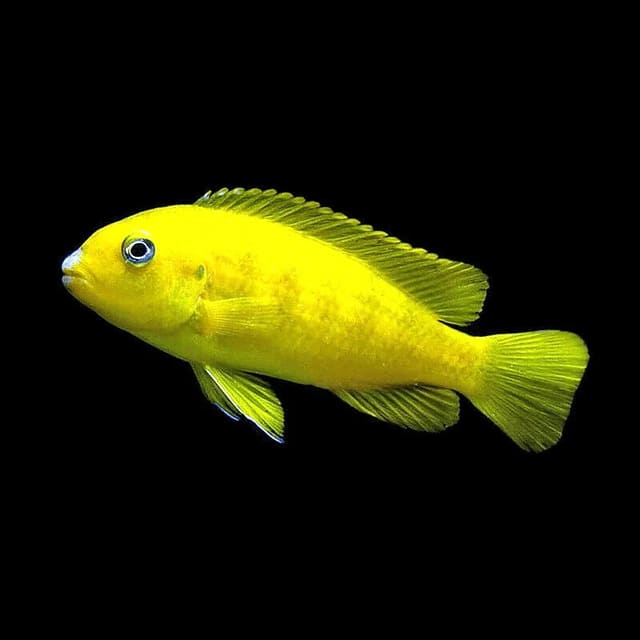
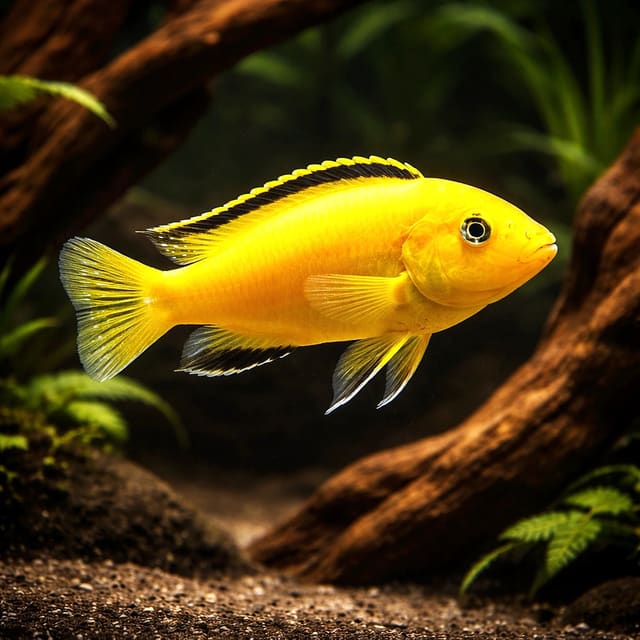
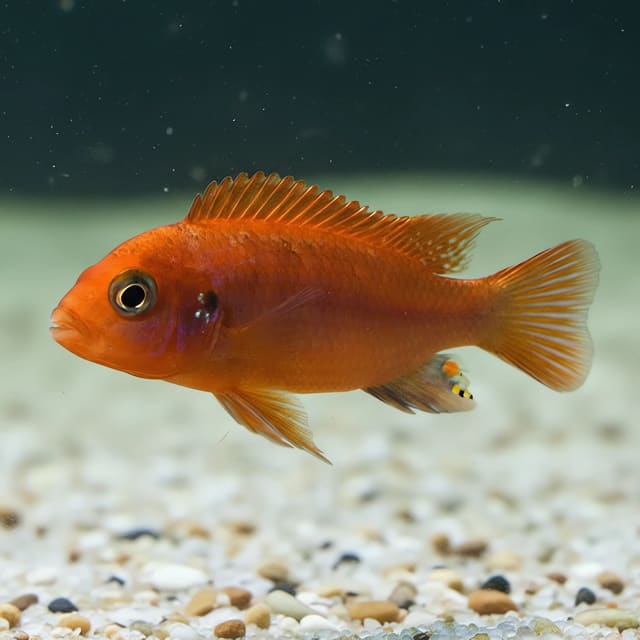
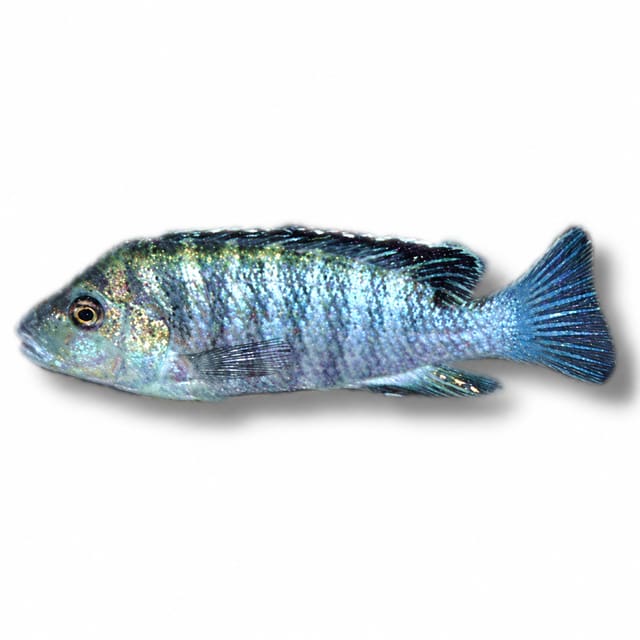
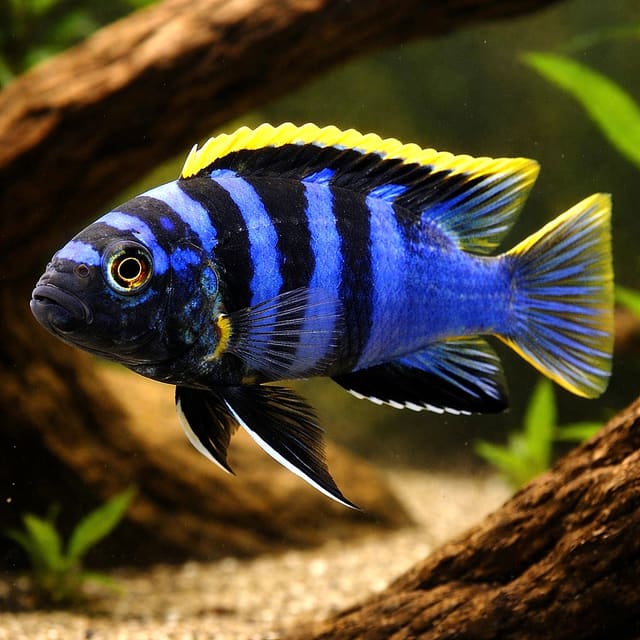
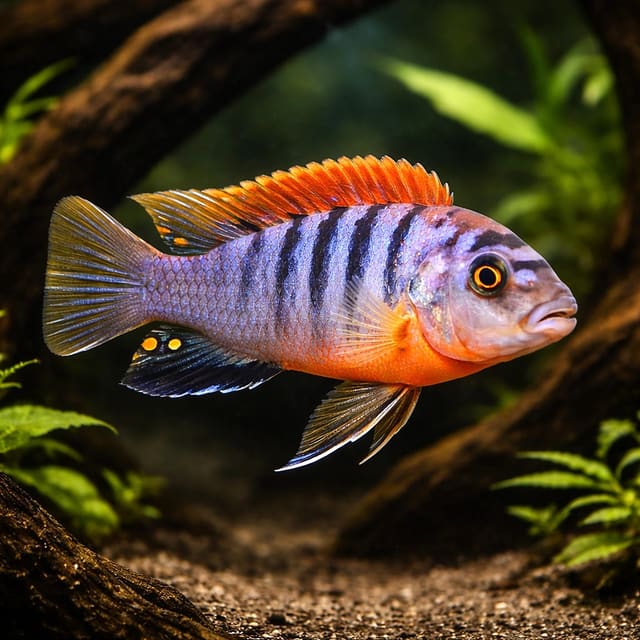
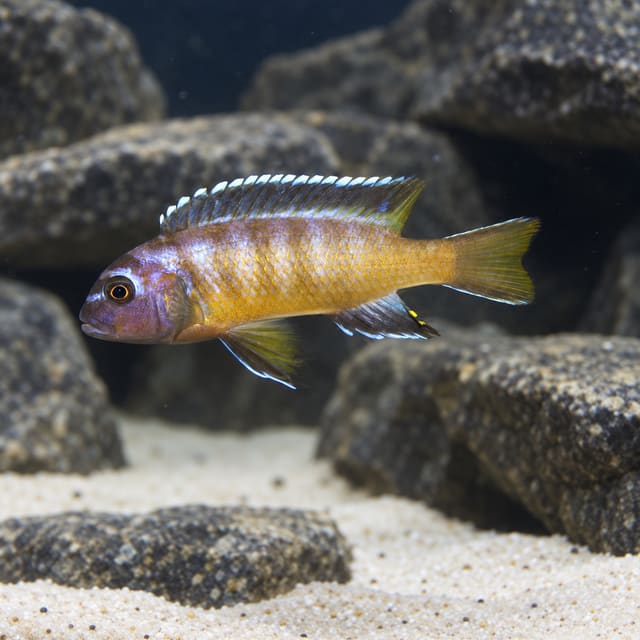
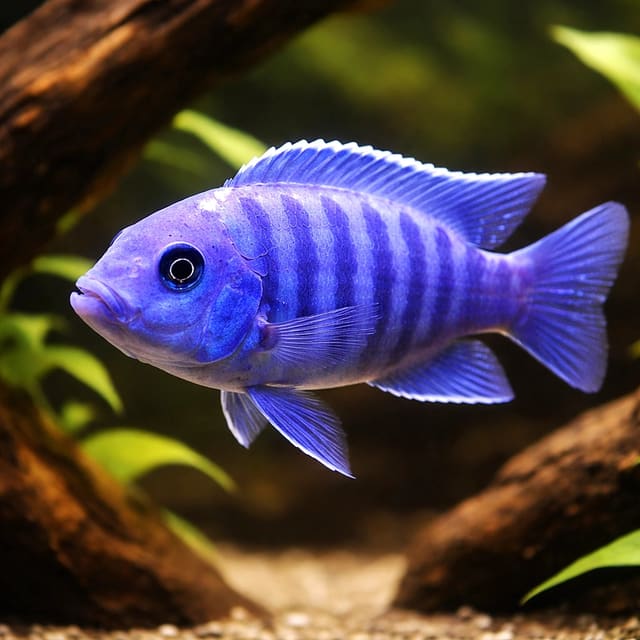
This is not a timid community species, but it is a brilliant choice for fishkeepers who want active Malawi fish UK hobbyists recognise for colour and character. It suits aquarists looking to buy fish online with a clear plan for a rocky Mbuna aquarium rather than a soft-water planted community. See our detailed photos showing the orange-red dorsal area, blue body barring, and the contrast between males, females, and red top hongi juvenile fish. For anyone wanting live tropical fish for sale uk, freshwater tropical fish for sale uk, or a standout African cichlid UK option, this fish offers strong colour, fascinating territorial behaviour, and relatively straightforward care once its needs are understood.

🔹 Quick Facts

  • Scientific Name: Labidochromis sp. 'Hongi'
  • Care Level: Moderate
  • Min Tank Size: 200 litres (44 gallons)
  • Temperature: 24-28°C (75-82°F)
  • pH Range: 7.5-8.5
  • Lifespan: Up to 8 years
  • Temperament: Territorial and semi-aggressive
  • Diet: Primarily herbivorous/omnivorous cichlid diet with strong vegetable content

Classification

  • Order: Cichliformes
  • Family: Cichlidae
  • Genus: Labidochromis

The Hongi Cichlid belongs to the diverse African cichlid family and is one of the best-known mbuna cichlids in the aquarium trade. Although commonly referred to as Labidochromis sp. 'Hongi', it remains an undescribed species in formal scientific terms. In the hobby it is valued for its compact size, bright red-orange dorsal area, and the classic rock-dwelling behaviour that defines many Lake Malawi species. It sits alongside other popular Lake Malawi cichlid UK favourites kept by aquarists who enjoy active, structured hard-water aquariums.

Where Do Hongi Cichlids Come From? Natural Habitat Explained

The Hongi Cichlid comes from Lake Malawi in East Africa, specifically along the Tanzanian coast between Liuli and Undu Reef. This matters because a proper hongi cichlid Malawi tank setup should reflect the fish's natural environment: rocky shorelines, mineral-rich water, and constant access to algae and biofilm growing on stone surfaces. In the wild, these fish spend much of their time weaving through crevices, defending small territories, and grazing on natural growth from rocks.

Lake Malawi is famous for alkaline, oxygen-rich water, which explains why hongi cichlid hard alkaline water conditions are so important in captivity. The ideal hongi cichlid pH level sits between 7.5 and 8.5, and the species thrives where dissolved minerals keep the water stable rather than soft and acidic. This is one reason they are very different from fish often searched alongside them, such as tetras for sale uk, tetra fish for sale uk, or fish listed under community tropical fish uk. Hongis are not from blackwater streams or planted Amazon-style habitats.

In nature, the fish lives among broken rock, caves, and sloping rubble zones. That habitat provides line-of-sight breaks, grazing surfaces, and safe retreat points for females and subordinate fish. A realistic hongi cichlid school size in captivity is not a true school at all; instead, they do best in a controlled harem structure, usually one male with three or more females. This arrangement spreads aggression and better reflects how many mbuna UK keepers successfully manage territorial species.

For aquarists comparing species, the Hongi is often chosen as a hongi cichlid or alternative species question against fish like the Maingano Cichlid - Pseudotropheus Cyaneorhabdos - or the Rusty Cichlid - Iodotropheus Sprengerae -. It is colourful, active, and compact enough for a well-planned 200 litre setup, though a hongi cichlid for large tank arrangement gives better long-term stability. If you are looking for lake malawi cichlids for sale, hongi cichlid online UK, hongi cichlid for sale UK, or want to buy hongi cichlid UK from a specialist source, understanding the natural habitat is the key to success.

💡 Expert Tip

Mimicking the natural rocky habitat does more than make the aquarium look right. It reduces stress, spreads aggression, and encourages the confident grazing and territorial displays that make Hongis so appealing to watch.

How to Set Up the Perfect Tank for Hongi Cichlids

A good hongi cichlid care guide starts with the tank, because setup has a direct effect on colour, aggression, digestion, and long-term health. The hongi cichlid minimum tank size is 200 litres, but that should be treated as the practical minimum for a small harem. In reality, the best hongi cichlid tank size for stability is 240 litres or more, especially if you want mixed Mbuna stocking. A larger footprint gives males room to establish territories and allows females to move out of sight when needed.

Tank Size Requirements

For one male and three to five females, aim for at least 200 litres with plenty of horizontal swimming space. If you plan a mixed hongi cichlid community tank with other robust Mbuna, 300 litres is a safer target. This species is often marketed as suitable for tropical fish for beginners, but only if the beginner understands hard water, rockwork, and aggression management. It is not a good first fish for someone moving up from tropical fish starter kits or small mixed community tanks.

Water Parameters

The best hongi cichlid water parameters are stable rather than constantly adjusted. Keep hongi cichlid ideal temperature between 24 and 28°C, with many keepers finding 25-26°C works especially well. The recommended hongi cichlid temperature should not swing sharply day to night. For chemistry, target hongi cichlid water conditions of pH 7.5-8.5 and hongi cichlid water hardness of 10-25 dGH. This is classic hongi cichlid hard water care: alkaline, mineral-rich, and well oxygenated.

24-28°C
Temperature
7.5-8.5
pH
10-25 dGH
Hardness
200L+
Minimum Tank

Filtration and Flow

Mbuna are messy fish, and a Hongi setup needs strong mechanical and biological filtration. Aim for a filter turnover of at least 6-8 times the tank volume per hour. In practical terms, if you are browsing tropical fish tanks for sale uk or a tropical fish tank for sale uk bundle, make sure the included filtration is strong enough for cichlids rather than a lightly stocked community. Extra water movement also helps oxygenation and keeps waste from collecting between rocks.

Pair the fish with reliable heating and stable filtration, and avoid underpowered all-in-one systems often chosen by people searching tropical fish pets at home or fish for sale pets at home style starter options. A Hongi aquarium needs more structure and more filtration than that.

Substrate, Rocks, and Decor

Use aragonite sand, coral sand, or a fine pale gravel that supports alkaline chemistry. Build secure rock piles directly on the tank base before adding substrate, so digging fish cannot collapse the structure. The goal of a true hongi cichlid malawi tank setup is to create caves, broken sight lines, and multiple territories. Stack rocks to form channels and hideaways rather than one central pile.

Plants and Lighting

Many hobbyists ask whether the species is suitable as a hongi cichlid for planted aquarium fish. The honest answer is that plants are optional and often difficult. Hongis do best in rock-heavy tanks, and while they may tolerate tough species such as Anubias or Java fern attached to rock, this is not the fish to build around lush stems from tropical fish plants for sale uk listings. If you are browsing tropical fish tank plants for sale uk or searching for tropco plants, choose only hardy epiphytes and expect occasional nibbling or uprooting.

Moderate lighting is ideal. Too much light without enough algae control can encourage nuisance growth, while very dim lighting hides the fish's best colours. A 7-9 hour photoperiod usually works well.

🔹 Quick Setup Checklist

  • Tank size of 200 litres minimum, 240-300 litres preferred for mixed Mbuna
  • Rock piles with caves and broken sight lines
  • pH 7.5-8.5 and hard, mineral-rich water
  • Temperature kept stable at 24-28°C
  • Strong filtration with high oxygen levels
  • One male with several females rather than mixed random singles

💡 Pro Tip

Always cycle the aquarium for 4-6 weeks before adding Hongis. Mbuna react badly to immature filtration, and early ammonia or nitrite spikes often trigger stress, aggression, and digestive problems that are avoidable in a fully mature system.

What Do Hongi Cichlids Eat? Complete Feeding Guide

The correct hongi cichlid diet is one of the most important parts of long-term success. Although many shops loosely label them omnivores, their captive feeding should lean heavily toward vegetable-based foods. In the wild they graze algae, biofilm, and tiny organisms from rock surfaces. In the aquarium, the safest hongi cichlid feeding plan uses spirulina flakes, algae wafers, quality herbivore cichlid pellets, and regular vegetable matter such as blanched spinach, courgette, or shelled peas in moderation.

Staple Foods

Use a high-fibre staple designed for Mbuna. This is especially important for anyone who wants to buy tropical fish UK and keep them properly rather than treating all cichlids the same. A herbivore pellet or spirulina flake should make up most meals. Good feeding keeps colour strong and helps prevent Malawi bloat, a common issue when fish are given too much animal protein.

Supplemental Foods

Supplement with algae wafers and occasional blanched greens. Some keepers also rotate in small amounts of krill-based colour food, but this should be limited. Compared with fish often searched under tropical discus fish for sale, discus tropical fish for sale uk, or even tropical puffer fish for sale uk, Hongis need a simpler, more fibre-rich routine.

Treats and Foods to Avoid

Avoid frequent bloodworm, tubifex, beefheart, and rich meaty foods. These are poor choices for Mbuna digestion. If you are used to feeding soft-water community species from a freshwater fish bundle or a generic tropical fish bundles pack, do not assume the same diet suits Hongis. Also avoid overusing high-protein fry foods on adults.

Time Food Amount
Morning Spirulina flake or herbivore cichlid pellet What they finish in 30-45 seconds
Evening Algae wafer or vegetable-based pellet Small second feed, no leftovers

For most adults, feed once or twice daily in small portions. Juveniles can be fed smaller meals more often. This controlled approach is better than heavy feeding, which pollutes the water and increases aggression around food. It also answers a common customer question: this species is not like buy siamese fighting fish online uk searches, where one fish may be fed individually in a small setup. Mbuna feeding must account for group behaviour and filtration load.

If you are comparing sources and wondering about the best place to buy tropical fish online or the best place to buy tropical fish online uk, diet advice is one of the clearest signs of specialist knowledge. A seller who recommends rich mixed protein for Hongis is giving poor guidance. This species is also very different from fish people search as cold water fish for sale uk, free tropical fish, or unwanted tropical fish rescues, where diet history is often unknown and digestive recovery may be needed.

⚠️ Feeding Warning

Overfeeding causes ammonia spikes, obesity, and digestive trouble. With Mbuna, too much rich food is a major trigger for bloat. Feed lightly, remove leftovers, and prioritise vegetable-based foods over meaty treats.

Maingano Cichlid - Pseudotropheus Cyaneorhabdos -

A useful comparison species if you are building a structured Mbuna tank and want another active rock-dweller with similar hard-water needs.

Rusty Cichlid - Iodotropheus Sprengerae -

Often chosen for mixed Malawi setups because its more subdued temperament can balance stronger species when stocking is planned carefully.

Hongi Cichlid Appearance: Colors, Patterns & Varieties

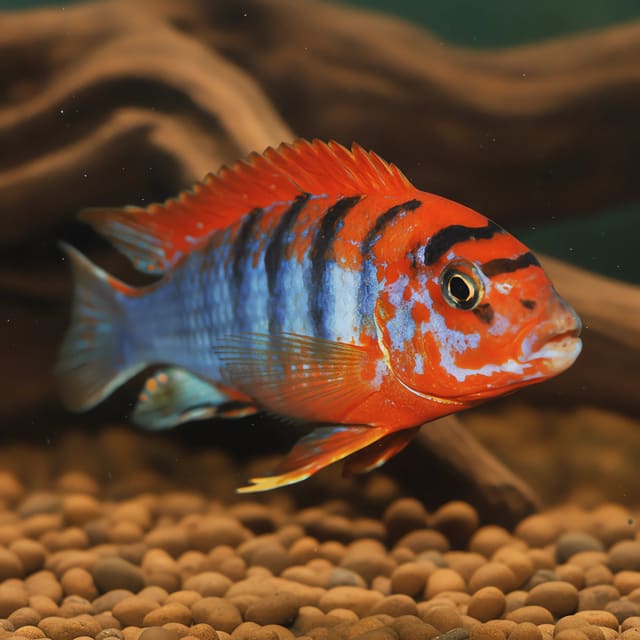
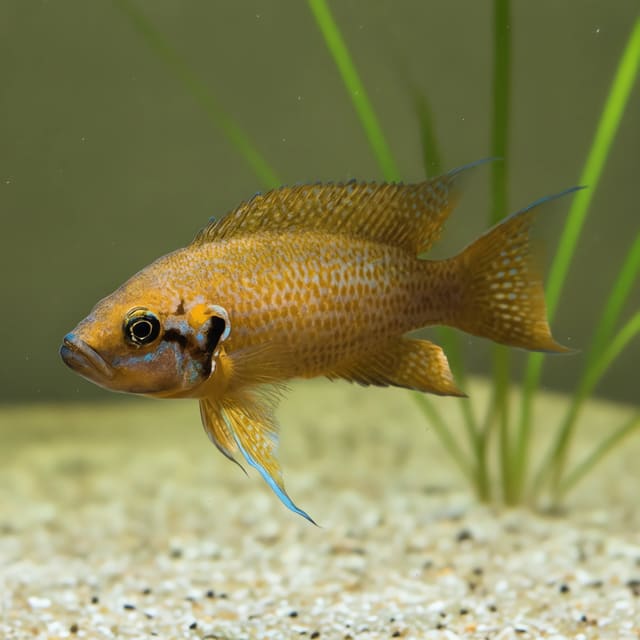
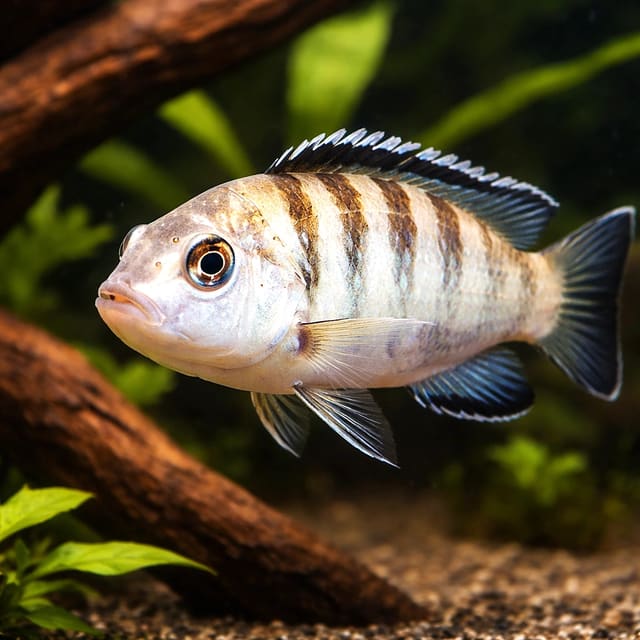
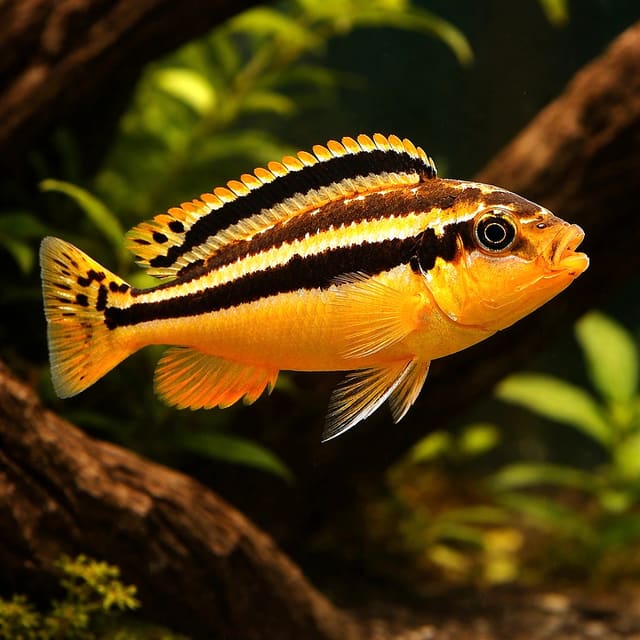
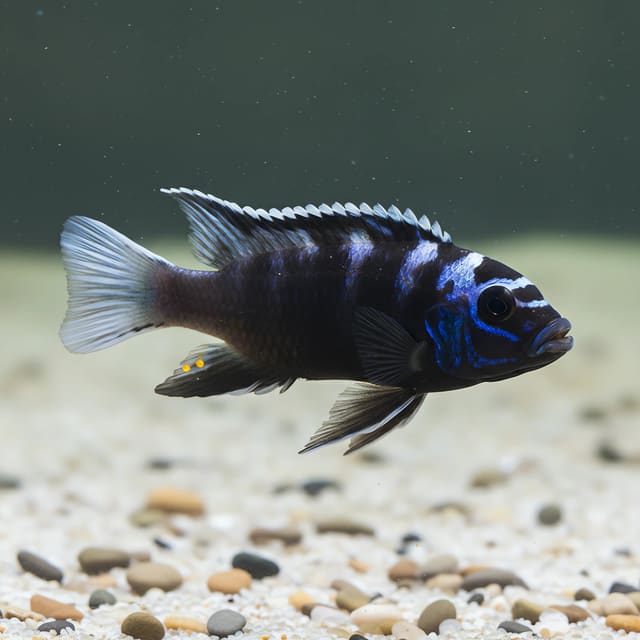
The Hongi is popular because it looks dramatic without becoming oversized. Typical adult males develop a powder-blue to bluish body with dark vertical barring and a vivid orange to red dorsal area, which is why the fish is often sold as labidochromis hongi red top or labidochromis hongi female and male variants are discussed separately by hobbyists. Females are smaller, usually less intense, and often show more subdued orange tones with a softer body pattern.

The common trade name red top hongi cichlid for sale refers to that bright dorsal band, especially in mature males from the Kimpuma locality. The expected red top hongi cichlid size is around 10 cm for most fish, though dominant males may grow larger. The red top hongi juvenile stage is less dramatic, so younger fish often colour up substantially once settled into a proper hard-water rock tank.

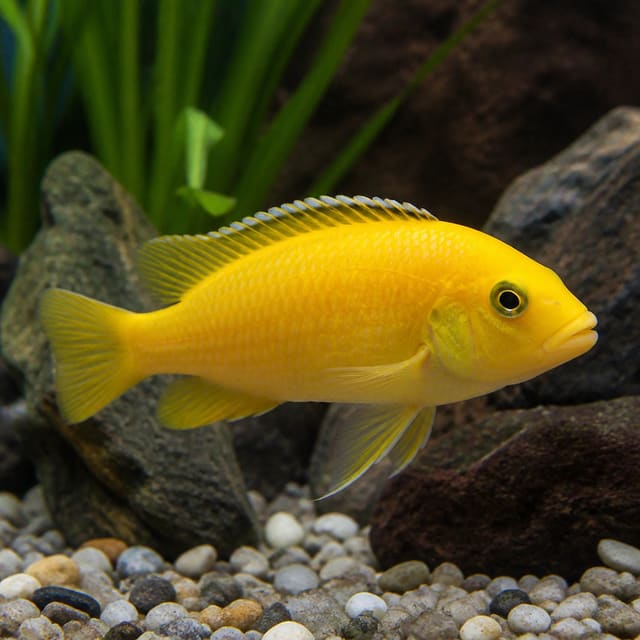
Many customers compare hongi cichlid vs yellow lab because both belong to the Labidochromis group. Yellow Labs are usually calmer and more uniformly coloured, while Hongis offer stronger contrast and more assertive Mbuna behaviour. Another common question is hongi cichlid vs other Malawi cichlid types such as the red kadango cichlid, red rubin cichlid, or red moliro cichlid. Those fish have different body shapes and social patterns, while the Hongi keeps the compact, rock-focused build typical of Mbuna.

Our photos show the intense dorsal colour and body barring that develop under stable water chemistry, dark rock backgrounds, and a controlled herbivore diet. Good lighting and low stress make a noticeable difference. If you are browsing a hongi cichlid shop UK listing, look for clear body lines, intact fins, and strong contrast rather than simply the brightest fish under shop lights.

What Fish Can Live With Hongi Cichlids? Compatibility Guide

When people ask about hongi cichlid tank mates, the most honest answer is that compatibility depends on tank size, rockwork, and stocking style. This is not a peaceful community species for random mixing with tetras, gouramis, or fancy invertebrates. A proper hongi cichlid for community tank setup means a carefully planned Malawi community of similarly robust fish. The best hongi cichlid compatible fish are other Mbuna with comparable water needs and enough confidence to hold their own without becoming relentless bullies.

Best Tank Mates for Hongi Cichlid

The best tank mates for hongi cichlid usually include similarly sized rock-dwelling cichlids and some tough catfish. Good examples include the Maingano Cichlid - Pseudotropheus Cyaneorhabdos -, Rusty Cichlid - Iodotropheus Sprengerae -, and Yellow Elongatus Cichlid - Chindongo Elongatus. In larger aquariums, some keepers also combine them with species like the Taiwan Reef Cichlid - Protomelas Sp., though caution is needed because not all non-Mbuna handle the same level of aggression.

Questions such as hongi cichlid for community tank and hongi cichlid community tank often come from keepers upgrading from general mixed setups. The key difference is that a Malawi community is built around behaviour management, not just matching temperature. This fish should not be housed with tiny species from tropical fish for sale near me community tanks, nor with delicate fish sold under tropical fish for sale online uk mixed assortments.

Species to Avoid

Avoid peaceful haps, delicate peacocks, shrimp, and small fish. They are either too timid, too slow, or too easy to harass. This also answers several common search comparisons: Hongis are a poor match for fish sought as home aquarium sharks uk, buy siamese fighting fish online uk, or soft-water species listed under tropical fish for sale in uk general community categories. They should also not be mixed casually with fish that need very different diets or water chemistry.

Be careful with species comparisons such as hongi cichlid vs peacock cichlid and hongi cichlid vs similar species. Many peacocks are less aggressive and prefer more open swimming space; some can be stressed by persistent Mbuna pressure. Likewise, fish like dragon blood cichlid or showy peacock hybrids are not always ideal companions in smaller tanks.

Species Compatible? Notes
Maingano Cichlid - Pseudotropheus Cyaneorhabdos - ✅ Yes Similar water needs and strong enough for Mbuna setups
Rusty Cichlid - Iodotropheus Sprengerae - ✅ Yes Often a useful balancing species in mixed Malawi tanks
Red Peacock Cichlid - Aulonocara Sp. ⚠️ Caution Can work only in larger, carefully managed setups; peacocks may be outcompeted
Tetras, shrimp, small peaceful fish ❌ Avoid Too delicate and likely to be stressed, chased, or eaten

For stocking examples, a 240 litre setup might hold one male Hongi with four females plus one or two other carefully selected Mbuna groups. In a larger tank, some aquarists add species like Aulonocara Sp Neon Red Calico Peacock, Kiriza Yellow Cichlid - Tropheus Moorii, or Orange I Blunthead Cichlid - Tropheus, but these are not plug-and-play combinations and need experienced judgement. If you want a straightforward Mbuna display, stay with species that share similar structure and diet.

This section also answers a frequent buying question: tropical fish for sale uk delivery and tropical fish uk for sale listings can make incompatible species look equally suitable just because they share the same temperature range. For Hongis, behaviour matters more than temperature alone.

💡 Compatibility Tip

Always quarantine new arrivals for 2-4 weeks before adding them to an established Mbuna tank. This reduces disease risk and lets you observe temperament before placing a new fish into a territorial hierarchy.

How to Breed Hongi Cichlids: Complete Breeding Guide

Hongi cichlid breeding is considered relatively easy once the fish are mature, healthy, and kept in the correct social ratio. Like many mbuna cichlids, they are maternal mouthbrooders. The ideal hongi cichlid breeding pair is not usually kept as a lone pair; instead, a dominant male is housed with several females so attention is spread and courtship pressure does not fall on one fish.

Breeding Setup

Use a mature tank of at least 200 litres, though larger is better. Stable hongi cichlid water parameters, strong filtration, and abundant flat rocks help. Keep the temperature in the normal hongi cichlid ideal temperature range and feed a high-quality vegetable-based staple with occasional conditioning foods. A harem arrangement is far safer than forcing a single male and female together.

Spawning Behaviour

The male intensifies in colour and begins displaying over a chosen spawning site. This is where understanding hongi cichlid behaviour really helps: the male may dig, flare fins, and circle the female while defending a small territory. After spawning, the female collects the eggs in her mouth and incubates them. A confirmed labidochromis hongi female carrying eggs will often stop eating and hold a noticeably full buccal area.

Egg Care and Hatching

The female usually holds the brood for around 18-25 days depending on temperature and stress. During this period, minimise chasing and avoid major tank disruption. Some breeders strip eggs or fry, but many hobbyists let the female release naturally in a quiet rearing tank.

Fry Care and Growth

Once released, fry can take crushed spirulina flake, powdered herbivore fry food, and newly hatched brine shrimp in moderation. Keep water pristine with small, frequent changes. If you are building a dedicated fry system from large tropical fish tanks for sale uk or considering a large tropical fish for sale uk display, remember juvenile Mbuna grow best with space and stable filtration, not crowding and heavy feeding.

For buyers searching tropical fish for sale online, hongi cichlid buy online UK, or even buy live fish online uk free delivery, breeding success starts with healthy stock and proper sex ratios. It is one reason specialist sourcing matters more than simply finding the lowest hongi cichlid price UK.

Advanced Breeding Tip

If you want to maximise fry survival, move a holding female to a separate mature tank with identical water chemistry a few days before expected release. This avoids the stress of stripping while protecting fry from predation in the main display.

Hongi Cichlid vs Similar Species: Which Should You Choose?

Choosing between Malawi cichlids can be difficult because many are colourful, active, and sold under broad labels such as rare tropical fish for sale uk, unusual tropical fish for sale uk, or exotic tropical fish for sale uk. The Hongi stands out because it offers strong colour in a manageable size, but it is still a true Mbuna with all the territorial behaviour that implies.

Feature Hongi Cichlid Yellow Lab
Max Size 10-13 cm 10-12 cm
Care Level Moderate Moderate
Temperature 24-28°C 24-28°C
Price £12.58 Varies
Best For Colourful Mbuna rock tanks Calmer Malawi communities

The classic hongi cichlid vs yellow lab comparison comes down to personality and contrast. Choose Hongi if you want stronger dorsal colour, bolder barring, and more assertive Mbuna behaviour. Choose Yellow Labs if you want a slightly easier fish for broader Malawi communities.

Feature Hongi Cichlid Maingano Cichlid
Body Colour Blue barred body with orange-red dorsal Deep blue with horizontal striping
Temperament Territorial Territorial to assertive
Diet Focus Vegetable-heavy Mbuna diet Vegetable-heavy Mbuna diet
Best Tank Style Rocky harem setup Rocky mixed Mbuna setup
Best For Colour contrast and breeding groups Blue-themed Malawi displays

Another common question is hongi cichlid vs peacock cichlid. In general, peacocks are more open-water and less rock-bound, while Hongis are more territorial and structure-dependent. If you are considering fish such as Red Peacock Cichlid - Aulonocara Sp. or Aulonocara Sp Neon Red Calico Peacock, choose Hongi when you want a classic Mbuna aquarium and choose peacocks when you prefer a less combative, more open layout. For hobbyists comparing them with species like maingano cichlid, jalo reef cichlid, bemba cichlid, or ob peacock cichlid, the Hongi sits in the middle ground: vivid, compact, and very engaging, but best kept by aquarists willing to manage hierarchy properly.

Common Health Problems in Hongi Cichlids & How to Prevent Them

A healthy Hongi is alert, brightly coloured, eager to feed, and constantly aware of its surroundings. Fins should be open, the body should look full rather than pinched, and breathing should be steady. If you are buying live hongi cichlid UK stock, these are the first signs to look for before focusing on colour alone.

Common Diseases and Symptoms

The main preventable issue is Malawi bloat, often linked to poor diet, stress, or unstable water quality. Symptoms include swelling, white stringy waste, lethargy, and loss of appetite. Fin damage and mouth injuries can also occur in territorial disputes. External parasites are less common in well-run systems but still possible, especially when fish are introduced without quarantine.

Treatment and Prevention

The best prevention is stable hard water, controlled feeding, and careful stocking. This is where hongi cichlid hard water care and proper hongi cichlid diet overlap. Avoid sudden parameter changes, overstock only within reason, and provide enough rockwork to reduce constant chasing. If illness appears, move the fish to a separate treatment tank where you can monitor feeding and waste output closely.

Some keepers compare health resilience through searches like hongi sweden cichlid, jalo reef cichlid for sale, or hongi cichlid for sale, but the truth is that most health outcomes come down to husbandry, not locality names. A correctly kept Hongi is hardy; a poorly fed, overcrowded one declines quickly.

⚠️ Medication Warning

Never medicate the main display unless you are sure of the diagnosis. Remove carbon when treating, maintain oxygenation, and remember that copper-based medications are dangerous around invertebrates even though shrimp are not suitable tank mates for Hongis anyway.

🔹 Quarantine Protocol

  • Use a separate tank for 2-4 weeks
  • Match pH, hardness, and temperature to the main aquarium
  • Observe feeding response, waste, respiration, and fin condition daily
  • Do not introduce new fish until they are active and symptom-free

Understanding Hongi Cichlid Behavior in the Aquarium

Hongi cichlid behaviour is what makes this species so enjoyable for Malawi keepers. They are active, alert, and constantly interacting with their surroundings. Rather than schooling in the usual sense, they form a social hierarchy built around territories, caves, and visual boundaries. This is why the recommended hongi cichlid school size is really a managed group structure, not a shoal.

Males display to rivals, patrol rockwork, and intensify in colour during breeding periods. Females spend more time navigating cover and avoiding dominant fish, especially in undersized tanks. If you want a hongi cichlid for beginners experience that goes well, the key is to understand that aggression is normal behaviour to be managed, not eliminated.

Natural behaviour appears best in a properly arranged hongi cichlid for large tank setup with multiple caves and sight breaks. In cramped tanks, the same instincts become relentless chasing. In balanced groups, however, you see grazing, display behaviour, digging, and maternal mouthbrooding, which are some of the most fascinating traits in the freshwater cichlid UK hobby.

Why Buy from Tropical Fish Co?

When customers search tropical fish for sale in the uk, tropical fish for sale online, or ask for a tropical fish shop near me, what they usually want is not just availability. They want healthy fish that arrive settled, feeding, and correctly identified. For Hongis, that matters because colour, sex ratio, and temperament all affect success. We select stock for body condition, finnage, and clear locality-type appearance associated with Kimpuma fish, rather than simply listing any mixed red-top Labidochromis under one name.

Before dispatch, fish are observed for feeding response, body condition, and signs of stress. We do not treat a Hongi like a generic listing from tropical fish pets at home style mixed systems. These fish are prepared for hard-water cichlid keeping, and buyers receive care guidance covering acclimation, diet, and compatibility. Orders are packed in insulated boxes, with heat packs in cold weather and secure professional bagging to limit movement during transit. Tracked delivery helps reduce delays, which is especially important for active cichlids.

We also answer the practical questions people really ask: this is not one of the cold water fish for sale uk species, not a peaceful match for siamese fighting fish pets at home style setups, and not something to mix casually with fish from a random all pond solutions tropical fish starter collection. If you want to buy fish online with confidence and build a proper mbuna UK aquarium, clear species-specific advice matters. Order your Hongi today with confidence if you want a colourful, active Malawi cichlid backed by practical care information rather than vague generalities.

Why Choose Tropical Fish Co for Hongi Cichlids

  • Stock selected for strong body shape, finnage, and clear red-top Hongi appearance rather than vague mixed Malawi labelling
  • Pre-dispatch observation focuses on feeding response and condition, which is especially important for Mbuna digestive health
  • Care guidance is tailored to Hongi cichlid tank mates, diet, and hard-water setup so buyers can avoid common Malawi mistakes

Building a Malawi aquarium is easier when you choose species and companions with similar needs. For a blue-toned rock-dweller, consider the Maingano Cichlid - Pseudotropheus Cyaneorhabdos -. If you want a slightly calmer contrast fish, the Rusty Cichlid - Iodotropheus Sprengerae - is a popular choice. For stronger patterning, look at the Yellow Elongatus Cichlid - Chindongo Elongatus. If you are planning a larger display and want a different body shape, the Taiwan Reef Cichlid - Protomelas Sp. offers another Lake Malawi option. For more colour in bigger setups, browse the Red Peacock Cichlid - Aulonocara Sp. or Aulonocara Sp Neon Red Calico Peacock with care, as compatibility depends on tank size and stocking style.