Easy
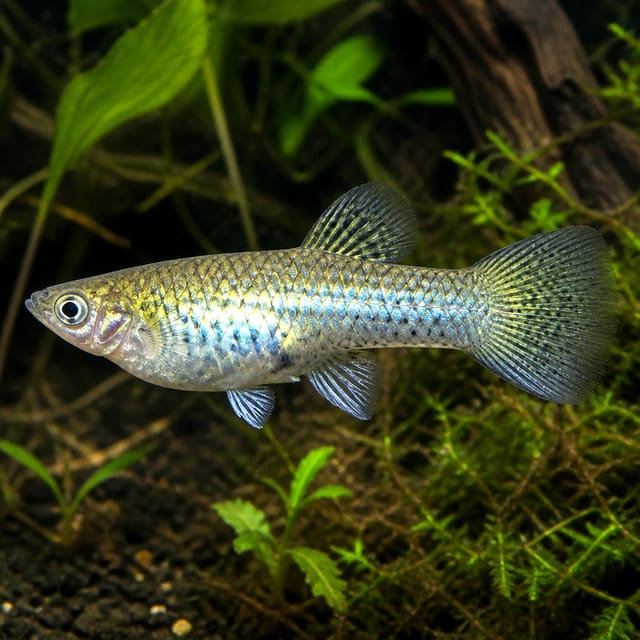
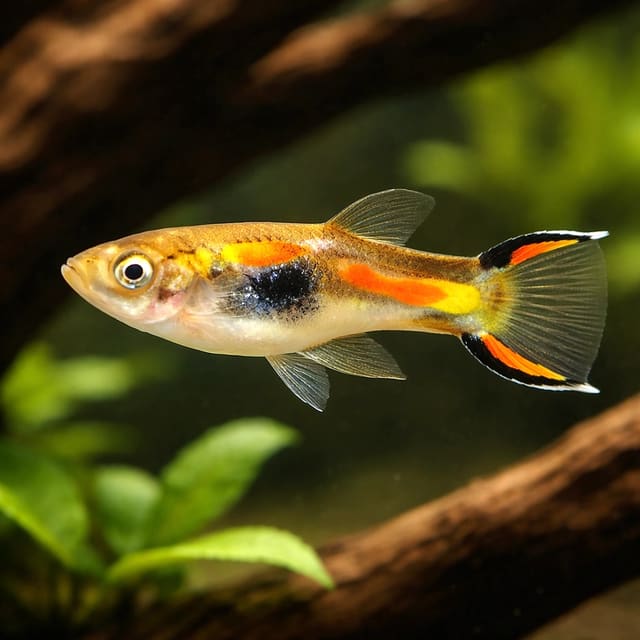
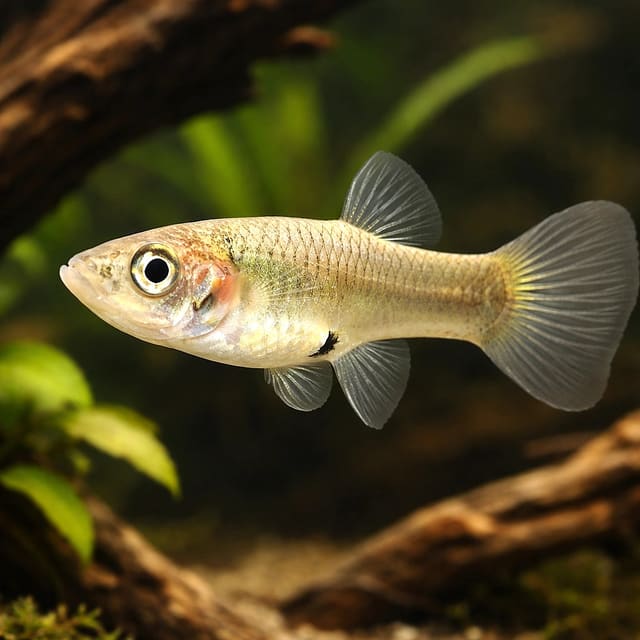
Female Endler Guppy (Poecilia wingei)
20–28°C · pH 7–8
£5.99

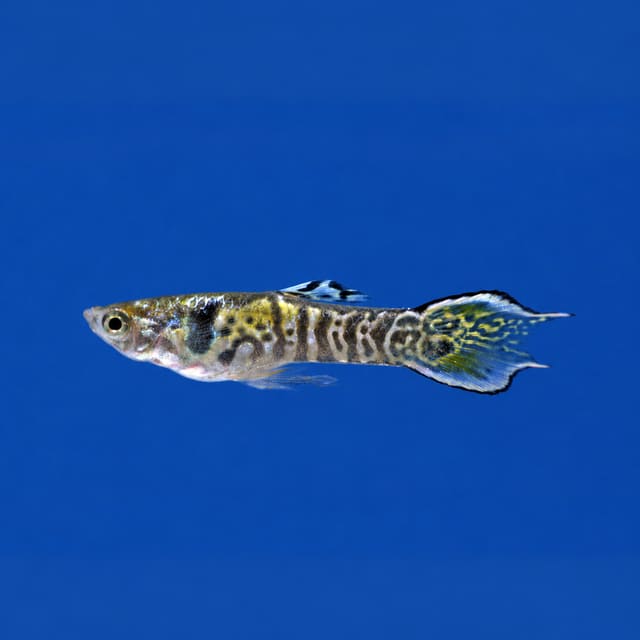
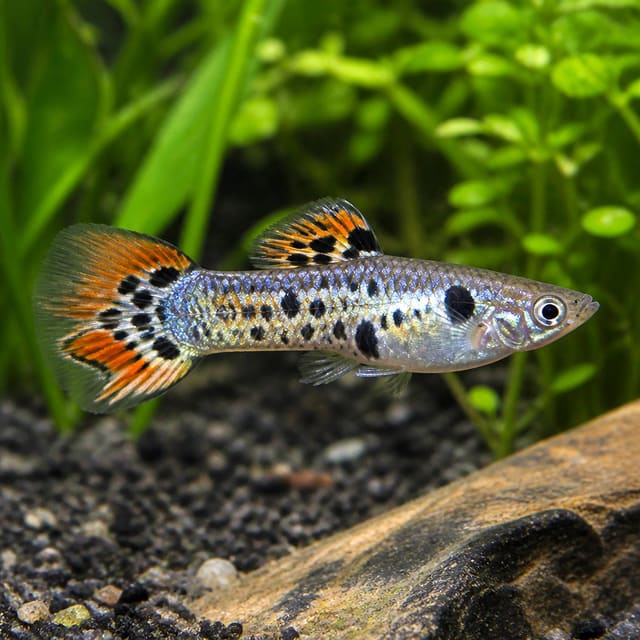
Tiger Endler (Poecilia wingei) is a small social livebearer supplied as one fish at approximately 1.5–2 cm. Sex is not guaranteed on this listing. Plan a mature filtered aquarium at least 60 cm long, stable medium-hard water and a group of five or more where capacity allows.
Adult size is the maximum length this species reaches at full maturity (scientific sources). The livestock you receive will be younger and smaller. Product-photo provenance and any image-specific limitations are stated on the listing.
Poecilia wingei
Shoaling fish: kept in a group they feel safer, stay calmer and show their best colour.
Tiger Endler (Poecilia wingei) is a small social livebearer supplied as one fish at approximately 1.5–2 cm. Sex is not guaranteed on this listing. Plan a mature filtered aquarium at least 60 cm long, stable medium-hard water and a group of five or more where capacity allows.
Adult size is the maximum length this species reaches at full maturity (scientific sources). The livestock you receive will be younger and smaller. Product-photo provenance and any image-specific limitations are stated on the listing.
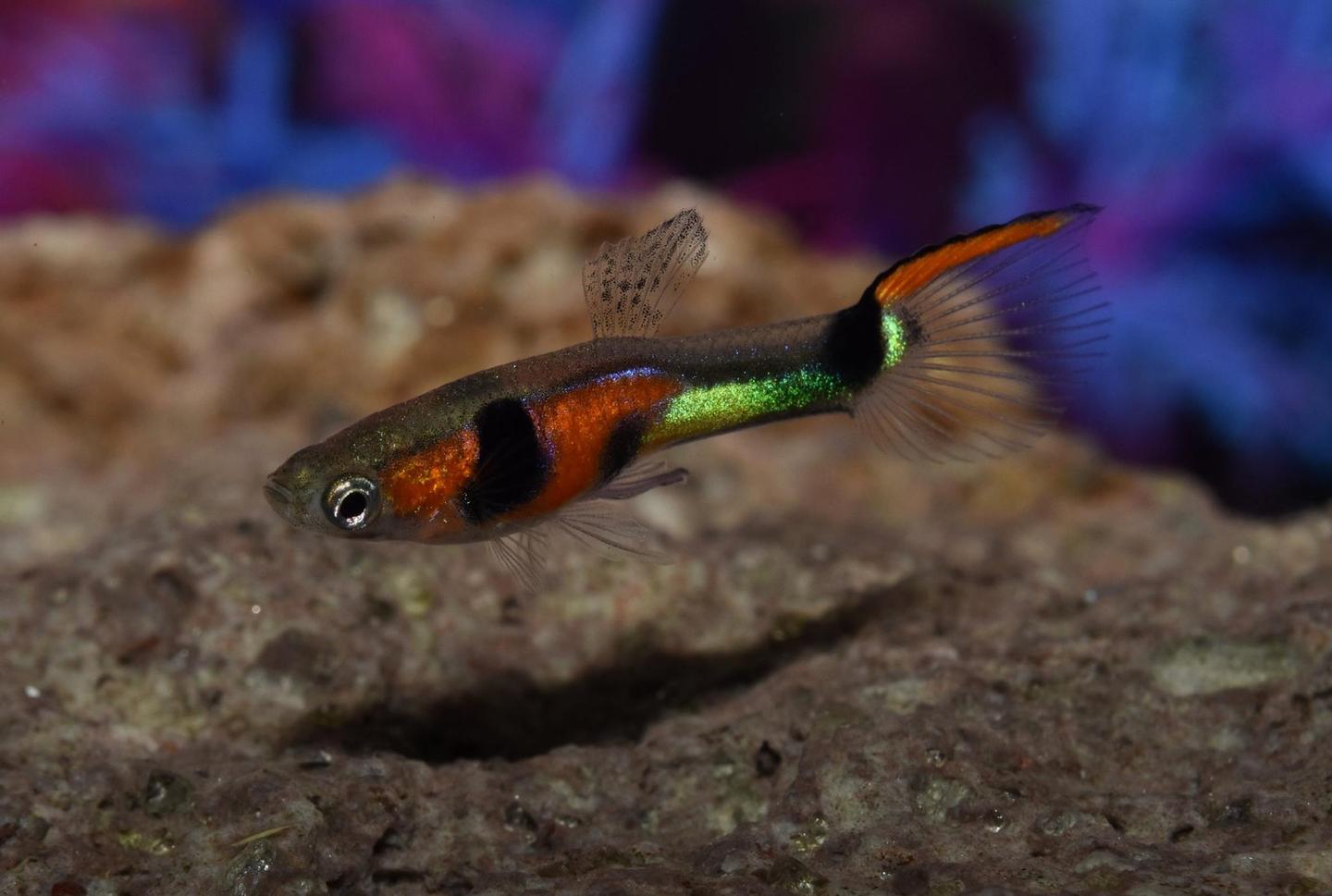
Endler's livebearer is a small, social, rapidly reproducing Venezuelan fish. Start with a mature filtered aquarium, a deliberate sex and population plan, stable tested medium-hard water, open swimming room and cover. Our conservative house screen is an aquarium at least 60 cm long and a group of five or more where capacity allows.
Maintain these water conditions for optimal health and vibrant colors
Tiger Endler (Poecilia wingei) is a small, active livebearer for a mature, filtered freshwater aquarium. One purchase supplies one live fish. The reviewed supplier grade is approximately 1.5–2 cm at dispatch; that is a supplied size, not a promised adult length. This listing has no sex-guaranteed choice, so plan the aquarium on the basis that sex is not selectable and that colour, pattern, size and maturity vary naturally between animals.
The Tiger name describes the trade pattern. The supported species is Poecilia wingei, a poeciliid associated with the Campoma and Buena Vista lagoon systems in Venezuela. FishBase records a maximum of 2.0 cm standard length, while measured material in the original description includes a female reaching 30.4 mm standard length. For practical planning, allow for an adult around 3 cm standard length, remembering that standard length stops at the base of the tail.
Small body size is only one part of suitability. Endlers are social, mobile fish whose courtship, feeding competition and rapid reproduction can become more important than their centimetres. OATA's UK care sheet recommends at least 45 litres for a small group of the smaller guppy species. Tropical Fish Co applies a more conservative house screen of at least 60 cm aquarium length and a group of five or more where the sex plan, filtration, other livestock and available capacity allow.
| Suits | Needs another plan |
|---|---|
| A mature filtered aquarium with stable, tested medium-hard water | An uncycled bowl, vase or very short aquarium |
| A keeper prepared to manage social behaviour and possible fry | A purchase made before deciding how sexes and offspring will be handled |
| Small peaceful companions that share the water range | Predators, persistent fin nippers or forceful feeders |
| Open swimming room with cover and sight breaks | Dense decoration that prevents normal movement or hides bullying |
Sex is guaranteed only when the selected option explicitly states male or female. This Tiger Endler listing has no sex-guaranteed option.
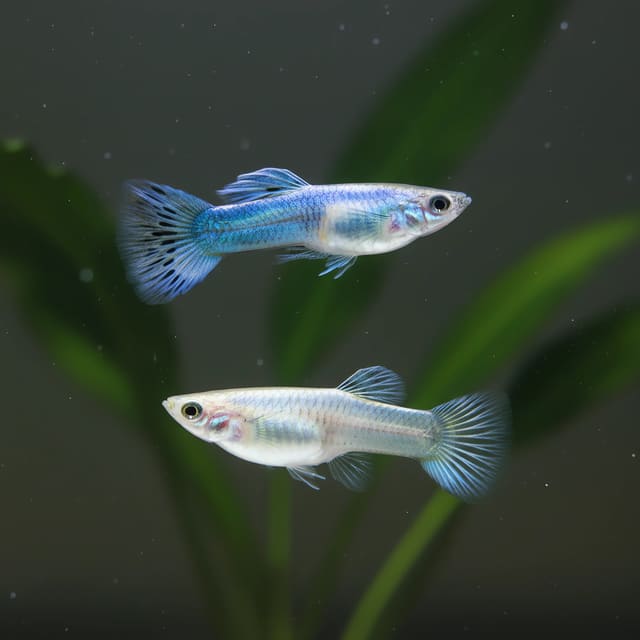
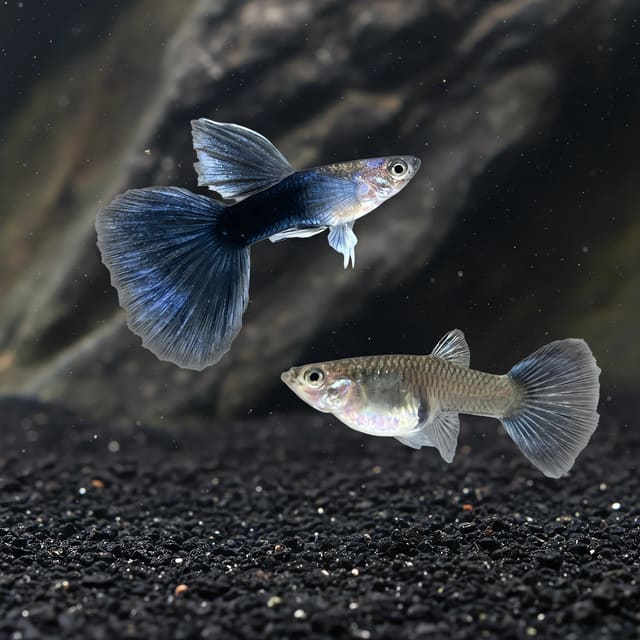
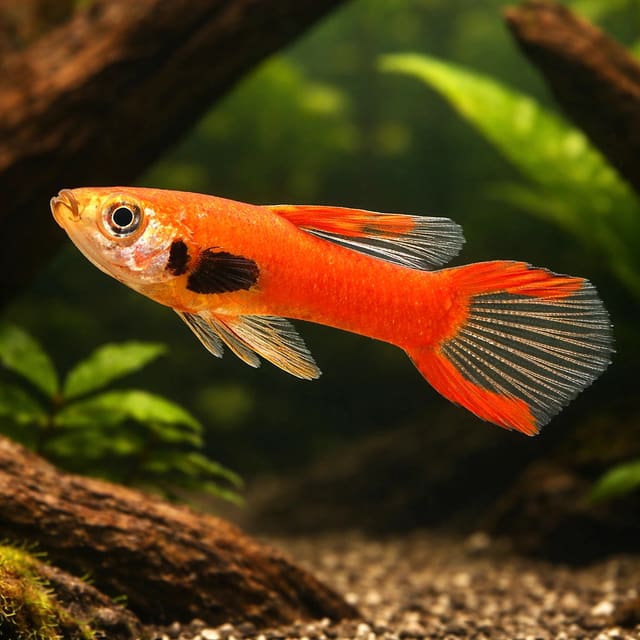
Gallery images have been digitally enhanced to improve image quality. Natural colour, pattern, size and maturity can vary between live animals.
Measure the aquarium's usable length, test the water, count every current occupant and decide whether you are building a single-sex display or accepting the likelihood of reproduction. A mixed group can produce fry, while a group believed to be single-sex still needs observation because sexing errors and social competition are possible. Keep a mature separation route ready rather than waiting for one fish to become excluded.
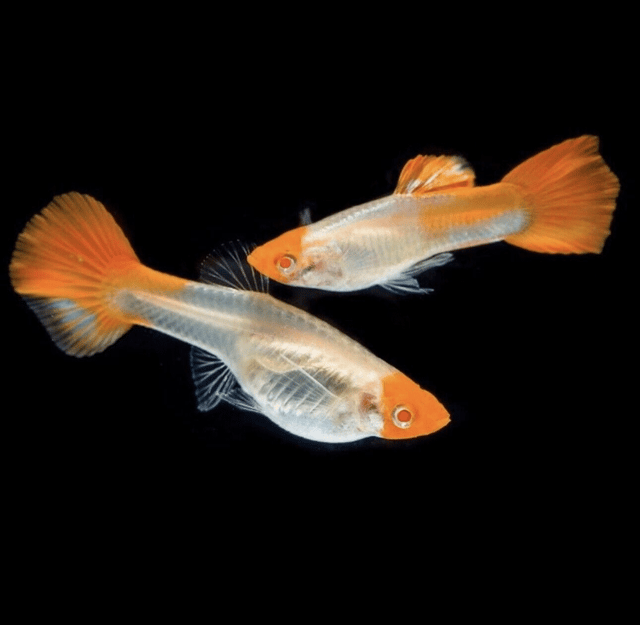
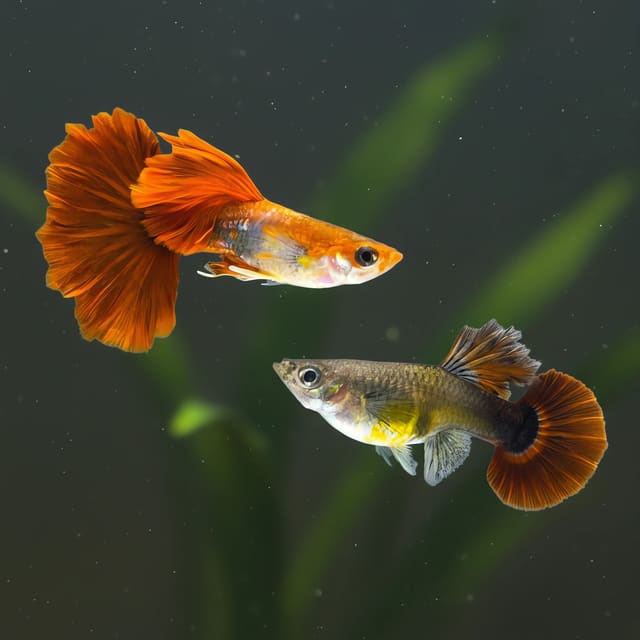
If you are comparing colour forms, use the Endler guppy collection to review distinct offers without assuming that two attractive forms are different species or suitable companions. For the fuller species background, social planning and research notes, read the Endler Guppy care guide. New keepers should prepare the aquarium well before dispatch using the first tropical tank guide.
This fish can work well for a careful beginner, but “easy” is a store suitability label rather than permission to skip cycling, testing or observation. It best suits someone who enjoys an active group, can keep medium-hard alkaline water stable, will feed appropriately small foods and has thought through fry and rehoming. A keeper looking for one ornamental fish in a tiny container, a guaranteed sex, or a companion for large boisterous fish should choose a different plan.
Before committing, run through an ordinary week rather than an ideal display photograph. There must be time to inspect every fish at feeding, test water, make a partial change, maintain equipment and notice a quiet individual before its condition declines. Holidays also need a competent carer who understands that extra food creates extra waste. If these routines feel disproportionate for such a small animal, delay the purchase; the fish's modest length does not reduce the need for dependable daily observation.
Also check the plan at adult population size. Five small fish may fit comfortably, while five adults plus several broods and another social species may overwhelm the same filter and swimming room. Write down the intended sexes, the maximum number you can house, the spare mature accommodation available and the route for responsible rehoming. This short exercise turns a colourful impulse purchase into a manageable long-term group.
Use 45 litres as the OATA minimum for a small group of the smaller guppy species, then apply the store's additional 60 cm length screen for an adult Endler group. Neither figure is a stocking formula. A 45-litre cube and a longer aquarium of the same volume provide different swimming room and different opportunities for a pursued fish to move away. Filter capacity, oxygen exchange, decor, existing livestock and likely fry all affect the final number the aquarium can support.
Set the aquarium up and mature its biological filter before the fish arrives. A working filter houses bacteria that process toxic ammonia through nitrite to nitrate. Confirm zero detectable ammonia and zero detectable nitrite with suitable tests before stocking, and continue testing after adding livestock because feeding and waste increase the load. If either toxic compound appears, treat the result as an urgent husbandry warning and seek knowledgeable help rather than masking it with a cosmetic water treatment.
Provide open horizontal swimming room and use plants, wood or other smooth aquarium-safe decor to create shelter and broken sight lines. Floating plants can soften light and give cover, but leave enough open surface for gas exchange and access. Avoid sharp ornaments that could damage fins. Fit a secure lid around cables and pipes: small active fish can find surprisingly narrow gaps, especially when startled.
Choose a filter that can support the whole community while creating a current the fish can hold position against comfortably. Useful surface movement improves gas exchange; violent flow that pins fish behind decor is unsuitable. Protect an intake where a small fish or fry could be drawn in. Maintain the filter without destroying its bacterial community: OATA advises rinsing media lightly in removed aquarium water rather than under the tap, and replacing every piece of mature media at once would remove much of the useful biology.
The reviewed OATA sheet covering guppies and mollies gives a routine household range of 20–28 °C, pH 7.0–8.0 and 8–18 dGH, with medium-hard carbonate hardness of 5–15 dKH. It explicitly includes Endler guppies, but the values remain broad group-care guidance rather than a controlled species-specific optimum. A specialist Poecilia wingei profile gives a narrower warm, harder-water approach of 24–30 °C, pH 7.0–8.5 and 15–35 dGH. The important common ground is stable neutral-to-alkaline, mineral-bearing water rather than soft acidic conditions.
For this listing, use the UK 20–28 °C, pH 7.0–8.0 and 8–18 dGH range as the consistent store screening range, then compare it with the water in which the actual fish has been held. Move gradually between suitable conditions. Temperature, pH, GH and KH describe different properties; one cannot substitute for another. The water chemistry guide explains the tests, and the water matcher can help compare measured aquarium values with the stated range.
A thermostatically controlled aquarium heater may be needed in a UK home, particularly overnight and in winter. Verify the water with a separate thermometer instead of trusting the dial alone. Position heating and flow so the aquarium does not develop a hot, poorly circulated corner. Avoid direct sun, cold draughts and large temperature changes during maintenance.
| Planning value | How to interpret it |
|---|---|
| 20–28 °C | Broad UK guppy-and-molly care range; stability and the fish's previous water still matter |
| pH 7.0–8.0 | Neutral to alkaline screening range, measured rather than guessed |
| 8–18 dGH | Medium-hard general hardness range from the UK group sheet |
| Ammonia and nitrite: zero | Essential filter and stocking check, not an aspirational target |
OATA strongly recommends changing 25% of the water at least once every week. Adjust the practical volume to test results, stocking and feeding while maintaining stable chemistry. Treat replacement tap water with a suitable conditioner before it reaches the fish, match temperature sensibly and avoid exposing filter bacteria to chlorine or chloramine. Siphon accessible waste from the substrate without stripping every surface clean in one session.
Record test results rather than relying on memory. A simple log of temperature, ammonia, nitrite, nitrate, pH and maintenance can reveal a gradual change before fish show obvious distress. Test after an unexpected death, a filter interruption, a large feeding error or a sudden increase in population. If the aquarium uses blended tap supplies or remineralised water, measure the result each time because a remembered recipe does not guarantee identical GH and KH.
Watch the fish during ordinary routines. A settled Endler should swim steadily, hold its fins normally, breathe regularly and show a consistent feeding response. Surface gasping, clamped fins, loss of balance, persistent hiding, wounds, white spots, unusual swelling or a marked appetite change justify immediate water tests and a closer check of equipment and social behaviour. These signs are alerts rather than diagnoses. Persistent or severe problems need advice from an aquatic vet or experienced retailer; avoid choosing salt, heat or medicine from one symptom alone.
A repeatable sequence makes changes easier to interpret. Begin by looking at the fish before feeding: count the group, check breathing, fin position and whether each individual uses open water. Feed and watch access rather than only appetite. Test the water before maintenance so the result reflects the aquarium as it has been operating. Then complete the planned partial change, clear obvious waste, inspect filter flow and verify the heater with the independent thermometer.
After maintenance, note anything that changed: a lower flow rate, an unusually dirty pre-filter, a fish spending more time near the surface or a rise in nitrate. One observation may be harmless; a pattern over several entries deserves investigation. Change one manageable factor at a time where welfare allows. Replacing decor, changing food, cleaning all equipment and moving fish on the same day makes it difficult to identify the cause if behaviour worsens.
Build seasonal checks into this routine. A warm room can push aquarium temperature towards the top of the range even when the heater is off, while a cold night can expose an undersized heater or draught. Longer summer daylight may increase algae and heat; winter windows can create cold zones. Measure the water at different times instead of assuming yesterday's stable value covers the whole year.
Livebearer capacity can change faster than expected. Count fry as real future fish from the day they appear, even if they are tiny and spend most of their time in cover. More mouths mean more feeding, waste and competition. Test more frequently after a brood, reassess the filter and begin the rehoming plan early. A spare aquarium helps only when it is already cycled, heated and large enough for the animals placed there.
Sex separation requires confident identification and suitable homes for both groups. Mature males have a gonopodium; females have a broader triangular anal fin. Young fish can be difficult to identify, so repeated checks are safer than a single early sort. Moving suspected sexes between unsuitable temporary containers creates new welfare problems. If population control is essential, choose a reliably single-sex group from an explicitly sexed offer rather than relying on this listing.
When rehoming, give the next keeper the scientific identity used here, the trade form, known ancestry, current water, diet, approximate size and any health or behavioural concern. Hybrid offspring should be labelled as hybrids. Passing on clear information protects both the fish and the receiving aquarium; an attractive colour should never replace an honest account of parentage.
Poecilia wingei is omnivorous. The specialist profile describes wild feeding on zoobenthos and detritus and recommends including plant material, while OATA advises a good-quality flake or granule with algal content plus suitably small live or frozen variety. Select a complete staple whose particles fit the smallest mouth in the group. Crushing an appropriate flake may work better than expecting a young fish to tackle a large pellet.
Small safe items such as cyclops can provide variety. Use live or frozen foods as additions rather than allowing one treat food to replace a balanced staple. Avoid collecting food from an unknown outdoor water body because pests, pollutants and pathogens may accompany it. Store dry food cool and dry, follow frozen-food hygiene and discard material that has repeatedly thawed and refrozen.
OATA's household guidance is to offer what the fish can consume within a few minutes once a day. Treat this as a starting observation method rather than a promise that every individual or life stage needs the same ration. Distribute food across the swimming area so quieter fish receive some, watch whether particles are swallowed cleanly, and check body condition over time. Repeated leftovers mean the amount or food choice should change before decay adds to the filter's workload.
Fry, recovering fish and a heavily planted breeding group may need a different plan from a healthy adult display. Make that plan deliberately and obtain appropriate professional advice where health is involved. Visible algae is not a complete diet, and shrimp or snails are not a substitute for removing uneaten food.
Prepare the aquarium before dispatch and keep the day of arrival free enough to receive the parcel personally. The current delivery and Live Arrival Guarantee policy explains postcode coverage, packing and the reporting route. Tropical Fish Co hand-bags live fish in oxygen, uses an insulated poly box and adds a heat pack when conditions call for it; a licensed live-animal courier carries the tracked parcel.
Transport can temporarily affect colour, but pale colour has several possible causes and should not be dismissed automatically. Use the whole picture: posture, breathing, balance, fin position and response. Preserve evidence and use the reporting route promptly if something looks wrong.
A separate mature quarantine aquarium protects established livestock and gives better visibility of appetite and waste. It needs stable filtration, heat, a secure cover and equipment that is not shared wet between systems. Quarantine is not a jar or an uncycled emergency box. If you operate one, make its capacity part of the purchase plan and clean hands and tools between aquariums.
Never release an Endler, hybrid, fry, plant, snail or aquarium water into a pond, drain or natural waterway. Captive colour forms and undocumented lines are not conservation releases. Prevent unwanted reproduction where possible, keep animals in suitable permanent care, and arrange responsible rehoming through reputable keepers, retailers or aquarium societies when capacity changes.
Compatibility begins inside the social group. Endlers are commonly described as peaceful, yet males display and pursue, females can compete, and any fish may be excluded from food or cover. The store recommends five or more where aquarium capacity and the sex plan allow; OATA's broader floor is three. More fish are only helpful when the aquarium provides enough length, filtration, feeding access and refuge. Adding animals to an already crowded tank increases pressure rather than dispersing it.
This offer does not guarantee male or female. Plan for uncertainty and check mature anal-fin shape rather than relying on colour or body depth alone: males develop a narrow gonopodium, while females have a broader triangular anal fin. Even a correctly identified single-sex display needs monitoring. A mixed group adds courtship, pregnancy and fry to the capacity calculation, and no ratio eliminates the need to watch individuals.
Choose tank mates by adult size, water chemistry, temperature, feeding speed, behaviour and total space. A companion should be too small-mouthed to swallow an Endler, calm enough not to harass it and able to thrive in the same neutral-to-alkaline medium-hard water. Check the adult fish, not the juvenile size in a shop. Count the needs of every social group rather than assuming a small species contributes little load.
The specialist profile names dwarf Corydoras, small rainbowfish such as Iriatherina werneri or Pseudomugil species, and peaceful tetras as possible examples. These are starting points, not universal approvals. A particular tetra may be too active or fin-focused, a Corydoras group needs appropriate floor area and substrate, and a rainbowfish group adds its own swimming-space requirement. Compatibility is conditional on the exact species and aquarium.
| More promising | High-risk or unsuitable |
|---|---|
| Small peaceful fish with overlapping mineral and temperature needs | Fish large enough to eat an adult Endler |
| Companions that leave food available to the whole group | Persistent fin nippers, territorial fish or very forceful feeders |
| Species whose group and floor-space needs still fit the aquarium | Extra groups added because every individual is small |
| Animals backed by a ready separation plan | A combination kept together after hiding, injury or missed feeding appears |
Poecilia wingei and the common guppy, Poecilia reticulata, are recognised as separate species, but controlled work and aquarium experience show that they can hybridise and produce fertile offspring. Keep the two species in separate aquariums because hybrid offspring compromise reliable future identification. A Tiger trade name communicates pattern, not a complete pedigree, so maintain breeder and chain-of-custody records because dependable lineage records matter.
Where lineage is not a goal, mixing the species still creates an ethical labelling responsibility. Offspring should be described honestly as hybrids rather than sold or passed on as pure locality Endlers. The possibility of attractive young does not solve the need for mature housing, filtration, food and a responsible destination for every fish.
Do not treat “peaceful” as “shrimp-safe.” Adult Amano or larger Neocaridina shrimp may coexist when their mineral, temperature and feeding needs overlap, but small shrimp and shrimplets can be eaten. Moss and dense cover reduce exposure without guaranteeing survival. Feeding competition also matters, especially when fast livebearers take food before shy invertebrates reach it.
Snails must likewise match the water and have enough food without being used as a maintenance tool. Very soft-water invertebrates are a poor fit for the harder conditions preferred by Endlers. Avoid adding any animal simply to consume algae or leftovers; the keeper remains responsible for feeding and cleaning.
Mixed-sex Endlers can reproduce readily. Cover may increase fry survival, which can quickly change stocking pressure. Decide before purchase whether fry will be raised, separated or responsibly rehomed. Never depend on adults or tank mates eating young as population control. If fry appear unexpectedly, test the water, reassess filter capacity, provide appropriately small complete food and begin rehoming conversations early.
Persistent cornering, one fish missing meals, torn fins, repeated surface hiding or a companion stalking Endlers are practical intervention signals. A mature spare aquarium or secure divider plan should exist before a problem occurs. Moving a fish into an unheated uncycled container simply exchanges a social hazard for a water-quality hazard.
Reassess the combination after any major change: a juvenile predator growing, a new brood, altered decor, a failed filter or a change in feeding can transform a previously calm aquarium. Compatibility is an observed relationship that needs ongoing management, not a permanent label attached to either species.
Tiger Endlers are small livebearers. FishBase records 2.0 cm standard length, while material in the original species description reached 30.4 mm standard length; 3 cm is therefore a sensible planning maximum from the reviewed records. Standard length excludes the tail, and an individual fish may be smaller.
OATA recommends at least 45 litres for a small group of the smaller guppy species. Tropical Fish Co also uses a conservative minimum length of 60 cm for an adult Endler group. Usable swimming length, mature filtration, social pressure and the other occupants matter alongside litres.
Plan a social group rather than a lone fish or pair. OATA advises at least three guppies, while Tropical Fish Co recommends five or more Endlers where aquarium capacity, sex planning and other livestock allow. Watch feeding access and pursuit, and keep a mature separation option available.
It can suit a prepared beginner who has a mature filtered aquarium, reliable water tests and a population plan. The store rates the species as easy, but that still means maintaining stable medium-hard water, choosing compatible companions and responding promptly to crowding, pursuit or illness.
Use an appropriately small complete flake or granule as the staple, ideally with suitable plant material in the formulation, and add small safe live or frozen foods for variety. Endlers may need fine foods such as cyclops. Feed portions the fish can take cleanly and remove recurring leftovers.
The reviewed UK guppy-and-molly care sheet gives 20–28 °C, pH 7.0–8.0 and 8–18 dGH. These are broad group-care values rather than a species-specific tolerance trial. Test the actual aquarium, keep ammonia and nitrite at zero, and make any adjustment gradually.
Endlers are generally peaceful, but courtship and display can become persistent, and individuals may compete at feeding time. Provide open swimming space, cover and sight breaks. Avoid companions that are predatory, territorial or known fin nippers, and separate fish if pursuit causes hiding, missed meals or damage.
Consider only small peaceful animals that share the same temperature and moderately hard-water requirements and cannot swallow or harass an Endler. Dwarf Corydoras, suitably small rainbowfish and peaceful tetras are examples named by the specialist profile, but each exact species still needs a full space, diet and behaviour check. Shrimplets may be eaten.
Tropical Fish Co hand-bags live fish in oxygen and uses an insulated box, with a heat pack when conditions call for it, for a tracked licensed live-animal courier service. Be present to receive the parcel. Before disturbing the bag, record the continuous sealed-parcel unboxing video required if a Live Arrival Guarantee claim is needed; inspect promptly, float the closed bag for 20–30 minutes, transfer the fish carefully without adding transport water, and report any concern the same day with the order number and video.
FishBase: Poecilia wingei supports the accepted species name, family, Venezuelan distribution and recorded 2.0 cm standard length. The original species description is available through the Naturalis repository and provides the type-locality context and measured material, including the larger female standard length used for conservative planning here.
The Seriously Fish species profile provides species-level aquarium guidance on footprint, harder water, diet, social behaviour and possible companions. The OATA guppy and molly care sheet supplies the UK group-care range, filtration and maintenance advice. Values from the OATA sheet are labelled as broad guidance in this listing rather than presented as experimental limits for one species.
RSPCA aquarium environment guidance explains why a mature biological filter is fundamental. A later morphological and molecular comparison in Zootaxa supports recognition of P. wingei while showing why appearance alone cannot establish pedigree. These references inform identity and husbandry; current price, stock and the exact sale unit remain properties of the live product page.
No reviews for this item yet. Bought one? Honest reviews only, good or bad.
What customers say about ordering from us
I have a small group of long finned mountain minnows. So was delighted to be able to order ten of this variety to increase the genetics in my tank . The ones I recieved are healthy but it’s to early to give a verdict on wether they are of a long finned type since they are small currently.
Gordon Walker · 23 Sept 2026
100% success travel and "installation". Pleased with quality of purchase. The Siamese fighter a bit "shy" so have not yet seen him at his best yet but looking good. Happy customer. GG
George E Garratt · 21 Sept 2026
Reviews of our shop, collected by Judge.me, an independent third-party review collector. Newest first.