−13%
Moderate
Crowntail Male Betta (Betta splendens)
26–28°C · pH 6–8 · 20L
£12.17£13.99

The Peaceful Betta / Crescent Betta (Betta imbellis) is an Osphronemidae labyrinth fish from Thailand, Malaysia, Singapore and Indonesia that reaches 6 cm SL. It suits keepers who can provide a shady planted aquarium and solitary housing; keep it at 24–28°C, pH 6.0–7.0 and 5–10 dGH, the overlap of FishBase and Seriously Fish ranges. Sold individually.
Adult size is the maximum length this species reaches at full maturity (scientific sources). The livestock you receive will be younger and smaller. Product-photo provenance and any image-specific limitations are stated on the listing.
Betta imbellis
The Peaceful Betta / Crescent Betta (Betta imbellis) is an Osphronemidae labyrinth fish from Thailand, Malaysia, Singapore and Indonesia that reaches 6 cm SL. It suits keepers who can provide a shady planted aquarium and solitary housing; keep it at 24–28°C, pH 6.0–7.0 and 5–10 dGH, the overlap of FishBase and Seriously Fish ranges. Sold individually.
Adult size is the maximum length this species reaches at full maturity (scientific sources). The livestock you receive will be younger and smaller. Product-photo provenance and any image-specific limitations are stated on the listing.
For one typical domestic Betta splendens, start with at least 20 litres, a mature filter, thermostatic heater, separate thermometer, gentle flow, a secure lid with surface access, and plants or refuges. Keep one male per aquarium.
Maintain these water conditions for optimal health and vibrant colors
The Peaceful Betta, also called the Crescent Betta, is Betta imbellis, a freshwater member of the gourami family Osphronemidae. It is a wild-type betta rather than one of the many ornamental forms of Betta splendens. It suits a keeper who can provide shade, planting, shelter, gentle water movement and calm solitary housing. Its common name is useful identification, but it should never be read as a promise that every individual will accept another betta or a busy community.
FishBase records Betta imbellis from Thailand, Malaysia, Singapore and Indonesia, with a maximum recorded length of 6 cm standard length. Use that 6 cm SL figure for adult planning.
| Suits | Not suited to |
|---|---|
| A shady, well-planted aquarium | A bright, bare layout without shelter |
| Gentle water movement | Strong current |
| Solitary housing or carefully screened very peaceful companions | A standard community aquarium |
| Stable water within the stated ranges | An aquarium with detectable ammonia or nitrite |
A labyrinth organ allows atmospheric air breathing, but filtration and good water quality remain essential. Keep unobstructed routes to the surface alongside floating or reaching plants so the fish can breathe, feed and rest without pushing through a solid layer of foliage.
Browse the current betta collection if you are comparing wild-type and ornamental bettas before deciding.
One purchase supplies one animal, with a dispatch size of 1.5–3 cm. This measurement describes the fish prepared for dispatch; it is not an adult-size estimate and does not change the 6 cm SL planning reference.
A small dispatch fish still needs an aquarium arranged for its eventual size, behaviour and feeding access. Do not begin with temporary, minimally decorated housing simply because the fish arrives small. Prepare the planted footprint, gentle filtration and sheltered surface areas before introduction, then allow the fish to use that complete environment as it grows.
Sex is guaranteed only when the selected option explicitly states male or female. This Peaceful Betta / Crescent Betta listing has no sex-guaranteed option.
Keep sex assumptions separate from colour, fin shape, body size and gallery appearance. Those visual features do not alter the offer.
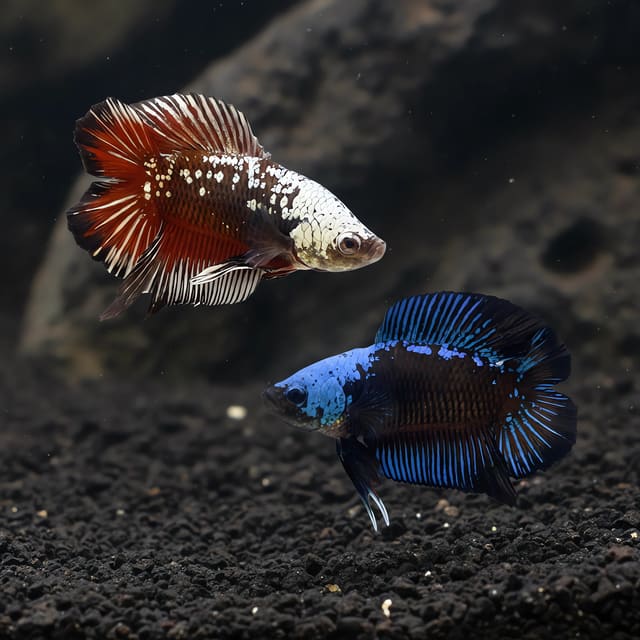
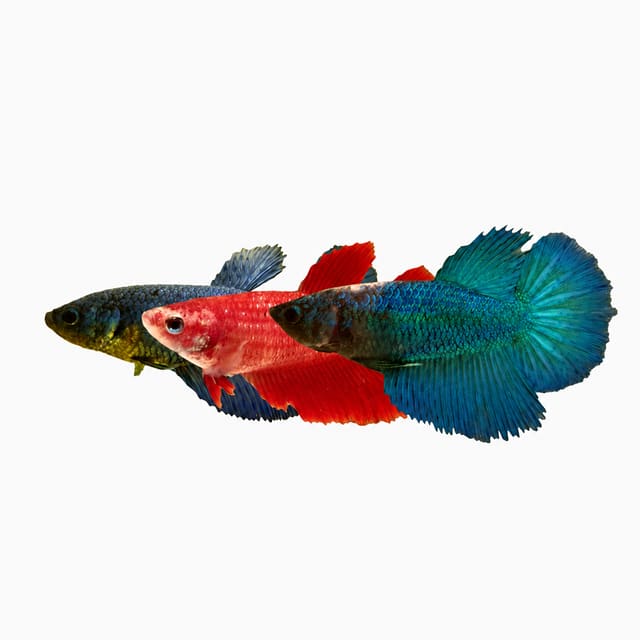
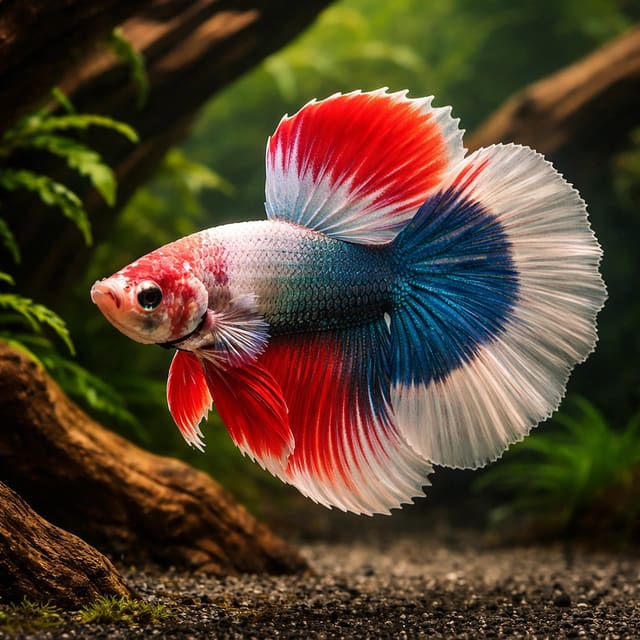
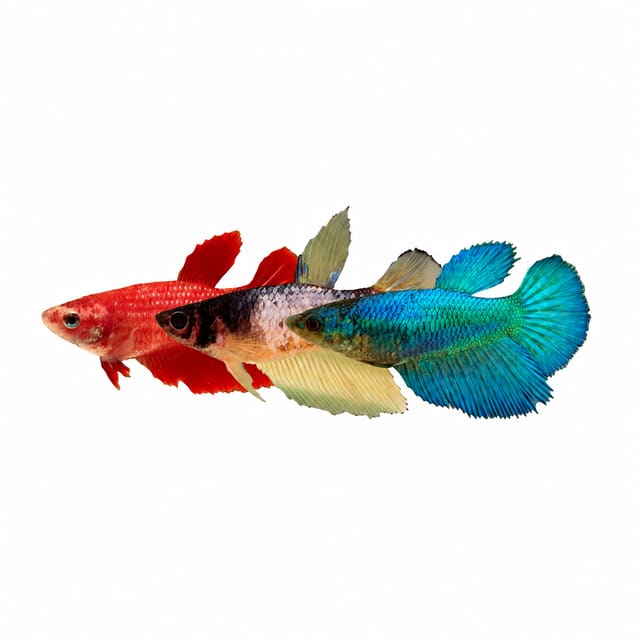
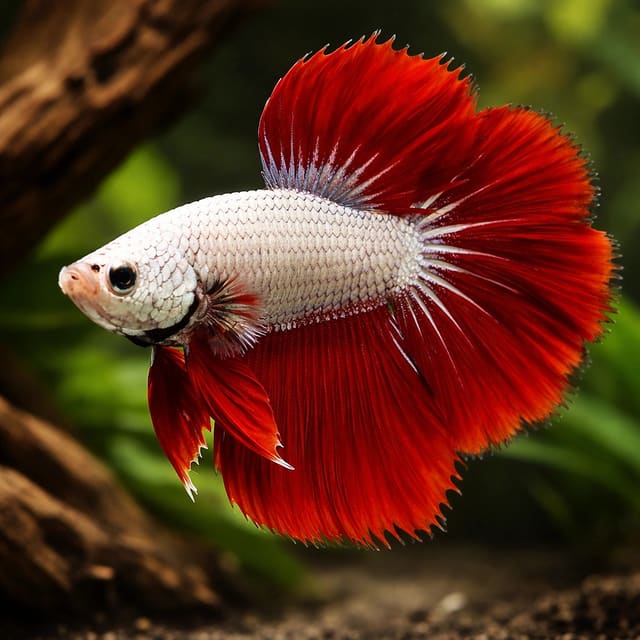
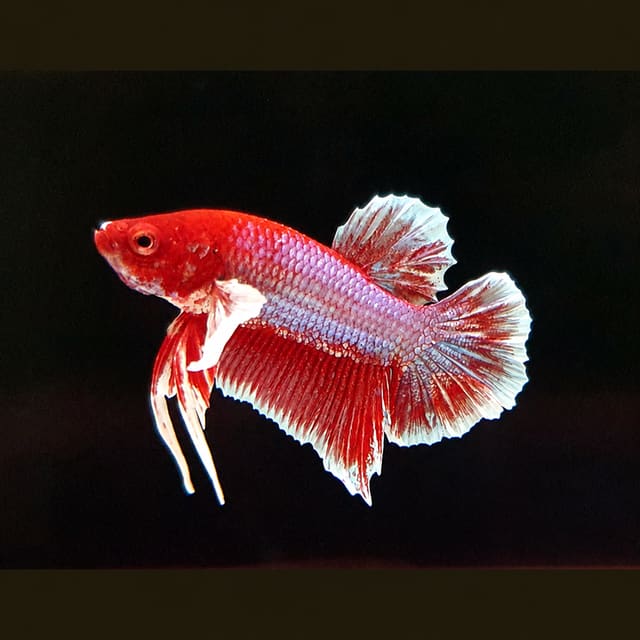
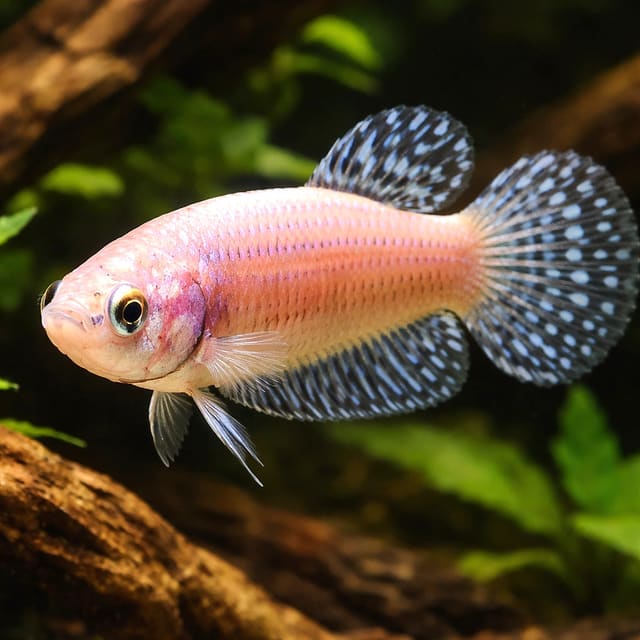
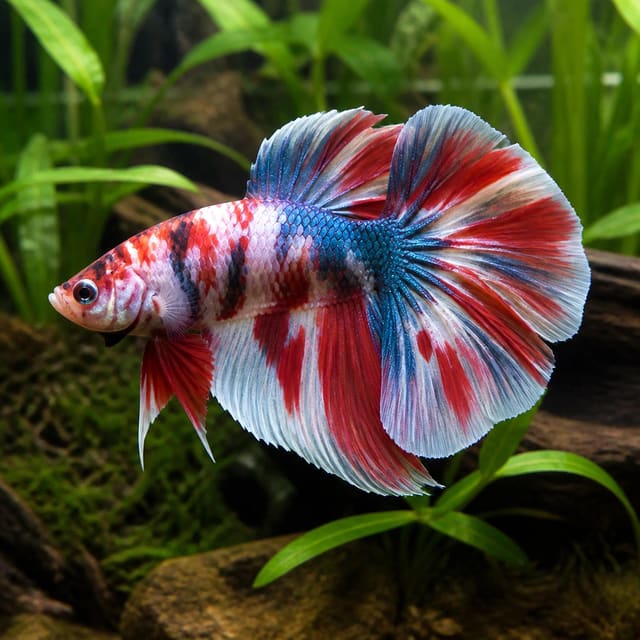
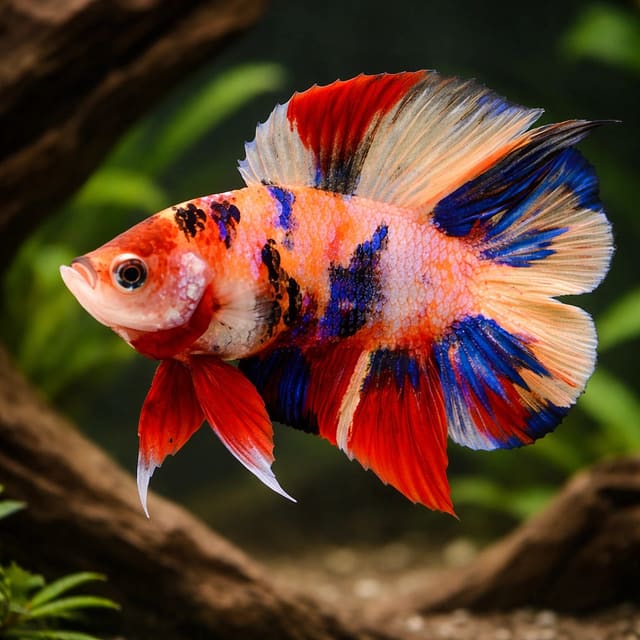
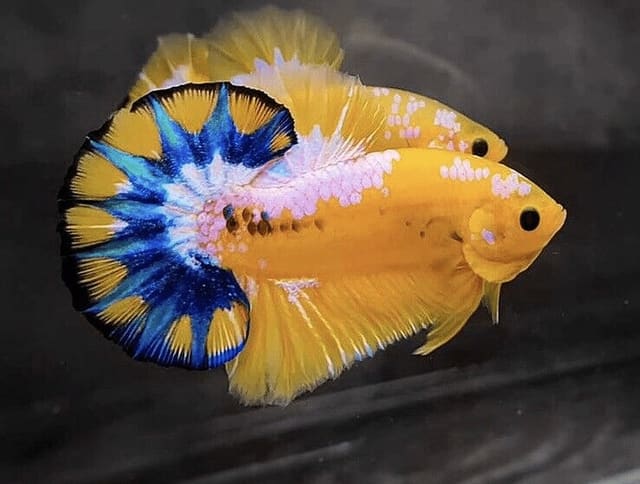
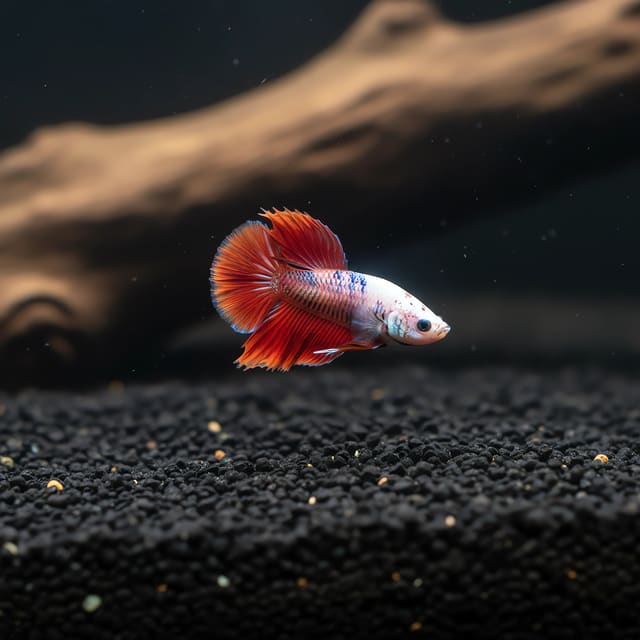
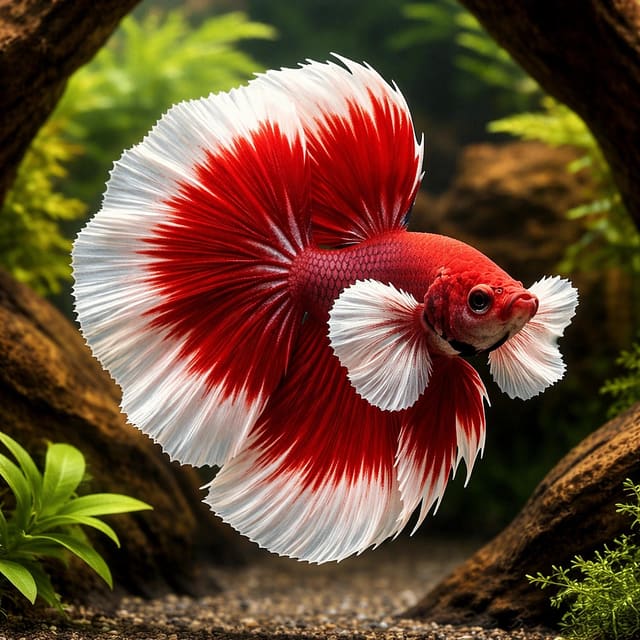
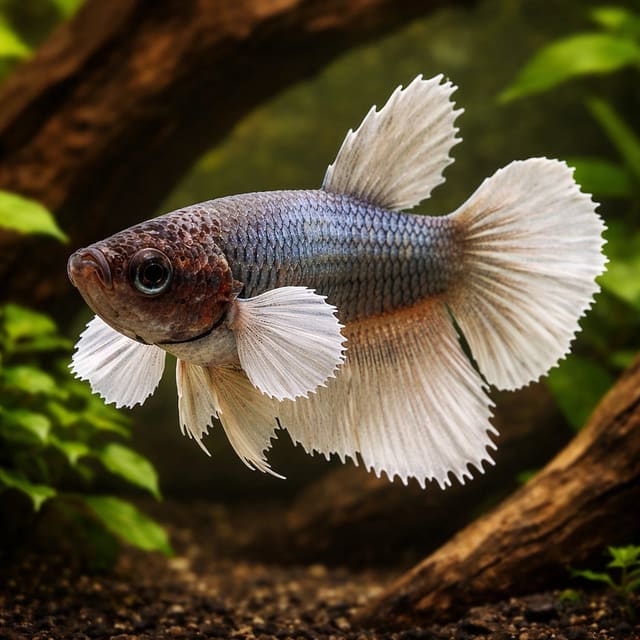
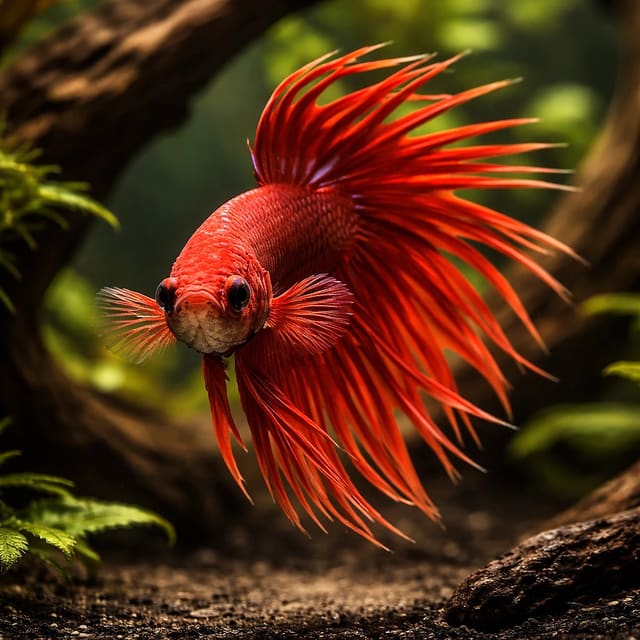
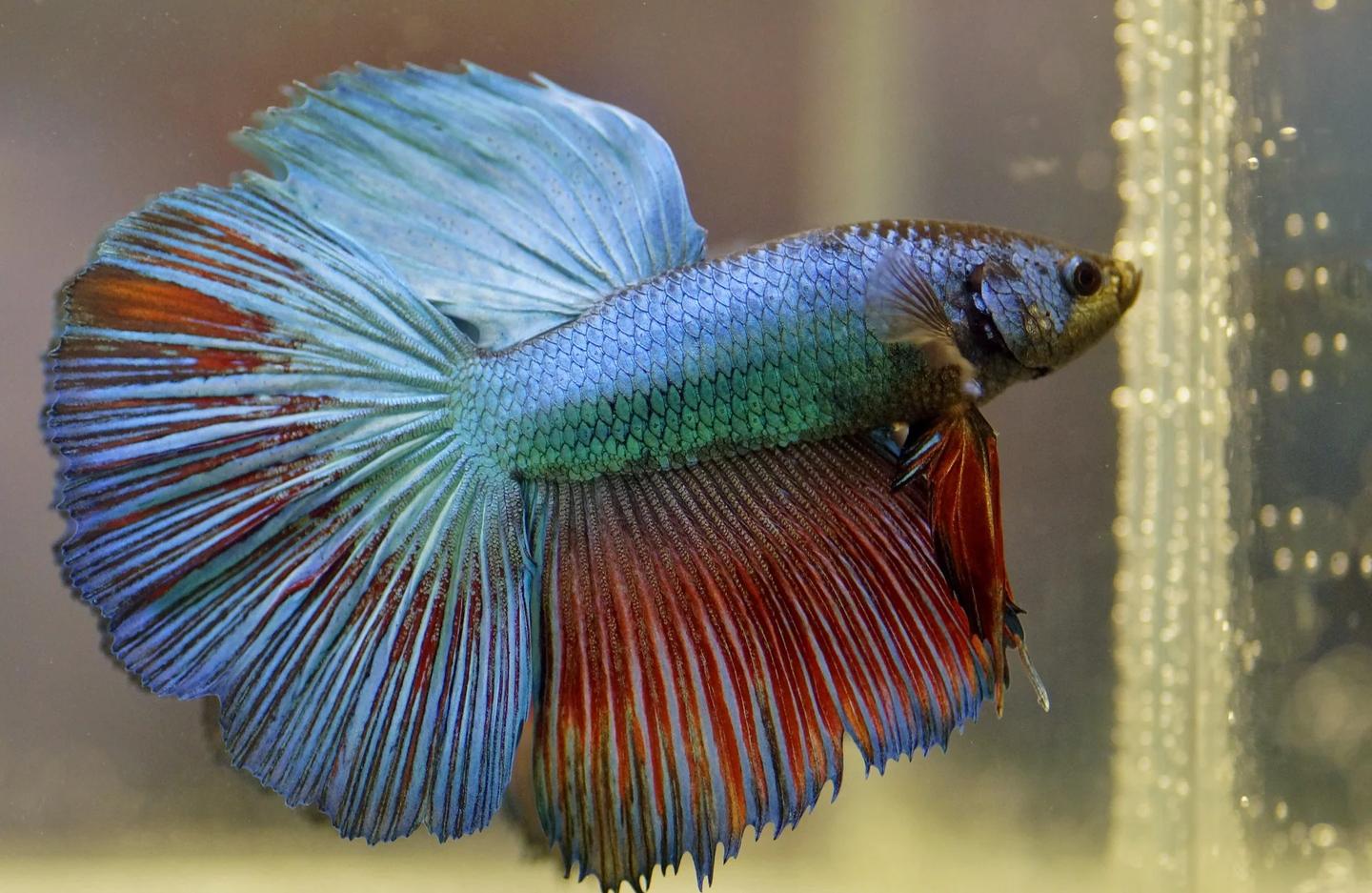
The gallery images are representative, based on reference photographs of this species, so colours can look slightly different from the live animal.
For dispatch arrangements and guarantee terms, read our delivery and Live Arrival Guarantee policy before ordering.
Keep the aquarium at 24–28°C, pH 6.0–7.0 and 5–10 dGH. These routine values are the overlap of FishBase's recorded environment range and Seriously Fish aquarium guidance for Betta imbellis. Seriously Fish describes a 45 × 30 cm base, approximately 41 litres, as large enough for a pair.
| Planning point | Working figure |
|---|---|
| Maximum recorded adult length | 6 cm SL |
| Pair aquarium reference | 45 × 30 cm base, about 41 litres |
| Routine temperature | 24–28°C |
| Routine pH | 6.0–7.0 |
| Routine hardness | 5–10 dGH |
| Water movement | Gentle; avoid strong current |
Treat the footprint and volume together: a tall container with the same litres does not automatically provide the same horizontal layout. The pair figure is not permission to place any two fish together without observation. Behaviour, cover and the ability of each fish to feed and retreat still decide whether shared housing works.
Solitary keeping remains the simpler plan, particularly when sex and individual temperament are unknown. Choose this fish when your measured water can remain within the routine overlap without abrupt adjustments and when the aquarium can carry substantial planting without losing surface access.
Arrange a well-planted, shady aquarium with several distinct sheltered areas. Tall stem plants, floating plants such as Salvinia or Riccia, tropical lilies from the genus Nymphaea and rooted Cryptocoryne can all contribute cover. The aim is not to fill every centimetre: combine shade with open routes to the surface because a betta must be able to reach atmospheric air without forcing through a solid raft of foliage.
Driftwood gives structure and can carry plants such as Microsorum or Taxiphyllum. Position each piece securely and leave enough open room for normal swimming. A useful layout has more than one route around the wood, preventing a dominant fish or tank mate from controlling the only path between shelter and the surface.
Dried leaf litter can provide extra cover. As it decomposes, microbial colonies may develop and can become a secondary food source for fry. Tannins and other substances released by decaying leaves are also considered beneficial in this style of aquarium. Introduce botanicals deliberately and include them in the regular maintenance check rather than allowing waste and decomposing material to accumulate without observation.
Trace at least two routes from the lower shelters to an open surface patch. Then view the aquarium from the front and both ends. Plants or wood should interrupt long sight lines while leaving room for ordinary swimming. This check matters most when two fish are being considered because each needs a way to leave an interaction without entering another exposed area.
Review the finished layout from several angles. If every shelter remains visible from every other shelter, add or reposition plants. If floating growth blocks nearly all surface access, thin it. The successful balance is shaded and structured, not sealed or cramped.
This betta naturally uses sluggish environments, so strong water movement should be avoided. For an aquarium around 41 litres, the species guidance points to a filter rated approximately 80–125 litres per hour. That rating is a practical starting point rather than a reason to direct the full outlet at the fish. Position or diffuse the return so plants move gently and the fish can hold position without constant effort.
An air-powered sponge filter is a useful way to combine biological filtration with subdued flow. A gently adjusted internal filter can also work when its return does not dominate the aquarium. Watch the fish and floating plants after installation: persistent displacement across the tank, continual sheltering directly behind hardscape or difficulty remaining at the surface all call for a gentler outlet arrangement.
The RSPCA explains why a working biological filter is vital: fish release toxic ammonia, and established beneficial bacteria convert it first to toxic nitrite and then to safer nitrate. Atmospheric air breathing does not remove the need for this process. A labyrinth organ is an additional breathing adaptation, not a substitute for a maintained filter.
At about 41 litres, the species profile suggests roughly 50 W of heating when the room is around 20°C. Room temperature, aquarium position and equipment design affect heater operation, so use the thermometer to confirm the result. Our first tropical aquarium guide can help you prepare and mature the system before livestock arrives.
Check several positions rather than judging only the filter outlet. A suitable arrangement lets the fish move between cover, feeding space and the surface without being swept aside. If floating plants are driven continuously to one end or the fish can rest only behind one object, redirect or diffuse the return. Preserve biological filtration while changing how the water enters the aquarium.
Keep the aquarium between 24 and 28°C, with pH from 6.0 to 7.0 and hardness from 5 to 10 dGH. These routine values are the overlap of FishBase's recorded environment and Seriously Fish aquarium ranges. Choose a stable point within each range that your source water and aquarium can maintain; repeated abrupt changes made to chase a particular number are not a sound substitute for regular measurement.
OATA's broad betta guidance sets ammonia at 0 mg/l, nitrite at 0 mg/l and nitrate at no more than 20 mg/l above the normal level in the tap water. Use these waste limits as routine safety targets for a filtered betta aquarium.
| Test | Decision |
|---|---|
| Ammonia | Do not introduce the fish unless the reading is 0 mg/l. |
| Nitrite | Do not introduce the fish unless the reading is 0 mg/l. |
| Nitrate | Keep it no more than 20 mg/l above the tap-water level. |
| Temperature | Maintain 24–28°C without sudden swings. |
| pH | Maintain 6.0–7.0. |
| General hardness | Maintain 5–10 dGH. |
Test the aquarium and the tap water rather than relying on regional assumptions. Our water chemistry guide explains what the principal readings mean, while the water matcher lets you compare measured aquarium values with the stated range.
A pH within range does not make an aquarium ready when ammonia or nitrite is detectable. Likewise, suitable temperature does not compensate for hardness outside 5–10 dGH. Work through every value before introduction and distinguish source-water chemistry from waste produced inside the aquarium. Comparing tap and tank nitrate shows how much nitrate has accumulated rather than treating the aquarium reading in isolation.
If a reading sits outside the target, identify the cause before adding fish or making a large correction. Check the test method, replacement water, recent feeding, stocking and filter operation. Controlled changes protect the fish from both the unsuitable value and the stress of a rapid swing.
In nature, Betta imbellis is likely to prey on aquatic and terrestrial invertebrates. In the aquarium, individuals normally accept dried food once they recognise it as edible, but small live or frozen foods should form a regular part of the routine. Suitable examples include Daphnia, Artemia and chironomid larvae such as bloodworm.
Use a good-quality dried product in a size the fish can take easily, then rotate appropriate live or frozen items to support colour and condition. Watch the first few mouthfuls. Food that is repeatedly mouthed and rejected may be too large or not yet recognised, while food that falls out of reach can decay and add waste to the aquarium.
OATA's betta feeding guidance recommends feeding once a day and limiting the portion to what can be eaten within a few minutes. This schedule provides a clear starting point and helps prevent repeated extra feeds prompted by begging behaviour.
Avoid overfeeding. Bettas are described as particularly prone to obesity, and excess food also increases the waste presented to the biological filter. If body condition rises, reduce the portion rather than removing dietary variety. If appetite falls, check water quality, breathing, swimming and interactions before offering a larger or richer meal.
Carry out a 25% partial water change at least once a week. Use a siphon to remove visible solid waste from the substrate, and treat replacement tap water with a suitable conditioner to remove chlorine or chloramine before it enters the aquarium. Keep the replacement conditions close enough to the aquarium conditions to avoid abrupt changes.
If filter media needs cleaning, rinse it lightly in aquarium water removed during the water change. Do not run it under the tap because chlorine or chloramine may kill the beneficial bacterial population established in the media. Avoid replacing all mature media at once unless the equipment instructions make a particular component disposable.
Test before disturbing the aquarium so the result reflects the water the fish has been living in. Siphon waste during the partial change, treat the replacement water, then check the filter and surface access before finishing. This order links each observation to an action and makes it easier to notice whether waste, blocked flow or excessive floating growth is changing between weeks.
The value of a routine is consistency. Weekly testing can reveal a rising waste trend before the fish displays obvious distress, while a regular water change prevents neglected debris from becoming a larger problem. Record unusual readings and the action taken so you can distinguish a one-off result from a developing pattern.
Increase maintenance attention after any change that increases feeding or livestock load. Beneficial bacteria need time to respond to additional waste, and adding too many fish too quickly can produce new tank syndrome with harmful ammonia or nitrite.
Prepare the aquarium before introduction. Confirm that the biological filter is established, temperature sits within 24–28°C, pH is 6.0–7.0, hardness is 5–10 dGH, and both ammonia and nitrite read 0 mg/l. Check that the planted layout contains shelter, gentle circulation and open routes to the surface.
| Checkpoint | What to do |
|---|---|
| Before introduction | Test water, inspect equipment and confirm the aquarium is not being stocked too quickly. |
| First feeding | Offer a small portion and check whether the fish recognises and reaches it. |
| First week | Watch swimming, breathing, colour, hiding and appetite; repeat water tests if behaviour changes. |
| First month | Complete a 25% water change at least once a week and review whether flow, cover or companions affect normal behaviour. |
A healthy fish should show clear, bright eyes, intact scales and fins, steady breathing and appropriate swimming behaviour. Every fish has an individual normal pattern, so look for change rather than demanding constant display. A fish using cover is not automatically in difficulty; a sudden increase in hiding combined with poor appetite or altered breathing needs investigation.
During the first week, note where the fish rests, which route it takes to the surface and how promptly it approaches food. These observations create a practical comparison for later checks. A change in one detail may call for closer watching; several changes together, such as altered breathing, reduced feeding and unusual swimming, call for immediate water testing and an environmental review.
Warning signs include hanging at the surface, prolonged sitting on the bottom, erratic swimming, unusual darkening or paling, changed aggression, faster or slower gill movement, white spots, fluffy growths, damaged fins or scales, body-condition change and reduced feeding interest.
If you see a concerning change, test water quality first and review filter operation, recent feeding and tank-mate behaviour. Contact us for further health guidance when the change persists or the test results do not explain it. Choose any treatment only after the problem has been properly assessed.
Betta imbellis is not recommended for a standard community aquarium. Its needs and disposition make solitary keeping the most dependable starting point, while very peaceful companions may be considered in a carefully planned aquarium. The word “peaceful” is a relative common name, not permission to crowd fish together.
| Plan | What it requires |
|---|---|
| One betta | A planted, shady aquarium with gentle flow, stable water and unobstructed surface access. |
| Pair | At least the stated 45 × 30 cm base and about 41 litres, substantial cover, close observation and a separation plan. |
| More than one male | Sufficient cover may make this possible, but individual behaviour decides whether it continues to work. |
| Mixed-species aquarium | Only very peaceful fish with overlapping environmental needs and no fin-nipping or feeding pressure. |
More than one male may be kept when there is sufficient cover, according to the species profile, but that is a conditional possibility rather than a universal group recommendation. Dense structure must break sight lines and allow a fish to leave an interaction without being followed immediately into the next shelter.
Watch access to food as closely as chasing. A fish repeatedly displaced from the feeding area, confined to one corner or prevented from reaching the surface is not benefiting from the nominal aquarium volume. Separate fish when sustained pursuit, blocked feeding or loss of condition shows that the arrangement is failing.
Pairs are best isolated for breeding purposes. For ordinary display keeping, do not assemble a pair or group by guessing sex from size, colour, fins or photographs. Build the plan around the actual unit purchased and make any later additions only after a fresh compatibility assessment.
Some small cyprinids and loaches from similar environments may be suitable, but the category name alone is not enough to approve a particular species. Compare adult size, preferred temperature, pH, hardness, water movement, swimming level, feeding behaviour and social requirements before adding any companion.
| Screening result | Decision |
|---|---|
| Very peaceful with matching water needs | Consider only after checking adult stocking and providing substantial cover. |
| Known to nip fins | Avoid; repeated fin damage can cause stress and disease. |
| Boisterous or aggressive | Avoid; the betta needs calm access to shelter, food and the surface. |
| Much faster at feeding | Use caution and confirm that the betta receives its measured portion. |
| Requires strong current | Reject the match because this betta needs gentle movement. |
| Compatibility history is mixed | Prefer solitary keeping rather than treating a possibility as a promise. |
OATA's general betta guidance warns that males can become targets of intense fin nipping even when they are not aggressive towards the other species. For Betta imbellis, combine that warning with the species advice favouring solitary housing or only very peaceful companions.
A candidate that fits the temperature range but needs strong current is not suitable. A calm fish with overlapping pH and hardness still needs review if its social group would overcrowd the aquarium or compete heavily at feeding time. Passing one test never cancels a failure elsewhere; the complete combination must protect access to food, shelter and the surface.
Do not treat shrimp, snails, bottom dwellers or any named community fish as universally safe. The practical rule is the same for every candidate: matching water values are necessary, but calm behaviour, feeding access, sufficient space and the ability to retreat decide whether the combination is workable.
For a stocking and compatibility assessment, contact us with the aquarium's dimensions, measured water values, established livestock and planting plan. Honest compatibility remains conditional because individual fish can behave differently even when the broad screen looks favourable.
FishBase records a maximum adult length of 6 cm SL for Betta imbellis; plan the completed aquarium around that adult figure.
Seriously Fish describes a 45 × 30 cm base, approximately 41 litres, as large enough for a pair. Treat the footprint and volume together and provide shade, planting, shelter and gentle flow.
Solitary housing is the simplest plan. Seriously Fish says more than one male may be kept with sufficient cover, while a pair needs at least a 45 × 30 cm base of about 41 litres and close observation.
Choose it only if you can maintain gentle flow, dense cover, open surface access and stable water at 24–28°C, pH 6.0–7.0 and 5–10 dGH. These values are the overlap of FishBase and Seriously Fish ranges.
Offer a good-quality dried food plus regular small live or frozen Daphnia, Artemia or bloodworm. Feed once daily and only what it finishes within a few minutes.
Keep it at 24–28°C, pH 6.0–7.0 and 5–10 dGH, the overlap of FishBase's recorded environment and Seriously Fish aquarium ranges.
Solitary housing is preferred because the species is not recommended for a standard community aquarium. Avoid fin-nippers, boisterous fish and aggressive fish, and separate fish if pursuit or blocked feeding persists.
Some small cyprinids and loaches from similar environments may be suitable after screening for calm behaviour, matching water needs, gentle-flow requirements, feeding access and sufficient space. No companion is universally safe.
Film every delivery continuously from the sealed parcel as you open it, keeping the fish visible inside the sealed bag before anything is disturbed. Be present to receive the parcel, float the bag for 20–30 minutes before release and never pour the bag water into the aquarium.
No reviews for this item yet. Bought one? Honest reviews only, good or bad.
What customers say about ordering from us
I have a small group of long finned mountain minnows. So was delighted to be able to order ten of this variety to increase the genetics in my tank . The ones I recieved are healthy but it’s to early to give a verdict on wether they are of a long finned type since they are small currently.
Gordon Walker · 23 Sept 2026
100% success travel and "installation". Pleased with quality of purchase. The Siamese fighter a bit "shy" so have not yet seen him at his best yet but looking good. Happy customer. GG
George E Garratt · 21 Sept 2026
Reviews of our shop, collected by Judge.me, an independent third-party review collector. Newest first.