Moderate
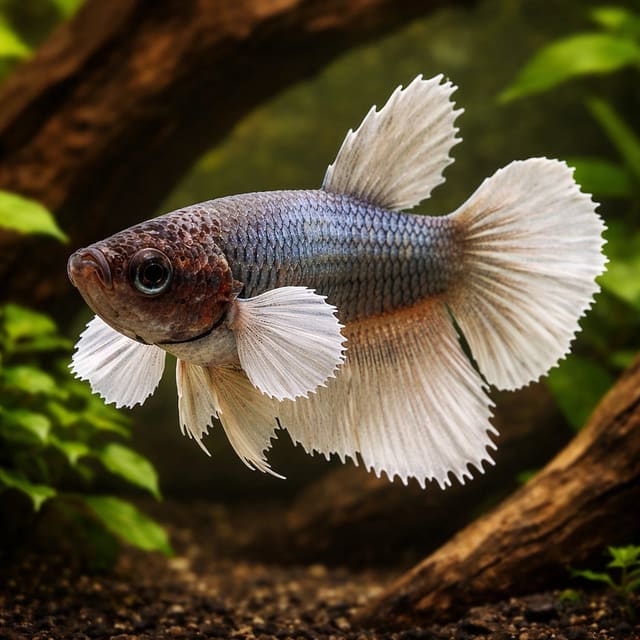
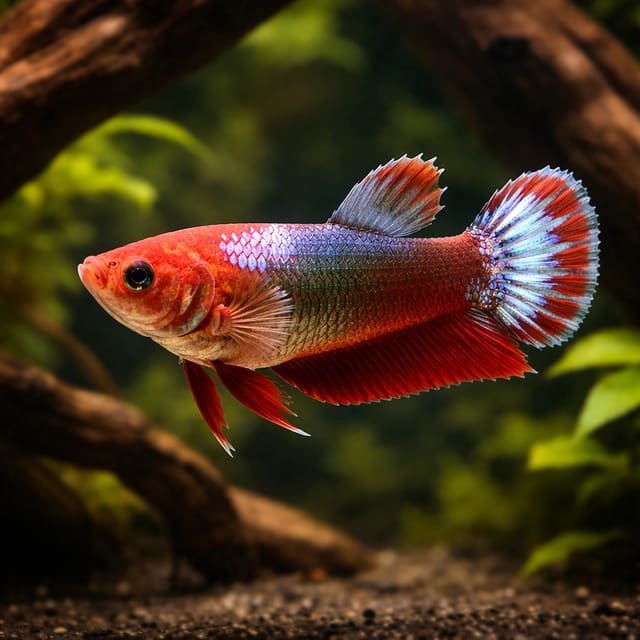
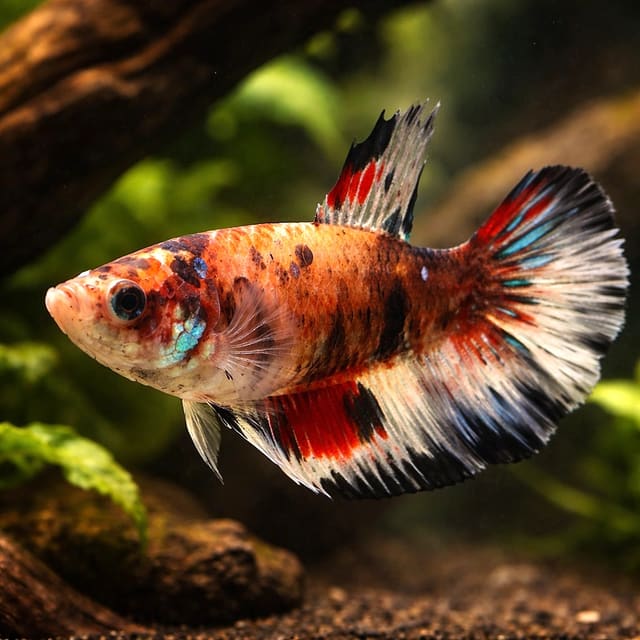
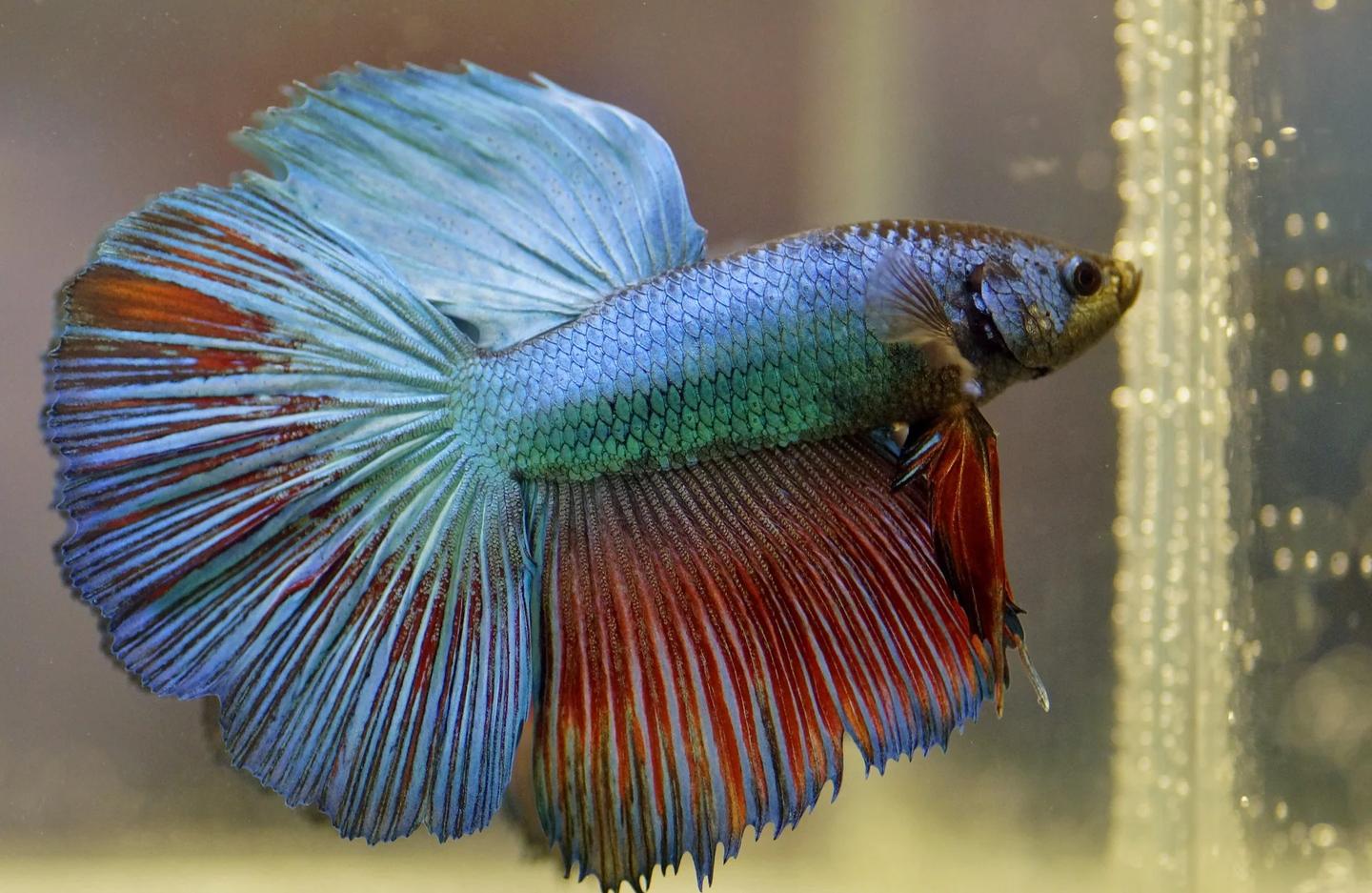
Halfmoon Koi Female Betta (Betta splendens)
26–28°C · pH 6–8
£24.99

Female Mahachai betta for a warm, covered, heavily planted aquarium. A rarer wild Betta mahachaiensis with calmer female behaviour, specialist care notes and live-arrival cover.
Adult size is the maximum length this species reaches at full maturity (scientific sources). The livestock you receive will be younger and smaller. Product-photo provenance and any image-specific limitations are stated on the listing.
Betta mahachaiensis
Confirm your email, then we’ll send an availability message for this exact item if it returns within 180 days.
This request is only for this product—no newsletter or other promotions. A mail-provider retry may very rarely duplicate the same availability message. Unconfirmed addresses are removed after 48 hours. See our privacy policy.
Female Mahachai betta for a warm, covered, heavily planted aquarium. A rarer wild Betta mahachaiensis with calmer female behaviour, specialist care notes and live-arrival cover.
Adult size is the maximum length this species reaches at full maturity (scientific sources). The livestock you receive will be younger and smaller. Product-photo provenance and any image-specific limitations are stated on the listing.
For one typical domestic Betta splendens, start with at least 20 litres, a mature filter, thermostatic heater, separate thermometer, gentle flow, a secure lid with surface access, and plants or refuges. Keep one male per aquarium.
Maintain these water conditions for optimal health and vibrant colors
The Female Mahachai Betta (Betta mahachaiensis) is a rarer wild-type betta from Thailand's coastal Samut Sakhon region, best chosen by keepers who want a characterful labyrinth fish rather than a mass-bred show betta. This XL female keeps the compact shape, alert surface behaviour and subtle wild patterning of the Mahachai line, with a softer presence than a mature male but still enough confidence to need a properly planned aquarium.
The aim is simple: make it easier to decide whether this is the right betta for your tank without forcing awkward search phrases into the copy.
| Quick detail | Female Mahachai Betta |
|---|---|
| Scientific name | Betta mahachaiensis |
| Adult size | Usually around 6-7 cm in aquarium care |
| Care level | Moderate; best for keepers comfortable with warm, stable water |
| Temperament | Semi-aggressive and territorial, especially around feeding or breeding condition |
| Best role | Feature fish for a covered, planted, low-flow aquarium |
Betta mahachaiensis belongs to the Betta splendens group but is not just another domestic fighter strain. The species was described from Samut Sakhon Province, Thailand, where Mahachai bettas are associated with still or slow waters around nipa palm habitat, including naturally brackish margins. FishBase records the species as harmless to humans and treats the global IUCN status as Not Evaluated, while the original species description highlights the green to blue-green iridescence and the brackish nipa-palm locality.
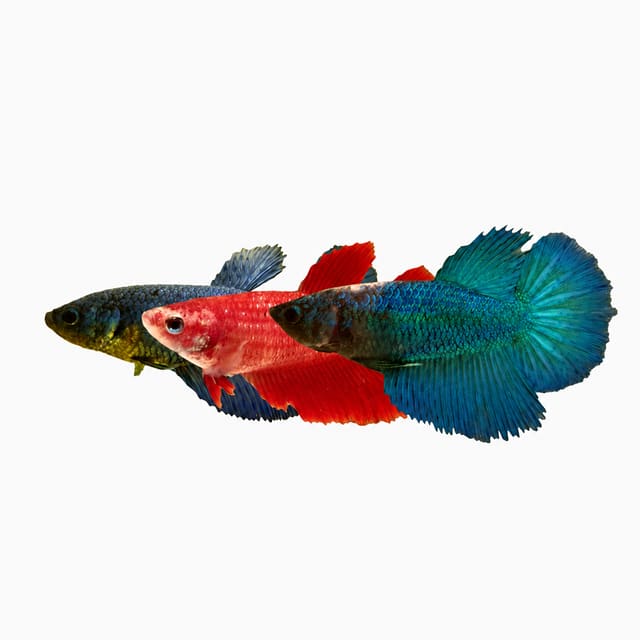
Females are generally less flamboyant than males, but that is part of their charm: look for a clean body line, clear eyes, responsive surface movement and a settled posture among plant cover. The real reference image has been added alongside the existing aquarium-view images, so shoppers can see both a direct profile view and the more natural planted-tank presentation.
| Visual check | What to expect |
|---|---|
| Body shape | Compact wild-betta profile, not the heavy long-finned shape of many show strains |
| Colour | Subtle tan to brown base with darker lateral markings and occasional iridescent highlights |
| Fins | Shorter and more functional than ornamental long-fin bettas |
| Behaviour | Curious, surface-aware and quick to use cover when unsettled |
Plan this fish around security and stability. A covered aquarium is important because bettas breathe atmospheric air and can jump, especially in a new environment. Use gentle filtration, warm water and plenty of plant cover at different heights. Floating plants, fine-leaved stems, moss, botanicals and shaded corners all help the fish behave naturally instead of pacing bare glass.
Although the species is famous for tolerating mild brackish conditions in nature, most home keepers should avoid chasing salinity unless they know how the stock has been held and have a reason to do so. For a retail aquarium, stable warm freshwater with good biological filtration is the safer advice. Keep changes gradual and avoid sharp swings in temperature, pH or hardness.
| Care area | Recommended range | Why it matters |
|---|---|---|
| Temperature | 24-28C | Keeps digestion, immunity and surface activity steady |
| pH | 6.5-7.5 | Near-neutral water suits most captive-maintained Mahachai bettas |
| Hardness | 2-10 dGH | Avoid very hard, alkaline water for this line |
| Tank size | 60 litres recommended | Gives space for plants, territory and stable water chemistry |
| Flow | Low to gentle | Wild bettas tire in strong current and prefer calm surface access |
Mahachai bettas are insect-focused predators, so condition is best built with small protein-rich foods. Use a quality betta pellet as the routine base, then rotate frozen or live foods such as daphnia, brine shrimp, mosquito larvae and bloodworm in modest portions. Feed small amounts and remove uneaten food quickly; a heavily planted tank still needs clean water and steady maintenance.
Watch the fish rather than the clock alone. A settled female will usually investigate food confidently, return to cover and breathe at the surface without distress. Clamped fins, hiding without feeding, rapid breathing or faded colour are signs to check temperature, ammonia, nitrite and recent tank changes before adding any more livestock.
This is a female, but she is still a betta. The safest plan is a species-focused planted aquarium, especially while she settles. In a larger mature tank, very calm bottom dwellers or snails may work, but avoid anything that nips fins, competes hard at the surface or needs a very different water profile. Do not keep her with male bettas or other territorial bettas unless you are deliberately managing a breeding setup with separation options.
| Possible companions | Use caution with | Avoid |
|---|---|---|
| Small snails in planted tanks | Dwarf shrimp, which may be hunted | Male bettas and other fighting fish |
| Peaceful bottom dwellers in larger aquariums | Very tiny schooling fish | Fin nippers such as tiger barbs |
| Quiet, non-boisterous community fish after observation | Other female bettas unless the tank is designed for it | Large cichlids, predators and fast surface feeders |
Many shoppers compare this listing with the male Mahachai betta. The female is usually less intense in colour and finnage, but she can be easier to place as a single feature fish because she is generally less combative than a male. That does not make her a community afterthought: give her cover, warmth and a quiet feeding zone, and she becomes a much more rewarding fish than she would be in a bare mixed tank.
If you are building a wild-betta section, you may also want to compare the current male Mahachai betta and the in-stock domestic female bettas such as Female Halfmoon Koi Betta, Female SuperDelta Big Ears Betta and Female Plakat Betta. Those are different buying decisions: domestic females are more about colour strain, while this Mahachai female is about natural type and wild-betta behaviour.
| Decision point | Mahachai female | Domestic female betta |
|---|---|---|
| Main appeal | Wild-type behaviour, rarity and natural profile | Colour strain, finnage and show-style variety |
| Setup priority | Cover, calm water and a mature planted layout | Warm, filtered tank with good enrichment |
| Best buyer | Keeper who enjoys species-specific behaviour | Keeper choosing a colourful display betta |
Every livestock order is packed for safe UK courier delivery with oxygen, insulation and weather-aware handling. The product is currently out of stock in Shopify inventory, so the page should help customers understand the fish and return when fresh stock is available rather than oversell an unavailable animal.
New customers can use the registered sitewide code WELCOME10 for 10% off a first order where Shopify marks the code as applicable. Livestock orders are covered by the Tropical Fish Co live-arrival process; follow the acclimation instructions, photograph the sealed bag if anything looks wrong on arrival and contact us promptly so the guarantee can be handled properly.
No reviews for this item yet. Bought one? Honest reviews only, good or bad.
What customers say about ordering from us
I have a small group of long finned mountain minnows. So was delighted to be able to order ten of this variety to increase the genetics in my tank . The ones I recieved are healthy but it’s to early to give a verdict on wether they are of a long finned type since they are small currently.
Gordon Walker · 23 Sept 2026
100% success travel and "installation". Pleased with quality of purchase. The Siamese fighter a bit "shy" so have not yet seen him at his best yet but looking good. Happy customer. GG
George E Garratt · 21 Sept 2026
Reviews of our shop, collected by Judge.me, an independent third-party review collector. Newest first.