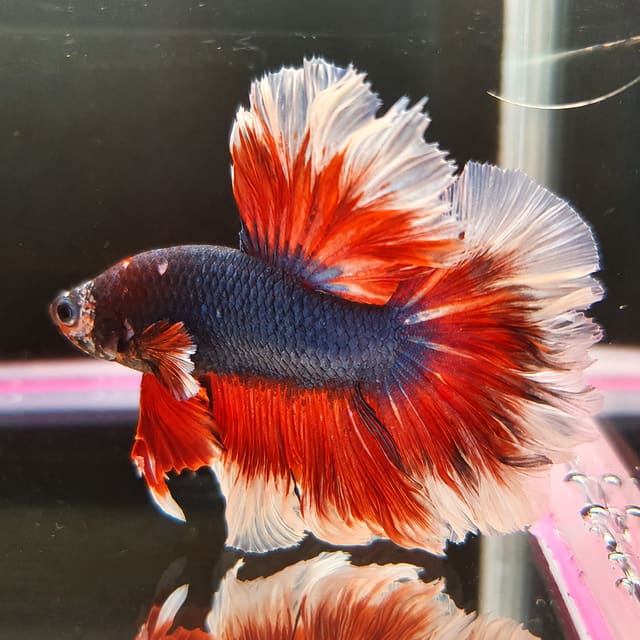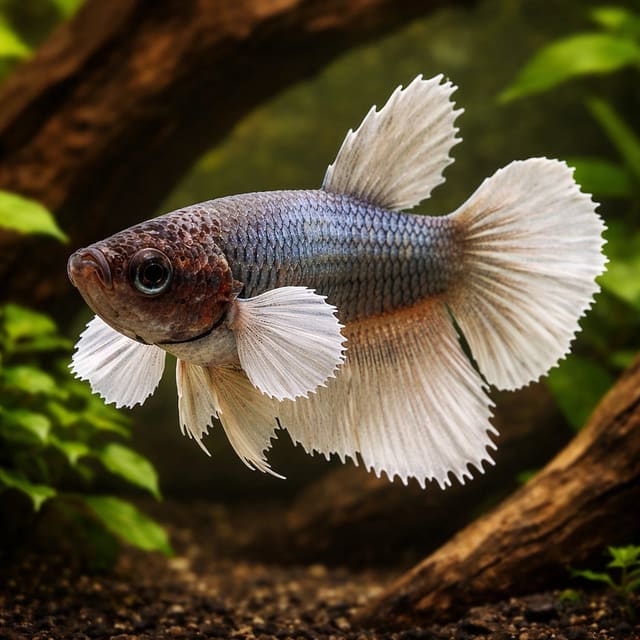
Moderate
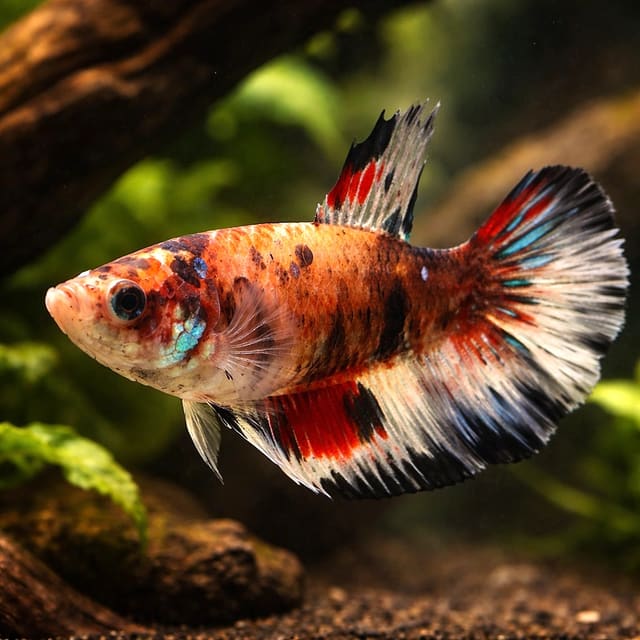
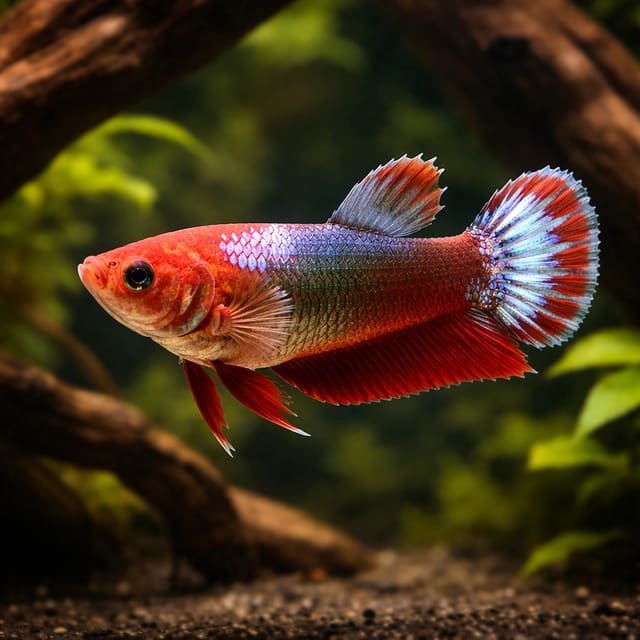
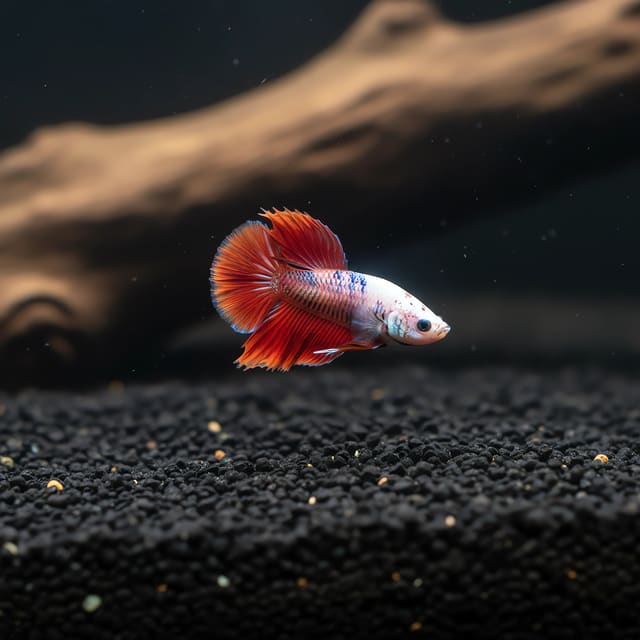
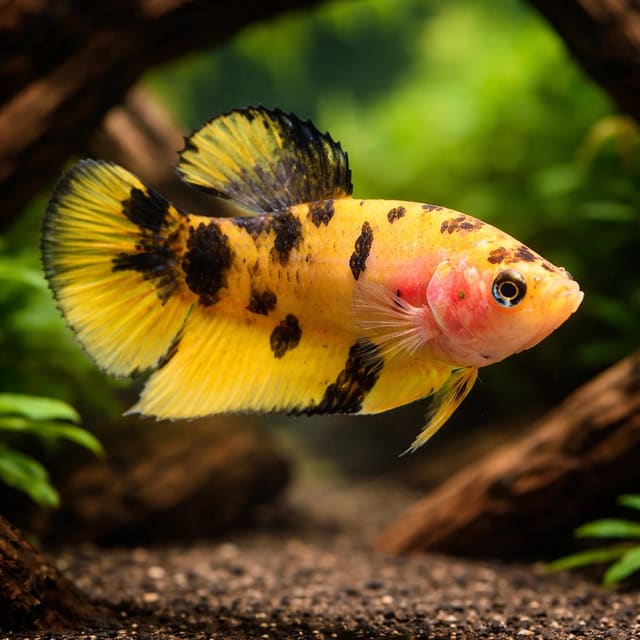
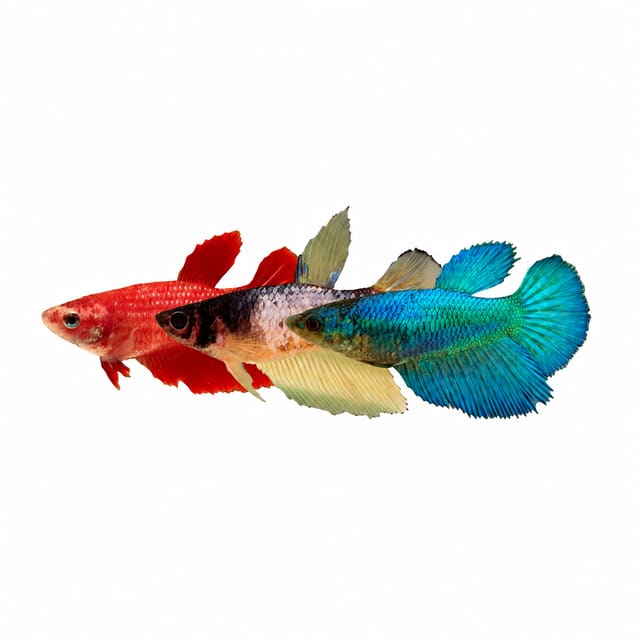
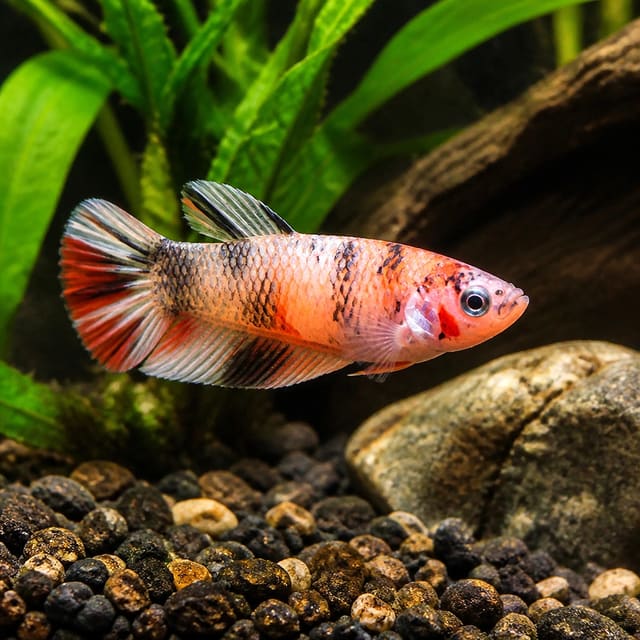
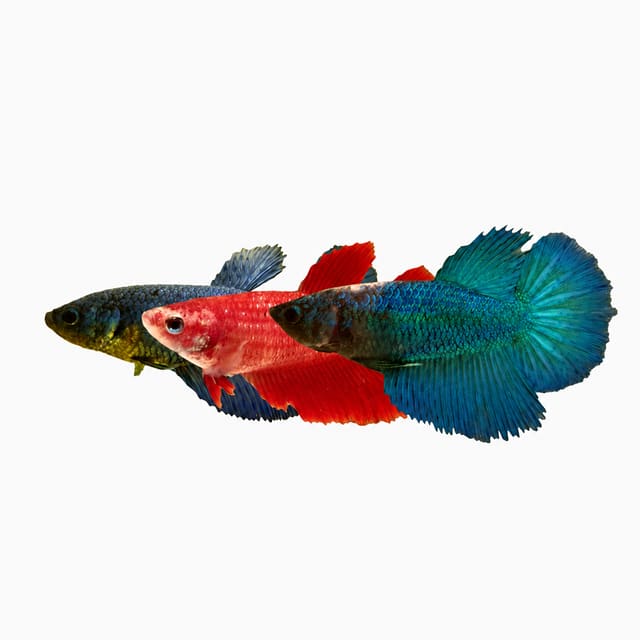
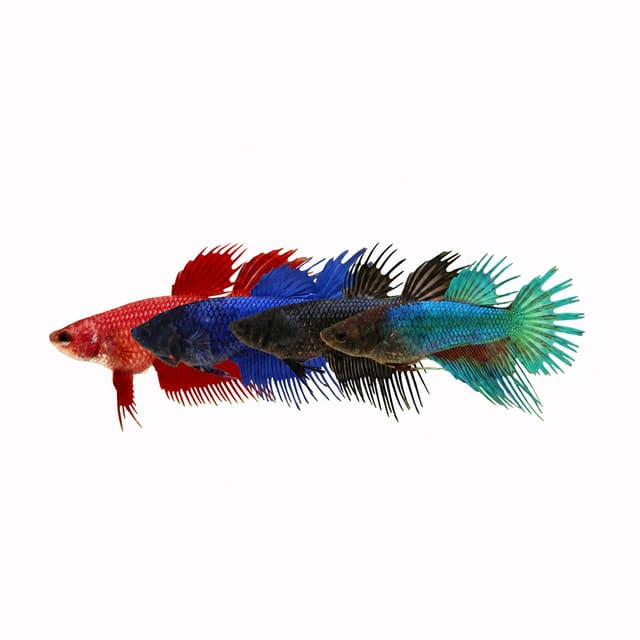
SuperDelta Big Ears Female Betta Mix (Betta splendens)
24–28°C · pH 6–8
£11.99

A striking labyrinth fish with vivid blue alien-patterned colouration that thrives in warm, calm, planted aquariums. Moderate care, semi-aggressive. 24-30C, pH 6.0-7.5.
Adult size is the maximum length this species reaches at full maturity (scientific sources). The livestock you receive will be younger and smaller. Product-photo provenance and any image-specific limitations are stated on the listing.
Betta splendens
A striking labyrinth fish with vivid blue alien-patterned colouration that thrives in warm, calm, planted aquariums. Moderate care, semi-aggressive. 24-30C, pH 6.0-7.5.
Adult size is the maximum length this species reaches at full maturity (scientific sources). The livestock you receive will be younger and smaller. Product-photo provenance and any image-specific limitations are stated on the listing.
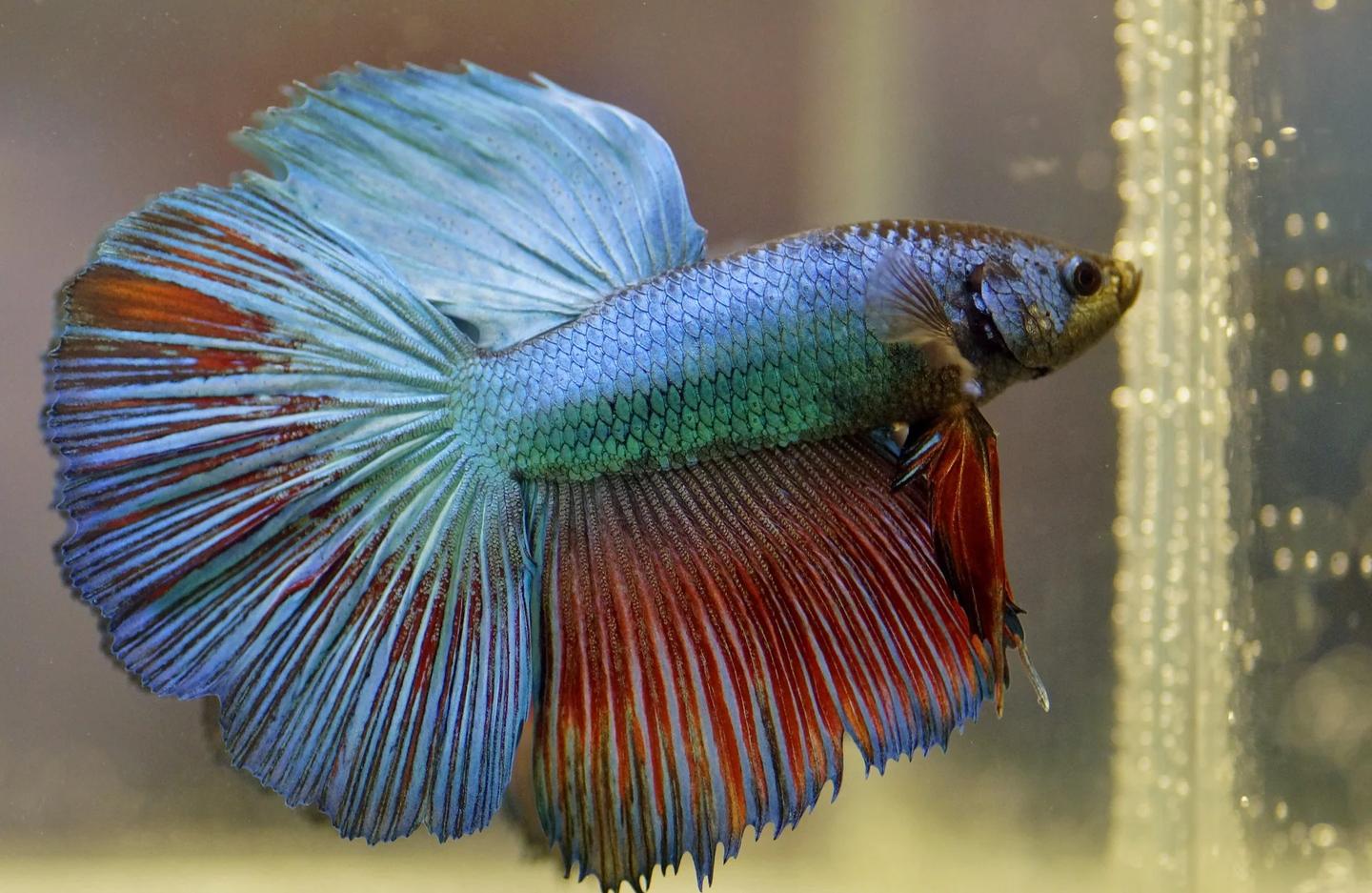
For one typical domestic Betta splendens, start with at least 20 litres, a mature filter, thermostatic heater, separate thermometer, gentle flow, a secure lid with surface access, and plants or refuges. Keep one male per aquarium.
Maintain these water conditions for optimal health and vibrant colors
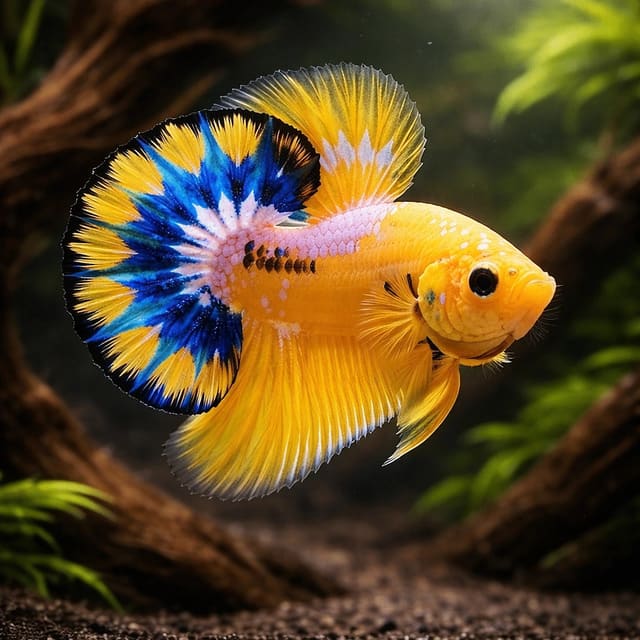
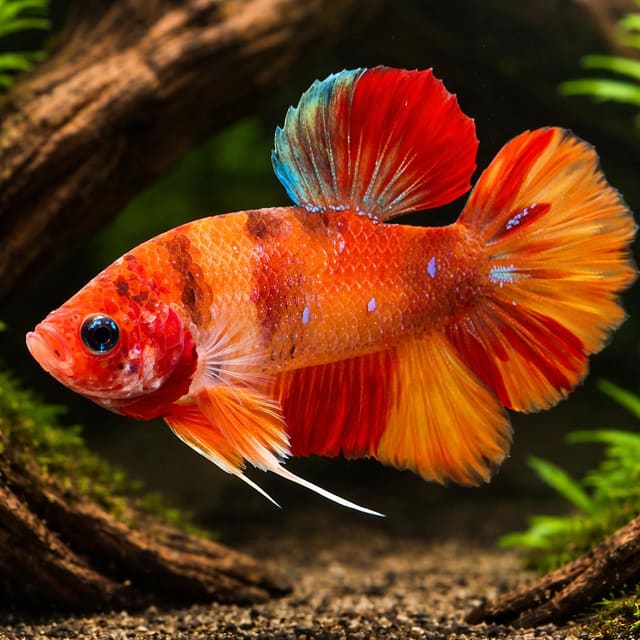
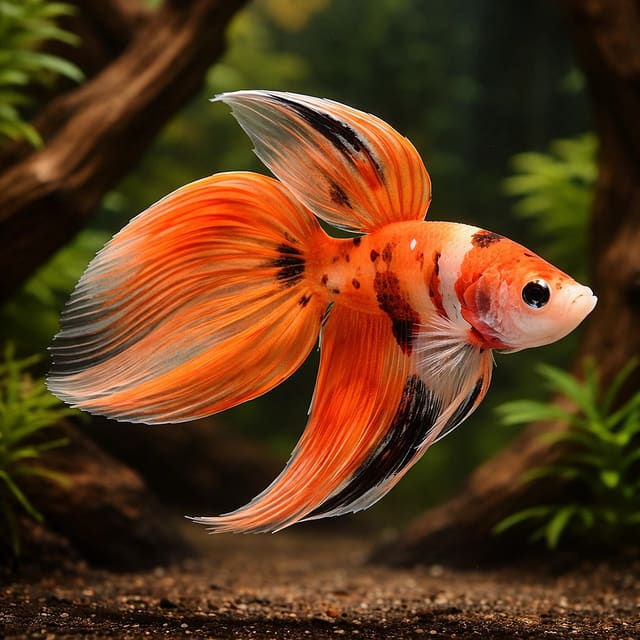
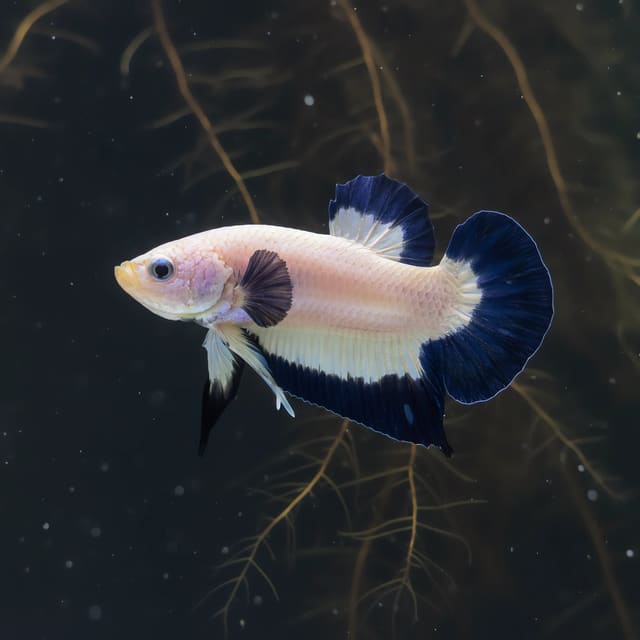
Females from the Alien blue line carry the same hypnotic metallic-blue mesh as the males — the patterning runs across her whole 6.5 cm body — with a temperament dialled down a step to semi-aggressive. For keepers drawn to the alien look but wanting slightly easier housing decisions, the female is the smarter pick.
Choose tank mates carefully: snails are safe, peaceful shrimp may settle in heavily planted tanks though hunting is possible, and very small, peaceful tank mates can be considered — but only in a larger, well-planted tank under close monitoring. Closed to her: other bettas, fin-nipping fish, large or aggressive cichlids, fast boisterous schooling fish, and species needing very different water conditions. The minimum aquarium size is 40 litres — generous, and the reason her limited community option exists at all. Hold the water at 24–30 °C, pH 6.0–7.5, hardness 1–15 dGH, feed her as a carnivore, and expect her in the upper region. Moderate care overall, with territoriality around breeding condition to watch for.
The 40-litre minimum is what unlocks her difference from the male: in that volume, the limited option of very small, peaceful tank mates becomes a workable plan rather than a risk. Keep the aquarium well-planted and monitor it closely — and add her after the residents are established. Her alien patterning needs the same point-lighting treatment as the male's to show its mesh detail, and her carnivore feeding should be targeted at the surface where she holds position. Chemistry is unremarkable: 24–30 °C, pH 6.0–7.5, 1–15 dGH, weekly changes. Watch her most closely around breeding condition, when her territorial behaviour is likeliest to surface, and have a separation plan if a community is running.
Many buyers take a female alongside a male Alien for future projects — house them separately; avoid keeping her with other bettas. UK orders travel by licensed live-animal courier under our live arrival guarantee.
No reviews for this item yet. Bought one? Honest reviews only, good or bad.
What customers say about ordering from us
I have a small group of long finned mountain minnows. So was delighted to be able to order ten of this variety to increase the genetics in my tank . The ones I recieved are healthy but it’s to early to give a verdict on wether they are of a long finned type since they are small currently.
Gordon Walker · 23 Sept 2026
100% success travel and "installation". Pleased with quality of purchase. The Siamese fighter a bit "shy" so have not yet seen him at his best yet but looking good. Happy customer. GG
George E Garratt · 21 Sept 2026
Reviews of our shop, collected by Judge.me, an independent third-party review collector. Newest first.