Easy
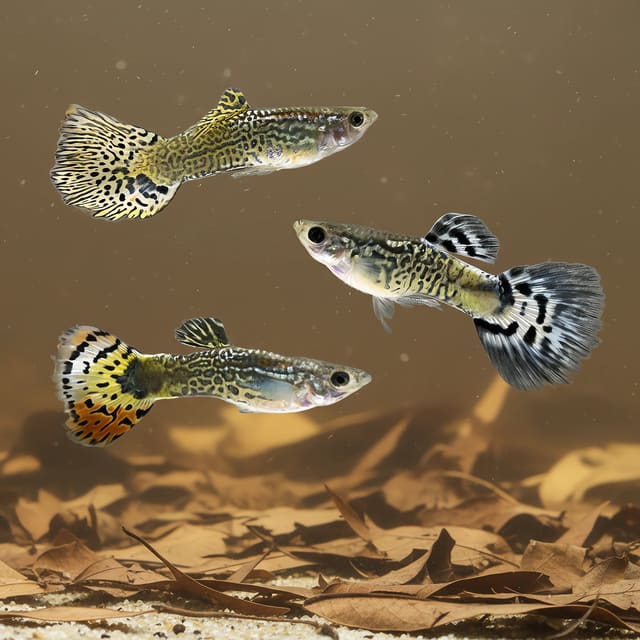
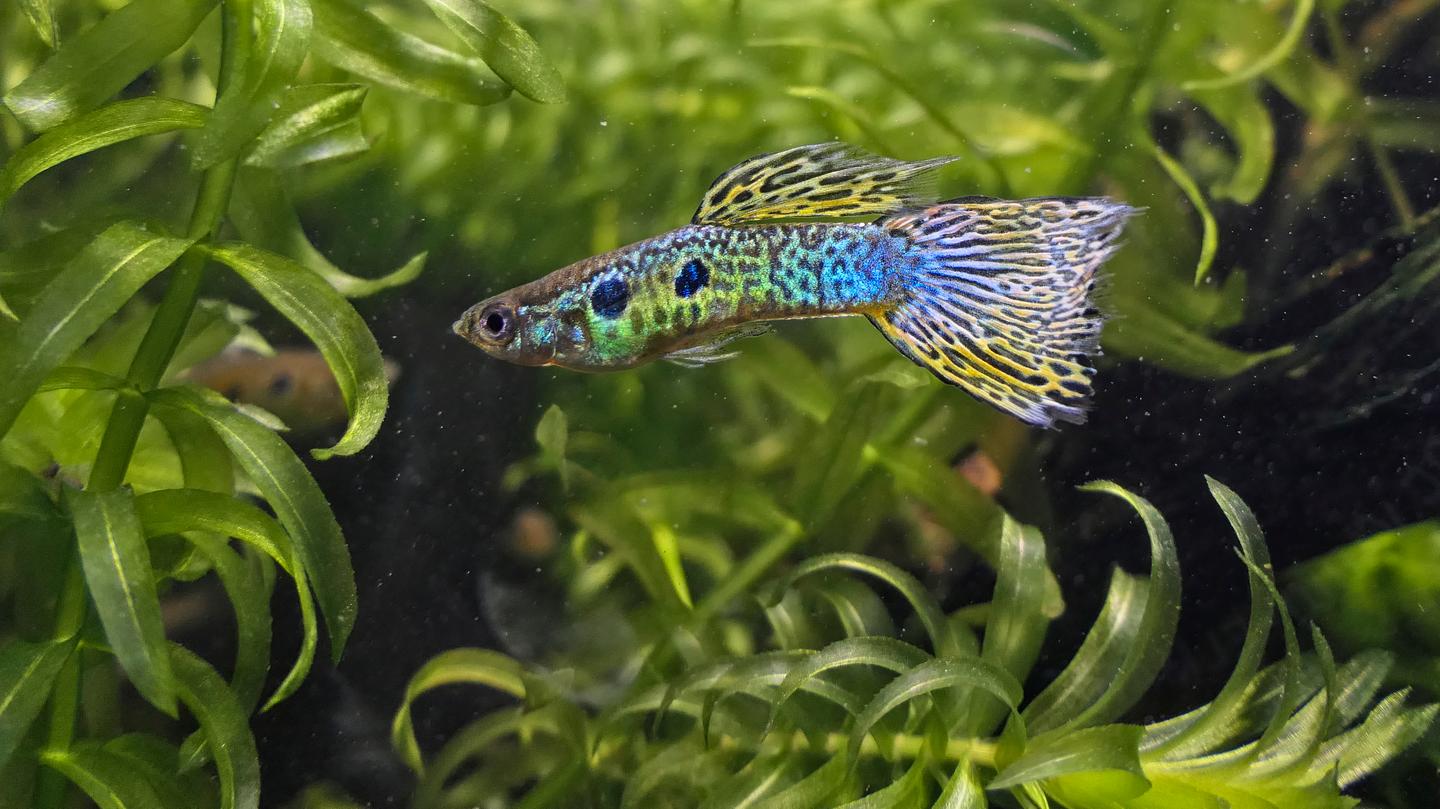
Male Cobra Mix Guppy (Poecilia reticulata)
22–28°C · pH 7–8 · 41L
£5.99

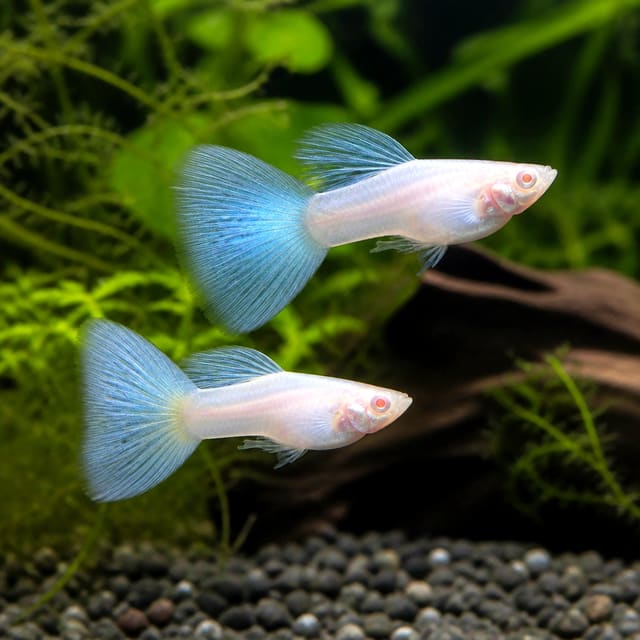
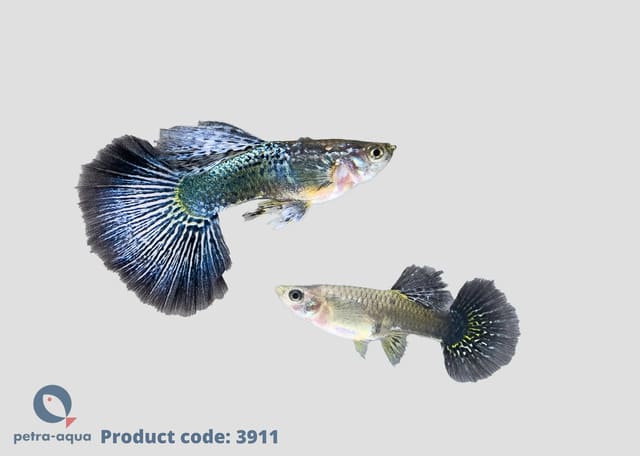
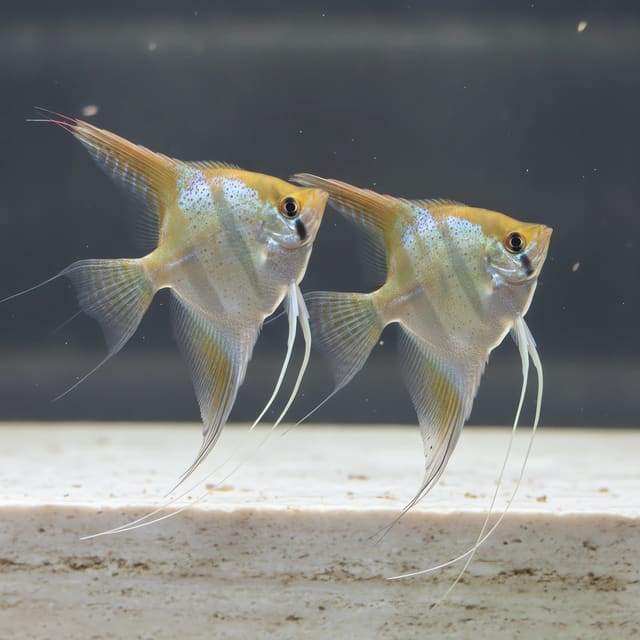
A 2-3 cm Platinum Blue Dragon Guppy pair with metallic platinum-blue patterning for peaceful, planted community aquariums. Sent by UK live-animal courier with our Live Arrival Guarantee.
Adult size is the maximum length this species reaches at full maturity (scientific sources). The livestock you receive will be younger and smaller — pick a size variant above for the actual shipping size. Product-photo provenance and any image-specific limitations are stated on the listing.
Poecilia reticulata
Save when buying multiple fish. Each quantity is one fish; sex and pair formation are not guaranteed unless the selected variant explicitly states them.
A 2-3 cm Platinum Blue Dragon Guppy pair with metallic platinum-blue patterning for peaceful, planted community aquariums. Sent by UK live-animal courier with our Live Arrival Guarantee.
Adult size is the maximum length this species reaches at full maturity (scientific sources). The livestock you receive will be younger and smaller — pick a size variant above for the actual shipping size. Product-photo provenance and any image-specific limitations are stated on the listing.
Guppies are social livebearers suited to a prepared beginner, not a fish-per-litre formula. Use a mature filtered aquarium, tested neutral-to-alkaline mineral-bearing water, deliberate sex and population planning, open swimming room, cover and a separation option.
Maintain these water conditions for optimal health and vibrant colors
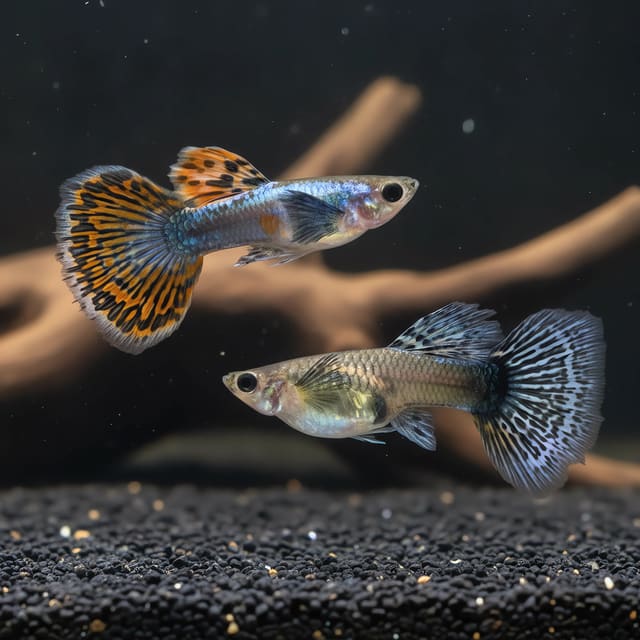
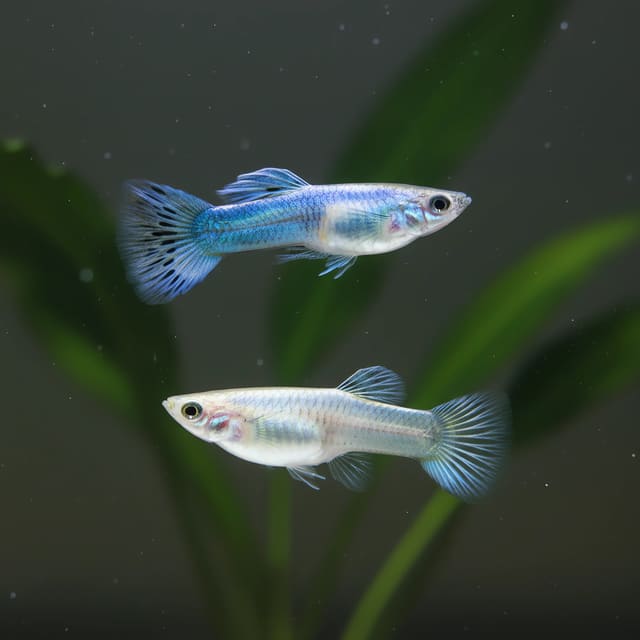
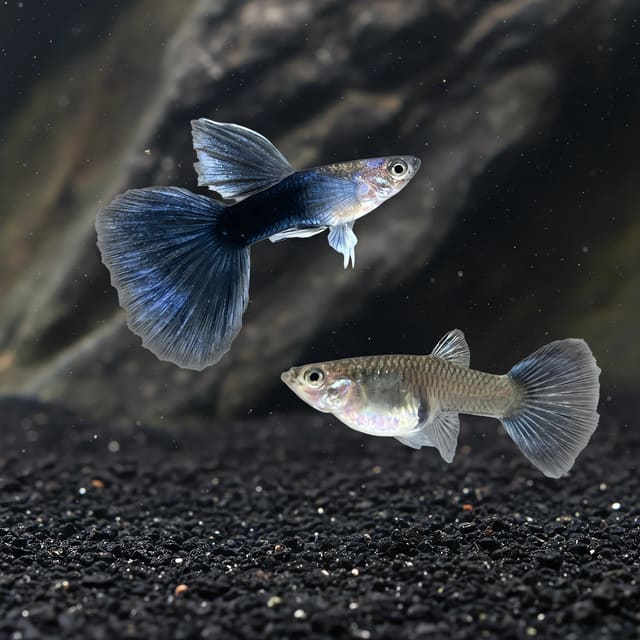
The Platinum Blue Dragon Guppy pair is a premium colour form of Poecilia reticulata, selected for its eye-catching metallic platinum body and vivid blue dragon-style patterning. As a livebearer, the guppy is one of the most popular freshwater aquarium fish in the world thanks to its hardy nature, active swimming, and constant display behaviour. This listing is for a pair, making it a convenient choice for aquarists looking to start or expand a colourful guppy setup with a balanced male and female combination.
At Tropical Fish Co, we supply healthy livebearers suitable for well-maintained tropical aquariums. Guppies are generally considered beginner-friendly, but as with all live fish, long-term success depends on stable water quality, sensible stocking, and compatible tankmates. Because water supply and tank conditions vary, always verify your local water and match your aquarium to the needs of the fish you keep.
This variety is especially appealing if you enjoy ornamental livebearers with a refined look. The platinum body tone catches the light beautifully, while the blue dragon markings give each fish a distinctive, high-contrast appearance. They are active, social, and best kept where their movement can be appreciated throughout the day.
| Buyer-friendly name | Platinum Blue Dragon Guppy Pair |
|---|---|
| Scientific anchor | Poecilia reticulata |
| our stock records | Poecilia ret. (in pair) / platinum blue dragon |
| Supplied as | Pair, around 2-3 cm |
| Best setup | Mature planted community aquarium with calm tank mates |
| Temperature | Stable tropical water, usually around 22-28 C |
| Water style | Neutral to slightly alkaline, moderately hard water suits guppies best |
| Diet | Omnivore: quality flakes or micro pellets plus small frozen/live foods and plant-based content |
| Temperament | Peaceful, active livebearer; avoid fin nippers and predators |
| Delivery | Eligible livestock orders use a UK live-animal courier and our Live Arrival Guarantee |
Guppies do best in a stable, filtered aquarium with plenty of swimming room and some planted cover. A mature tank with gentle to moderate filtration is ideal, as livebearers appreciate clean water and regular maintenance. For any fish, we recommend choosing an aquarium of at least 40 litres, and larger is usually better once you add companions, plants, and room for offspring.
A softscape with live or artificial plants, open swimming space, and fine-leaved cover gives guppies areas to explore and reduces stress. Floating plants are often useful too, as they create broken light and provide a more natural setting. Guppies are active surface to mid-water swimmers, so avoid overcrowding the top layer of the tank with too many fast-moving species.
As a Poecilia reticulata strain, this pair should be kept in stable warm tropical water rather than a newly set up aquarium. A practical guppy range is usually around 22-28 C, with neutral to slightly alkaline water and some mineral hardness. Very soft, unstable water can be a poor match for guppies, so test your tap water and adjust the aquarium plan before buying if your local supply is unusual.
Regular partial water changes are essential. Guppies are small, but they are active and continually produce waste, particularly when fed generously. Good filtration, sensible stocking, and routine maintenance will help preserve colour, vitality, and fin condition.
Guppies are omnivorous and thrive on a varied diet. Quality flake or micro-pellet food should form the daily staple, supported by frozen or live foods such as daphnia, baby brine shrimp, and bloodworm in moderation. Vegetable matter is also beneficial, so look for foods with spirulina or other plant-based ingredients to support digestion and colour.
Feed small amounts that the fish can finish quickly. Overfeeding is a common mistake with livebearers and can contribute to poor water quality as well as bloating and digestive issues. A varied feeding routine helps maintain body condition, especially in breeding stock or fish kept in a busy community aquarium.
Platinum Blue Dragon Guppies are generally peaceful and social, making them suitable for calm community aquariums. They do best with similarly non-aggressive fish that will not nip at their fins or outcompete them for food. Their active, visible behaviour makes them excellent display fish, but they are also small enough to be vulnerable to overly boisterous or predatory tankmates.
Male guppies can be persistent in their courting behaviour, especially if females are present. Keeping a pair can work well, but be aware that livebearers may breed if conditions suit them. A heavily planted aquarium can provide refuge for females and any fry that appear later.
Avoid housing them with fin-nippers, large cichlids, territorial species, or any fish large enough to eat them. Fast, aggressive feeders may also stress guppies and prevent them from eating properly. The best companions are calm, similarly sized fish that enjoy comparable water conditions.
Breeding is highly relevant to guppies, as they are livebearers and can reproduce readily in suitable conditions. If you keep a male and female together, there is a strong chance of breeding once the fish settle in and the environment is stable. Females can store sperm, so a single introduction may lead to multiple broods over time.
For aquarists who want to breed guppies, a planted breeding or grow-out setup is helpful. Dense plants, mosses, and floating cover can improve fry survival by giving young fish places to hide. Adult guppies may eat fry, so if you want to raise young successfully you will need to plan for separation, dense cover, or a dedicated rearing arrangement.
If you do not want fry, consider your stocking plan carefully before purchasing livebearers. Community tanks with suitable companions may still produce fry unless you manage the sexes or provide limited breeding opportunities. As always, only breed fish if you can responsibly house the offspring or rehome them appropriately.
Healthy guppies are active, alert, and feed readily. Their fins should be open and intact, their bodies should appear full but not bloated, and their colours should be bright. Because guppies are small and colourful, changes in behaviour often become obvious quite quickly. Watch for clamped fins, dull colour, gasping, or isolating from the group, as these can be early signs of stress.
Common issues in guppies are usually linked to water quality, transport stress, or unsuitable tankmates rather than the fish being especially delicate. Poor diet, overcrowding, or unstable conditions can contribute to fin damage, digestive problems, and general weakness. Maintaining clean water, appropriate temperatures for tropical fish, and a balanced diet is the best prevention.
New fish should always be acclimated carefully. Even if the aquarium looks suitable, differences in water chemistry can shock livebearers if they are introduced too quickly. Observe your fish closely during the first few days, keep lighting subdued at first, and avoid chasing them around the tank during release.
If you notice any health concerns, verify your local water parameters, review filtration and maintenance, and seek experienced advice before making large changes. Prevention is far easier than treatment when it comes to small ornamental fish.
When you order live fish from Tropical Fish Co, we pack them with care for a UK live-animal courier service. Delivery still depends on weather, carrier handling and the receiving aquarium, so have a cycled, heated and stable tank ready before dispatch.
On arrival, inspect the bag promptly, keep the lights low, float the bag to equalise temperature and then acclimate slowly according to your usual process. Guppies are hardy once settled, but small livebearers can still be stressed by sudden changes in temperature or water chemistry.
Eligible livestock orders are supported by our Live Arrival Guarantee. If there is any concern on arrival, contact us straight away with clear photos and order details so we can help quickly.
This Platinum Blue Dragon Guppy pair is a striking choice for aquarists who want an elegant livebearer with lively personality and excellent display value. With stable water, good feeding, and compatible tankmates, these guppies can become a standout feature in a well-kept tropical aquarium.
Max adult size is the length this species reaches at full maturity (from scientific sources). The livestock you receive will be younger and smaller — pick a size variant on the buy box for the actual shipping size. Product-photo provenance and any image-specific limitations are stated on the listing.
A peaceful guppy pair for calm, planted community aquariums. Avoid nippy, aggressive or predatory tank mates and plan for fry if the pair breeds.
Always research specific species before adding them to your tank. Consider:
No reviews for this item yet. Bought one? Honest reviews only, good or bad.
What customers say about ordering from us
I have a small group of long finned mountain minnows. So was delighted to be able to order ten of this variety to increase the genetics in my tank . The ones I recieved are healthy but it’s to early to give a verdict on wether they are of a long finned type since they are small currently.
Gordon Walker · 23 Sept 2026
100% success travel and "installation". Pleased with quality of purchase. The Siamese fighter a bit "shy" so have not yet seen him at his best yet but looking good. Happy customer. GG
George E Garratt · 21 Sept 2026
Reviews of our shop, collected by Judge.me, an independent third-party review collector. Newest first.
22–28°C · pH 7–8 · 41L

22–28°C · pH 7–8
22–28°C · pH 7–8 · 41L
22–28°C · pH 6.8–8.5 · 40L
22–28°C · pH 7–8
18–28°C · pH 7–8
18–28°C · pH 7–8
22–28°C · pH 7–8
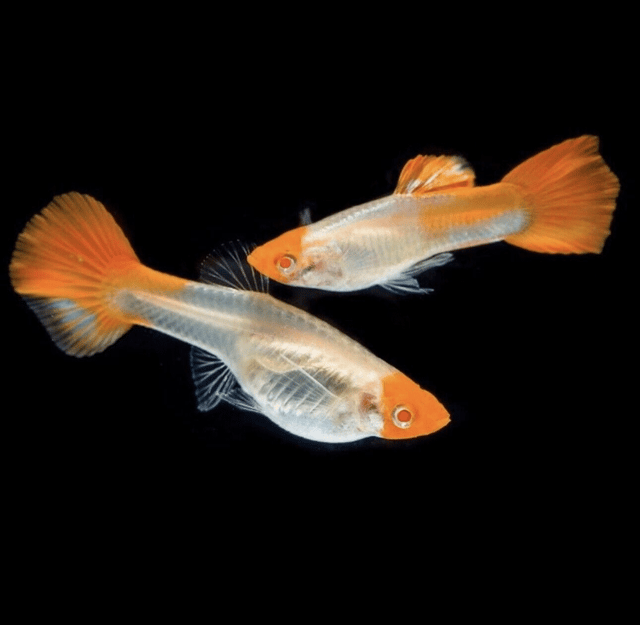
18–28°C · pH 7–8
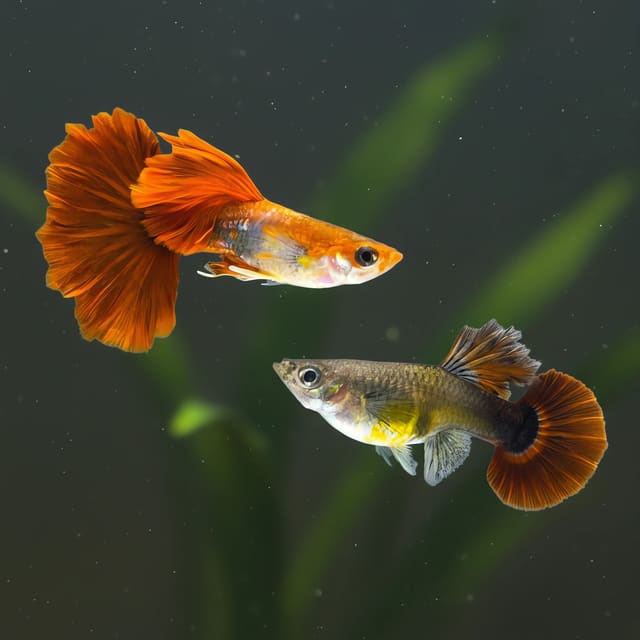
22–28°C · pH 7–8 · 45L
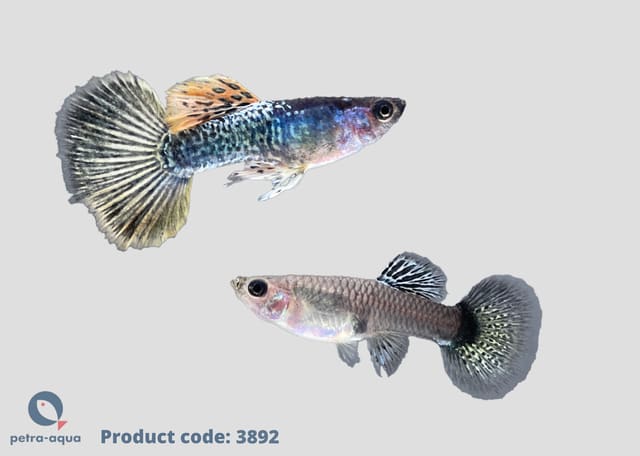
22–28°C · pH 7–8 · 41L
22–28°C · pH 7–8 · 41L
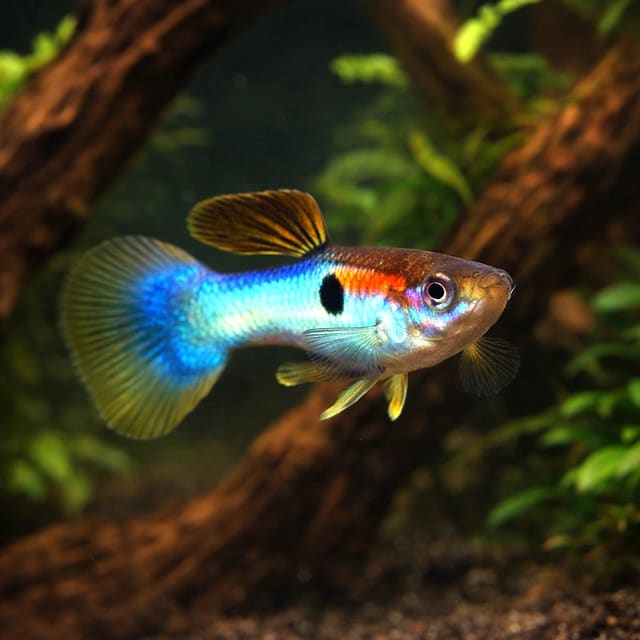
22–28°C · pH 6.8–8.5 · 40L
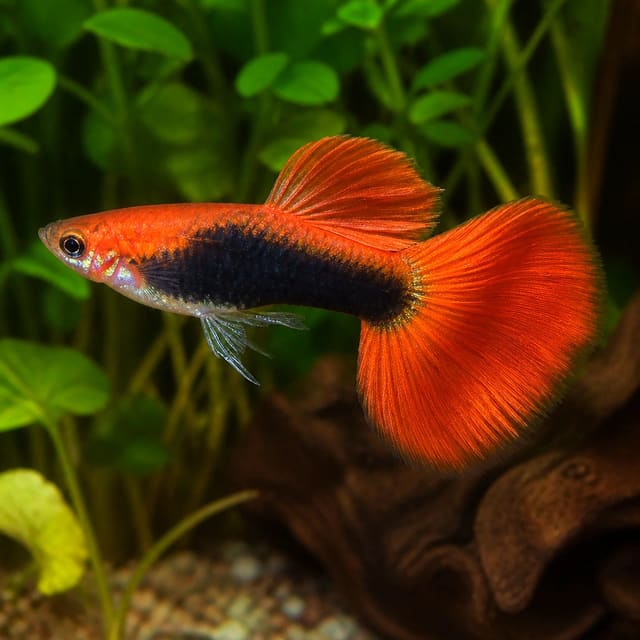
22–28°C · pH 7–8 · 41L

22–28°C · pH 7–8 · 41L
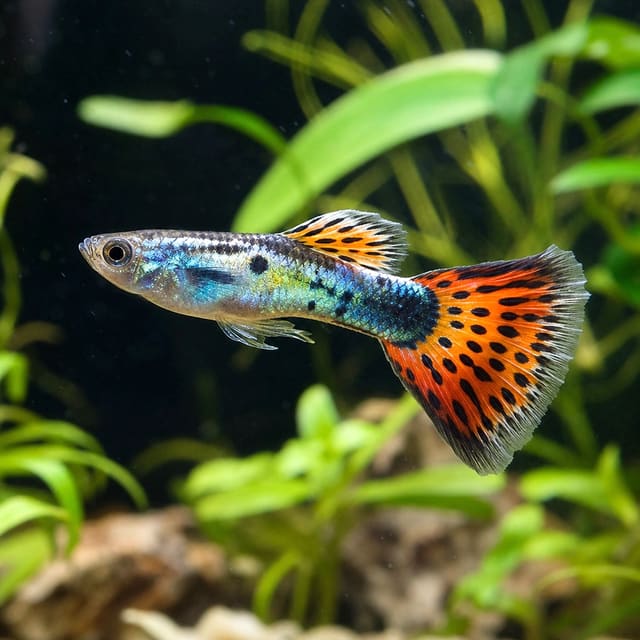
22–28°C · pH 7–8 · 41L

21–25°C · pH 5–7
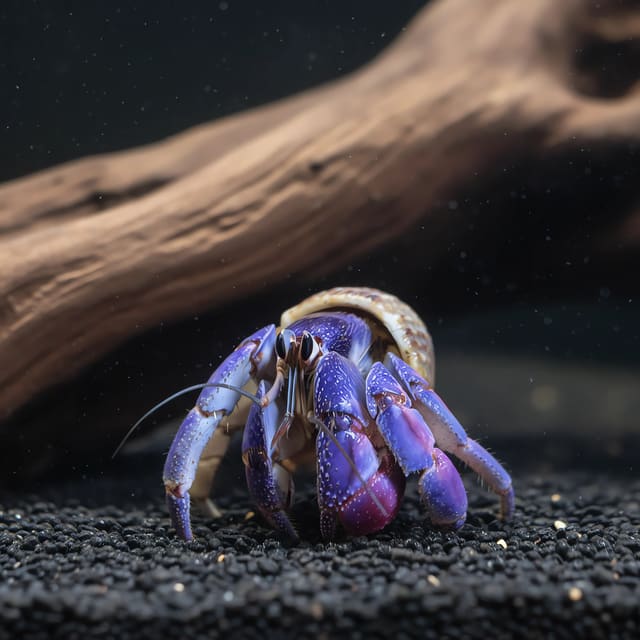
24–29°C

24–27°C · pH 6.5–6.5

22–27°C · pH 6–8 · 72L
24–27°C · pH 6.5–8 · 200L

23–27°C · pH 5.5–7 · 60L

22–27°C · pH 6–8

22–26°C · pH 6–7.8 · 75L