
Easy
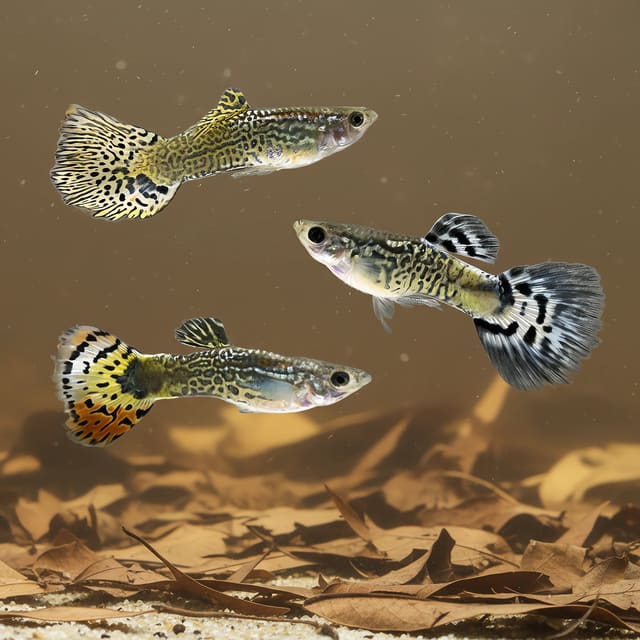
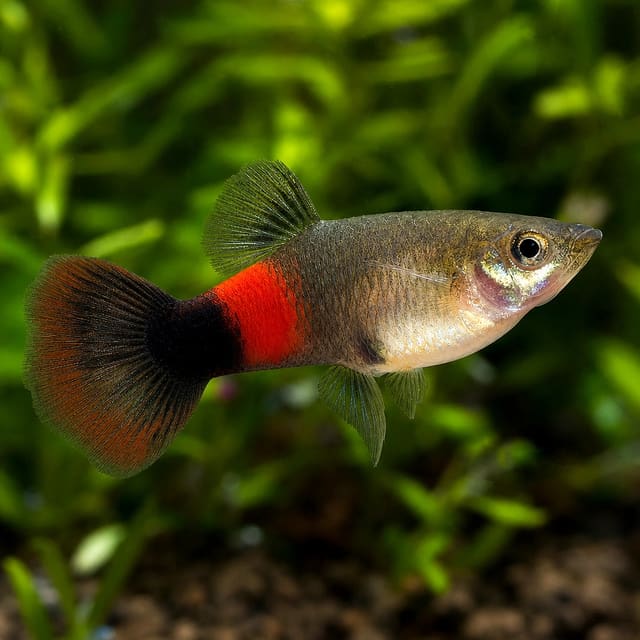
Male Cobra Mix Guppy (Poecilia reticulata)
22–28°C · pH 7–8 · 41L
£5.99

One male Cobra Multicolor Elephant Ear Guppy (Poecilia reticulata), supplied at approximately 3–4 cm. A social fancy guppy for a mature, filtered aquarium with stable mineral-bearing water, gentle flow and non-nipping companions.
Adult size is the maximum length this species reaches at full maturity (scientific sources). The livestock you receive will be younger and smaller — pick a size variant above for the actual shipping size. Product-photo provenance and any image-specific limitations are stated on the listing.
Poecilia reticulata
Save when buying multiple fish. Each quantity is one fish; sex and pair formation are not guaranteed unless the selected variant explicitly states them.
One male Cobra Multicolor Elephant Ear Guppy (Poecilia reticulata), supplied at approximately 3–4 cm. A social fancy guppy for a mature, filtered aquarium with stable mineral-bearing water, gentle flow and non-nipping companions.
Adult size is the maximum length this species reaches at full maturity (scientific sources). The livestock you receive will be younger and smaller — pick a size variant above for the actual shipping size. Product-photo provenance and any image-specific limitations are stated on the listing.
Guppies are social livebearers suited to a prepared beginner, not a fish-per-litre formula. Use a mature filtered aquarium, tested neutral-to-alkaline mineral-bearing water, deliberate sex and population planning, open swimming room, cover and a separation option.
Maintain these water conditions for optimal health and vibrant colors
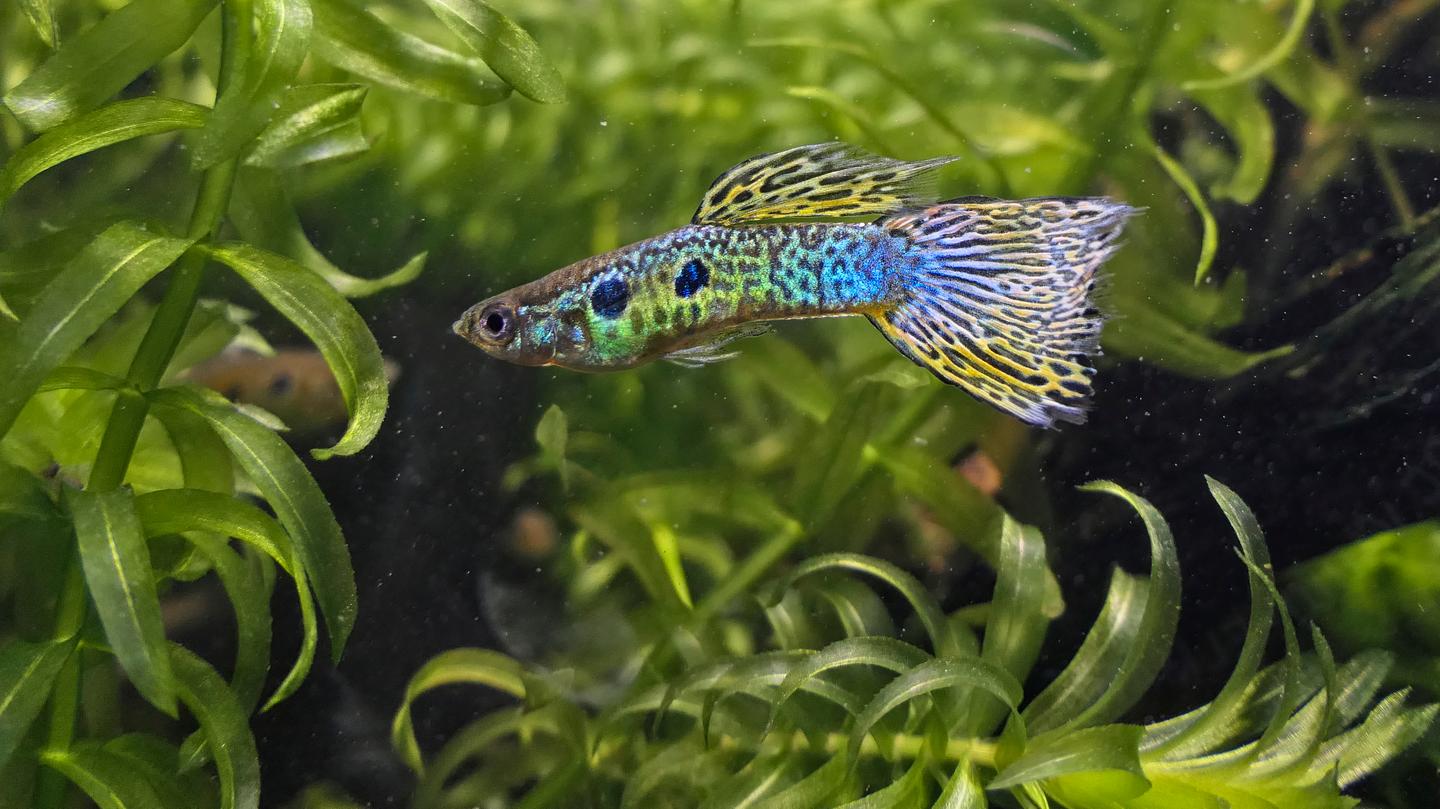
Male Cobra Multicolor Elephant Ear Guppy (Poecilia reticulata) is a male fancy guppy with patterned multicolour appearance and enlarged pectoral fins. Each purchase supplies one live male at an approximate dispatch size of 3–4 cm. Choose it for a mature, filtered aquarium with mineral-bearing water, a planned guppy group and companions that leave its ornamental fins alone.
This is a social freshwater fish rather than a solitary ornament. The striking fin shape makes good swimming space, gentle flow and careful companion selection particularly relevant. A fish that must struggle against a filter jet or hide from repeated nipping cannot make comfortable use of its aquarium, however attractive the display looks.
The species belongs to the family Poeciliidae. FishBase records its native range in Venezuela, Barbados, Trinidad, northern Brazil and the Guianas; populations introduced elsewhere are not evidence of the origin of this purchased male. The aquarium trade includes many selected colour and fin forms of the common guppy. Those names help describe appearance but do not define separate species.
Cobra is used for linked or snakeskin-like patterning, while Multicolor describes a combination of colours rather than a fixed palette. Elephant Ear refers to the paired pectoral fins immediately behind the gill area. It is commonly called Dumbo Ear in the trade and does not refer to the tail fin. These descriptors do not establish a particular breeder, pedigree or genetic inheritance pattern.
Expect living variation within the named form. Pattern placement, colour balance, body sheen and fin carriage can differ between males and change with development, lighting, condition and activity. Buy this form because you enjoy that combination of colour and enlarged pectorals, with room for individual variation in the animal you receive.
The listing explicitly sells a male. That commitment comes from the offer, rather than an inference from a photograph or a general rule that colourful guppies must be male. Domestic female guppies can also have coloured fins. This offer does not promise a precise age, fertility, breeding history or show standard.
FishBase records a maximum of 5 cm standard length for male or unsexed Poecilia reticulata. Standard length measures the fish without its tail fin. An ornamental male may therefore look longer than that figure and needs clear space for both tail movement and enlarged pectorals. Seriously Fish gives a broader species length of 6 cm standard length; it is not a male-specific size promise for this offer.
The dispatch band is a supplied-stock measurement, while the adult record describes biological size. Do not add an assumed tail length to either figure or treat them as interchangeable. Plan the permanent home for the adult social group before buying; a small fish should not need an unsuitable temporary container while its keeper assembles equipment.
Tropical Fish Co uses a conservative guppy starting plan of at least 60 cm aquarium length and a group of five or more where capacity and sex planning allow. OATA's combined guppy-and-molly care sheet recommends at least 45 litres for a small group of the smaller livebearers. These are planning screens rather than permission to fill a tank to a calculated maximum.
A suitable home has zero detectable ammonia and nitrite, stable temperature, tested hardness and enough horizontal space for fish to pass one another. Plants and smooth decor should provide visual breaks around open swimming water. A secure cover and gentle distributed flow complete the basic layout. Prepare a cycled separation option for illness or persistent social problems.
A prepared beginner can keep guppies successfully, but the preparation matters more than the label easy. If you have not yet matured a biological filter, use the first tropical aquarium guide before ordering livestock. If the existing community needs soft acidic water or contains persistent fin nippers, reconsider adding this male.
For a wider comparison of ornamental forms, browse the guppy collection. Compare the exact sex and form offered on each product, then make the social and adult stocking plan for your aquarium. Different colours can share species care, but appearance alone does not make any two fish a safe combination.
Before choosing this male, make three practical decisions: whether the water suits guppies, whether the aquarium can support the intended adult group, and whether its existing fish are safe around ornate fins. Those decisions are connected. A larger tank cannot compensate for incompatible water, while matching chemistry cannot protect a fish from a persistent nipper. Having a suitable filtered refuge gives you a response if the social plan changes. Once those essentials are in place, the patterned colour and unusual pectorals can be enjoyed as part of an active, varied display.
Sex is guaranteed only when the exact product or selected option explicitly states male or female. This Male Cobra Multicolor Elephant Ear Guppy listing is sold as male.
| A good fit | Reconsider first |
|---|---|
| Mature filtered aquarium, tested mineral-bearing water, a planned social group and gentle flow | Uncycled aquarium, incompatible soft acidic water, persistent fin nippers or no adult population plan |
OATA's combined guppy-and-molly sheet recommends at least 45 litres for a small group of the smaller guppy and molly species. FishBase gives a 60 cm minimum aquarium length and a group of five or more as aquarium context. Tropical Fish Co combines those references as a practical starting plan: around 45 litres with about 60 cm of swimming length for a small guppy group, using more space when other fish share the aquarium.
Forty-five litres is a starting point, not a stocking promise. A tall narrow tank, a tank crowded by rockwork or an immature aquarium may hold the same headline volume but offer less useful swimming room and less biological stability. Larger water volume usually changes temperature and chemistry more slowly and gives males more routes around one another.
Use a lid or secure cover around cables and filter gaps. Guppies explore the upper water and can leave an uncovered aquarium. Provide a cycled filter, a separate thermometer and enough surface movement for gas exchange without turning the tank into a strong-flow channel.
Measure the aquarium itself rather than relying only on the name printed on its packaging. Substrate, ornaments, equipment and the unfilled space above the water reduce actual water volume. Equally, a narrow tall tank can have a respectable litre figure while offering too little useful horizontal movement. The fish need to pass one another and move between feeding, resting and covered areas without squeezing through one crowded route.
Aquarium size also affects the choices available when something changes. Additional space can make it easier to redirect a filter outlet, create a refuge or divide attention between displaying males. It does not remove the need to act when a fish is repeatedly chased. Watch how the whole group uses the tank; persistent crowding at one end suggests a layout, flow or social problem that the nominal volume cannot explain by itself.
Set the filter and heater up before fish arrive and check them while the tank is running. Confirm that the filter can circulate water without forcing the guppies to fight a concentrated jet. Check the intake, cover gaps and any space behind equipment where a small fish could become trapped. Smooth, accessible furnishings are easier to inspect and maintain than a tightly packed display.
Biological filtration is essential. Fish release ammonia, and a working biological filter supports bacteria that convert it first to nitrite and then to nitrate. Both ammonia and nitrite are toxic. A tank with clear water can still be unready; repeated suitable test results matter more than how clean the glass looks or how many weeks the equipment has been switched on.
Add livestock gradually so the filter can respond to the increasing waste load. Ordering a complete collection at once can put pressure on a system that handled its previous residents well. Consider the adult group, any existing companions and the likely increase in feeding together. Do not use fish to prove that a new filter is ready.
OATA's guppy care range is 20-28°C, pH 7.0-8.0 and 8-18 dGH. FishBase gives a closely matching pH of 7.0-8.0, hardness of 9-19 dH and a wider species temperature envelope of 18-28°C. Tropical Fish Co's routine guppy display range is 22–28°C, inside those broader references. Use pH 7.0–8.0 and 9–18 dGH as a conservative overlap within the cited hardness guidance; these are aquarium planning values, not a demonstrated optimum for this colour form.
20-28°C OATA temperature 7.0-8.0 pH guidance 8-18 dGH OATA hardness 0 / 0 Ammonia / nitriteTest the source water before purchase. Guppies generally suit medium-hard to hard, neutral-to-alkaline water; persistently soft acidic water should not be treated as ideal just because a broad internet range says the species can survive it. The water-matcher tool helps compare your tested water with the reviewed range.
Keep ammonia and nitrite at zero. OATA advises nitrate no more than 20 mg/l above the normal tap-water level and recommends a weekly 25% partial water change as a general routine. Match the replacement water's temperature, use conditioner where required and avoid a large sudden pH or hardness shift.
Poecilia reticulata can occur in freshwater and brackish conditions, but tolerance is not a reason to add aquarium salt to every guppy tank. Keep this stock in stable freshwater unless a qualified diagnosis and the needs of every resident support a specific treatment.
A pH reading and a hardness reading answer different questions. A neutral or alkaline pH does not, by itself, tell you that enough dissolved minerals are present. Test the actual source water and aquarium water, and understand the units on the kit you use. Do not compare a value measured in parts per million with a value in degrees of hardness as though they were the same number.
For this guppy, the useful starting point is stable mineral-bearing water within the routine guidance, rather than an attempt to reproduce every environment in which wild guppies have been recorded. FishBase's environmental figures describe a wide-ranging species. Seriously Fish also supplies broad aquarium tolerances. Neither means that repeatedly moving a domestic fish between the ends of those ranges is good husbandry.
Before choosing tank mates, identify a comfortable overlap for the entire community. One species at the highest end of its range and another at the lowest end of its own range may have only a marginal match. If your tap water already suits guppies, consistent conditioned replacement water is usually easier to manage than frequent corrective additions. If it does not, obtain advice on a measured, sustainable plan before buying fish.
Use an independent aquarium thermometer to check the water rather than trusting the heater dial. Room temperature alone can be misleading, especially overnight or during seasonal changes. A thermostatically controlled heater is useful where the room cannot hold the aquarium in its appropriate range. Position equipment so it remains accessible for inspection and maintenance.
The water chemistry guide explains the main tests and their role in fish keeping. Keep a simple record of results and maintenance dates. A trend can show a developing issue more clearly than one isolated number, and it helps you explain the situation if you need advice. Do not make a sudden correction solely because a result differs slightly from yesterday.
Use planted edges, floating cover where it does not seal the surface, and open central swimming room. Fine-leaved plants and smooth wood break sightlines between displaying males and create resting and foraging areas. Keep rough rocks, sharp artificial plants and narrow gaps away from enlarged pectoral and tail fins.
OATA recommends plant cover, open space and a gentle current for small long-finned guppies. Aim the filter return so there is good oxygen exchange but also a calmer area where the fish can feed and rest. Guard filter intakes if fry or very small companions are present.
The Guppy Care Guide discusses 2025 enrichment research in which several behavioural and cortisol measures improved, but biting also increased under high enrichment. Plants and structure can help, but the actual social outcome must be observed rather than assuming that more decor always produces better welfare.
| Area | Useful design Avoid |
|---|---|
| Upper water | Open feeding space and a secure lid A sealed plant mat or uncovered cable gaps |
| Middle water | Clear swimming lane with broken sightlines A solid wall of decor that traps long fins |
| Planted edges | Fine leaves, smooth wood and retreat routes Sharp plastic foliage and abrasive ornaments |
| Filter return | Gentle distributed flow with surface movement A narrow jet the fish must fight continuously |
Leave more than one route through the planting. A sight break works best when a pursued male can move around it and rejoin the group, rather than entering a dead end. Watch the spaces beneath floating vegetation and behind the filter as well as the open front of the aquarium. Repeated hiding in a single inaccessible corner is a reason to investigate.
Choose furnishings for both appearance and function. Plants offer places to explore and interrupt direct lines of sight, while open water lets fish display and feed without constant contact with obstacles. Cover that blocks nearly all surface movement needs attention. The aim is a varied usable environment with oxygen exchange, rather than maximum planting density.
Check how the pectorals and tail move when the fish swims near the outlet. A long-finned male should be able to turn, hold position and reach food normally. If it is continuously swept aside, adjust the direction or distribution of the flow while maintaining circulation. A calm feeding area can be particularly useful when several fish compete for small food particles.
Guppies are social fish. OATA recommends at least three and, for a mixed-sex group, two females for each male to reduce persistent attention on females. FishBase provides a group-of-five-or-more context. Exact numbers still depend on aquarium size, filtration, sex ratio, individual behaviour and the other residents.
This product supplies a male. A planned male-only display avoids fry, but it does not guarantee a chase-free group. Male guppies display, investigate and sometimes pursue one another. Use more than one visual route, spread food across the group and watch for one fish being held behind equipment, excluded from food or left with damaged fins.
A mixed-sex group brings a different responsibility. Guppies are livebearers and breeding is highly likely. Females can store sperm and produce repeated broods after an earlier mating. Do not add a female merely to reduce male conflict unless the aquarium, stocking plan and rehoming capacity can support repeated young.
Keeping one male temporarily for observation or because an individual needs separation can be appropriate, but one fish per quantity should not be mistaken for ideal permanent isolation. Build the long-term group around welfare, not around the number that fits in one shopping basket.
Tropical Fish Co's five-or-more group policy is deliberately conservative, but it is not a magic welfare number. The correct plan also depends on the available aquarium, sex mix and behaviour. A group can meet a numerical recommendation while one member is excluded. Watch whether each fish reaches food, uses open water and rests without being repeatedly disturbed.
Short displays and occasional pursuit need to be distinguished from persistent harassment. A fish that is cornered, loses condition or shows damaged fins needs intervention. Rearranging sight breaks may help, but it should not replace safe separation when harm continues. Keep the separation aquarium biologically supported and suitable for the fish; an unfiltered bowl creates another problem.
A male-only group is a useful choice when you do not want new mixed-sex mating. It still requires observation, because males can direct attention towards one another. A mixed group needs enough females, suitable space and a plan for young. The OATA two-females-per-male advice reduces pressure on individuals but does not guarantee harmonious behaviour or a manageable population.
Before deliberately raising fry, consider where young will live as they grow, how their filter will be matured and who can responsibly rehome them. Adult predation is not a welfare plan for unwanted young. Cover that helps fry survive also increases the importance of population planning. Seek advice for the actual nursery rather than copying a fixed growth timetable.
Poecilia reticulata is omnivorous. OATA recommends a good-quality flake or granule with a high algae content, supplemented with small live or frozen foods such as daphnia, small bloodworm or tubifex. Fine brine shrimp and cyclops can also provide appropriately sized variety.
Use a complete food as the nutritional base rather than relying on rich treats. Offer an amount the group can finish promptly, watch that quieter fish eat, and remove leftovers. OATA's general guidance is one controlled daily feed; portion size, fish age, temperature, group condition and the product instructions should guide any adjustment.
Bright colour is not produced safely by overfeeding. Good genetics, balanced nutrition, stable water, low chronic stress and suitable lighting all affect appearance. Heavy feeding can increase waste faster than a small aquarium and filter can process it.
Choose food particles the guppies can take comfortably. A complete omnivore flake or fine granule provides a practical staple; suitable small live or frozen foods supply variety. OATA names daphnia, small bloodworm and tubifex among the options. Use aquarium foods from suitable sources and handle and store them according to the product directions rather than collecting material outdoors.
Observe the quieter fish as well as the males that arrive first. Scatter a measured portion across an accessible area so feeding does not depend on occupying one crowded spot beneath the outlet. If one fish repeatedly fails to eat, check social access, food size and health before simply adding more. Extra food can become waste without solving exclusion.
Remove uneaten food and review the portion if leftovers are routine. Fish age, food formulation, group condition and filtration all affect the practical feeding plan, so a general schedule should be adjusted thoughtfully. OATA's once-daily guidance is a useful broad starting reference, rather than a fixed rule for every fry nursery or individual situation.
The wild species feeds on material including small invertebrates and detritus. That ecological information helps explain an omnivorous diet, but it is not a recipe for introducing dirty water or decaying matter to the aquarium. The aim at home is balanced nutrition delivered without overwhelming the biological filter.
A healthy male should have clear eyes, steady breathing, active controlled swimming, an intact body surface and fins that are not clamped. Individual display level changes through the day, but sudden hiding, shimmying, surface gasping, repeated scratching, white spots, cotton-like growth, rapid breathing or loss of appetite needs investigation.
Start with measured water, not a guessed medicine. Check ammonia, nitrite, nitrate trend, temperature and recent maintenance. Inspect the tail and enlarged pectorals for splits, white edges and repeated bite damage. Fin deterioration can reflect water quality, abrasive decor or aggression rather than a disease that medication alone can solve.
Where practical, observe new livestock separately before adding it to an established community. Do not mix transport water into the aquarium and do not use preventive medication without a reason. If signs persist or multiple fish are affected, seek advice from an experienced aquatic retailer or fish-health professional.
OATA recommends a weekly partial water change of around 25% and regular testing, with replacement tap water treated for chlorine or chloramine. Use that as a broad maintenance starting point, then assess the actual aquarium's waste trend and stocking. A larger change or different frequency may be necessary when test results show a problem; seek advice if you cannot maintain safe conditions.
Use a siphon to remove accessible settled waste without dismantling the entire aquarium each time. Check that water still moves freely through the filter and that the intake is not blocked. If filter media needs cleaning, rinse it lightly in removed aquarium water. Washing biological media under tap water can damage the bacteria you rely on to process waste.
Check the fish before and after maintenance. An abrupt change in breathing, balance or activity gives information about the impact of what you have just done. Record the replacement water preparation, temperature and any equipment adjustment if a problem appears. Avoid combining several unnecessary changes at once, because that makes the cause harder to identify.
White spots, clamped fins, wounds, loss of balance and unusual breathing are warning signs rather than a diagnosis. Measure water quality immediately, check equipment and review recent arrivals, feeding and social behaviour. Photograph or record the signs clearly so an experienced adviser or fish vet can understand what has changed.
Quarantine should be a functioning aquarium with appropriate filtration, temperature and dedicated equipment. The MSD Veterinary Manual recommends at least 30 days' isolation, with longer periods where indicated. That is professional general guidance rather than a claim that a particular fish is free from disease after a calendar deadline. Use veterinary advice for persistent or severe problems.
Do not choose salt, heat or medication from a single symptom. The same visible problem can have several causes, and treatment can affect other residents or the filter. The OATA fish-vet directory provides a route to qualified UK advice. Follow lawful product instructions and veterinary direction rather than a dose copied from a sales page.
Have the aquarium running and tested before delivery. Check the heater, filter, cover and separation arrangements, and make sure someone can receive the parcel. Reduce bright aquarium lighting and organise clean equipment so the introduction can proceed calmly.
Follow the supplied arrival directions for the actual journey and livestock. The store's delivery policy advises floating the sealed bag for 20–30 minutes to equalise temperature and acclimatising slowly. Transfer the fish without pouring transport water into the aquarium. Avoid unnecessarily prolonging time in opened transport water and seek prompt advice if its condition causes concern.
Observe swimming, breathing, balance and fins quietly after introduction. Check that the newcomer can reach refuge without becoming trapped and that established males do not persistently pursue it. Continued gasping, poor balance or severe distress needs attention rather than an assumption that every problem is ordinary transport stress.
The delivery and Live Arrival Guarantee policy explains current packing, service and claim conditions. Fish are hand-bagged with oxygen and packed in an insulated box, with a heat pack when appropriate. The service uses a licensed live-animal courier and the confirmed delivery information is sent by email.
For an eligible arrival claim, someone must receive the parcel, open and inspect it the same day, and provide continuous unboxing video showing the sealed parcel, its opening and the fish still in the sealed bag. Contact Tropical Fish Co the same day with the order number and video. Keep these evidence steps distinct from the fish's care needs; prepare both before the box arrives.
The first compatibility check is water. Choose peaceful species that genuinely suit the same medium-hard to hard, neutral-to-alkaline water and do not need a very different temperature. The second check is behaviour: this Cobra guppy's enlarged pectorals and patterned tail are vulnerable to persistent fin nipping.
Other guppies are the most direct social companions when sex ratio and breeding are planned. Peaceful hard-water livebearers may work in a larger aquarium, but their adult size, activity and fry production add to stocking. Small calm community species can be considered only after checking their exact water range, adult mouth size, group requirement and feeding speed.
| Candidate | Default assessment Reason |
|---|---|
| Other male guppies | Often suitable with planning They meet the social need without fry, but display and chasing still require space and observation. |
| Female guppies | High planning requirement Use an appropriate female-to-male ratio and prepare for repeated breeding. |
| Peaceful hard-water livebearers | Possible in more space Water may overlap, but adult size, activity, fry and total bioload must be assessed. |
| Small peaceful community fish | Case by case Confirm hard-water tolerance, group size, feeding access and non-nipping behaviour. |
| Tiger barbs and known fin nippers | Avoid Repeated attention can split the tail and damage enlarged pectoral fins. |
| Large predatory fish | Avoid A 5 cm adult male can be swallowed or chronically intimidated. |
| Endlers in documented-line breeding projects | Avoid mixing P. reticulata and P. wingei can hybridise in captivity. |
Use the guppy care guide for a wider planning overview. Compatibility lists are shortlists, not guarantees; the keeper must still observe the actual fish and maintain a complete cycled separation option.
Seriously Fish lists other livebearers, rasboras, corydoras, small loricariids and tetras as potential companions in a quiet community. Those are starting categories, not a guarantee for every species within them. Check the exact animal's temperature, hardness, adult size, social requirement and feeding behaviour. Many fish sold under a familiar group name need different conditions from guppies.
Do not select a companion only because it occupies a different part of the tank. A bottom-feeding species still adds waste, needs its own food and uses horizontal space. A larger livebearer may share mineral-bearing water but require much more room. Both groups must fit comfortably as adults, with feeding access and refuge available to each.
Long-finned guppies need especially careful screening for nipping. Tiger barbs and serpae tetras are named fin-nipping risks in the species profile. An animal that repeatedly targets a tail or pectoral fin is unsuitable even if its water range matches. Predatory fish and those large enough to swallow the guppy should also be excluded.
A betta–guppy combination is not a sensible default. Display, territorial behaviour and long-fin interactions vary, and planting cannot guarantee safety. Small shrimp and their young may also be eaten. If protecting a shrimp breeding colony is the purpose of the aquarium, adding guppies can conflict with that aim.
Endler's livebearer is the separate species Poecilia wingei. The reviewed Guppy Care Guide explains that the two species can hybridise in captivity. For breeding programmes that retain documented guppy lines, house Poecilia reticulata and Poecilia wingei separately to avoid hybridisation, and do not represent hybrid offspring as pure examples of either species. Similar appearance is not proof that two trade labels mean the same animal.
Use the complete guppy care guide to work through the wider stocking plan. Observe the finished community after any addition: a combination that looked sensible beforehand still needs action if one fish is excluded, intimidated or damaged.
Do not keep this guppy with tiger barbs, serpae tetras or other fin-nipping species. Avoid large predatory fish and fish large enough to swallow it.
FishBase records 5 cm standard length for male or unsexed Poecilia reticulata. Standard length excludes the tail, so ornamental fins can make the fish look larger.
Plan a mature filtered aquarium at least 60 cm long. OATA gives 45 litres for a small group of smaller livebearers; the adult group, layout, sex plan and other residents can require more space.
Guppies are social. Tropical Fish Co recommends five or more where aquarium capacity and the sex plan allow. Watch feeding access and pursuit rather than treating the number as a guarantee.
It can suit a prepared beginner with a cycled filter, tested suitable water, a planned social group and time for maintenance. Ornamental fins require gentle flow and companions that do not nip.
Use a nutritionally complete omnivore flake or fine granule, with measured suitable live or frozen variety such as daphnia. Make sure every fish eats and remove leftovers.
The store's routine display range is 22–28°C. Use pH 7.0–8.0 and 9–18 dGH as a conservative overlap within the cited guidance, maintaining stable conditions suitable for all residents.
Guppies are usually peaceful, but males may display and chase. Persistent pursuit, hiding, missed feeding or damaged fins requires intervention and a safe separation option.
Quiet livebearers, rasboras, corydoras, small loricariids or tetras may be candidates only when the exact species shares suitable water, adult space and non-nipping behaviour. Avoid tiger barbs, serpae tetras and predators.
Tropical Fish Co hand-bags fish with oxygen, uses insulated packing and a licensed live-animal courier, and emails confirmed delivery information. Receive and inspect the parcel the same day; eligible claims need continuous sealed-parcel unboxing video and same-day contact under the delivery policy.
The species references and welfare guidance below serve different purposes. Biological records establish identity and reported size; specialist profiles discuss aquarium care; the Guppy Care Guide states Tropical Fish Co's conservative husbandry policy. Broad guidance should be read in its stated context rather than as a precise optimum for one ornamental form.
Ornamental names describe the sold form, while care follows the species and the actual needs of the aquarium. Published broad ranges do not replace observation of a living group. Keep measured water conditions, behaviour and maintenance records together when seeking advice.
Never release aquarium fish, fry or other aquarium life outdoors. Guppies have been introduced widely outside their native range and can create ecological risks. Rehome unwanted livestock responsibly and dispose of aquarium water and substrate so organisms cannot reach natural watercourses.
Max adult size is the length this species reaches at full maturity (from scientific sources). The livestock you receive will be younger and smaller — pick a size variant on the buy box for the actual shipping size. Product-photo provenance and any image-specific limitations are stated on the listing.
Always research specific species before adding them to your tank. Consider:
No reviews for this item yet. Bought one? Honest reviews only, good or bad.
What customers say about ordering from us
I have a small group of long finned mountain minnows. So was delighted to be able to order ten of this variety to increase the genetics in my tank . The ones I recieved are healthy but it’s to early to give a verdict on wether they are of a long finned type since they are small currently.
Gordon Walker · 23 Sept 2026
100% success travel and "installation". Pleased with quality of purchase. The Siamese fighter a bit "shy" so have not yet seen him at his best yet but looking good. Happy customer. GG
George E Garratt · 21 Sept 2026
Reviews of our shop, collected by Judge.me, an independent third-party review collector. Newest first.
22–28°C · pH 7–8 · 41L
24–28°C · pH 6.8–8

22–28°C · pH 7–8
22–28°C · pH 6.8–8.5 · 40L
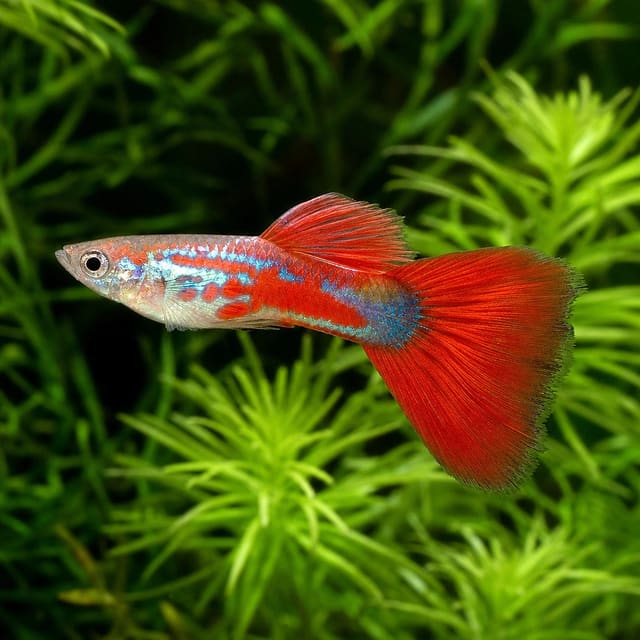
22–28°C · pH 7–8 · 41L
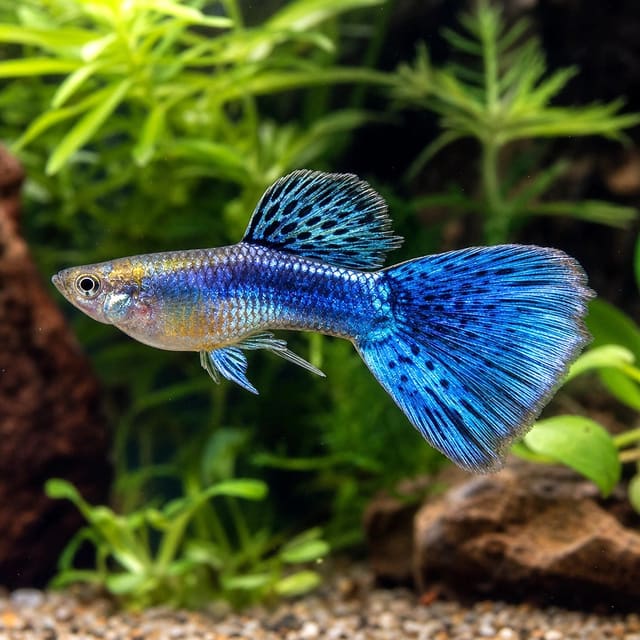
22–28°C · pH 7–8
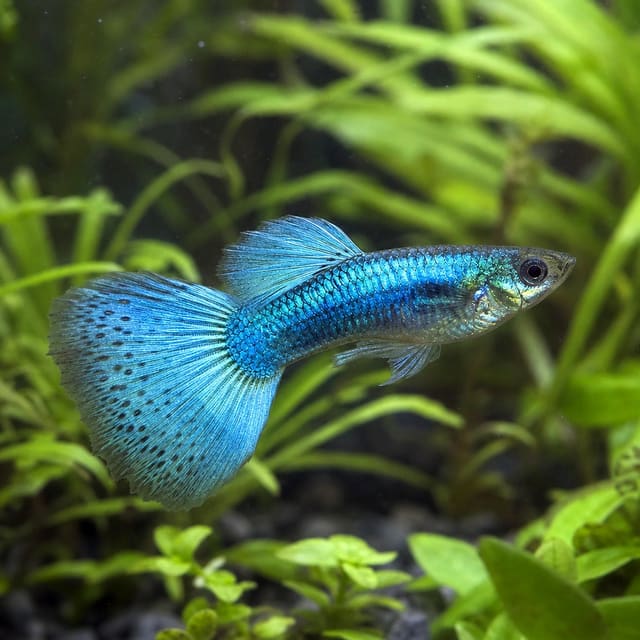
22–28°C · pH 7–8 · 41L

22–28°C · pH 7–8 · 41L

22–28°C · pH 7–8

22–28°C · pH 7–8 · 41L
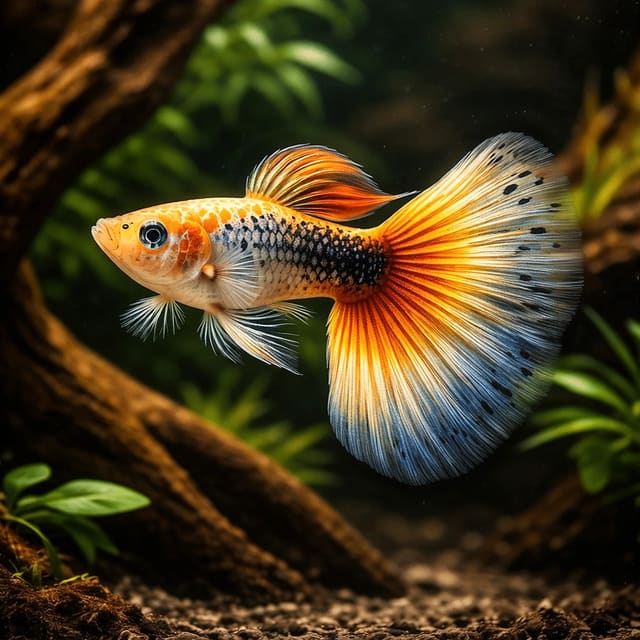
22–28°C · pH 7–8
22–28°C · pH 7–8 · 41L

22–28°C · pH 7–8 · 41L
22–28°C · pH 7–8 · 41L

22–28°C · pH 7–8 · 41L
22–28°C · pH 7–8

21–25°C · pH 5–7
24–29°C

24–27°C · pH 6.5–6.5

22–27°C · pH 6–8 · 72L
24–27°C · pH 6.5–8 · 200L

23–27°C · pH 5.5–7 · 60L

22–27°C · pH 6–8

22–26°C · pH 6–7.8 · 75L