Moderate
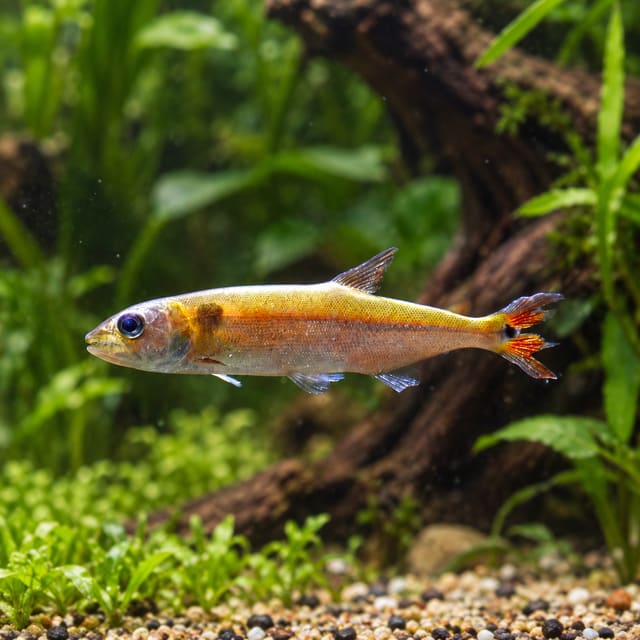
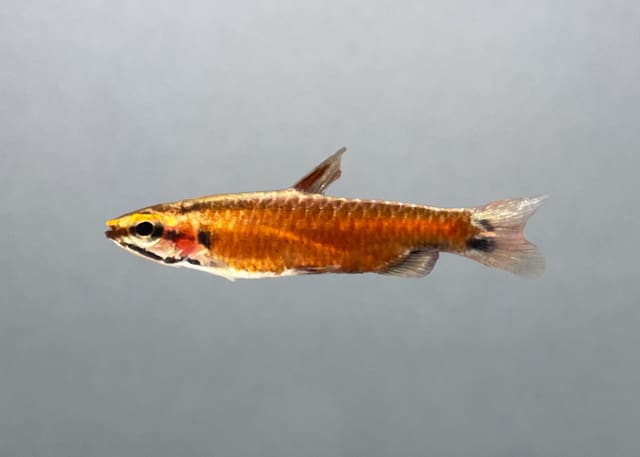
Red Pencilfish (Nannostomus sp.)
22–27°C · pH 6.5–8
£67.99

Six Cochu’s blue tetras (Boehlkea fredcochui) for a mature, filtered aquarium with room to swim and places to shelter. This is a social group, not a sex-selected offer; FishBase records the species at up to 5.4 cm total length.
Adult size is the maximum length this species reaches at full maturity (scientific sources). The livestock you receive will be younger and smaller. Product-photo provenance and any image-specific limitations are stated on the listing.
Boehlkea fredcochui
Six Cochu’s blue tetras (Boehlkea fredcochui) for a mature, filtered aquarium with room to swim and places to shelter. This is a social group, not a sex-selected offer; FishBase records the species at up to 5.4 cm total length.
Adult size is the maximum length this species reaches at full maturity (scientific sources). The livestock you receive will be younger and smaller. Product-photo provenance and any image-specific limitations are stated on the listing.
Maintain these water conditions for optimal health and vibrant colors
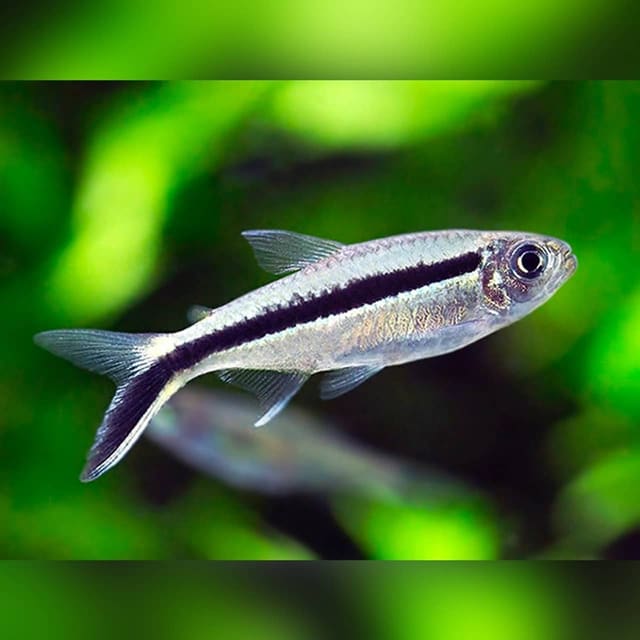
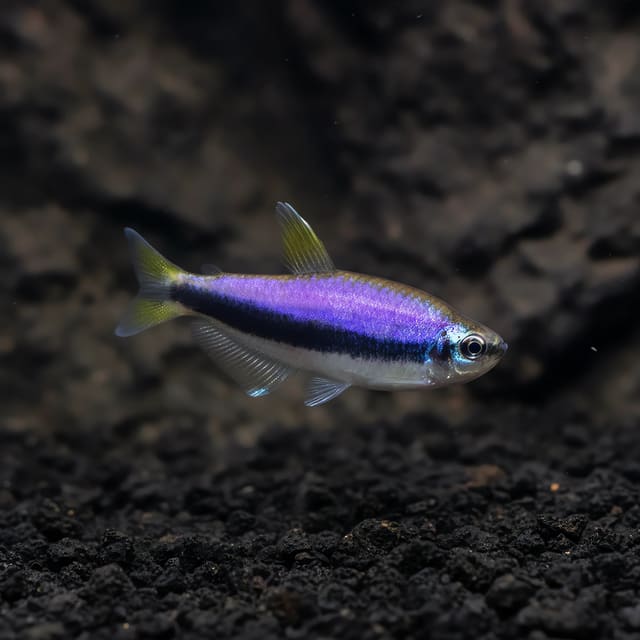
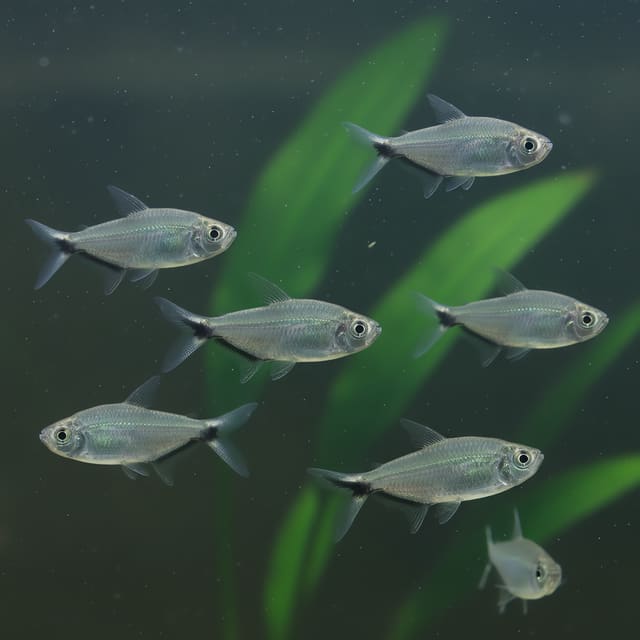
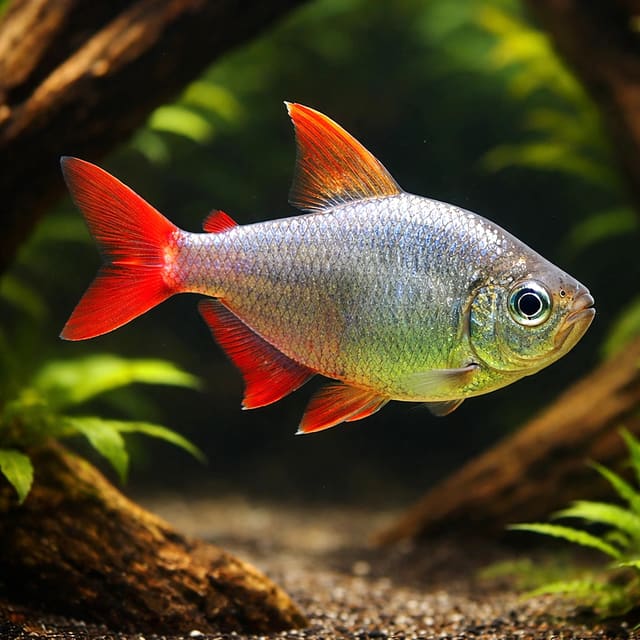
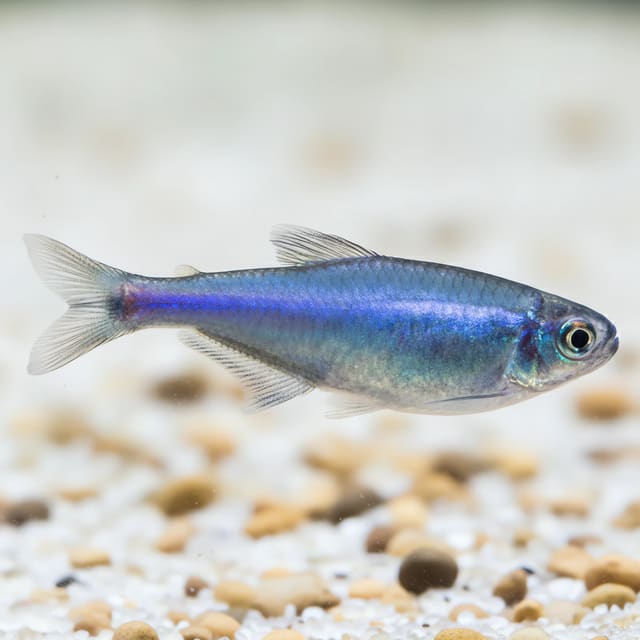
Cochu’s blue tetra (Boehlkea fredcochui) is a small, active freshwater fish with a blue to blue-silver sheen. One purchase supplies six live Cochu’s blue tetras, giving you a group of their own kind from the outset. Sex is guaranteed only when the selected option explicitly states male or female. This 6 × Cochu’s Blue Tetras listing has no sex-guaranteed option. The gallery shows one fish, so it does not show all six animals you will receive or establish the appearance of each individual.
These tetras suit a keeper who can offer a mature, filtered tropical aquarium with space for an active group, some shelter and compatible water. A planted layout can give them cover without filling the whole swimming area. Their reflective colour and movement are appealing, but live fish vary and there is no promise that every individual will look identical or move as one tight formation. Think of the six-fish offer as a way to start with an appropriate social group, while still planning the aquarium around the needs of six adult fish rather than six small arrivals.
FishBase records a maximum of 5.4 cm total length for the species. That is a recorded maximum, not the length of every fish supplied. Your fish may be smaller than the recorded adult maximum, and individual lengths on arrival can vary. Leave enough room for growth. If you are deciding whether your current aquarium can take another group, count existing fish and their adult sizes as well as this purchase. Space that looks generous around six new fish can become crowded as all of the residents grow.
The most useful checks are straightforward: Is the aquarium mature, is its biological filter working, and do your measured water values make sense for this species and its present tank mates? Have you left open room to swim alongside cover? Can the aquarium accommodate six more adult fish without crowding? These questions matter more than any promise of a particular shade of blue or a rigid schooling pattern.
For a first aquarium, read the first tropical tank guide while the filter matures. A fish should be added after the tank is ready, rather than using a fixed number of weeks on a calendar as the test of readiness.
The fish in this six-fish offer are Boehlkea fredcochui; FishBase records the same scientific name. FishBase gives “Cochu’s blue tetra” as its common name and places the species in Stevardiidae, within the order Characiformes. Some older aquarium writing uses a different family placement or other blue-tetra trade names; the scientific name is the clearer way to identify the animal in this offer. Its natural range is the Amazon River basin. That broad location does not justify saying that every fish originated in Peru, or that a shop aquarium must reproduce one precise wild stream.
The body can show an iridescent blue line or sheen as light and the fish’s angle change. It is a lively fish to watch in open water, particularly when a group can move between swimming space and shelter. Appearance is not an aquarium health test on its own. A recently transported fish may look different from one that has settled; if a change persists, check behaviour, feeding and water quality together. The best reason to choose this pack is that it combines a visually distinctive species with six individuals in one purchase. It still asks for the ordinary work of maintaining a stable tropical aquarium.
This guide uses species records for identity and recorded size, and broad tetra care guidance for practical aquarium planning. Neither turns a wild environmental range into a guaranteed captive optimum. The following sections show how to use those numbers without treating them as a shortcut around testing or observing your fish.
A group of six needs more than a tank that merely holds six fish by volume. Look at the usable swimming length and what is already occupying it. OATA’s general tetra guide suggests at least 80 litres for a small shoal of larger tetras, defined there as species of about 5 cm or more. Since FishBase records this fish at up to 5.4 cm total length, 80 litres is a sensible group-level planning reference to discuss with a retailer. It is not a species-tested minimum and it does not automatically fit six fish alongside a full community. A more spacious aquarium gives you more flexibility when other residents share the same swimming level.
Build a route through the tank rather than a solid thicket from glass to glass. Plants or other suitable cover at the sides and back can provide places to withdraw; an open area lets the group swim without weaving through decor at every turn. Sand or aquarium gravel is suitable as a base under OATA’s broad guidance. Use live plants if they fit your setup, or safe artificial cover and ornaments if they do not. A dark substrate can be a visual preference, but there is no need to claim it will make the fish healthier or force stronger colour.
When you assess an aquarium, picture the fish at adult size and include every resident’s territory and feeding space. Two shoaling species each need their own adequate group. Putting them together does not turn twelve assorted individuals into one social unit. Avoid using a litre number as an excuse to add more fish than the filter and available space can support. If the six would be the first group in a newly mature aquarium, introduce livestock gradually and watch the water tests rather than treating all six plus several other species as one stocking event.
FishBase lists the species in tropical freshwater at 22–26°C, pH 6.0–8.0 and 5–12 dH. Those are values associated with the species record. They help rule out clearly unsuitable plans, but do not establish that the extreme of each range is an ideal everyday target. OATA’s tetra and pencilfish sheet offers a broader group-level aquarium guide: 22–27°C, pH 6.5–8.0 and 4–12°dH general hardness. The two sources have different purposes. Where they overlap, a stable, tested aquarium is more useful than adjusting water repeatedly to chase a single supposedly perfect number.
Check the water you actually have, including temperature, pH and hardness, before ordering. Consider the requirements of existing fish too. A setting that falls within one source span for Cochu’s blue tetra may be inappropriate for another animal already in the tank, and an apparently acceptable pH tells you little about ammonia or nitrite. Use the water chemistry guide for what the common tests measure. The water matcher can help compare your measurements with stated guidance, but it does not replace a judgment about the whole aquarium.
OATA advises zero measurable ammonia and nitrite for a stocked aquarium. Its nitrate advice is phrased against the level in normal tap water, rather than as a species-specific number. Measure the source water when interpreting a result, keep records, and respond to a worsening trend before fish show obvious distress. Treat replacement tap water to remove chlorine or chloramine and avoid abrupt changes. The filter, stocking load, feeding and maintenance routine all influence stability. A broad range in a reference page does not make sudden swings harmless.
Fish release waste that becomes ammonia. A functioning biological filter supports bacteria that convert ammonia first to nitrite and then to nitrate. Both ammonia and nitrite are harmful if allowed to rise. This is why a fish tank cannot be judged ready simply because the water looks clear or has run for a particular number of days. The RSPCA stresses a well set up, maintained filter for aquarium fish; OATA likewise calls a filter essential for tetras.
Before adding this six-fish group, confirm that the aquarium has matured and that ammonia and nitrite test at zero. Check those values again as the biological load changes after stocking. If several fish have already been added recently, allow time for the filter to cope with that load before making another addition. A gradual stocking plan gives you a chance to see whether the tank remains stable. It also allows you to notice changes in existing fish rather than trying to interpret several changes at once.
Choose filtration that keeps the water clean while leaving usable swimming space. OATA’s broad guide mentions a gentle current for smaller tetras; it is reasonable to avoid making every part of the aquarium a strong flow channel. There is no verified need here for one special filter type or a numerical turnover target. What matters is that the filter runs reliably, its biological media stays active, and the fish can move and rest without constantly battling current.
During maintenance, inspect the filter for obstruction. OATA recommends lightly rinsing dirty filter media in water removed from the aquarium, rather than under the tap, to protect the established bacteria. Do not replace every medium at once without understanding what that will do to the biological filter. If the water tests worsen after cleaning, stocking or a power interruption, reassess the tank promptly. The practical aim is a consistently functioning system, not a one-off “cycled” badge.
A planted aquarium can suit this species well, provided the plants do not consume every available swimming area. Arrange rooted or floating cover so the fish can move out of view when disturbed and return to open water. OATA’s general tetra advice supports both shelter and swimming space. An aquarium with artificial plants and suitable ornaments can provide cover too; there is no obligation to build a strict geographic display. Whatever you use, leave a clear path for a small active group and keep access for cleaning.
When placing hardscape, think about where a fish can retreat and whether food reaches all six. Dense objects may look attractive from the front but hide uneaten food and make observation difficult. Open water makes it easier to notice whether the group is feeding and moving normally. Cover at the sides can give fish choices without placing them in a bare, exposed box. Adjust the layout gradually if the animals seem reluctant to use the tank; a single day of hiding after a change is not proof that the decor is wrong.
Substrate colour, exact plant species and an “Amazon” aesthetic are personal choices. A fixed lighting timetable or dark substrate is not necessary to care for this group. Choose lighting for the plants and overall aquarium, then observe the animals. Keep any equipment and decor safe for fish and maintain a balance between display goals and practical space. A restrained layout is often easier to keep clean and easier for a keeper to monitor than one built around a colour-enhancement promise.
OATA describes tetras generally as omnivorous aquarium fish. It recommends a good-quality flake or granule as a staple and suitable small live or frozen foods, such as daphnia or small bloodworm, as variety. That is practical group-level feeding guidance, not proof of the precise wild diet of Boehlkea fredcochui. Choose pieces small enough for these fish to take and watch whether food reaches all six. A large portion grabbed by the first few fish is not evidence that the group has eaten evenly.
OATA’s general feeding guide is a modest meal once a day, only as much as the fish can eat within a few minutes. Start conservatively and adjust by observation and water quality. Remove obvious leftovers rather than letting them break down. An occasional suitable frozen or live food can add variety, but there is no supported requirement to feed it on a fixed number of days each week. Nor is there evidence here that a particular supplement guarantees brighter blue colour, improved breeding or resistance to illness.
If a fish hangs back at feeding, watch more than one meal. Consider whether faster tank mates take everything, whether the food size is suitable, and whether the group has places to move without being chased. A reduced appetite alongside abnormal swimming, breathing or colour is a reason to check water promptly and seek informed advice. Avoid assuming one symptom points to one disease or buying medication on that basis. Often the first useful information is what the test kit says and what changed recently in feeding, maintenance or stocking.
Overfeeding is a common way to make a good aquarium unstable. Uneaten food decomposes into waste, adding pressure to the filter. Small fish do not need a dramatic cloud of food to prove they are being cared for. A simple varied routine, measured portions and regular observation are more valuable than an elaborate feeding timetable copied from another species.
OATA recommends a partial water change of about 25% at least weekly for tetras and pencilfish, with regular testing for ammonia and nitrite. Treat new tap water with a conditioner that removes chlorine or chloramine before it enters the aquarium. Use the change to remove settled waste from accessible substrate and check that the filter is flowing normally. The same care sheet cautions against cleaning biological filter media under the tap, because the disinfectant can harm the bacteria you rely on.
Those actions are a starting routine rather than a promise that one exact percentage keeps every stocking level safe. A heavily stocked tank or a tank with a changing filter load may need closer attention. Conversely, a single reading is more useful when you know the recent pattern. Keep a simple record of temperature, ammonia, nitrite, nitrate and any persistent change in feeding or behaviour. This helps you distinguish a sudden problem from a fish that has always spent more time near cover than its neighbours.
Watch for changes OATA highlights in aquarium fish: unusual swimming, prolonged hiding, altered colour, damaged fins or scales, changed breathing or loss of interest in food. These are signs to investigate, not diagnoses. Start with the measurable basics and recent changes, then ask a knowledgeable aquatic retailer or appropriate professional if you remain concerned. Do not assume that all six animals will show exactly the same behaviour every day, and do not rely on colour alone as a health verdict.
A predictable maintenance routine benefits the whole community, not just the blue tetras. It also makes it easier to decide whether another group of fish would genuinely fit. When water quality is already hard to keep stable, adding livestock to create a fuller display makes the original problem more difficult.
Have the prepared aquarium ready and arrange to receive live fish in person. Tropical Fish Co’s current delivery and Live Arrival Guarantee policy explains its insulated packing, weather-dependent heat pack, tracking and licensed live-animal courier. Check that page for current delivery arrangements and claim conditions rather than relying on a fixed day or a promise in an evergreen care guide.
When the parcel arrives, inspect it promptly. The store’s current guidance says to float the sealed fish bag for 20–30 minutes before release and not to pour transport water into the aquarium. Keep the process calm and ensure the tank water is suitable before introducing the fish. The policy also explains the evidence needed if anything arrives wrong: contact the store on the day with the order number and a continuous unboxing video showing the sealed parcel being opened and the fish still in the bag. That video is for a Live Arrival Guarantee claim; it is separate from the everyday steps of caring for the animals.
After introduction, observe the whole group without expecting immediate full colour or constant close formation. Movement and appearance can change after transport. Look for eating, normal swimming and any persistent abnormal behaviour, while also testing the aquarium. Do not try to “fix” a pale fish by suddenly changing pH or adding medication. If one animal behaves differently, collect the useful facts first: measured water, timing, food taken, and whether tank mates interfere with it.
Because this offer is six fish at once, the new biological load matters. Continue testing after they are added and avoid stacking several further purchases immediately on top of this one. A gradual plan protects both the newcomers and the residents already established in the tank.
Tetras are generally social fish. OATA advises at least five together and notes that more can be better; this pack supplies six of the same species in one purchase. In a suitable aquarium, you may see the fish moving near one another, spreading out to feed or returning towards cover. A group does not need to form a perfect, permanent formation to be behaving normally. Conversely, buying six does not compensate for cramped space, unstable water or incompatible residents.
Use the group as an observational advantage. When you know how six fish usually swim and feed in your own aquarium, it is easier to notice a lasting change in one. Check whether a fish is simply taking a sheltered position for a while or is repeatedly failing to eat, struggling to swim or being harassed. Compare changes over time rather than reading one moment as a diagnosis. OATA’s welfare guidance lists swimming, feeding, breathing, colour and physical condition as useful things to watch.
The blue sheen can look stronger or weaker with angle, lighting and the individual fish. One photograph cannot predict the look of six moving animals. It is reasonable to choose this species for that visual effect, but keep the aquarium plan anchored in welfare. Provide room to move, a mature filter and places to withdraw. Those conditions are tangible and measurable; a promise of a permanently vivid or tightly schooling display is not.
Cochu’s blue tetras are best considered as one social group within the whole aquarium. OATA’s broad guidance says tetras and pencilfish generally mix best with fish of similar size and temperament, while noting that species differ. For this group, first ask whether potential companions need overlapping water conditions, whether they will still be suitably sized as adults, and whether there is enough room for both groups to swim and feed. A shared “peaceful” label on two shop pages does not settle those questions.
Fish large enough to eat small tetras are an obvious poor choice. Boisterous species can also dominate food or the space the six need. Fish with long, delicate fins call for care when combined with active groups; an individual tank’s behaviour matters more than a blanket promise that all tetras are safe with all long-finned fish. If you already keep a fish that is territorial, slow to feed or easily disturbed, evaluate that existing animal before adding six active newcomers. No named alternative product in a shop catalogue is automatically a tank mate.
With other small shoalers, remember that each species needs its own adequate social group. Extra fish also mean extra waste. The 80-litre figure in OATA’s guide concerns a small shoal of larger tetras generally, not a mixed display containing several complete shoals. Plan a larger aquarium where the combined adult sizes and behaviour call for it. If an existing tank seems just large enough for one group, the six Cochu’s blue tetras may be the group that fills that role.
A compatibility decision is conditional. Consider four things together: adult size, temperament, water requirements and usable tank space. A small peaceful fish could still be a poor fit if it needs very different water or would be outcompeted at feeding. A bigger fish might look placid when young and later be capable of eating a tetra. Do the comparison for the actual aquarium rather than a generic species list.
| Potential companion | Question to resolve |
|---|---|
| Other small, peaceful fish | Do adult size, water and activity fit, and can each social species have its own group? |
| Large or predatory fish | Could an adult swallow or intimidate a small tetra? If so, avoid the pairing. |
| Boisterous or long-finned fish | Could activity, competition or fin contact make either fish unsuitable? |
| Shrimp and other small invertebrates | Are they vulnerable to a fish’s feeding behaviour, and do their water needs match? |
It is tempting to use a familiar name such as guppy or betta as a shortcut. This guide has no verified species-by-species pairing trial for those animals and these six fish. With long-finned fish, assess fin safety and the particular individuals. With shrimp, do not assume adults and tiny young carry the same risk; a small animal that fits a fish’s mouth may be eaten. A cautious keeper will research both sides and be prepared to choose a different plan if the risks do not fit the tank.
Before confirming the addition, write down the present livestock and each species’ adult size, social needs and water requirements. Then add six Cochu’s blue tetras to that plan. Check whether the filter is already supporting the current population, whether there is open swimming space after planting and hardscape, and whether the fish will compete in one narrow feeding area. This practical inventory is more reliable than matching a list of supposedly compatible names.
Observe the aquarium after introduction. Sharing water without obvious fighting is only part of compatibility; every fish also needs to feed, use space and show ordinary behaviour. If a tank mate monopolises food or repeatedly drives these tetras into cover, reassess the pairing and environment. Likewise, if existing slower fish become withdrawn, do not assume that the newer group must be “peaceful” simply because the species is usually described that way. Individual behaviour and the size of the particular tank matter.
Keep the six together as their own-species group. Adding one blue tetra to a collection of other coloured tetras would not serve the same purpose as this pack. If you cannot house a group of six appropriately, wait until the aquarium plan changes. This is a better decision than relying on a rigid minimum-tank number or an unconditional tank-mate chart.
FishBase records up to 5.4 cm total length for Boehlkea fredcochui. That is a recorded maximum, not the measured size of every fish on arrival.
OATA suggests at least 80 litres as a broad guide for a small shoal of larger tetras around 5 cm or more. It is not a proven species minimum; allow more space when other fish share the aquarium.
Tetras are generally social, and OATA recommends at least five together. This purchase supplies six of the same species, but the tank must still have room for the whole group.
A prepared, mature aquarium and routine testing matter more than a simple difficulty label. Check your water, space and existing livestock before choosing this active group.
OATA’s general tetra advice supports a good-quality small flake or granule as a staple, with suitable small live or frozen foods for variety. Feed modestly and remove leftovers.
FishBase reports 22–26°C, pH 6.0–8.0 and 5–12 dH for the species. These recorded environmental values are not a universal captive optimum; keep conditions stable and check the needs of all tank residents.
OATA describes tetras broadly as generally peaceful but notes exceptions. Give these six adequate room, and assess active or long-finned companions individually rather than assuming a pairing is safe.
Consider fish of similar adult size and temperament with compatible water needs, while giving every social species its own group and enough space. Avoid fish large enough to eat small tetras.
Tropical Fish Co’s current delivery policy describes insulated packing, a weather-dependent heat pack, tracking and a licensed live-animal courier. Arrange to receive the parcel and follow the current delivery and Live Arrival Guarantee guidance.
For the species identity, natural range and recorded environmental values, see FishBase’s Cochu’s blue tetra record. For general aquarium planning, group care, feeding and maintenance, read OATA’s tetra and pencilfish care sheet. The RSPCA’s aquarium environment advice explains why functioning filtration and water quality matter. These sources address different questions: a recorded range is not a promise of an ideal setting for every community tank.
No reviews for this item yet. Bought one? Honest reviews only, good or bad.
What customers say about ordering from us
I have a small group of long finned mountain minnows. So was delighted to be able to order ten of this variety to increase the genetics in my tank . The ones I recieved are healthy but it’s to early to give a verdict on wether they are of a long finned type since they are small currently.
Gordon Walker · 23 Sept 2026
100% success travel and "installation". Pleased with quality of purchase. The Siamese fighter a bit "shy" so have not yet seen him at his best yet but looking good. Happy customer. GG
George E Garratt · 21 Sept 2026
Reviews of our shop, collected by Judge.me, an independent third-party review collector. Newest first.