Moderate
Neon Tetra (Paracheirodon innesi)
21–25°C · pH 5–7
£2.99

The Cochus Blue Tetra (Boehlkea fredcochui) is an Amazon Basin freshwater characin that reaches 5.4 cm. It suits filtered tropical aquariums; OATA’s tetra guidance says keep at least five, and the FishBase–OATA overlap is 22–26°C, pH 6.5–8.0 and 5–12°dH. Sold individually in 2 cm, 3 cm and over 4 cm sizes.
Adult size is the maximum length this species reaches at full maturity (scientific sources). The livestock you receive will be younger and smaller — pick a size above for the actual shipping size. Product-photo provenance and any image-specific limitations are stated on the listing.
Boehlkea fredcochui
Shoaling fish: kept in a group they feel safer, stay calmer and show their best colour.
Minimum of 2 per order.
The Cochus Blue Tetra (Boehlkea fredcochui) is an Amazon Basin freshwater characin that reaches 5.4 cm. It suits filtered tropical aquariums; OATA’s tetra guidance says keep at least five, and the FishBase–OATA overlap is 22–26°C, pH 6.5–8.0 and 5–12°dH. Sold individually in 2 cm, 3 cm and over 4 cm sizes.
Adult size is the maximum length this species reaches at full maturity (scientific sources). The livestock you receive will be younger and smaller — pick a size above for the actual shipping size. Product-photo provenance and any image-specific limitations are stated on the listing.
Maintain these water conditions for optimal health and vibrant colors
Cochus Blue Tetra is the trade name used here for Boehlkea fredcochui, a freshwater characin from South America. A natural-history summary of Cochu’s blue tetra places its range in the Amazon Basin and notes that it is commonly kept in aquariums. That geographical background describes the animal’s natural history rather than setting aquarium water targets.
FishBase records Boehlkea fredcochui in the family Stevardiidae, with a benthopelagic freshwater environment and a maximum of 5.4 cm total length for male or unsexed fish. The maximum is the decisive size for planning space: it is not an average, but it gives a sensible upper figure around which to arrange the aquarium and screen possible companions. FishBase also assesses the species as Least Concern.
This is a shoaling tetra rather than a fish to plan around as a single specimen. It suits a keeper who can maintain a properly filtered aquarium, reserve open swimming space, keep a same-species group and follow a weekly water-care routine. The important decision is therefore not simply whether one small fish fits: it is whether the aquarium can support the whole intended group at adult size alongside every other resident.
For comparisons with other members of this familiar aquarium group, browse our current tetras collection. Compare adult size, water needs, social requirements and temperament independently rather than treating every tetra as interchangeable.
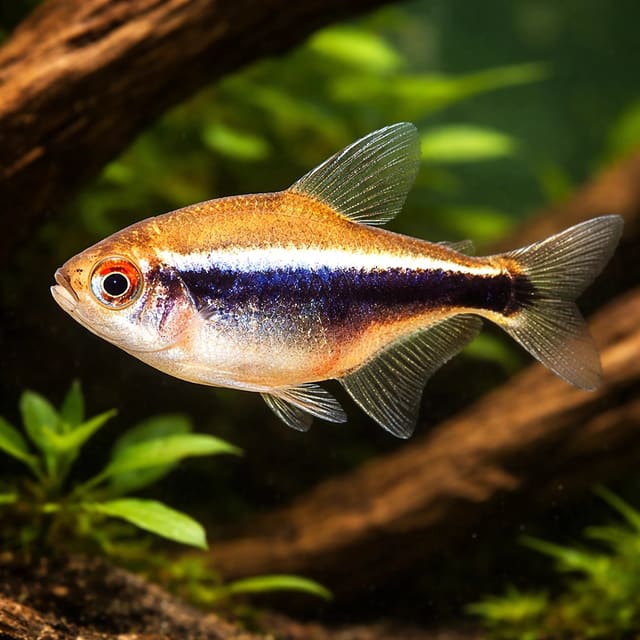
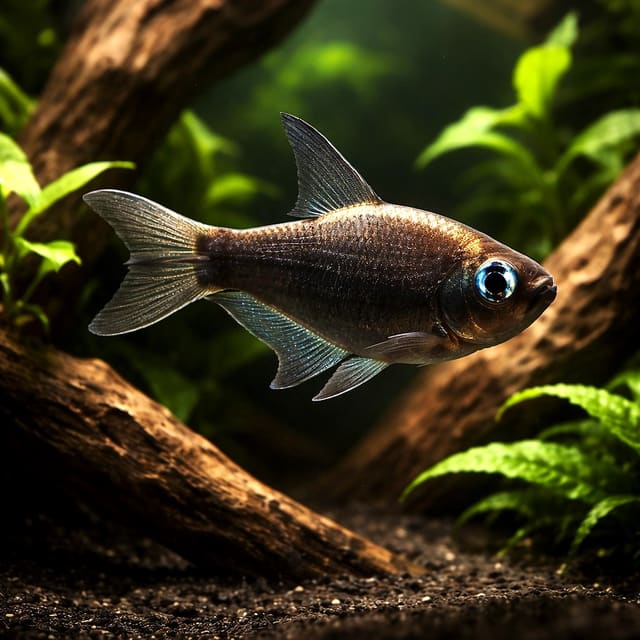
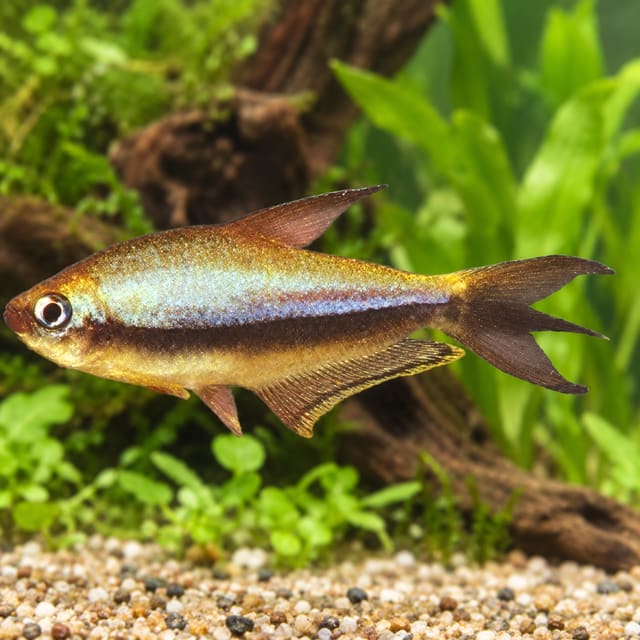
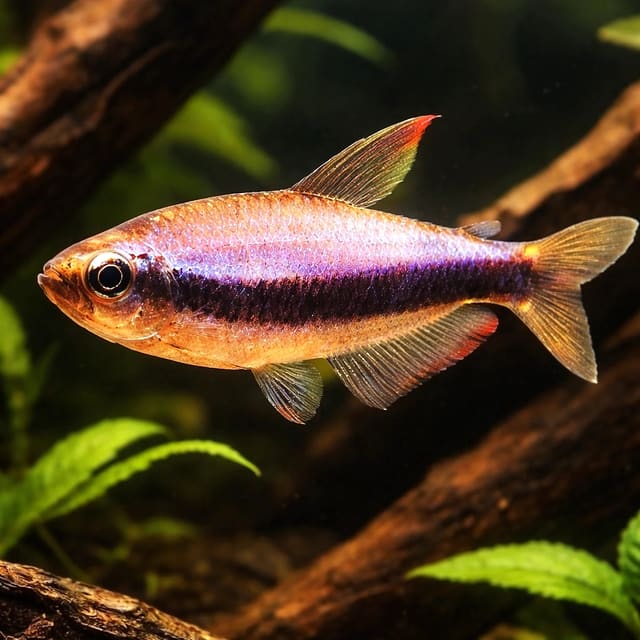
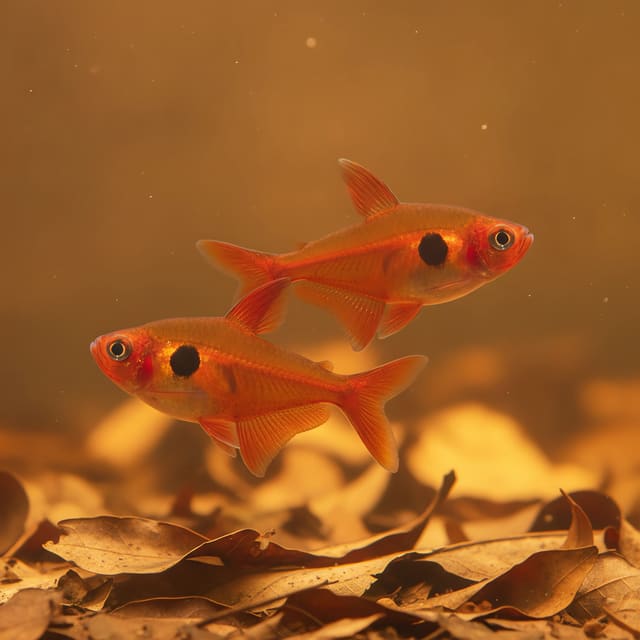
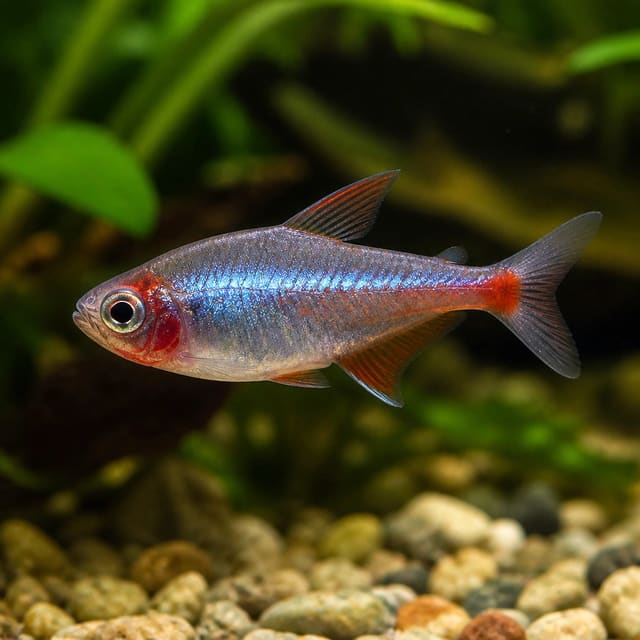
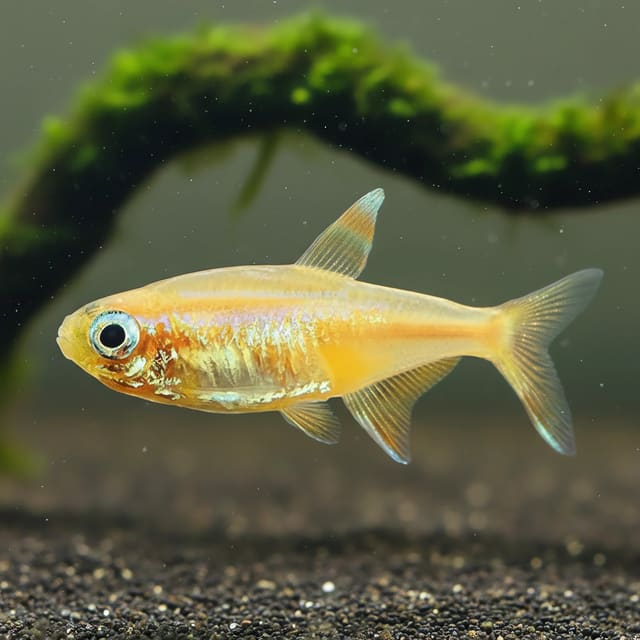
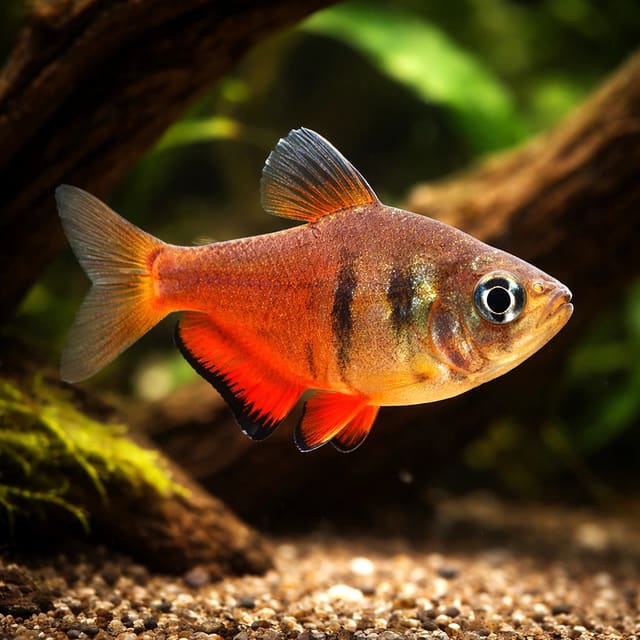
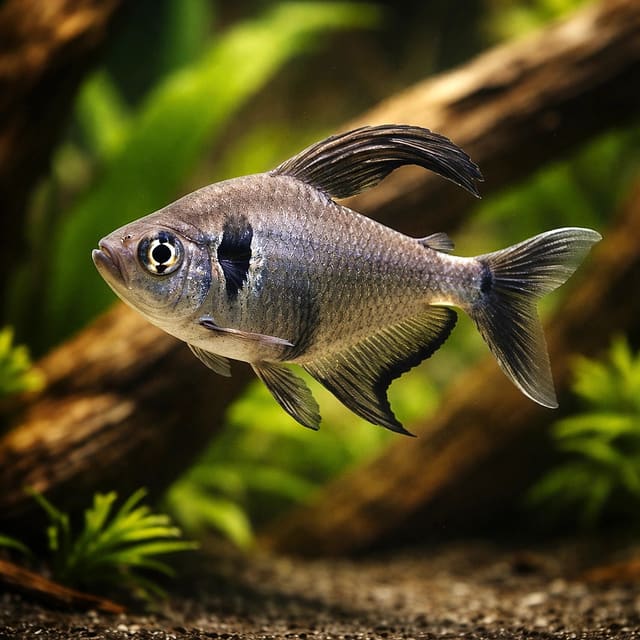
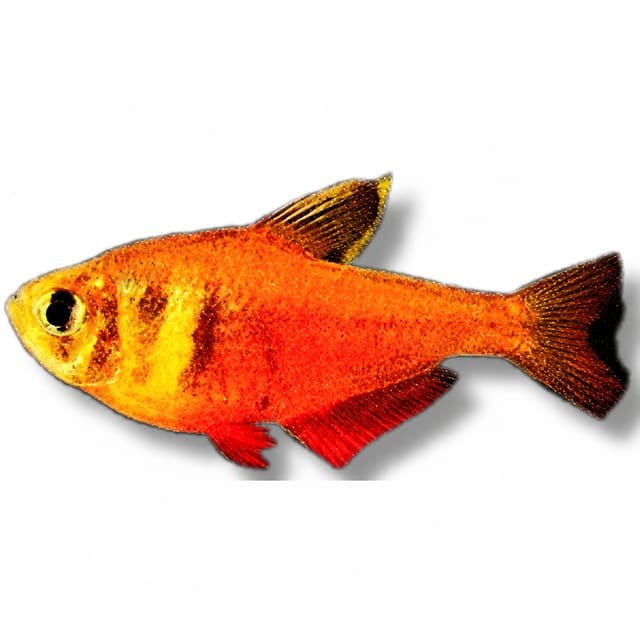
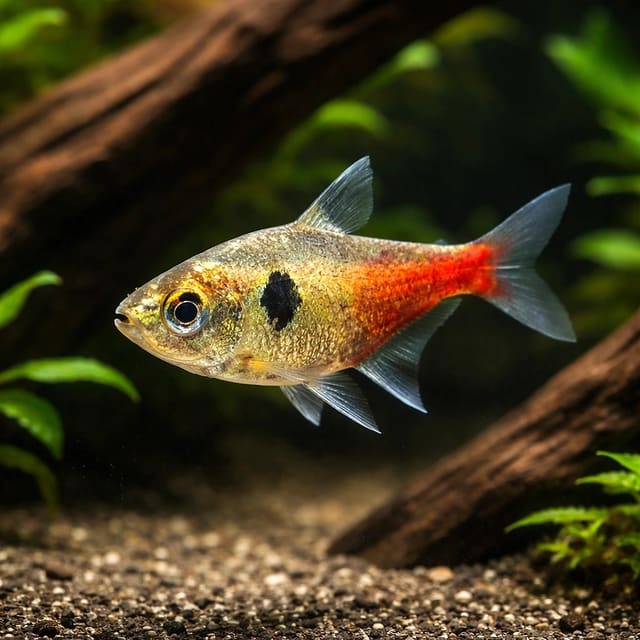
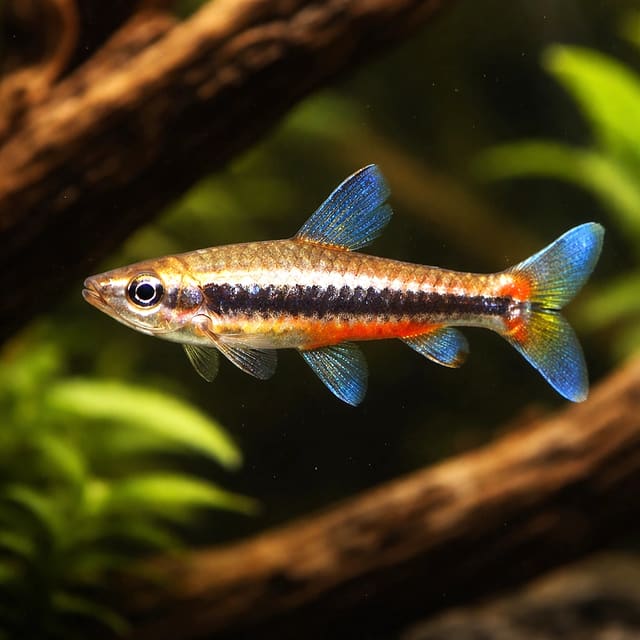
The gallery images are representative of this type of animal rather than photographs of the exact animal supplied, so colours can look slightly different from the live animal.
One purchase quantity supplies one animal of the selected option. The dispatch-size options are 2 cm, 3 cm and >4 cm; use the live size selector to see which option can be chosen. The greater-than sign on the >4 cm grade means that animal is dispatched above 4 cm rather than at an exact 4 cm measurement.
The size you select is the size supplied, not the adult size.
Dispatch grade and social quantity answer different questions. The grade describes the approximate size of each animal when sent, while the quantity controls how many animals are purchased. For example, selecting the 3 cm option with a quantity of five means five individual animals from that dispatch grade. It does not mean one group hidden inside a single purchase unit.
A 2 cm or 3 cm animal still needs an aquarium chosen around the FishBase maximum of 5.4 cm total length and the intended shoal. A larger dispatch grade does not change that adult planning figure, the need for filtration or the social minimum. It only changes the size at which the animal enters the aquarium.
Sex is guaranteed only when the selected option explicitly states male or female. This Cochus Blue Tetra listing has no sex-guaranteed option.
Review the current delivery and Live Arrival Guarantee policy before arranging receipt. Use the live selector for size choice rather than relying on a static description of option status.
OATA’s freshwater tetra guidance gives 22–27°C, pH 6.5–8.0 and 4–12°dH as group-level aquarium guidance rather than a species-specific optimum. FishBase separately records the species in environments of 22–26°C, pH 6.0–8.0 and 5–12°dH. These ranges overlap substantially, allowing an aquarium to be planned without pushing towards an outer limit.
| Decision | Planning figure |
|---|---|
| Recorded maximum | 5.4 cm total length |
| Same-species group | At least five; more is better |
| Aquarium baseline | At least 80 litres for the OATA larger-tetra category of 5 cm+ |
| Temperature | 22–27°C for aquarium planning |
| pH | 6.5–8.0 for aquarium planning |
| General hardness | 4–12°dH |
| Carbonate hardness | 3–10°dKH |
| Ammonia and nitrite | Zero mg per litre |
| Nitrate | Up to 20 mg per litre above the normal tap-water level |
Because the recorded maximum passes the 5 cm threshold used in OATA’s aquarium guidance, use at least 80 litres as the starting planning reference for a small shoal. Larger aquariums make temperature and water quality more stable, but volume alone is not enough: the layout must still provide shelter, usable swimming space and capacity for all other residents.
Apply the social number to this tetra itself. Five is the stated minimum, while a larger group may be chosen where the aquarium’s volume, filtration and total stocking allow it. Keeping one or too small a group may cause stress, so decide the intended quantity before choosing the remaining community.
| Suits | Not suited to |
|---|---|
| Stable aquarium water maintained at 22–27°C and pH 6.5–8.0 | Water outside 22–27°C and pH 6.5–8.0 |
| species of a similar adult size and temperament with overlapping water needs | fish large enough to eat it |
A working biological filter is essential. The RSPCA explains aquarium filtration as a biological process: fish release toxic ammonia, beneficial bacteria convert it to toxic nitrite, and further bacteria convert nitrite to the safer nitrate. A filter therefore needs to be established and maintained as a living biological system, not treated merely as a device that moves water.
Prepare and mature the aquarium before the fish arrive. Our guide to setting up a first tropical tank provides a practical route through that preparation. Test the finished aquarium and add fish only when ammonia and nitrite are both zero mg per litre.
| What you find | What to do |
|---|---|
| Ammonia is zero and nitrite is zero | Continue checking the other water values and planned stocking. |
| Ammonia is above zero | Do not add more fish; the biological filter is not keeping pace with waste. |
| Nitrite is above zero | Pause further additions and restore safe water quality before proceeding. |
| Flow is reduced | Check the filter for a blockage. Do not run it under the tap. |
Every additional fish and every increase in feeding adds waste that the bacterial population must process. Increase the aquarium population slowly so those bacteria can expand with the load. Adding too many animals too quickly can lead to new tank syndrome, in which ammonia or nitrite rises because the biological filter cannot process the new waste.
Choose filtration for the whole aquarium rather than for one small dispatch-grade fish. The system must support at least five Cochus Blue Tetras at their adult planning size, plus all other inhabitants and the food entering the tank. A large nominal volume cannot compensate for an immature, blocked or poorly maintained filter.
Use aquarium gravel or sand as the substrate and provide shelter with live plants where practical. If live planting is not part of the design, use aquarium-safe artificial plants and suitable ornaments such as model caves or plant pots. Cover gives fish somewhere to withdraw, while the remaining open area lets the group move without every route being obstructed.
| Area | Purpose |
|---|---|
| Sheltered area | Plants or ornaments provide cover when fish want to withdraw. |
| Open area | Uninterrupted water space allows the shoal to swim. |
| Filter area | Keep the intake and return clear enough to operate properly. |
| Maintenance access | Leave room to siphon waste and inspect equipment. |
A useful layout does not force a choice between a densely furnished aquarium and a completely bare one. Group plants and ornaments so they create distinct refuge areas, then retain a continuous open route through the aquarium. Check the arrangement from the fish’s point of view: decoration should not divide the swimming space into narrow dead ends or prevent access to shelter.
OATA includes a gentle current in its advice for smaller tetras. Arrange the filter return so filtration remains effective while fish can use both open and sheltered areas. Watch their normal swimming rather than assuming a visually impressive flow is suitable. Persistent hanging at the surface, sitting on the bottom or erratic swimming belongs in the health-check routine and should prompt an immediate water-quality check.
The 80-litre planning baseline is only the beginning of the space decision. Consider the shape and usable interior after substrate, plants, ornaments and equipment are installed. A larger aquarium generally offers more stable temperature and water quality, yet it must still be arranged so the group has both cover and room to move.
Start by measuring the aquarium rather than choosing values by guesswork. Use our aquarium water chemistry guide to understand temperature, pH, hardness and nitrogen readings, then compare the measurements with this animal through the water matcher.
| Measurement | How to use it |
|---|---|
| 22–27°C | OATA aquarium range for tetras and pencilfish |
| 22–26°C | FishBase environmental range for this species |
| pH 6.5–8.0 | OATA aquarium range |
| pH 6.0–8.0 | FishBase environmental range |
| 4–12°dH | OATA general-hardness range |
| 5–12°dH | FishBase environmental hardness range |
For a straightforward planning window shared by both sets of figures, 22–26°C, pH 6.5–8.0 and 5–12°dH sit within their overlap. Measure prospective tank mates against the same aquarium values; two fish being described as tropical does not by itself mean their full water requirements match.
Keep ammonia and nitrite at zero mg per litre. OATA places nitrate at no more than 20 mg per litre above the normal tap-water level, so the tap reading matters. If tap water measures 15 mg per litre nitrate, the corresponding upper aquarium figure is 35 mg per litre. This is an upper limit rather than a target to aim for.
General hardness and carbonate hardness answer different questions. The OATA aquarium figures are 4–12°dH general hardness and 3–10°dKH carbonate hardness. Record both where the test method distinguishes them. A pH result without the hardness context gives only part of the picture, particularly when comparing the aquarium with another species’ requirements.
Take action from the complete set of measurements. A temperature inside range does not cancel out detectable ammonia, and a suitable pH does not make an overcrowded or immature aquarium safe. Confirm the values together before introduction and continue testing after the population or feeding level changes.
Carry out a 25% partial water change at least once every week. Use a siphon to remove solid waste from the substrate while water is withdrawn, and treat replacement tap water with a suitable conditioner before it enters the aquarium. Conditioner is necessary because chlorine or chloramine can harm the biological filter.
Turn the percentage into a measured task rather than estimating it by eye. If the aquarium contains 80 litres of actual water, 25% is 20 litres. Where substrate, decoration or an unfilled top section reduces the true water volume, base the calculation on the water present rather than the aquarium’s headline capacity.
Do not run the filter media under the tap. Chlorine or chloramine may kill the beneficial bacterial population that processes ammonia and nitrite. Light rinsing in water removed during the partial change reduces the amount of bacteria lost while clearing material that restricts flow.
Test at least weekly even when the aquarium looks clean. Clear water can still contain ammonia, nitrite or elevated nitrate, so appearance is not a substitute for measurements. Test again when fish behaviour changes or after stocking and feeding increase, because both changes place additional demand on the filter.
The weekly routine joins water replacement, waste removal, testing and filter inspection into one decision cycle. Results from one week establish a comparison for the next, making an upward nitrate trend or loss of filter flow easier to recognise before it develops into a larger welfare problem.
OATA describes tetras and pencilfish as omnivorous and recommends a good-quality flake or granule as the everyday food. Small live or frozen items such as daphnia, small bloodworm or tubifex can be included for variety. Match the particle size to fish from the selected dispatch grade so they can take the food promptly.
| Feeding decision | Instruction |
|---|---|
| Staple | Use a good-quality flake or granule. |
| Variety | Offer small daphnia, bloodworm or tubifex in live or frozen form. |
| Frequency | Feed once a day. |
| Portion limit | Give only what the fish consume within a few minutes. |
Judge the portion by consumption rather than by a fixed pinch for every aquarium. Add a small amount, watch the group feed and stop adding food once the amount that can be eaten within a few minutes has been reached. The correct portion changes with the number of fish, their dispatch size and the other animals sharing the meal.
Overfeeding creates a water-quality problem as well as wasting food. Uneaten material breaks down and releases toxic waste into the water, increasing the burden on the biological filter. A larger shoal therefore needs a portion adjusted to its numbers, but it still does not need food left on the substrate after the feeding period.
Watch the whole group during its daily meal. Reduced intake or a loss of interest in food is one of the changes OATA identifies as a possible health warning. Compare behaviour across the group: a single fish repeatedly failing to feed deserves attention even if the rest finish the portion.
Keep variety within the named food types rather than allowing treats to displace the complete staple. Flake or granule supplies the regular meal; the small live or frozen choices add variation. Maintain the once-daily schedule and use weekly water tests to check that feeding and filtration remain in balance.
Prepare the aquarium around the complete intended group before any fish are introduced. Confirm that the filter is mature, ammonia and nitrite are zero mg per litre, the measured water falls within the chosen planning ranges and the aquarium can accommodate at least five Cochus Blue Tetras at the 5.4 cm adult planning size.
Increase the aquarium population slowly. Beneficial bacteria need to expand whenever fish numbers and feeding rise, and stocking too quickly can lead to new tank syndrome. If other residents are already present, include them when judging the additional waste load rather than treating the tetra group as the aquarium’s only demand.
Use the once-daily feed as a structured observation point. Healthy fish should have clear, bright eyes, intact scales and undamaged fins, with no ulcerations or bumps. Watch for hanging at the surface, sitting on the bottom, erratic swimming, unusual hiding, a marked colour change, altered breathing, white spots, fluffy growths, damaged fins or scales, and reduced interest in food.
Complete at least the normal weekly water test even if behaviour looks typical. If any warning appears sooner, test immediately rather than waiting for the scheduled maintenance day. Compare ammonia and nitrite with the required zero reading and check nitrate against the tap-water baseline.
Repeat the weekly cycle of testing, a 25% partial water change at least once every week, substrate siphoning and filter inspection. Keep feeding to one meal consumed within a few minutes. Delay further livestock additions if ammonia or nitrite rises, filter flow falls or the existing group shows a health change.
If behaviour, breathing, appearance, body condition or feeding changes, test the water first and contact us for health guidance. These signs identify the need to investigate; they are not a diagnosis and should not be matched to a treatment by appearance alone.
Begin with adult size. OATA advises that smaller tetras should not be housed with fish large enough to eat them, so avoid any resident capable of swallowing a Cochus Blue Tetra. Make that judgement using the tetra’s 5.4 cm maximum total length and the prospective companion’s adult size, not the size of either animal on the day it is introduced.
Next compare temperament and water requirements. Tetras and pencilfish mix best with species of similar size and temperament, but that statement is a screening rule rather than a universal list of companions. The candidate must also fit the same temperature, pH and hardness window without either animal being held at an unsuitable edge of its range.
| Resident characteristic | Decision |
|---|---|
| Large enough to eat the tetra | Avoid the combination. |
| Similar adult size and temperament | Continue to the water and capacity checks. |
| Timid or long-finned | Use caution if boisterous behaviour or fin-nipping is seen. |
| Different water range | Do not combine them unless one shared aquarium window suits both. |
| Already crowded aquarium | Delay the addition even if temperament appears compatible. |
OATA warns that larger or more boisterous tetra species may nip timid or long-finned fish. That warning does not make every tetra a fin-nipper, but it gives a clear observation rule. If chasing, fin damage, increased hiding or a change in aggression appears, reassess the combination and the space rather than relying on the general reputation of the fish involved.
Water overlap must be checked with measured values. For example, calling two residents freshwater tropical fish does not show that their pH and hardness needs overlap. Compare their stated ranges with the aquarium’s actual readings, then confirm that ammonia and nitrite remain zero after stocking.
A species name alone cannot predict every interaction because individual behaviour and aquarium conditions vary. Screen the adult size, temperament, water overlap, social needs and total capacity together, then continue observing after introduction.
Apply the social minimum to the Cochus Blue Tetras themselves: keep at least five, with more being better where space and filtration allow. A mixed aquarium containing several unrelated small fish does not change the number of this tetra being planned. Set the purchase quantity deliberately because each quantity supplies one individual animal.
| Planned situation | Decision |
|---|---|
| One animal for an otherwise empty aquarium | Revise the plan to a same-species group of at least five. |
| Four of the same species already present | One additional animal brings the count to five, subject to capacity and compatibility. |
| Five with room for a larger group | More may be kept if filtration and total stocking remain suitable. |
| A large fish capable of eating them is present | Do not proceed; group size does not remove predation risk. |
Then calculate space from adult size and total population. FishBase records a 5.4 cm maximum, placing this animal just above the 5 cm threshold for which OATA recommends at least an 80-litre aquarium for a small shoal. Treat 80 litres as a starting planning reference, not as permission to add an unlimited number of residents.
Include every fish in the capacity decision. An aquarium with five Cochus Blue Tetras and no other residents places a different demand on filtration from the same aquarium containing an established community. Food entering the tank, waste production, swimming space and shelter all change as animals are added.
Do not use dispatch size to justify temporary crowding. A 2 cm animal still grows towards the same adult planning figure, and a group purchased at a smaller grade still needs its long-term space from the start. Planning once around adult size avoids having to solve a predictable capacity problem later.
For a stocking and compatibility assessment, contact us with the aquarium’s measured volume, temperature, pH, hardness, ammonia, nitrite and nitrate, plus the species and numbers already present. Those details allow the proposed group to be assessed as part of the whole aquarium rather than in isolation.
Boehlkea fredcochui is a freshwater characin from the Amazon Basin. FishBase places it in Stevardiidae and records a maximum of 5.4 cm total length.
Yes. One purchase quantity supplies one animal of the selected option, so set the quantity to at least five when building the social group described in OATA’s tetra guidance.
The dispatch size options are 2 cm, 3 cm and >4 cm. These are dispatch grades; plan the aquarium around the recorded 5.4 cm maximum total length.
Use a mature filtered aquarium with substrate, shelter and open swimming space. OATA’s tetra group guidance recommends at least 80 litres for a small shoal of larger tetras measuring 5 cm or more.
No. OATA’s tetra group guidance advises keeping tetras in groups of at least five, with more being better where the aquarium’s space, filtration and total stocking allow.
OATA’s tetra group guidance gives 22–27°C, pH 6.5–8.0 and 4–12°dH for aquarium planning, with ammonia and nitrite at zero mg per litre; FishBase records 22–26°C for the species.
OATA’s tetra guidance says to feed a good-quality flake or granule once daily, with small live or frozen daphnia, bloodworm or tubifex for variety. Give only what the fish consume within a few minutes.
OATA’s tetra guidance says to prepare a mature filtered aquarium, confirm ammonia and nitrite are zero mg per litre, check the other water values and increase the population slowly so the biological filter can adjust.
OATA’s tetra guidance says to choose species of similar adult size and temperament whose water needs overlap. Avoid fish large enough to eat it, and use caution around timid or long-finned residents if boisterous behaviour or fin-nipping is seen.
No reviews for this item yet. Bought one? Honest reviews only, good or bad.
What customers say about ordering from us
I have a small group of long finned mountain minnows. So was delighted to be able to order ten of this variety to increase the genetics in my tank . The ones I recieved are healthy but it’s to early to give a verdict on wether they are of a long finned type since they are small currently.
Gordon Walker · 23 Sept 2026
100% success travel and "installation". Pleased with quality of purchase. The Siamese fighter a bit "shy" so have not yet seen him at his best yet but looking good. Happy customer. GG
George E Garratt · 21 Sept 2026
Reviews of our shop, collected by Judge.me, an independent third-party review collector. Newest first.