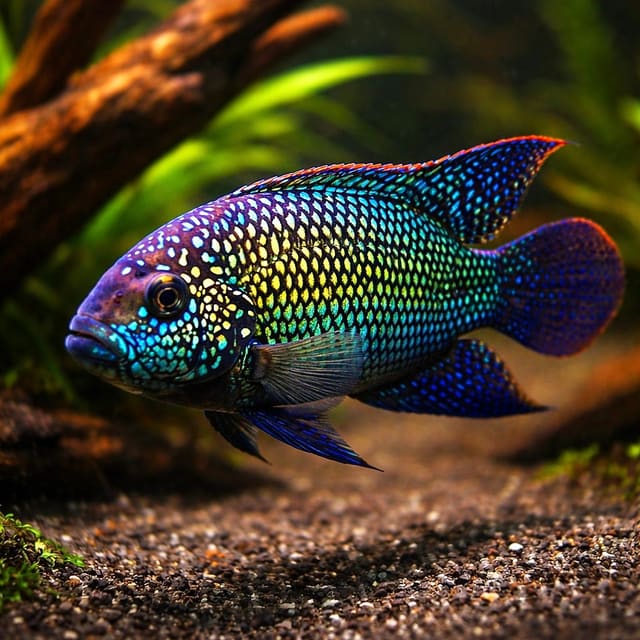
Friedrichstalii´s Cichlid — tropical fish for sale UK — AI hero driftwood view

Cichlasoma friedrichsthalii

Friedrichstalii´s Cichlid (Cichlasoma friedrichsthalii) — 6-7cm

Moderate Care
Semi-Aggressive
£18.99In Stock

A hardy, attractive Central American cichlid with bold personality and rewarding breeding behavior, best kept with robust tankmates. Moderate care, semi-aggressive. 24-28C, pH 6.5-8.0.

care:moderatediet:omnivorefamily:cichlidaeorigin:central-americasite:tropical-fish-cosize:mediumtemperament:semi-aggressivetype:freshwater-fish

Care at a Glance

Scientific Name
Cichlasoma friedrichsthalii
Adult Size
6 cm
Lifespan
10 years
Care Level
Moderate
Temperament
Semi-aggressive
Temperature
24–28°C
pH Range
6.5–8
Hardness
5–20 dGH
Minimum Tank
75L
Diet
Omnivore

Water Parameters

Maintain these water conditions for optimal health and vibrant colors

Temperature
24–28°C
24°CIdeal Range28°C
pH Level
6.5–8
6.5Ideal Range8
Water Hardness
5–20 dGH
5 dGHIdeal Range20 dGH

Overview

The Friedrichsthalii's Cichlid (Cichlasoma friedrichsthalii) is a hardy and attractive Central American cichlid native to Atlantic slope drainages of southern Mexico and northern Central America. This impressive species is renowned for its bold personality, striking appearance, and rewarding breeding behaviour. Available as tropical fish UK from specialist retailers like Tropical Fish Co, this freshwater fish for sale UK brings authentic Central American biotope character to well-planned aquariums.

Growing to approximately 30cm in adult size (juvenile listing shows 4.5cm data, which reflects young specimens), Friedrichsthalii's Cichlid requires spacious accommodation of at least 100 litres for juveniles, with much larger tanks (300+ litres) needed as fish mature. This hard water tropical fish is moderately aggressive, particularly during breeding, and is best suited to experienced cichlid keepers who can provide appropriate space, water quality, and tankmate selection. Buy tropical fish online UK from trusted sources to ensure healthy, well-acclimatised specimens.

Appearance

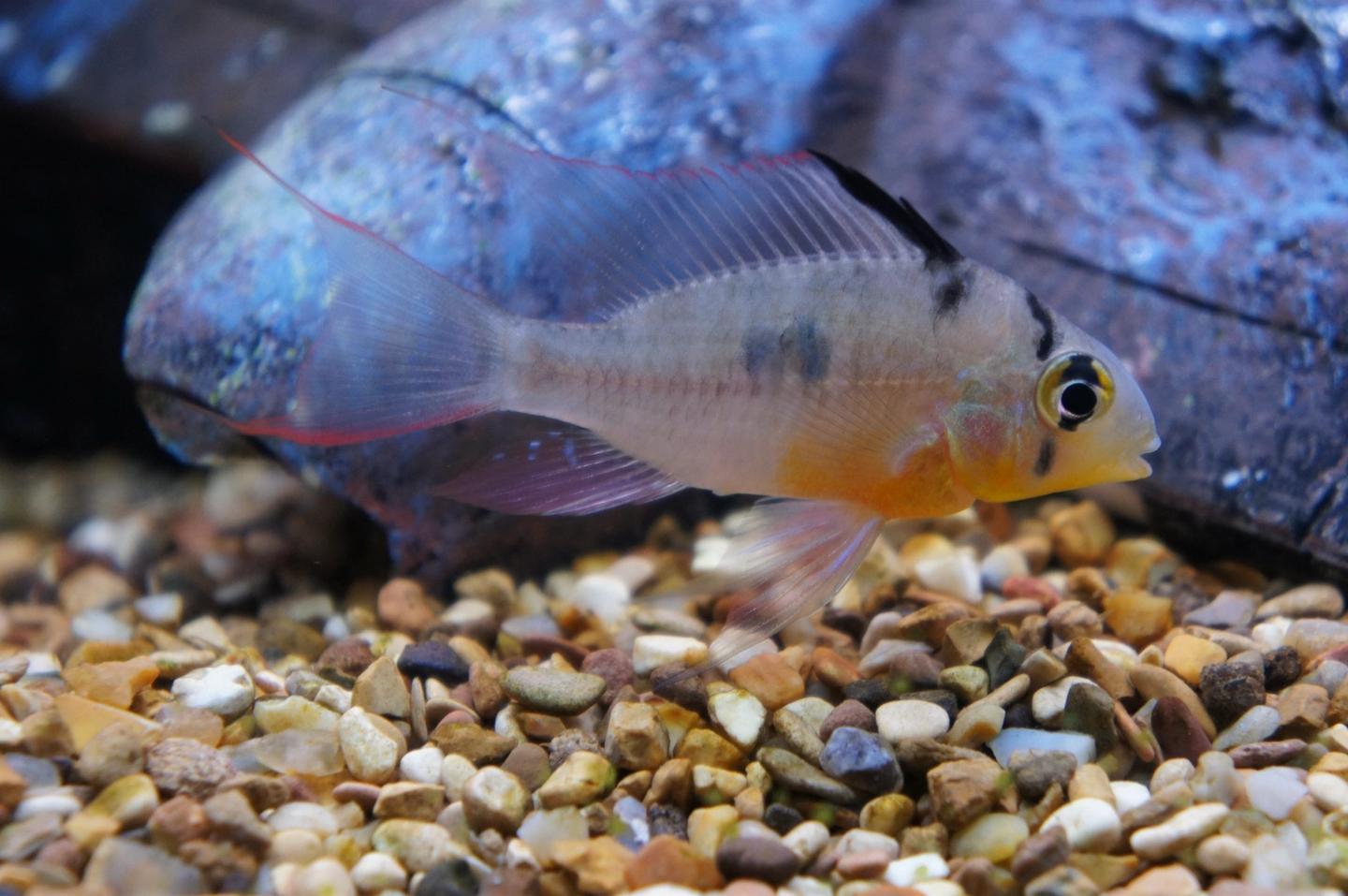
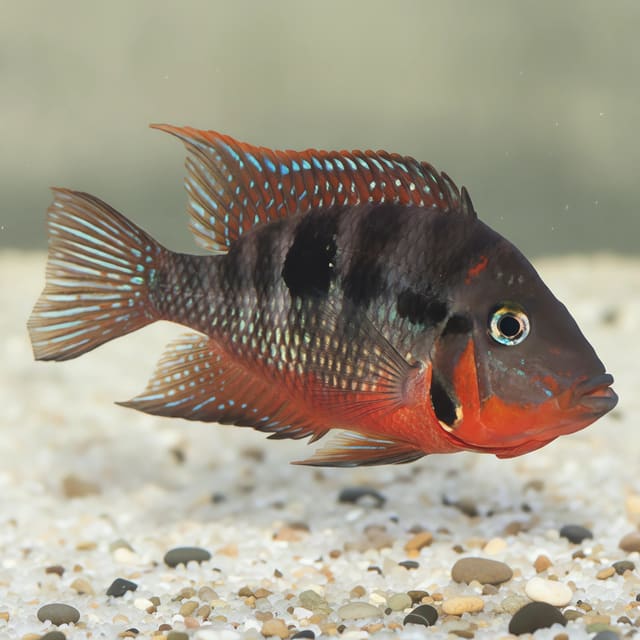
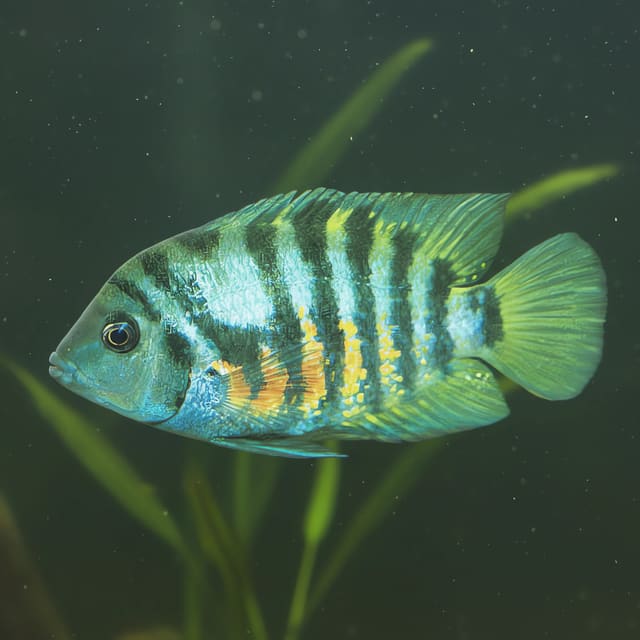
Cichlasoma friedrichsthalii displays the robust, deep-bodied profile characteristic of many Central American cichlids. The base body colour ranges from olive-green to golden-brown, marked with prominent dark vertical bars along the flanks that intensify or fade depending on mood and breeding condition. A distinctive black spot on the mid-body (often on the lateral line area) is a key identification feature.

The head is proportionally large with a slightly pointed snout and prominent eyes. Males develop a pronounced nuchal hump (forehead bulge) as they mature, particularly when in breeding condition or establishing dominance. Finnage is well-developed, with the dorsal and anal fins extending significantly in mature males. Coloration intensifies during breeding, with males developing enhanced iridescent blue-green highlights on the face and gill covers.

Females are typically smaller with less pronounced finnage and a more modest nuchal hump. Both sexes exhibit attractive patterning when in optimal condition, though dominant males display the most impressive coloration and physical development. Juvenile coloration is more subdued, with barring becoming more prominent as fish mature.

Natural Habitat

Cichlasoma friedrichsthalii inhabits rivers, streams, and lakes on the Atlantic slope of southern Mexico and northern Central America, including parts of Guatemala, Belize, and Honduras. These environments typically feature moderate water movement, rocky or hard substrates, and water chemistry that tends toward neutral to slightly alkaline with moderate to high mineral content—quite different from the soft, acidic conditions of South American species.

Temperatures remain consistently warm year-round, typically between 24-28°C. The habitat includes rocky structures, submerged logs, overhanging vegetation, and varied substrate types from sand to gravel to rocks. These fish are often found near structures that provide shelter and ambush points for feeding.

Water clarity varies from clear to slightly turbid depending on season and location. During breeding periods, fish establish territories around suitable spawning sites including flat rocks, cave entrances, or cleaned surfaces. Understanding these natural conditions helps inform proper aquarium setup for optimal health and natural behaviour.

Water Parameters

  • Temperature: 24-28°C
  • pH: 6.5-8.0
  • Minimum Tank Size: 100 litres (juveniles), 300+ litres (adults)
  • Water Hardness: Moderately hard to hard (10-20 dGH)

Aquarium Setup

A minimum 100-litre aquarium is suitable for juvenile Cichlasoma friedrichsthalii, but adults require substantially larger tanks of 300+ litres, with 400-500 litres recommended for breeding pairs or community setups. The aquarium should provide open swimming space combined with sturdy structures creating territories and visual breaks.

Use sand or fine gravel substrate, as these fish will dig and rearrange substrate, particularly when breeding. Incorporate substantial rocks, large driftwood pieces, and optional cave structures firmly secured to prevent toppling when fish excavate. Avoid elaborate aquascaping with delicate plants, as this species will uproot and rearrange decorations to suit their preferences.

If plants are desired, use extremely hardy species like Java Fern, Anubias, or Vallisneria attached to rocks or driftwood rather than planted in substrate. Alternatively, use artificial plants that can be secured firmly. The focus should be on creating a robust, functional environment rather than a heavily planted display tank.

Strong filtration is absolutely essential, as these messy feeders produce considerable waste. Canister filters or large sump systems with substantial mechanical and biological filtration capacity work best. Perform regular water changes of 30-40% weekly to maintain excellent water quality, which is crucial for health, colour, and disease resistance. Moderate water movement is appreciated and helps distribute oxygen while assisting in waste removal.

Feeding

Cichlasoma friedrichsthalii is an omnivore requiring a varied diet incorporating both protein and plant matter for optimal health. Quality cichlid pellets or granules formulated for large Central American cichlids should form the dietary base, supplemented regularly with frozen or live foods including bloodworms, mysis shrimp, brine shrimp, krill, and earthworms.

Incorporate substantial vegetable matter through spirulina-based prepared foods, blanched vegetables like zucchini, cucumber, spinach, or romaine lettuce, and vegetable-based pellets. This species appreciates herbivorous content in the diet, which aids digestion and provides essential nutrients. Shelled peas are particularly beneficial and can help prevent digestive issues.

Feed adult fish once or twice daily, offering portions that can be consumed within 3-5 minutes. These fish have excellent appetites but overfeeding leads rapidly to water quality degradation and health problems including obesity and bloat. During breeding periods, increase protein content with more frequent feedings of meaty foods to support egg production and parental energy requirements.

Avoid excessive feeding of mammal-based foods like beef heart, as these can be difficult for fish to digest properly and contribute to water pollution. Vary diet daily, rotating between different food types to ensure complete nutrition and maintain feeding interest throughout the fish's life.

Behaviour and Temperament

Friedrichsthalii's Cichlid is a semi-aggressive species displaying typical Central American cichlid behaviours including territoriality, substrate modification through digging, and increased aggression during breeding. Outside breeding periods, they can be surprisingly peaceful toward appropriately chosen tankmates, though they will defend established territories and food resources.

These fish are highly intelligent and interactive, often recognizing their keeper and begging for food. They actively investigate every aspect of their environment, rearranging substrate and decorations to create preferred layouts. Watching them excavate and landscape their territory is fascinating, though frustrating for aquarists who prefer static aquascaping.

Pairs form strong bonds when breeding, becoming intensely territorial and aggressive toward all other fish. Spawning pairs will defend large areas around their chosen site and may attack even much larger tankmates that venture too close. This species can become very territorial when spawning, making careful tankmate selection and adequate space critical for community success.

Best kept as a single specimen in community tanks with robust tankmates, as proven pairs in species tanks, or in very large aquariums where territories can be properly established with visual barriers reducing constant confrontation.

Top Tip: When setting up a tank for Central American cichlids like Friedrichsthalii's, use sand substrate and place all rocks and decorations directly on the aquarium bottom before adding substrate around them. This prevents dangerous collapse if the fish excavates underneath, which they inevitably will during territory establishment and breeding.

Tank Mates

Cichlasoma friedrichsthalii can coexist with similarly sized, robust fish in suitably spacious tanks. Compatible tankmates include other moderately aggressive Central American cichlids of comparable size such as Firemouth Cichlids, Jack Dempseys (when young), or similar Cichlasoma species, though monitor closely for aggression. Large, robust catfish including larger Plecostomus species and Synodontis work well, as they occupy different ecological niches and can defend themselves.

Fast, active midwater fish of similar size including larger Silver Dollars or Tinfoil Barbs may work in very large tanks, though ensure they're not so timid that constant stress results. In extremely large setups (600+ litres), carefully selected Central American cichlid communities can succeed, though this requires experience and careful monitoring.

Incompatible tankmates include small fish that will be eaten, shrimp and snails which will be consumed or harassed, slow-moving or long-finned fish such as Angelfish or fancy Goldfish that will be nipped and stressed, overly timid cichlids that will be dominated and prevented from feeding, and highly aggressive species that will constantly fight. When breeding, even normally compatible tankmates may be attacked viciously, requiring temporary removal or permanent rehousing.

Breeding

Cichlasoma friedrichsthalii is a substrate-spawning cichlid that forms pairs and becomes highly territorial when breeding. Breeding is best attempted in large dedicated breeding tanks of 200+ litres, or in spacious species tanks where the pair can be isolated. Condition pairs separately on high-quality varied foods including substantial protein for 2-3 weeks before breeding.

Provide flat rocks or large smooth surfaces for spawning sites, along with caves or sheltered areas. The pair will select a site and meticulously clean it over several days before spawning. Water parameters should be stable with pH 7.0-7.5, moderate hardness, and temperature around 26-27°C. Clean, well-oxygenated water is essential.

The female lays several hundred to over one thousand eggs on the cleaned surface, which both parents guard ferociously. Parents typically guard eggs and fry closely, with aggression toward anything approaching the spawning area reaching extreme levels. Eggs hatch in 3-4 days at 27°C, and fry become free-swimming after approximately one week.

Both parents shepherd fry intensely, moving them to pre-dug pits and defending them against all perceived threats. Initial fry foods include newly hatched brine shrimp, micro worms, and finely powdered fry foods. Maintain excellent water quality with gentle daily water changes of 10-15% once fry are free-swimming. Parents may consume eggs or fry if severely stressed or if water quality deteriorates, so provide a calm environment and maintain pristine conditions throughout the breeding and fry-rearing period.

Why Buy from Tropical Fish Co

When you buy tropical fish online UK from Tropical Fish Co, you're choosing a specialist retailer committed to providing healthy, robust cichlids suitable for long-term success. Our Cichlasoma friedrichsthalii specimens are quarantined, thoroughly acclimatised to UK water conditions, and feeding confidently on varied foods before dispatch. Each large cichlid for sale UK is individually inspected for excellent health, proper coloration, and overall quality.

We provide expert guidance on cichlid fish for sale UK, including detailed advice on tank setup for Central American species, water parameter management for hard water tropical fish, dietary requirements, and compatible tankmate selection. Fast, secure delivery throughout the UK ensures your freshwater aquarium fish UK arrive safely with minimal stress, carefully packaged with appropriate insulation for temperature stability. Our dedicated customer support team is available to answer questions about housing, feeding, breeding, and long-term care of your Friedrichsthalii's Cichlid. All livestock is backed by our comprehensive health guarantee, giving you confidence when you purchase from Tropical Fish Co.

Premium Quality

Healthy, vibrant fish from trusted suppliers

Expert Care

Detailed care guides and support

Live Arrival Guarantee

Your fish arrives healthy or we'll replace it

Acclimated

Properly quarantined and ready for your tank