−14%
Advanced
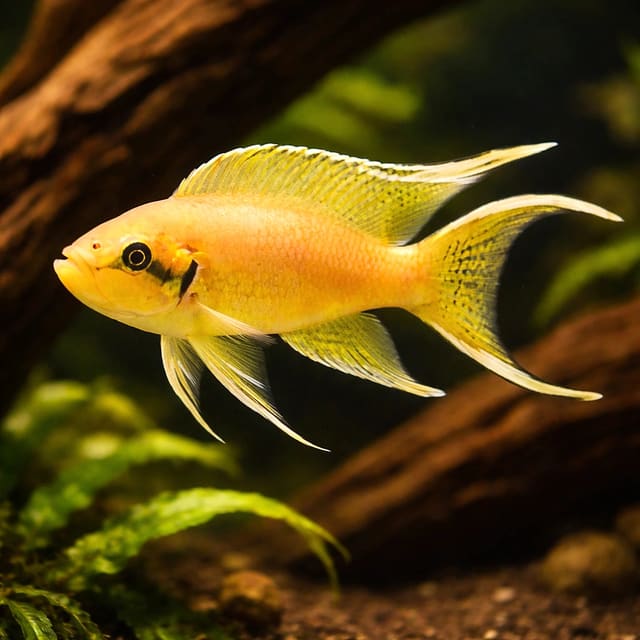
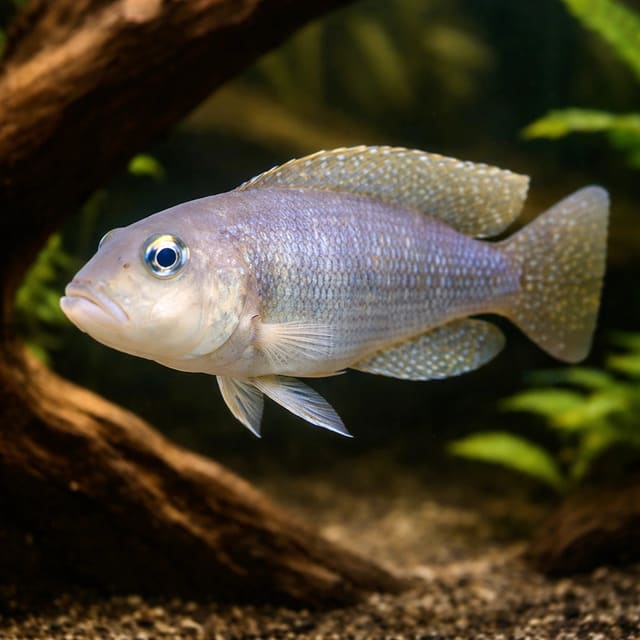
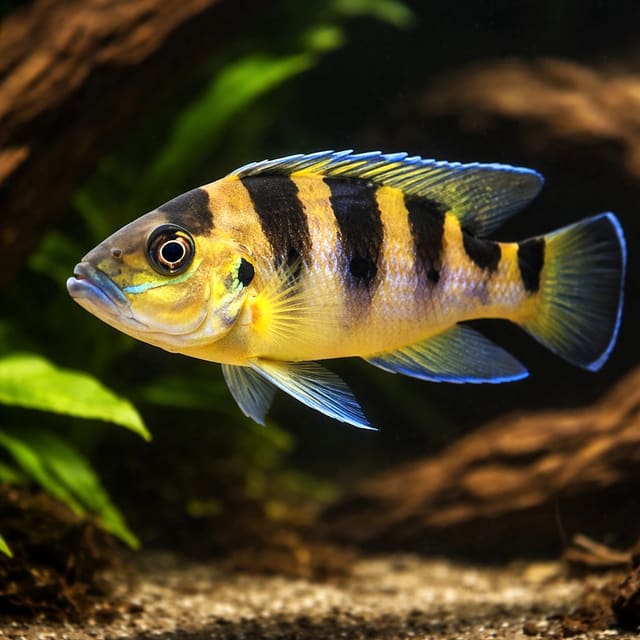
Six-Bar Cichlid (Lamprologus sexfasciatus)
23–27°C · pH 7.5–9 · 110L
£19.77£22.99

A striking Tanganyikan cichlid that rewards experienced keepers with bold behavior, hardy care requirements, and fascinating breeding habits. Moderate care, semi-aggressive. 23-27C, pH 7.5-8.5.
Adult size is the maximum length this species reaches at full maturity (scientific sources). The livestock you receive will be younger and smaller — pick a size above for the actual shipping size. Product-photo provenance and any image-specific limitations are stated on the listing.
Lamprologus toae
Save when buying multiple fish. Each quantity is one fish; sex and pair formation are not guaranteed unless the selected variant explicitly states them.
Confirm your email, then we’ll send an availability message for this exact item if it returns within 180 days.
This request is only for this product—no newsletter or other promotions. A mail-provider retry may very rarely duplicate the same availability message. Unconfirmed addresses are removed after 48 hours. See our privacy policy.
A striking Tanganyikan cichlid that rewards experienced keepers with bold behavior, hardy care requirements, and fascinating breeding habits. Moderate care, semi-aggressive. 23-27C, pH 7.5-8.5.
Adult size is the maximum length this species reaches at full maturity (scientific sources). The livestock you receive will be younger and smaller — pick a size above for the actual shipping size. Product-photo provenance and any image-specific limitations are stated on the listing.
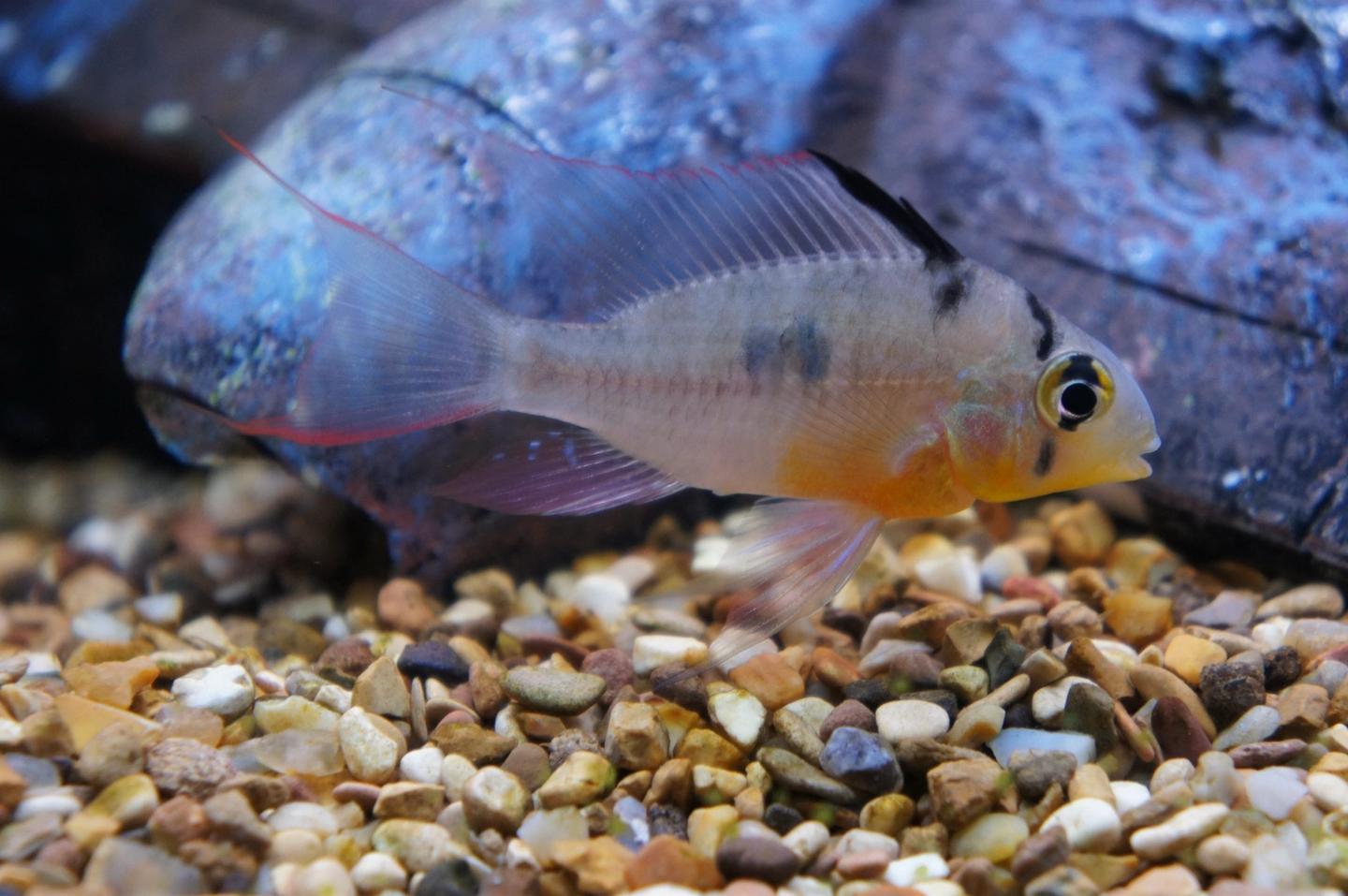
Cichlids are a family of roughly 1,800 accepted species, not one care type. Before buying, identify the exact species and source, then compare adult measurement, usable tank dimensions, social system, territory, tested water, diet and an exit plan. No family-wide minimum tank, water range or tank-mate list is safe.
Maintain these water conditions for optimal health and vibrant colors
The Lamprologus toae is a striking Tanganyikan cichlid that rewards experienced keepers with bold behaviour, hardy care requirements, and fascinating breeding habits. Native to Lake Tanganyika in East Africa, this impressive species is prized by specialist Tanganyika enthusiasts for its attractive appearance and engaging personality. Available as lake tanganyika cichlid from specialist retailers like Tropical Fish Co, this toae cichlid brings authentic Lake Tanganyika character to dedicated setups.
Growing to approximately 5.5cm adult size, Lamprologus toae requires minimum 60-litre aquarium with extensive rockwork and hard, alkaline water. This semi-aggressive carnivore displays territorial behaviour particularly toward conspecifics. Perfect for rare cichlids for sale uk enthusiasts seeking compact Tanganyika species with big personalities. Buy tropical fish UK specimens from sources providing comprehensive guidance on tanganyika cichlids uk and lake tanganyika cichlids for sale care requirements.
Lamprologus toae displays attractive patterning typical of small rock-dwelling Lamprologus species. Body compact and robust with well-developed finnage. Coloration varies based on mood and condition. Males typically slightly larger and more robust than females. Despite compact size, commands attention through bold personality and active behaviours.
Endemic to Lake Tanganyika, inhabits rocky areas with caves and crevices providing territory boundaries and spawning sites. Lake Tanganyika characterized by extremely hard, highly alkaline water (pH 7.5-8.5), stable temperatures 23-27°C, excellent water quality and oxygenation.
Provide extensive rockwork creating multiple caves, crevices, and distinct territories. Use calcareous substrate to buffer pH naturally. Create visual barriers throughout tank reducing territorial aggression. Strong filtration maintaining pristine water quality essential. Perform regular 30-40% weekly water changes. Despite moderate size, territorial behaviour requires thoughtful aquascaping. Tank size and layout matter significantly for reducing aggression.
Carnivorous requiring varied diet of quality cichlid pellets, frozen or live mysis, brine shrimp, daphnia, other small meaty foods. Feed small portions 2-3 times daily. Avoid overfeeding—use plant-based foods only sparingly as supplements. Primarily protein-focused diet maintains health and breeding condition in these carnivorous cichlids.
Semi-aggressive with territorial behaviour particularly toward conspecifics and similar-shaped fish. Establishes and defends cave territories vigorously. Bold cichlid personality despite compact size. Can be territorial especially during breeding periods. Best kept as pairs or with carefully chosen tankmates in well-structured tanks providing adequate distinct territories with visual barriers.
Top Tip: For lamprologus toae cichlid success in lake tanganyika cichlid setups, maintain rock-solid stable water chemistry with pH 7.8-8.5 and very hard water. Use substantial rockwork creating at least 2-3 distinct cave territories per pair, positioned to minimize visual contact between rival territories.
Compatible with other small Tanganyikan cichlids of similar temperament in suitably large tank. Conspecifics or pairs in species-appropriate setup work well. Avoid: small fish that can be bullied or eaten, highly aggressive cichlids creating constant conflict, slow-moving or long-finned fish, soft-water community fish with incompatible parameter needs.
Cave or crevice spawners forming pairs. Provide rockwork with secure hiding places and stable alkaline, hard water. Pairs become territorial when breeding. Parents usually guard eggs and fry within cave territory. Fry raised on newly hatched brine shrimp and micro foods. Breeding occurs readily in appropriate conditions with well-conditioned pairs and minimal disturbance.
When you buy lamprologus toae online UK from Tropical Fish Co, you're choosing specialists in african cichlids for sale UK with expertise in Lake Tanganyika species. Our specimens are quarantined, feeding confidently, and acclimatised. We provide comprehensive guidance on tanganyika cichlids, water chemistry management for lake tanganyika cichlids, rockwork setup, and compatibility. Fast delivery throughout UK with professional packaging. Support available for questions about breeding and long-term care. All livestock backed by health guarantee.
No reviews for this item yet. Bought one? Honest reviews only, good or bad.
What customers say about ordering from us
I have a small group of long finned mountain minnows. So was delighted to be able to order ten of this variety to increase the genetics in my tank . The ones I recieved are healthy but it’s to early to give a verdict on wether they are of a long finned type since they are small currently.
Gordon Walker · 23 Sept 2026
100% success travel and "installation". Pleased with quality of purchase. The Siamese fighter a bit "shy" so have not yet seen him at his best yet but looking good. Happy customer. GG
George E Garratt · 21 Sept 2026
Reviews of our shop, collected by Judge.me, an independent third-party review collector. Newest first.