
6x100g Daphnia + Spirulina Blister - Frozen Fish Food UK
Nutritious 6x100g Daphnia + Spirulina blister packs for tropical fish. Ideal for varied feeding and easy portion control. Order now for UK delivery.
Premium Quality
Healthy, vibrant fish from trusted suppliers
Expert Care
Detailed care guides and support
Live Arrival Guarantee
Your fish arrives healthy or we'll replace it
Acclimated
Properly quarantined and ready for your tank
Why Choose This Fish?
Nutritious 6x100g Daphnia + Spirulina blister packs for tropical fish. Ideal for varied feeding and easy portion control. Order now for UK delivery.
If you want a cleaner, more natural way to add variety to your fishes’ diet, this 6x100g Daphnia + Spirulina Blister is a smart choice. It combines fibre-rich daphnia with nutrient-dense spirulina, giving you a practical frozen fish food UK option for tropical, coldwater, and many omnivorous community species. In simple terms, it is a convenient frozen blend designed to support digestion, colour, and feeding response without the mess of loose foods. For fishkeepers shopping for frozen aquarium fish food UK, aquarium food UK, or dependable fish food online UK, this format is easy to portion, easy to store, and easy to rotate with pellets, flakes, and other frozen diets.
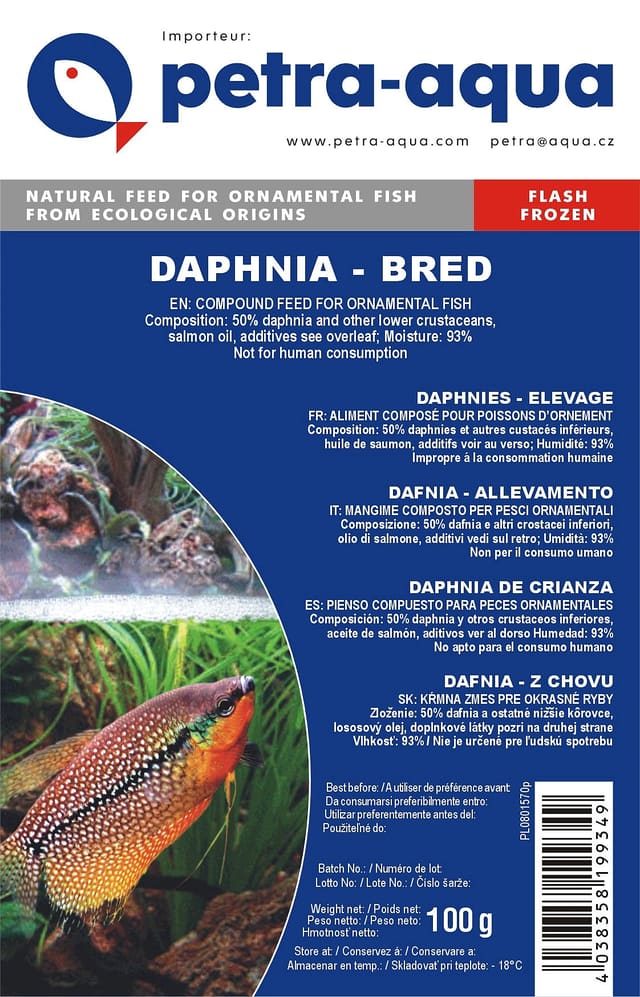
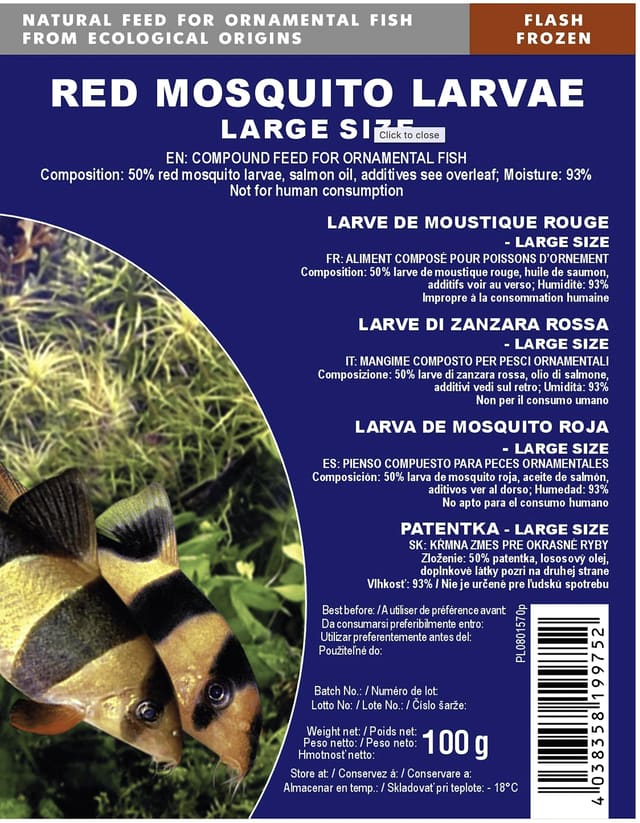
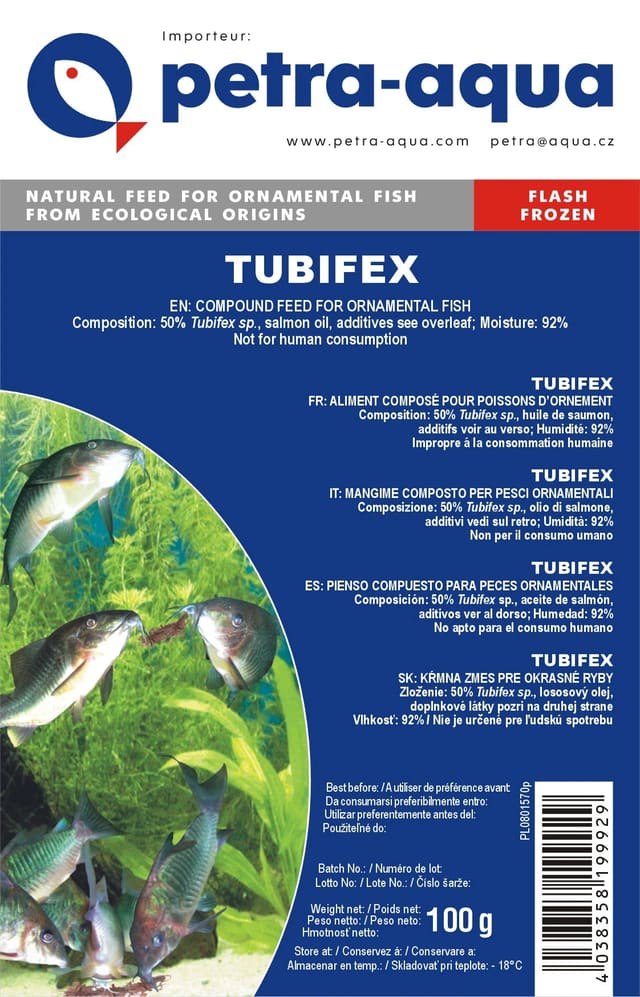
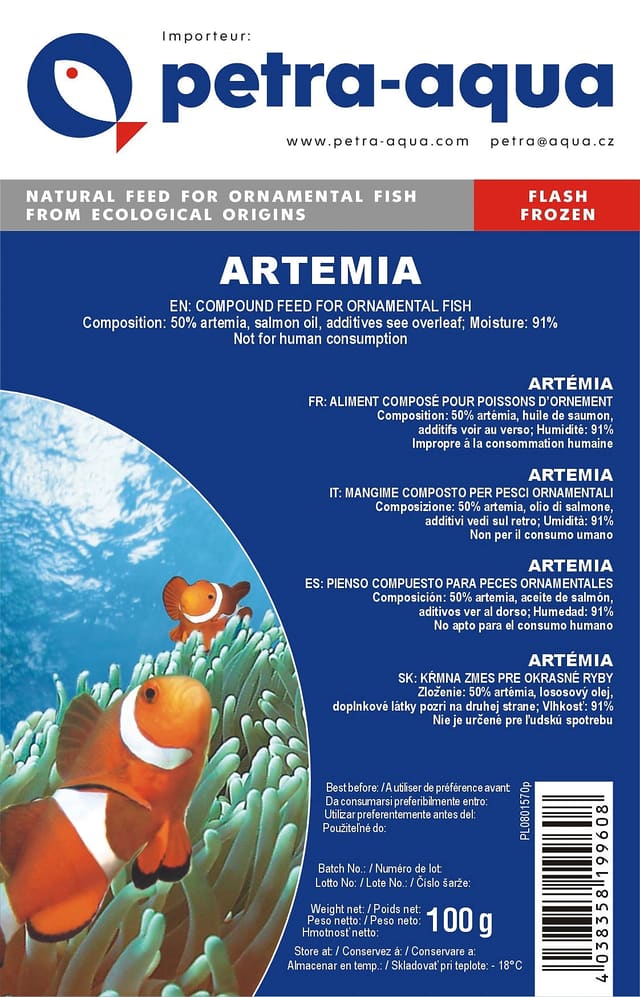
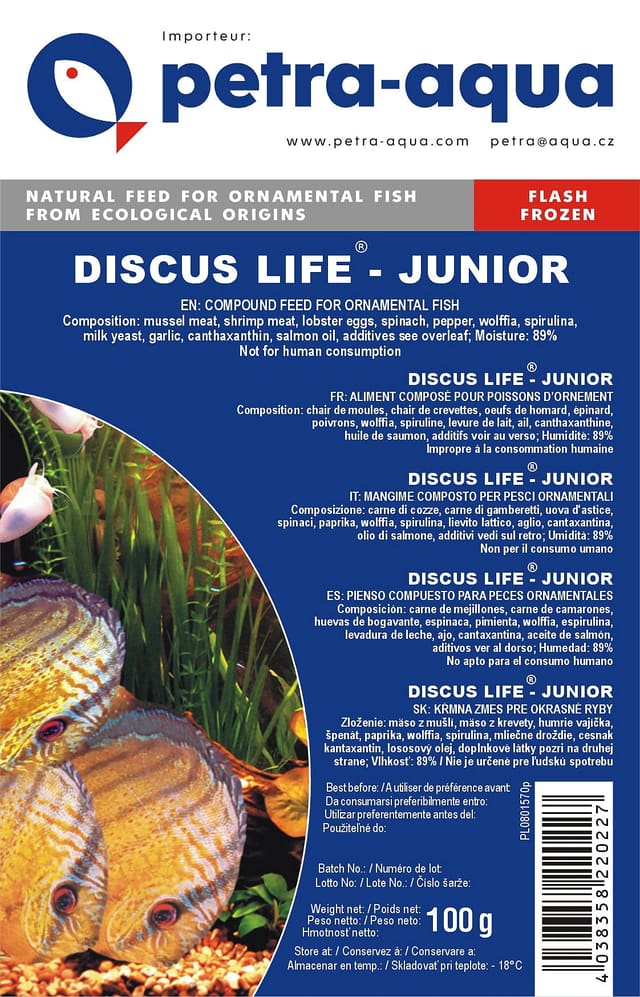
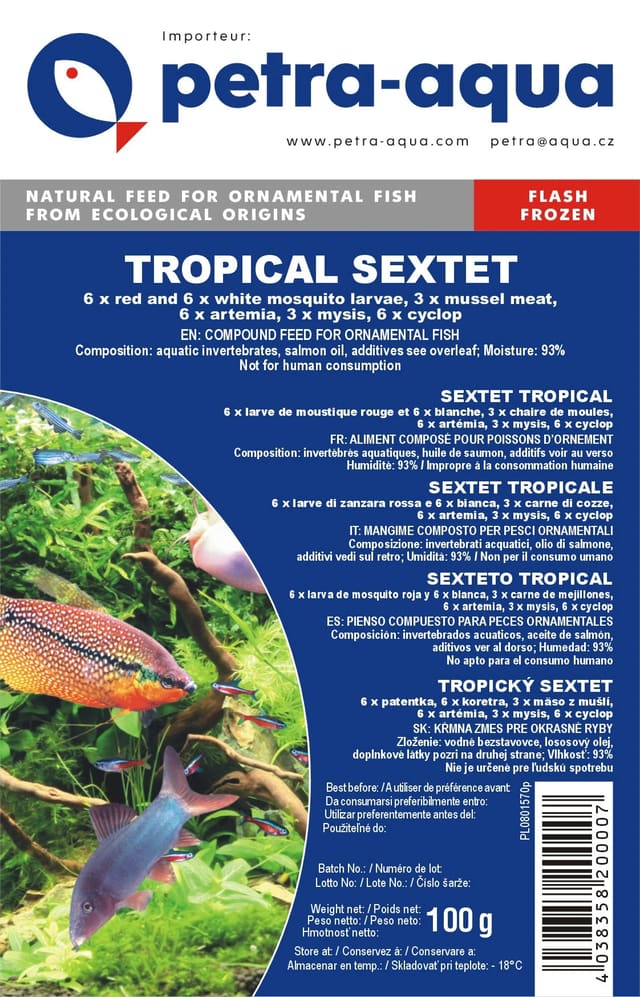
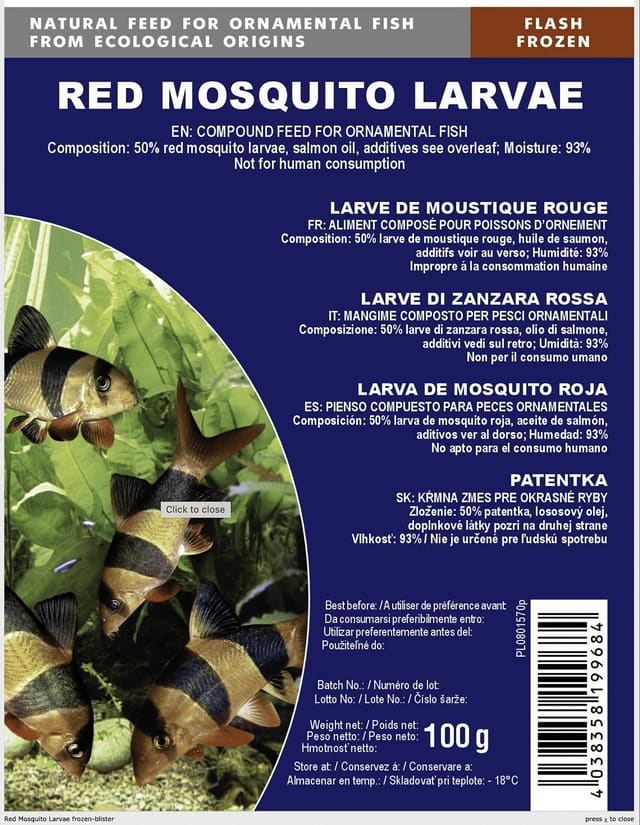
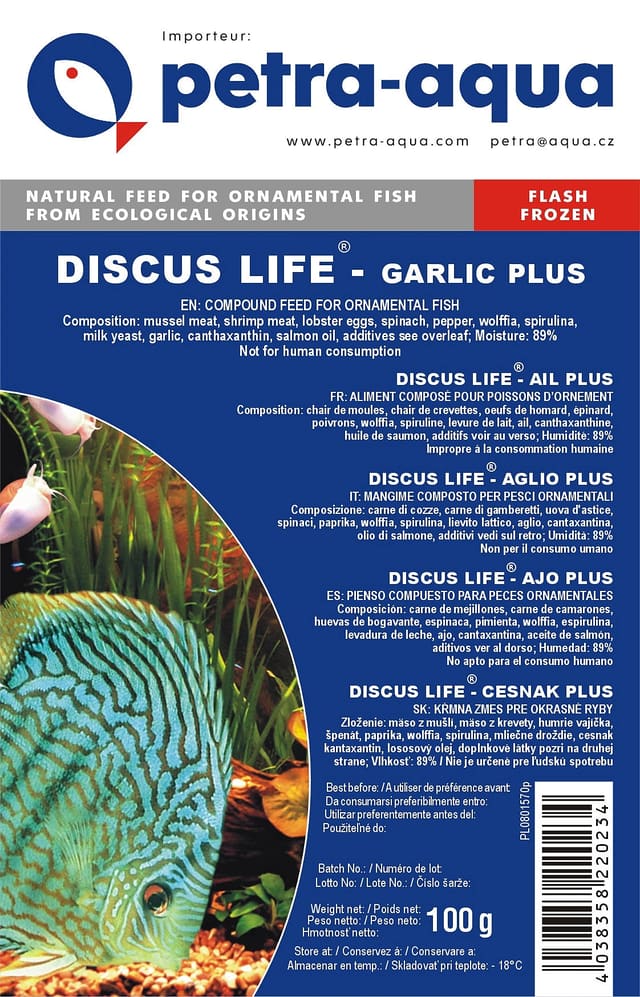
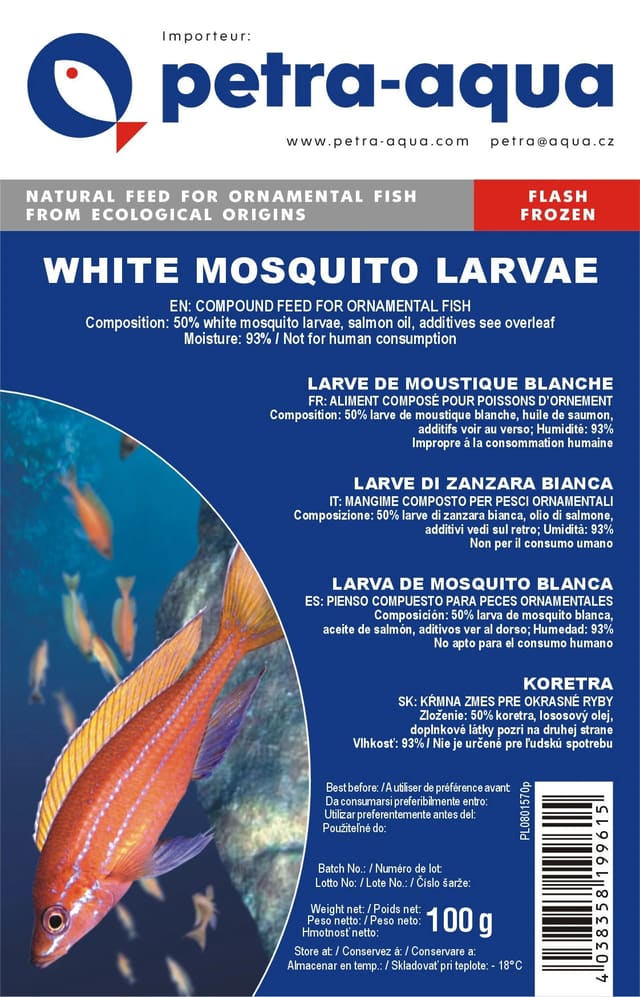
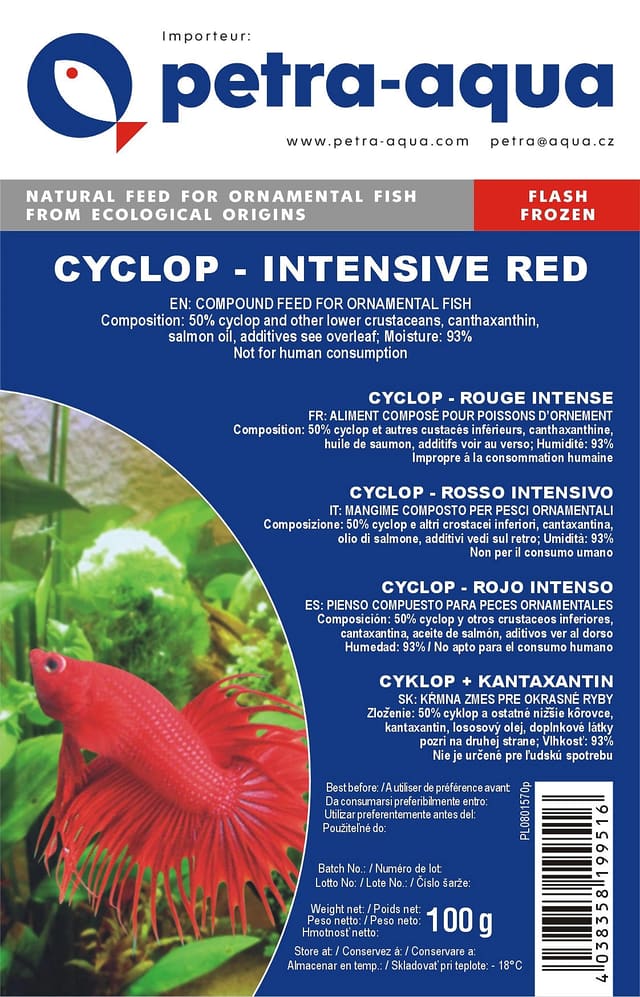
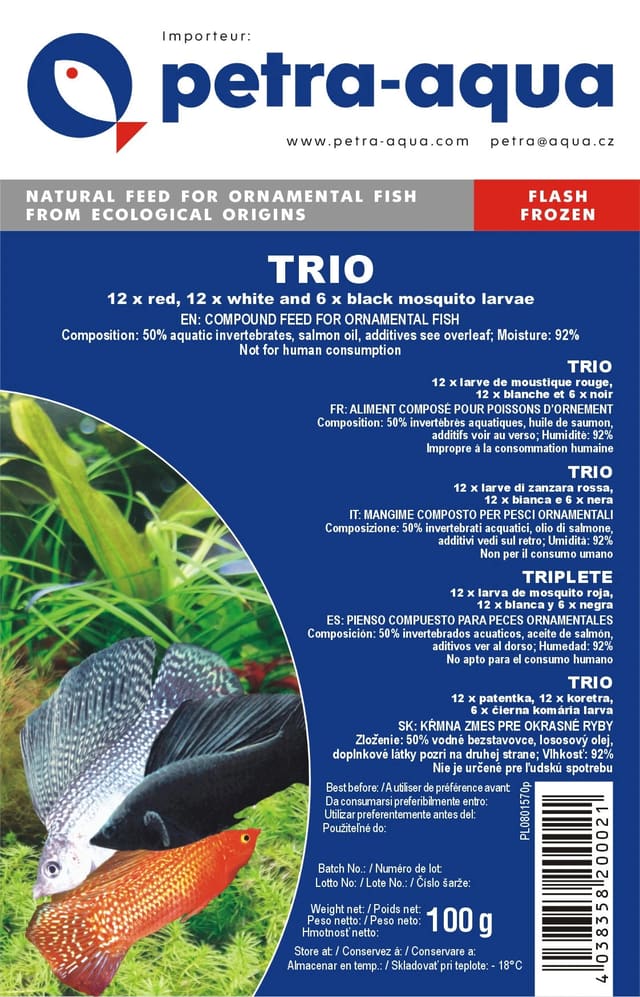
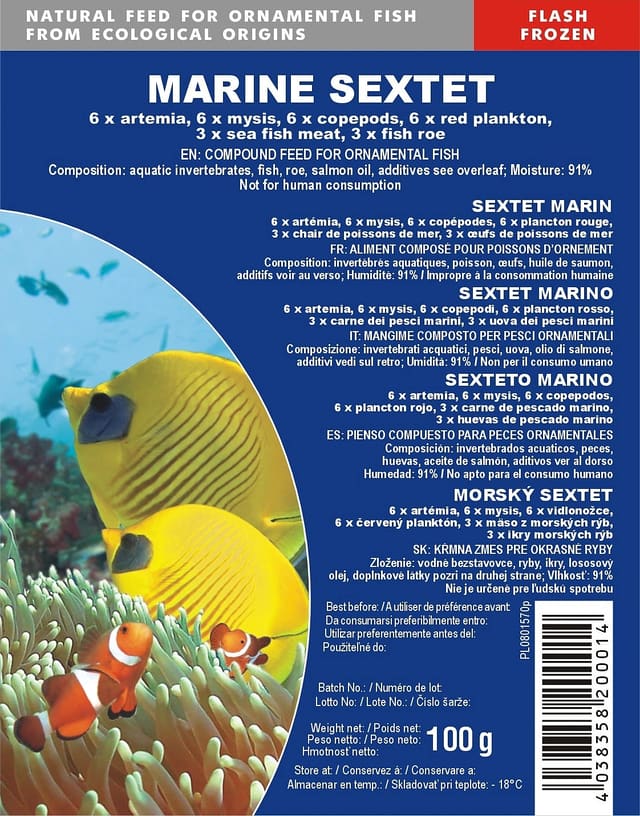
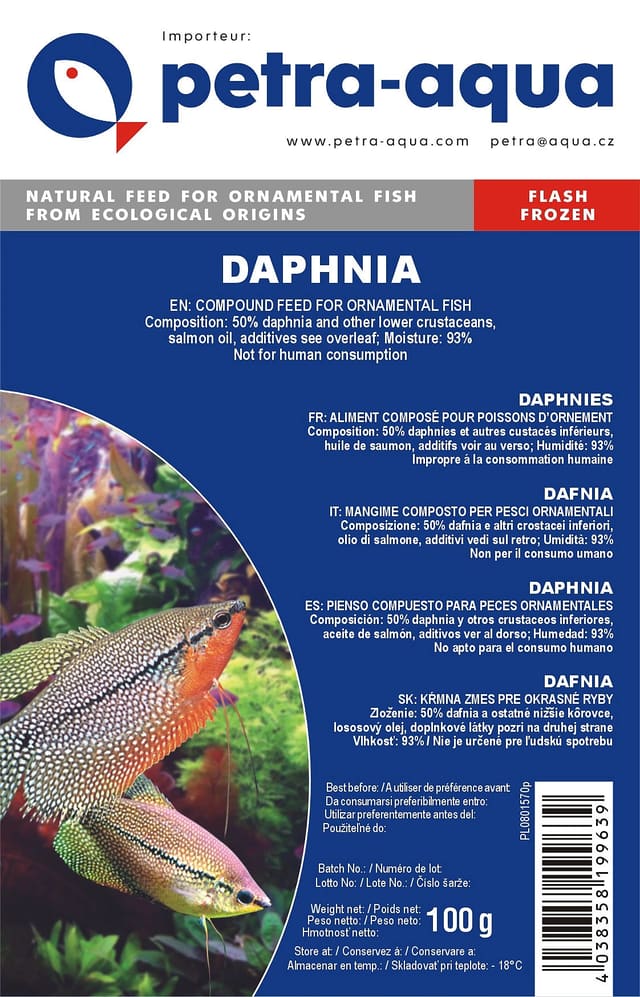
See our product image frozen-fish-food-uk.webp for a close look at the blister format and portion layout. The mix works especially well as Frozen Daphnia Spirulina for Aquarium use in mixed tanks, where some fish need roughage while others benefit from a softer, high-moisture food. Compared with dry-only feeding, Frozen Daphnia Spirulina Fish Food offers a more natural texture and often triggers a stronger feeding response. If you have been comparing gamma frozen fish food, aquadip frozen fish food, or wondering about the best frozen fish food for everyday variety, this blister pack gives excellent flexibility for routine feeding.
🔹 Quick Facts
- Product: 6x100g Daphnia + Spirulina Blister
- Food Type: Frozen fish food blister packs
- Main Ingredients: Daphnia and spirulina
- Best For: Tropical community fish, livebearers, bettas, small cichlids, goldfish
- Use: Supplemental or rotational staple feed
- Portion Format: Blister sections for controlled feeding
- Storage: Keep frozen until use
- Feeding Level: Feed only what fish consume in 2-3 minutes
Classification
- Category: Frozen aquarium food
- Primary Components: Zooplankton-based daphnia with spirulina algae
- Aquarium Role: Digestive support, dietary variety, conditioning food
In the aquarium hobby, daphnia has long been valued as a gentle, fibre-rich food that helps keep fish active and regular, while spirulina is widely used to support colour, condition, and herbivore-friendly balance. Together, they create a versatile frozen blend suited to many freshwater setups and selective feeders that ignore some dry foods.
Why Choose Daphnia and Spirulina as Frozen Fish Food?
Daphnia is often called a useful “roughage” food because its shell structure adds fibre to the diet. That makes this product a practical enriched daphnia food for aquarium fish, especially for fish that are prone to bloating on rich foods alone. Spirulina adds plant-based nutrition, making this blend suitable for omnivores and many fish that graze naturally. For keepers looking for quality frozen daphnia spirulina for aquarium use, this combination is one of the easiest ways to improve variety without overcomplicating feeding.
It also fills a gap between aquarium live food and dry diets like aquarium pellet food. Live foods can be excellent, but they are not always practical to source, store, or quarantine. Dry foods are convenient, but some fish respond better to frozen texture and scent. That is why many hobbyists use frozen daphnia spirulina for daily feeding in rotation rather than relying on one food type alone.
Expert Tip
If a fish is fussy after transport or after a water change, thawed daphnia-based foods often trigger feeding faster than dry foods. The softer texture and natural smell can help shy fish start eating again.
What Are the Main Ingredients in This 6x100g Blister Pack?
The key frozen daphnia spirulina ingredients are exactly what the name suggests: daphnia and spirulina. Daphnia are tiny freshwater crustaceans used widely in fish nutrition, while spirulina is a nutrient-rich blue-green algae commonly included in tropical fish food UK ranges. Together they create a balanced frozen blend that is lighter than bloodworm and often easier to digest.
Customers sometimes ask odd search-style questions such as what 6x100g daphnia + spirulina blister pack, what 6x100g daphnia + spirulina blisters, or what 6x100g daphnia + spirulina blister cube. In practical terms, this means a frozen food supplied in separated blister portions so you can break off only what you need. If you are used to slabs or loose cubes, the blister format is tidier and helps reduce waste.
Colour can vary slightly in frozen foods depending on the mix and freezing process. You may notice references like 6x100g daphnia + spirulina blister green, 6x100g daphnia + spirulina blister yellow, 6x100g daphnia + spirulina blister orange, 6x100g daphnia + spirulina blister red, 6x100g daphnia + spirulina blister white, or 6x100g daphnia + spirulina blister black in search results, but normal variation in tone is not usually a problem as long as the food has remained fully frozen and smells fresh when thawed.
How Do You Store Frozen Daphnia + Spirulina Properly?
Correct storage is simple but important. The ideal frozen daphnia spirulina storage temperature is standard freezer temperature, typically around -18°C or below. Keep the pack frozen until needed, and never allow repeated thawing and refreezing. If the food softens during transport, place it back into the freezer as soon as possible if still cold and partially frozen; if fully thawed for an extended period, it is safer not to refreeze.
One of the most common questions is how long does frozen fish food last. In a stable home freezer, unopened blister packs are best used within the manufacturer’s recommended period, but in general, quality is highest when used promptly and kept sealed against freezer burn. If you notice dry edges, excess ice crystals, or a stale smell after thawing, replace the pack.
Storage Warning
If you are asking why 6x100g daphnia + spirulina blister mold or why 6x100g daphnia + spirulina blisters look damaged, the usual cause is poor storage or accidental thawing. Frozen food should stay hard, sealed, and free from repeated temperature swings.
How to Use Frozen Fish Food Without Polluting the Tank?
A frequent People Also Ask topic is frozen fish food how to use and how to use frozen fish food. The best method is to remove one portion, thaw it in a small cup of aquarium water, then feed small amounts at a time. This lets you control the serving, prevents fish from swallowing large frozen chunks, and reduces the chance of uneaten food sinking into the substrate.
If you are wondering how to feed frozen daphnia spirulina or need a simple frozen fish food how to feed routine, think in terms of fish biomass rather than tank size. The keyword 6x100g daphnia + spirulina blister tank size appears in searches, but food portions are really matched to stock level, not litres alone. A lightly stocked 200-litre tank may need less than a heavily stocked 60-litre community.
For tanks with sand, remove leftovers quickly. Search terms like 6x100g daphnia + spirulina blister sand reflect a real issue: uneaten thawed food can disappear into pale sand and degrade water quality. Feed in a high-visibility area or use a feeding dish if you keep bottom-sensitive species.
Quick Setup Checklist for Feeding
- Break off one blister portion or part-portion as needed
- Thaw in a cup of tank water for a few minutes
- Stir gently and feed in small amounts
- Watch all fish eat before adding more
- Remove leftovers after 2-3 minutes
How Much Should You Feed and How Often?
The best frozen daphnia spirulina feeding guide is to use this food as part of a varied weekly plan. For most community fish, offer only what they can finish within 2-3 minutes. The right frozen daphnia spirulina portion size depends on fish size, species, water temperature, and how much dry food they already receive.
If you are asking how often to feed fish frozen food, a good starting point is 2-4 times per week for mixed community tanks, with high-quality granules or flakes on other days. Fishkeepers often compare frozen daphnia spirulina feeding frequency with richer foods such as bloodworm. Daphnia + spirulina is generally lighter, so it can be used more often than very rich treats, especially in tanks with livebearers, rainbowfish, danios, rasboras, and goldfish.
| Time | Food | Amount |
|---|---|---|
| Morning | Nanovit Granules | Small pinch, eaten in 1 minute |
| Evening | Thawed Daphnia + Spirulina | Small portion, eaten in 2-3 minutes |
This approach works well if you are comparing frozen daphnia spirulina vs standard fish food. Dry foods are efficient staples, while frozen foods add moisture, texture, and variety. For fish that need extra colour support, rotating with Super Color can be useful.
Overfeeding Warning
Too much frozen food can raise ammonia, clog filters, and leave oily waste in low-flow areas. Feed lightly, especially in small aquariums, fry tanks, and warm tanks where waste breaks down quickly.
Which Fish Benefit Most from Frozen Daphnia + Spirulina?
This blend is highly versatile. It is excellent frozen daphnia spirulina for tropical fish, and many keepers consider it the best frozen daphnia spirulina for freshwater fish when they want something gentler than bloodworm. It suits tetras, rasboras, danios, livebearers, dwarf gouramis, many barbs, juvenile angelfish, and plenty of goldfish and subtropical species.
It is also useful as frozen daphnia spirulina for community tank feeding because it offers both animal and plant components. Fish that browse all day often do well with this balance. For algae-grazing or mixed-diet species, frozen daphnia spirulina for herbivore fish can be a smart supplement alongside spirulina flakes or wafers.
For stronger feeders, you can rotate this product with 6x100g Frozen Artemia Blister or 6X100G Cockle Meat Blister. Bettas and other surface-feeding fish may also benefit from occasional use alongside a dedicated Betta Fish Food staple.
Is This Better Than Bloodworm, Krill, Calanus, or Mysis?
Many aquarists compare foods before buying. Search terms like what are frozen bloodworms, what frozen bloodworm 1kg for, what frozen bloodworm 1kg is best, krill superba fish food, calanus fish food, and mysis rs all point to the same question: which frozen food suits my fish best?
Daphnia + spirulina is usually lighter and more fibre-rich than bloodworm, so it is often preferred for routine use in community tanks. Bloodworm is richer and can be excellent for conditioning, but overuse may lead to digestive issues in some fish. Krill and calanus are often chosen for marine fish, larger predators, or colour enhancement, while mysis is a very useful all-rounder for many species.
| Feature | Daphnia + Spirulina | Bloodworm |
|---|---|---|
| Digestibility | Light to moderate | Moderate to rich |
| Best Use | Routine variety, fibre support | Conditioning, treat feeding |
| Ideal For | Community fish, omnivores | Larger tropical fish, conditioning adults |
If you want to broaden your freezer selection, compare this with 6X100G Daphnia Bred Blister for a more daphnia-focused option or X 100G Cocktail Shrimp Meat Blister for larger, meat-eating species.
Can You Use This Food for Cichlids, Bettas, and Goldfish?
Yes, in the right context. For smaller omnivorous cichlids, this can be a useful frozen fish food for cichlids when fed in moderation. It is especially handy for species that need variety but should not live on rich meaty foods alone. For bettas, use small amounts and rotate with a dedicated staple such as Betta Fish Food. For goldfish, daphnia is often appreciated because it is lighter and can support better digestion than very rich treats.
Customers also search for best enriched daphnia food for tropical fish, enriched daphnia food UK, and premium enriched daphnia food UK. This product fits that role well because it combines natural planktonic food with spirulina rather than relying on a single ingredient. It is especially useful for fishkeepers who want enriched daphnia food for tropical fish UK without moving to live foods every day.
What Does the Blister Format Actually Mean for Daily Feeding?
Blister packs are designed for convenience. Instead of cutting chunks from a frozen slab, you can portion more accurately and keep the remaining food sealed. That is why many hobbyists prefer frozen fish food blister packs over bulk blocks for home use. If you have ever searched frozen fish food cubes, this is the same basic idea: measured frozen portions that are easier to handle.
Shoppers sometimes type unusual queries such as what day 6x100g daphnia + spirulina blister cube, what day 6x100g daphnia + spirulina blister pack, what day 6x100g daphnia + spirulina blisters, what time 6x100g daphnia + spirulina blister pack, or what time 6x100g daphnia + spirulina blisters. The practical answer is simple: feed at your normal schedule, ideally once or twice daily depending on species, and use the blister to keep portions consistent.
If you are comparing this with bulk products like frozen bloodworm 1kg buy or frozen bloodworm 1kg buy online, the blister is usually better for mixed home aquariums, while large bulk packs are more common for fish rooms, shop systems, or heavy feeding setups.
Is This a Good Choice for Breeding and Conditioning Fish?
Yes, especially as part of a varied conditioning plan. The frozen daphnia spirulina benefits for fish include improved feeding response, useful dietary fibre, and added plant nutrition. For breeding pairs, rotating daphnia + spirulina with artemia, quality granules, and species-specific foods can help bring fish into condition without overloading them with fatty foods.
If you are conditioning egg-layers, search phrases like 6x100g daphnia + spirulina blister eggs reflect a real use case: fish in breeding condition often respond very well to frequent small frozen meals. This is not a medication, cure, or miracle breeder, but it can support overall condition when paired with clean water and stable temperature. For discus or other demanding feeders, you can rotate with 6X100G Discus Life Basic Blister for broader dietary coverage.
Conditioning Tip
For breeding adults, feed smaller frozen meals 2-3 times per day for 7-10 days, combined with extra water changes. This often improves spawning readiness more safely than simply feeding one very rich food.
Are There Any Health Risks or Common Feeding Mistakes?
The main risk is not the food itself, but how it is used. Overfeeding, poor thawing habits, and leaving food to rot in the tank are the common mistakes. Search terms like 6x100g daphnia + spirulina blister disease, 6x100g daphnia + spirulina blister treatment, 6x100g daphnia + spirulina blister medicine, and 6x100g daphnia + spirulina blister medication can be misleading. This is a food product, not a treatment. Good nutrition supports fish health, but it does not replace diagnosis, quarantine, or proper medication.
If you are asking broad questions like are fish from pets at home healthy, the better question is whether your fish are active, feeding, breathing normally, and passing normal waste. A suitable diet helps, but water quality matters more. That is also why terms such as which 6x100g daphnia + spirulina blister cube matter less than choosing the right portion for your stock.
Health Warning
This food is not a substitute for quarantine or disease treatment. If fish stop eating, clamp fins, flash, gasp, or develop lesions, test the water first and isolate affected fish if needed.
How Does It Compare with Other UK Frozen Food Brands and Shop Options?
UK buyers often compare frozen fish food pets at home, gamma frozen fish food, aquadip frozen fish food, and specialist shop ranges when deciding what to stock in the freezer. The biggest differences are usually ingredient mix, portion format, consistency, and how easy the pack is to use day to day.
This 6x100g format is especially practical for home aquarists who want less mess than bulk slabs and more flexibility than single-ingredient foods. It also fits well into a mixed feeding plan with tropical mix frozen fish food, artemia, and quality dry foods. If you are browsing alternatives from fish food wholesalers or comparing specialist frozen lines, focus on species suitability, digestibility, and portion control rather than brand name alone.
For marine keepers searching best frozen marine fish food, this product is generally more relevant to freshwater and mixed omnivorous feeding than to strictly marine carnivore diets. Marine systems often benefit more from krill, mysis, calanus, or mixed seafood blends.
Where Can You Buy Frozen Daphnia + Spirulina Online in the UK?
If you want frozen fish food online UK shoppers can store easily and feed confidently, this blister pack is a straightforward option. It suits aquarists looking to buy frozen daphnia spirulina UK, buy frozen daphnia spirulina online UK, or compare frozen daphnia spirulina price UK against other daily-use frozen foods. Because it is portioned and versatile, it is also a sensible choice for anyone searching frozen daphnia spirulina for sale UK or frozen daphnia spirulina for sale online UK.
Whether you searched Tropical frozen daphnia spirulina buy online UK, buy Tropical frozen daphnia spirulina UK, or frozen daphnia spirulina fish food buy UK, the key benefit is the same: an easy-to-use frozen food that fits many freshwater setups. It is also a practical midpoint between specialist live foods and standard flakes.
Why Choose This 6x100g Daphnia + Spirulina Blister
- Combines fibre-rich daphnia with spirulina for balanced variety
- Blister portions make feeding cleaner and more consistent
- Useful for community tanks, omnivores, goldfish, and conditioning diets
You Might Also Like
Build a more flexible feeding routine by rotating this food with other proven options. Try 6x100g Frozen Artemia Blister for protein-rich variety, or use Nanovit Granules as a reliable dry staple between frozen feeds. For fish that need stronger colour support, Super Color is a useful companion food. If you want another plankton-style option, 6X100G Daphnia Bred Blister is worth comparing. Larger carnivores may prefer 6X100G Cockle Meat Blister or X 100G Cocktail Shrimp Meat Blister. And for specialist feeders, 6X100G Discus Life Basic Blister can round out a more targeted frozen feeding plan.
You Might Also Like


Betta Fish Food - 6x100g Frozen Fish Food Cubes for Quality Betta Fish Nutrition

X 100 G Octet Blister - Frozen Fish Food UK

6x100g Duet Red-White Blister - Frozen Fish Food UK

6x100g Cyclop Blister - Frozen Fish Food UK

6x100g Crustacean Food Blister - Frozen Fish Food UK

6X100G Filter Feeder Food Blister - UK

6x100g Cyclop Intensive Red Blister - UK
Popular Right Now

Yellow Vampire Crab (Geosesarma sp.) - UK

Aulonocara sp. 'Firefish' - Tropical Fish for Sale UK

Yellow Lepturus Cichlid - UK

Apistogramma agassizii “Super Red” - UK

Endler Gold Guppy Breeding (Poecilia wingei) - UK

X Neon Green Rasbora - UK

Rasbora Heteromorpha (Trigonostigma heteromorpha) - UK