Frozen Bloodworms Large - Aquarium supplies from Tropical Fish Co

X 100G Red Mosquito Larvae Tropical Fish Food - UK

£24.99In Stock

Protein-rich red mosquito larvae in a 100g pack, ideal as tropical fish food for strong colour and feeding response. Buy now for fast UK delivery.

Aquarium SuppliesFish FoodFrozen FoodHigh ProteinModerate CareTropical FishUK Delivery

Premium Quality

Healthy, vibrant fish from trusted suppliers

Expert Care

Detailed care guides and support

Live Arrival Guarantee

Your fish arrives healthy or we'll replace it

Acclimated

Properly quarantined and ready for your tank

Why Choose This Fish?

Protein-rich red mosquito larvae in a 100g pack, ideal as tropical fish food for strong colour and feeding response. Buy now for fast UK delivery.

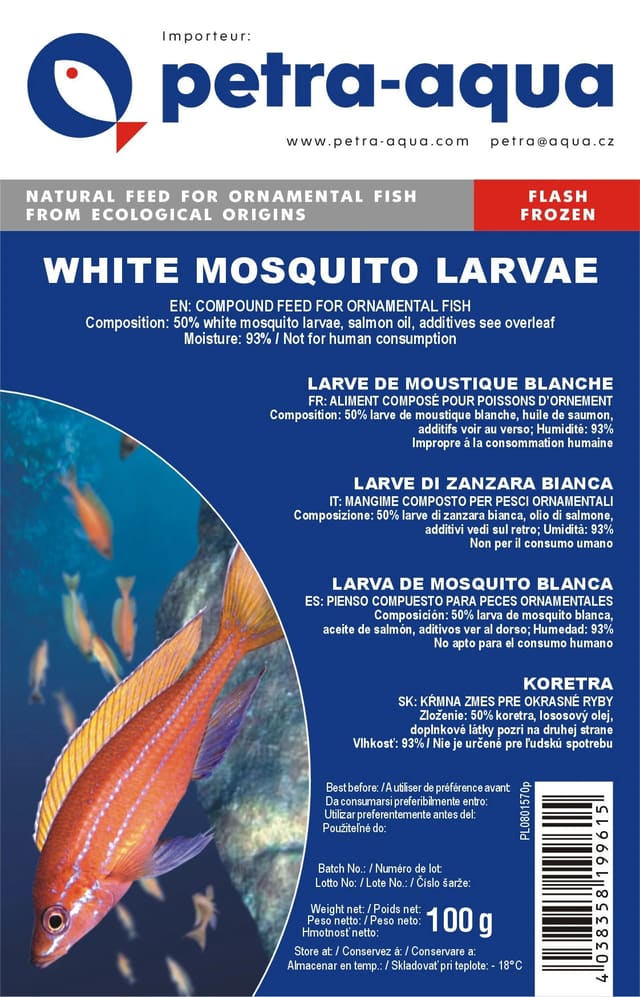
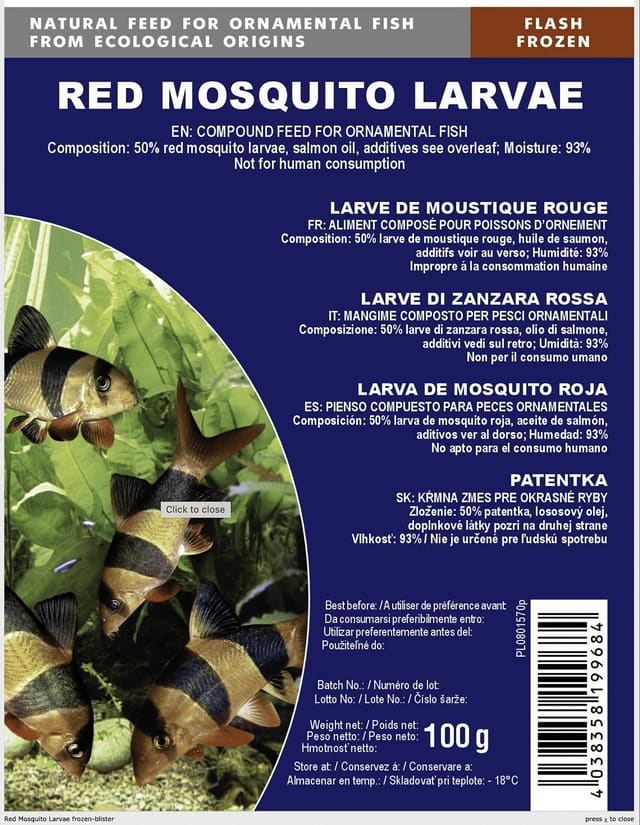
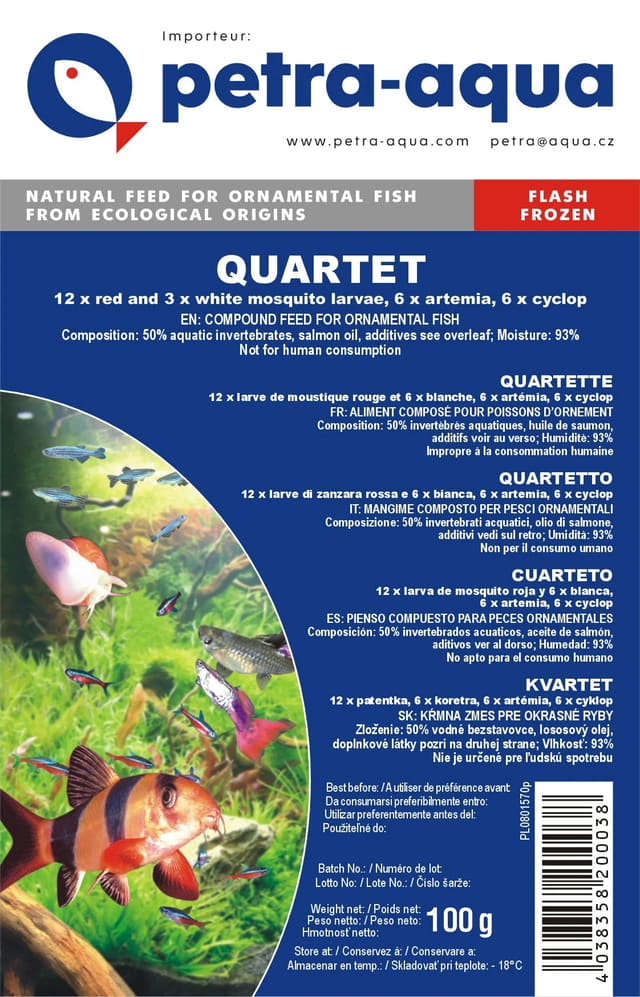
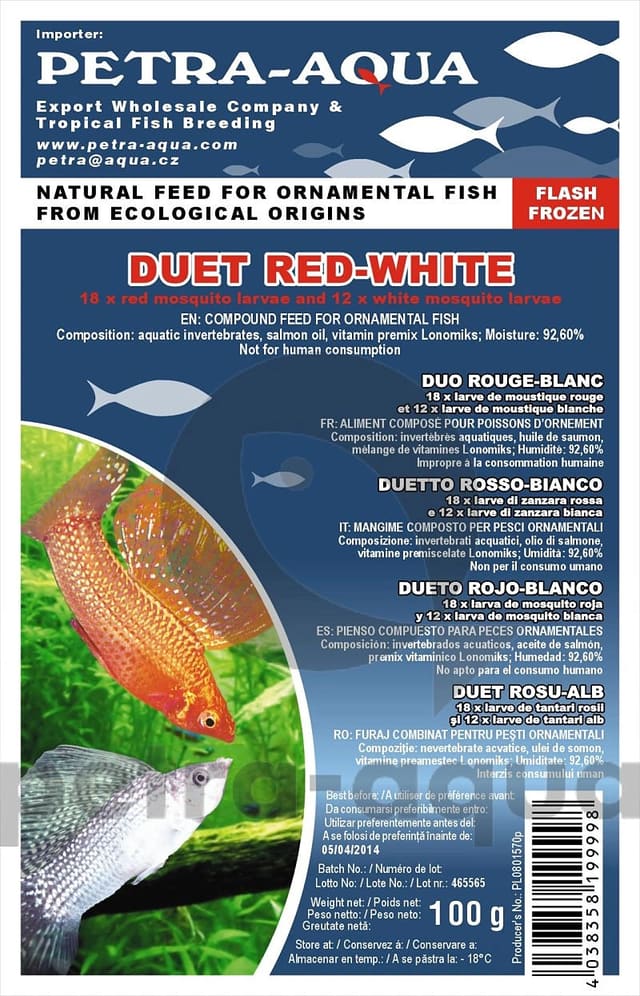
X 100G Red Mosquito Larvae is a practical, high-protein tropical fish food designed for aquarists who want more than basic flakes. These Frozen Red Mosquito Larvae are a natural-style, protein-rich option for many freshwater species, especially fish that respond best to meaty foods with strong feeding appeal. If you have ever wondered what is aquarium fish food beyond standard flakes and pellets, this product is a clear example: a targeted, animal-based feed that helps support condition, appetite, growth, and colour. See our detailed photos showing the deep red tone and clean blister-packed portions in the product image tropical-fish-food.webp, which also helps explain the product’s strong visual feeding response in the aquarium.

As flash frozen red mosquito larvae for aquarium fish, this food is made for convenience as well as nutrition. It suits a wide range of tropical community fish, many dwarf cichlids, gouramis, barbs, rasboras, tetras, livebearers, and other ornamental species that benefit from a high protein diet for tropical fish. Compared with some aquarium fish dry food, frozen larvae often trigger a faster feeding response and can be especially useful for fussy feeders, conditioning adults, and fish recovering appetite after stress. For keepers looking for a nutrient rich frozen food for aquarium fish, this 100g pack offers a simple way to add variety, texture, and natural feeding behaviour to your routine.

🔹 Quick Facts

  • Product Type: Frozen aquarium fish food
  • Format: 100g blister pack
  • Main Ingredient: Red mosquito larvae
  • Best For: Tropical community fish, cichlids, and omnivorous freshwater fish
  • Feeding Style: Supplemental or rotational staple in mixed diets
  • Storage: Keep frozen until use
  • Use Case: Appetite stimulation, conditioning, colour support
  • Care Level: Beginner friendly feeding with correct thawing and portion control

Classification

  • Category: Frozen fish food
  • Food Type: Natural fish food / animal protein feed
  • Suitable Systems: Freshwater tropical aquariums

In the aquarium hobby, red mosquito larvae have long been used as a natural food for ornamental fish that need more variety than flakes alone can provide. They sit alongside other classic frozen foods such as brine shrimp, daphnia, krill, and mixed community formulas, and are especially valued for their strong feeding response and conditioning benefits.

Why Choose Red Mosquito Larvae as Tropical Fish Food?

Many keepers ask which tropical fish food is best or which tropical fish food should i use for better appetite and body condition. The answer often depends on the species you keep, but red mosquito larvae are widely considered one of the most useful frozen options because they are rich, palatable, and easy to portion. They work well as freshwater fish food for fish that naturally hunt insect larvae in the wild, making them a smart addition to a balanced feeding plan.

This product is not meant to replace every other food in your cabinet. Instead, it complements staples such as Tropical Supervit Flakes, Tropical Ovo-vit Flakes, and granules like Tropical Supervit Granulat 10g Zip-Sachet. If you are comparing tropical fish food pellets or flakes, frozen larvae give you a third option: a moist, natural-texture food that often outperforms both when fish are shy, breeding, or newly imported.

Why aquarists use Red Mosquito Larvae

  • Strong feeding response from picky fish and newly settled stock
  • Useful in a tropical fish feeding guide as a rotational protein source
  • Helps create a more varied tropical fish food mix for community tanks
  • Excellent for conditioning adults before spawning

What Is Aquarium Fish Food Made Of, and How Is This Different?

Customers often ask what is aquarium fish food made of and how frozen foods differ from flakes. Standard dry foods may include fish meal, shrimp meal, plant matter, vitamins, binders, and colour enhancers. That is why labels for aquarium fish food ingredients can look very different from one product to another. By contrast, this product is much simpler: Red Mosquito Larvae prepared as flash frozen red mosquito larvae to preserve texture and feeding value.

That simplicity is one reason many hobbyists looking for natural tropical fish food online choose frozen foods. If you have searched for natural food for ornamental fish or natural high protein food for ornamental fish, this is exactly the type of product those terms describe. It is also a useful contrast to questions like what are tropical fish flakes made of, because larvae-based foods are more direct and species-relevant for many insect-eating fish.

Expert Tip

If your fish ignore flakes after transport or after a major water change, thawed red mosquito larvae are often one of the fastest ways to restart confident feeding. In my experience, small rasboras, gouramis, and dwarf cichlids usually respond within seconds when the food is offered in a low-flow area.

How Do You Feed Red Mosquito Larvae to Fish Safely?

One of the most common questions is how to feed red mosquito larvae to fish. The safest method is simple: remove a small portion, thaw it in a cup of aquarium water, optionally rinse it, then feed only what your fish can finish in a few minutes. If you are new to frozen foods and wondering frozen fish food how to feed, think of it as controlled, measured feeding rather than dropping a whole block into the tank.

For anyone asking how to feed frozen fish food, how to feed frozen fish food cubes, or how to use frozen fish food, the key is portioning. Break off only what you need. If the pack is in cube or segment form, learn how to cut frozen fish food cleanly while still frozen, using a dedicated aquarium utensil. Then follow the same routine every time so your fish get a consistent aquarium fish food dose per day.

Time Food Amount
Morning Flakes or granules Small pinch eaten in 30-60 seconds
Evening Thawed red mosquito larvae Small portion eaten in 2-3 minutes

⚠️ Avoid overfeeding

Too much frozen food can foul the substrate, raise ammonia, and stress fish. Start with less than you think you need. A good fish food portion size guide is to feed only what all fish can consume quickly without leftovers drifting into corners or filters.

How Do You Thaw, Rinse, and Store Frozen Fish Food Properly?

Good handling matters. If you have searched how to thaw frozen fish food, how to prepare frozen fish food, or how to rinse frozen fish food, the best practice is to thaw the portion in a small cup of tank water or dechlorinated water. Some keepers feed directly after thawing; others prefer a quick rinse through a fine net to reduce excess juices before adding it to the aquarium.

A reliable frozen fish food storage guide starts with keeping the pack solidly frozen and returning unused portions to the freezer immediately. Never refreeze food that has fully thawed and sat warm for long periods. If you are asking how to store frozen fish food, the answer is simple: keep it frozen, sealed, and separate from food for human use where possible. Also avoid using expired frozen fish food; texture, smell, and nutrient quality can decline over time.

For beginners wondering how to feed thawed frozen fish food safely, use clean tools, small portions, and feed promptly after thawing. This makes frozen fish food for beginner aquarists much easier to manage and helps maintain water quality.

What Fish Eat Red Mosquito Larvae?

If you are asking what fish eat red mosquito larvae, the list is broad. Most tetras, rasboras, danios, barbs, rainbowfish, gouramis, angelfish, bettas, many catfish, and a wide range of dwarf cichlids will take them readily. They are especially effective as community tank fish food in mixed tropical aquariums where different species need a food with strong scent and movement-like appeal once dispersed in water.

This makes them a top candidate for best frozen food for community tank fish and one of the best frozen fish food for community tanks options when you want broad acceptance. As frozen larvae food for tropical community fish, they fit neatly into a varied plan alongside flakes, granules, and occasional treats such as Tropical FD Calanus or larger crustacean-based foods like Tropical Krill Gran XXL for bigger species.

Quick Feeding Checklist

  • Thaw a small portion before use
  • Feed in low to moderate flow for better capture
  • Use as part of a community tank food rotation, not the only food
  • Match particle size to fish mouth size
  • Remove leftovers if any remain after a few minutes

Is This the Best Food for Community Tanks and Mixed Diets?

In many setups, yes. Aquarists searching for best food for thriving tropical fish in community tanks usually do best with variety rather than a single product. Red mosquito larvae are ideal in a weekly rotation with flake, granule, and other frozen foods. That is why many keepers build a frozen fish food mix or frozen fish food tropical mix around foods like larvae, daphnia, brine shrimp, and calanus.

If you keep a heavily stocked community aquarium, this product can be part of a balanced aquarium tropical fish food plan. Pair it with D-Allio Plus Granulate for a garlic-based dry option, or with 6X100G Loricaria Food Blister if your tank includes bottom-feeding loricariids that need a different nutritional profile. Used correctly, it becomes part of the best frozen fish food for community tanks strategy rather than a one-size-fits-all solution.

What Are the Main Red Mosquito Larvae Benefits for Fish?

The main red mosquito larvae benefits for fish are appetite stimulation, protein intake, and improved conditioning. Many aquarists use them as nutrient rich fish food for fish that need to regain weight, prepare for spawning, or simply show stronger feeding behaviour. They are also popular as red mosquito larvae for tropical fish growth and colour, especially when used alongside a complete staple diet containing vitamins and plant matter.

For fish with washed-out tones, keepers often choose red mosquito larvae for vibrant fish coloration as part of a broader plan that includes stable water quality and quality dry foods. This is where tropical fish food colour is influenced by more than pigments alone: protein quality, feeding frequency, stress levels, and water conditions all matter. In practice, larvae can support condition and display, particularly in species that naturally consume insect prey.

Conditioning Tip

For breeding pairs of dwarf cichlids or egg-laying tetras, offer small portions of thawed red mosquito larvae 3-4 times per week for two weeks before expected spawning. This red mosquito larvae feeding guide approach often improves body condition without the waste that comes from large, infrequent meals.

Red Mosquito Larvae vs Flakes, Brine Shrimp, and Daphnia: Which Should You Choose?

Comparison matters because no single food does everything. If you are deciding between red mosquito larvae vs brine shrimp, larvae are generally richer and more filling, while brine shrimp are often lighter and useful for smaller fish. In the red mosquito larvae vs daphnia comparison, daphnia are often favoured for lighter feeding and digestive balance, while mosquito larvae are better for conditioning and stronger protein intake.

Compared with red mosquito larvae vs frozen fish flakes—a phrase hobbyists sometimes use even though flakes are usually dry rather than frozen—larvae offer a more natural texture and stronger feeding trigger. Dry foods still matter, especially complete formulas such as Tropical Supervit Flakes. A mixed plan is usually best.

Feature X 100G Red Mosquito Larvae Tropical Supervit Flakes
Texture Moist, meaty, natural Dry flake
Best Use Conditioning, variety, fussy feeders Daily staple feeding
Ideal For Omnivores and insect-eating tropical fish General community fish maintenance

Can Cichlids and Larger Tropical Fish Eat Red Mosquito Larvae?

Yes, in moderation. If you are asking can tropical fish eat cichlid food or whether this product works as frozen fish food for cichlids, the answer is that many small to medium cichlids take it eagerly. It can also fit into a tropical fish food for cichlids routine for species that accept insect larvae and other meaty foods.

For larger fish, portion size matters more than the food itself. Use this as part of a varied plan rather than the sole diet. If you need a chunkier dry companion food, Tropical Krill Gran XXL can complement frozen larvae well for bigger mouths and stronger feeding competition.

⚠️ Match the food to the fish

Red mosquito larvae are excellent, but they are not ideal as the only diet for every species. Herbivores, specialised algae grazers, and fish with strong plant-matter needs should still receive species-appropriate foods. Always consider natural feeding ecology before deciding which tropical fish food flakes, granules, or frozen foods to use.

How Much Red Mosquito Larvae Should You Feed?

A common question is how much red mosquito larvae to feed fish. A safe starting point is a portion your fish can finish in 2-3 minutes, once daily for small tanks or 3-4 times weekly as part of a rotation. This depends on species, stocking density, and whether larvae are being used as a staple or supplement.

In a mixed community, feed less than you would with flakes because frozen foods are denser and easier to overdo. If you use an aquarium fish feeding ring, aquarium fish food holder, or target-feed with a pipette, you can reduce drift and waste. Some aquarists combine automatic dry feeding from an aquarium fish food dispenser with evening frozen feeds for better variety.

What If You Normally Use Flakes or Pellets?

Many customers compare this product with tropical fish food flakes, tropical fish food pellets, and general fish food pellets. The best answer is not flakes versus frozen, but how to combine them. Flakes such as tetramin tropical flakes or tetra color tropical flakes are convenient daily staples. Frozen larvae add variety, stronger feeding response, and a more natural prey profile.

If you are wondering what time tropical fish food flakes, when tropical fish food flakes, or even why tropical fish food flakes are so common, it is because they are easy to store and dose. But for fish that need more than convenience, larvae can be the difference between fish merely surviving and fish actively feeding, displaying, and conditioning well.

What Should You Feed If You Run Out of Food?

People often ask what can i feed my tropical fish if i run out of food or what can you feed tropical fish besides fish food. The safest answer is to keep a backup staple and one frozen option on hand. This product is useful as part of that backup plan, but it should still be used correctly and not as a substitute for species-specific nutrition forever.

Healthy adult tropical fish can usually tolerate short fasting periods better than overfeeding, so if you are also asking how long tropical fish live without food, most established adults can manage several days, though fry and weak fish cannot. That is why keeping both frozen and dry foods in reserve is sensible.

How Does This Fit Into Tank Conditions and General Aquarium Care?

Food quality works best when the aquarium itself is stable. In most tropical community tanks, fish receiving red mosquito larvae do best at water temperature 24-27C, with many common species also comfortable in water hardness 4-12 dkh. For mixed communities, a practical baseline is minimum tank size 80L or minimum tank size 80l, especially if you want enough swimming space and dilution for richer foods.

Because frozen foods can increase waste if overused, filtration and maintenance matter. Use a secure aquarium fish food container for dry foods, keep frozen foods in proper storage, and avoid feeding more just because the fish appear excited. Good aquarium fish food habits always beat random feeding.

24-27°C
Suggested tropical range
4-12 dKH
Typical hardness range
80L+
Practical community tank baseline

Where Can You Buy Frozen Fish Food in the UK, and What Should You Look For?

If you want to buy frozen fish food UK, focus on product quality, cold-chain handling, and sensible pack size. This listing is ideal for hobbyists who want manageable portions rather than oversized bulk packs such as aquarium fish food 1 kg, aquarium fish food 1kg, or tiny trial sizes like aquarium fish food 50g. It also suits aquarists searching for aquarium fish food online or placing an aquarium fish food online order for routine maintenance stock.

Some buyers compare specialist shops with broad searches such as aquarium fish food shop, aquarium fish food shop near me, fish food near me, or aquarium fish food delivery near me. The real priority should be secure handling, realistic stock turnover, and clear feeding guidance. For many hobbyists, that matters more than vague marketplace listings like aquarium fish food ebay or unrelated searches such as chewy com fish products, tropical fish food walmart, tropical fish food tesco, or tropical fish food pets at home.

Add another pack of X 100G Red Mosquito Larvae for regular rotation feeding in busy community tanks.
Pair with D-Allio Plus Granulate to combine frozen protein with a convenient dry daily feed.

Why Buy X 100G Red Mosquito Larvae from Tropical Fish Co?

This product is selected for aquarists who want a dependable frozen option with clear use in real aquariums, not just a generic label. It is especially useful for keepers building a varied fish feeding solution uk routine for community fish, cichlids, and selective feeders. If you have been comparing best tropical fish food uk, tropical brand fish food, hikari frozen fish food, or reading threads like best frozen fish food reddit, frozen fish food reddit, best tropical fish food reddit, and even a finsect tropical fish food review, the key difference is often how well the food fits your fish rather than the loudest brand name.

We present this as a practical frozen option for aquarists who want quality, sensible pack size, and compatibility with common staple foods. It is a strong choice for those looking for frozen fish food delivered, aquarium fish food delivery, or even aquarium fish food instant delivery where available. It also makes sense for buyers comparing tropical fish food bulk, community tank fish food for sale, aquarium fish food wholesale, aquarium fish food wholesale near me, tetra fish food wholesale, and hikari fish food wholesale, but who still want a manageable retail pack for home use.

Why Choose Tropical Fish Co for X 100G Red Mosquito Larvae

  • Convenient 100g format that is easier to portion than oversized frozen slabs
  • Useful alongside flakes, granules, and other frozen foods for a balanced tropical routine
  • Clear, practical guidance on thawing, feeding, and storage for cleaner aquarium use

You Might Also Like

Build a more complete feeding plan with a few complementary foods. Use Tropical Supervit Flakes as a dependable daily staple for mixed community fish, and add Tropical Ovo-vit Flakes when you want extra variety in a flake format. For dry protein support, Tropical FD Calanus is a useful companion food, while Tropical Krill Gran XXL suits larger tropicals. If your aquarium includes algae grazers or Loricariids, 6X100G Loricaria Food Blister covers a very different nutritional niche. And if you want to keep your routine simple, D-Allio Plus Granulate pairs neatly with frozen larvae for a balanced week-to-week feeding plan.