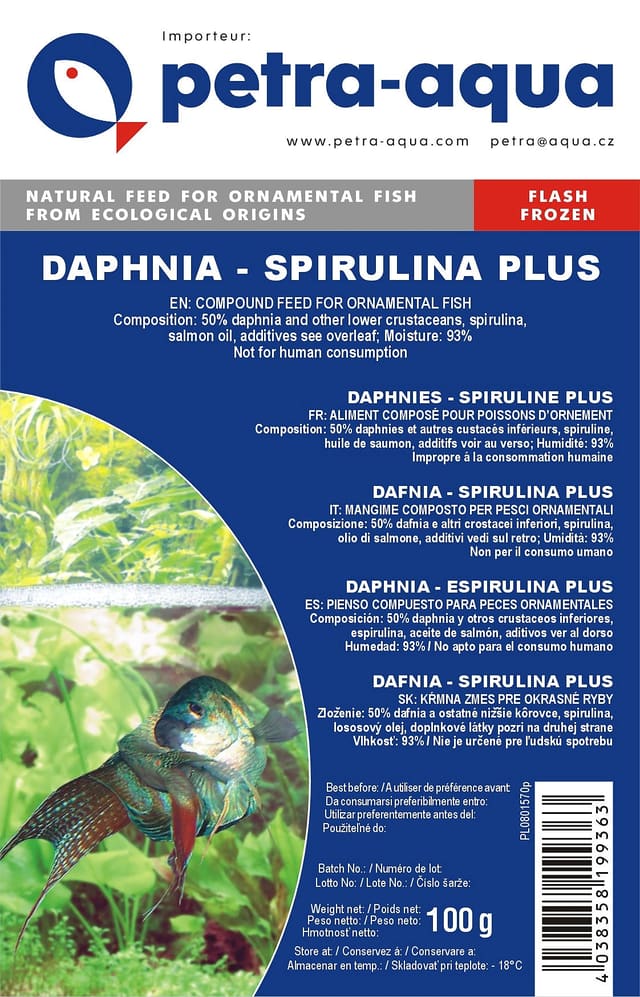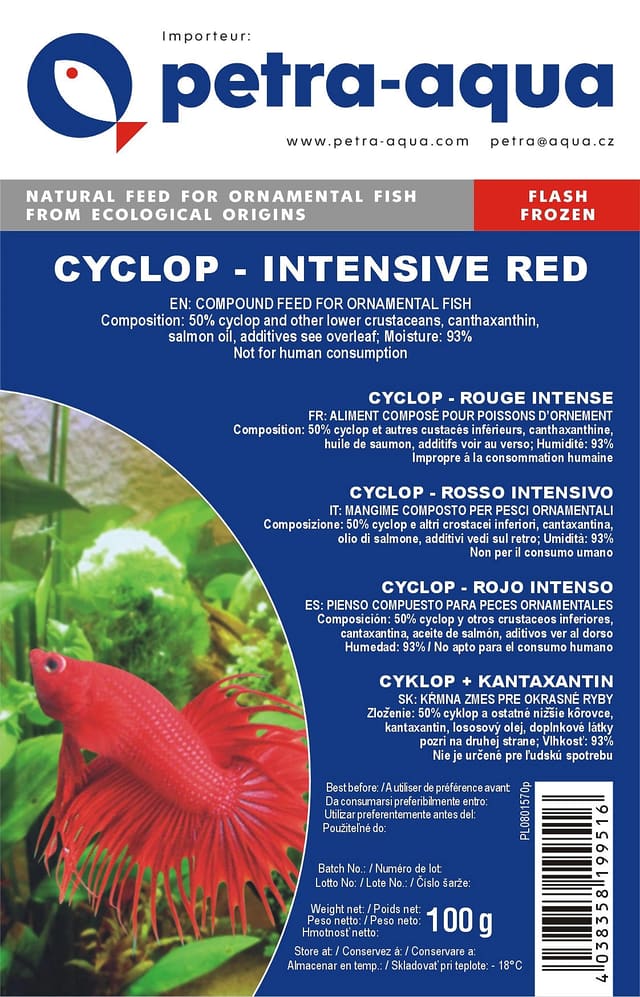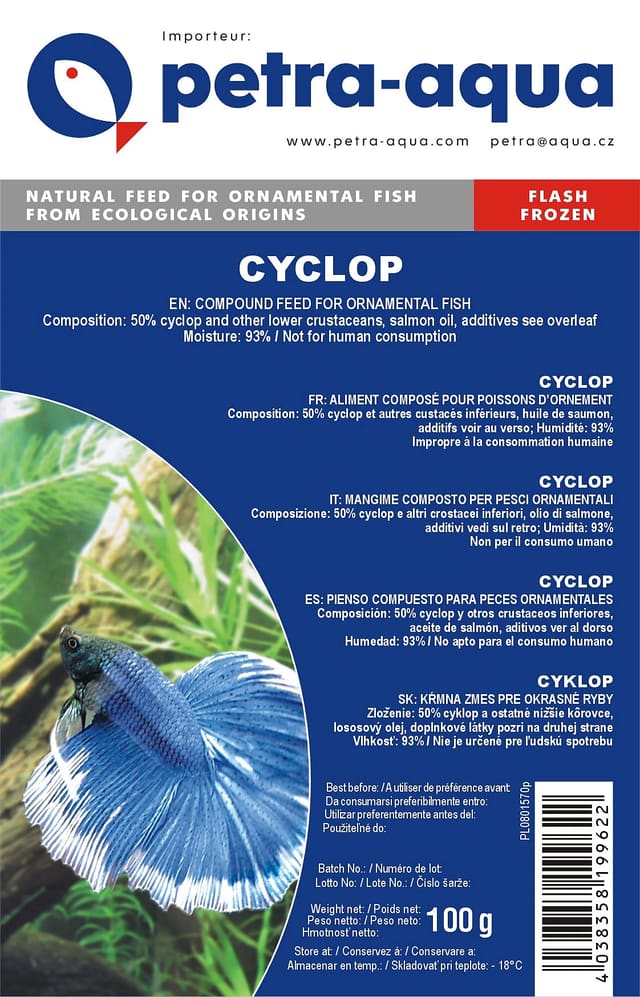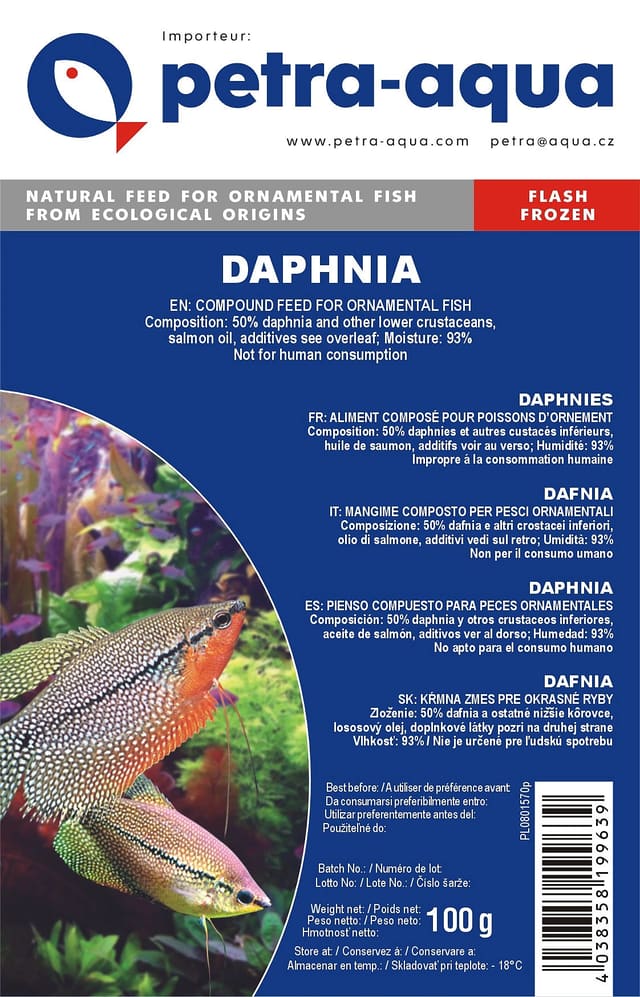

6x100g Daphnia Bred Blister - Frozen Fish Food UK
6 x 100g daphnia blisters for a nutritious frozen feed your fish will love. Great value, easy to portion, and available for fast UK delivery.
Premium Quality
Healthy, vibrant fish from trusted suppliers
Expert Care
Detailed care guides and support
Live Arrival Guarantee
Your fish arrives healthy or we'll replace it
Acclimated
Properly quarantined and ready for your tank
Why Choose This Fish?
6 x 100g daphnia blisters for a nutritious frozen feed your fish will love. Great value, easy to portion, and available for fast UK delivery.
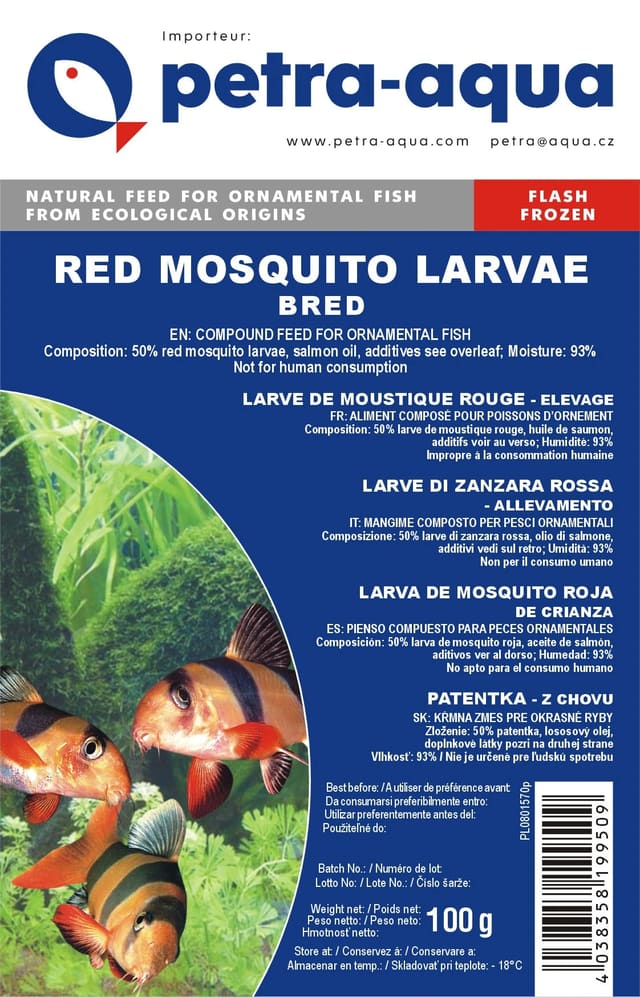
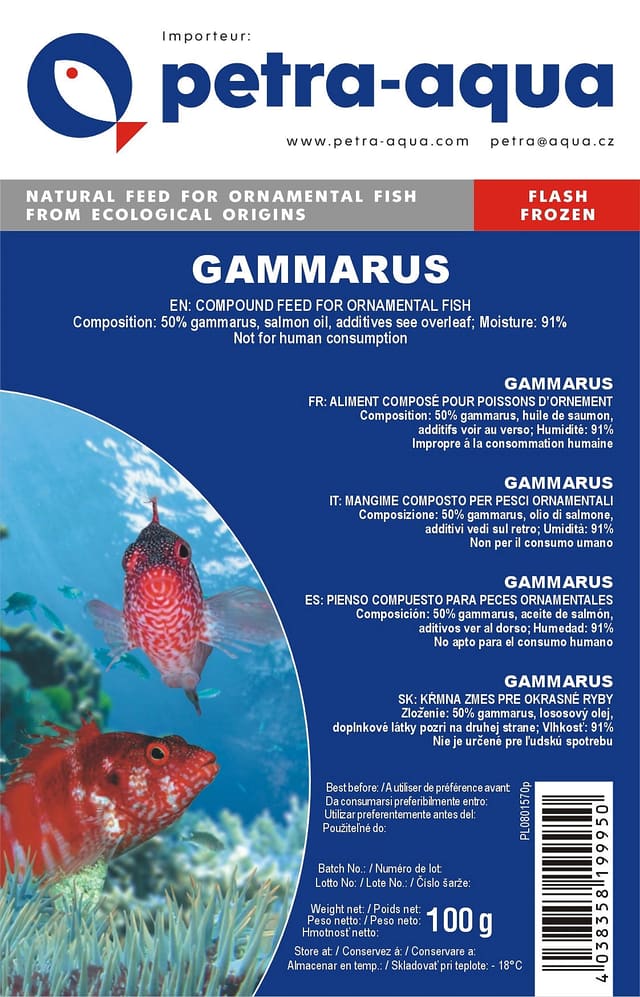
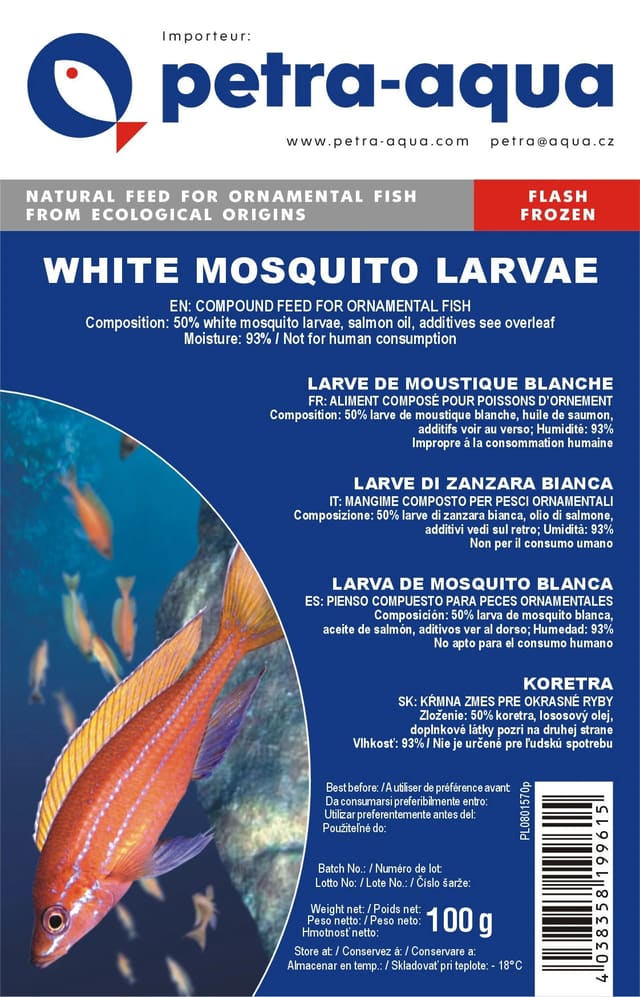
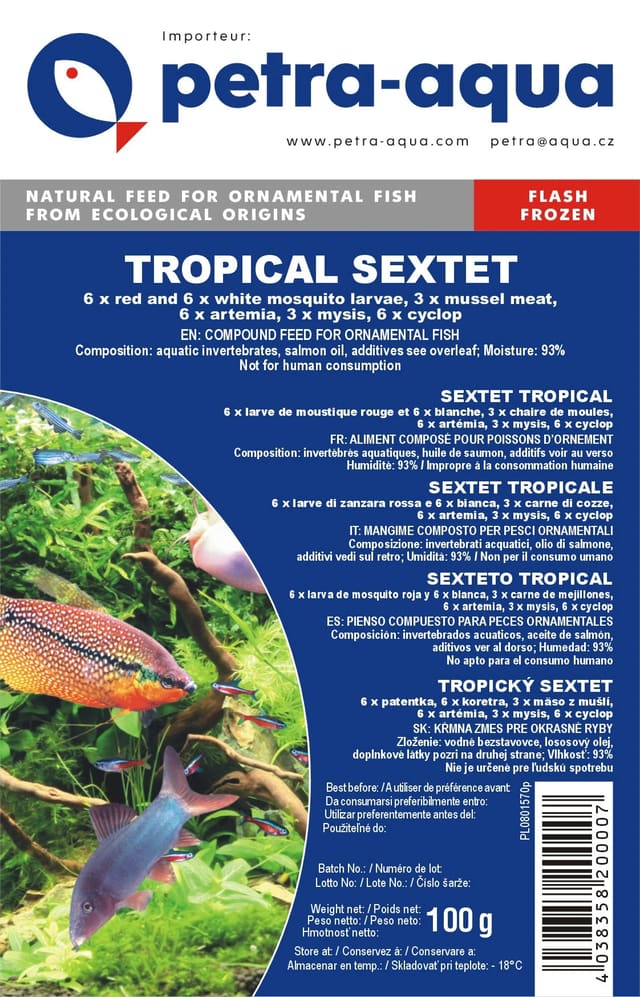
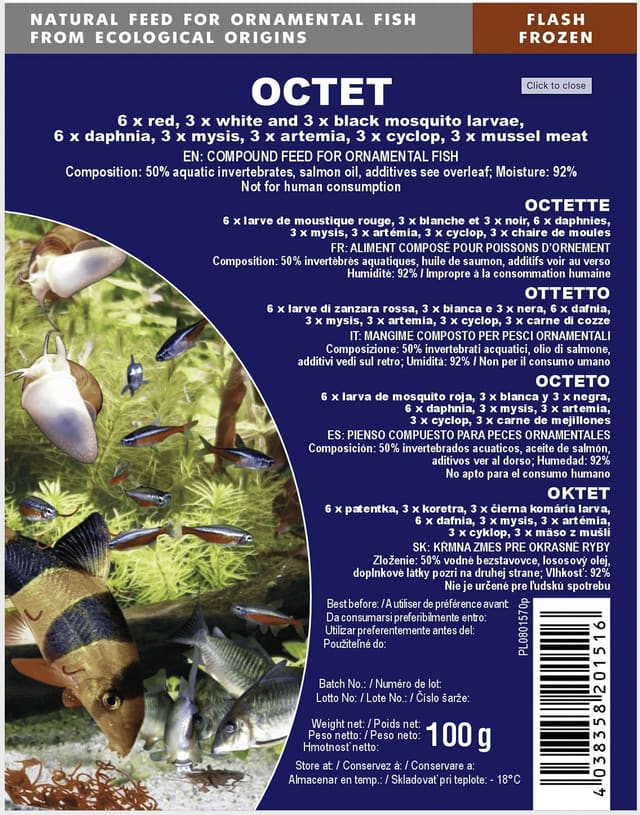
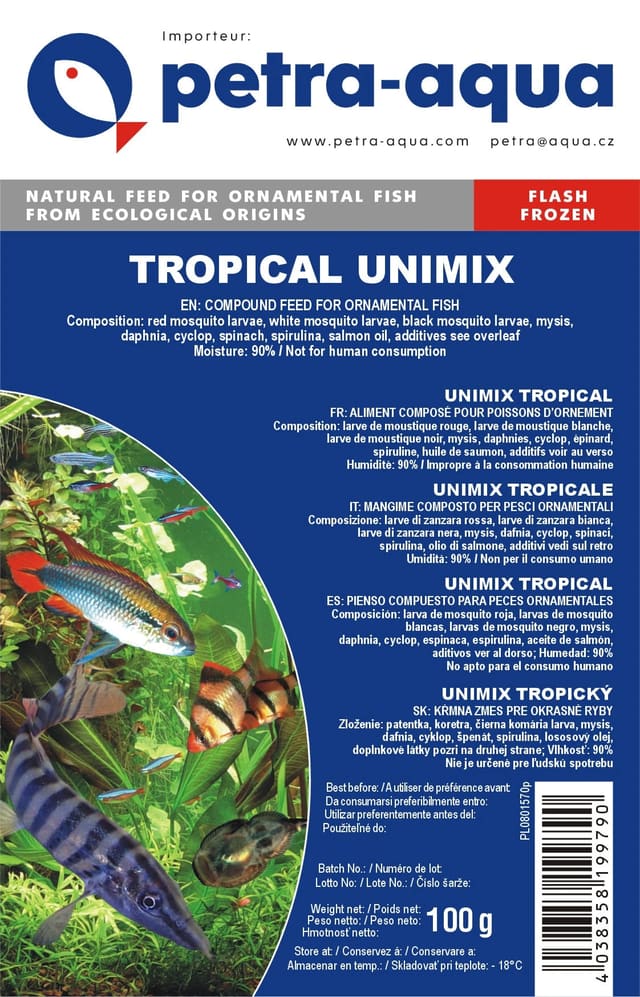
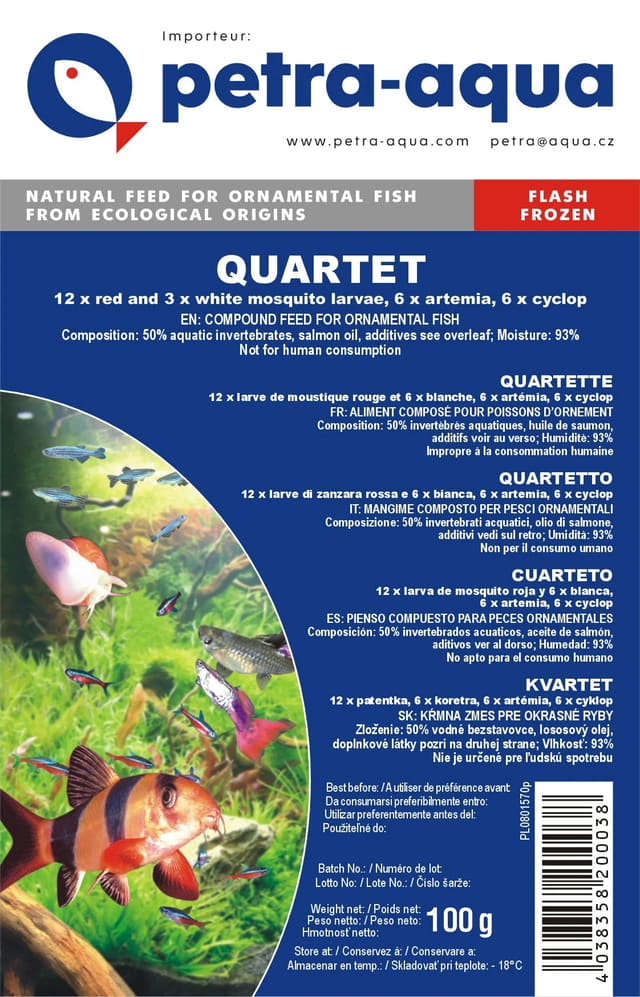
6x100g Daphnia Bred Blister is a convenient, clean-feeding way to add a highly digestible, protein-rich live-food alternative to your fish room without the mess of loose cubes. This Frozen Bred Daphnia Fish Food is ideal for hobbyists looking for frozen fish food UK options that support natural foraging, improve appetite, and fit neatly into a regular feeding routine. Daphnia are tiny freshwater crustaceans, and when they are farm raised and frozen in blister packs, they become a practical choice for community tanks, fry rearing, and conditioning fish that need a lighter meal than heavy aquarium pellet food. In my experience, quality bred daphnia frozen for aquarium use is especially useful for bettas, small tetras, livebearers, rasboras, and young fish that benefit from smaller particles and easy digestion. See our detailed photos showing the blister format, portion size, and the clean presentation of the product image frozen-fish-food-uk.webp. If you want fish food UK buyers can use every day with confidence, this pack offers a simple, reliable way to buy frozen bred daphnia online UK and keep feeding consistent.
🔹 Quick Facts
- Product Type: Frozen fish food blister packs
- Food Type: Farm raised daphnia for aquarium fish
- Format: 6 x 100g blister packs
- Best For: Tropical fish food UK, community tanks, fry, and conditioning
- Feeding Style: Small portions, thaw-and-rinse use
- Storage: Keep frozen at -18°C or below
- Shelf Life: Best used within 12 months frozen
- Diet Role: Supplemental and staple rotation food
Classification
- Order: Diplostraca
- Family: Daphniidae
- Genus: Daphnia
Daphnia are tiny planktonic crustaceans commonly known as water fleas. In the aquarium hobby they sit alongside aquarium live food favourites because they are easy for fish to digest and naturally trigger feeding response. Frozen Bred Daphnia for Aquarium use bridges the gap between live aquatic food online and everyday frozen fish food online UK convenience, making it a smart option for keepers who want clean nutrition without relying on live cultures.
Where Do Daphnia Come From? Natural Habitat Explained
In the wild, daphnia live in still or slow-moving freshwater bodies such as ponds, lakes, marshes, and temporary pools across Europe, North America, and parts of Asia. They feed on microscopic algae, bacteria, and suspended organic matter, which is why their body profile makes them such an efficient food source for aquarium fish. Because they are filter feeders, they are naturally rich in moisture and easy to digest, making frozen bred daphnia benefits for fish especially noticeable in species that struggle with heavier foods. Farm raised daphnia for tropical fish UK buyers often prefer are produced under controlled conditions, which helps reduce contamination risk compared with wild-collected food. This is one reason premium farm raised daphnia UK products have become so popular in the frozen aquarium fish food UK market.
Wild daphnia populations rise and fall with seasonal plankton blooms, water temperature, and nutrient availability. They thrive in water that is typically cool to mild, often around 10-22°C in nature, though they can persist in a wider range depending on the body of water. Their short life cycle and rapid reproduction make them a dependable culture species for the aquarium trade, and premium frozen bred daphnia are often selected from healthy, actively grown stocks. If you are comparing frozen bred daphnia vs other frozen food, the biggest advantage is their light texture and natural movement cues once thawed. That makes them especially useful in a community tank where fish may ignore dense foods. For hobbyists searching for best farm raised daphnia for tropical fish or farm raised daphnia for aquarium fish, the appeal is simple: clean, natural, and easy to portion.
💡 Expert Tip
Mimicking natural feeding patterns improves response. Offer small thawed portions in the morning or just before lights-out, when many fish are most alert. This is especially effective for frozen bred daphnia for daily feeding in active community species.
How to Set Up the Perfect Tank for Daphnia-Eating Fish
Tank Size Requirements
Because this product is a food, the “tank setup” question really means the setup of the fish that will eat it. For small community fish, a 60 litre aquarium is the practical minimum, while 90 litres or more gives better stability for fish fed with frozen fish food UK options. A larger tank helps prevent ammonia spikes from overfeeding and gives fish enough room to graze naturally. In tanks with higher stocking levels, use frozen bred daphnia portion size carefully so the bioload stays manageable. If you are feeding fry or small shoaling fish, a compact aquarium can still work, but only if filtration and maintenance are consistent.
Water Parameters
Most fish that enjoy daphnia do best at 22-28°C, with pH between 6.5 and 7.8 and moderate hardness. That range suits many tropical fish food UK setups, including bettas, tetras, gouramis, danios, and livebearers. If you are using frozen bred daphnia for tropical fish, keep the water stable rather than chasing exact numbers. Stability matters more than perfection, especially when fish are on a mixed diet of frozen fish food cubes, aquarium pellet food, and live or frozen treats. For best bred daphnia frozen for freshwater fish, aim for clean, well-oxygenated water and regular partial water changes.
Filtration
Choose a filter that provides steady mechanical and biological filtration without blasting small fish around. Sponge filters are excellent for fry tanks and gentle community setups, while internal filters and hang-on-back units suit larger aquariums. A good filter helps manage the extra nutrients that can come from frozen fish food how to use routines, especially if you feed multiple times a day. Many hobbyists who buy frozen bred daphnia UK also keep a second sponge filter running as backup for breeding tanks.
Substrate, Plants & Decor
Fine sand or smooth gravel works well for fish that feed from the midwater and bottom. Dark substrate can improve colour contrast, especially for species like bettas and tetras. Live plants such as Java fern, Anubias, and Amazon swords create cover and reduce stress. Floating plants help diffuse light and encourage natural behaviour. If you are building a planted community tank, pair this food with a stable heater and a reliable aquarium filter for best results.
Lighting Requirements
Moderate lighting for 8-10 hours per day is ideal for most fish that eat daphnia. Bright light can make shy fish retreat, while softer lighting often improves feeding response. In planted tanks, balanced spectrum lighting supports both plants and fish colour. If you are comparing frozen bred daphnia vs standard fish food, many aquarists notice that fish feed more confidently when the tank is calm, planted, and lightly shaded.
Quick Setup Checklist
- Cycle the aquarium for 4-6 weeks before adding fish
- Use a heater if keeping tropical fish food UK species
- Install gentle but effective filtration
- Keep water stable with weekly testing
- Rinse thawed food before feeding where practical
💡 Pro Tip
Always cycle the tank for 4-6 weeks before adding fish. A stable aquarium makes frozen fish food how to feed routines far safer because fish can process food efficiently without pushing water quality over the edge.
What Do Fish Eat? Complete Feeding Guide
Daphnia are a natural live-food style feed, but this frozen version is best used as part of a varied diet. Most fish that enjoy it are omnivores, insectivores, or opportunistic feeders. In practical terms, that means frozen bred daphnia feeding guide advice is simple: use it as a light, nutritious meal that supports digestion and appetite. It is not a complete staple on its own for every species, but it is excellent in rotation with other foods such as Betta Fish Food, Super Color, and Nanovit Granules.
For daily feeding, thaw a small section of the blister in a cup of tank water, then feed only what your fish can finish in a few minutes. How often to feed fish frozen food depends on species, age, and tank size, but 2-4 times per week is a sensible starting point for adults. Fry, breeding pairs, and recovering fish may benefit from more frequent, smaller feedings. If you are asking how to feed bred daphnia frozen, the main rule is portion control. Overfeeding leads to waste, not better growth. Frozen bred daphnia nutritional content is valued because it is light, moist, and highly palatable, which makes it a useful bridge food for picky eaters.
Foods to avoid include spoiled thawed portions, heavily medicated foods unless prescribed, and anything with unsuitable additives. If your fish are already eating aquarium pellet food well, use daphnia as a treat or conditioning food rather than a replacement. Hobbyists comparing best frozen fish food UK options often place daphnia near the top for community tanks because it is cleaner than some richer feeds and less messy than loose live food.
| Time | Food | Amount |
|---|---|---|
| Morning | Thawed daphnia | Small portion, 2-3 minutes of feeding |
| Evening | Pellets or flakes | Light feed only |
⚠️ Feeding Warning
Overfeeding causes ammonia spikes and water quality issues. Remove uneaten food after a few minutes, especially in smaller aquariums or when using frozen fish food blister packs for multiple tanks.
Daphnia Appearance: Colors, Patterns & Varieties
Daphnia themselves are tiny, translucent crustaceans, usually a pale amber, grey, or pinkish tone depending on what they have been fed. In the aquarium, their appearance matters because fish recognise the movement and silhouette, not just the colour. The small body size and soft exoskeleton make them easy prey for a wide range of fish. When thawed, Premium Frozen Bred Daphnia often look fresher and more intact than lower-grade mixes, which can improve feeding response. The image gallery for this product shows the compact blister format and the clean, uniform texture that makes portioning simple.
Sexual dimorphism in daphnia is not something most aquarists need to identify for feeding, but in culture work females are typically more common and larger-bodied. If you are comparing frozen bred daphnia vs Hikari or frozen bred daphnia vs other frozen food, look for particle consistency, thawing behaviour, and how quickly fish accept the food. For colour enhancement, use a dark substrate and balanced lighting in the tank, then rotate daphnia with richer foods like krill superba fish food or calanus fish food when appropriate.
What Fish Can Live With Daphnia-Feeding Species? Compatibility Guide
Daphnia suits a huge range of peaceful fish because it is small, soft, and easy to digest. That makes it a strong choice for frozen bred daphnia for community tank feeding, especially in mixed aquariums where fish have different mouth sizes. Ideal tank mates include Betta Fish Food species like bettas, small tetras, rasboras, guppies, endlers, dwarf gouramis, corydoras, and peaceful barbs. It also works well for juvenile cichlids and many livebearers. If you are comparing frozen fish food for tropical fish with richer foods, daphnia is often the gentler option for regular use.
Species to avoid pairing with this feeding style are very aggressive, very large, or highly predatory fish that need denser meals, such as large oscars or adult pike cichlids. For those species, frozen fish food for cichlids, krill, or mysis rs may be more appropriate. Customers often ask about frozen fish food pets at home, gamma frozen fish food, aquadip frozen fish food, and superfish frozen fish food. Those brands can be useful comparison points, but the right choice still depends on the fish in your tank and how often you feed. If you are buying from fish food wholesalers or searching frozen fish food near me, make sure the product is stored properly at all times.
| Species | Compatible? | Notes |
|---|---|---|
| Betta Fish Food | ✅ Yes | Great for small portions and appetite stimulation |
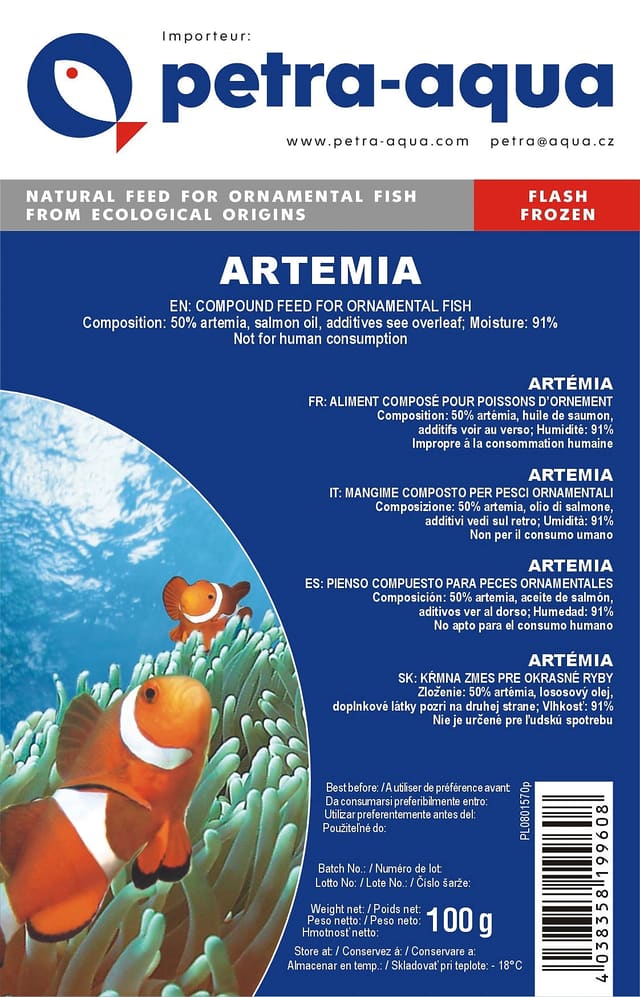
| 6x100g Frozen Artemia Blister | ✅ Yes | Excellent rotation food for fry and community fish |
| Large predatory cichlids | ❌ Avoid | Need larger, denser foods and stronger meaty diets |
💡 Compatibility Tip
Always quarantine new arrivals for 2-4 weeks. This reduces parasite risk and gives you time to observe how they respond to frozen bred daphnia feeding frequency and other foods.
Frozen Bred Daphnia vs Similar Frozen Foods: Which Should You Choose?
Comparing frozen bred daphnia with other options helps you build a better feeding plan. Daphnia is lighter than many meaty foods, so it is often better for regular feeding than richer items like bloodworm or krill. It also tends to be less messy than larger frozen fish food cubes. If you are deciding between tropical frozen bred daphnia buy online UK and a mixed food such as tropical mix frozen fish food, think about your fish size and appetite. Daphnia is especially useful when fish need a gentle meal that supports digestion.
| Feature | Frozen Bred Daphnia | Frozen Bloodworm |
|---|---|---|
| Best For | Community fish, fry, daily rotation | Conditioning, picky eaters, carnivores |
| Feeding Load | Light | Richer |
| Water Impact | Usually low when portioned well | Higher if overfed |
Choose this product if you want a dependable, easy-to-use food that suits many species and helps keep feeding flexible. If your fish need more intense nutrition, you may also rotate in 6X100G Cockle Meat Blister or X 100G Cocktail Shrimp Meat Blister. For fry, 6x100g Frozen Artemia Blister is another strong choice. Many aquarists buy frozen bred daphnia online UK because it sits neatly between live aquatic food online and everyday dry food.
Common Health Problems in Fish & How to Prevent Them
Healthy fish stay active, feed quickly, and show clear fins, bright colour, and steady breathing. If fish begin spitting food, hiding, or bloating after meals, the issue is often overfeeding or poor water quality rather than the food itself. Daphnia can help with digestion because it is light, but it should still be used alongside a balanced diet. Common problems in tropical fish include fin rot, constipation, stress from poor stocking, and parasite issues introduced by unquarantined stock. Frozen bred daphnia water quality impact is usually modest when fed correctly, but any food can pollute a tank if overused.
Treatment options include improving water changes, checking ammonia and nitrite, and isolating sick fish in a hospital tank if needed. Prevention is better: keep the tank clean, avoid sudden temperature swings, and feed a varied diet with foods like 6X100G Discus Life Basic Blister or 6X100G Discus Life Intensive Red Blister when suitable. If you are asking how long does frozen fish food last, the answer is usually many months frozen if kept at the correct temperature and never refrozen after thawing.
⚠️ Medication Warning
NEVER use copper-based medications with invertebrates - lethal to shrimp! If your aquarium includes shrimp or snails, read labels carefully before treating the tank.
Quarantine Protocol
- Use a separate tank for 2-4 weeks
- Observe for parasites, fungus, and clamped fins
- Match temperature and pH before transfer
- Feed lightly and remove waste promptly
Understanding Fish Behavior in the Aquarium
Fish that enjoy daphnia are often active, curious, and quick to learn feeding routines. Many are shoaling species that feel safer in groups, while others are peaceful solo fish that still benefit from occasional live-food style enrichment. You will often see natural grazing, midwater chasing, and rapid strikes when the food is released. Daphnia can also encourage shy fish to come out sooner, especially in planted tanks with floating cover. If your fish are ignoring dry food, a small portion of frozen bred daphnia for tropical fish can re-start feeding interest without causing stress.
To encourage natural behaviour, keep the group size appropriate, avoid harsh lighting, and feed in the same area each time. Fish fed well with frozen bred daphnia for daily feeding often display better colour, stronger movement, and more confidence at the front glass. This is one reason many aquarists keep it as a staple rotation food rather than a one-off treat.
Why Buy from Tropical Fish Co?
Our 6x100g Daphnia Bred Blister is selected for consistency, clean handling, and practical portion control. Each blister is designed to make frozen fish food how to use routines easier, whether you are feeding a single display tank or multiple aquariums. We focus on quality bred daphnia frozen for aquarium use that is suitable for UK hobbyists who want reliable frozen fish food online UK supply without guesswork. Stock is stored frozen throughout the chain, and we pack orders in insulated materials with tracked delivery so the food arrives in good condition. In winter, heat packs are used where appropriate to protect frozen fish food blister packs during transit.
Many customers choose this product when comparing buy frozen bred daphnia UK, buy bred daphnia frozen online UK, and frozen bred daphnia for sale online UK options because it offers a neat, easy-to-store format. If you are searching for best frozen fish food, best frozen fish food uk, or even comparing against bcuk bloodworm, this pack gives you a lighter alternative that suits more everyday feeding plans. We also include practical care support and product guidance so you can feed with confidence.
Why Choose Tropical Fish Co for 6x100g Daphnia Bred Blister
- Portioned blister format for cleaner feeding and less waste
- Frozen and packed to support stable storage temperature and shelf life
- Ideal for community tanks, fry, and fish that need a lighter frozen food option
Complete Your Setup
Build a balanced feeding rotation with 6x100g Frozen Artemia Blister for fry, 6X100G Cockle Meat Blister for richer meals, and X 100G Cocktail Shrimp Meat Blister for variety. For dry-food support, Nanovit Granules and Super Color work well alongside frozen foods. If you keep a planted community tank, pair your feeding plan with dependable filtration and a consistent heating setup for the best results.
You Might Also Like


Zebra Horned Nerite Snail - Freshwater Snails UK

Shark Fin Mussel - Hyriopsis Bialatus - Shark Tooth Clam | UK

Pagoda Snail - Freshwater Snails UK

6x100g Frozen Artemia Blister - UK

Betta Fish Food - 6x100g Frozen Fish Food Cubes for Quality Betta Fish Nutrition

X 100 G Octet Blister - Frozen Fish Food UK

6x100g Duet Red-White Blister - Frozen Fish Food UK
Popular Right Now

Yellow Vampire Crab (Geosesarma sp.) - UK

Aulonocara sp. 'Firefish' - Tropical Fish for Sale UK

Yellow Lepturus Cichlid - UK

Apistogramma agassizii “Super Red” - UK

Endler Gold Guppy Breeding (Poecilia wingei) - UK

X Neon Green Rasbora - UK

Rasbora Heteromorpha (Trigonostigma heteromorpha) - UK