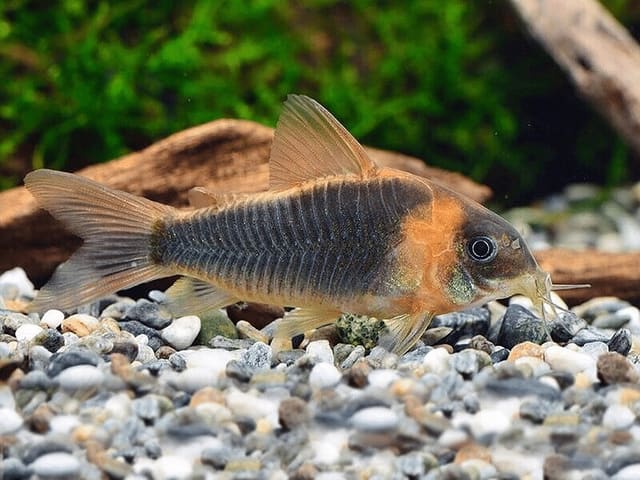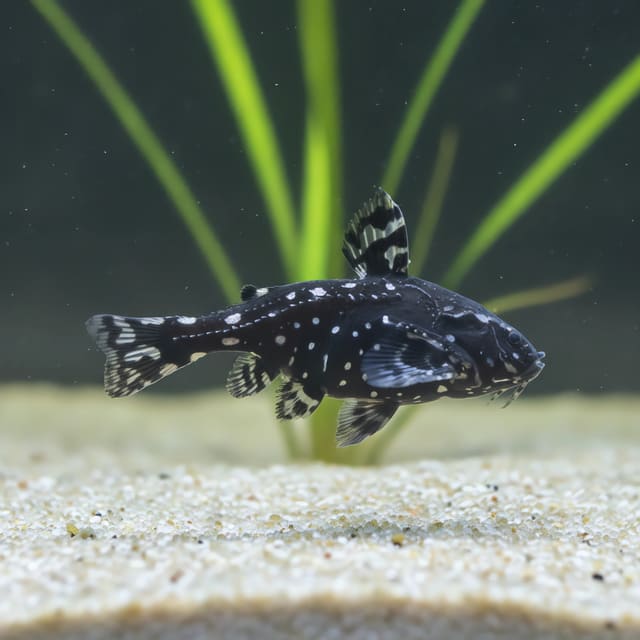
Spotted Raphael Talking Catfish (Agamyxis sp.)
22–27°C · pH 6–8
£11.99

A peaceful, nocturnal armored catfish with striking spines and a hardy nature, ideal for a calm South American community tank. Moderate care, peaceful. 22-28C, pH 6.0-7.5.
Adult size is the maximum length this species reaches at full maturity (scientific sources). The livestock you receive will be younger and smaller — pick a size above for the actual shipping size. Product-photo provenance and any image-specific limitations are stated on the listing.
Acanthodoras cataphractus
Confirm your email, then we’ll send an availability message for this exact item if it returns within 180 days.
This request is only for this product—no newsletter or other promotions. A mail-provider retry may very rarely duplicate the same availability message. Unconfirmed addresses are removed after 48 hours. See our privacy policy.
A peaceful, nocturnal armored catfish with striking spines and a hardy nature, ideal for a calm South American community tank. Moderate care, peaceful. 22-28C, pH 6.0-7.5.
Adult size is the maximum length this species reaches at full maturity (scientific sources). The livestock you receive will be younger and smaller — pick a size above for the actual shipping size. Product-photo provenance and any image-specific limitations are stated on the listing.
Maintain these water conditions for optimal health and vibrant colors
Painted Talking Catfish, Acanthodoras cataphractus, is a peaceful armoured doradid catfish from South America. It is a nocturnal bottom-dweller that spends much of the day tucked under wood, roots or caves, then becomes more active after dusk when food is offered.
The common name comes from its ability to make audible sounds with the pectoral-fin mechanism. It is a characterful species, but it should be handled with care because the pectoral and dorsal spines can catch in nets. Use a container rather than chasing or lifting it in mesh.
Use fine sand or smooth substrate, subdued lighting and several hiding places. Driftwood, pipes, caves and broad plant cover help the fish settle and show normal behaviour. It is peaceful with similarly sized community fish, but very small fry or tiny shrimp may be eaten if encountered after dark.
Good tank mates include medium tetras, peaceful cichlids, larger Corydoras, calm gouramis and other non-aggressive species that enjoy similar water. Avoid rough cichlids, fin-nippers and territorial bottom dwellers that may block access to shelter.
Feed after lights dim using sinking omnivore pellets, wafers, frozen bloodworm, brine shrimp, mysis and finely chopped seafood. It will scavenge, but it should not be left to survive on leftovers. Remove uneaten food and keep the substrate clean.
We pack armoured catfish with careful bagging and insulated livestock packaging. Orders travel with a licensed live-animal courier and eligible livestock orders are covered by our Live Arrival Guarantee when delivery and acclimation instructions are followed.
It can produce audible sounds by moving the pectoral-fin mechanism, especially when disturbed.
No. It is generally peaceful, but it is nocturnal and should be kept with fish too large to be mistaken for food.
A container is safer. The spines can snag in nets and injure the fish or the keeper.
No reviews for this item yet. Bought one? Honest reviews only, good or bad.
What customers say about ordering from us
I have a small group of long finned mountain minnows. So was delighted to be able to order ten of this variety to increase the genetics in my tank . The ones I recieved are healthy but it’s to early to give a verdict on wether they are of a long finned type since they are small currently.
Gordon Walker · 23 Sept 2026
100% success travel and "installation". Pleased with quality of purchase. The Siamese fighter a bit "shy" so have not yet seen him at his best yet but looking good. Happy customer. GG
George E Garratt · 21 Sept 2026
Reviews of our shop, collected by Judge.me, an independent third-party review collector. Newest first.