
Advanced
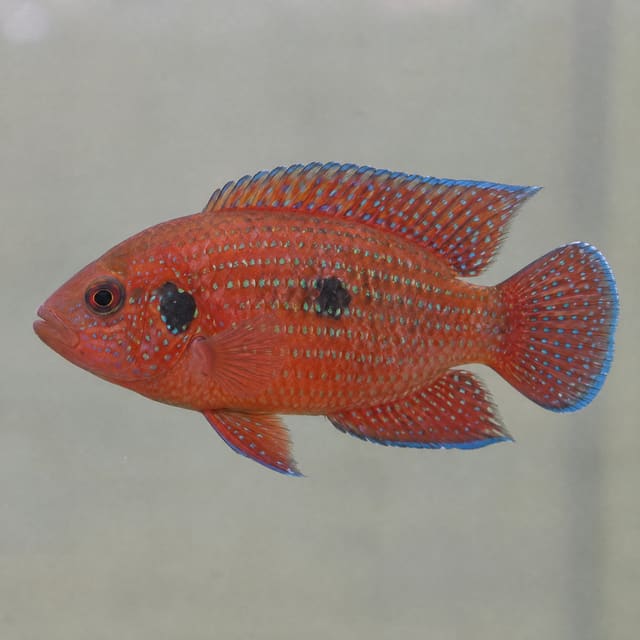
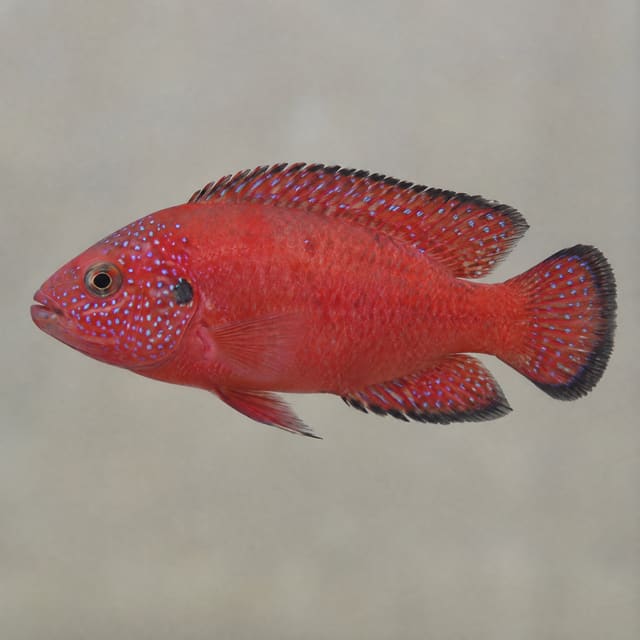
Red Jewel Cichlid (Rubricatochromis bimaculatus)
22–27°C · pH 6–7.8 · 108L
£15.99
7 products
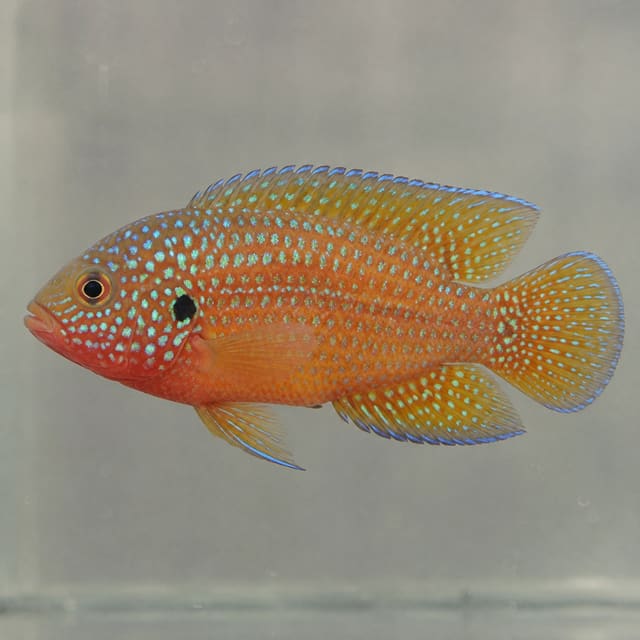
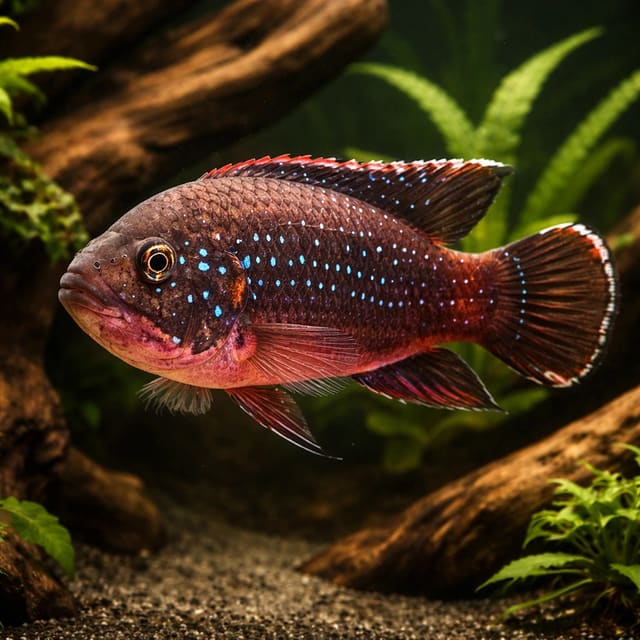
Compare Red, Blue, Blood-Red, Dragon and Payne’s Jewel Cichlid offers. Check the complete name and territory needs before choosing; colour alone does not establish the species or a compatible pair.
7 products
22–27°C · pH 6–7.8 · 108L
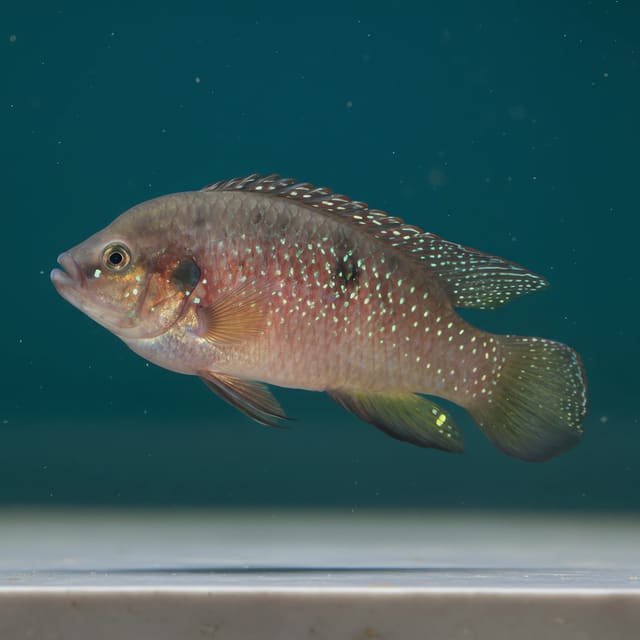
22–28°C · pH 6.5–7.5 · 200L
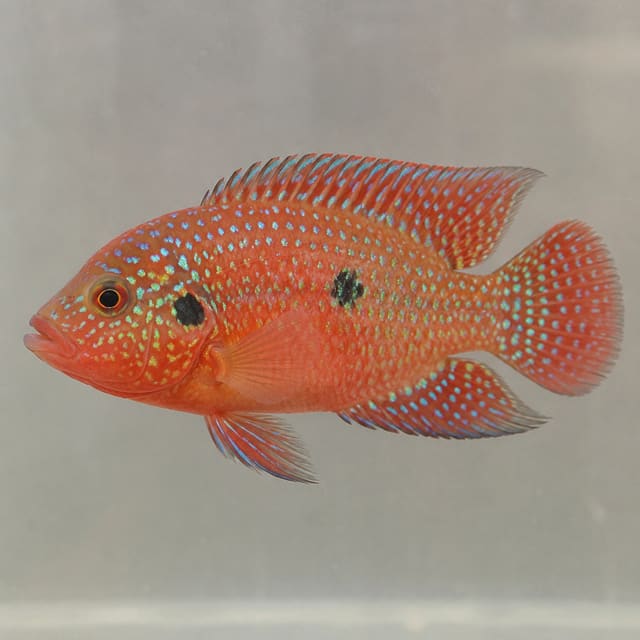
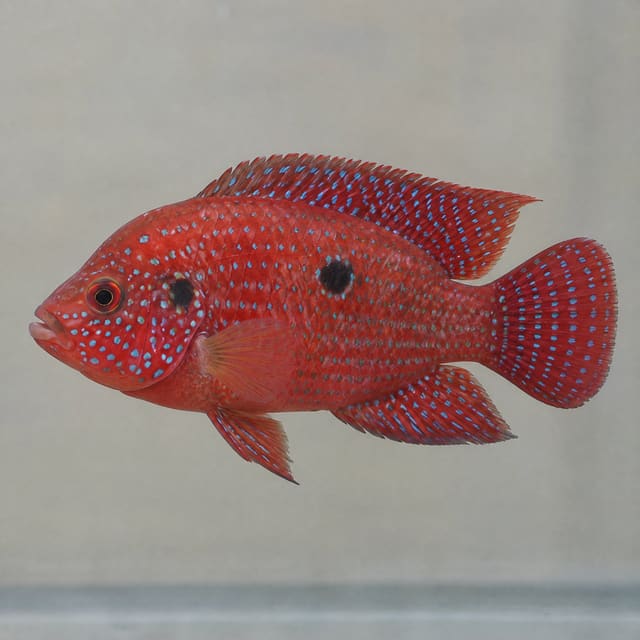
23–26°C · pH 6–7.8 · 150L
23–26°C · pH 6–7.8 · 80L
24–28°C · pH 6–7.5 · 100L
Red Jewel and Blood-Red Jewel are separate named offers here. Blue Jewel remains a Lifalili-Type trade offer, which does not confirm an exact lifalili identity. Dragon Jewel also retains its own name. Current Rubricatochromis names and older Hemichromis labels can appear in the same retail group; compare the particular fish rather than treating all jewels as colour forms of one species.
Compare the broader jewel selectionJewel cichlids can defend space strongly, especially around breeding. Planting and caves do not by themselves make a community combination safe. Assess adult territories, broken sightlines and the ability to separate fish if aggression develops. Small peaceful companions should not be chosen just because their water requirements overlap.
Check a jewel cichlid combinationA quantity of two does not establish opposite sexes, compatibility or an established breeding pair. Check what the selected offer actually supplies and ask when sex or pair status matters. Plan a separation option before introducing unfamiliar fish; colour and a shared trade name cannot predict that they will accept each other.
Compare other African cichlids