
Advanced
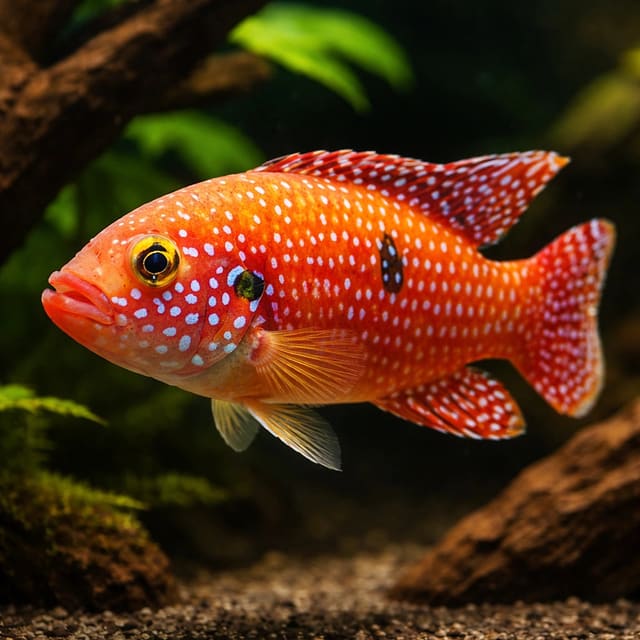
Guttatus Jewel Cichlid (Rubricatochromis guttatus)
£6.99
7 products
Compare Rubricatochromis Jewel cichlids with the Dragon Jewel offer listed as Hemichromis letourneuxi. Choose by the named species or trade form, then plan adult territories. Bright colours and buying two fish do not establish compatibility.
7 products
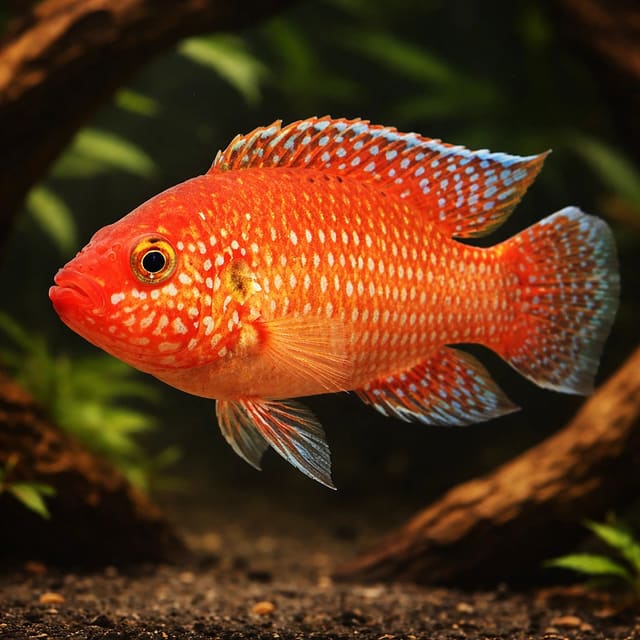
23–26°C · pH 6–7.8 · 150L
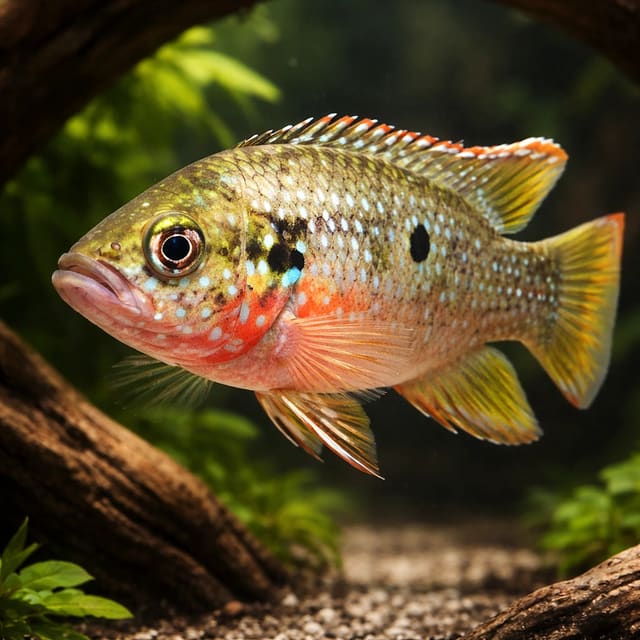
22–27°C · pH 6–7.8 · 108L
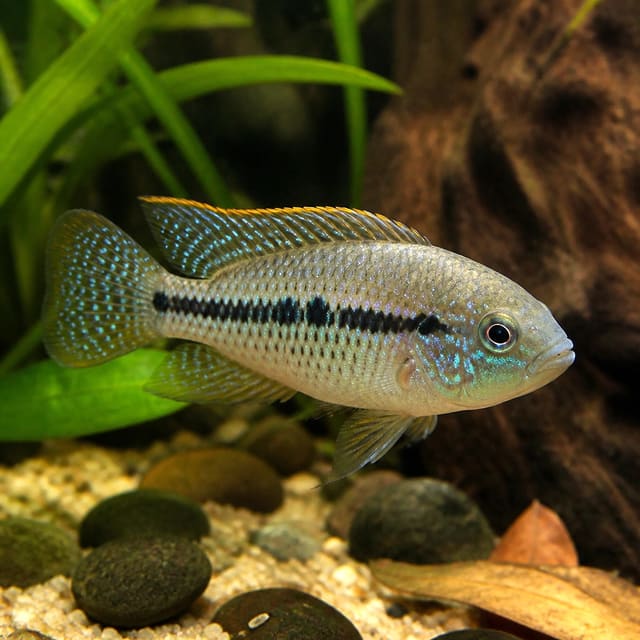
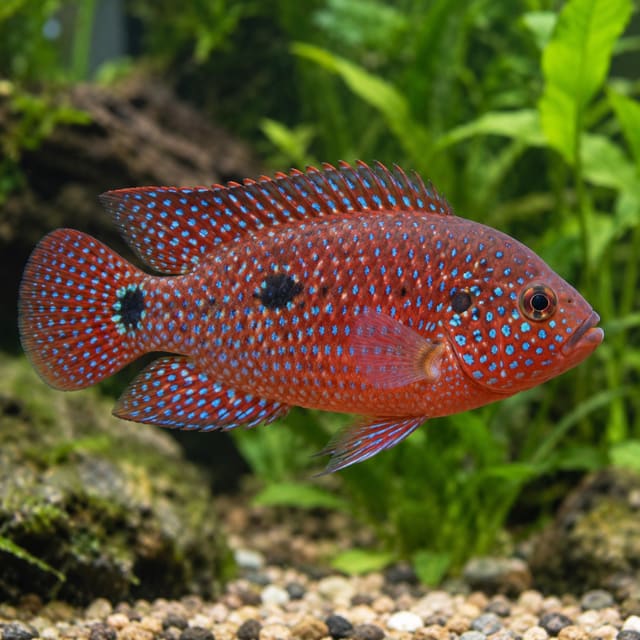
23–26°C · pH 6–7.8 · 80L
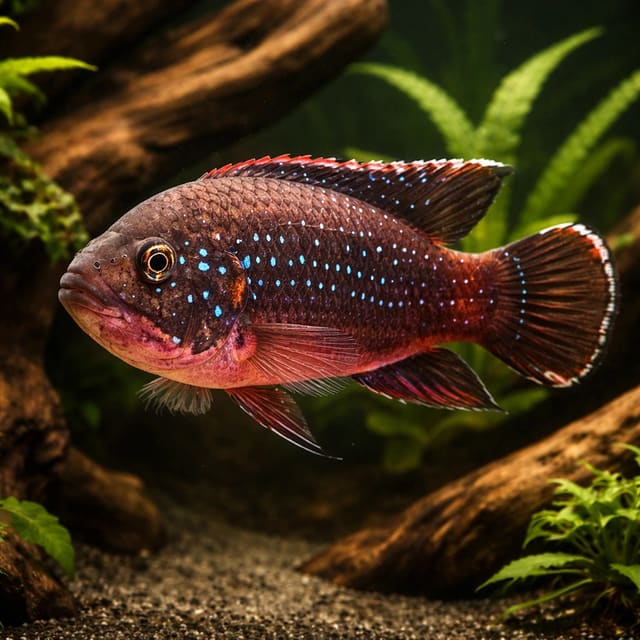
24–28°C · pH 6–7.5 · 100L
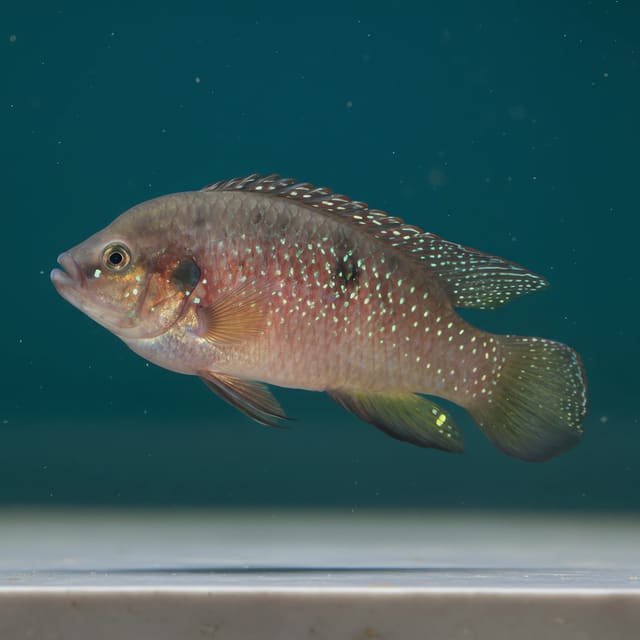
22–28°C · pH 6.5–7.5 · 200L
Some listings retain Hemichromis while others use Rubricatochromis; keep the complete species and trade name when comparing. The Blue Jewel’s “Lifalili-Type” label does not confirm it as the same species as the Blood-Red Jewel offer. Confirm the current fish before combining different named forms, especially if breeding matters.
Read the guttatus offerJewel colour does not make a fish gentle. The bimaculatus and lifalili profiles warn of strong territorial behaviour, especially when spawning. Plan room for the adults, shelter and visual breaks, and assess every companion against the exact offer. Have a practical separation plan if a fish is persistently chased or prevented from feeding.
Read the Red Jewel’s behaviour and space guidanceCompare the selected size and stated sale unit before setting your quantity. An XL label, bright breeding colour or a quantity discount does not promise a sexed or bonded pair. Even a male and female may be incompatible. Ask about the current fish and your aquarium before buying for an intended pairing; stock and available size options can change.
Discuss the current fish and an intended pairing