Advanced
Rubricatochromis exsul
£12.99

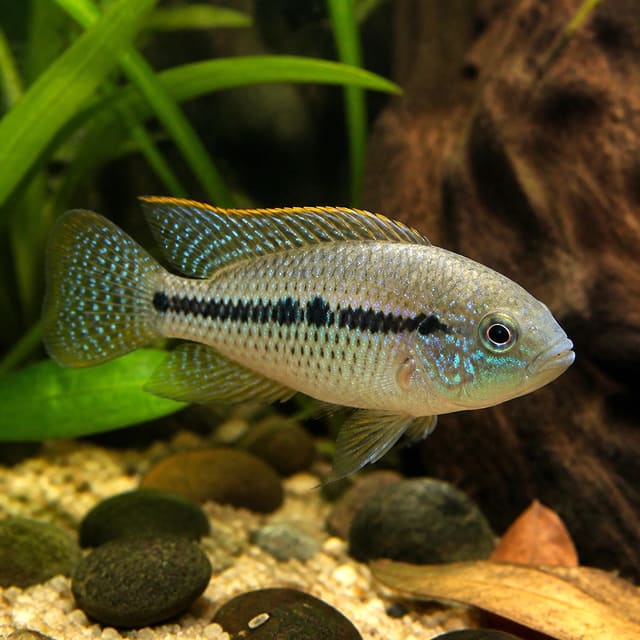
Blue Jewel Cichlid (Lifalili-Type) is a colourful African jewel cichlid for mature, structured aquariums with robust tank mates, steady water and careful territory planning.
Adult size is the maximum length this species reaches at full maturity (scientific sources). The livestock you receive will be younger and smaller — pick a size variant above for the actual shipping size. Product-photo provenance and any image-specific limitations are stated on the listing.
Rubricatochromis / Hemichromis lifalili-type
Save when buying multiple fish. Each quantity is one fish; sex and pair formation are not guaranteed unless the selected variant explicitly states them.
Blue Jewel Cichlid (Lifalili-Type) is a colourful African jewel cichlid for mature, structured aquariums with robust tank mates, steady water and careful territory planning.
Adult size is the maximum length this species reaches at full maturity (scientific sources). The livestock you receive will be younger and smaller — pick a size variant above for the actual shipping size. Product-photo provenance and any image-specific limitations are stated on the listing.
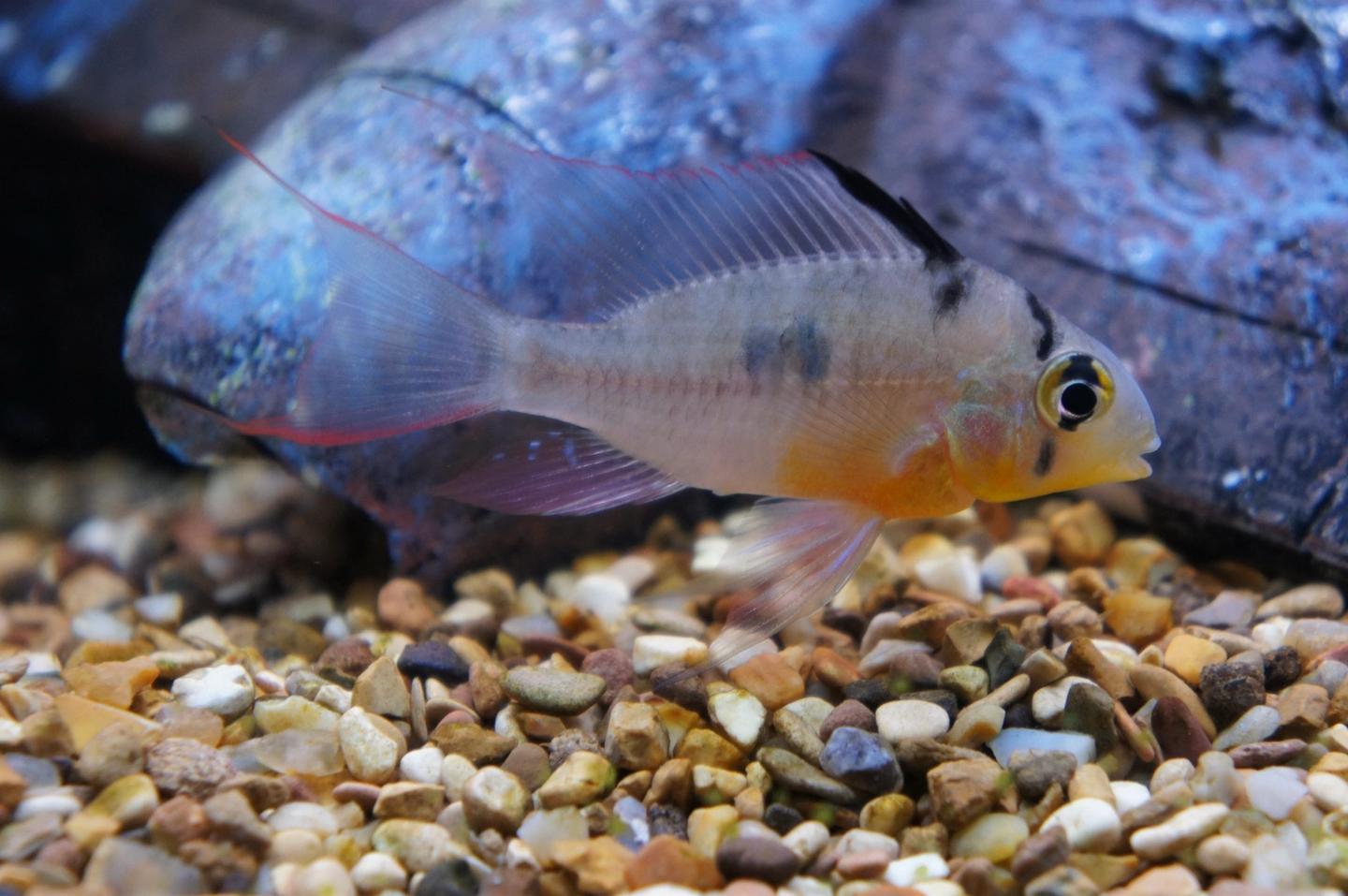
Cichlids are a family of roughly 1,800 accepted species, not one care type. Before buying, identify the exact species and source, then compare adult measurement, usable tank dimensions, social system, territory, tested water, diet and an exit plan. No family-wide minimum tank, water range or tank-mate list is safe.
Maintain these water conditions for optimal health and vibrant colors
Blue Jewel Cichlid (Lifalili-Type) is a colourful African jewel cichlid supplied around 4-5 cm. It is sold by the supplier under the trade label Hemichromis liffalili blue; for care and customer-facing wording, we treat it as a lifalili-type jewel cichlid and avoid claiming a verified wild blue morph. That matters because jewel cichlid names are often used loosely in the aquarium trade, and blue spotting alone is not a reliable species proof.
For the aquarist, the practical message is simpler: this is a bold, territorial cichlid with strong colour, quick feeding response and real personality. It is not a gentle community fish for a small mixed tank. It suits a mature aquarium where the layout is built around cichlid behaviour, with space, cover, clean water and tank mates chosen for resilience rather than novelty.
| Trade name | Blue Jewel Cichlid / Lifalili-Type Jewel Cichlid |
|---|---|
| Supplier label | Hemichromis liffalili blue, 4-5 cm |
| Care reference | Hemichromis / Rubricatochromis lifalili-type jewel cichlids |
| Current supplied size | 4-5 cm |
| Adult size | Usually planned around 8-10 cm for aquarium care |
| Care level | Moderate; best for keepers comfortable with cichlid territory |
| Temperature | 23-26C |
| pH | 6.0-7.8 |
| Hardness | Soft to moderately hard, roughly 4-15 dGH |
| Minimum aquarium | 80 litres for a carefully managed pair or species-focused setup; larger for communities |
| Temperament | Territorial; aggression can rise sharply during pairing or spawning |
| Diet | Carnivore-leaning cichlid diet with quality prepared, frozen and occasional live foods |
A settled blue jewel cichlid is an eye-catching display fish: compact, bright, alert and always aware of its territory. Expect the fish to use the middle and lower areas of the aquarium, patrol chosen cover and respond quickly when food appears. Colour can improve after settling, especially when the fish has subdued lighting, clean water, a varied diet and secure places to retreat.
The appeal is not only colour. Jewel cichlids are behaviour fish. They inspect caves, defend favourite areas, interact with hardscape and show clear moods. If you want a calm shoal for a peaceful community, choose something else. If you enjoy watching a cichlid establish itself in a well-planned display, this fish has much more character than its modest shipping size suggests.
The supplier name uses Hemichromis liffalili blue, but the usual spelling in aquarium references is lifalili, and some current sources place the species in Rubricatochromis. Trade jewel cichlids may also include selected forms or related lines rather than guaranteed wild-type fish. For that reason, this listing keeps the useful customer name, explains the trade-label context and bases care on conservative lifalili-type jewel cichlid husbandry.
That approach is better for buyers than pretending the label is more certain than it is. You still get the practical care information needed to keep the fish well, without overpromising a taxonomy or colour form that the supplier has not visually documented.
Use a mature, well-filtered aquarium with a footprint large enough for territory. An 80 litre aquarium is a sensible structured minimum for a single fish or carefully observed pair, while mixed cichlid or community layouts should be larger. A long tank is better than a tall narrow one because it gives fish more room to establish boundaries and avoid constant face-to-face conflict.
Hardscape is essential. Use rocks, wood, caves, sturdy ornaments and tough planting to create broken sight lines. The goal is not a bare show tank; the goal is a cichlid layout where fish can claim areas, retreat when needed and avoid one another. Fine sand or smooth gravel is usually safest because jewel cichlids may dig and investigate the substrate. Secure plants well, and do not rely on delicate aquascaping staying untouched.
Filtration should be strong enough to keep ammonia and nitrite at zero and nitrate low, with good oxygenation and regular water changes. Avoid unstable new tanks, sudden parameter swings and overcrowding. Jewel cichlids can cope with a range of conditions, but they do badly when stress and poor water quality stack together.
Plan for stable tropical conditions around 23-26C and pH 6.0-7.8. Our stock records give a warmer 24-27C range and pH 6.0-7.8, while specialist care references for lifalili-type jewel cichlids support similar pH values and a slightly cooler practical temperature range. Do not chase numbers aggressively; acclimate slowly and keep the aquarium consistent.
Soft to moderately hard water is suitable, roughly 4-15 dGH. If your tap water is very hard or very alkaline, check compatibility before ordering. Stability, oxygen and maintenance matter more than trying to force the fish into a narrow number after arrival.
Feed a varied cichlid diet. A quality cichlid pellet or granule should be the base, supported by suitable frozen or live foods such as bloodworm, brine shrimp, mysis, daphnia or fine worms. Small, controlled portions are better than heavy feeding. Rich foods can quickly spoil water and may increase aggression if every fish is forced into the same feeding point.
Although this fish leans carnivorous, occasional vegetable or spirulina-based foods can help round out the diet. Variety supports colour, condition and long-term health. Remove uneaten food and keep maintenance consistent, especially in a tank with territorial fish.
Blue jewel cichlids are best kept with other robust fish that can handle cichlid confidence. Suitable tank mates may include similarly sized African cichlids, sturdy catfish where appropriate and active fish that are not easily bullied. The aquarium must be large and structured enough for each fish to get out of direct sight when pressure rises.
Avoid neon tetras, guppies, dwarf shrimp, tiny rasboras, slow long-finned fish and very peaceful species. These fish are likely to be bullied, chased or treated as food. Also be careful with pairs: jewel cichlids can become much more defensive when bonding or spawning. Have a backup plan if one fish is being pushed too hard.
Lifalili-type jewel cichlids are open-substrate spawners with strong pair behaviour. That can be fascinating, but it is also when aggression often rises. If breeding is possible in your tank, provide flat stones, caves, visual barriers and enough room for other fish to stay clear. Do not expect a breeding pair to behave like peaceful community fish.
If you are buying this fish for a pair or group, observe carefully as they mature. A pair that looks settled one week can become much more forceful during spawning. A spare tank, divider or rehoming plan is sensible for any keeper working with territorial cichlids.
A healthy jewel cichlid should be alert, responsive and steady in the water. Faded colour, clamped fins, heavy breathing, torn fins or constant hiding usually point to stress, water quality, aggression or poor acclimation. Test water before reaching for treatments, and check whether the fish is being harassed or trapped in a layout with no escape routes.
On arrival, keep the lights low and acclimate carefully. Give the fish time to settle before expecting full colour or confident feeding. Cichlids often need a little time to map the aquarium, claim cover and relax. Avoid immediate tankmate changes or heavy feeding in the first hours after introduction.
Choose Blue Jewel Cichlid (Lifalili-Type) if you want a colourful African cichlid with presence and are happy to plan the tank properly. It is a good fit for keepers who like cichlid behaviour, structured aquariums and fish with attitude.
Skip it if you want a peaceful beginner community fish, a shrimp-safe centrepiece or a low-maintenance fish for a small tank. This species rewards planning. In the wrong setup it can become stressful for both the fish and its tank mates.
This listing is for Blue Jewel Cichlid (Lifalili-Type) supplied around 4-5 cm. Eligible livestock is packed carefully and sent by UK live-animal courier. The Live Arrival Guarantee applies when the delivery, receiving and acclimation instructions are followed.
Before ordering, confirm that your aquarium is cycled, covered, warm, well filtered and structured with territories. Check tank mates honestly. If the setup is ready, this blue jewel cichlid can become a bold, colourful feature fish with the kind of behaviour that makes cichlids so addictive to keep.
Max adult size is the length this species reaches at full maturity (from scientific sources). The livestock you receive will be younger and smaller — pick a size variant on the buy box for the actual shipping size. Product-photo provenance and any image-specific limitations are stated on the listing.
Blue Jewel Cichlid is a territorial lifalili-type jewel cichlid. It needs space, caves, cover and robust tank mates; aggression can increase sharply during pairing or spawning.
Always research specific species before adding them to your tank. Consider:
No reviews for this item yet. Bought one? Honest reviews only, good or bad.
What customers say about ordering from us
I have a small group of long finned mountain minnows. So was delighted to be able to order ten of this variety to increase the genetics in my tank . The ones I recieved are healthy but it’s to early to give a verdict on wether they are of a long finned type since they are small currently.
Gordon Walker · 23 Sept 2026
100% success travel and "installation". Pleased with quality of purchase. The Siamese fighter a bit "shy" so have not yet seen him at his best yet but looking good. Happy customer. GG
George E Garratt · 21 Sept 2026
Reviews of our shop, collected by Judge.me, an independent third-party review collector. Newest first.
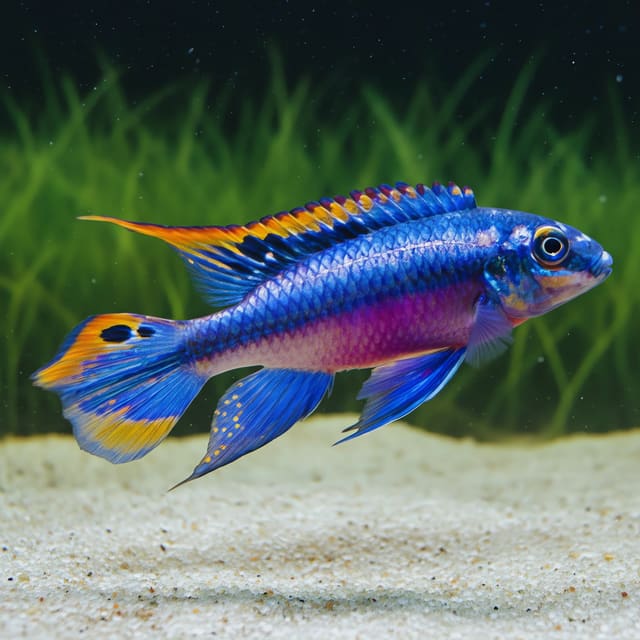
24–27°C · pH 5–7.5
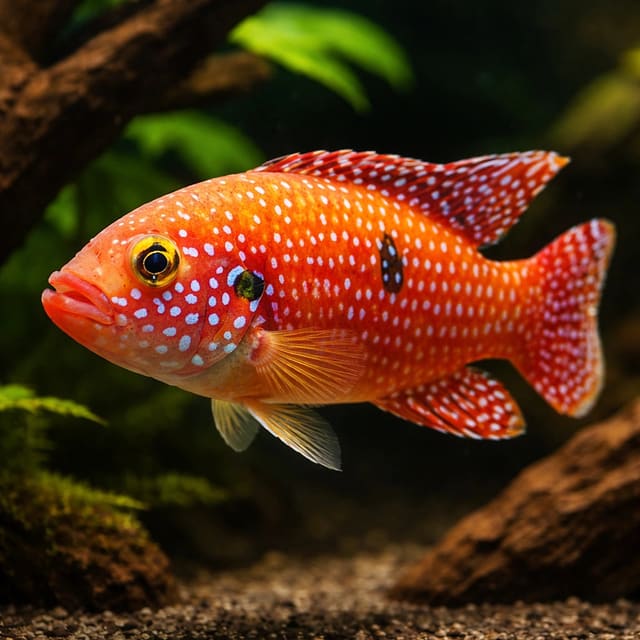
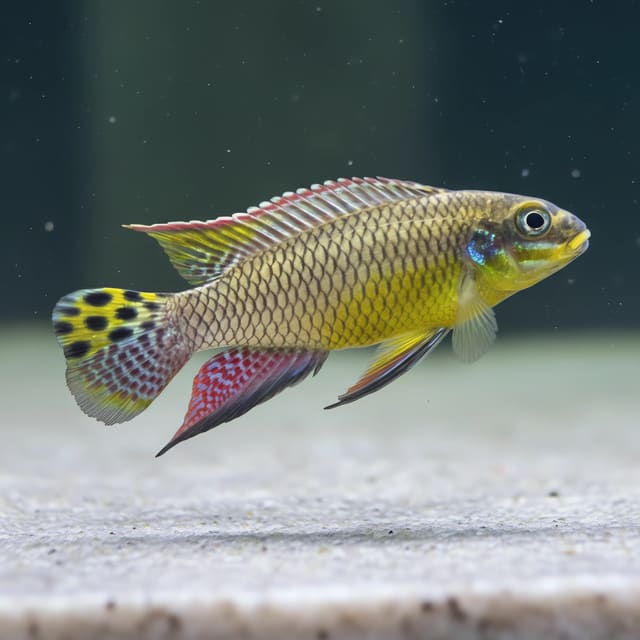
22–26°C · pH 6–7.5 · 71L
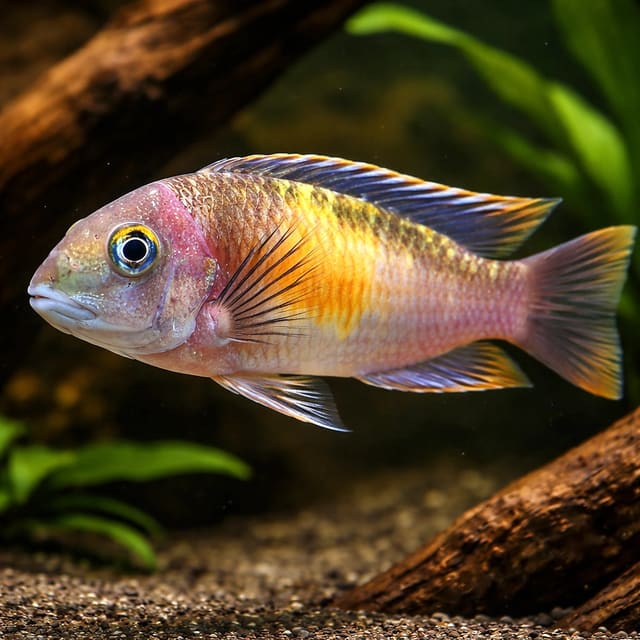
24–25°C · pH 5–7.5
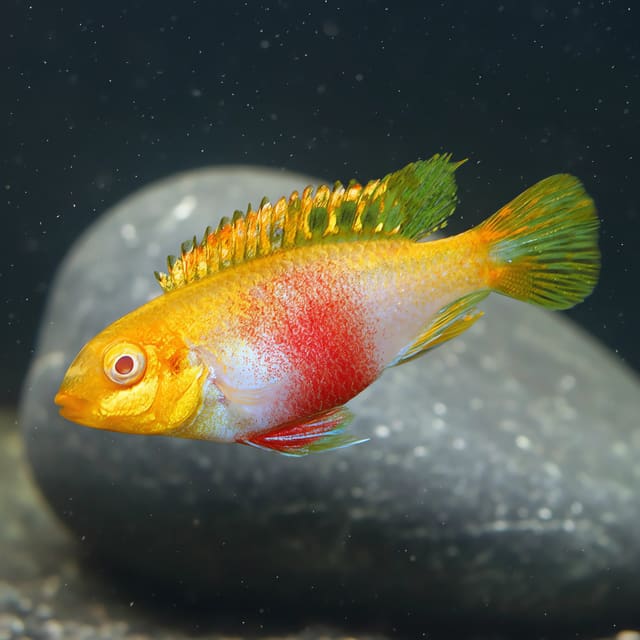
24–27°C · pH 5–7.5
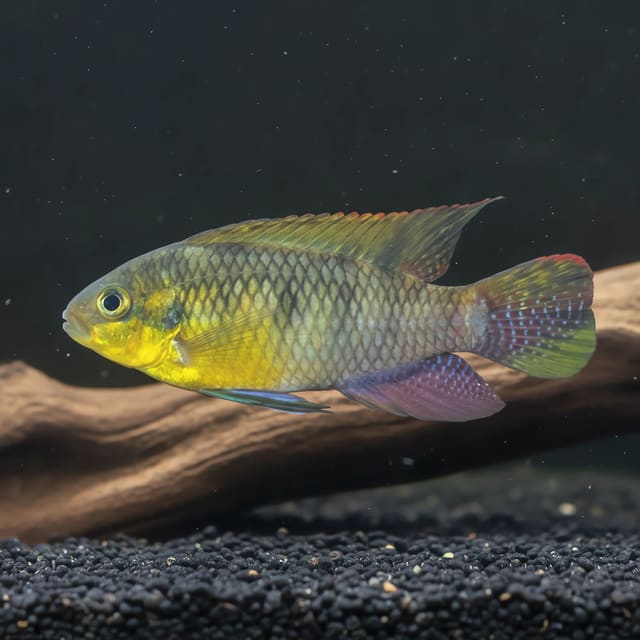
22–27°C · pH 6–7.5 · 80L
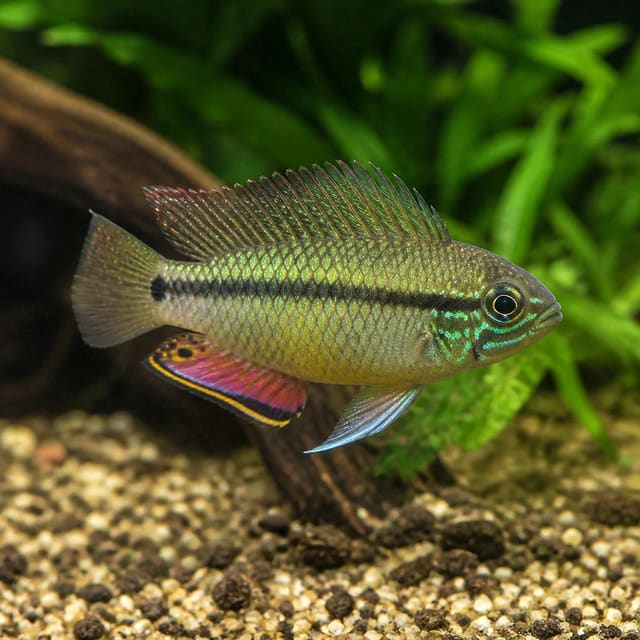
23–25°C · pH 6–7.5 · 100L
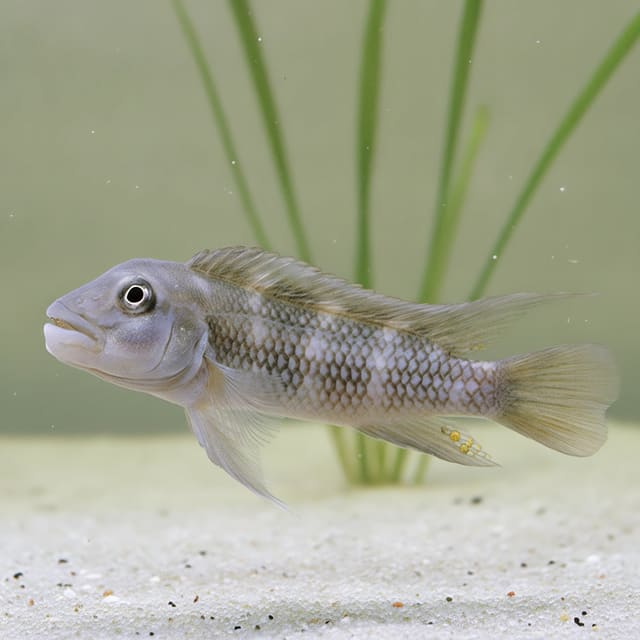
24–27°C · pH 6–8
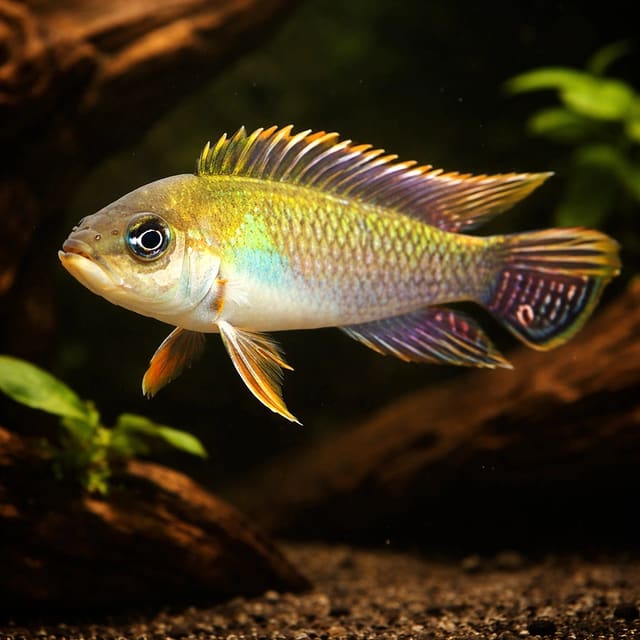
24–28°C · pH 6–7.5 · 75L
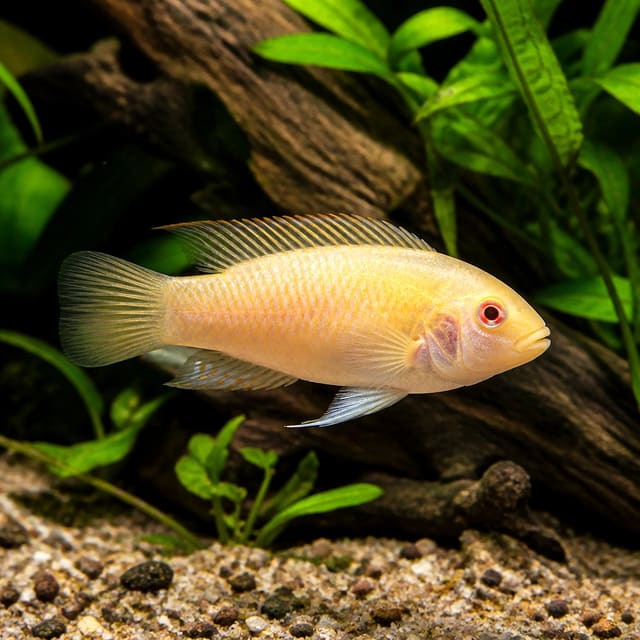
24–27°C · pH 5–7.5 · 71L
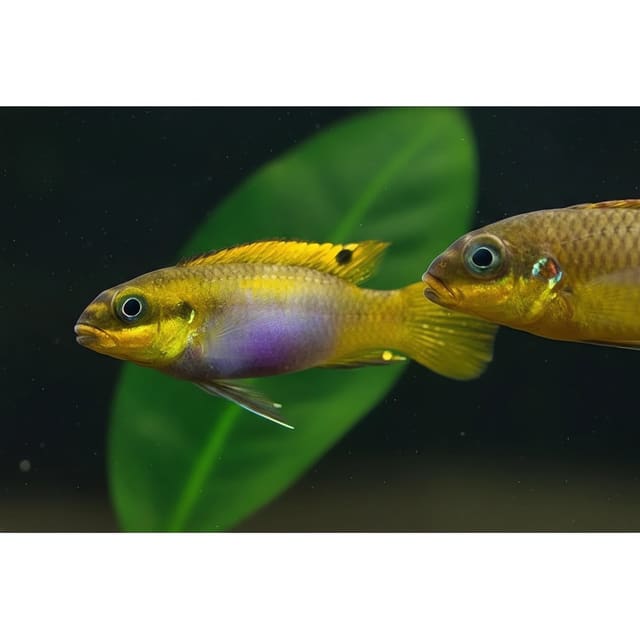
22–26°C · pH 5–7.5 · 71L
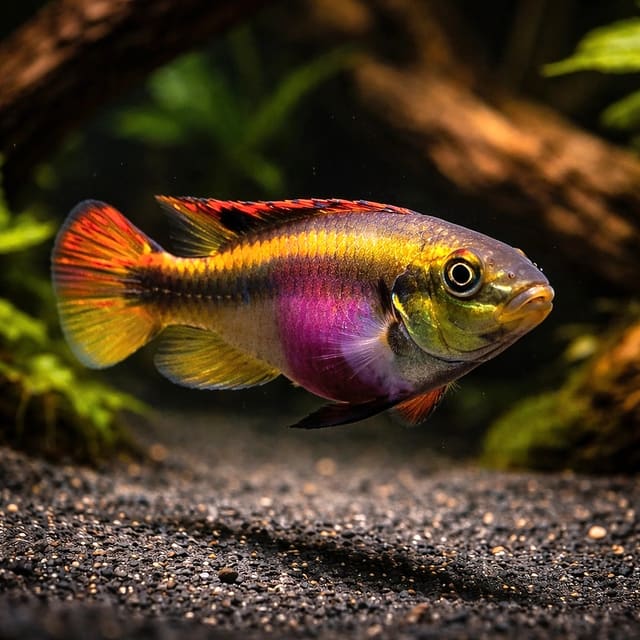
24–27°C · pH 5–7.5 · 71L
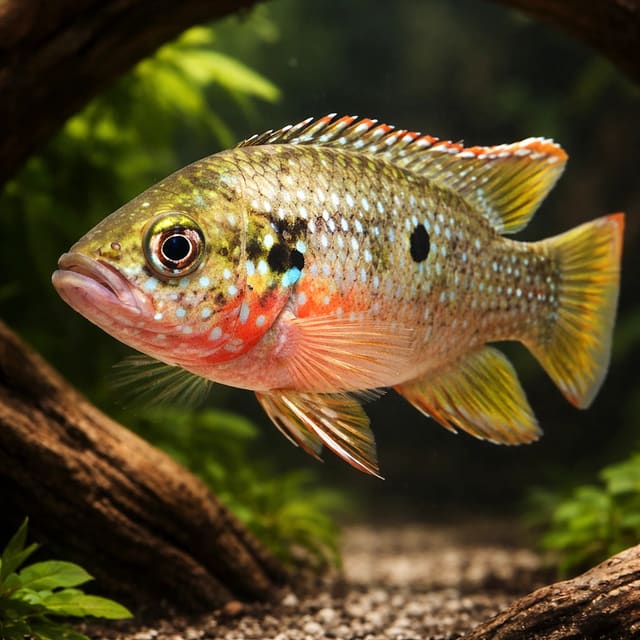
22–27°C · pH 6–7.8 · 108L
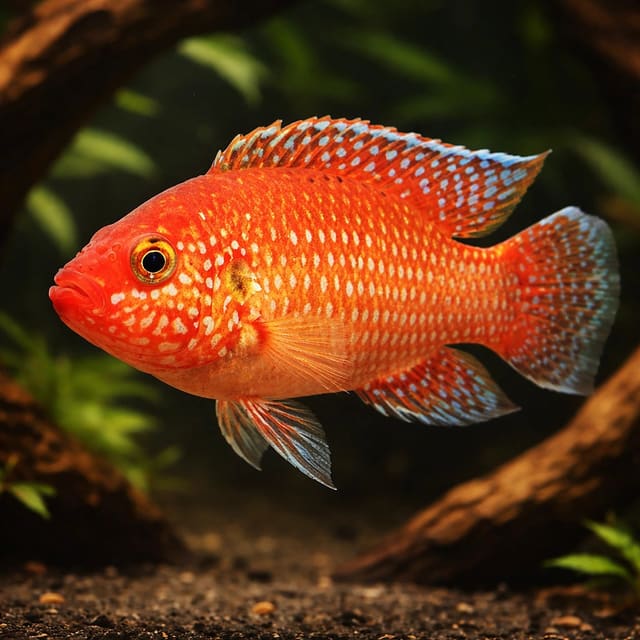
23–26°C · pH 6–7.8 · 150L
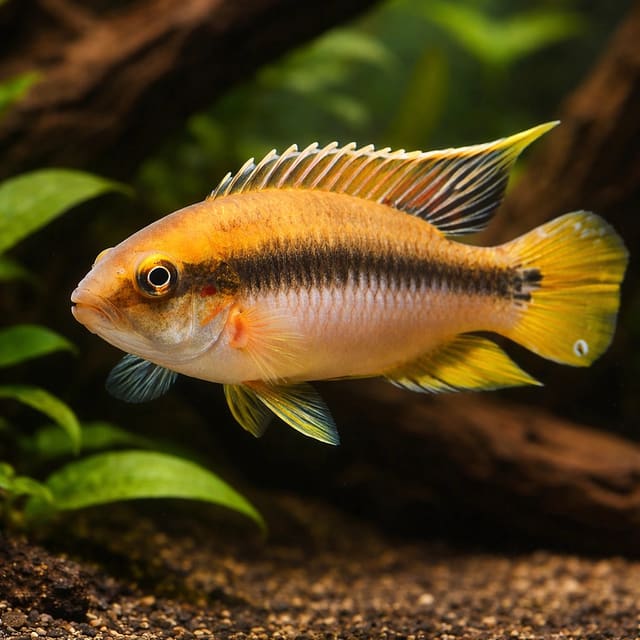
24–26°C · pH 6–7.5 · 80L

22–28°C · pH 7–8 · 41L

21–25°C · pH 5–7

24–27°C · pH 6.5–6.5
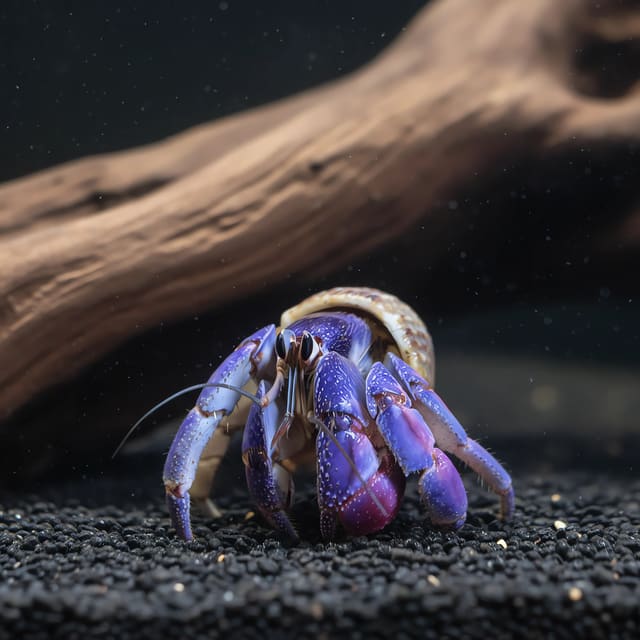
24–29°C

22–27°C · pH 6–8 · 72L
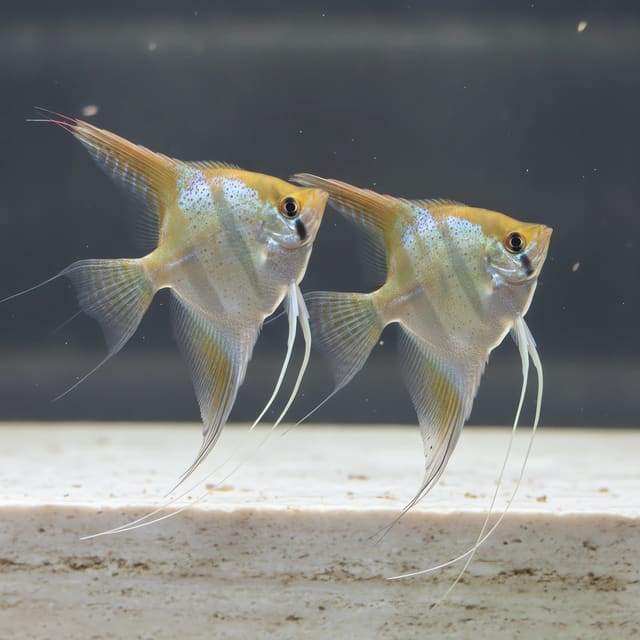
24–27°C · pH 6.5–8 · 200L

23–27°C · pH 5.5–7 · 60L

22–27°C · pH 6–8