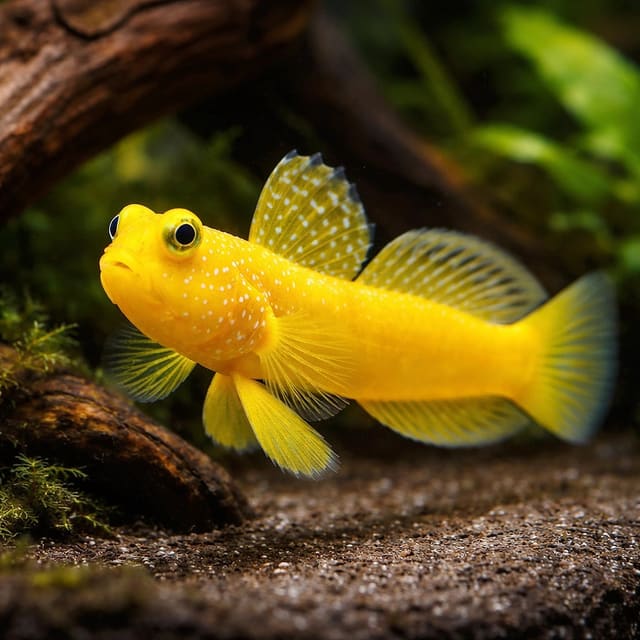
Yellow Prawn Goby (Cryptocentrus cinctus)
24–26°C · pH 7.9–8.3
£57.99
The Mandarinfish (Synchiropus splendidus) is a marine dragonet from the western Pacific that reaches 7 cm. It suits a keeper prepared to support its specialised feeding in a mature marine aquarium; OATA's dragonet guidance gives at least 120 litres for one fish, 24–26°C and pH 7.9–8.3. Sold individually as one live fish.
Adult size is the maximum length this species reaches at full maturity (scientific sources). The livestock you receive will be younger and smaller. Product-photo provenance and any image-specific limitations are stated on the listing.
Synchiropus splendidus
The Mandarinfish (Synchiropus splendidus) is a marine dragonet from the western Pacific that reaches 7 cm. It suits a keeper prepared to support its specialised feeding in a mature marine aquarium; OATA's dragonet guidance gives at least 120 litres for one fish, 24–26°C and pH 7.9–8.3. Sold individually as one live fish.
Adult size is the maximum length this species reaches at full maturity (scientific sources). The livestock you receive will be younger and smaller. Product-photo provenance and any image-specific limitations are stated on the listing.
Maintain these water conditions for optimal health and vibrant colors
The Mandarinfish (Synchiropus splendidus) is a small marine dragonet in the Callionymidae family, native to the western Pacific from the Ryukyu Islands south to Australia. FishBase records a maximum length of 7 cm total length for male or unsexed fish. It suits a keeper who can provide a mature marine aquarium, maintain stable water quality and support a continuing population of live copepods.
This is a reef-associated fish rather than an open-water swimmer. In nature it inhabits shallow, protected lagoons and inshore reefs, including silty bottoms with coral and rubble. FishBase describes wild individuals as usually living in small groups spread over a small area, while the Wikipedia account of the species identifies it as a brightly coloured member of the dragonet family from the Pacific. These habitat details make live rock, rubble, crevices and feeding surfaces practical parts of the aquarium plan.
The decisive requirement is food. OATA's dragonet guidance says to introduce dragonets only into a mature aquarium, because they naturally hunt small invertebrates such as copepods and these must be provided. It gives at least 120 litres with plenty of live rock or rubble for an individual, alongside 24–26°C, pH 7.9–8.3 and salinity of 1.020–1.025 for dragonets as a group. The aquarium needs to sustain feeding opportunities throughout the day, not merely have enough swimming room for a 7 cm fish.
Small body size does not mean a minimal aquarium is suitable. OATA recommends at least 120 litres with plenty of live rock or rubble for an individual because the aquarium must support a sufficiently large population of live invertebrate food. A larger aquarium also gives greater stability in temperature and water quality, both of which matter when a dragonet is sensitive to ammonia or nitrite.
| Suits | Not suited to |
|---|---|
| A mature marine aquarium with live rock or rubble | A newly established aquarium without developed live-food populations |
| A keeper able to provide live copepods and frequent feeding | Aquariums where boisterous fish interrupt feeding |
| Calm companions that leave time and space to hunt | Species that may out-compete it for live food |
| Stable water with zero ammonia and nitrite | An unfiltered or unstable aquarium |
Choose this fish for its specialised hunting behaviour as well as its colour. A prepared keeper should be able to explain where its copepods will come from, how the population will be supplemented and how the fish will be observed eating before making the final decision.
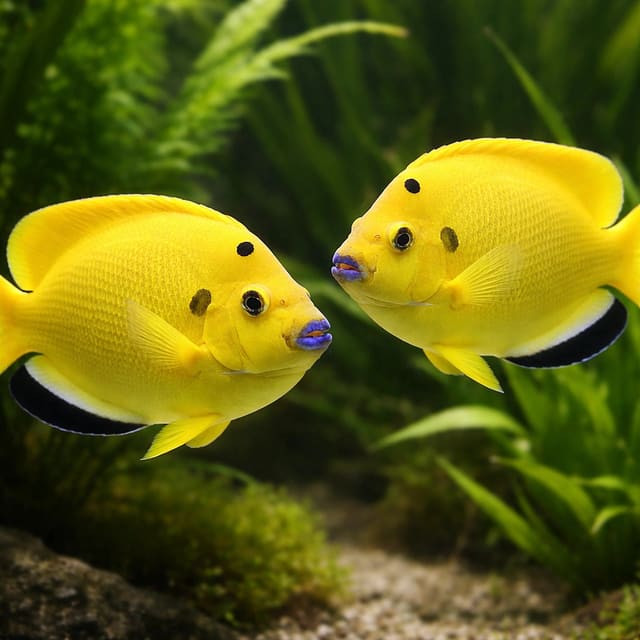
Sold individually, one purchase supplies one live Mandarinfish. Plan the aquarium for one fish unless you are deliberately arranging a compatible male and female pair in an aquarium large enough for both animals. The photographs and illustrations help with identification and appearance, but a scene containing two fish does not change the quantity supplied.
Sex is guaranteed only when the selected option explicitly states male or female. This Mandarinfish listing has no sex-guaranteed option. Do not use colour, fin shape or a gallery scene to assume the sex of the fish. This also means that a planned pair requires a separate compatibility assessment rather than an assumption based on appearance.
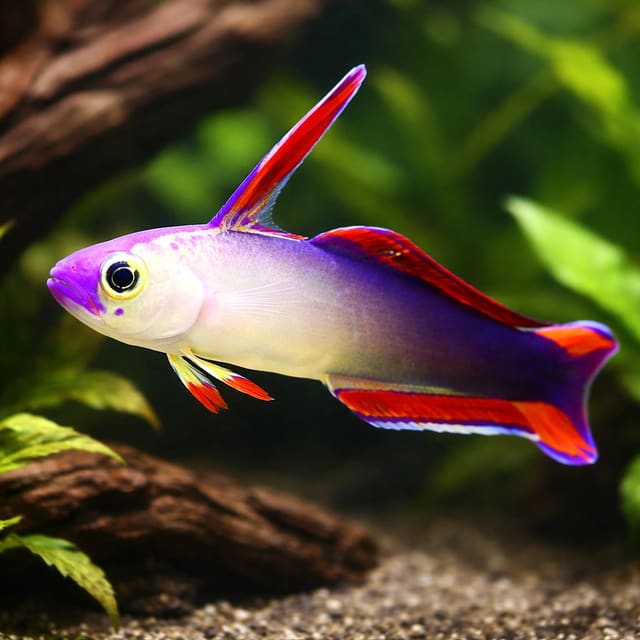
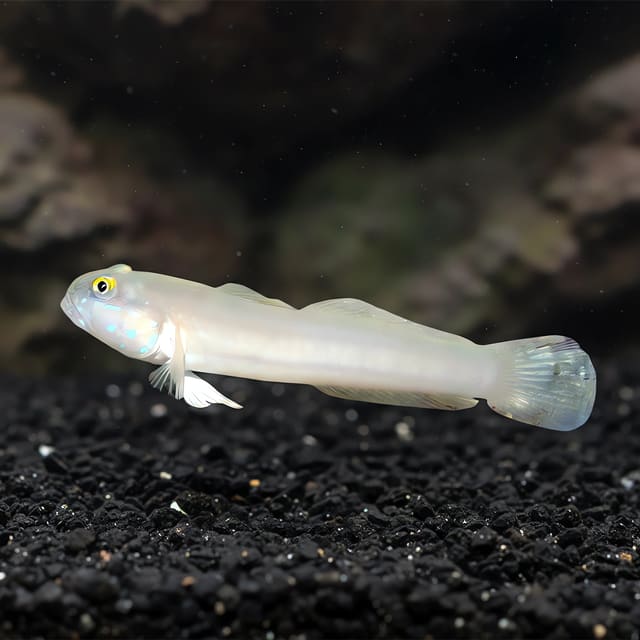
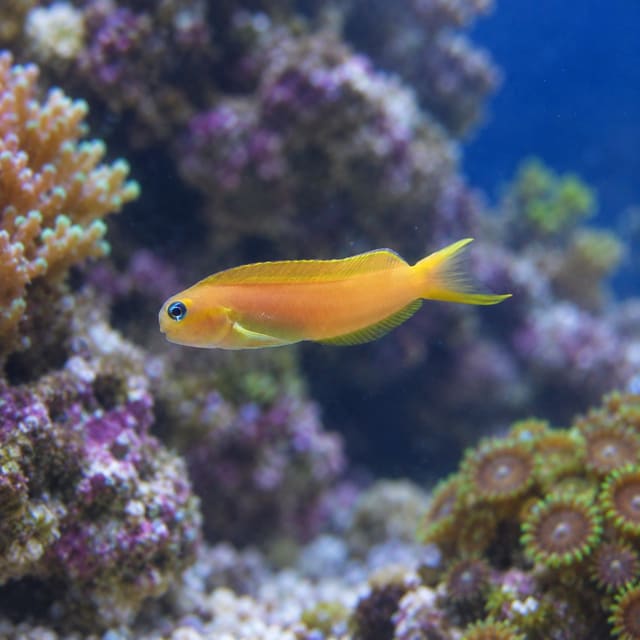
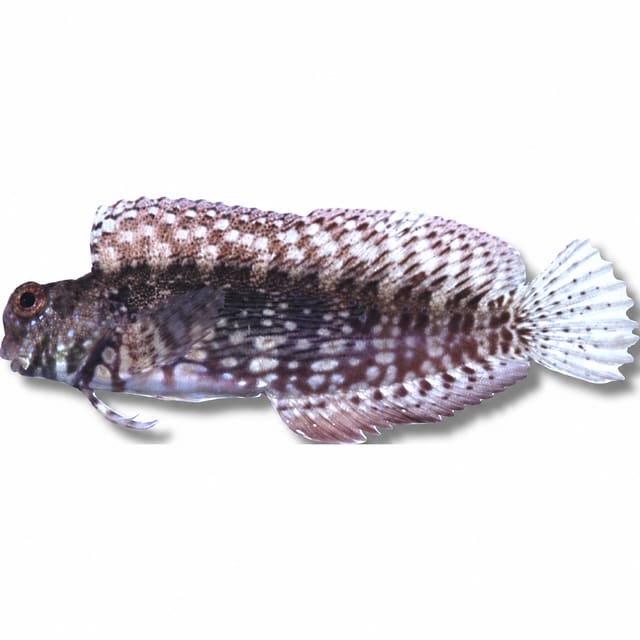
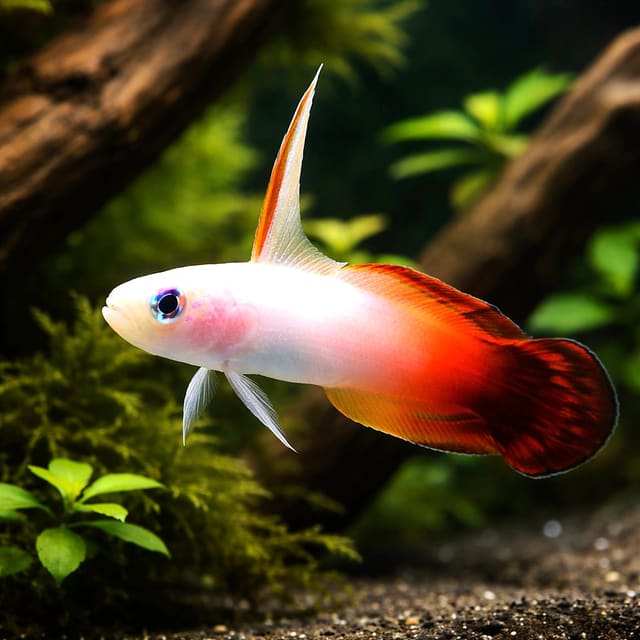
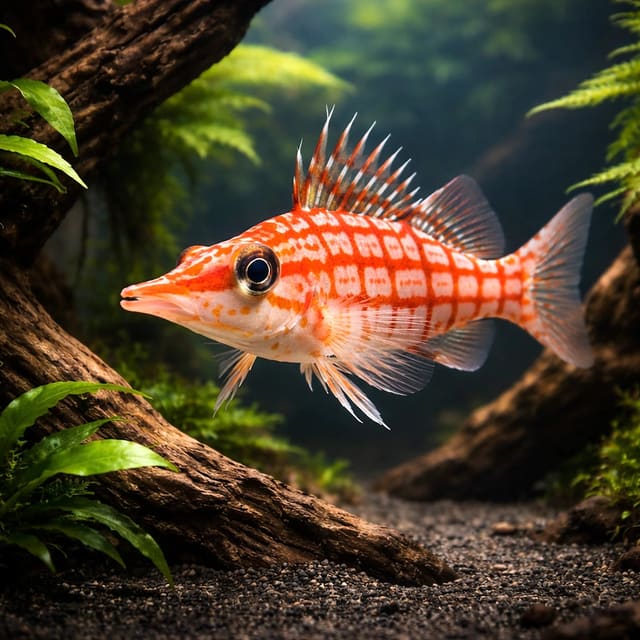
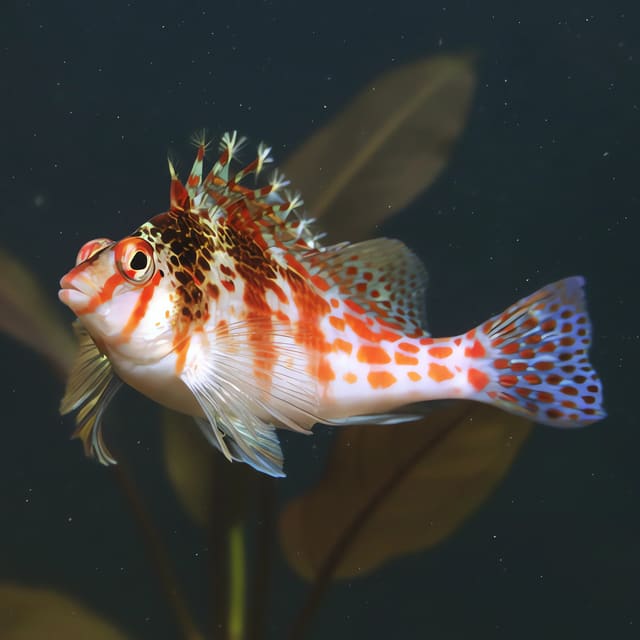
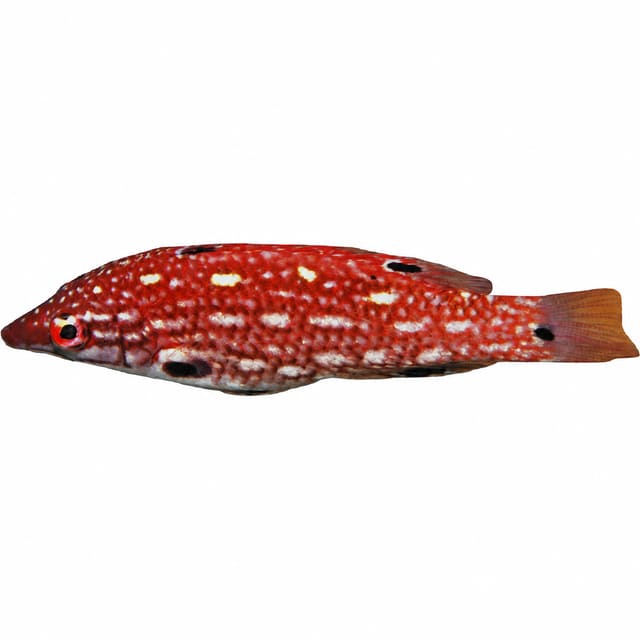
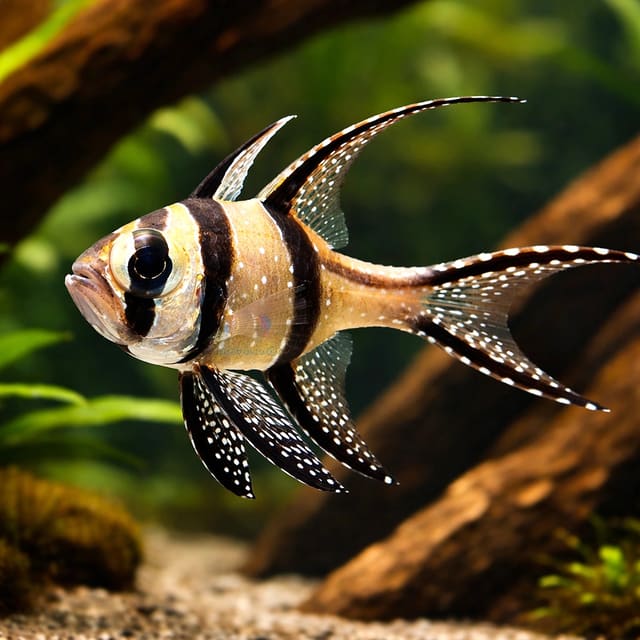
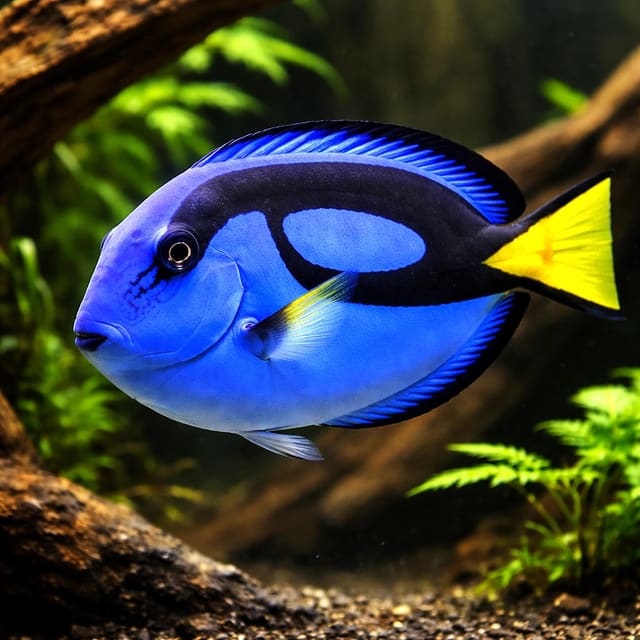
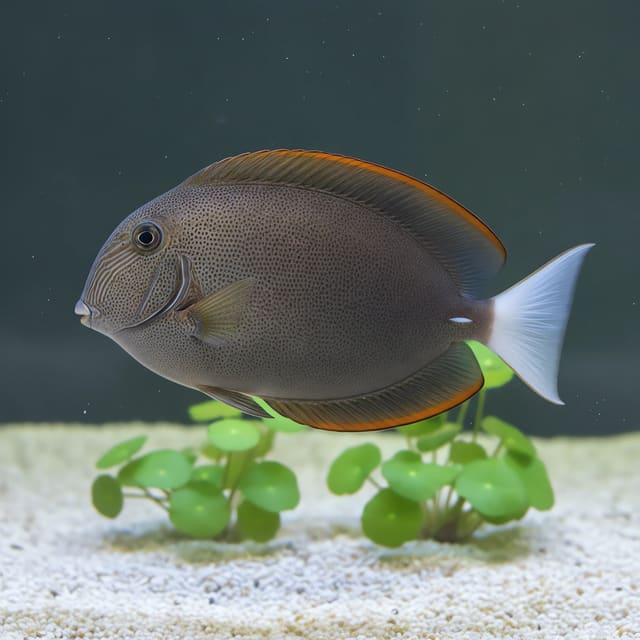
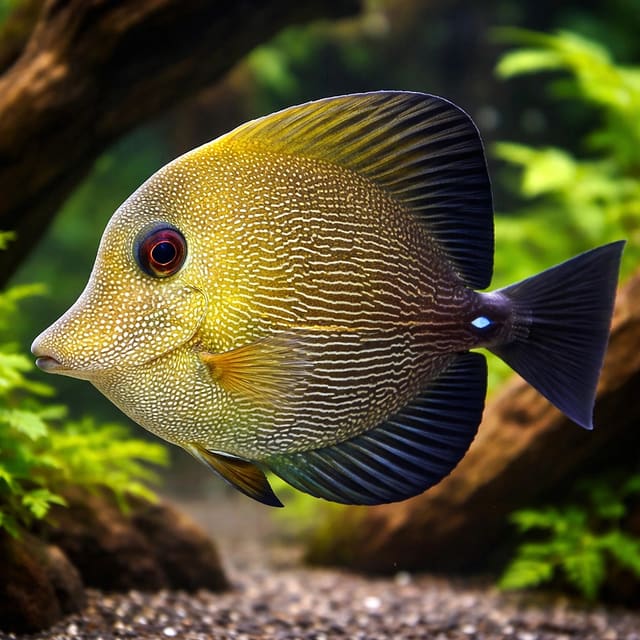
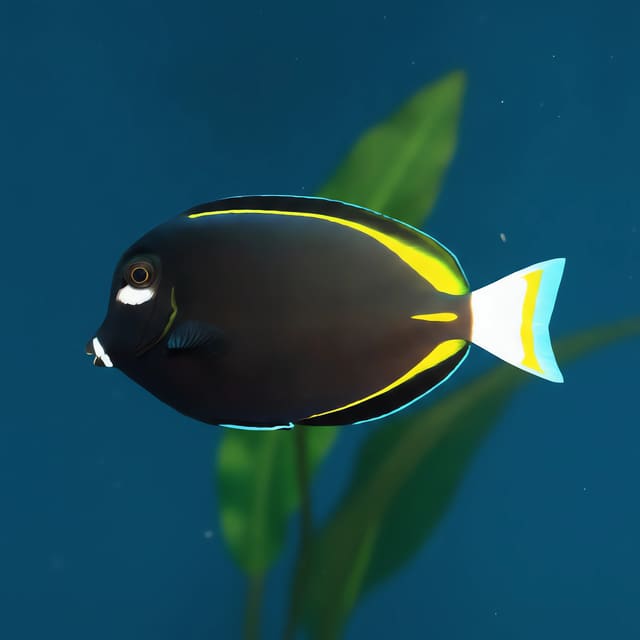
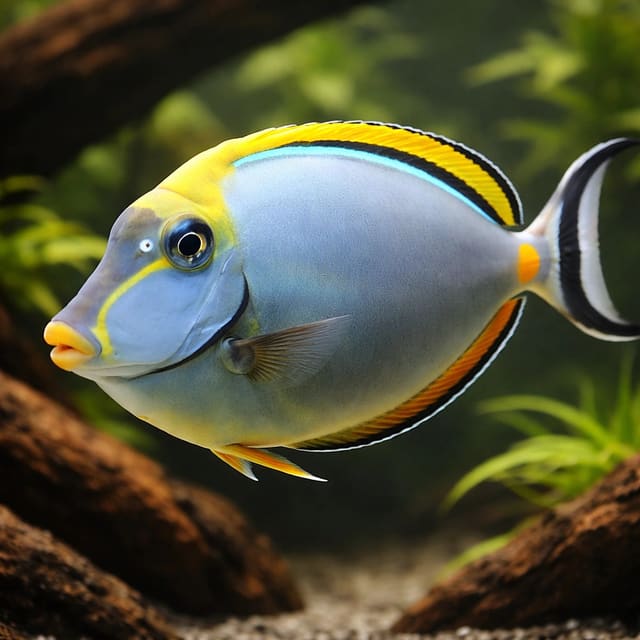
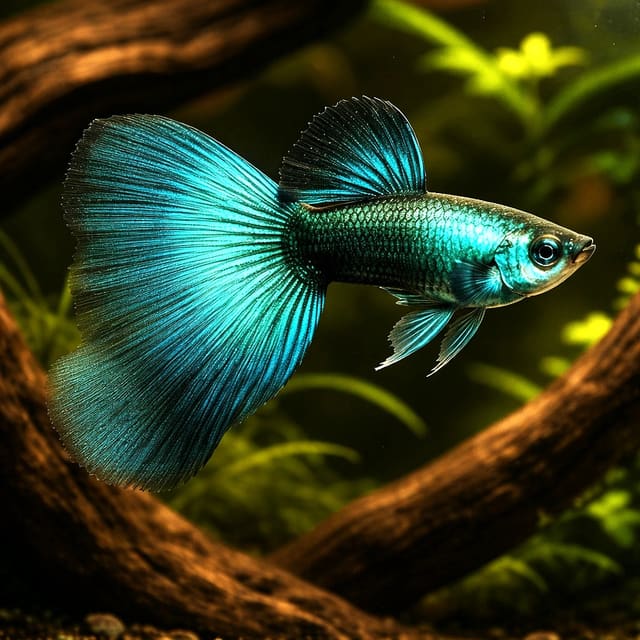
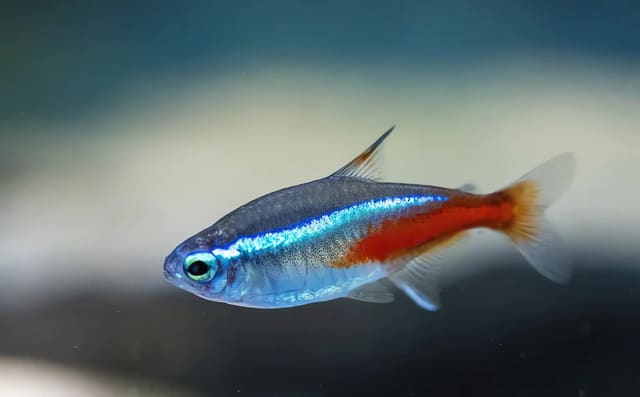
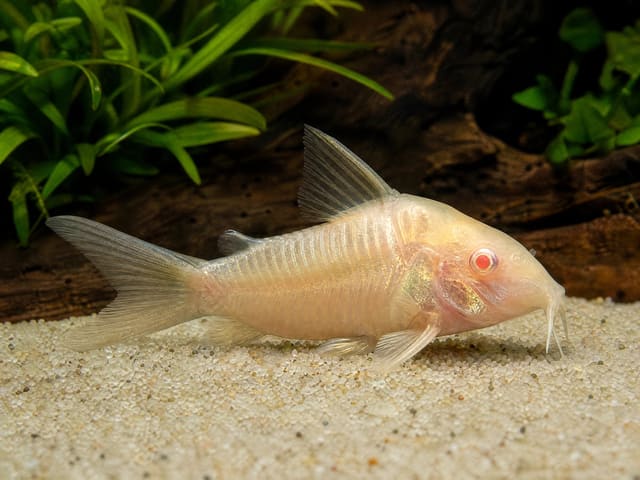
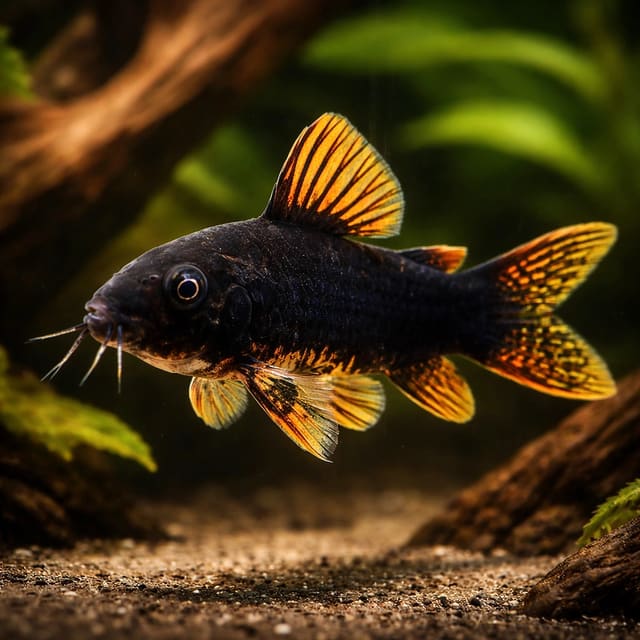
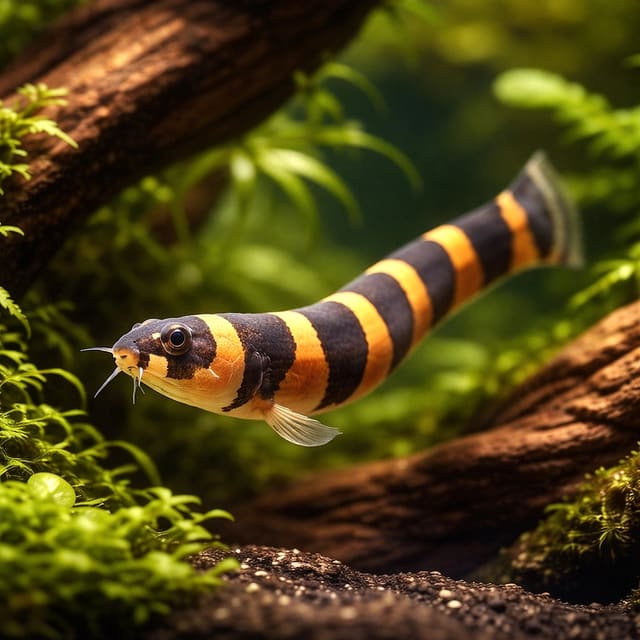
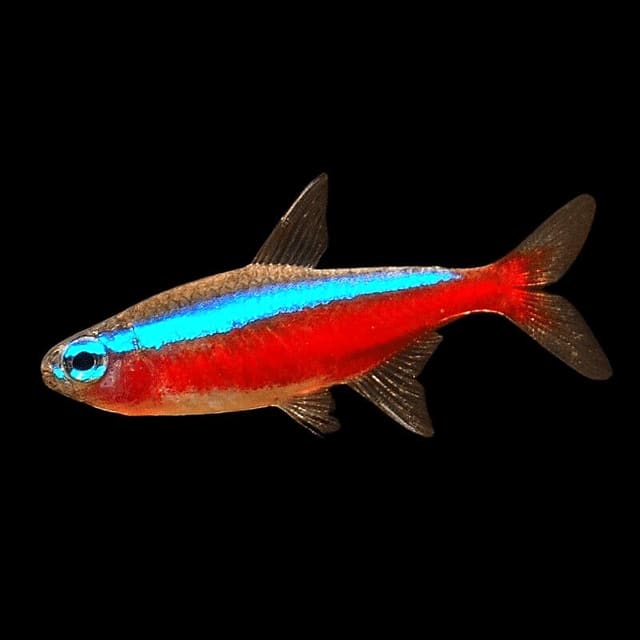
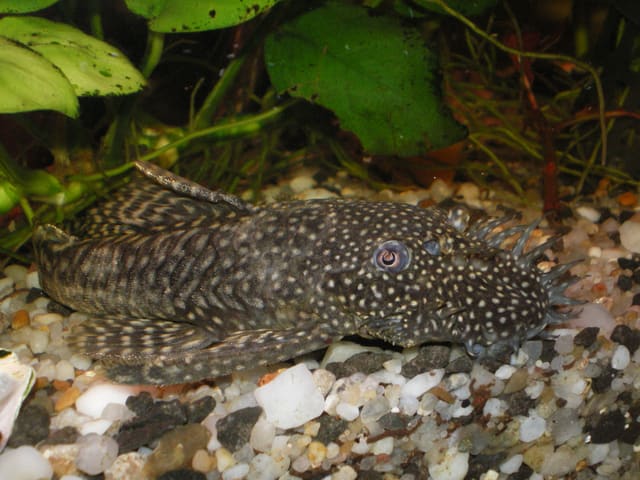
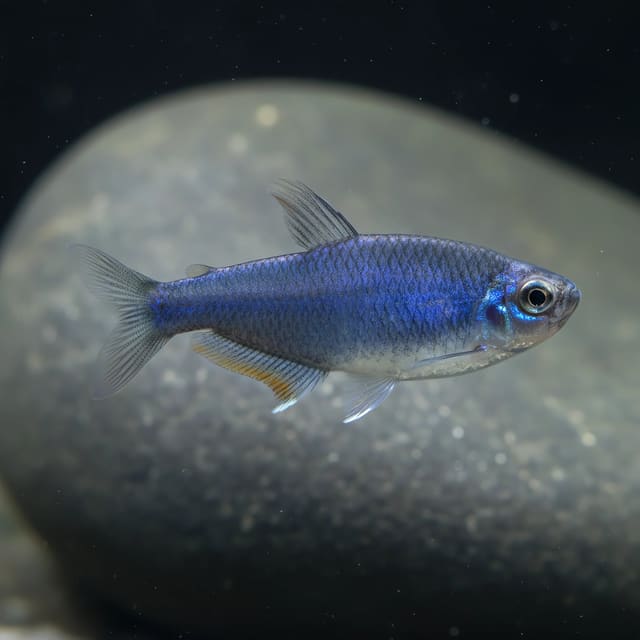
Some gallery images have been digitally enhanced to improve image quality. They show the listed type of animal rather than guaranteeing the exact markings of the individual supplied, so natural colour and pattern can vary. The orange, turquoise and dark blue patterns in the gallery help identify the species, and the markings on the fish supplied may differ in shape, intensity and placement.
You can browse the wider marine fish collection when planning the aquarium, but assess every proposed companion against this dragonet's slow, cautious feeding behaviour. Similar water requirements alone do not make two fish suitable tank mates.
Plan the aquarium around a maximum recorded adult length of 7 cm. FishBase gives this as total length for male or unsexed Synchiropus splendidus. Use this 7 cm figure when judging the adult scale of this fish.
OATA allows that an aquarium could be smaller when live food is regularly purchased or cultured. Treat that as a demanding feeding arrangement, not as permission to overlook maturity, filtration or stability. The keeper would need a dependable source of live food and close observation of body condition, appetite and access to prey.
Build the layout before introduction so the fish does not depend on later disruption of the aquarium. Coral rubble, live rock and crevices reflect the protected reef and rubble habitats recorded for the wild species. The purpose is practical: more suitable surfaces and refuges create more places for small prey to persist and more opportunities for the dragonet to hunt.
Do not calculate the aquarium solely from the fish's length. The 120-litre recommendation is driven by feeding ecology and environmental stability as well as physical space. A compact fish with a specialised diet can require more mature habitat than a larger fish that readily accepts conventional aquarium foods.
Keep the aquarium at 24–26°C, pH 7.9–8.3 and salinity 1.020–1.025. OATA gives these values for dragonets as a group and also recommends carbonate hardness of 8–12°dKH, calcium of 380–450 ppm and magnesium of 1250–1350 ppm. In a reef aquarium, some of these parameters will need to be altered to suit more sensitive species, so every animal must fit the final water plan.
Maintain ammonia at zero mg per litre and nitrite at zero mg per litre. Keep nitrate from exceeding 50 mg per litre. These are measurable limits, so use regular testing rather than judging water quality from clarity or the fish's colour. Clear water can still contain dissolved waste, while an apparently settled fish may already be affected by a change in chemistry.
Stability is especially important because OATA warns that even small amounts of ammonia and nitrite can stress dragonets. A stable result means the target values are maintained through feeding, maintenance and livestock changes; it does not mean testing can stop after one acceptable reading.
Use the same reliable method each time so trends can be compared. Record the result when livestock is added, after maintenance and whenever appetite or breathing changes. A written sequence makes it easier to distinguish an isolated reading from a continuing rise in waste compounds.
Increase the aquarium's fish population slowly. Each additional fish and each increase in feeding adds waste that the established beneficial bacteria must process. Rapid stocking can lead to new tank syndrome, in which there are too few nitrifying bacteria for the increased load and ammonia or nitrite rises to harmful levels.
Water numbers and feeding cannot be separated for this species. Frequent meals and live-food supplementation must be balanced by effective filtration, testing and maintenance. If uneaten frozen food begins to accumulate, reduce each portion while preserving the required feeding frequency and recheck the relevant water values.
Provide live copepods as the core of the feeding plan. Dragonets naturally prey on small invertebrates, and OATA says copepods must be provided in the home aquarium. A mature aquarium may develop its own live invertebrate population, but supplement it with live copepods, and with frozen copepods once the individual fish accepts frozen food.
Feed at least twice a day; three times is better. Preserve the frequency while keeping each portion small enough to be eaten without avoidable waste. Dragonets are slow, cautious feeders, so allow time for the fish to find food and confirm that faster companions are not taking it first.
| Food | How to use it |
|---|---|
| Live copepods | Use as the principal prey and replenish the aquarium's natural population. |
| Frozen copepods | Offer when the individual accepts frozen food. |
| Small pieces of enriched brine shrimp | Use as meaty variety after confirming that the fish recognises and eats them. |
| Finely chopped mysis or krill | Offer in appropriately small pieces and watch the fish consume them. |
Acceptance varies between individuals. Do not count food entering the aquarium as proof that the dragonet has eaten. Watch the fish approach, pick at and swallow the food, then continue monitoring body condition over time. A companion that repeatedly reaches every portion first creates a compatibility problem even when the food itself is appropriate.
A refugium can help increase natural live-food populations in a more advanced marine system. Its role is to support prey production, not to replace observation or supplementation. Continue checking whether the dragonet is feeding successfully in the display aquarium.
Use body condition and feeding response together. Reduced interest in food, a visible decrease in condition or a change in the usual hunting pattern calls for an immediate check of food access, prey supply, competition and water quality. Add appropriate live prey while investigating rather than relying on a food the fish has not previously accepted.
Where frozen food is accepted, distribute it where the dragonet can reach it without being crowded. The goal is not a large feeding event; it is repeated access to suitable small prey. Frequent modest portions fit the recommended schedule while limiting uneaten material that could add to the aquarium's waste load.
Before adding the fish, decide how live copepods will be obtained or cultured and how often their presence will be assessed. A plan based only on an initial population may fail if other animals consume the same prey or if the population declines. Feeding success depends on continued supply, not merely aquarium age.
Use a well-established, well-maintained filter in every aquarium housing this fish. For a marine setup, OATA says filtration may take the form of live rock with sufficient water flow, an internal or external filter, or a sump-based filter. A protein skimmer can also help maintain water quality by removing dissolved organic waste before it breaks down into more harmful substances.
The RSPCA explains the biological filter's role: fish release toxic ammonia, beneficial bacteria convert it to nitrite, which is also toxic, and further bacteria convert nitrite to the safer nitrate. This process is why a filter must be established before fish are added and why its bacterial population must be protected during cleaning.
For a nominal 120-litre aquarium, 25% is 30 litres before allowing for displacement by rock and substrate. Use the aquarium's actual water volume when preparing replacement water, and match the established marine conditions closely enough to avoid an abrupt change during routine maintenance.
Never treat the weekly change as a substitute for testing. A rise in ammonia or nitrite requires prompt attention to stocking, feeding, filter performance and accumulated waste. Likewise, an acceptable test does not justify allowing the filter to clog or organic debris to build up.
Coordinate maintenance with the feeding plan. Live and frozen foods support the dragonet, but uneaten material adds waste. Feed modest portions, observe consumption and remove persistent debris through the normal maintenance routine. This protects water quality without reducing the required feeding frequency.
Clean components in stages when practical rather than stripping the aquarium of established biological activity. The key instruction is to preserve the bacteria that process waste while keeping water flow and mechanical parts working properly.
Add the Mandarinfish only after the marine aquarium and filter have matured and live-food populations have had time to develop. Aquarium age alone is not the decision. Confirm that ammonia and nitrite are zero, the marine parameters are stable and suitable prey can be maintained before introduction.
Increase livestock numbers slowly. The beneficial bacteria established during filter maturation must increase as more fish and more feeding add waste. Adding several animals or sharply increasing food can exceed the biological filter's present capacity and lead to new tank syndrome.
Observe the aquarium's existing inhabitants during feeding before adding the dragonet. Small gobies, fire fish, cardinal fish and other calm species are named by OATA as good companions, but suitability still depends on whether the proposed combination leaves this slow feeder enough time and space to hunt.
Do not assume that a mature filter automatically means a strong copepod population. Filtration maturity and food availability solve different needs. Confirm both: the filter must process waste, while live rock, rubble, supplementation or culture must sustain appropriate prey.
After introduction, avoid adding further fish rapidly. Let the biological filter respond to the new waste and feeding load, and continue testing ammonia and nitrite. The first observations should focus on whether the dragonet reaches sheltered areas, begins searching feeding surfaces and gains access to suitable food.
A successful introduction is shown through stable water, normal swimming and hunting behaviour, and repeated observed feeding. Do not judge success simply by the fish entering the aquarium without immediate conflict.
Watch the fish's normal swimming, colour, breathing, temperament, body condition and feeding response so a change can be recognised promptly. Healthy fish should have clear, bright eyes, undamaged fins, intact scales, no ulcerations or bumps and appropriate swimming behaviour.
| If you notice | Do this first |
|---|---|
| Hanging at the surface, sitting on the bottom or erratic swimming | Test water quality and check temperature, salinity and filter operation. |
| Breathing faster or slower than usual | Check ammonia and nitrite immediately and inspect water movement and filtration. |
| Darker or paler colour | Review recent water, maintenance, stocking and social changes. |
| More hiding or altered aggression | Observe companions and confirm that the dragonet can reach food and shelter. |
| Reduced feeding or falling body condition | Check the copepod supply, offer suitable live prey and assess feeding competition. |
| White spots, fluffy growths, damaged fins or missing scales | Test the water for ammonia and nitrite and do not add a treatment on guesswork. |
Start with water testing because dragonets can be stressed by even small amounts of ammonia and nitrite. Confirm the measured values rather than changing several parts of the aquarium at random. A clear result also helps separate a water-quality problem from food competition or social pressure.
Feeding deserves close attention because this fish hunts slowly. Record whether it actually swallows live or frozen prey, not simply whether it approaches a feeding area. If faster fish repeatedly intercept food, change the stocking plan or feeding access instead of increasing food throughout the aquarium without control.
Inspect the fish over time rather than relying on one brief view. A progressive decrease in body condition can reveal inadequate prey before a complete loss of appetite. Likewise, repeated hiding around feeding time can indicate that a boisterous companion is inhibiting normal hunting.
If health changes persist after checking water, food and companion behaviour, repeat the water tests and keep watching the dragonet's breathing, feeding and body condition closely. Do not add a disease treatment on guesswork; first assess water quality, feeding, body condition and sources of stress.
Make sure someone is at the delivery address to receive the parcel, and begin a continuous unboxing video while the parcel is still sealed and the outer box is visible. The Tropical Fish Co delivery and Live Arrival Guarantee policy requires this sequence for a claim and asks for the fish to remain visible inside the sealed bag before anything is disturbed.
The store packs livestock in oxygenated bags inside an insulated poly box and uses a heat pack when the weather calls for it. The fish must not be left unattended at the address, so arrange for someone to receive the parcel and begin the inspection sequence promptly.
Before release, the aquarium itself should already meet the dragonet's needs: stable temperature, pH and salinity, zero ammonia and nitrite, mature filtration, appropriate live rock or rubble and a continuing source of live copepods. These are preparation tasks, not steps to postpone until the box is open.
For a Live Arrival Guarantee claim, contact us the same day with the order number and the continuous unboxing video showing the sealed parcel, the opening and the fish still inside the sealed bag. Preserve the order of the video steps so the fish's condition is visible before handling changes the scene.
After release, observe breathing, posture, swimming and access to shelter. Then confirm that the fish begins exploring feeding surfaces and receives suitable prey. Continue water testing as the filter responds to the additional animal and feeding load.
Choose calm companions that leave the Mandarinfish enough time and space to hunt. OATA describes dragonets as generally tolerant of other species, but their slow, cautious feeding creates a clear compatibility limit: do not house them with boisterous animals that inhibit feeding or with any species that might out-compete them for the aquarium's live-food population, such as some wrasse.
Good companion types named by OATA include small gobies, fire fish, cardinal fish and other calm species. These are categories for screening, not an automatic approval of every individual or aquarium. The final combination must share suitable marine conditions and preserve access to copepods, shelter and feeding surfaces.
| Decision | Rule |
|---|---|
| Suitable after screening | Small gobies, fire fish, cardinal fish and other calm species that leave feeding access open. |
| Use caution | Slightly more active species only where there is enough space for the dragonet to hunt and hide. |
| Avoid | Boisterous species that interrupt or inhibit feeding. |
| Avoid | Species that may out-compete the dragonet for live food, including some wrasse. |
| Avoid | Two male dragonets together, even when they are different species. |
Watch the aquarium during actual feeding. A companion may appear calm between meals yet reach every copepod or frozen item first. Repeated interception means the combination is failing the feeding test, even if there is no chasing or visible injury.
Do not solve competition simply by adding large amounts of food. Excess uneaten material can add to the waste load, while the dragonet may still fail to eat. Use suitable small prey, provide access near its hunting areas and observe swallowing. If the fish remains excluded, revise the companion plan.
Space matters because OATA permits slightly more active companions only when the dragonet retains room to hunt and hide. Preserve rockwork, rubble and crevices rather than designing every open area around faster swimmers. The dragonet's use of the lower structure and feeding surfaces should remain uninterrupted.
The practical rule is simple: select calm marine companions, exclude male-male dragonet combinations, and reject any animal that prevents reliable feeding. Water compatibility alone is never enough for a fish that depends on continuing access to live prey.
Keep an individual unless you are deliberately planning a male and female pair in an aquarium large enough for both. OATA says dragonets can be kept in male and female pairs only if the tank is large enough, but two males should not be kept together even if they belong to different dragonet species.
Wild Synchiropus splendidus are recorded by FishBase in small groups spread over a small area. In the aquarium, keep a male and female pair only where there is enough space for both, and never keep two males together.
This offer does not guarantee sex, so do not infer it from colour, size, fin shape or gallery images. Because sex is not guaranteed, keep a single fish rather than risk housing two males together.
Food supply becomes a larger decision with two dragonets. OATA's 120-litre recommendation is for an individual, and it conditions pair keeping on the aquarium being large enough. Do not treat the individual figure as an automatic pair volume. Assess the available feeding habitat, live-food production, hiding space and behaviour of both fish.
Observe whether each fish hunts and eats. A pair is not functioning well if one animal controls productive feeding areas or if one steadily loses condition. Judge pair success by the visible outcomes that matter: access to prey, room to hide, normal behaviour and maintained body condition.
Never keep two male dragonets together, even when they are different species. Calm behaviour at first introduction is not a reason to ignore that rule.
FishBase records a maximum of 7 cm total length for male or unsexed fish, so plan the aquarium around a 7 cm adult.
OATA's dragonet guidance recommends at least 120 litres with plenty of live rock or rubble for one fish; a smaller aquarium requires live food to be regularly purchased or cultured.
Keep one unless deliberately planning a male and female pair in an aquarium large enough for both; never keep two male dragonets together, even when they are different species.
Choose it only if you can maintain a mature marine aquarium, provide live copepods, feed at least twice daily and monitor a slow feeder closely around its companions.
Provide live copepods as the principal prey, supplementing with live or accepted frozen copepods and suitable small frozen meaty foods; feed at least twice daily, with three feedings better.
OATA's dragonet guidance gives 24–26°C, pH 7.9–8.3, salinity 1.020–1.025 and carbonate hardness of 8–12°dKH.
OATA describes dragonets as generally tolerant of other species, but two males should not be kept together and boisterous companions must be avoided because they will inhibit its feeding.
OATA names small gobies, fire fish, cardinal fish and other calm species as good companions; avoid boisterous animals and live-food competitors such as some wrasse.
Tropical Fish Co packs livestock in oxygenated bags inside an insulated poly box, using a heat pack when weather calls for it; have someone at the address to receive the parcel, film continuously from sealed parcel to fish in the sealed bag, then float the bag for 20–30 minutes before release.
No reviews for this item yet. Bought one? Honest reviews only, good or bad.
What customers say about ordering from us
Easy website plenty of info on fish your buying great to pick a time slot
TRACEY DURRANT · 7 Oct 2026
Got some lovely fish thank you
Kevin Mackie · 7 Oct 2026
Reviews of our shop, collected by Judge.me, an independent third-party review collector. Newest first.
Moved by UK carriers licensed to handle live animals
Hand-packed with oxygen bags, poly box, heat pack
Email photos the same day; an optional unboxing video helps us review problems faster — claim terms apply
Klarna & PayPal Pay in 3 at checkout