Advanced
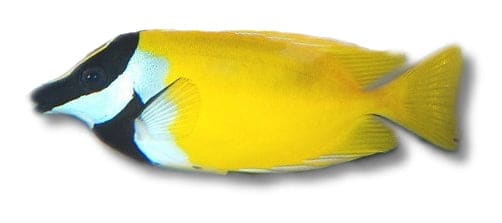
Tomini Surgeonfish (Ctenochaetus tominiensis)
24–26°C · pH 7.9–8.3
£74.99
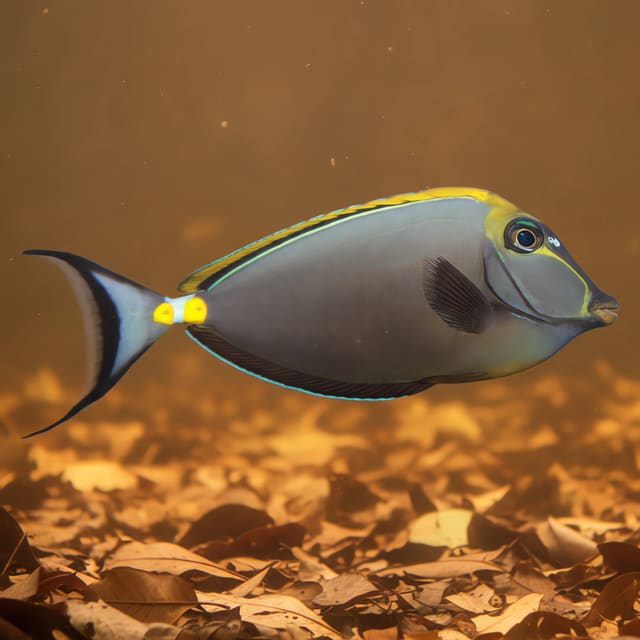
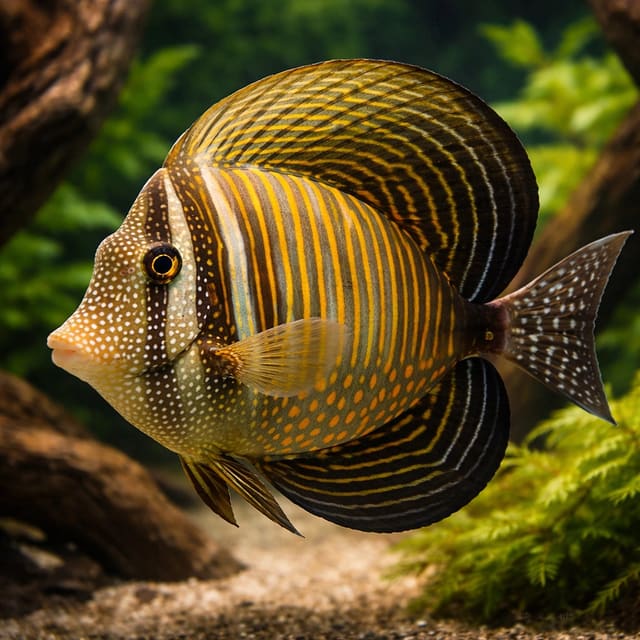
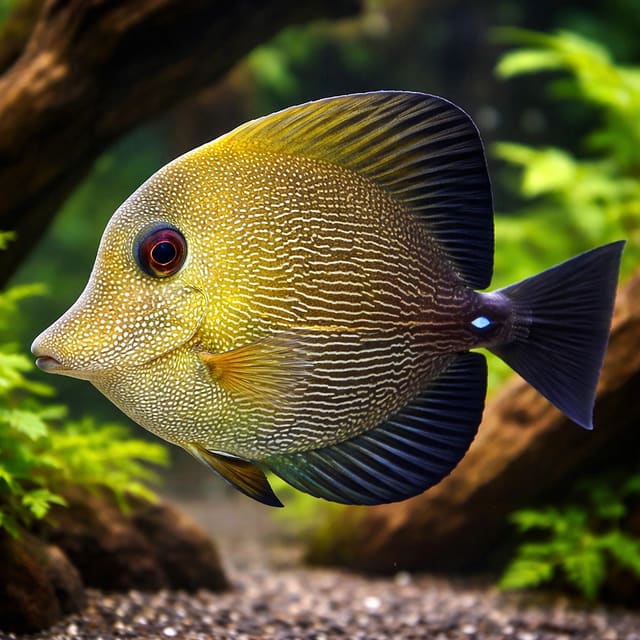
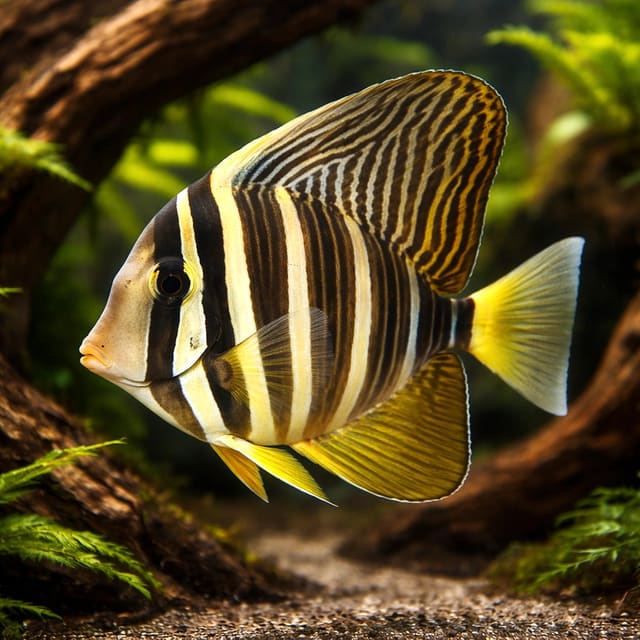
The Elegant Unicorn Tang (Naso elegans) is a marine surgeonfish from the Indian Ocean, from the Red Sea to southwestern Indonesia, that reaches 45 cm. It suits advanced keepers who can provide ample adult swimming space and follow OATA group guidance of 24–26°C and pH 7.9–8.3. Sold individually as one live fish.
Adult size is the maximum length this species reaches at full maturity (scientific sources). The livestock you receive will be younger and smaller. Product-photo provenance and any image-specific limitations are stated on the listing.
Naso elegans
The Elegant Unicorn Tang (Naso elegans) is a marine surgeonfish from the Indian Ocean, from the Red Sea to southwestern Indonesia, that reaches 45 cm. It suits advanced keepers who can provide ample adult swimming space and follow OATA group guidance of 24–26°C and pH 7.9–8.3. Sold individually as one live fish.
Adult size is the maximum length this species reaches at full maturity (scientific sources). The livestock you receive will be younger and smaller. Product-photo provenance and any image-specific limitations are stated on the listing.
Maintain these water conditions for optimal health and vibrant colors
The Elegant Unicorn Tang (Naso elegans) is a marine, reef-associated surgeonfish in the family Acanthuridae. It occurs across the Indian Ocean from the Red Sea south to Durban and east through the western Indian Ocean islands to southwestern Indonesia. FishBase records a maximum adult size of 45 cm standard length, making this a substantial, active fish for an advanced marine keeper who can plan around its adult dimensions.
In the wild, it inhabits coastal and sheltered reef flats, rocky bottoms and oceanic locations at depths of about 5–30 metres. FishBase describes small groups and schools in those habitats and records benthic algae as its food. These observations explain the need for open swimming room, rock surfaces and an algae-led aquarium diet, but a wild school is not a stocking prescription for a home aquarium.
Wikipedia also records the names Blonde Naso Tang, lipstick tang and orangespine unicornfish and places the species in the Indian and western Pacific Oceans. Elegant Unicorn Tang is the clearest common name for this offer.
| Suits | Not suited to |
|---|---|
| Advanced marine keepers planning for a 45 cm adult | Nano aquariums or plans based only on the fish's size at dispatch |
| Well-matured, filtered marine systems with ample swimming room | New or unstable systems with detectable ammonia or nitrite |
| Algae-led feeding twice a day | Using incidental aquarium algae as the complete diet |
| Companions screened for activity and appearance | Shy species or tangs and rabbitfish that look too similar |
Keep the aquarium at 24–26°C, pH 7.9–8.3 and salinity 1.020–1.025. OATA's tang and rabbitfish guidance supplies these broad group values, not a species-specific optimum. Its space benchmark is at least 300 litres for one individual under 20 cm, while larger and more active species need a larger aquarium. At 45 cm adult size, this fish must be planned beyond that benchmark.
One purchase supplies one live Elegant Unicorn Tang. The dispatch presentation is not an adult-size statement: plan the aquarium around the recorded 45 cm adult length and the species' active reef-associated behaviour rather than around how the fish appears on arrival.
Sex is guaranteed only when the selected option explicitly states male or female. This Naso elegans listing has no sex-guaranteed option.
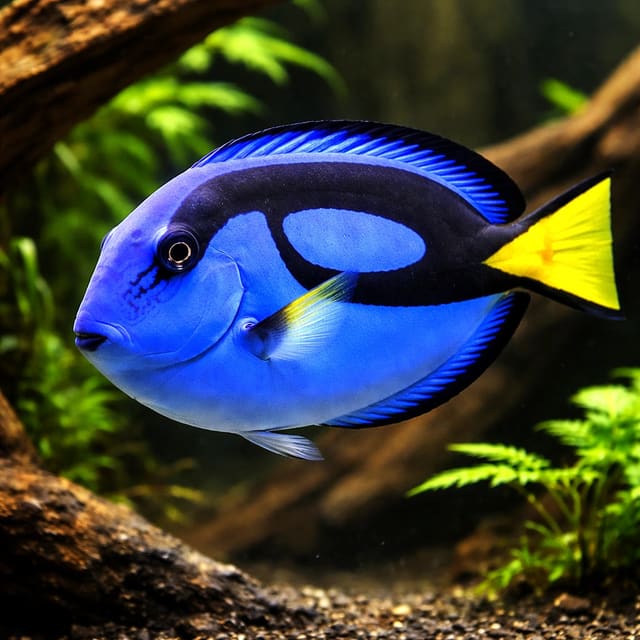
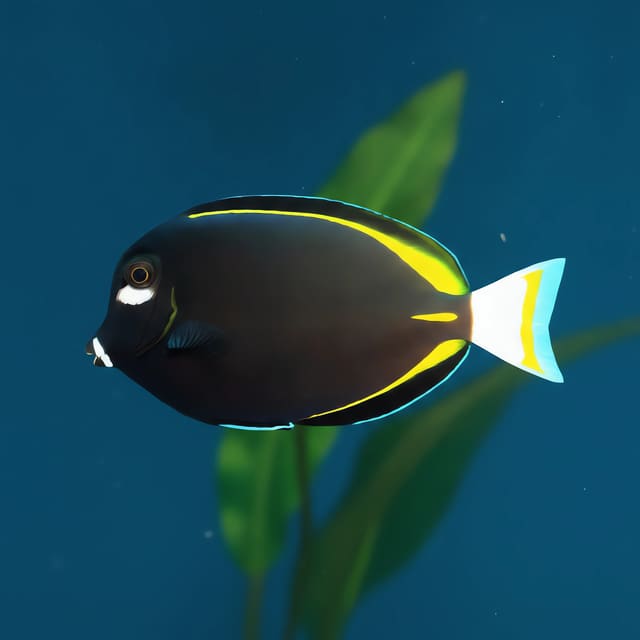
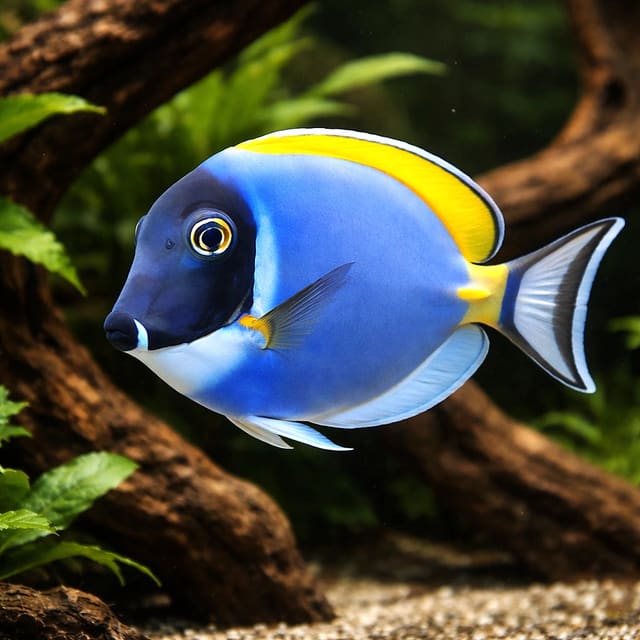
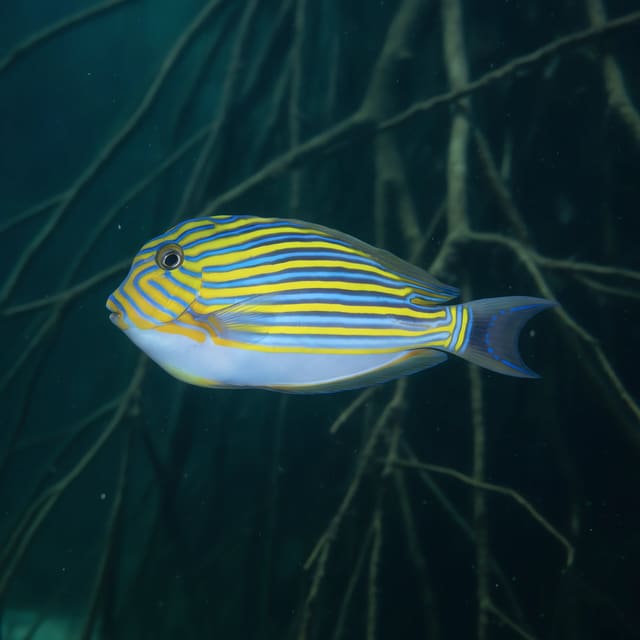
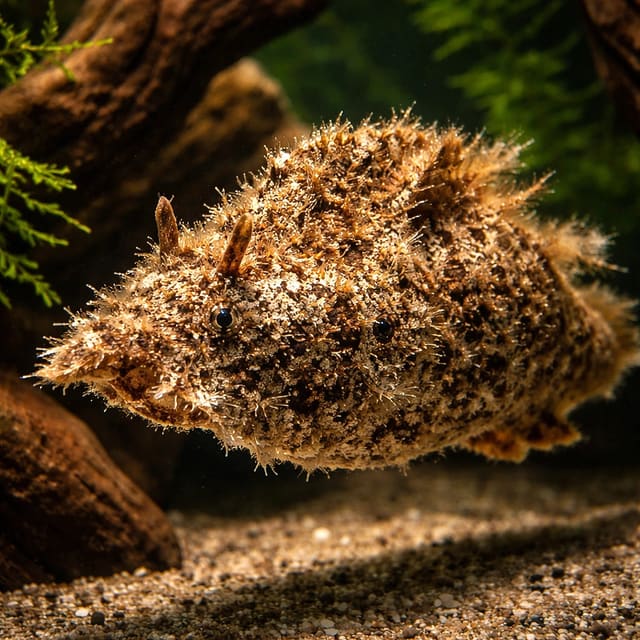
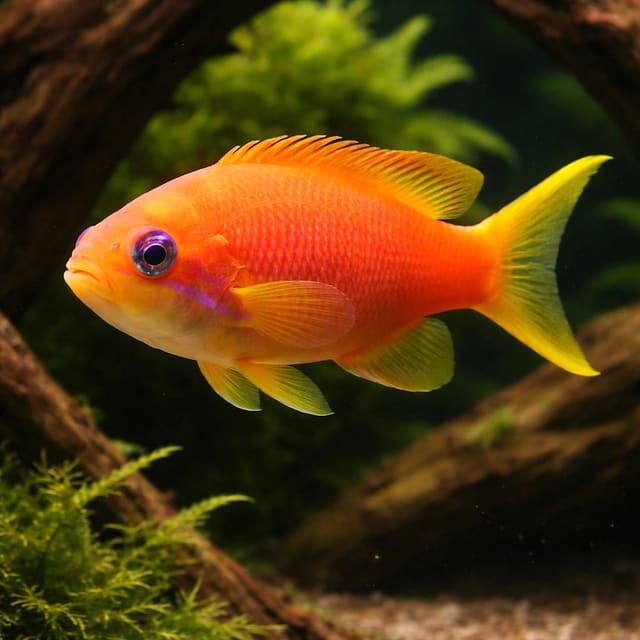
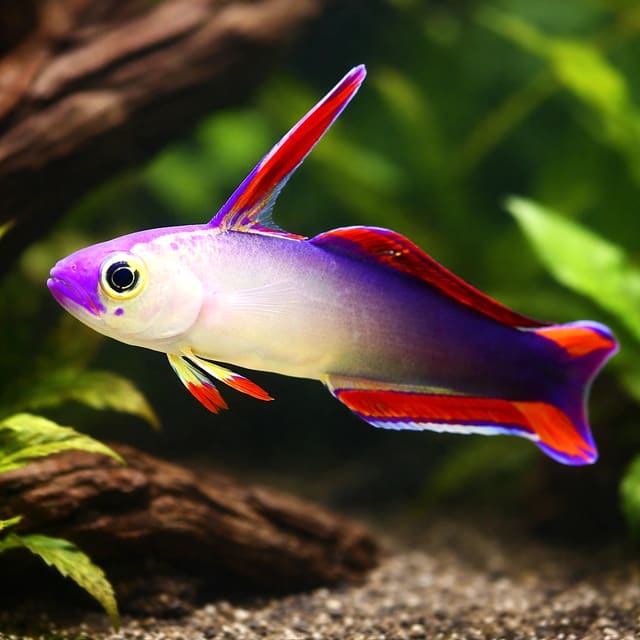
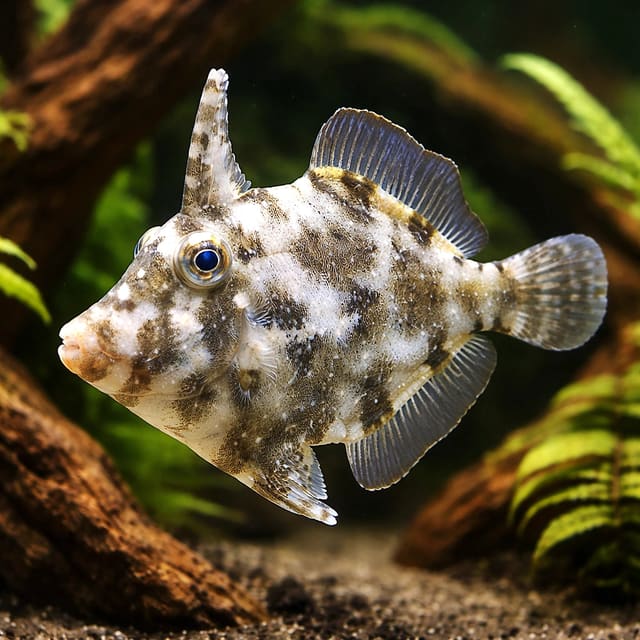
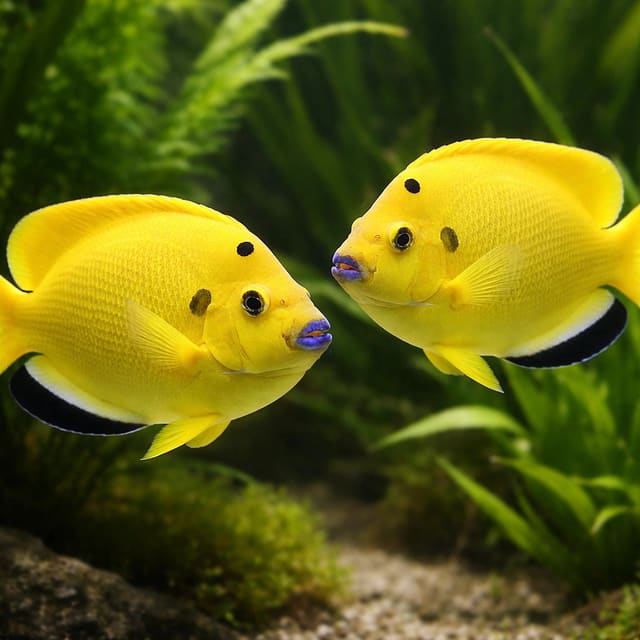
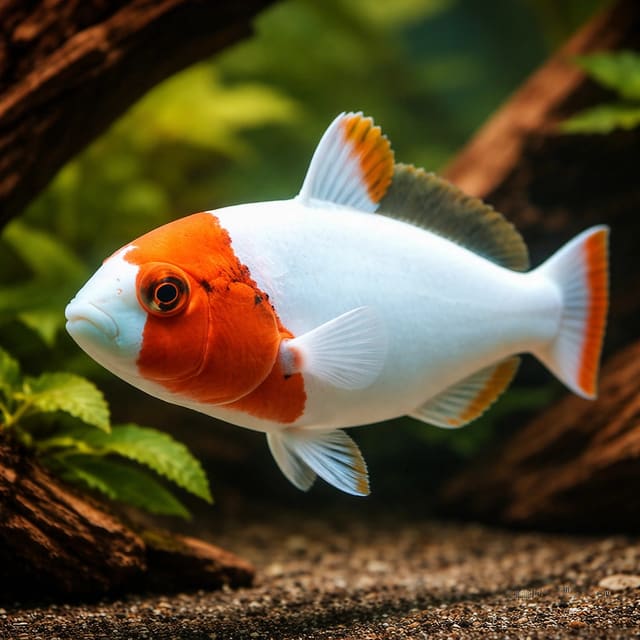
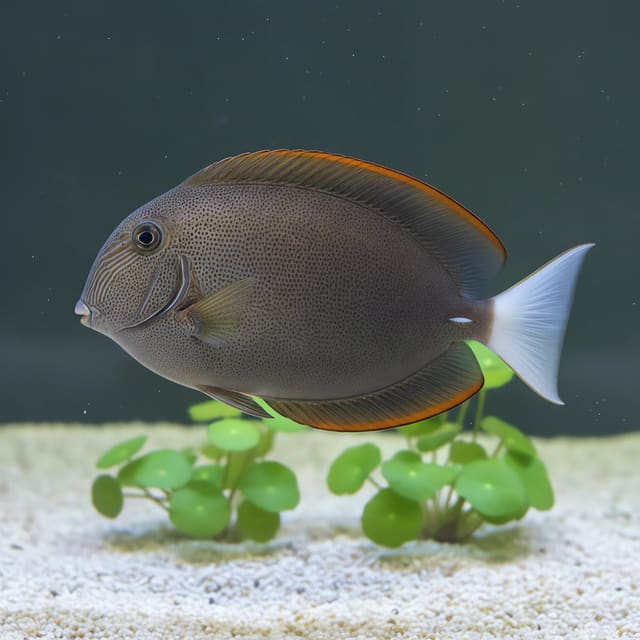
Some gallery images have been digitally enhanced to improve image quality. They show the listed type of animal rather than guaranteeing the exact markings of the individual supplied, so natural colour and pattern can vary.
This is an advanced retailer care assessment based on the combined space, water-quality, feeding and introduction decisions required for a large tang. It is not a claim that the fish demands complicated chemistry: the challenge is sustaining adequate space, stable conditions and consistent husbandry as it grows.
Use the live product page for the purchase quantity rather than interpreting how many animals appear in a gallery scene. A picture containing two fish remains representative imagery; the offer supplies one fish per purchase. You can also browse the wider marine fish collection when comparing the space and husbandry commitments of different animals.
Plan the permanent aquarium around a fish that reaches 45 cm standard length. OATA recommends at least 300 litres for a single tang or rabbitfish under 20 cm and says larger, more active species need a larger aquarium. Because an adult Elegant Unicorn Tang is well beyond the under-20 cm category, 300 litres is a reference point for the smaller category rather than an adult target for this species.
A precise adult minimum volume is less useful than assessing whether the proposed aquarium provides enough swimming room for the fish's full length and activity. Review the aquarium's usable dimensions after rockwork, equipment and other animals have taken up space. A large nominal volume can still provide poor movement routes if the interior is heavily obstructed.
Rockwork remains useful because OATA recommends live or artificial rock to provide cover. Arrange it so cover and open water coexist. FishBase records the wild fish on reef flats and rocky bottoms, so rock surfaces fit its natural grazing biology, while its active movement makes open space equally important.
Do not use a smaller temporary aquarium as the basis of the plan. Growth increases the fish's spatial needs, but the biological filter also has to process the extra waste associated with a growing animal and its twice-daily feeding. A suitable adult system should therefore be the starting commitment, not an unspecified future upgrade.
Keep temperature at 24–26°C, pH at 7.9–8.3 and salinity at 1.020–1.025. Maintain carbonate hardness at 8–12°dKH, calcium at 380–450 ppm and magnesium at 1250–1350 ppm. If the aquarium contains more sensitive reef animals, coordinate the final values around their narrower needs while keeping conditions stable for the whole system.
Ammonia and nitrite must both remain at zero mg per litre, and nitrate must not exceed 50 mg per litre. These waste values are operational limits: a reading above zero for ammonia or nitrite means the biological filter is not processing waste safely enough for introduction or continued routine stocking.
Temperature and pH alone do not describe a safe aquarium. A system can sit within both ranges while ammonia or nitrite is present, nitrate is above the stated maximum, or salinity has moved outside the marine range. Read the values together and respond to the one that has moved beyond its target.
Avoid repeated, unnecessary adjustments in pursuit of a single exact reading. Each value has a stated range, so the practical aim is a stable result inside that range with zero ammonia and nitrite. Record test results if several people care for the aquarium; a simple sequence of readings makes gradual change easier to recognise than memory alone.
Use a well-established and maintained filter in every aquarium housing this fish. The RSPCA explains that biological filtration supports beneficial bacteria that convert toxic ammonia into nitrite and then into the safer end product nitrate. This process is why a clear-looking aquarium can still be unsafe if its biological filter is immature or damaged.
For a marine system, OATA allows several filtration approaches: live rock with sufficient water flow, an internal or external filter, or a sump-based filter. Choose an approach that can be checked and maintained without repeatedly disrupting the aquarium. A protein skimmer can also help by removing dissolved organic waste before it breaks down into more harmful substances.
Increase livestock slowly. Every additional fish and every increase in feeding requires the bacterial population to process more waste. Adding animals too quickly can produce new tank syndrome, with unhealthy ammonia and nitrite that may make fish ill or cause death.
Filtration capacity and aquarium volume solve different problems. The filter processes waste, while the aquarium provides water stability and physical room. A powerful filter does not turn a restricted aquarium into suitable adult accommodation for a 45 cm active tang, and a large aquarium still requires functioning biological filtration.
Make algae-rich food the foundation of the diet. FishBase records Elegant Unicorn Tangs feeding on benthic algae in the wild, while OATA recommends nori sheets, algae-based flake and grazing tabs for tangs and rabbitfish. This combination links the species' recorded feeding biology with practical aquarium foods.
Feed twice a day. For flake and other ordinary portions, offer only what the fish can eat within a few minutes. Algae sheets and grazing tabs need longer because the fish feeds from them over time, so remove deteriorating or uneaten material before it contributes avoidable waste.
| Food decision | How to use it |
|---|---|
| Nori or other algae sheets | Provide as a deliberate grazing food and allow longer access than an ordinary meal. |
| Algae-based flake | Use within one of the twice-daily feeds and limit the portion to a few minutes' intake. |
| Grazing tabs | Allow time for grazing, then prevent old food from breaking down in the aquarium. |
| Mysis, enriched brine shrimp or krill | Offer as small meaty additions within a varied, algae-led diet. |
Natural growth on rock can support grazing behaviour, but it is not a measured feeding plan. Continue providing enough algae-based food even when the fish is seen picking at surfaces. OATA warns that inadequate algal food may make tangs and rabbitfish ill.
Use appetite and body condition as observations, not as permission to overfeed. Reduced interest in food or a change in body condition warrants a water test and a wider health check. If uneaten food accumulates, reduce the amount offered while retaining the twice-daily schedule; excess food breaks down and releases toxic waste.
Keep the staple consistent while varying the supported food forms. Nori, algae flake and grazing tabs all serve the algae-led requirement, while the named frozen foods add variety without displacing benthic algae from the centre of the feeding plan.
Confirm that the aquarium is large enough for the adult plan and that ammonia and nitrite are both zero before introduction. Check the remaining water values at the same time so the fish is not moved into a system with an avoidable temperature, pH or salinity mismatch.
Add livestock slowly. The established bacterial population has to increase whenever more fish are added and feeding rises. A gradual stocking sequence gives the biological filter time to respond, while rapid stocking can produce new tank syndrome and dangerous ammonia or nitrite.
Observe the fish's swimming, breathing and feeding after introduction. Normal behaviour varies between individual fish, so establish a baseline by watching how this animal moves, uses cover and approaches food. A later change from that baseline is more informative than comparing it with an unrelated fish.
Do not add another fish simply because the first introduction appears calm. Continue monitoring water quality and allow the filter to accommodate the extra waste. If ammonia or nitrite rises above zero, stop further additions and address the biological filtration and waste load first.
The wild record of small groups and schools should not be copied directly into an aquarium stocking number. Start with one individual in the plan and assess every further fish against the available adult space, total biological load and OATA's compatibility rules.
At least once every week, carry out a 25% partial water change. Use a siphon where useful to remove solid waste from the substrate. The frequency belongs to the weekly schedule: the recommended change itself is 25%, while additional action should be guided by test results and the aquarium's condition.
Check and clean filters regularly to prevent blockages. If filter media needs cleaning, rinse it lightly in water removed from the aquarium during the partial water change. Do not run it under the tap, because chlorine or chloramine may kill the beneficial bacterial population established in the media.
Keep ammonia and nitrite at zero and nitrate at no more than 50 mg per litre. If a test moves in the wrong direction, deal with waste and filtration before expanding the stock. More animals and more food increase the work required from the biological filter.
A larger aquarium provides greater environmental stability, but it still needs this routine. Volume can slow some changes; it cannot replace water testing, partial changes or filter maintenance. Likewise, a protein skimmer is beneficial for dissolved waste but does not replace the biological filter or weekly water change.
Link observations to the maintenance record. A simultaneous change in feeding, breathing and a test result gives a clearer direction for action than treating each sign separately. Consistent care also makes it easier to identify when the aquarium departs from its normal pattern.
Know the fish's normal swimming, colour, temperament, breathing, appearance, body condition and feeding response. Individual behaviour and appearance vary, so look for a change within this fish rather than expecting every Elegant Unicorn Tang to behave identically.
| If you see | Do this first |
|---|---|
| Hanging at the surface, sitting on the bottom or erratic swimming | Test water quality and check the filter's operation. |
| Darker or paler colour than normal | Review water values, recent changes and companion behaviour. |
| More aggression or hiding than normal | Observe interactions and reassess space and compatibility. |
| Gill covers moving faster or slower than normal | Test the aquarium promptly and review the fish alongside the other warning signs. |
| White spots, fluffy growths, damaged fins or missing scales | Record the change, test the water and contact us for guidance. |
| Weight gain, weight loss or reduced feeding | Review portions, food access and water quality together. |
Do not turn a visible sign into a guessed diagnosis or treatment. Several problems can produce similar changes in swimming, breathing or appetite, while poor water quality can worsen many health issues. The first reliable action is to test the aquarium and record what changed.
Take care around the tail when handling cannot be avoided. OATA notes that tangs have sharp modified scales near the tail that resemble a scalpel and can injure people. Use calm, deliberate handling and keep hands clear of that area.
Prevention rests on the same routine used for daily care: adequate adult space, zero ammonia and nitrite, a maintained filter, algae-rich food and screened companions. These controls reduce avoidable stress without making promises about disease prevention or treatment.
Arrange for someone to receive the parcel because live fish must not be left unattended. The fish is hand-bagged with pure oxygen in an insulated box, with a heat pack when the weather calls for it. Prepare the aquarium and confirm its water values before opening the parcel.
Keep the recording from the sealed parcel through to the fish inside the sealed bag. For a Live Arrival Guarantee claim, message us on the same day with the order number and the short continuous unboxing video so the condition can be assessed before anything was disturbed.
The 20–30 minute instruction applies to floating the bag before release. It does not replace the aquarium checks: temperature, pH, salinity, ammonia and nitrite should already have been confirmed as part of preparing the established marine system.
Read the current delivery and Live Arrival Guarantee policy before the delivery date. Keep the arrival procedure separate from later stocking decisions: receiving and floating the bag deals with the immediate transfer, while slow livestock additions protect the biological filter over the following period.
Watch swimming, breathing and interest in food without adding another animal. Use these observations to establish the fish's normal pattern, then compare later behaviour with that baseline. If anything changes, test the aquarium before deciding on the next action.
Avoid shy species and tangs or rabbitfish that look too similar. OATA describes tangs and rabbitfish as active fish and says they should not be mixed with shy species. It also permits tang and rabbitfish combinations only when the fish do not look too similar.
Angelfish, damsels and some butterflyfish are the companion kinds OATA names as good tank mates for tangs and rabbitfish. Treat those names as the beginning of a whole-stock assessment rather than a universal promise. The aquarium still has to accommodate the adult size, activity, waste load and feeding access of every animal involved.
Ask us for one stocking and compatibility assessment before combining this tang with the existing aquarium community. Include aquarium dimensions, mature livestock and the proposed addition so the assessment can address more than a species name.
Do not treat FishBase's record of wild small groups and schools as permission to create an aquarium group. Wild reef flats and oceanic locations provide a different scale and structure from a home aquarium. The supported aquarium decision is to begin with one planned individual and screen each additional fish through the activity and resemblance rules above.
Tangs may be territorial and may bully new additions. OATA advises adding tangs with similar body shapes simultaneously and towards the end of stocking an aquarium. That timing instruction helps manage an introduction, but it does not override the separate rule to avoid fish that look too similar.
Plan the stocking sequence before moving any fish. A late tang addition enters a system with established territories, while an early addition may affect every later introduction. When the proposed fish have similar body shapes but are not too alike for the combination, simultaneous introduction avoids giving one tang an earlier claim over the aquarium.
| Observation | Decision |
|---|---|
| Brief attention followed by normal swimming and feeding | Continue close observation and keep water testing on schedule. |
| Repeated chasing or a newcomer prevented from using the aquarium | Treat it as territorial bullying and reassess the combination. |
| A fish hiding more than normal or missing feeds | Review compatibility, food access and water quality together. |
| Damaged fins, lost scales or altered breathing | Test the water promptly and act on the welfare concern. |
The relevant aggression concern is territorial bullying around introductions. Do not assume that a calm first few minutes settles the long-term question; observe whether each fish can swim, use cover and feed normally after territories begin to form.
Space remains part of compatibility. An aquarium that is adequate for one fish can become unsuitable when more large, active animals are added. Recalculate the available swimming room and filtration load for the complete adult stock rather than evaluating each animal in isolation.
Use the named suitable companion kinds conservatively. Angelfish, damsels and some butterflyfish still vary in adult requirements and behaviour, so the whole-stock assessment determines whether a particular combination works in the proposed aquarium.
Naso elegans reaches 45 cm standard length according to FishBase. Plan every long-term space and stocking decision around that adult figure rather than the fish's presentation at dispatch.
OATA recommends at least 300 litres for one tang under 20 cm and a larger aquarium for larger, more active species. At 45 cm, this fish needs a substantially larger adult system with ample unobstructed swimming room.
Plan around one individual first. FishBase records wild small groups and schools, but aquarium companions must be screened for adult space, biological load, activity and resemblance before another fish is added.
This is an advanced retailer care assessment because the fish reaches 45 cm and needs substantial adult space, stable marine water, established filtration, twice-daily feeding and carefully screened companions.
Feed an algae-led diet twice daily. FishBase records benthic algae, while OATA recommends nori, algae-based flake and grazing tabs, with small meaty foods such as mysis, enriched brine shrimp or krill for variety.
Keep it at 24–26°C and pH 7.9–8.3. OATA's tang and rabbitfish group guidance also gives salinity of 1.020–1.025 and carbonate hardness of 8–12°dKH.
Watch for territorial chasing or bullying during introductions, especially around other tangs. OATA's named concern is bullying of new additions, so screen companions and observe whether every fish can swim and feed normally.
OATA names angelfish, damsels and some butterflyfish as good tank mates for tangs and rabbitfish. Avoid shy species and tangs or rabbitfish that look too similar, and assess the complete adult stock.
Start filming the sealed parcel before opening it; open it in one continuous take and show the fish inside the sealed bag. Receive and inspect it that day, float the bag for 20–30 minutes, then send the video with your order number for a Live Arrival Guarantee claim.
No reviews for this item yet. Bought one? Honest reviews only, good or bad.
What customers say about ordering from us
Easy website plenty of info on fish your buying great to pick a time slot
TRACEY DURRANT · 7 Oct 2026
Got some lovely fish thank you
Kevin Mackie · 7 Oct 2026
Reviews of our shop, collected by Judge.me, an independent third-party review collector. Newest first.