Moderate
Persian blenny (Ecsenius midas)
24–26°C · pH 7.9–8.3 · 80L
£52.99
The Jewelled Blenny (Salarias fasciatus) is a combtooth blenny from shallow Indo-Pacific reefs, from the Red Sea and East Africa to Samoa, that reaches 14 cm. It suits a mature marine aquarium with grazing rockwork, kept as the only blenny, and OATA's blenny guidance gives 24–26°C, pH 7.9–8.3 and a specific gravity of 1.020–1.025. Sold individually as one live fish.
Adult size is the maximum length this species reaches at full maturity (scientific sources). The livestock you receive will be younger and smaller. Product-photo provenance and any image-specific limitations are stated on the listing.
Salarias fasciatus
The Jewelled Blenny (Salarias fasciatus) is a combtooth blenny from shallow Indo-Pacific reefs, from the Red Sea and East Africa to Samoa, that reaches 14 cm. It suits a mature marine aquarium with grazing rockwork, kept as the only blenny, and OATA's blenny guidance gives 24–26°C, pH 7.9–8.3 and a specific gravity of 1.020–1.025. Sold individually as one live fish.
Adult size is the maximum length this species reaches at full maturity (scientific sources). The livestock you receive will be younger and smaller. Product-photo provenance and any image-specific limitations are stated on the listing.
Maintain these water conditions for optimal health and vibrant colors
The Jewelled Blenny (Salarias fasciatus) is a combtooth blenny, family Blenniidae, from the shallow reefs of the Indo-Pacific. FishBase records it from the Red Sea and East Africa east to Samoa, north to the Ryukyu Islands and south to the Great Barrier Reef and New Caledonia, with a maximum of 14 cm total length. It lives close to the bottom, resting on rock and coral and scraping algae from hard surfaces, and it is also known as the lawnmower blenny and the algae blenny.
This is a fish for a keeper who already runs, or is ready to run, a mature marine aquarium and wants one interesting bottom-dweller rather than a shoal. It needs rockwork with algae already growing on it, stable marine water, room to claim a patch of its own and companions that are confident rather than shy.
| Suits | Not suited to |
|---|---|
| A mature marine aquarium of 80 litres or more | A newly set-up aquarium whose filter is still maturing |
| Rockwork with grown-in algae to graze | Bare, scrubbed rock with nothing to scrape |
| One blenny with confident, non-shy companions | Shy fish or a second blenny species in an average-sized aquarium |
| Keepers who test ammonia, nitrite and nitrate routinely | Reefs with prized corals or clams where it may go underfed |
Each purchase supplies one live Jewelled Blenny. This product has one option, so there is nothing to pick beyond the quantity. The length of the fish on arrival and its adult length are different figures, and the aquarium, rockwork and companions should be planned around the 14 cm the species can reach rather than around the fish in the bag.
Sex is guaranteed only when the selected option explicitly states male or female. This Jewelled blenny listing has no sex-guaranteed option. Because OATA advises one blenny species per aquarium and this species can become territorial with age, the practical plan is a single fish, whatever its sex.
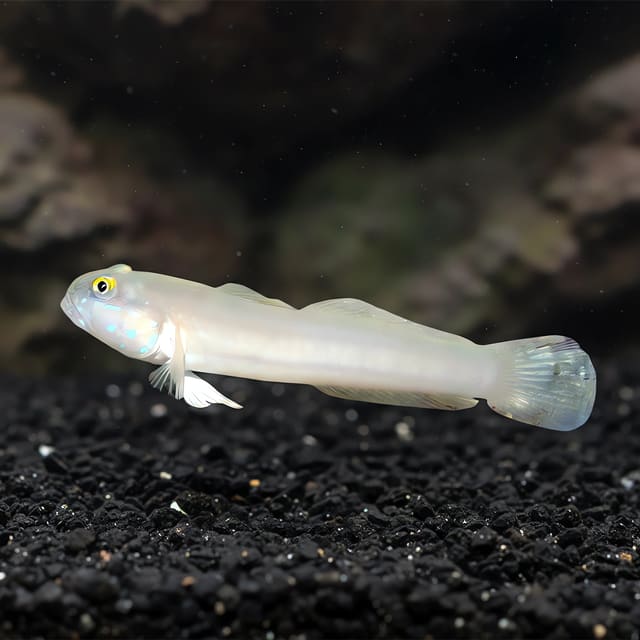
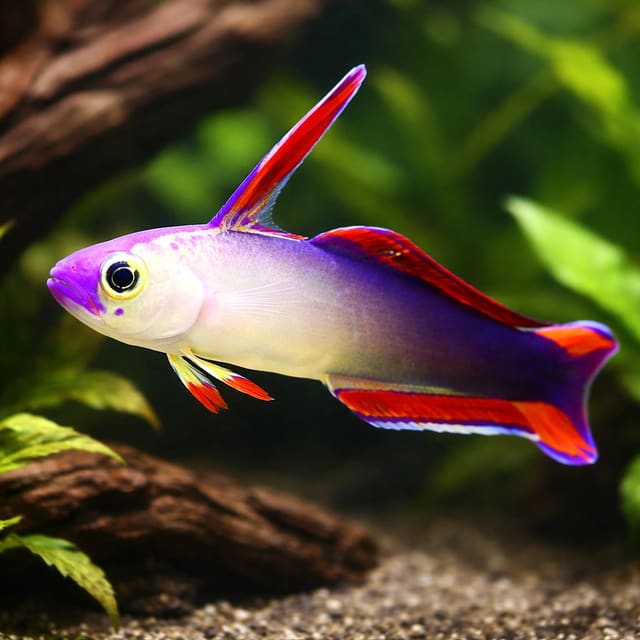
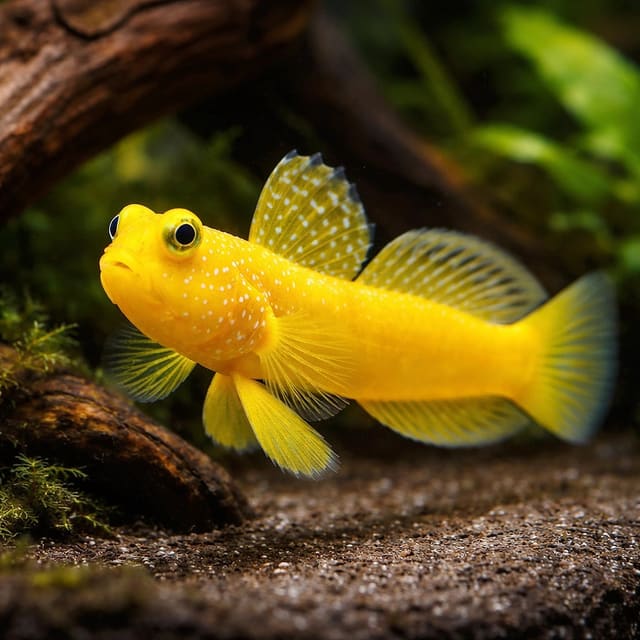
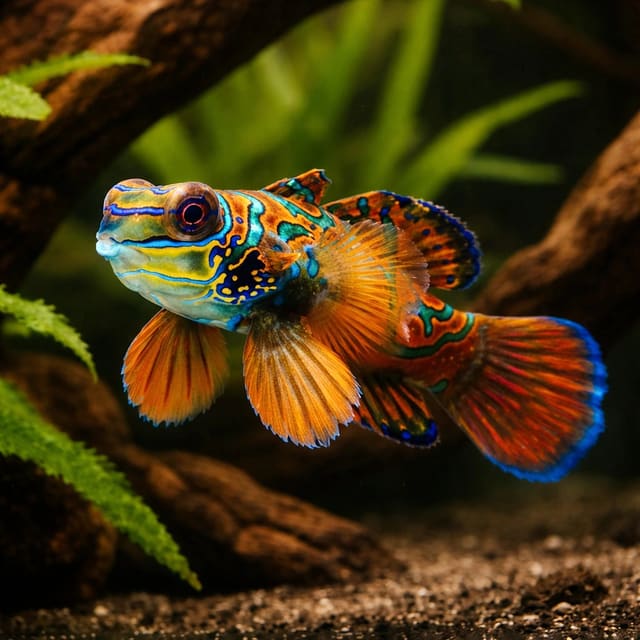
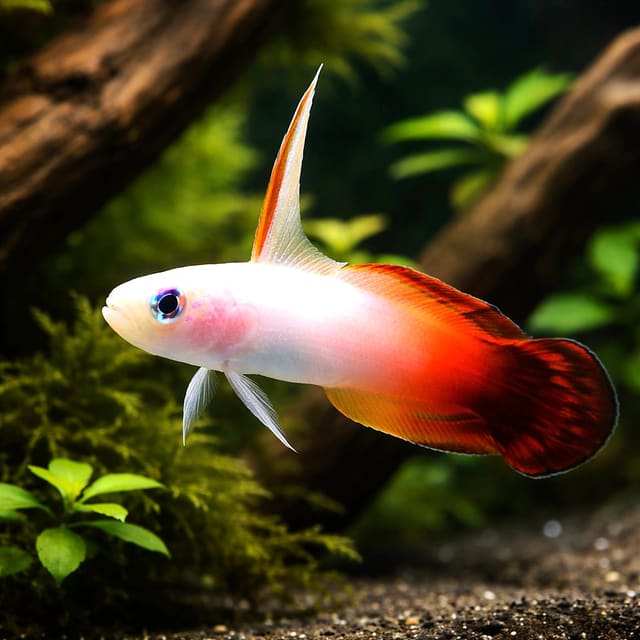
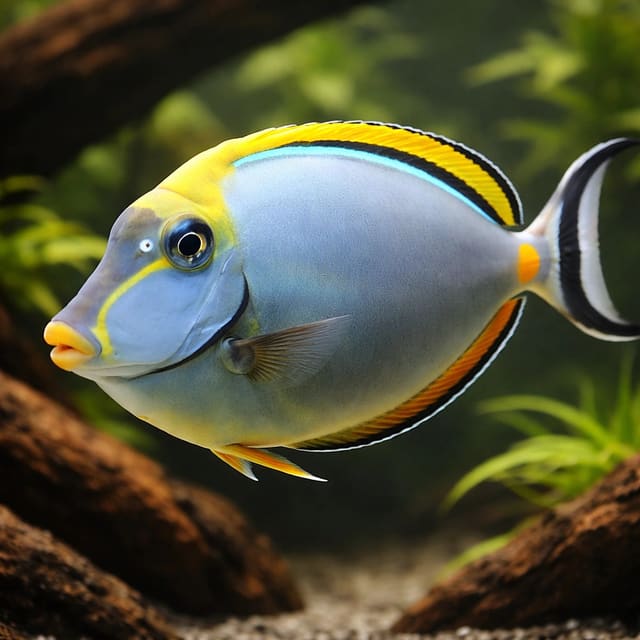
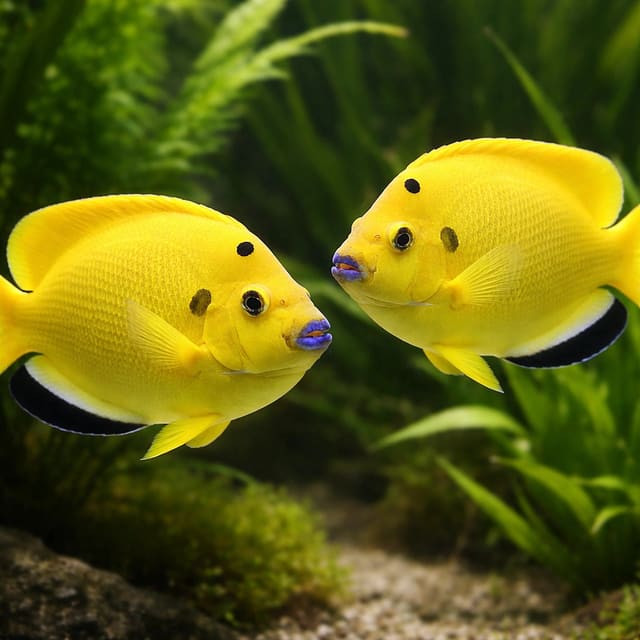
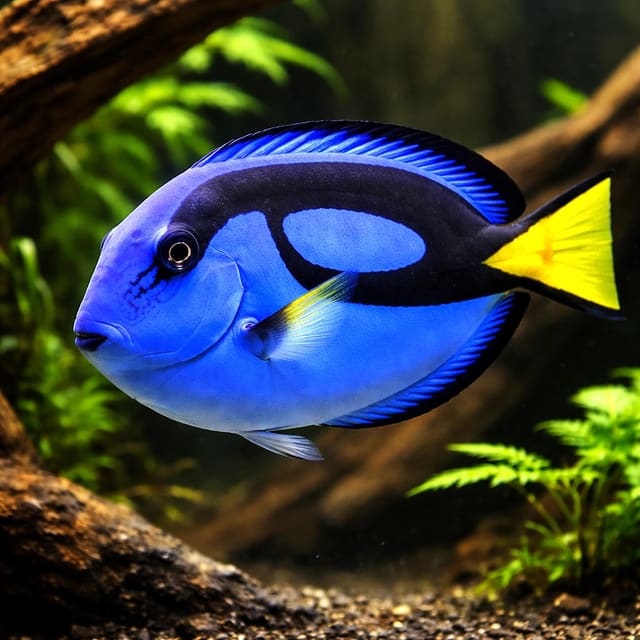
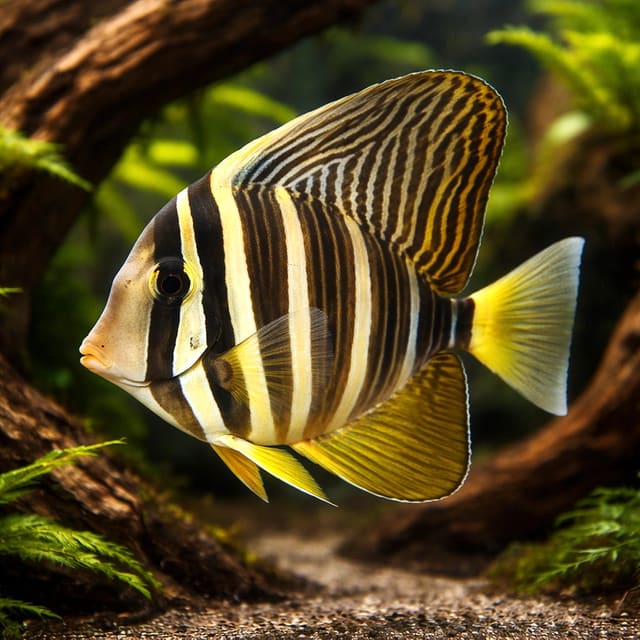
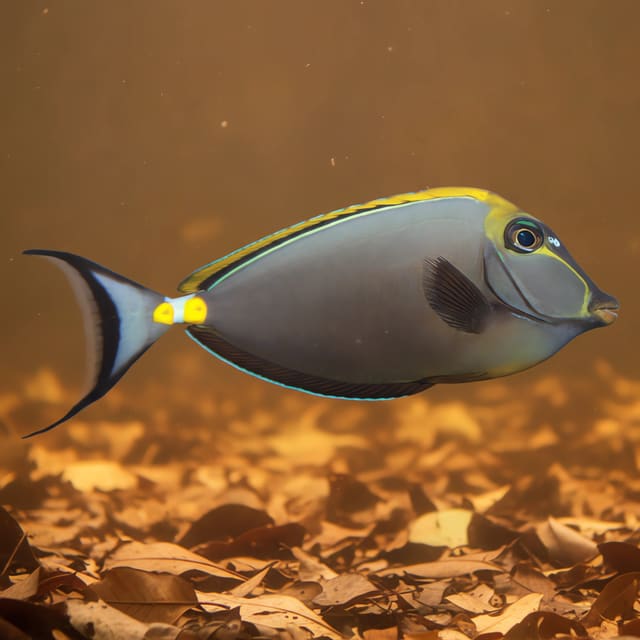
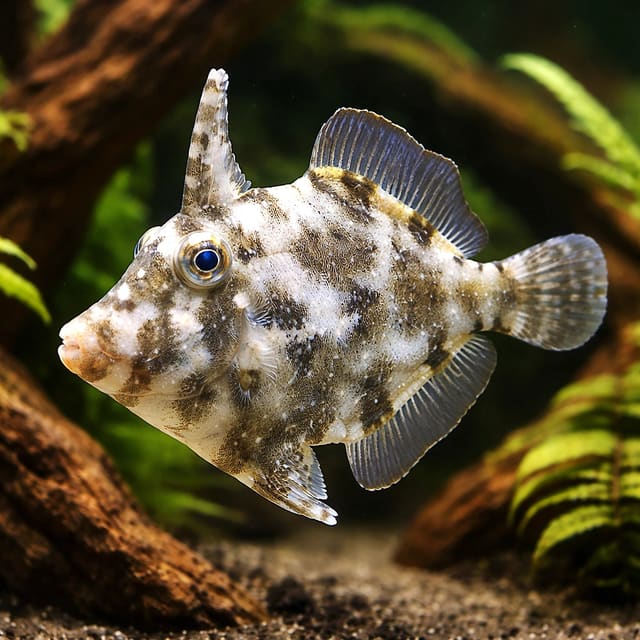
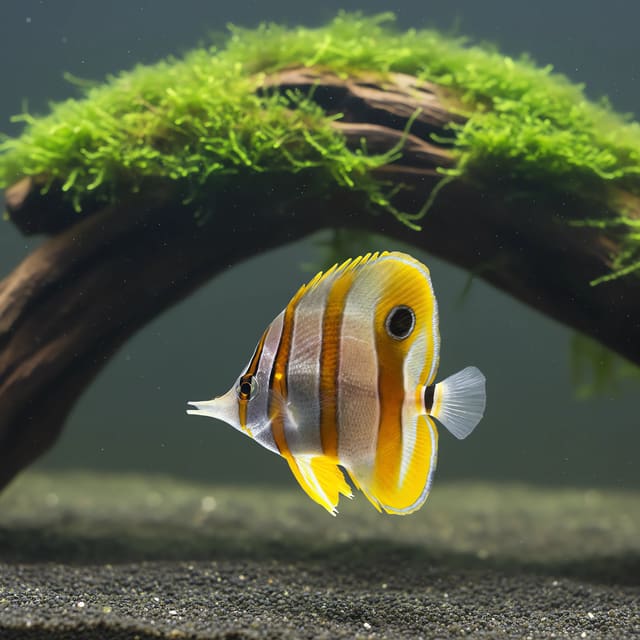
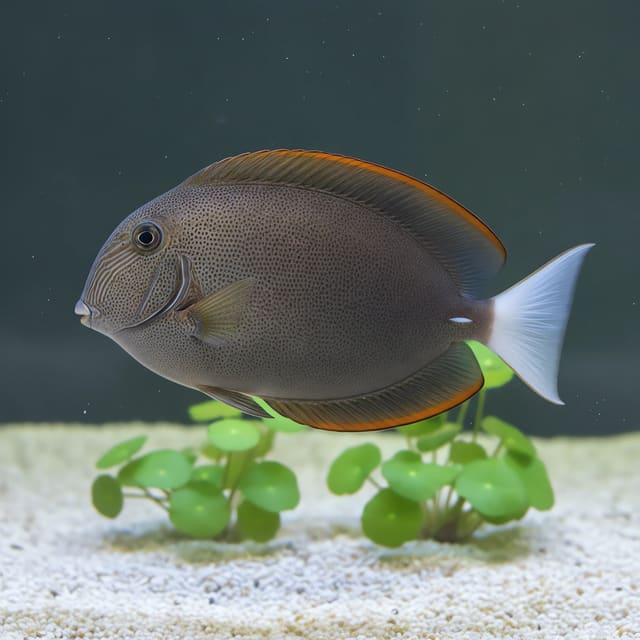
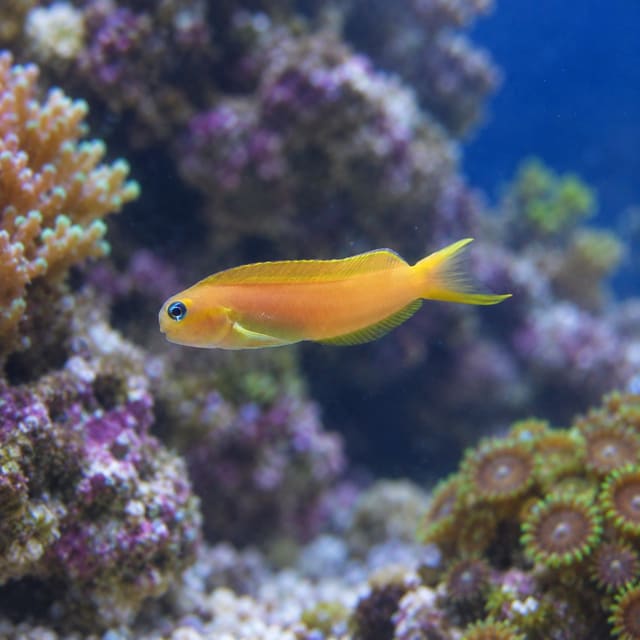
Gallery images have been digitally enhanced to improve image quality. Natural colour, pattern, size and maturity can vary between live animals. This matters more than usual with this blenny: it can change colour to blend with its surroundings, so the fish you unpack may look darker, paler or more mottled than the photograph.
If you are still choosing the rest of the stocking plan, compare candidates in our marine fish collection, then check each one against the companion guidance on this page before you add it.
A test kit and an honest look at your stocking list will tell you whether this blenny fits. Work through these points before you buy.
If every point is a yes, the care guidance below shows how to keep it that way. If one is a no, fix that first. A larger aquarium, a few more weeks of maturing or a different companion plan will do more for this fish over its life than any food or piece of equipment.
Set the aquarium up as a piece of reef flat: solid rockwork with ledges to perch on, open patches of sand and rubble between the rocks, and enough flow and filtration to keep the water clean around every surface this fish grazes.
OATA's advice is to buy an aquarium as large as possible within reason. Its sheet recommends at least 40 litres for an individual of the smaller blenny species and at least 80 litres for the larger ones, and it places this species in the larger group. Aquariums need to be larger again when blennies share them with other species, and a bigger volume gives steadier temperature and water quality.
FishBase describes adults on reef flats, shallow lagoons and seaward reefs, usually among mixed coral, sand and rubble, and alone in weedy areas on rocks and coral outcrops. In the aquarium that means stable rockwork with flat tops and ledges for perching, and open sand or rubble between the outcrops. Blennies are relatively undemanding about décor, so the priority is plenty of hard surface for grazing rather than ornaments.
A filter is essential. In a marine set-up that can be live rock with sufficient water flow, an internal or external filter, or a sump-based system. A protein skimmer is also worth running, because it removes dissolved organic waste before it can break down into more harmful substances.
Fish release ammonia into the water, and ammonia is toxic. The RSPCA's aquarium guidance explains that a working biological filter grows beneficial bacteria that convert ammonia into nitrite, which is also toxic, and then into nitrate, which is safer. No fish should be kept without a well set-up and maintained filter, and this blenny needs that bacterial population fully established before it goes in.
OATA explains that the bacteria in a matured filter have to increase every time more fish are added and feeding increases. Overstocking, or stocking too quickly, leads to new tank syndrome: there are not enough nitrifying bacteria to cope with the extra waste, ammonia and nitrite climb, and fish can become ill or die. A grazer that also depends on algae growing on the rock is doubly poorly served by an aquarium that has only just been set up.
This blenny spends its day scraping hard surfaces, so it should go into an aquarium where the rock has already grown a film of algae. A newly scrubbed or freshly set-up aquarium leaves it with little to graze and raises the risk of the ammonia and nitrite spikes that stress blennies.
FishBase gives 14 cm as the maximum total length for this species, measured from the snout to the tip of the tail. That is the figure to plan around, whatever the length of the fish when it arrives.
Choosing an aquarium or companions around the fish in the bag tends to work for a while and then fail, just as the blenny becomes more territorial. OATA also notes that blennies can live for many years in a well-matured set-up with good water quality, so the aquarium you choose now needs to suit a full-grown fish for most of its life.
Keep the aquarium at 24–26°C, pH 7.9–8.3 and a specific gravity of 1.020–1.025, with ammonia and nitrite at zero. These are OATA's suggested values for blennies, which it describes as usually undemanding of water chemistry. Aim to hold them steady from week to week.
| Parameter | OATA blenny guidance |
|---|---|
| Salinity (specific gravity) | 1.020–1.025 |
| Temperature | 24–26°C |
| pH | 7.9–8.3 |
| Ammonia | Zero mg per litre |
| Nitrite | Zero mg per litre |
| Nitrate | Not to exceed 50 mg per litre |
| Carbonate hardness | Hard, 8–12 dKH |
| Calcium | 380–450 ppm |
| Magnesium | 1250–1350 ppm |
OATA points out that some of these values will need to be altered in a reef aquarium to accommodate more sensitive species. If you keep corals or other delicate invertebrates, set the aquarium for them and make any adjustment gradually, keeping the blenny's temperature, pH and salinity within the ranges above.
FishBase lists the species as marine and brackish, recorded in estuarine areas with algae-rich rubble as well as on reefs, from the intertidal zone down to about 8 metres. That describes where wild fish have been found, not a recommendation to lower salinity at home: keep this blenny in full marine water at the specific gravity shown in the table.
FishBase describes the Jewelled Blenny feeding by scraping algae off hard surfaces. The Wikipedia species summary adds an important detail: despite the lawnmower nickname, it is principally a detritivore, and plant material makes up only about 15% of its diet. In practice it works over the film of algae and fine organic matter that coats the rock.
OATA's rule is to feed blennies only what they can eat within a few minutes, twice a day. Take care not to overfeed: uneaten food breaks down and releases toxic waste into the water, which this fish tolerates poorly. If food is still lying on the rock after a few minutes, reduce the next portion.
If the rock starts to look scraped bare, the blenny is taking more than grows back. Increase the high-algae foods rather than the frozen extras, and leave more rock surfaces unscrubbed during maintenance, while still feeding only what it clears within a few minutes.
A well-fed blenny also matters in a reef, because some blennies nibble corals or clams when underfed. Do not rely on this fish to clear an algae problem on its own; nuisance growth still needs its causes, such as overfeeding and skipped maintenance, dealt with directly.
Our team hand-bags each fish in pure oxygen and packs it in an insulated poly box, with a heat pack when the weather calls for it. We email the tracking number and your confirmed delivery date, and a licensed live-animal courier carries the parcel. Someone needs to be at the delivery address to receive it, because live fish cannot be left unattended. The full terms are on our delivery and Live Arrival Guarantee page.
OATA's introduction advice is to confirm that the aquarium is the right size for the blenny and that ammonia and nitrite both read zero before it goes in. Test the day before delivery, so there is time to act if a reading is off, and have the heater and filter running normally.
Good husbandry is what keeps a blenny healthy. OATA stresses that blennies can be stressed by even the smallest amounts of ammonia and nitrite, which may then lead to various diseases, so the routine below is about catching waste before it builds up.
At least once every week, a partial water change of 25% is strongly recommended. Use a siphon to lift solid waste from the sand as you go, paying attention to the gaps between rocks where food and detritus collect.
Check filters regularly and clean them to prevent blockages. Do not run filter media under the tap, because chlorine or chloramine in tap water may kill the beneficial bacteria living in it. Rinse media lightly in the aquarium water you have just removed during the water change, which keeps more of those bacteria alive. Clean the protein skimmer regularly so it keeps working at full performance.
Test ammonia, nitrite and nitrate together with pH, and compare each result with the table in the water section. A log of weekly readings makes gradual drift easy to spot before the fish reacts to it.
In an 80-litre aquarium, a 25% change means replacing 20 litres each week. Prepare the replacement salt water so its temperature and specific gravity match the aquarium's own readings, siphon the 20 litres out from the sand and the gaps between rocks, rinse any clogged media in that removed water, then refill slowly. Matching the new water keeps the change from pushing readings outside the ranges in the water table.
Every fish varies a little in behaviour and appearance, so the useful skill is noticing change. OATA lists the changes worth watching for; here is how each applies to a rock-dwelling blenny.
OATA's point is that noticing changes early helps identify problems before they become a real health issue. A short weekly note of test results, how eagerly the blenny feeds, which perches it uses and its usual colouring gives you a baseline to compare against. When something looks different, that note tells you whether it is new.
Because even small amounts of ammonia and nitrite can stress blennies into disease, the testing routine comes first whenever something looks wrong.
Knowing how the species lives in nature explains most of its aquarium needs.
| In the wild | In your aquarium |
|---|---|
| Reef flats, lagoons and seaward reefs | Stable rockwork with ledges and open sand |
| Solitary on weedy rocks and coral | One blenny per aquarium |
| Scrapes algae and takes detritus | Grazing rock plus high-algae foods |
| Changes colour for camouflage | Expect its colour to vary |
FishBase records the species from the intertidal zone to a few metres deep and describes it as a facultative air-breather, able to take in air as well as breathe through its gills. It also notes that the fish has neither a fang nor a venom gland. Its IUCN status is Least Concern.
The species blends with its surroundings and can change colour to hide from predators. That is one reason the spotted, banded pattern of a fish in the aquarium may not match a photograph exactly.
The Jewelled Blenny lays eggs. They are demersal and adhesive, attached to the substrate by a filamentous, adhesive pad or pedestal, and the larvae that hatch are planktonic, often found in shallow coastal waters. With one fish per aquarium and no guaranteed sex, this is a species to keep for its behaviour rather than to breed.
Most blenny species mix well with other fish, but this one comes with a clear warning. OATA singles out the algae blenny, another name for this species, as able to become quite territorial as it grows older, and says it should not be mixed with shy species. Build the community with that adult behaviour in mind from the start.
Keep a single Jewelled Blenny. FishBase describes wild fish as solitary, and OATA advises no more than one blenny species in an aquarium unless the aquarium is large with many visual barriers, because blennies may become territorial with one another.
| Companion type | Guidance |
|---|---|
| Shy or timid fish | Avoid |
| A second blenny species | Avoid unless the aquarium is large with many visual barriers |
| Firefish and shrimp gobies | Caution: similar-looking bottom-dwellers can draw territorial behaviour |
| Confident marine fish that are not shy | Consider, with extra volume for each addition |
OATA reminds keepers to consult their retailer before buying any blenny, to make sure it will mix with the fish already in the aquarium. Ask us with a list of your current stock and aquarium volume, and we will talk it through with you.
OATA's wider advice is that aquariums need to be larger when blennies share them with other species, and that fish numbers should rise slowly. These steps turn that into a plan for this blenny.
OATA's list of warning signs includes a change in the level of aggression and hiding more than normal. Apply it to both sides. A blenny that starts chasing others away from its rock, or a companion that stops coming out to feed, both mean the arrangement needs rethinking. More rockwork, a larger aquarium or rehoming one of the fish are the practical fixes.
Because this fish claims rock as it matures, spread perches and ledges across the aquarium rather than building one central pile. Separate outcrops give other bottom-living fish somewhere to settle out of the blenny's direct view.
A reef aquarium can work for this blenny, but plan for two things: water that suits the most sensitive animals present, and a fish that never goes hungry.
OATA notes that some blenny species may nibble corals or clams, particularly if underfed. A grazer that finds too little algae and too little food on the rock is more likely to test other surfaces. Keep algae growing, feed the high-algae foods described in the feeding section, and watch the fish around any coral or clam you value.
A fish-only aquarium with plenty of live rock avoids the coral question entirely and still gives this species everything it needs: surfaces to graze, perches to hold and stable water.
FishBase records a maximum of 14 cm total length for this species. Whatever its length on arrival, plan the aquarium, the rockwork and any companions around a 14 cm adult rather than the fish in the bag.
OATA's blenny care sheet recommends at least 80 litres for the larger blennies, and it names this species among them. Treat 80 litres as the starting point for one fish kept on its own; the aquarium will need to be larger if you want to keep it with other species.
Keep one. FishBase describes wild fish as solitary on weedy rocks and coral outcrops, and OATA advises keeping no more than one blenny species in an aquarium unless it is large with many visual barriers, because blennies may become territorial with one another.
Its needs are clear rather than exotic. OATA describes blennies as usually undemanding of water chemistry, but they can be stressed by even the smallest amounts of ammonia and nitrite, so it suits a keeper whose aquarium is mature, tested regularly and already growing algae on its rock before this fish goes in.
In the wild it scrapes algae from rock, and much of what it takes in is detritus rather than plant material. Let it graze algae growing in the aquarium, add high-algae foods such as nori sheets, and offer small frozen foods such as mysis shrimp as extras. OATA advises feeding only what it can eat within a few minutes, twice a day.
OATA's blenny guidance gives 24–26°C, pH 7.9–8.3, a specific gravity of 1.020–1.025 and carbonate hardness of 8–12 dKH, with ammonia and nitrite at zero and nitrate no higher than 50 mg per litre. These figures cover blennies as a group, so hold them steady rather than chasing a precise number.
It feeds by grazing rather than hunting, but OATA warns that the algae blenny, as this species is also called, can become quite territorial as it grows older. Keep it away from shy fish and watch it closely with similar-looking bottom-dwellers such as firefish or shrimp gobies.
Most blennies mix well with other fish species, so confident marine fish that are not shy are the kinds to consider. Avoid a second blenny species in an average-sized aquarium, and in a reef keep it well fed, because some blennies nibble corals or clams, particularly when underfed.
Your Jewelled Blenny is hand-bagged in pure oxygen inside an insulated poly box, with a heat pack when the weather calls for it, and carried by a licensed live-animal courier with tracking. Be in to receive it, start filming while the parcel is still sealed, open it the same day in one continuous take, float the bag for 20–30 minutes and release the fish without the bag water. For a Live Arrival Guarantee claim, send the unboxing video and your order number the same day.
No reviews for this item yet. Bought one? Honest reviews only, good or bad.
What customers say about ordering from us
Easy website plenty of info on fish your buying great to pick a time slot
TRACEY DURRANT · 7 Oct 2026
Got some lovely fish thank you
Kevin Mackie · 7 Oct 2026
Reviews of our shop, collected by Judge.me, an independent third-party review collector. Newest first.