Blue Green Damsel (Chromis viridis) - Marine Aquarium Livestock UK
24–26°C · pH 7.9–8.3
£28.99
The Bristle-tail file-fish (Acreichthys tomentosus) is a solitary marine fish recorded at up to 14 cm standard length. One purchase quantity supplies one animal; plan around stable 24–26°C marine water, a 300-litre group-guidance baseline and careful tank-mate screening.
Adult size is the maximum length this species reaches at full maturity (scientific sources). The livestock you receive will be younger and smaller. Product-photo provenance and any image-specific limitations are stated on the listing.
Acreichthys tomentosus
The Bristle-tail file-fish (Acreichthys tomentosus) is a solitary marine fish recorded at up to 14 cm standard length. One purchase quantity supplies one animal; plan around stable 24–26°C marine water, a 300-litre group-guidance baseline and careful tank-mate screening.
Adult size is the maximum length this species reaches at full maturity (scientific sources). The livestock you receive will be younger and smaller. Product-photo provenance and any image-specific limitations are stated on the listing.
Maintain these water conditions for optimal health and vibrant colors
The Bristle-tail file-fish, Acreichthys tomentosus, is a marine, reef-associated member of the filefish family Monacanthidae. FishBase records adults in shallow reef, weed and rubble areas, commonly among seagrasses, at depths of 2–15 metres. It describes the wild fish as solitary and records amphipods, polychaete worms and molluscs among its major foods.
Adult planning should use FishBase’s maximum of 14 cm standard length. That is a recorded maximum rather than a promise that every individual will reach precisely 14 cm, but it is the safe figure for judging space, filtration capacity and whether proposed companions are too small.
This species is also known as the Aiptasia-eating filefish. Treat that wording as an alternative common name, not as a guaranteed aquarium service or a complete feeding plan. Its documented natural diet points to small animal prey, so routine feeding must provide suitable meaty foods whether or not the fish investigates anything already growing in the aquarium.
A general natural-history summary of Acreichthys tomentosus describes its ability to change colour, skin texture and pattern rapidly to reduce detection by predators. Expect appearance to respond to surroundings and behaviour; use persistent changes alongside feeding, breathing and swimming when assessing condition rather than judging health from one colour shift alone.
One purchase quantity supplies one animal. Plan the aquarium around the recorded maximum of 14 cm standard length.
Sex is guaranteed only when the selected option explicitly states male or female. This Bristle-tail file-fish listing has no sex-guaranteed option.
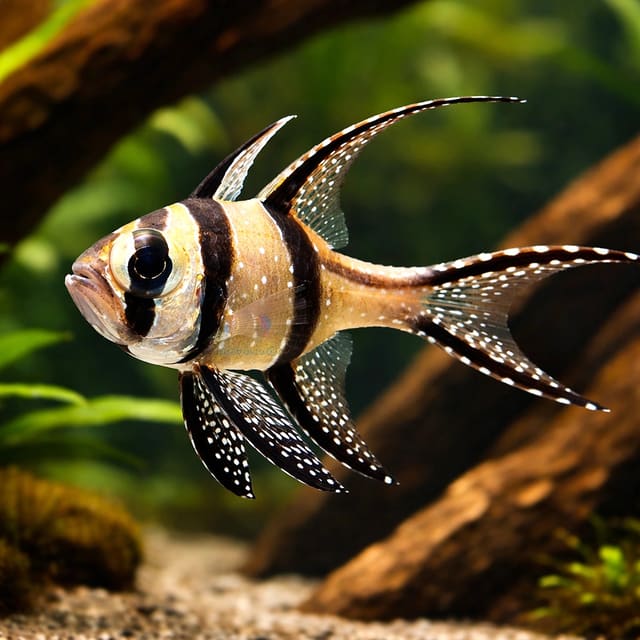
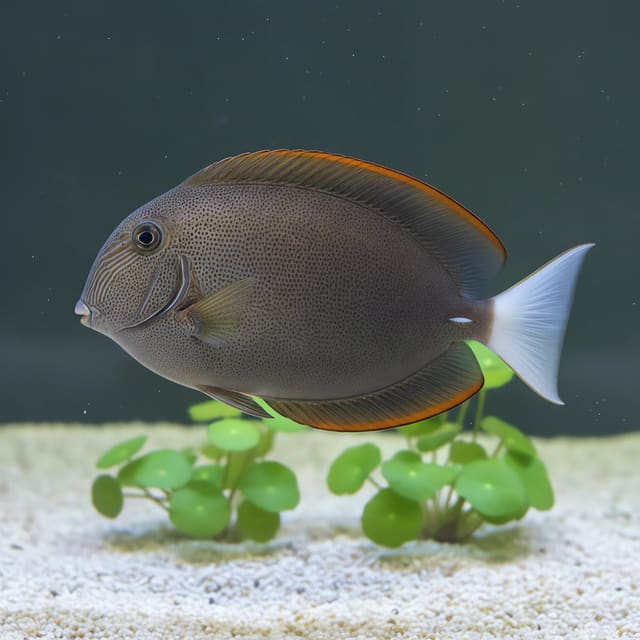
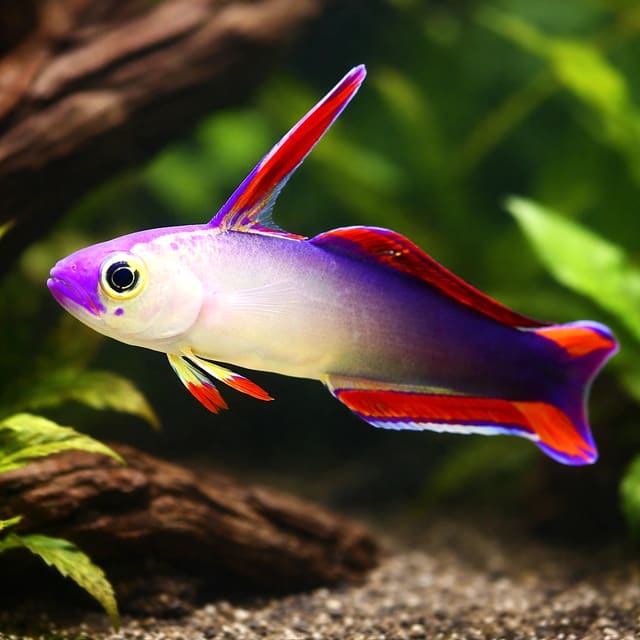
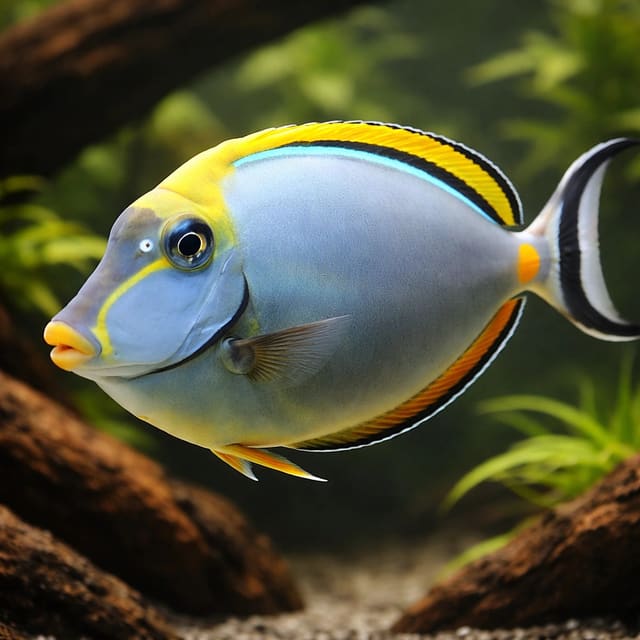
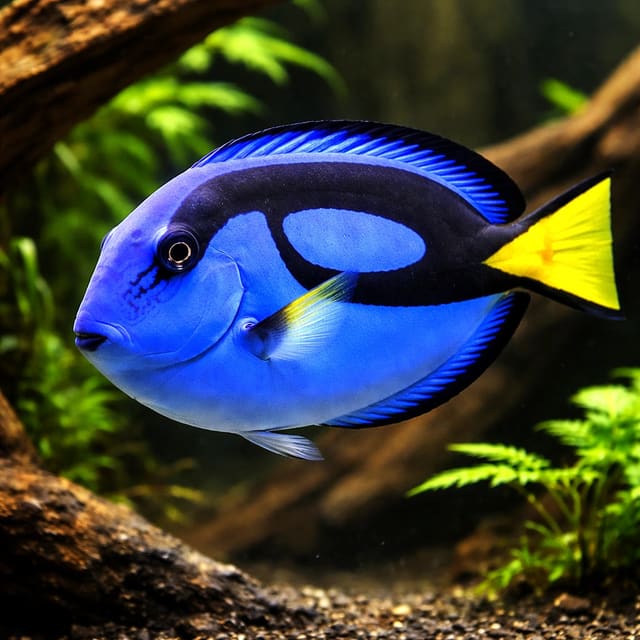
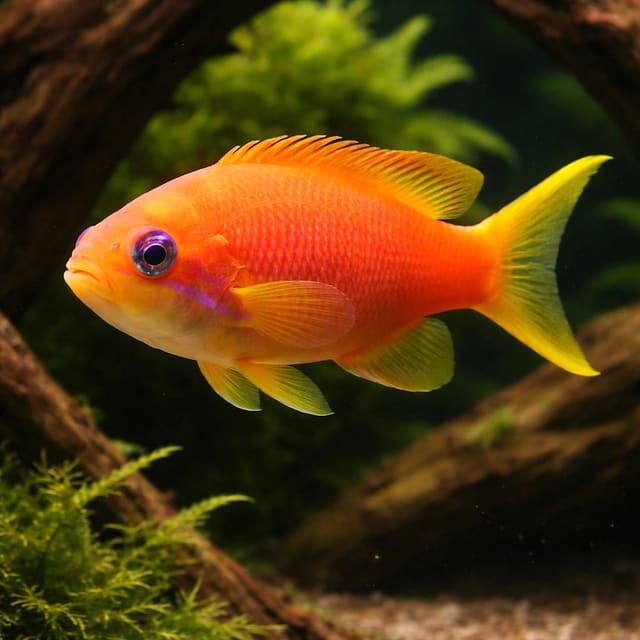
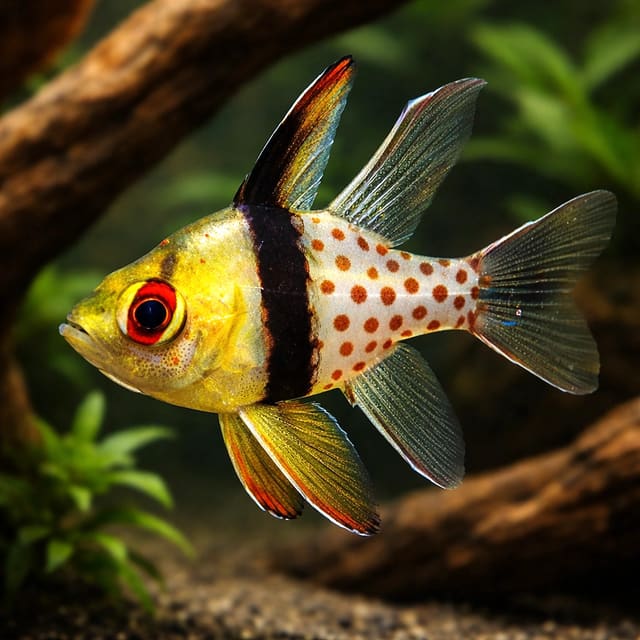
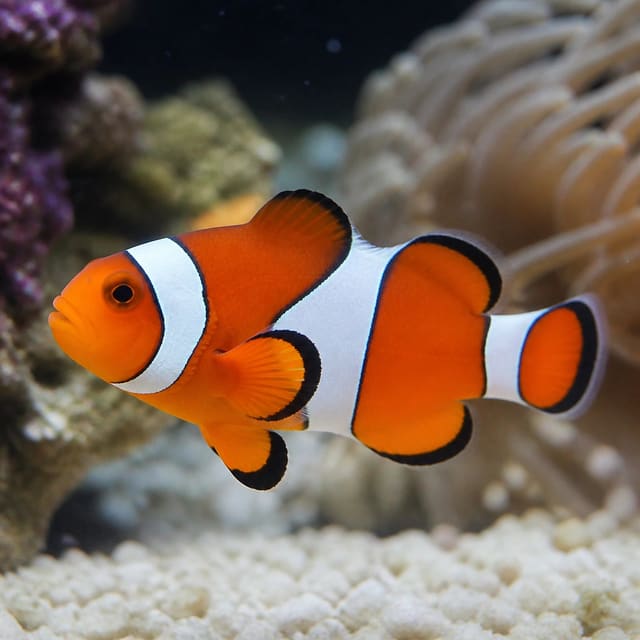
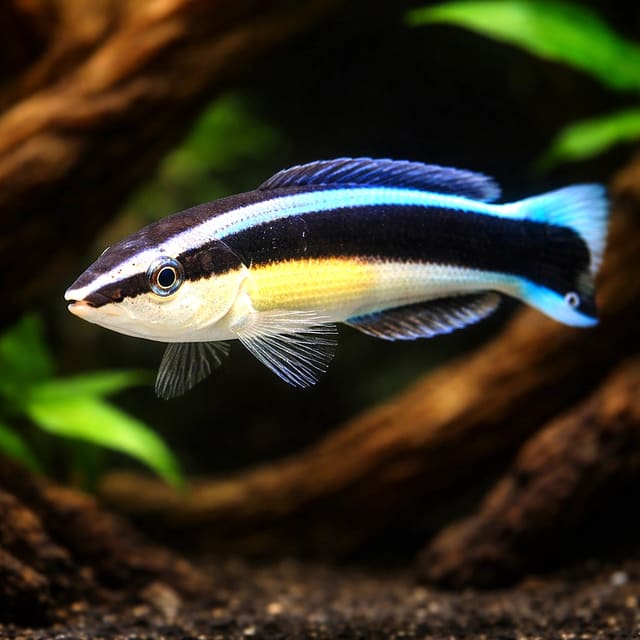
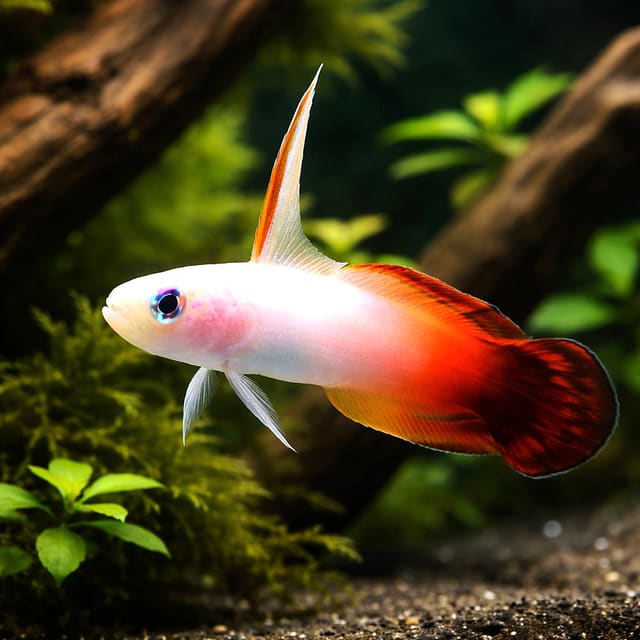
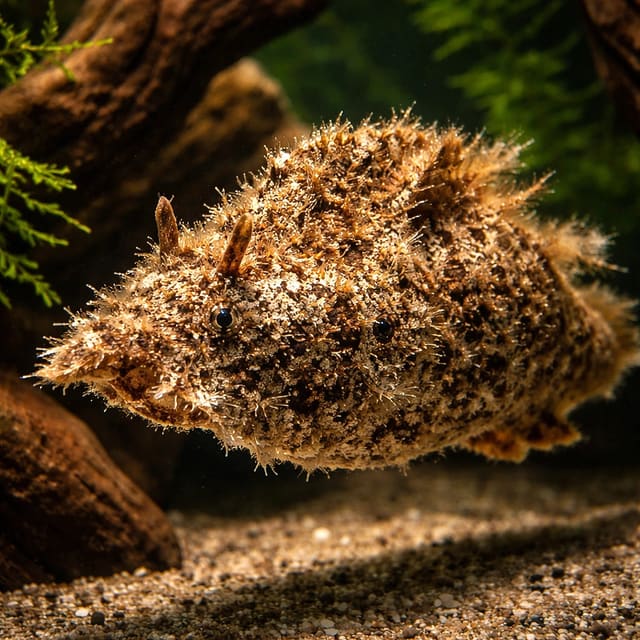
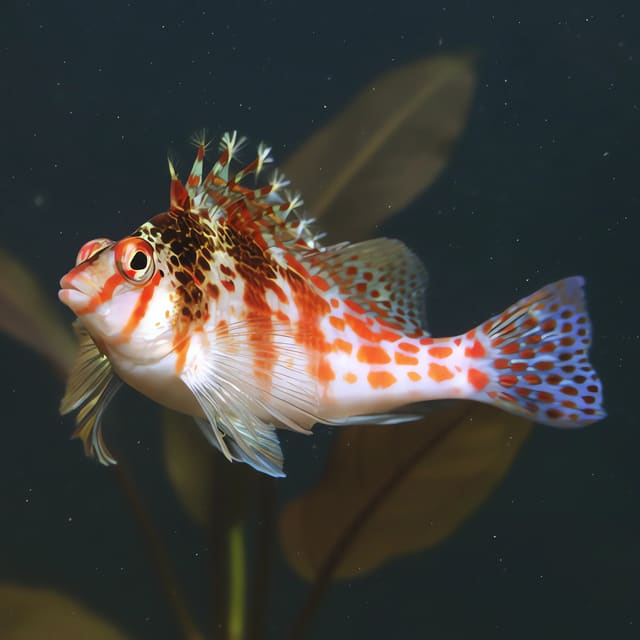
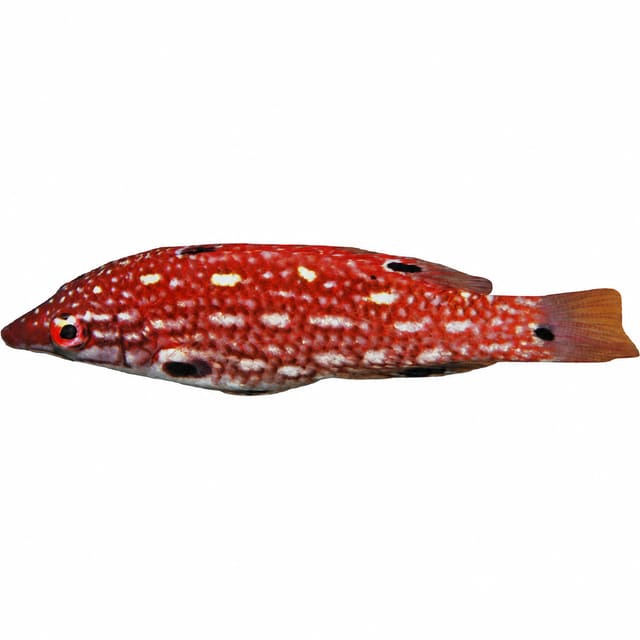
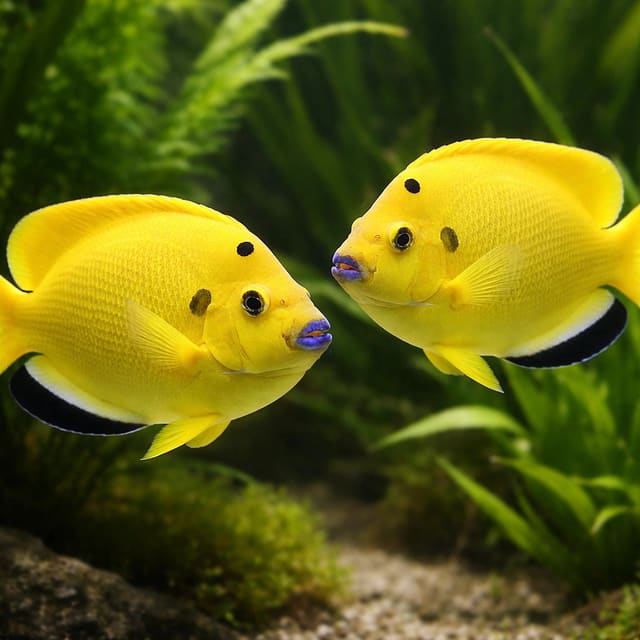
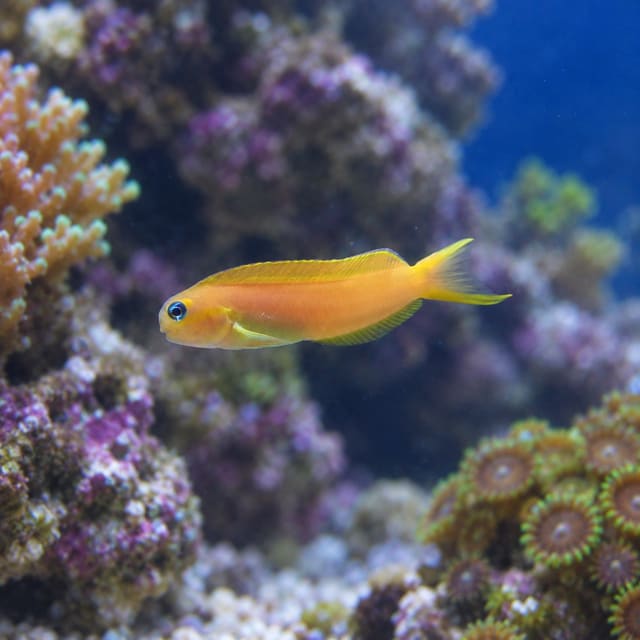
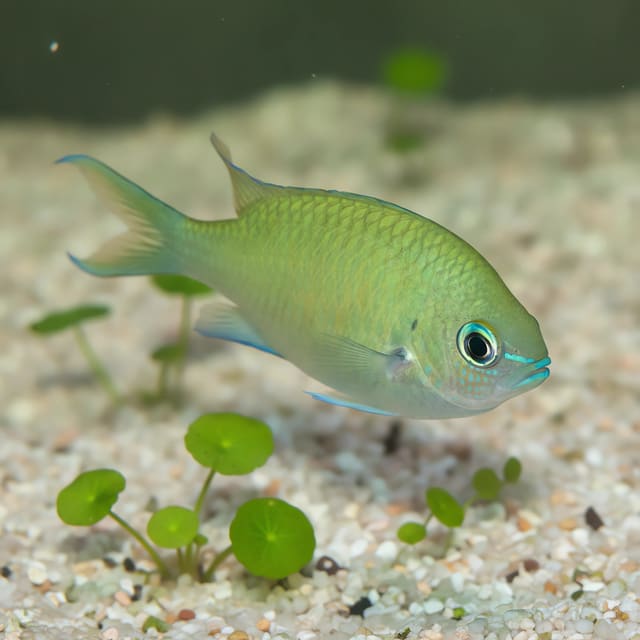
Some gallery images have been digitally enhanced to improve image quality. They show the listed type of animal rather than guaranteeing the exact markings of the individual supplied, so natural colour and pattern can vary.
The gallery illustrates the mottled body, pointed mouth and prominent first dorsal spine associated with the listed fish. It should not be used to infer sex, age or the exact colour pattern of the animal supplied. Colour and texture can change rapidly in this species, making a fixed gallery appearance particularly unsuitable as a promise of exact markings.
Start with the adult-size allowance, water targets, feeding routine and compatibility screen below. If those requirements do not fit the aquarium, browse the current marine fish collection and compare another fish against the same practical points before deciding.
OATA’s triggerfish sheet gives 24–26°C as broad group guidance, not a species-specific optimum. This sits inside FishBase’s 22–28°C recorded wild environmental range for Acreichthys tomentosus. Use 24–26°C as the routine aquarium target and prevent abrupt changes.
| Decision | Planning figure |
|---|---|
| Recorded maximum | 14 cm standard length |
| Routine temperature | 24–26°C |
| Specific gravity | 1.020–1.025 |
| pH | 7.9–8.3 |
| Carbonate hardness | 8–12°dKH |
| Ammonia and nitrite | 0 mg/l |
| Nitrate ceiling | Up to 50 mg/l |
| Space baseline | At least 300 litres |
The 300-litre figure is a conservative planning baseline from OATA’s guidance for one smaller fish in this care group. Aquarium dimensions, rock placement, filtration, existing livestock and feeding competition still matter; litres alone do not make a proposed community suitable.
Plan for one individual unless a separate assessment supports a different arrangement. FishBase describes adults as solitary, while the OATA guidance generally recommends one triggerfish per aquarium. A single-fish plan avoids assuming that two animals shown together in a gallery scene should be housed together.
| Suits | Not suited to |
|---|---|
| Stable aquarium water maintained at 24–26°C and pH 7.9–8.3 | Water outside 24–26°C and pH 7.9–8.3 |
| A species-focused aquarium planned around the complete care requirements | Tank mates small enough to fit in its mouth |
Build the aquarium plan around a fish measuring up to 14 cm standard length. Use that recorded figure as a conservative comparison point when judging swimming room, shelter entrances and the scale of potential companions.
Use at least 300 litres as the starting space allowance for one individual. A larger aquarium increases environmental stability and gives more scope to separate feeding areas and retreat spaces, particularly when other fish are present. Choose dimensions that leave open movement routes after rockwork and equipment have displaced water; the label on an empty aquarium does not describe the usable layout once furnished.
Adults occur naturally in reef, weed and rubble areas, commonly in seagrass. Create a varied structure rather than an empty box: provide secure cover among stable rockwork and keep clear routes around that structure. Every rock must be positioned so routine cleaning or a startled fish cannot dislodge it.
Mark out 14 cm beside the front glass and compare that length with the routes remaining between rocks, equipment and the aquarium sides. This simple check turns the adult planning figure into a practical scale and highlights passages that only suit a smaller arrival.
Next, trace a route from cover to the open feeding area and from that area back to shelter. If equipment blocks access or food will immediately disappear behind inaccessible rock, adjust the layout before introduction. Finally, confirm that the siphon can reach the places where uneaten meaty food is likely to collect.
Review the layout from the fish’s scale before introduction. A cave that looks generous from outside may narrow behind its entrance, while dense rockwork can leave little usable water. The right arrangement combines cover with access, rather than maximising either one at the expense of the other.
Set the aquarium to 24–26°C, specific gravity 1.020–1.025 and pH 7.9–8.3 before the fish arrives. Keep carbonate hardness at 8–12°dKH. If the aquarium contains more sensitive reef organisms, their narrower requirements must also be met without taking the conditions outside a safe marine range for this fish.
Ammonia and nitrite must both read 0 mg/l. Keep nitrate from exceeding 50 mg/l and use regular tests to recognise a rising trend before it reaches that ceiling. Calcium of 380–450 ppm and magnesium of 1,250–1,350 ppm are the accompanying marine-group figures in the OATA guidance, particularly relevant when the aquarium also supports reef organisms.
| If the test shows | Action before adding the fish |
|---|---|
| Ammonia above 0 mg/l | Delay introduction and restore biological filtration performance. |
| Nitrite above 0 mg/l | Delay introduction and allow the filter bacteria to process the waste load. |
| Nitrate approaching 50 mg/l | Reduce it through maintenance and review feeding and stocking pressure. |
| Temperature outside 24–26°C | Correct it gradually and confirm that it remains steady. |
| pH outside 7.9–8.3 | Correct the underlying water conditions before acclimatisation. |
The RSPCA explains the role of biological filtration: fish waste produces toxic ammonia, bacteria convert it to toxic nitrite and further bacteria convert nitrite to the safer nitrate. A test showing clear water therefore says little about whether the biological filter is ready.
Record temperature, specific gravity, pH, carbonate hardness, ammonia, nitrite and nitrate together before introduction. A complete set is more useful than isolated readings because it shows whether the aquarium meets every routine target at the same time.
Repeat the comparison during normal weekly maintenance and whenever feeding, breathing or swimming changes. If ammonia or nitrite appears, respond to the biological-filtration problem rather than treating the reading as an acceptable short-term variation. When nitrate rises towards 50 mg/l, review uneaten food, stocking pressure and maintenance before it reaches the stated maximum.
Record results at consistent times and investigate changes rather than chasing a single number with abrupt adjustments. Stability comes from a functioning filter, controlled feeding, suitable stocking and regular maintenance working together.
A working filter is essential. Marine filtration may use live rock with sufficient water flow, an internal or external filter, or a sump-based system. Whichever method you use, it must support enough beneficial bacteria for the aquarium’s total waste load rather than merely circulate water.
A protein skimmer can help remove dissolved organic waste and is especially useful when meaty foods form the feeding routine. It complements biological filtration; it does not replace the bacteria that process ammonia and nitrite. Check pumps, overflows and filter inlets for reduced flow so a developing blockage is dealt with before water quality deteriorates.
Do not rinse biological media under the tap. Chlorine or chloramine may kill the bacteria established on the media, reducing the filter’s ability to process waste. Removed aquarium water lets you clear loose debris while retaining more of that bacterial population.
A normal week includes a 25% water change performed at least once, with the filter flowing freely and the skimmer cleaned as needed. If flow has fallen sharply, food is accumulating or ammonia or nitrite is measurable, treat that as a problem requiring prompt attention rather than trying to solve it through a larger feed reduction alone.
After cleaning, check that pumps, inlets and overflows are operating as expected before leaving the aquarium. Compare the next water test with the earlier result. That follow-up distinguishes a successful correction from a temporary improvement in appearance.
Use a 25% water change at least once each week as the routine, then respond to the actual aquarium. Rising nitrate, uneaten food or reduced filter flow requires investigation rather than waiting for the next calendar date. Make only controlled changes and retest so you know whether the action worked.
The wild diet recorded for Acreichthys tomentosus includes amphipods, polychaete worms and molluscs. Use that animal-prey pattern to guide aquarium feeding. OATA’s feeding guidance for smaller fish in this care group includes meaty frozen foods such as mysis shrimp, enriched brine shrimp and krill.
Offer only what the fish can finish within a few minutes, twice a day. Watch the fish take the food rather than assuming that food entering the aquarium has been eaten. Remove accessible leftovers because protein-rich food breaks down into waste and can quickly place pressure on filtration.
If the first portion disappears within a few minutes and the fish is clearly taking it, repeat a similar measured amount at the second daily feed. If pieces remain accessible after that period, remove them and reduce the next portion. This approach uses actual consumption rather than an assumed serving size.
When another fish intercepts most of the food, place the two measured meals where the Bristle-tail file-fish can be watched eating. Continued missed meals are a compatibility problem, not a reason to keep adding food. Extra leftovers increase the protein load that filtration must process without showing that this fish received adequate nutrition.
The alternative name Aiptasia-eating filefish must not replace a dependable feeding routine. Provide measured meals from the first day and judge success by observed feeding and maintained body condition. Do not withhold food in an attempt to make the fish consume a particular organism in the aquarium.
Twice-daily feeding also helps you notice behavioural changes early. A fish that normally approaches a meal but begins hiding, breathing differently or ignoring food is giving you a reason to test the water and assess the wider pattern.
Prepare before the delivery window: someone must be present to receive live fish, and the aquarium should already meet its temperature and water-quality targets. Read the current delivery and Live Arrival Guarantee policy before the journey so the receiving and claim steps are understood in advance.
Float the bag for 20–30 minutes before releasing the fish. Plan the transfer so the fish enters the aquarium while the transport water does not.
Add fish to a mature biological filter slowly because every new fish and every additional meal increases the waste that bacteria must process. Adding several animals in rapid succession can exceed the filter population’s capacity and lead to new tank syndrome, with harmful ammonia or nitrite.
Note where the fish settles, how its gill covers move and whether it can maintain controlled swimming. A colour or pattern change can be part of this species’ camouflage response, so assess it with breathing, posture and behaviour. Test the water if the fish hangs at the surface, sits unusually on the bottom or swims erratically.
Use the established twice-daily feeding routine and note whether the fish approaches, takes and swallows food. Keep the weekly maintenance plan consistent rather than making unnecessary changes that obscure the reason for a new behaviour.
Compare each observation with the first-day baseline. A stable pattern of controlled swimming, regular breathing and food intake gives a useful reference. A change across several signs calls for a prompt water test, while an isolated colour shift should be considered alongside this species’ documented ability to alter its appearance.
Establish a simple observation baseline during the first week. Healthy-fish checks include clear, bright eyes, intact scales, undamaged fins, appropriate swimming and normal interest in food. The important comparison is the fish’s repeated pattern in stable conditions, not a single brief pose.
| Change noticed | First response |
|---|---|
| Faster or slower gill movement | Test water quality and check circulation. |
| Surface hanging or erratic swimming | Test ammonia, nitrite, nitrate and temperature promptly. |
| Darker or paler appearance | Compare feeding, breathing, hiding and surroundings. |
| White spots or fluffy growths | Record the change and seek health guidance. |
| Fin or scale loss | Inspect tank-mate interactions and physical hazards. |
| Reduced food intake | Confirm water readings and whether competition is preventing feeding. |
If a health change persists, test the water and contact us for further guidance. Do not begin a treatment merely from one colour change, because this species can alter colour, texture and pattern as camouflage. Use the complete pattern of signs to describe the problem accurately.
Place the latest ammonia, nitrite and nitrate readings beside the previous week’s values. Ammonia and nitrite must remain at 0 mg/l; a rising nitrate trend calls for a review of portions, leftovers, stocking pressure and waste removal before the reading reaches 50 mg/l.
Compare feeding notes at the same time. If meals now take longer to finish, another fish is taking more food or leftovers are becoming common, adjust the feeding method and reassess competition. This weekly comparison makes a gradual change visible before it becomes the aquarium’s new normal.
During the first month, keep the weekly maintenance routine consistent and compare test results over time. A steady increase in nitrate, repeated leftovers or falling filter flow is an early signal to review feeding and filtration before ammonia or nitrite appears.
Record what the fish eats and how quickly. This makes gradual appetite or body-condition changes easier to recognise and shows whether a companion is taking a disproportionate share of each meal.
Plan around one Bristle-tail file-fish. FishBase describes wild adults as solitary, and the broader OATA guidance recommends one triggerfish per aquarium as a general rule. Treat a second individual as a separate compatibility decision rather than assuming a pair will form.
No named fish is a universal match. Screen the individual, aquarium and feeding plan together. The honest uncertainty is that aquarium temperament for this species is not captured by a dependable universal tank-mate list, so each proposed combination needs a practical risk assessment.
| Check | Decision rule |
|---|---|
| Mouth size | Avoid any tank mate small enough to be swallowed. |
| Feeding access | Choose a plan in which this fish can obtain two measured meals each day. |
| Behaviour | Reject a combination showing persistent chasing, cornering or blocked access to shelter. |
| Waste load | Keep the total stocking level within the biological filter’s demonstrated capacity. |
OATA reports that many triggerfish hunt invertebrates and small fish, while this species’ recorded wild foods include molluscs and other small animal prey. Treat small invertebrates as a risk rather than assuming they are decorative tank mates. A fish that cannot swallow a companion can still compete with it for food, so mouth size is only the first screen.
A candidate that is too large to swallow may still fail the screen if it takes every meaty item before the filefish can feed. A quieter feeder may still be unsuitable if the furnished aquarium offers only one shelter or if the combined waste load pushes nitrate steadily upwards.
Approve the combination only when all four checks work together and separation remains practical. One favourable feature cannot cancel a serious problem elsewhere: suitable body size does not solve persistent chasing, and extra aquarium volume does not ensure that both fish obtain food.
Before mixing, note the aquarium volume, dimensions, existing species and sizes, feeding behaviour and any ornamental invertebrates. Contact us with those details for a stocking and compatibility assessment. A useful assessment concerns the actual aquarium, not merely two common names.
The Aiptasia-eating filefish name can sound like a guarantee of targeted nuisance-anemone control, but it should not be treated as one. Plan feeding and stocking as though the fish must obtain all of its nutrition from the measured meals you provide.
Its natural foods include amphipods, polychaete worms and molluscs. OATA’s compatibility guidance for this care group warns that many members may hunt snails, shrimps, urchins, fan worms and other small livestock. A reef containing valued mobile invertebrates therefore needs a conservative risk decision before introduction.
Identify which livestock matters most to the display and what behaviour would end the trial. Repeated pursuit, missed meals, blocked shelter or visible damage should trigger separation rather than another round of observation without action.
Decide where either animal could be moved before mixing. A separation plan is only practical when the alternative space meets the relevant water and filtration requirements; it is not simply an intention to catch the fish after a problem develops.
Observe interactions at feeding time and during normal movement. Repeated pursuit, blocked shelter, missed meals or visible damage is a reason to separate the animals rather than waiting for the weaker one to adapt. Increased feeding is not a dependable remedy for an unsuitable combination and can instead raise the aquarium’s waste load.
Judge reef placement by the livestock you are unwilling to risk, not by a broad label such as “reef safe”. The safest decision is the one that remains workable if this solitary, animal-feeding fish investigates small organisms or requires a quieter feeding position than its companions.
It is Acreichthys tomentosus, a solitary marine, reef-associated filefish from the family Monacanthidae. FishBase records adults among shallow reefs, weed, rubble and seagrass at depths of 2–15 metres.
One purchase quantity supplies one animal. Plan for one individual because FishBase describes adults as solitary and the care-group guidance generally recommends one fish of this type per aquarium.
FishBase records a maximum of 14 cm standard length. Use that recorded maximum when planning aquarium space, shelter entrances and the scale of potential companions.
Use at least 300 litres as a conservative care-group planning baseline, with stable rockwork, open movement routes, accessible feeding areas and a mature biological filter capable of holding ammonia and nitrite at 0 mg/l.
Plan for one individual. Wild adults are described as solitary, and a second fish should not be added without separately assessing space, feeding access and the behaviour of both animals.
Keep routine aquarium temperature at 24–26°C, specific gravity at 1.020–1.025, pH at 7.9–8.3 and carbonate hardness at 8–12°dKH, with ammonia and nitrite at 0 mg/l and nitrate no higher than 50 mg/l.
Offer small meaty frozen foods such as mysis shrimp, enriched brine shrimp or krill twice daily, giving only what it can finish within a few minutes and removing accessible leftovers.
Start filming before opening the sealed parcel, with the outer box visible, and continue while opening it and showing the fish inside the sealed bag. Be present to receive the fish, then float the bag for 20–30 minutes and keep transport water out of the aquarium during transfer.
Avoid tank mates small enough to fit in its mouth and treat ornamental snails, shrimps, urchins and fan worms as a risk. Assess feeding competition, shelter access and a workable separation plan before mixing.
No reviews for this item yet. Bought one? Honest reviews only, good or bad.
What customers say about ordering from us
Easy website plenty of info on fish your buying great to pick a time slot
TRACEY DURRANT · 7 Oct 2026
Got some lovely fish thank you
Kevin Mackie · 7 Oct 2026
Reviews of our shop, collected by Judge.me, an independent third-party review collector. Newest first.