Advanced
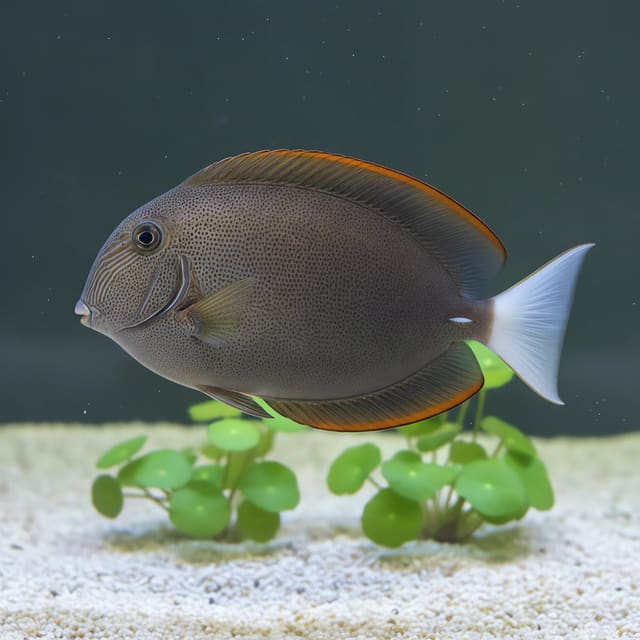
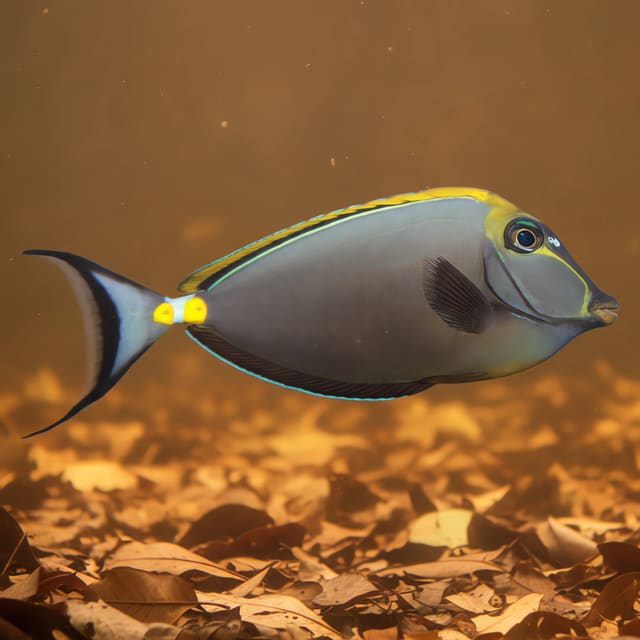
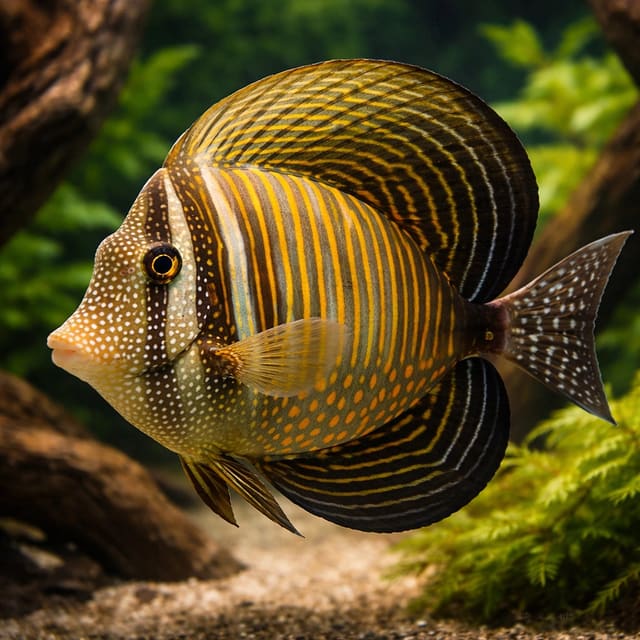
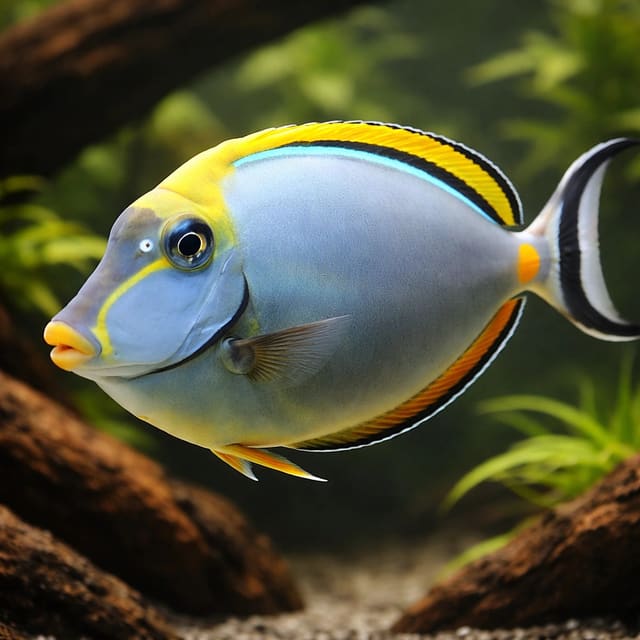
Naso elegans (Elegant Unicorn Tang)
24–26°C · pH 7.9–8.3
£91.99
A hardy marine sea hare that helps graze algae in larger reef or fish-only tanks.
Adult size is the maximum length this species reaches at full maturity (scientific sources). The livestock you receive will be younger and smaller. Product-photo provenance and any image-specific limitations are stated on the listing.
Dolabella auricularia
A hardy marine sea hare that helps graze algae in larger reef or fish-only tanks.
Adult size is the maximum length this species reaches at full maturity (scientific sources). The livestock you receive will be younger and smaller. Product-photo provenance and any image-specific limitations are stated on the listing.
Maintain these water conditions for optimal health and vibrant colors
Dolabella auricularia, commonly known as the sea hare, is a fascinating marine gastropod prized by aquarists for its algae-grazing habits and unusual, soft-bodied appearance. This species is not a true nudibranch, but it is often grouped with sea slugs in the hobby because of its similar invertebrate appeal. In the aquarium, it is best suited to established marine systems with plenty of natural algae growth and excellent water quality.
Sea hares are peaceful, slow-moving grazers that spend much of their time browsing on film algae, hair algae and other soft algal growths. They are not a permanent solution to an algae problem, but they can be a very useful part of a balanced clean-up crew in the right setup. Because they can be sensitive to poor water conditions and sudden changes, they are recommended for aquarists with some marine experience.
At Tropical Fish Co, we supply healthy marine livestock with a live arrival guarantee and fast UK delivery, helping your new invertebrate arrive in the best possible condition.
| Care Factor | Recommendation |
|---|---|
| Scientific Name | Dolabella auricularia |
| Common Name | Sea Hare |
| Care Level | Moderate |
| Temperament | Peaceful |
| Adult Size | Up to 15 cm, sometimes larger |
| Minimum Tank Size | 50 litres minimum, larger is better |
| Temperature | 22–26°C |
| pH | 8.1–8.4 |
| Diet | Herbivore; algae grazer |
| Tank Region | Bottom / rockwork / glass |
Dolabella auricularia is found across tropical Indo-Pacific waters, where it inhabits shallow coastal areas, lagoons, seagrass beds and reef flats. In nature it lives among rocks, rubble and algae-rich surfaces, feeding on a wide range of benthic algae and organic growth. Its natural environment is warm, well-oxygenated and stable, with plenty of hiding places and abundant food sources.
This species is adapted to a life of grazing and camouflage rather than speed or defence. When threatened, sea hares may release a purple ink-like secretion as a deterrent. While this is a natural defence mechanism, it can stress aquarium livestock if the animal is injured or dies, so careful handling and close observation are important.
For best results, keep Dolabella auricularia in a mature marine aquarium with stable salinity and excellent filtration. A tank of at least 50 litres may be suitable for a single specimen, but larger systems are strongly preferred because sea hares can produce a noticeable bioload and may run out of food in smaller aquariums. They do best in tanks with natural algae growth on rockwork and glass.
Provide plenty of live rock, open grazing surfaces and gentle water movement. Avoid strong powerhead intakes, as sea hares can be slow and vulnerable to being trapped or injured. A secure lid is also sensible, as unusual invertebrates can sometimes end up in awkward places. Keep the system fully cycled and mature before introduction, and ensure that salinity, temperature and pH remain stable.
Recommended parameters: temperature 22–26°C, pH 8.1–8.4, marine salinity 1.023–1.026 specific gravity. Ammonia and nitrite should always be zero, and nitrate should be kept as low as practical. Like many marine invertebrates, sea hares are sensitive to copper and other medications, so never place them in tanks that have been treated with copper-based products.
Because this species can be sensitive to sudden changes, acclimation should be slow and careful. Drip acclimation is usually the safest approach, especially if the salinity in the holding system differs from your display tank.
Dolabella auricularia is primarily herbivorous and feeds on algae. In established aquariums it will graze on film algae, green hair algae and other soft algal growths. However, it should not be relied upon as the sole food source unless the tank naturally produces enough algae to sustain it. In cleaner systems, supplemental feeding may be required.
Offer suitable marine algae foods such as dried seaweed sheets, blanched leafy greens in moderation, or specialised herbivore foods designed for marine grazers. Feed small amounts regularly and observe the animal’s activity and body condition. A healthy sea hare should appear full-bodied and active, with regular grazing behaviour. If it becomes inactive or begins to shrink noticeably, the tank may not be providing enough food.
Do not feed meaty foods as a routine diet. These animals are adapted to plant-based grazing and may not thrive on unsuitable foods. As with all marine invertebrates, avoid overfeeding the tank, as excess waste can quickly degrade water quality.
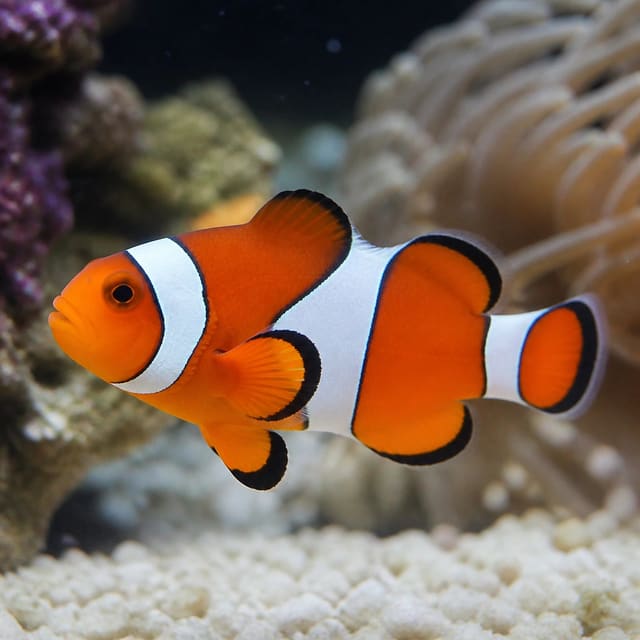
Sea hares are peaceful and generally compatible with calm community marine fish and non-aggressive invertebrates. Good tank mates include clownfish, gobies, blennies, cardinalfish, tangs, cleaner shrimp and other gentle reef-safe species, provided the aquarium is large enough and well established. They are best kept with fish that will not nip at soft-bodied invertebrates.
Avoid keeping them with aggressive or highly inquisitive fish such as triggers, puffers, large wrasses, dottybacks and some butterflyfish, as these may harass or injure the sea hare. Crabs, large hermit crabs and predatory shrimp can also be problematic. It is also wise to avoid housing them with species known to nip at soft-bodied molluscs.
Although Dolabella auricularia is generally reef-safe in the sense that it does not prey on corals, it may occasionally be knocked about by strong flow or disturbed by active tank inhabitants. Because it can release defensive ink if stressed, it is best kept in a calm, stable aquarium where it can graze undisturbed.
When you buy marine livestock from Tropical Fish Co, you get more than just a beautiful animal for your aquarium. We focus on healthy stock, careful packing and reliable service, so your new sea hare arrives in excellent condition. Our fast UK delivery helps reduce transit stress, and our live arrival guarantee gives you added confidence when ordering delicate marine invertebrates online.
We also aim to provide clear, practical care information so you can make the right choice for your aquarium. Whether you are adding a useful algae grazer to an established marine tank or looking for an unusual invertebrate to complete your display, Dolabella auricularia is a distinctive and rewarding species when kept correctly. If you are unsure whether your tank is suitable, we recommend checking that it is mature, stable and well supplied with natural algae before purchase.
No reviews for this item yet. Bought one? Honest reviews only, good or bad.
What customers say about ordering from us
Easy website plenty of info on fish your buying great to pick a time slot
TRACEY DURRANT · 7 Oct 2026
Got some lovely fish thank you
Kevin Mackie · 7 Oct 2026
Reviews of our shop, collected by Judge.me, an independent third-party review collector. Newest first.