Advanced
Sea goldie - male (Pseudanthias squamipinnis male)
24–27°C · pH 8–8.2 · 265L
£52.99
The Sea goldie (Pseudanthias squamipinnis) is a marine anthias from the Indo-West Pacific that reaches a maximum recorded 15 cm. It suits a mature, filtered marine aquarium; OATA’s broad marine guidance gives 24–27°C and pH 8.0–8.2, while companions need individual screening. Sold individually as female.
Adult size is the maximum length this species reaches at full maturity (scientific sources). The livestock you receive will be younger and smaller. Product-photo provenance and any image-specific limitations are stated on the listing.
Pseudanthias squamipinnis
Save when buying multiple fish. Each quantity is one fish; sex and pair formation are not guaranteed unless the selected variant explicitly states them.
The Sea goldie (Pseudanthias squamipinnis) is a marine anthias from the Indo-West Pacific that reaches a maximum recorded 15 cm. It suits a mature, filtered marine aquarium; OATA’s broad marine guidance gives 24–27°C and pH 8.0–8.2, while companions need individual screening. Sold individually as female.
Adult size is the maximum length this species reaches at full maturity (scientific sources). The livestock you receive will be younger and smaller. Product-photo provenance and any image-specific limitations are stated on the listing.
Maintain these water conditions for optimal health and vibrant colors
The Sea goldie, Pseudanthias squamipinnis, is a marine, reef-associated anthias with an active open-water lifestyle. It is also called lyretail anthias, orange basslet and scalefin anthias. Its natural behaviour makes it a fish for a properly planned marine system rather than an unprepared aquarium: provide swimming room, refuge within the rockwork, stable saltwater and a biological filter capable of handling the complete community.
Begin with the complete system rather than appearance alone. The aquarium needs open water where the fish can intercept food, rockwork that provides accessible refuge and stable marine conditions shared by every inhabitant. Check the mature size and territorial behaviour of the planned community, then consider how each animal will reach food and shelter. This approach links the Sea goldie’s reef-associated biology to practical space, filtration and compatibility decisions before the offer details are considered.
One purchase supplies one female fish.
Sex is guaranteed only when the exact product or selected option explicitly states male or female. This Sea goldie listing is sold as female.
That sex description applies to the animal at supply. The species is a protogynous hermaphrodite, so its natural biology includes sexual transition. Do not use colour, a gallery scene or an assumed social role as a substitute for the explicit sex wording attached to the offer.
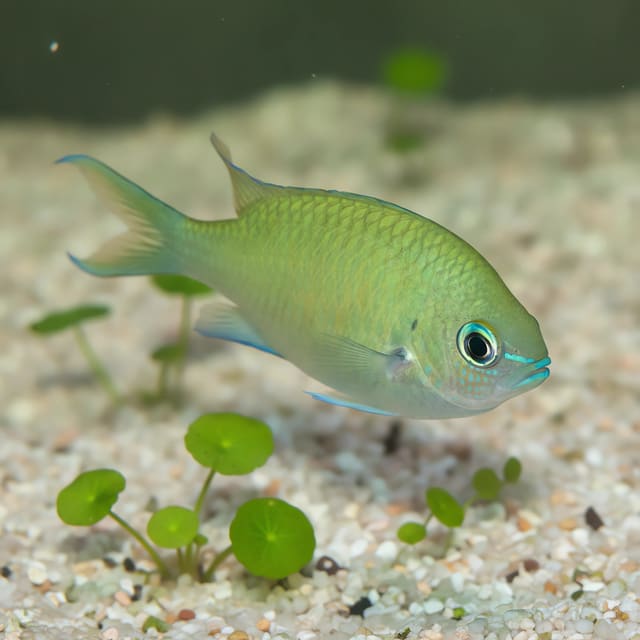
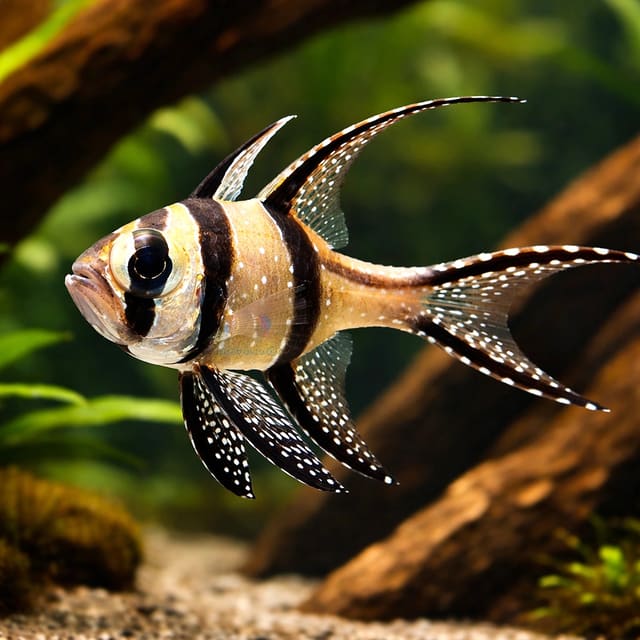
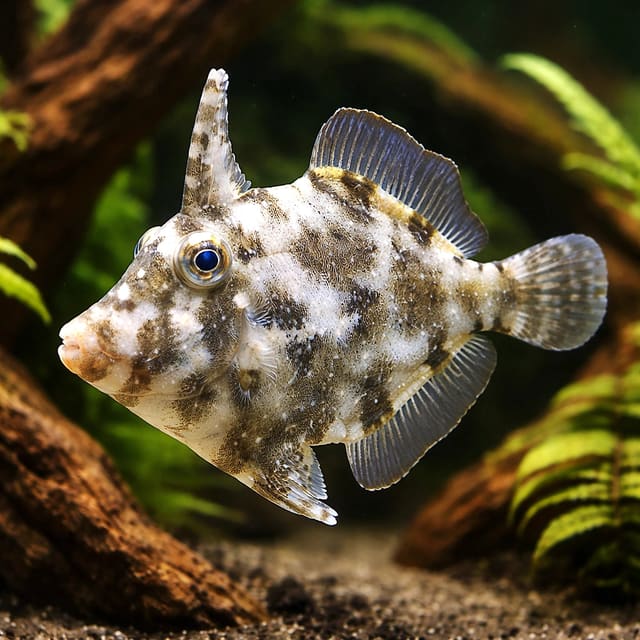
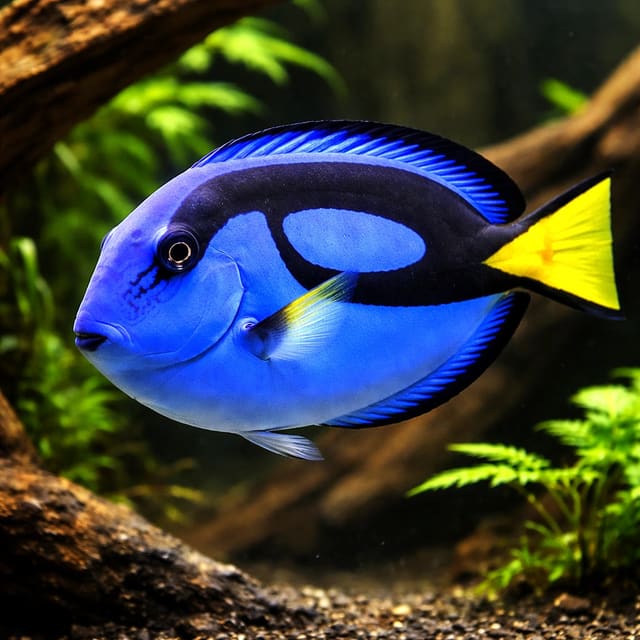
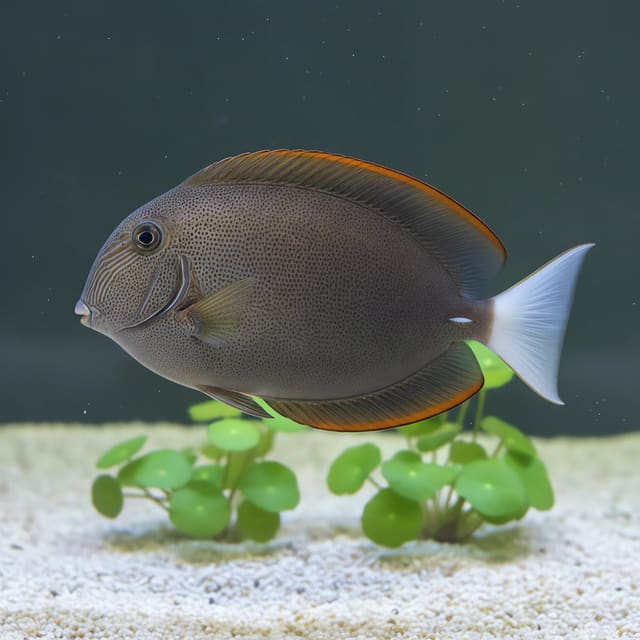
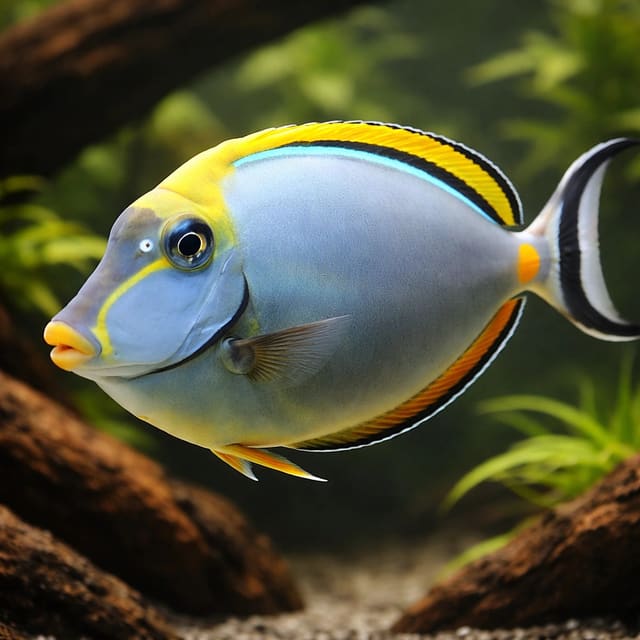
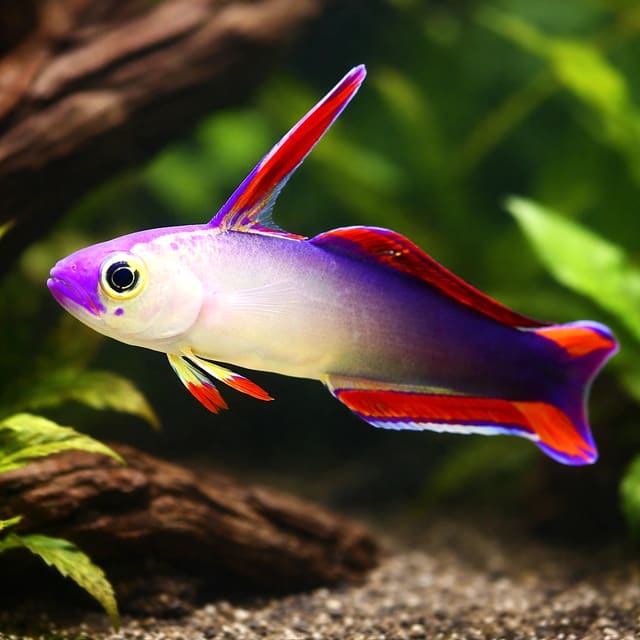
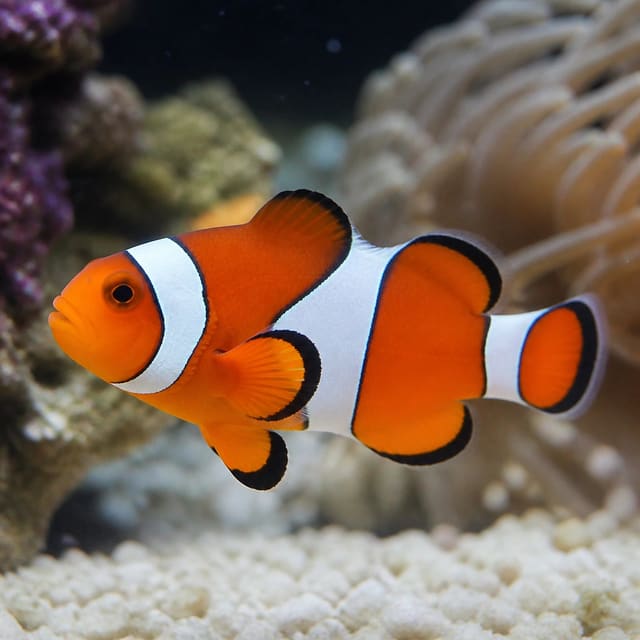
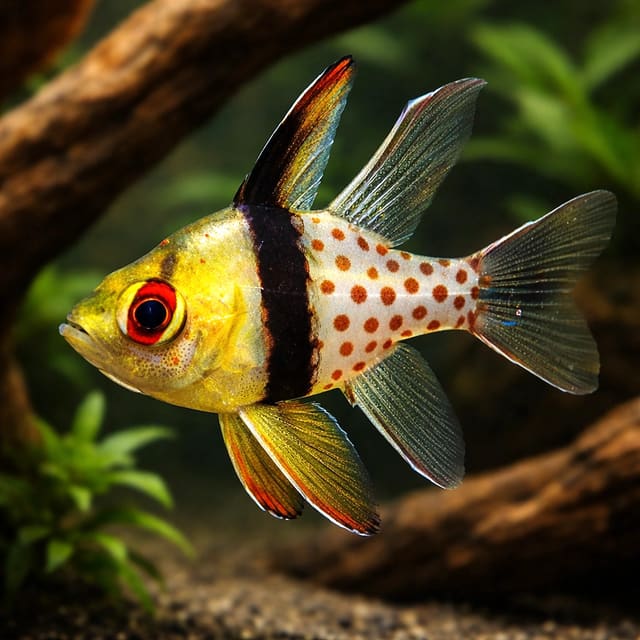
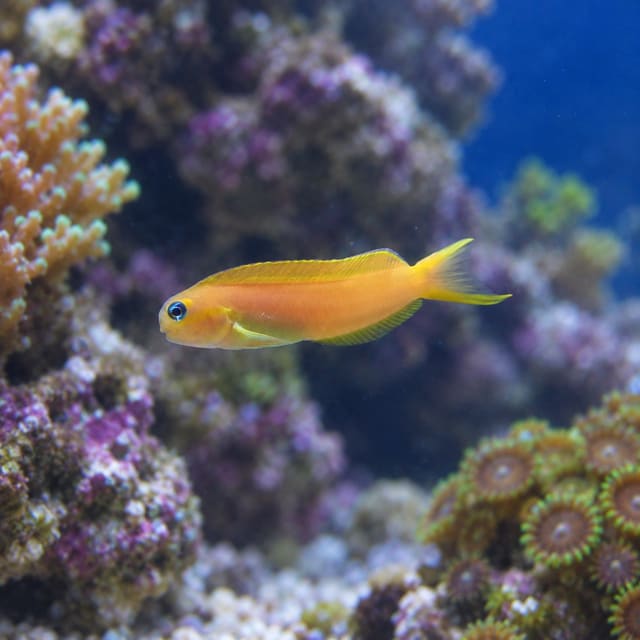
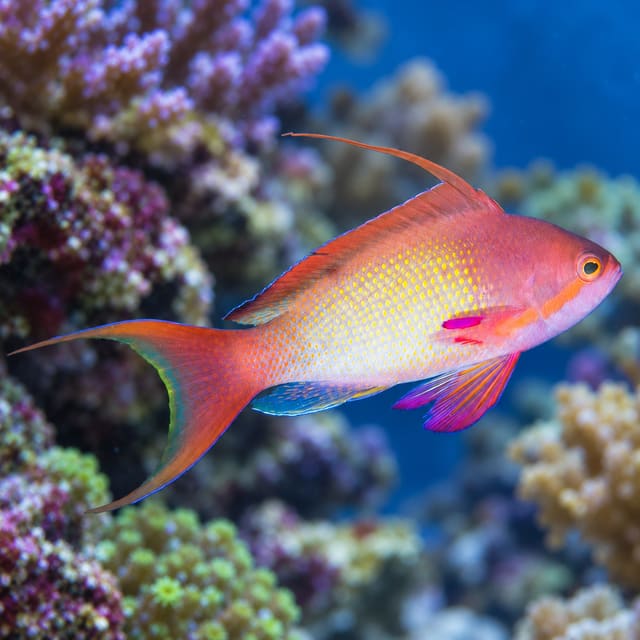
Some gallery images are representative, based on reference photographs of this species, and none shows the exact animal supplied, so colours can look slightly different from the live animal.
The images therefore help illustrate the named animal and its general appearance, while the written identity and offer terms define the purchase. A scene containing two fish does not alter the sold unit of one animal per purchase.
Browse the current marine fish collection when comparing livestock, but screen every possible combination for adult size, salinity, temperature, territorial behaviour and feeding competition. Before placing an order, read the current delivery and Live Arrival Guarantee policy for the applicable dispatch, receipt and claim terms.
FishBase records a maximum of 15 cm total length for male or unsexed Pseudanthias squamipinnis. This is a maximum-length planning reference, not a promised size for every female. Use it when deciding whether the aquarium can provide sufficient swimming room throughout the fish’s life.
| Suits | Not suited to |
|---|---|
| A mature marine aquarium with a functioning biological filter. | An unprepared aquarium where ammonia or nitrite is detectable. |
| A layout combining open swimming water with accessible refuge. | A layout that leaves no swimming route or secure retreat. |
| A keeper prepared to test marine water and observe feeding access. | A plan based only on the fish’s appearance or size at supply. |
| A community screened for water needs, space and territorial behaviour. | A combination where aggressive or territorial behaviour prevents peaceful coexistence. |
Adults occur above coral outcrops and patch reefs in clear lagoons, channels and outer reef slopes. They form large aggregations and feed on zooplankton. In an aquarium, retain a clear route through the water column while arranging rockwork as refuge. Avoid filling every part of the aquarium with structure that leaves the fish nowhere to swim, but do not create a bare system with nowhere to withdraw.
The natural distribution extends widely through the Indo-West Pacific. Wikipedia’s Sea goldie summary also places it among marine anthias and notes the alternative names orange basslet and lyretail anthias. Those wild facts explain its swimming, feeding and social form; routine aquarium values should be chosen for the type of marine system being maintained.
This fish suits a keeper prepared to monitor salinity, temperature, pH, ammonia, nitrite and nitrate; maintain a functioning biological filter; and watch feeding and social interactions. The decisive test is not a simple experience label. It is whether the aquarium and daily routine can meet those needs consistently.
Plan the complete community before purchase. A maximum-size reference alone cannot determine capacity because body shapes, territories, water requirements and biological load differ between fish. Larger aquariums generally provide greater water volume and are less susceptible to rapid shifts in temperature and pH, but their total stocking still needs an individual assessment.
Start with the adult planning reference, the aquarium’s usable dimensions and the complete stocking plan. OATA advises choosing an aquarium as large as practical and ensuring that it can accommodate the chosen fish when fully grown. For this Sea goldie, plan around the 15 cm maximum-length reference rather than the size seen at dispatch.
Look beyond the litre figure. Two aquariums with a similar nominal volume can offer very different swimming routes once rock, substrate and equipment occupy the interior. Preserve open water beside and above the rockwork, reflecting the fish’s natural position above reef outcrops, while leaving refuge that it can enter without being trapped by another animal.
Place the system out of direct sunlight and away from heat, draughts, loud noise, vibration and sudden movement. Use a flat, level stand capable of holding the full aquarium indefinitely. These choices reduce avoidable environmental changes and disturbance before livestock behaviour is considered.
Rockwork can provide natural refuge and, in reef systems, surfaces for corals. Fine coral sand is one substrate option in OATA’s marine setup guidance. Secure the structure before livestock enters the aquarium; the useful outcome is a stable layout with refuge and swimming room, not a particular decorative style.
Decide whether this will be fish-only or a reef containing invertebrates before mixing saltwater. The distinction changes the routine salinity, temperature, nitrate, carbonate-hardness and phosphate targets. It also changes which additional parameters may need monitoring. Compatibility with corals and invertebrates should be assessed separately from the fact that the fish is reef-associated in nature.
A stocking assessment should combine aquarium dimensions, rockwork, filtration, existing livestock and the intended number of Sea goldies. Contact us with those details if you want an individual stocking and compatibility assessment.
OATA’s marine-aquarium sheet gives 24–27°C and pH 8.0–8.2 as broad group guidance, not a species-specific optimum. Use the fish-only values for a fish-only system and the marine-with-invertebrates values when corals or other invertebrates share the aquarium.
| System | Routine targets |
|---|---|
| Marine fish-only | 24–27°C; pH 8.0–8.2; salinity 1.017–1.023 SG or 23–30 ppt; ammonia 0 mg/l; nitrite 0 mg/l; nitrate up to 20 mg/l. |
| Marine with invertebrates | 24–26°C; pH 8.0–8.2; salinity 1.024–1.026 SG or 32–35 ppt; ammonia 0 mg/l; nitrite 0 mg/l. |
| Additional reef values | Nitrate 5–10 mg/l depending on species; carbonate hardness 8–12 dKH; phosphate 0.04–0.1 mg/l depending on species. |
Hard corals can require further monitoring, including calcium and magnesium. Set those values around the coral plan as well as the fish, because a reef aquarium has more inhabitants and processes to support than a fish-only system.
Use a hydrometer or refractometer to monitor salinity and suitable test kits for the other values. Compare measured results with the correct system row instead of combining the fish-only and reef ranges into a single compromise.
Temperature and salinity should be settled before adding livestock. A single reading only describes that moment, so regular testing is necessary to recognise movement in the values before it becomes a larger problem. Record the result, the time and any recent water change or equipment adjustment so repeated measurements remain meaningful.
Use reverse-osmosis water for a marine setup; it is essential when keeping invertebrates such as corals. If mixing at home, dissolve specialised aquarium salt according to its manufacturer’s instructions. Never substitute table salt. A powerhead and heater can help the salt dissolve and the replacement water reach the required temperature.
Test the prepared water before use. Match it to the intended aquarium values rather than adding dry salt directly around livestock. Keeping the target tied to the system type prevents a fish-only salinity range from being applied automatically to a reef containing invertebrates.
A well-set-up biological filter is essential. The RSPCA explains that fish release toxic ammonia; beneficial filter bacteria convert it first to nitrite, which is also toxic, and then to the safer nitrate. This process is why an aquarium should never be treated as ready merely because it has been filled and its equipment is running.
After filling the aquarium and setting the required salinity and temperature, OATA advises allowing 24–48 hours for the system to settle, for salt to dissolve fully and for equipment to reach the correct operating state. Use that period to check heaters, pumps, salinity and temperature. Establish the biological filter before livestock enters the system.
A running pump is not the same thing as a functioning population of beneficial bacteria, so base the decision on water tests and maturation rather than elapsed time alone.
Use the same test method consistently, because comparable readings are more useful than isolated values gathered under changing conditions.
Add fish gradually. OATA explains that the beneficial-bacteria population must increase whenever fish numbers and feeding increase. Stocking too quickly can leave too few nitrifying bacteria to process the added waste, leading to new tank syndrome.
After any livestock addition, watch ammonia and nitrite especially closely and postpone further additions while the filter adjusts. The same principle applies after a marked rise in feeding: greater input creates more waste for the biological filter to process.
Prepare future water-change water in a separate vessel. Add specialised aquarium salt to reverse-osmosis water according to the salt manufacturer’s instructions, then use heat and water movement to dissolve it and bring it towards the aquarium’s operating condition. Test before use so the change supports stability instead of creating a sudden difference.
The purpose is consistency. Replacement water with a different temperature or salinity can move the aquarium away from the range already supporting its livestock. Test the mixed water rather than judging salt concentration or temperature by appearance.
Confirm that the heater, water movement, filter and testing equipment are operating correctly. If a protein skimmer is part of the setup, follow its manufacturer’s operating guidance and the setup plan chosen for that aquarium. Skimmer start times can differ between systems, so do not use skimmer activity as the sole sign that a new aquarium is biologically ready.
| Observation | Immediate decision |
|---|---|
| Temperature outside range | Correct the equipment or room influence before livestock is added. |
| Salinity outside target | Adjust and remeasure the prepared water before use. |
| Ammonia or nitrite detected | Pause livestock additions and protect the biological filter. |
| Unexpected pH movement | Retest and review recent mixing, water changes and equipment changes. |
| Repeated unstable readings | Resolve the cause before increasing stocking or feeding. |
Position also remains part of equipment performance. Direct sunlight, heat sources and draughts can work against temperature control, while vibration and sudden movement can disturb livestock. Correct the environmental cause rather than expecting equipment to compensate for a poor location indefinitely.
Wild Sea goldies feed on zooplankton above reef outcrops. Build the aquarium diet around suitable marine zooplankton food that can be intercepted in the water column. The useful feeding response is active capture as food passes the fish, rather than food collecting out of reach on the substrate.
A feeding event is also a compatibility check. If the Sea goldie approaches food but repeatedly loses access to another fish, the problem is not solved by adding food indiscriminately. Review where the food enters, how the fish share space and whether territorial or feeding competition is preventing normal access.
Every increase in feeding adds work for the biological filter. Make changes gradually and watch the water-test results rather than assuming clear-looking water has no waste problem. Ammonia and nitrite must remain at 0 mg/l, while nitrate should stay within the range for the chosen fish-only or reef system.
Do not use the animal’s wild zooplankton diet to infer an exact aquarium ration. Judge the chosen marine food by whether the fish can capture it in the water column and whether water quality remains controlled. If food repeatedly passes the fish, first recheck temperature, salinity, ammonia and nitrite, then examine disturbance and competition at the feeding area.
Note whether the fish emerges, tracks drifting food and obtains a share without being chased away. Compare the behaviour over successive feeds. A marked change is a reason to recheck the aquarium immediately, because feeding response can reveal a water-quality or social problem that deserves attention.
Prepare before the parcel arrives. Confirm that the Sea goldie is compatible with the animals already in the aquarium and that ammonia and nitrite are both 0 mg/l. Check temperature and salinity as part of the same readiness decision.
Film every delivery from the sealed parcel onward. For a Live Arrival Guarantee claim, send the continuous unboxing video with the order number and make contact the same day.
OATA advises switching off the aquarium lights and handling the bag carefully when exposing the fish to its new surroundings. Fish are easily stressed by bright light, extreme temperature, noise and movement, so keep unnecessary disturbance to a minimum while completing the arrival procedure.
Finish aquascaping and equipment changes before the fish arrives. Ensure the intended refuge and swimming route are not controlled by a territorial resident, and avoid combining arrival with additional livestock or major changes that make behaviour and water-test results harder to interpret.
Watch where the new fish moves, whether it can enter refuge and whether another animal immediately blocks its route. Keep lighting subdued during the initial settling period. Observe feeding access and established livestock without making a sudden increase in food.
If the fish is persistently displaced, separate the compatibility decision from the water decision: confirm the aquarium values first, then examine which animal controls the refuge or feeding route. This keeps a social problem from being mistaken for a salinity or filtration problem.
Observation is most useful when it leads to a specific action. Track water values, feeding access and territorial interactions from arrival, then compare each result with the aquarium’s established baseline. The goal is to identify change early without treating every brief retreat as a diagnosis.
| Check | Action |
|---|---|
| Ammonia | Require 0 mg/l; pause further stocking if detected. |
| Nitrite | Require 0 mg/l; protect the biological filter if detected. |
| Temperature and salinity | Compare with the correct fish-only or reef range. |
| Feeding access | Confirm the fish intercepts suitable food in the water column. |
| Refuge access | Check that territorial residents do not block every retreat. |
| Social pressure | Look for repeated displacement rather than one isolated encounter. |
Do not add more livestock simply because the new fish has appeared calm for a short period. Beneficial bacteria must respond to every increase in fish and feeding, so let testing and filter performance determine when another addition is considered.
Continue regular testing and compare nitrate with the relevant system limit: up to 20 mg/l for fish-only marine aquaria, or 5–10 mg/l depending on species in systems containing marine invertebrates. In a reef, also keep carbonate hardness and phosphate within the chosen system plan and monitor any additional values required by hard corals.
Review whether the aquascape still provides both open water and accessible refuge once all resident territories become clear. If one route is repeatedly blocked, reassess the stocking combination and layout rather than assuming the new fish will simply adapt to permanent exclusion.
If feeding response, swimming or general condition changes markedly, recheck temperature, salinity, pH, ammonia and nitrite first. Examine recent water changes, equipment adjustments, feeding increases and livestock additions. Contact us before selecting a treatment so the observed change and measured aquarium values can be considered together.
Keep notes concise: date, test results, feeding response, location in the aquarium and interactions with other fish. A consistent record helps distinguish an ongoing pattern from a single brief event and supports better decisions about water, filtration and compatibility.
Sea goldies form large aggregations in nature, while males are territorial and haremic. Those facts make social planning important, but they do not turn one fixed aquarium ratio into a universal rule. Decide from the aquarium’s usable space, filtration, refuge, current livestock and the territorial behaviour actually present.
| Question | Planning rule |
|---|---|
| Can one fish enter the aquarium? | Confirm water, refuge, feeding access and resident compatibility. |
| Can several Sea goldies share it? | Assess total adult space, biological load and social pressure. |
| Can males share it? | Treat male territoriality as a specific caution. |
The female designation on this offer defines the sex supplied. Because the species is protogynous, do not build a permanent social plan around colour alone or assume that every individual will retain the same role indefinitely. FishBase notes that the colour pattern and size associated with sexual transition vary slightly between localities.
An active fish may move repeatedly through open water without that movement indicating conflict. Focus instead on whether another fish repeatedly excludes it from refuge, prevents access to food or controls the only route through the aquascape. Repeated exclusion is a stronger compatibility warning than a brief encounter.
Do not introduce several planned fish merely to reach a social target quickly. Every additional fish and feeding increase requires the beneficial-bacteria population to grow. Gradual stocking gives the filter time to respond and lets the keeper interpret social behaviour before adding another variable.
A gallery image showing two Sea goldies illustrates a scene only. It is neither a group-size instruction nor a statement that two animals are supplied. The purchase unit remains one female fish.
There is no universal tank-mate list for a marine community. OATA notes that species differ greatly in body size, water needs, territoriality and compatibility, and that some territorial or aggressive fish will not live together peacefully. Screen the particular animals and aquarium rather than relying on a shared “community” label.
| Screen | Question to answer |
|---|---|
| Water | Can every inhabitant share the same temperature, salinity and pH range? |
| Adult space | Can each fish turn, swim and use refuge at its mature planning size? |
| Territory | Does one resident control the only refuge or swimming route? |
| Feeding | Can the Sea goldie intercept zooplankton food before competitors take it? |
| Filter capacity | Can ammonia and nitrite remain at 0 mg/l after the added load? |
| Reef plan | Have corals and invertebrates been assessed individually? |
Avoid a combination when territorial or aggressive behaviour prevents peaceful coexistence. Male Sea goldies require particular caution because males are territorial and haremic. Do not assume that a large aquarium automatically removes those social pressures; layout, refuge access and individual behaviour still matter.
Feeding competition deserves the same attention as visible aggression. A tank mate may not chase the Sea goldie yet may still prevent it from taking food in the water column. Observe an actual feeding response and adjust the stocking decision if the fish is repeatedly excluded.
The Sea goldie occurs around coral outcrops and reef slopes in nature. For a home reef, assess the intended corals and invertebrates as part of the complete community plan. Keep the reef water within 24–26°C, pH 8.0–8.2 and salinity 1.024–1.026 SG, then apply any additional requirements of the invertebrates themselves.
When comparing a possible companion, use a simple pass-or-stop decision. Proceed only when water values overlap, adult space is sufficient, refuge remains accessible, feeding methods are compatible and the filter can accept the increased load. Stop and revise the plan when any one of those conditions fails.
The Sea goldie is Pseudanthias squamipinnis, a marine, reef-associated anthias from the Indo-West Pacific. Adults occur above coral outcrops and patch reefs, form large wild aggregations and feed on zooplankton.
Each purchase supplies one fish, and the offer is female. The species is protogynous, so its natural biology includes sexual transition; do not infer sex from colour or gallery imagery.
Plan the aquarium around the maximum-length reference of 15 cm. This is a maximum recorded total length for male or unsexed fish, not a promised size for every female.
Provide a mature biological filter, open swimming room, stable rockwork for refuge and enough adult space for a fish planned around up to 15 cm total length. Keep ammonia and nitrite at 0 mg/l.
It forms large aggregations in nature, but aquarium grouping must be planned around usable space, filtration, refuge and territorial behaviour. Males are territorial and haremic, so treat multiple males with particular caution.
OATA’s broad marine guidance gives fish-only aquaria 24–27°C, pH 8.0–8.2 and salinity 1.017–1.023 SG. With invertebrates, use 24–26°C, pH 8.0–8.2 and salinity 1.024–1.026 SG.
Base the diet on suitable marine zooplankton food presented where the fish can intercept it in the water column. Watch feeding competition and test water after material increases in feeding.
Start filming before opening the sealed parcel, keep the outer box visible, open it in one continuous take and show the fish inside the sealed bag. Then float the bag for 20–30 minutes before releasing; send the video with the order number for any Live Arrival Guarantee claim.
Match temperature, salinity and pH; provide sufficient adult swimming space and refuge; check territorial and feeding competition; and ensure the biological filter can handle the added load. Avoid combinations that cannot coexist peacefully.
No reviews for this item yet. Bought one? Honest reviews only, good or bad.
What customers say about ordering from us
Easy website plenty of info on fish your buying great to pick a time slot
TRACEY DURRANT · 7 Oct 2026
Got some lovely fish thank you
Kevin Mackie · 7 Oct 2026
Reviews of our shop, collected by Judge.me, an independent third-party review collector. Newest first.