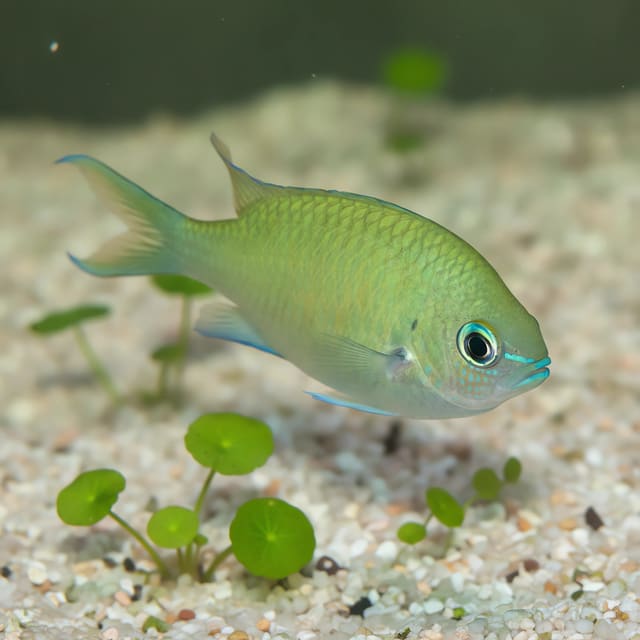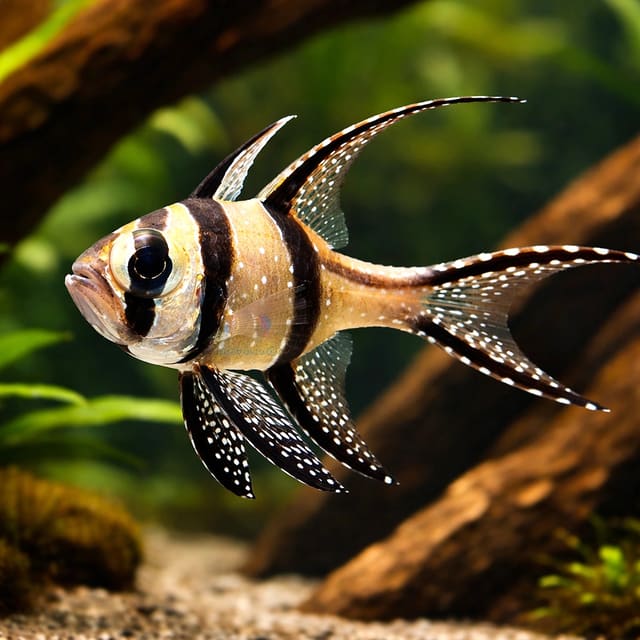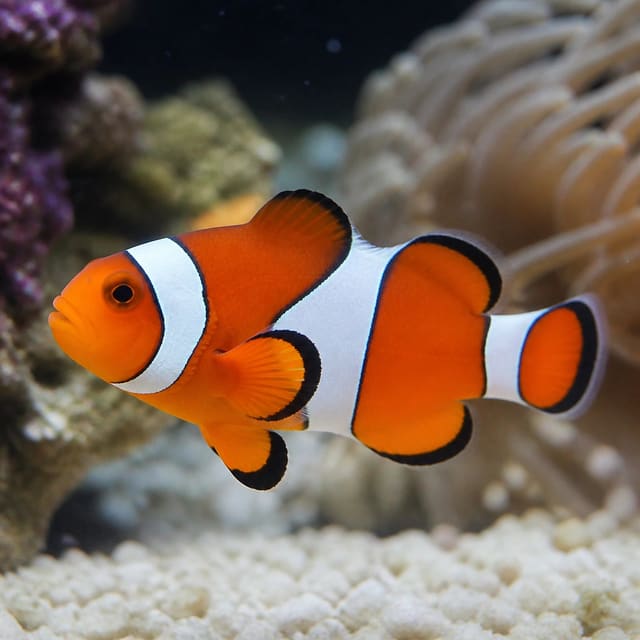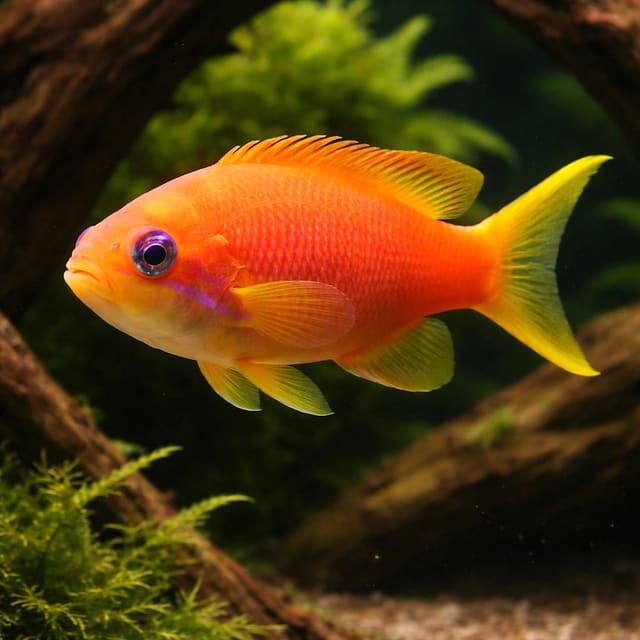
Canary wrasse (Halichoeres chrysus) - Marine Aquarium Livestock UK
24–26°C · pH 7.9–8.3
£55.99
The Bluestreak cleaner wrasse (Labroides dimidiatus) is a marine wrasse from Indo-Pacific coral reefs that reaches 14 cm. We rate it for advanced marine keepers; keep it at 24–26°C, where FishBase's wild range and OATA's wrasse guidance overlap, with pH 7.9–8.3 and carbonate hardness 8–12°dKH from OATA's wrasse group guidance. Sold individually as one live fish per purchase.
Adult size is the maximum length this species reaches at full maturity (scientific sources). The livestock you receive will be younger and smaller. Product-photo provenance and any image-specific limitations are stated on the listing.
Labroides dimidiatus
The Bluestreak cleaner wrasse (Labroides dimidiatus) is a marine wrasse from Indo-Pacific coral reefs that reaches 14 cm. We rate it for advanced marine keepers; keep it at 24–26°C, where FishBase's wild range and OATA's wrasse guidance overlap, with pH 7.9–8.3 and carbonate hardness 8–12°dKH from OATA's wrasse group guidance. Sold individually as one live fish per purchase.
Adult size is the maximum length this species reaches at full maturity (scientific sources). The livestock you receive will be younger and smaller. Product-photo provenance and any image-specific limitations are stated on the listing.
Maintain these water conditions for optimal health and vibrant colors
The Bluestreak cleaner wrasse (Labroides dimidiatus) is a marine fish in the wrasse family, Labridae. It comes from Indo-Pacific coral reefs, from the Persian Gulf, Red Sea and East Africa across to Pacific islands, and reaches 14 cm total length. We rate it for advanced marine keepers because its natural feeding biology calls for a deliberate food plan, close observation and dependable water quality.
FishBase records adults in coral-rich inner lagoons, subtidal reef flats and seaward reefs. They remain at cleaning stations where other fish visit, feeding on crustacean ectoparasites and mucus. Some adults are solitary and territorial in the wild, while cleaning stations may also contain a pair or a larger social arrangement. These observations explain the fish's name and behaviour, but aquarium stocking still needs an individual assessment.
A Wikipedia account of its natural history adds dead tissue to the material taken from larger fishes. That interaction is mutualistic in nature: the wrasse obtains food and protection, while the visiting fish receives cleaning. In an aquarium, provide appropriate food directly rather than expecting other fish to sustain it.
| Suits | Not suited to |
|---|---|
| Advanced marine keepers prepared to observe feeding closely | An aquarium without a well-established biological filter |
| A filtered marine aquarium planned around a 14 cm adult | A plan that relies on cleaning behaviour as the only food supply |
| Water maintained at 24–26°C and pH 7.9–8.3 | Unscreened mixing with fish, invertebrates or corals |
| A measured small-meaty-food plan | Rapid stocking before the filter bacteria can adjust |
Plan for a 14 cm adult from the beginning. FishBase records that maximum total length for this species, and it is the figure to use when judging swimming room, filtration capacity and the space left after other livestock and aquarium features are considered.
For space planning, OATA's wrasse guidance recommends an aquarium of at least 150 litres for an individual from a smaller species. At 14 cm, this wrasse falls below OATA's 15 cm division between its smaller and larger categories. The 150-litre figure is group-level planning, not a species-specific optimum, and OATA says the aquarium will need to be even larger when wrasses share it with other species.
Use that figure as a floor rather than a target to squeeze around. Start with the aquarium's actual water volume, then account for the space occupied by equipment and aquascaping. Keep enough usable room for an active wrasse to swim, and judge the biological load created by every fish in the aquarium rather than considering this animal by itself.
A larger system also provides more stability in temperature and water quality. Volume alone is not enough: OATA requires a filter, while the RSPCA explains that fish should be kept only with a well set-up and maintained filter. The aquarium therefore needs both suitable space and an established biological filter before this wrasse is introduced.
This offer supplies one live Bluestreak cleaner wrasse per purchase. Plan the aquarium for its 14 cm adult length; the supplied fish's apparent size is not an alternative adult-size target.
Sex is guaranteed only when the selected option explicitly states male or female. This Bluestreak cleaner wrasse listing has no sex-guaranteed option.
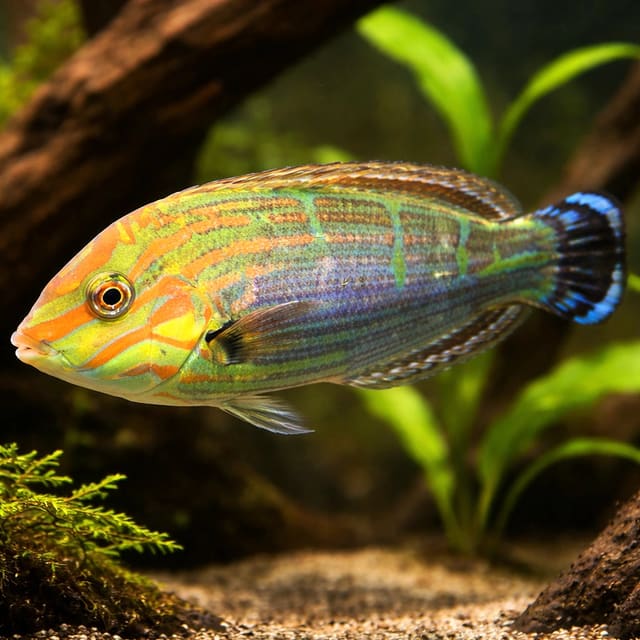
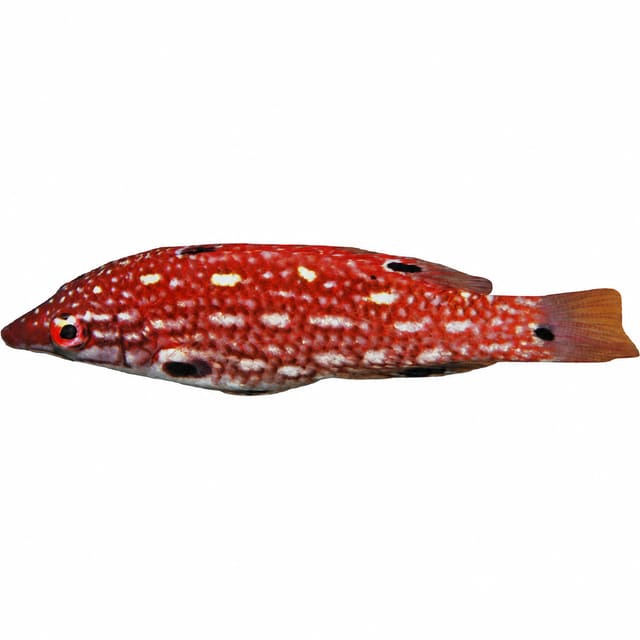
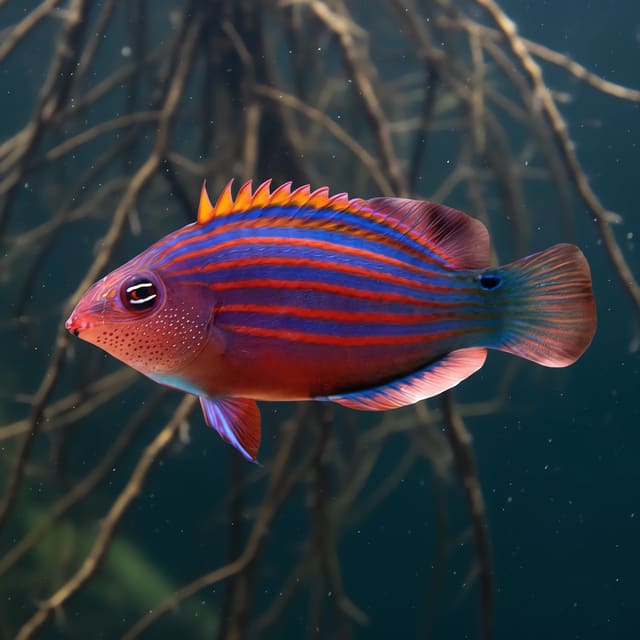
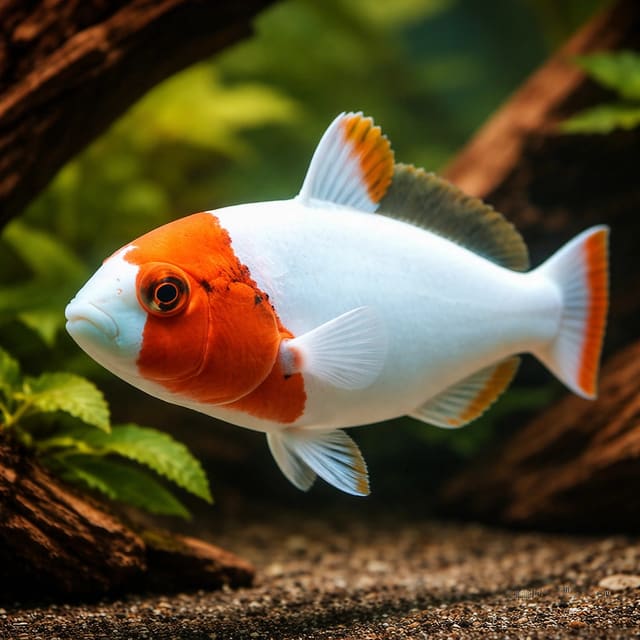
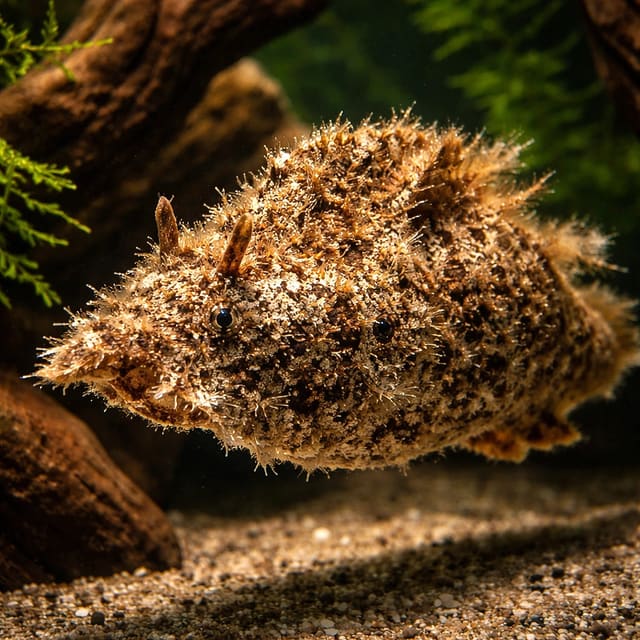
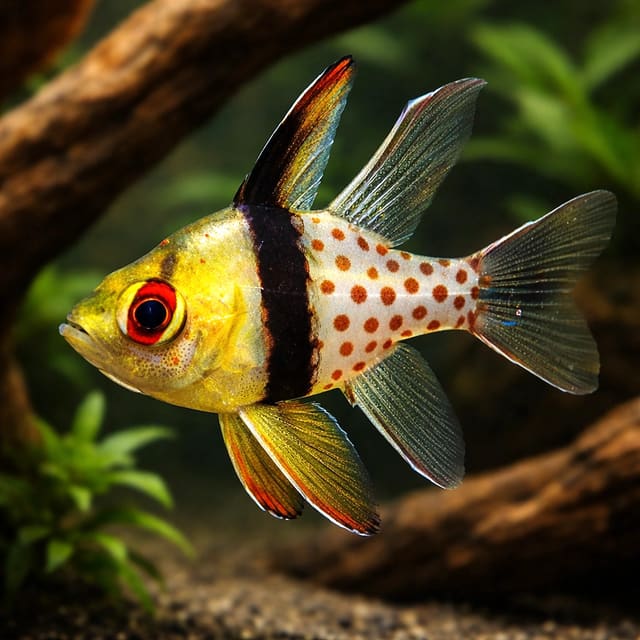
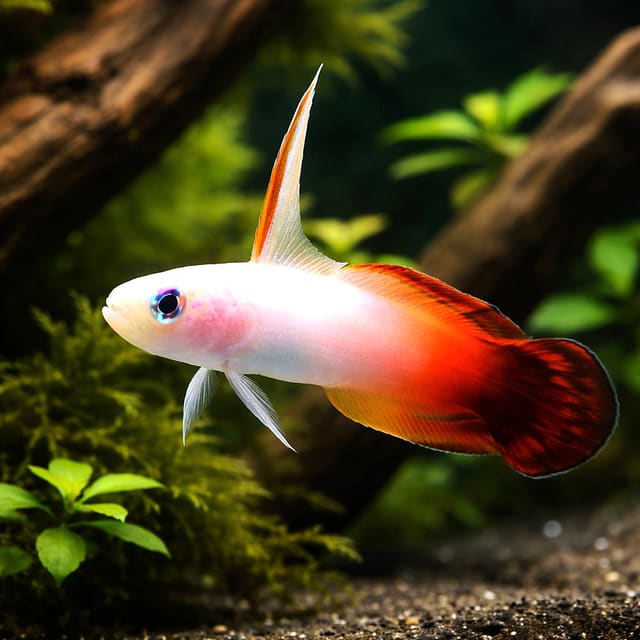
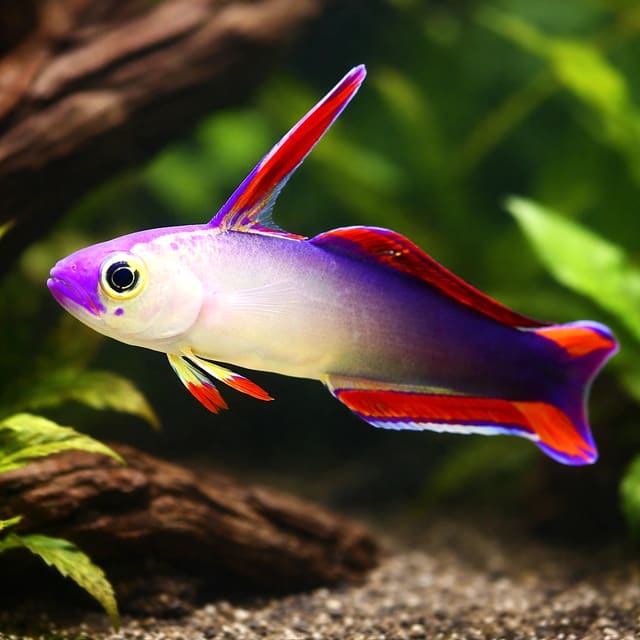
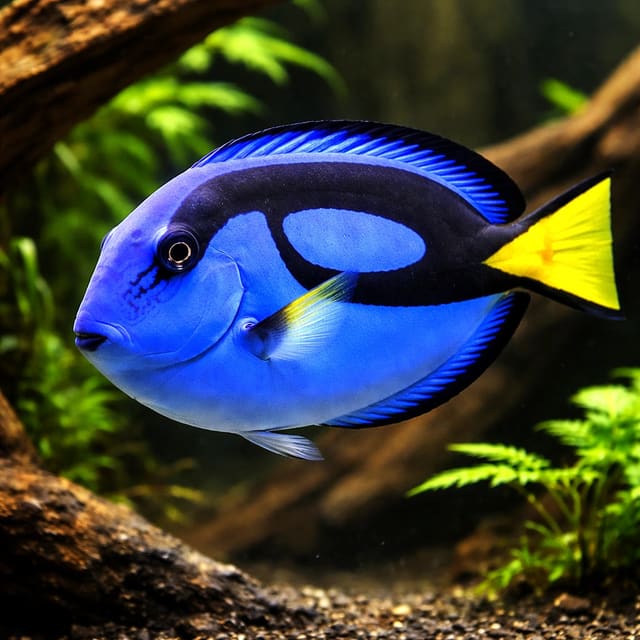
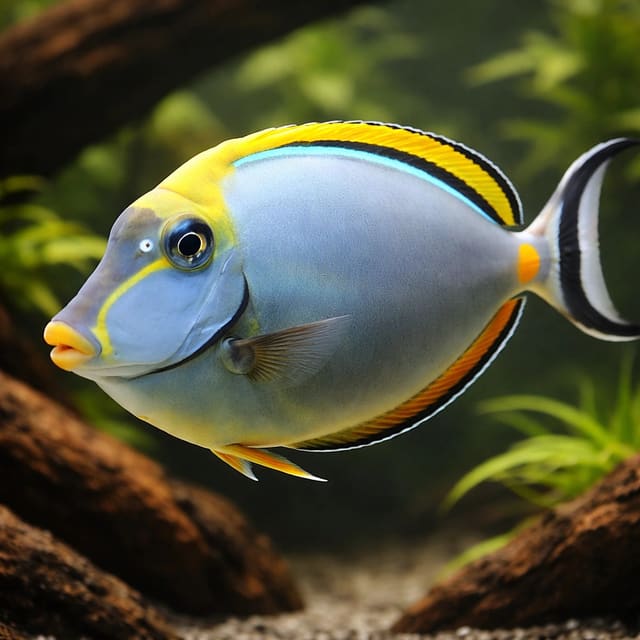
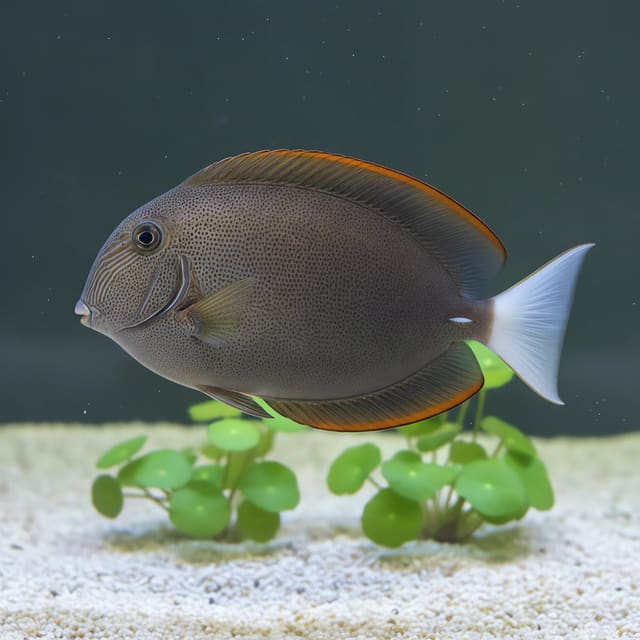
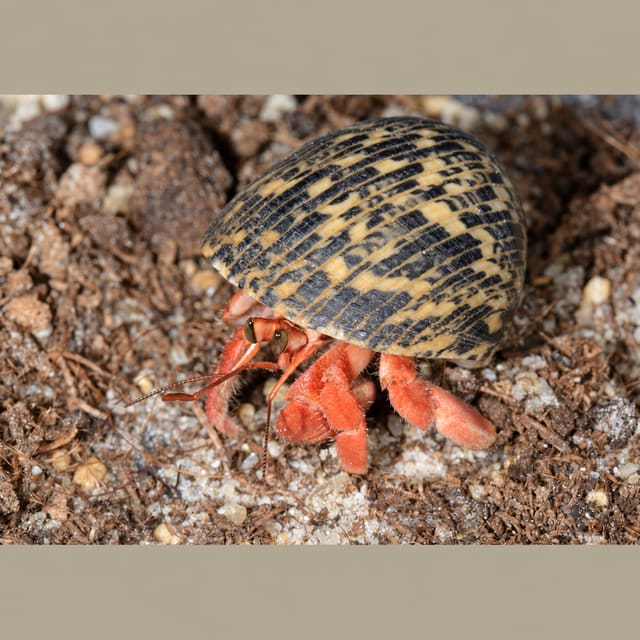
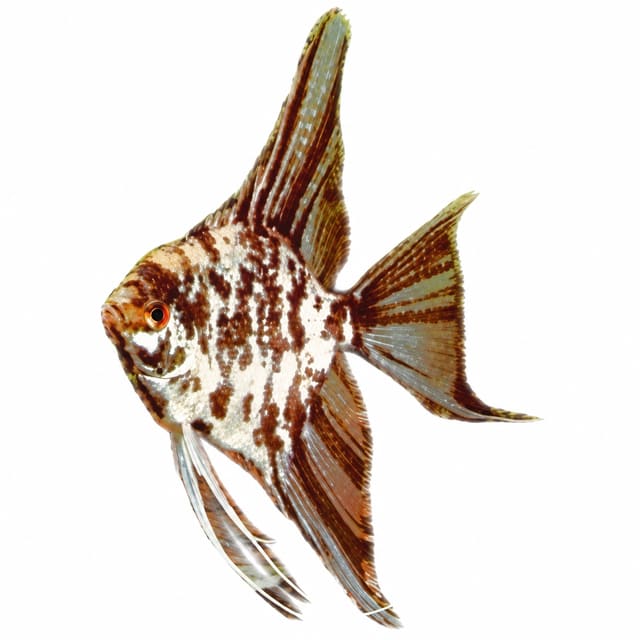
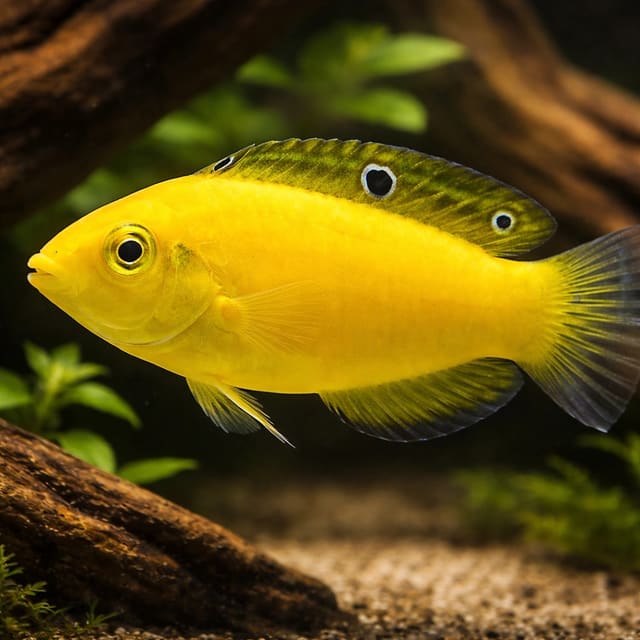
Some gallery images have been digitally enhanced to improve image quality. They show the listed type of animal rather than guaranteeing the exact markings of the individual supplied, so natural colour and pattern can vary.
Use the identity, adult size, feeding biology and water requirements together when deciding whether this is the right wrasse for your aquarium. To compare the space and care needs of other livestock, browse the marine fish collection and screen each species individually before mixing it with this wrasse.
Keep the aquarium at 24–26°C, pH 7.9–8.3 and salinity 1.020–1.025. The temperature is the overlap between FishBase's 24–28°C wild environmental range and OATA's 24–26°C aquarium guidance for wrasses. OATA also gives the pH and salinity targets used here.
Maintain ammonia at zero mg/l, nitrite at zero mg/l and nitrate at no more than 50 mg/l. These are operating limits, not targets for occasional testing only. Ammonia and nitrite can harm fish, so any detectable result requires attention to the aquarium's filtration, recent additions and waste load.
| Measure | Working instruction |
|---|---|
| Temperature | Keep at 24–26°C |
| pH | Keep at 7.9–8.3 |
| Salinity | Keep at 1.020–1.025 |
| Ammonia | Maintain at zero mg/l |
| Nitrite | Maintain at zero mg/l |
| Nitrate | Do not exceed 50 mg/l |
| Carbonate hardness | Keep at 8–12°dKH |
| Calcium | Keep at 380–450 ppm |
| Magnesium | Keep at 1250–1350 ppm |
Test temperature, pH, salinity, ammonia, nitrite and nitrate often enough to identify movement before it becomes a health problem. Keep carbonate hardness, calcium and magnesium within the ranges in the table as well; in a reef aquarium, some of these values will need to be altered to suit more sensitive reef species. Every animal in the system must fit the chosen values.
A temperature of 25°C is within the routine target, but it does not compensate for detectable ammonia. Equally, zero ammonia and nitrite do not make a pH outside 7.9–8.3 suitable. Check each measure on its own, then consider whether several changes together point to a filtration, maintenance or stocking issue.
Use a well-established biological filter before introducing this wrasse. The RSPCA's aquarium welfare guidance explains that fish release toxic ammonia into the water. Beneficial bacteria in a working biological filter convert ammonia to nitrite, which is also toxic, and then to the safer nitrate.
For a marine aquarium, OATA says filtration may take the form of live rock with sufficient water flow, an internal or external filter, or a sump-based filter. Whatever method you choose, it must be established, maintained and capable of handling the aquarium's total waste load. A protein skimmer can help by removing dissolved organic waste before it breaks down further, but it does not replace biological filtration.
Add livestock slowly. OATA warns that every increase in fish numbers and feeding requires the beneficial bacterial population to grow. Adding too many fish too quickly can cause new tank syndrome because the filter bacteria cannot process the increased waste. The resulting ammonia and nitrite may make fish ill or cause them to die.
Think of filtration capacity as something the livestock uses continuously, not as equipment that becomes important only when a test result changes. A clear aquarium can still contain dissolved ammonia or nitrite, so visual appearance never replaces testing. Conversely, a filter that once handled the aquarium may need time to adjust after another fish and its feeding load are added.
Test first, introduce only when ammonia and nitrite are zero, then avoid another immediate increase in livestock. Continue checking the water as the biological filter responds. If either toxic compound appears, pause further additions and deal with the water-quality problem before placing more demand on the system.
Base the feeding plan on small, meaty marine foods. FishBase records the wild diet as crustacean ectoparasites and mucus taken from other fishes, while Wikipedia also describes the removal of parasites and dead tissue. This is specialised animal-based feeding biology, so the staple food should reflect it.
OATA's wrasse guidance says smaller species will require frozen copepods or finely chopped krill or mysis. Chop krill and mysis finely before feeding rather than offering them whole. Choose pieces that the fish can take easily, and give only the amount it can eat within a few minutes. Portion control matters because uneaten food increases the waste that the biological filter must process.
OATA says many wrasse species will eat prepared diets, and any granules or flakes must be size-appropriate. Treat acceptance as something to observe in the individual fish rather than an assumption. Keep small frozen meaty foods at the centre of the plan because they match the recorded animal-based diet more directly.
Other fish are not a measured ration. FishBase notes that cleaning intensity in the wild is not related to how large or common the visiting fish are. Even where cleaning interactions occur in an aquarium, feed the wrasse directly and confirm that food is swallowed rather than merely approached.
During the first week, observe every offered feed closely. Note which foods are accepted, how quickly they are eaten and whether the fish's body condition changes. That record turns a broad food list into a practical plan for the individual while keeping portions within the few-minutes limit.
Carry out a 25% partial water change at least once every week. OATA strongly recommends this schedule for wrasse aquariums and suggests using a siphon device to remove solid waste from the substrate. Siphon solid waste from the substrate during each change.
Check and clean filters regularly so blockages do not reduce their performance. If filter media needs cleaning, do not run it under the tap. Rinse it lightly in aquarium water removed during the partial water change, which reduces the loss of established beneficial bacteria. This protects the organisms responsible for processing ammonia and nitrite.
Clean a protein skimmer regularly when one is used. A dirty skimmer cannot remove dissolved organic waste as effectively, and it should be treated as part of the maintenance routine rather than left until performance has visibly collapsed.
Keep a simple dated record of results and maintenance. A single nitrate reading at or below 50 mg/l is within the limit, but readings that climb week after week are an early reason to review feeding, waste removal and stocking. The same principle applies to pH and salinity: a trend is easier to address when it is noticed before the value leaves the target range.
At the end of the first month, compare weekly water results, food acceptance and the fish's condition. Retain routines that keep ammonia and nitrite at zero, nitrate within its limit and the other values within range. Where results drift, adjust the relevant husbandry task rather than changing several unrelated parts of the aquarium at the same time.
Expect an active wrasse rather than a fish that remains in one place. OATA describes wrasses as usually very active swimmers that will be seen constantly swimming around the aquarium. Plan usable swimming room around that activity while retaining the at-least-150-litre floor for an individual and additional room for a mixed-species aquarium.
In nature, the Bluestreak cleaner wrasse occupies stations visited by other fish. FishBase records several wild arrangements: a pair of adults, a group of juveniles, a group of females with a dominant male, and some adults living alone and behaving territorially. These different patterns are important when judging aquarium risk because they do not support a universal peaceful label or a single aquarium group number.
An unfamiliar visitor is usually greeted with dance-like movements in which the tail moves the rear of the body up and down. Juveniles behave this way when divers approach closely. Treat such movement as part of the recorded wild behavioural repertoire, not as proof that every interaction in an aquarium is harmless.
The cleaning role is natural behaviour, not a substitute for aquarium health management. Do not use this wrasse as the sole response to visible health problems on another fish. Maintain water quality, observe every fish directly and respond to changes in breathing, condition, feeding or appearance.
Plan for the 14 cm adult. Allow for that full size from the outset rather than making a smaller aquarium part of a growth-stage plan. The aquarium, filter and compatibility assessment should all be suitable for the adult fish before introduction.
Prepare the aquarium before the parcel arrives. OATA's introduction guidance calls for ammonia and nitrite at zero before a fish is added. Also confirm 24–26°C, pH 7.9–8.3 and salinity 1.020–1.025 so the destination aquarium is already operating within the planned range.
Follow the Tropical Fish Co delivery and Live Arrival Guarantee policy in this order:
The continuous video begins while the parcel is sealed, not after the bag has started floating. If there is a problem, contact us the same day with the order number and the video showing the sealed parcel, continuous opening and fish inside the sealed bag.
After release, observe swimming, breathing, colour, condition and feeding. OATA advises increasing fish numbers slowly because every new fish and the associated feeding require the biological filter's bacterial population to increase. Do not follow this introduction immediately with another livestock addition.
Check ammonia and nitrite after the aquarium's biological load has changed. Both must remain at zero mg/l. Also monitor nitrate, pH, temperature and salinity so a settling problem is not mistaken for normal behaviour.
Record where the fish swims, how it breathes and which correctly sized meaty foods it accepts. A baseline makes later changes easier to recognise. Keep each feed within the amount eaten in a few minutes and avoid adding extra food merely because the fish is newly introduced.
Observe the fish every day for changes in swimming, colour, temperament, breathing, appearance, body condition and feeding. OATA lists hanging at the surface, sitting on the bottom and erratic swimming as behaviours that may indicate a problem. A darker or paler colour than normal, increased hiding or altered aggression also deserves attention.
Watch the gill covers for breathing that is slower or faster than the fish's usual rate. Check for white spots, fluffy growths, missing fins or scales, ulcerations and bumps. Compare body condition over time so an increase or decrease in weight is recognised rather than overlooked between feeds.
If behaviour, breathing, appearance or feeding changes, test ammonia, nitrite, nitrate and pH, then check temperature and salinity. Ammonia and nitrite must be zero mg/l, nitrate must not exceed 50 mg/l, and the remaining values should stay within the routine ranges. A visible symptom and a changed water result together give a clearer starting point than either observation alone.
Reduced food intake matters particularly for a fish with this feeding biology. Confirm that food is swallowed, not just investigated, and compare the result with the foods and particle sizes previously accepted. Do not respond by adding uncontrolled quantities; each portion still needs to be eaten within a few minutes.
If you are concerned about the health of the wrasse, test the water quality straight away and correct any reading outside the targets. Record the current test results and the change from the fish's normal behaviour or appearance. Continue maintaining filtration and water quality while the concern is assessed.
Treat every proposed match as conditional. OATA says wrasse compatibility depends on the wrasse species because this family varies greatly in size, temperament and diet. For the Bluestreak cleaner wrasse, FishBase records some wild adults as solitary and territorial, so a blanket peaceful label is not appropriate.
Screen each intended fish individually. Check that it fits the aquarium's 24–26°C temperature, pH 7.9–8.3 and salinity 1.020–1.025, then assess the total space and filtration demand. OATA says the aquarium will need to be even larger than its at-least-150-litre figure for one smaller wrasse when a wrasse is kept with other species.
OATA notes that some wrasses eat shrimp, crabs or fan worms and that some nibble corals. Assess each shrimp, crab, fan worm and coral species before mixing it with this wrasse. Do not add shrimp, crabs, fan worms or corals on the basis of the cleaner name alone.
| Compatibility question | Decision |
|---|---|
| Do all animals fit the same water values? | Proceed only when their required ranges are compatible. |
| Is there at least 150 litres for this individual? | Use a larger aquarium when other species are included. |
| Does the plan include shrimp, crabs or fan worms? | Assess each invertebrate before mixing. |
| Does the plan include corals? | Check the specific wrasse-and-coral combination. |
| Is the decision based only on a peaceful label? | Reassess using the recorded possibility of territorial adults. |
Cleaning interactions with larger fish do not make every larger fish a suitable companion. FishBase records the natural interaction, but the visiting fish's size or commonness is not related to cleaning intensity. Choose tank mates through a complete space, water, temperament and diet assessment.
Before buying, list every intended fish and invertebrate with the aquarium volume and current water values, and check each one against this wrasse's water, space, temperament and diet needs. Keep that list and add animals slowly so the filter can adjust.
Begin the stocking plan with the aquarium rather than a list of attractive animals. Confirm its actual volume, established filtration and current test results. For one Bluestreak cleaner wrasse, start from OATA's at-least-150-litre smaller-wrasse figure and increase the space when other species are included.
Decide the number of Bluestreak cleaner wrasses case by case. Wild cleaning stations may contain pairs or groups, while some adults are solitary and territorial. Those observations describe natural social variation rather than one fixed aquarium arrangement.
After an introduction, watch whether all fish continue normal swimming, feeding and use of space. Increased hiding, altered aggression, erratic swimming or reduced food intake calls for reassessment. Test water quality at the same time because behaviour can change when ammonia, nitrite, nitrate, pH, temperature or salinity moves away from the planned values.
Pause additional stocking while any concern is being assessed. This avoids increasing the biological and social load before the aquarium has settled after the previous addition.
It reaches 14 cm total length according to FishBase. Plan the aquarium, filtration and companion space around that adult size from the beginning.
Use at least 150 litres for one fish. This is OATA's broad planning figure for an individual smaller wrasse, not a species-specific optimum, and a mixed-species aquarium will need to be even larger.
Decide the number through an individual stocking assessment. FishBase records wild adults in pairs, in groups or sometimes alone and territorial, so watch closely for chasing, hiding and reduced feeding whenever more than one is kept.
We rate it advanced because its animal-based feeding biology, water-quality needs and conditional compatibility require deliberate planning and close observation.
Feed small frozen meaty foods such as copepods or finely chopped krill or mysis. FishBase records crustacean ectoparasites and fish mucus in its wild diet; OATA says each portion should be eaten within a few minutes.
Keep it at 24–26°C, the overlap of FishBase's wild environmental range and OATA's wrasse guidance. OATA also gives pH 7.9–8.3, salinity 1.020–1.025 and carbonate hardness 8–12°dKH.
Assess territorial risk rather than relying on a peaceful label. FishBase records some wild adults as solitary and territorial, so monitor interactions, hiding, aggression and feeding after introduction.
Screen every fish individually for water, space, temperament and diet. Treat shrimp, crabs, fan worms and corals cautiously because OATA notes that some wrasse species eat these invertebrates or nibble corals.
Start filming before opening, with the parcel still sealed and the outer box visible, then continue through opening and show the fish inside the sealed bag. Tropical Fish Co packs fish in pure oxygen inside an insulated box, using a heat pack when the weather calls for it; float the bag for 20–30 minutes before release.
No reviews for this item yet. Bought one? Honest reviews only, good or bad.
What customers say about ordering from us
Easy website plenty of info on fish your buying great to pick a time slot
TRACEY DURRANT · 7 Oct 2026
Got some lovely fish thank you
Kevin Mackie · 7 Oct 2026
Reviews of our shop, collected by Judge.me, an independent third-party review collector. Newest first.