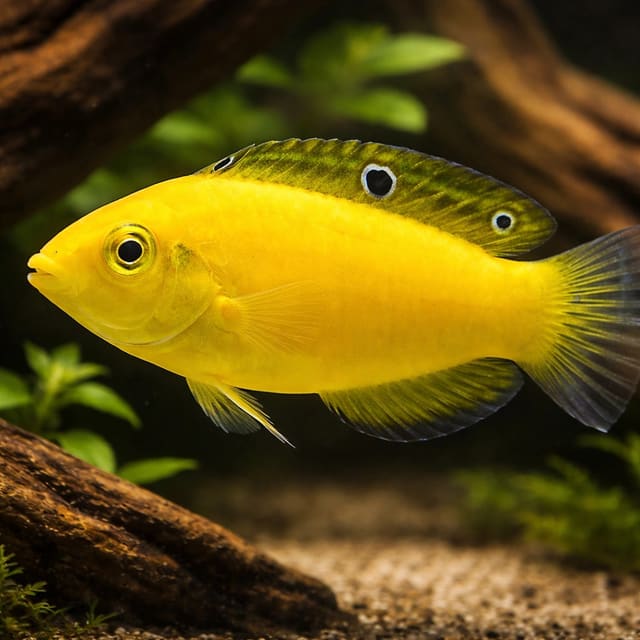
Canary Wrasse (Halichoeres chrysus)
24–26°C · pH 7.9–8.3
£55.99
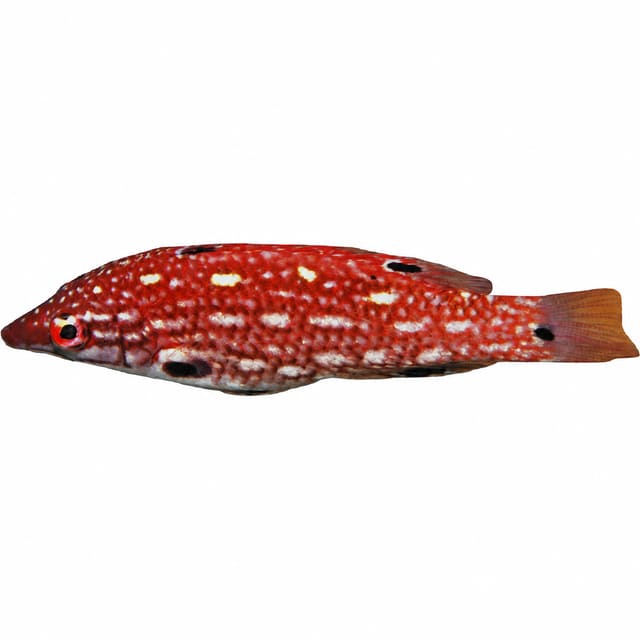
Tail-Spot Wrasse (Halichoeres melanurus) is an active Indo-Pacific reef wrasse that reaches about 14 cm, supplied as one live fish. It suits a mature marine aquarium of at least 150 litres with rockwork, a sand bed and small frozen meaty foods, and small invertebrates in the tank may be treated as food.
Adult size is the maximum length this species reaches at full maturity (scientific sources). The livestock you receive will be younger and smaller. Product-photo provenance and any image-specific limitations are stated on the listing.
Halichoeres melanurus
Tail-Spot Wrasse (Halichoeres melanurus) is an active Indo-Pacific reef wrasse that reaches about 14 cm, supplied as one live fish. It suits a mature marine aquarium of at least 150 litres with rockwork, a sand bed and small frozen meaty foods, and small invertebrates in the tank may be treated as food.
Adult size is the maximum length this species reaches at full maturity (scientific sources). The livestock you receive will be younger and smaller. Product-photo provenance and any image-specific limitations are stated on the listing.
Maintain these water conditions for optimal health and vibrant colors
The tail-spot wrasse (Halichoeres melanurus) is a small, busy reef wrasse from the Indo-Pacific, recorded at up to 14 cm total length. Each purchase supplies one live fish. It belongs in a mature, stable marine aquarium: OATA's wrasse care sheet recommends at least 150 litres for one individual of the smaller species, and more again once other fish share the water. Its wild diet is made up of small invertebrates, so decide how you feel about shrimp, crabs and fan worms in the same tank before you order.
| Suits | Keepers with an established marine aquarium whose ammonia and nitrite already read zero |
|---|---|
| Adult size | Up to 14 cm total length (FishBase maximum; Wikipedia gives 12 cm) |
| Aquarium | At least 150 litres for one fish, larger once it has tank mates |
| Water | Salinity 1.020–1.025, 24–26 °C, pH 7.9–8.3, 8–12 °dKH (OATA wrasse guidance) |
| Diet | Small frozen meaty foods such as copepods and finely chopped mysis or krill |
| Invertebrates | Small shrimp, crabs and fan worms are possible food |
| Supplied as | One live fish per purchase |
One purchase is one tail-spot wrasse. The listing has a single option and gives no dispatch length, so plan the aquarium around the adult fish rather than the fish that comes out of the bag. Total length is measured from the tip of the snout to the end of the tail, and 14 cm is the largest figure recorded for the species.
Sex is guaranteed only when the selected option explicitly states male or female. This Tail-spot wrasse listing has no sex-guaranteed option. Colour and pattern differ between individuals too, and OATA points out that some wrasses change colour as they mature, so ask us if you want to know how a particular fish is likely to look as it grows.
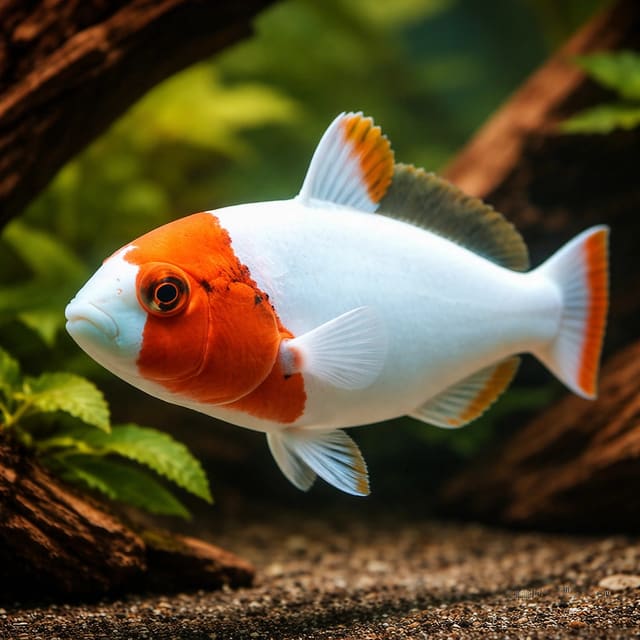
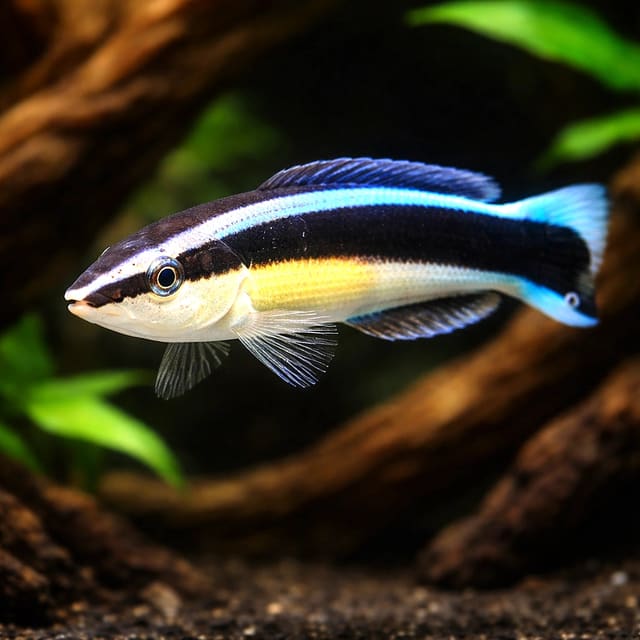
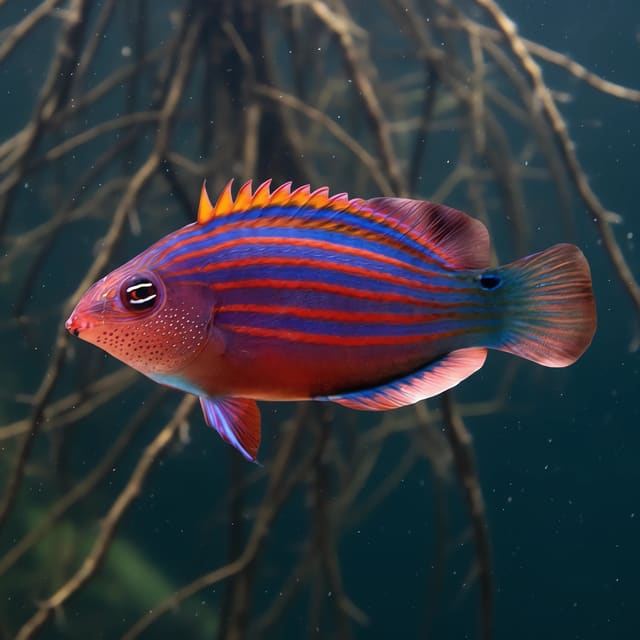
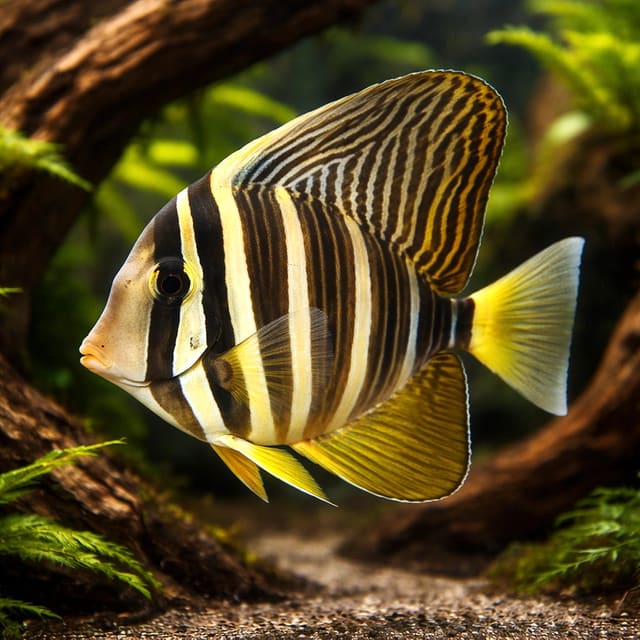
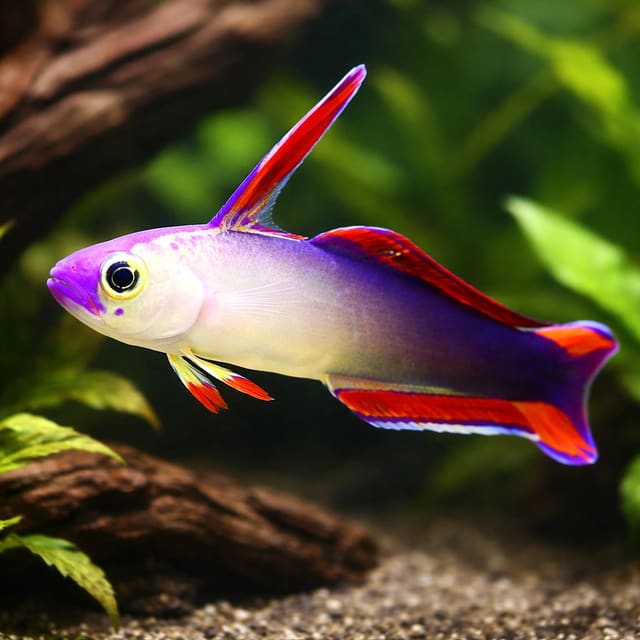
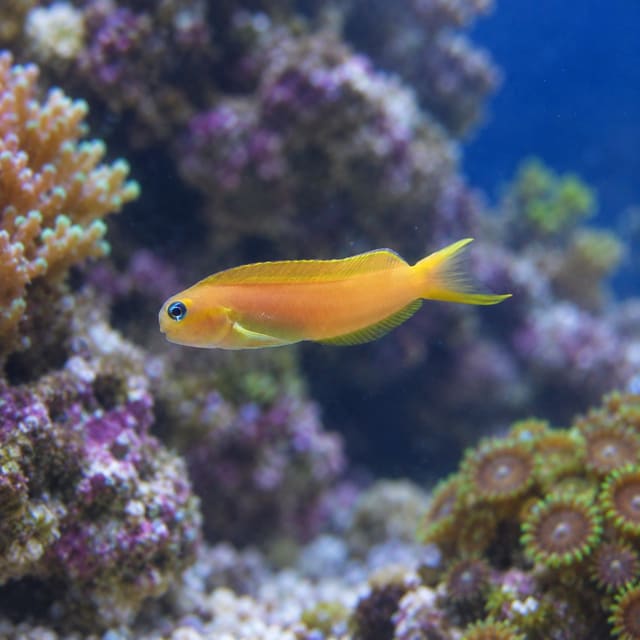
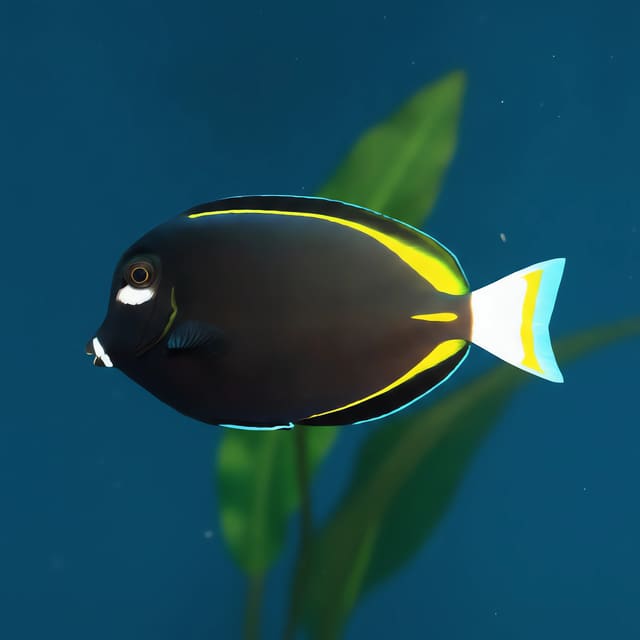
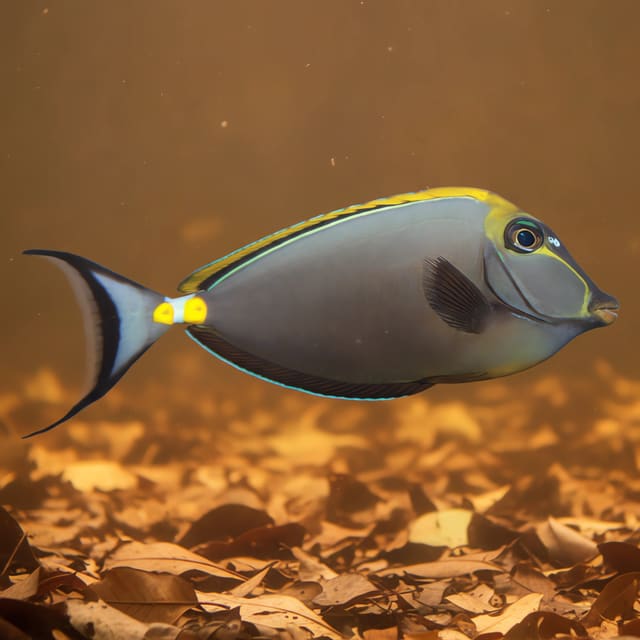
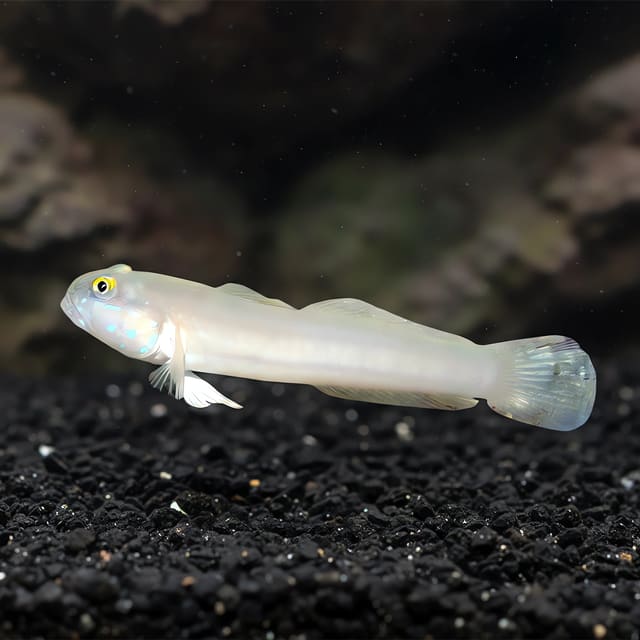
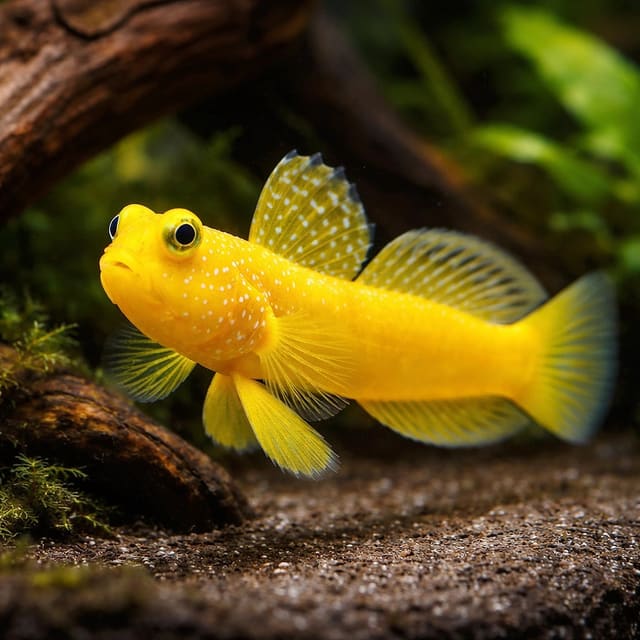
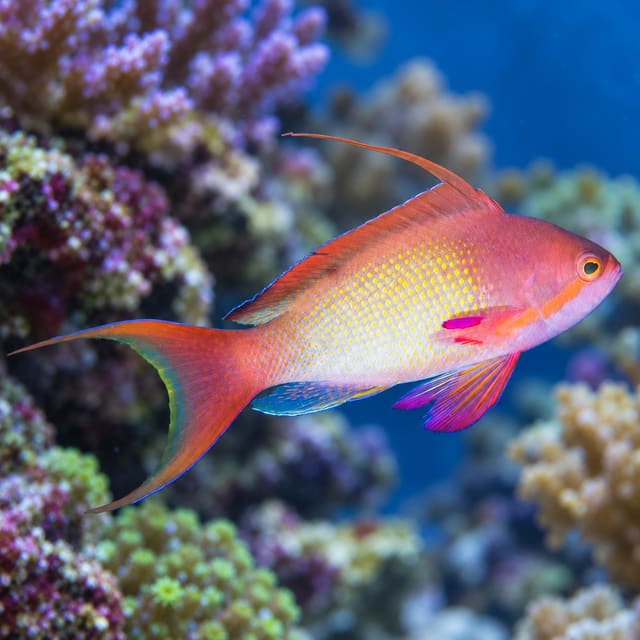
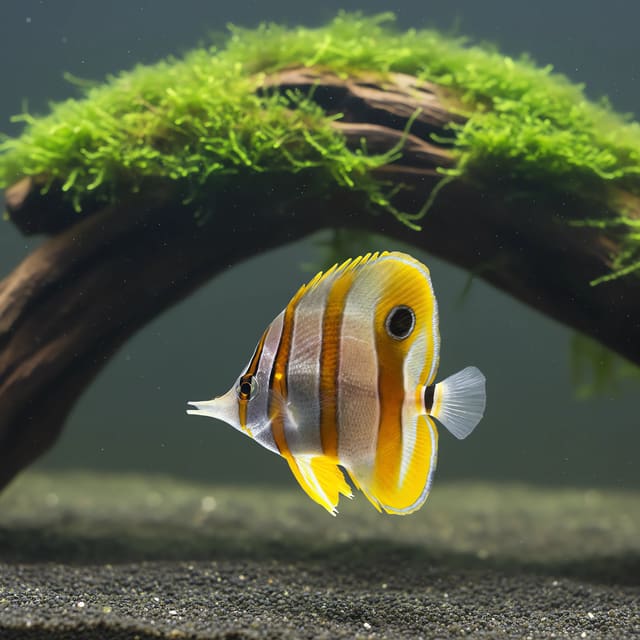
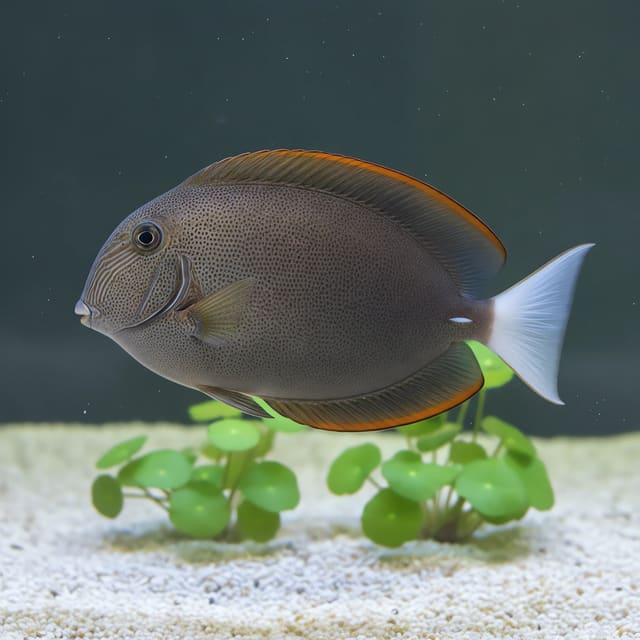
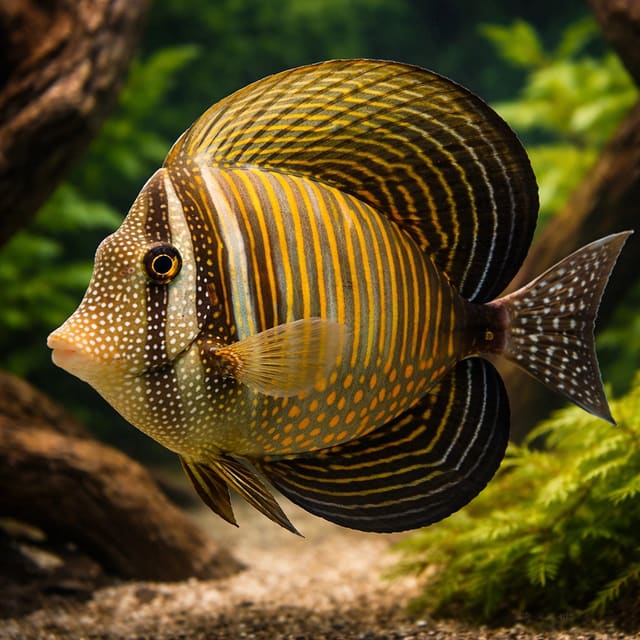
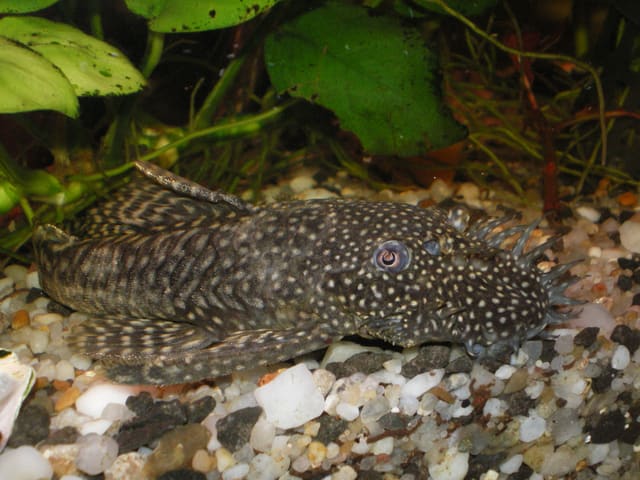
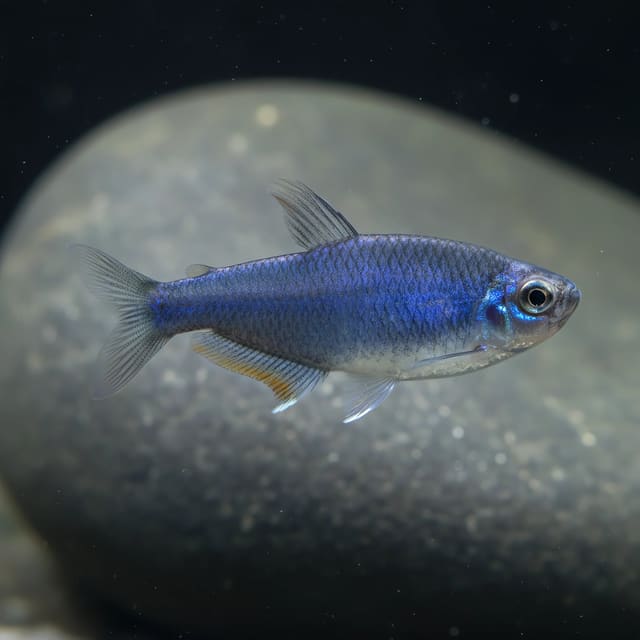
Most people fall for the colour first. The fish pictured here carry fine orange lines across a green head, violet and blue tones along the flanks and a blue tail marked with darker bands. Gallery images have been digitally enhanced to improve image quality. Natural colour, pattern, size and maturity can vary between live animals. Several of the photographs place the fish among green plants and driftwood; the tail-spot wrasse is a marine reef fish and needs a saltwater aquarium with rock and sand.
Movement is the other attraction. Wrasses are usually very active swimmers, and a settled tail-spot wrasse spends much of the day travelling over rock and sand, inspecting surfaces and picking at small prey. That habit matches its wild diet, which FishBase records as small invertebrates such as polychaete worms, copepods, isopods and forams. Wikipedia notes that the species is popular for display in public aquaria and is found in the aquarium trade.
Once the fish has settled, care follows a steady routine: small frozen meaty foods in portions it clears within a few minutes, a partial water change of 25% at least once every week, and regular tests for ammonia, nitrite, nitrate and pH. If it vanishes at lights-out, look to the sand bed before you worry.
The decision that needs real thought is invertebrates. If your plans centre on small shrimp, crabs or fan worms, weigh that risk carefully or choose a different fish. In a fish-only aquarium with live rock, it is far easier to place.
FishBase places Halichoeres melanurus in the tropical Indo-Pacific, from Bali in Indonesia and Western Australia east to Micronesia and Samoa, north to Japan and south to Australia. Wikipedia describes the same western Pacific spread in slightly different terms, from Japan to Samoa and Tonga and south to the Great Barrier Reef. Both describe a reef-associated fish of shallow water, living on coral reefs and rocky shores at depths of about 1 to 15 m.
In the wild it is seen alone or in small groups on sheltered reefs. Its prey, according to FishBase, is small invertebrates: polychaete worms, copepods, isopods and forams (foraminiferans, tiny shelled single-celled organisms that live on reef surfaces and in sediment). The species is assessed as Least Concern on the IUCN Red List.
Wrasses, family Labridae, are a hugely diverse group found on coral reefs all over the world. OATA's care sheet illustrates the spread: the six-line wrasse, Pseudocheilinus hexataenia, grows to approximately 8 cm, while the clown coris, Coris aygula, reaches around a metre. Some have specialised habits, such as the cleaner wrasse, Labroides dimidiatus, which is often seen in the wild eating parasites off larger fish.
The tail-spot wrasse belongs to the genus Halichoeres, which also includes the yellow wrasse, Halichoeres chrysus. That variety is why general wrasse advice always needs checking against the species in front of you: size, temperament and diet change from one wrasse to the next, so read any family guidance alongside this fish's 14 cm size and invertebrate diet.
The best set-up for a tail-spot wrasse is simply a well-run marine aquarium with space to swim, rock to explore and sand to dig into. Start with volume, then filtration, then the layout.
The OATA wrasse care sheet advises buying an aquarium as large as possible, within reason. It recommends at least 150 litres for an individual of the smaller species and a larger aquarium for species that grow over 15 cm. At a recorded maximum of 14 cm, the tail-spot wrasse falls in the smaller group, so 150 litres is the floor for one fish rather than a comfortable target for a community. OATA also notes that aquariums need to be larger again if you want to keep wrasses with other species, and that a larger volume gives more stable temperature and water quality.
Because wrasses usually swim actively for much of the day, give it clear swimming lanes along the length of the tank rather than filling every gap with rock.
OATA's temperature guide for wrasses is 24–26 °C. Most UK rooms are cooler than that for much of the year, so the aquarium needs a reliable heater and a thermometer you check every day. Salinity needs the same attention: water evaporates but salt does not, so top up evaporation with fresh water rather than salt water, and check the salinity regularly so it stays within 1.020–1.025.
A filter is essential. For a marine set-up, OATA lists live rock with sufficient water flow, an internal or external filter, or a sump-based filter as the options, and adds that a protein skimmer helps by removing dissolved organic waste before it can break down. The RSPCA explains why this matters: fish release ammonia, which is toxic, and a working biological filter grows beneficial bacteria that convert ammonia to nitrite, also toxic, and then to the safer nitrate. No fish should live in an aquarium without a well set-up and maintained filter.
Some wrasses bury themselves under the sand bed to sleep or when they feel threatened. Give this fish a soft sand bed across part of the floor so it has somewhere to go, and keep rockwork stable so that burrowing cannot undermine it. Live rock does double duty here: it filters the water and it carries the small organisms a foraging wrasse likes to hunt.
Decide this before you buy. OATA notes that when wrasses are kept in a reef aquarium, some water parameters will need to be altered to suit more sensitive species, and that some wrasses eat invertebrates such as shrimp, crabs and fan worms or nibble at corals. A fish-only system with live rock keeps life simpler. A reef system is possible, but it needs you to accept the invertebrate risk described in the compatibility section.
Only add the wrasse once the aquarium is mature and ammonia and nitrite read zero. OATA warns that stocking too many fish, or stocking too quickly, can cause new tank syndrome, where there are not enough nitrifying bacteria to deal with the extra waste. Build the fish population slowly, because the bacteria need time to catch up each time fish are added and feeding increases.
OATA describes wrasses as usually undemanding of water chemistry and gives the values below as a general guide for the whole group. Use them as the working range for this fish, and check the needs of any corals or invertebrates you keep alongside it, because a reef aquarium may need some values adjusted for more sensitive species.
| Salinity | 1.020–1.025 (a specific-gravity reading) |
|---|---|
| Temperature | 24–26 °C |
| pH | 7.9–8.3 |
| Ammonia | Zero |
| Nitrite | Zero |
| Nitrate | Not above 50 mg per litre |
| Carbonate hardness | 8–12 °dKH |
| Calcium | 380–450 ppm |
| Magnesium | 1250–1350 ppm |
Steady readings matter more than hitting the middle of every range. A tank that sits at 25 °C every day is kinder than one that swings between the limits.
OATA strongly recommends a partial water change of 25% at least once every week, with a siphon to lift solid waste from the substrate. Mix the replacement salt water so that it matches the aquarium's salinity and temperature before it goes in.
Nitrate is the end product of the biological filter, the safer compound that ammonia and nitrite are turned into. It is far less harmful, but it still builds up between water changes, and OATA's guide is to keep it no higher than 50 mg per litre. Regular partial water changes are the simplest way to hold it there, together with sensible feeding and a skimmer that removes organic waste before it breaks down.
OATA singles out good husbandry as essential for this group, because wrasses can be stressed by even the smallest amounts of ammonia and nitrite, and stress can then lead to disease. In practice that means feeding with care, keeping the skimmer and filter clean, and never skipping the weekly change because the water still looks clear. Clear water can still carry ammonia or nitrite, which only a test will show.
In the wild the tail-spot wrasse hunts small invertebrates: FishBase lists polychaete worms, copepods, isopods and forams. Feeding it well at home means copying that pattern with small, meaty foods offered in modest amounts.
OATA advises that most wrasses need frozen meaty foods sized for the species being fed. Larger wrasses take krill, mysis shrimp or enriched brine shrimp, while smaller species need frozen copepods or finely chopped krill or mysis. A fish that reaches 14 cm and eats tiny prey in the wild belongs at the small end, so start with frozen copepods and finely chopped mysis or krill, and increase the piece size only as the fish shows it can manage it.
Many wrasses also take prepared diets, provided granules or flakes are small enough. Offer them alongside frozen food rather than instead of it, and keep the frozen foods in the routine even once the fish takes dry food readily.
OATA uses the peacock wrasse as an example of a species that grazes on the live food that naturally lives in an aquarium, which is why such fish should only go into a mature aquarium where that prey population is topped up regularly, or be offered frozen copepods instead. The tail-spot wrasse's wild diet includes copepods, so a mature system with plenty of live rock gives it useful extra foraging between meals.
A newly arrived wrasse may not feed confidently straight away, especially if it spends time buried in the sand. Offer a small portion of frozen copepods or finely chopped mysis near where it forages, remove whatever it ignores, and try again at the next feed rather than adding more food to the tank.
Feed only what the fish can eat within a few minutes, then remove anything left over, because uneaten food breaks down and adds to the waste the filter must handle. Watch its body condition over the first weeks: a steady, rounded outline and a keen response at feeding time are good signs, while weight loss or a falling appetite are reasons to test the water and review the diet.
OATA notes that wrasses are sometimes added to aquariums to help consume pests such as bristleworms or flatworms. With polychaete worms in its natural diet, this species' foraging fits that pattern, but no single fish can be relied on to clear an infestation, and it still needs a proper diet of its own.
Your wrasse is hand-bagged in pure oxygen and packed in an insulated poly box, with a heat pack when the weather calls for it. A tracked, licensed live-animal courier carries the parcel, and we email the tracking number and your confirmed delivery date so you know when to be in. The full terms are on our delivery and Live Arrival Guarantee page.
Prepare the aquarium before you order rather than on the day. Check that the heater, filter and skimmer are running, that ammonia and nitrite read zero, that the temperature sits within 24–26 °C and that salinity is within 1.020–1.025. Clear a space beside the tank, have a clean net ready for moving the fish out of the bag, and plan to be in on the delivery date we confirm by email.
The guarantee requires someone at the delivery address to receive the parcel, the parcel to be opened and inspected on the day it arrives, and the continuous unboxing video from the sealed parcel onwards. Having the aquarium tested and ready before the courier arrives makes the whole day calmer.
A new arrival that disappears soon after release may simply be buried in the sand bed, so do not start moving rock to find it. Keep feeding light and let it come out in its own time.
Keep an eye on breathing, colour and appetite through the first week, using the health notes that follow as your checklist, and add any further fish slowly so that the filter bacteria can keep pace with the extra waste.
The routine that carries a tail-spot wrasse through its first weeks is the same one that keeps it well in the long term: stable water, clean filtration, small meaty foods and calm, gradual changes.
OATA describes a healthy fish as having clear, bright eyes, undamaged fins, intact scales, no ulcerations or bumps and normal swimming behaviour. Learn how your wrasse looks and moves when all is well, because that is the baseline against which any change stands out.
Some wrasses change colour as they mature, so a slow shift in pattern as a young fish grows is not in itself a worry. A sudden darkening or paling alongside hiding, faster breathing or a poor appetite is a different signal: test the water and watch how its tank mates are behaving.
Test the water first for ammonia, nitrite, nitrate and pH, because water quality is the quickest thing to check and to put right. If a reading is out of range, carry out a partial water change and check the filter and skimmer before changing anything else. Then contact us with what you have seen and your test results, and we can talk through the next step with you.
Keep the weekly water change even when the water looks clear, keep a simple log of test results, add new fish slowly so the filter can keep up, and avoid overfeeding. Feeding time doubles as a daily health check: a tail-spot wrasse that comes out keenly for food is usually a settled one.
Wrasses vary so much in size and temperament that OATA advises checking the species before mixing it with anything. For this fish, two facts shape every decision: it reaches about 14 cm, and it hunts small invertebrates.
OATA's examples show the range within the family. The yellow wrasse, Halichoeres chrysus, stays small and is relatively docile, so it can be mixed with more timid fish such as cardinalfish or dartfish. At the other end, the dragon wrasse grows large, can be aggressive, and should be kept with boisterous species such as pufferfish or triggerfish. The tail-spot wrasse is much closer in size to the yellow wrasse, but temperament still differs between species and between individuals, so watch the first weeks with any timid companion for chasing or fin damage.
Keep the balance in mind the other way too. Boisterous fish that suit a large, aggressive wrasse are a poor match for a 14 cm forager. FishBase lists only small invertebrates as its prey, not other fish, but a busy, active wrasse still needs companions that will not bully it and a tank large enough for everyone.
This is the real compatibility question. OATA warns that some wrasses eat invertebrates such as shrimp, crabs and fan worms, or nibble at corals, and advises asking whether a wrasse is reef safe before adding it to an aquarium with these animals. The tail-spot wrasse's wild diet is small invertebrates, including polychaete worms (the group that includes fan worms and bristleworms), copepods and isopods, which are tiny crustaceans. Treat small shrimp, small crabs and fan worms as possible food rather than guaranteed-safe companions, and watch corals closely after the fish is added.
Because wrasses differ so widely, never assume two species will mix just because they share a family. Check each species' adult size and temperament, and remember that OATA's space guidance grows once more than one fish shares the water.
Watch the whole tank, not just the new fish, for the first few weeks. Warning signs include one fish being chased again and again, a fish hiding far more than usual, torn or ragged fins, rapid breathing, or a fish that stops coming out to feed. OATA lists changes in aggression, hiding and feeding among the early signs of a problem, so act on them and separate a fish that is persistently harassed rather than waiting for injuries.
When you browse our marine fish collection for companions, check each fish's adult size, temperament and diet against the points above rather than assuming any two reef fish will get along. Add fish gradually, and give the aquarium time to adjust to each new arrival.
FishBase records a maximum of 14 cm total length, and Wikipedia gives 12 cm. Plan the aquarium around 14 cm rather than the size of the fish when it arrives.
OATA's wrasse guidance recommends at least 150 litres for one individual of the smaller species, which covers a wrasse of this size, and a larger aquarium once other fish share it. A bigger volume also keeps temperature and water quality steadier.
Plan for one. Wild fish are seen alone or in small groups on sheltered reefs, but that is a wild observation rather than an aquarium stocking level, and each extra wrasse needs more space. If you want several wrasses, choose a much larger aquarium and check each species before mixing.
It suits a keeper whose marine aquarium is already mature and stable rather than a brand-new set-up. OATA notes that wrasses can be stressed by even the smallest amounts of ammonia and nitrite, so the filter must be fully matured and the water tested regularly. Zero ammonia and nitrite before it arrives, and the patience to add fish slowly, matter more than how long you have kept fish.
In the wild Halichoeres melanurus hunts small invertebrates such as polychaete worms, copepods and isopods. At home, offer small frozen meaty foods such as copepods and finely chopped mysis or krill, add size-appropriate granules if it takes them, and give only what it eats within a few minutes. A mature aquarium with live rock also gives it small natural prey to hunt between meals.
OATA's broad guidance for wrasses is 24–26 °C, pH 7.9–8.3, salinity 1.020–1.025 and carbonate hardness of 8–12 °dKH, with zero ammonia and nitrite. These are group values for wrasses in general, so keep the readings stable within them.
Wrasses vary widely in temperament. This is a small species whose recorded wild prey is invertebrates rather than fish, but individuals differ, so watch closely for chasing or fin damage during the first weeks with new companions, and separate fish if one is persistently harassed.
OATA's examples help: the small, relatively docile yellow wrasse can be mixed with timid fish such as cardinalfish or dartfish, while large, aggressive wrasses need boisterous companions such as pufferfish or triggerfish. A tail-spot wrasse sits near the small end. Treat small shrimp, crabs and fan worms as possible food, and watch corals, because some wrasses eat invertebrates or nibble at corals.
It is hand-bagged in pure oxygen, packed in an insulated poly box with a heat pack when the weather calls for it, and carried by a tracked, licensed live-animal courier. Be in to receive it, film one continuous unboxing video from the sealed parcel through to the fish in its bag, then float the bag for 20–30 minutes before releasing the fish. The Live Arrival Guarantee needs that video, the parcel opened the same day and a same-day message with your order number.
No reviews for this item yet. Bought one? Honest reviews only, good or bad.
What customers say about ordering from us
Easy website plenty of info on fish your buying great to pick a time slot
TRACEY DURRANT · 7 Oct 2026
Got some lovely fish thank you
Kevin Mackie · 7 Oct 2026
Reviews of our shop, collected by Judge.me, an independent third-party review collector. Newest first.
Moved by UK carriers licensed to handle live animals
Hand-packed with oxygen bags, poly box, heat pack
Email photos the same day; an optional unboxing video helps us review problems faster — claim terms apply
Klarna & PayPal Pay in 3 at checkout