Advanced
Bluestreak cleaner wrasse (Labroides dimidiatus) - Marine Aquarium Livestock UK
24–26°C · pH 7.9–8.3
£45.99
The Bicolour parrotfish (Bolbometopon bicolor) is a Red Sea endemic marine algae grazer recorded at up to 50 cm standard length. One purchase supplies one animal. Plan a mature, well-filtered marine aquarium around its adult size and a routine temperature of 24–26°C.
Adult size is the maximum length this species reaches at full maturity (scientific sources). The livestock you receive will be younger and smaller. Product-photo provenance and any image-specific limitations are stated on the listing.
Bolbometopon bicolor
Save when buying multiple fish. Each quantity is one fish; sex and pair formation are not guaranteed unless the selected variant explicitly states them.
The Bicolour parrotfish (Bolbometopon bicolor) is a Red Sea endemic marine algae grazer recorded at up to 50 cm standard length. One purchase supplies one animal. Plan a mature, well-filtered marine aquarium around its adult size and a routine temperature of 24–26°C.
Adult size is the maximum length this species reaches at full maturity (scientific sources). The livestock you receive will be younger and smaller. Product-photo provenance and any image-specific limitations are stated on the listing.
Maintain these water conditions for optimal health and vibrant colors
The Bicolour parrotfish is a marine, reef-associated member of the Scaridae family. FishBase records it from depths of 1–30 metres and describes the wild fish as a benthic grazer of algae. FishBase now lists it as Cetoscarus bicolor.
Its distribution is unusually focused. A natural-history summary for the species identifies it as endemic to the Red Sea rather than broadly distributed across the whole Indo-Pacific. That identity matters when planning care: this is a tropical marine fish whose aquarium must be prepared around a large adult, stable saltwater conditions and access to algae-based feeding.
“Benthic grazer” means that it feeds from surfaces around the bottom and structure of its habitat rather than taking all of its food from open water. Build the feeding plan around algae that can be presented for grazing, then watch whether the fish actively feeds and maintains its body condition. Its wild feeding mode does not by itself settle whether a particular coral, rock arrangement or mobile invertebrate will be compatible.
The recorded depth and tropical range describe the wild environment; they are not aquarium dimensions or stocking limits. For home care, use the operating targets and maintenance decisions below. The defining planning fact is the recorded adult length: this is not a small parrotfish that can be matched to a standard community marine aquarium.
FishBase records a maximum of 50 cm standard length for male or unsexed fish. Use 50 cm as the firm planning reference rather than treating it as the total space occupied by a swimming fish. Aquarium dimensions must allow an adult to turn, move past the aquascape and reach feeding areas without being channelled through narrow gaps.
OATA’s wrasse guidance is broad group advice rather than a parrotfish volume rule. It recommends at least 150 litres only for an individual of the smaller species and explicitly says species over 15 cm need a larger aquarium. At a recorded 50 cm, this fish is far beyond that smaller-species benchmark. Do not use 150 litres as its minimum.
Aquarium volume still matters because larger water volumes generally change more slowly, but litres alone can hide unsuitable proportions. A tall, narrow system and a long, deep system may hold similar volumes while offering very different turning room. Start with the 50 cm adult reference, test the usable dimensions, then assess filtration and the needs of every intended resident.
One purchase supplies one animal. Keep the 50 cm standard-length maximum central to the aquarium plan rather than treating the animal’s size on arrival as a limit on future growth.
Sex is guaranteed only when the selected option explicitly states male or female. This Bicolour parrotfish listing has no sex-guaranteed option.
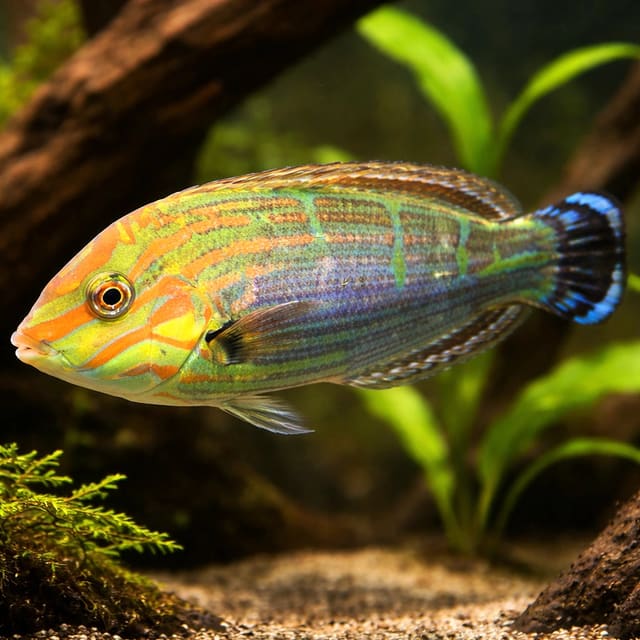
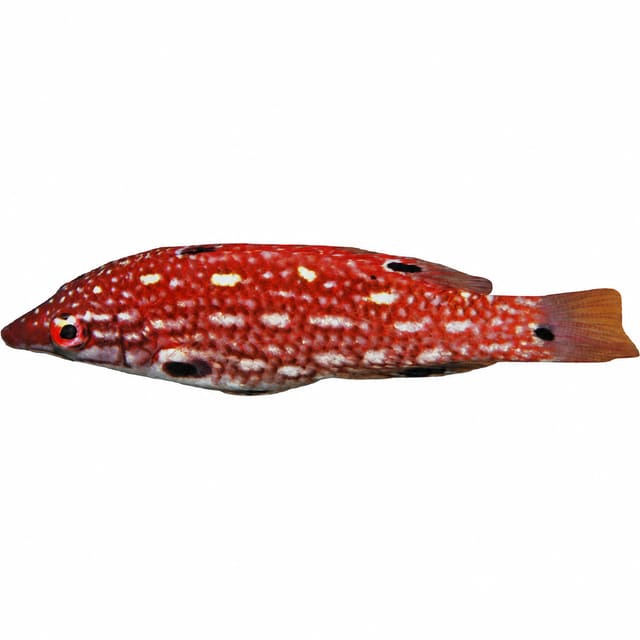
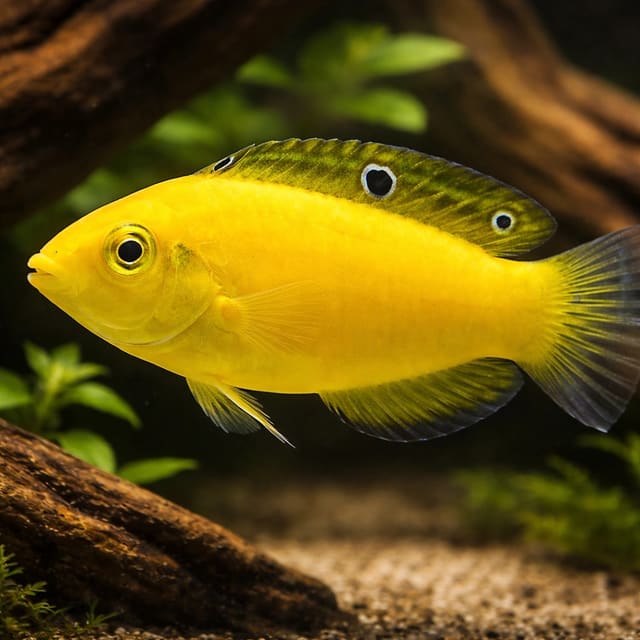
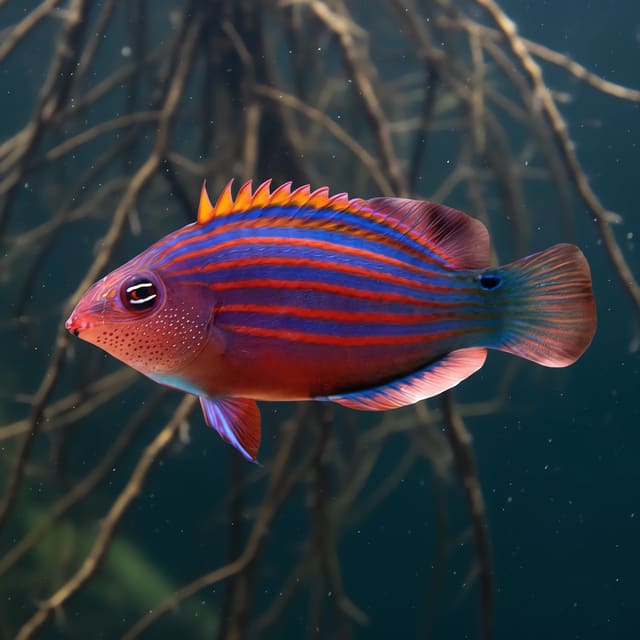
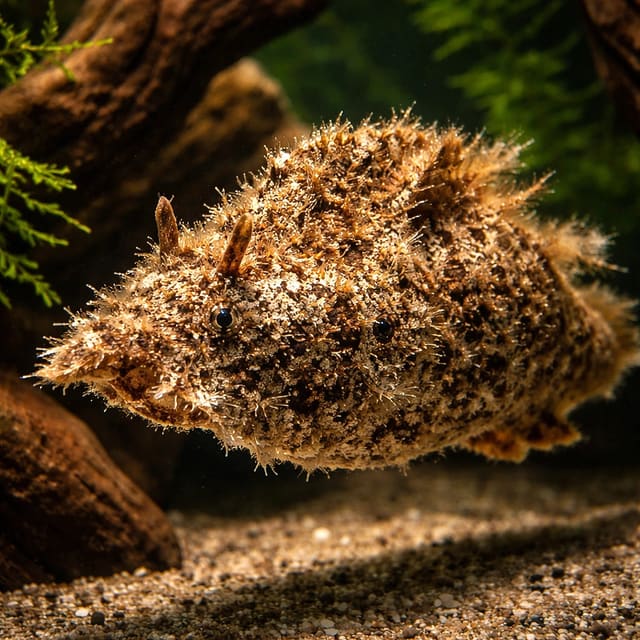
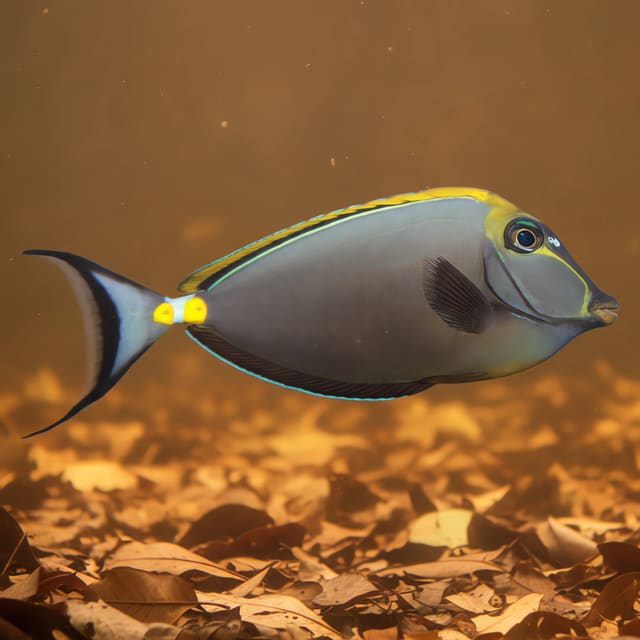
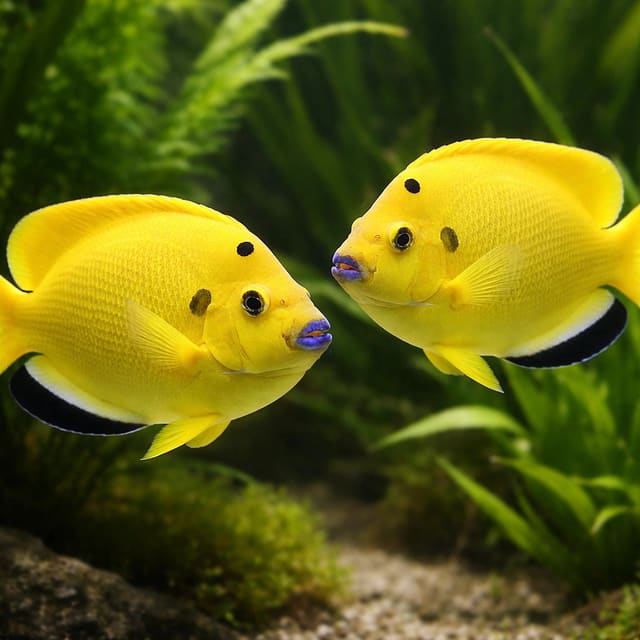
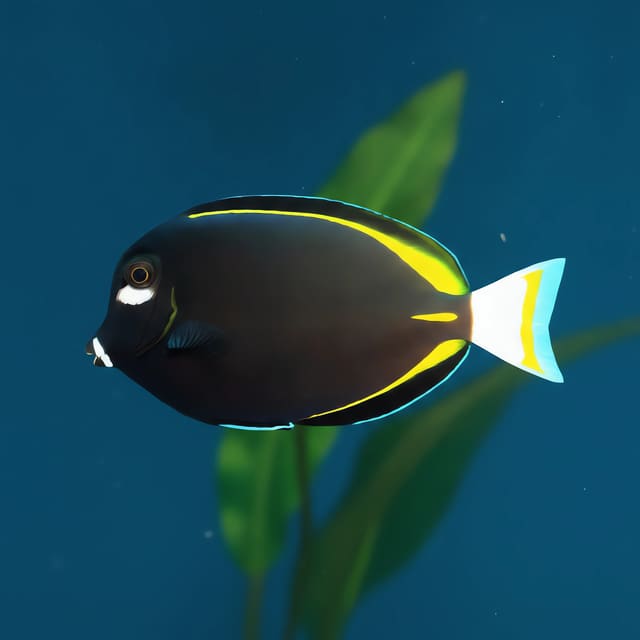
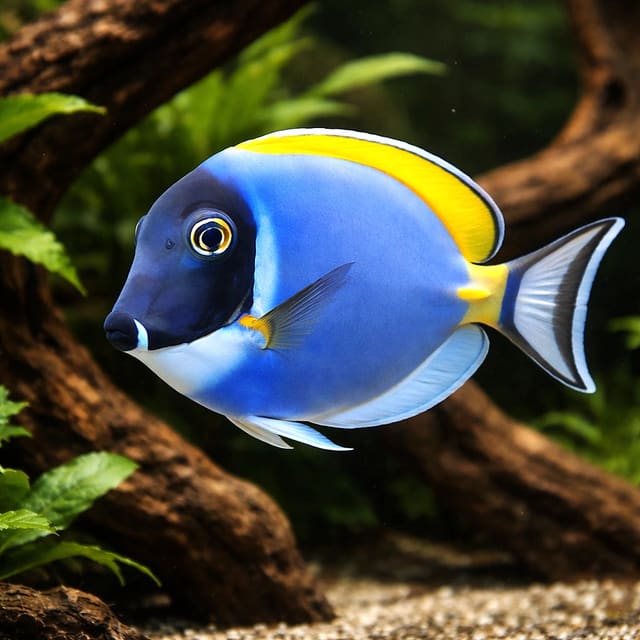
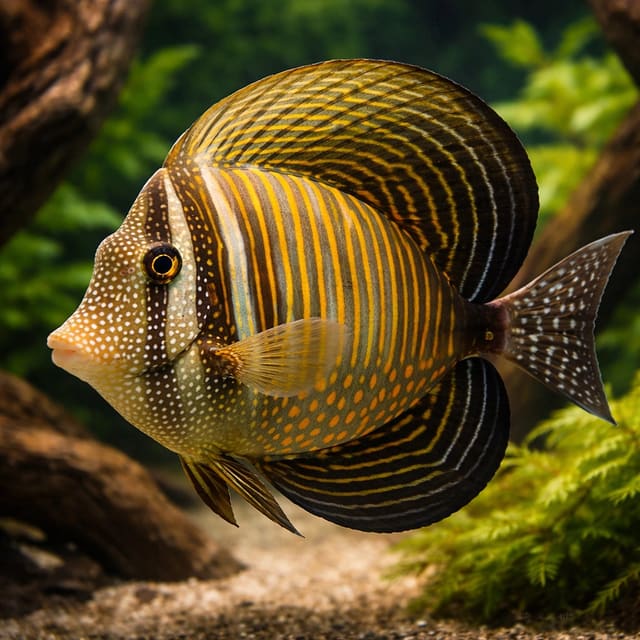
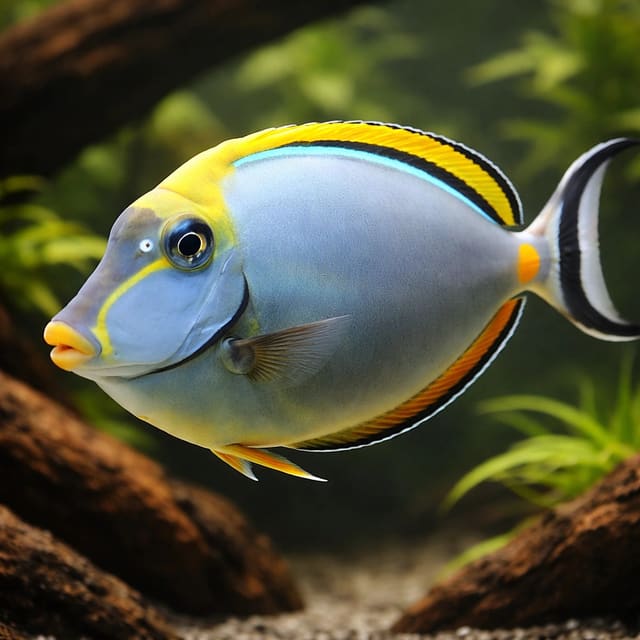
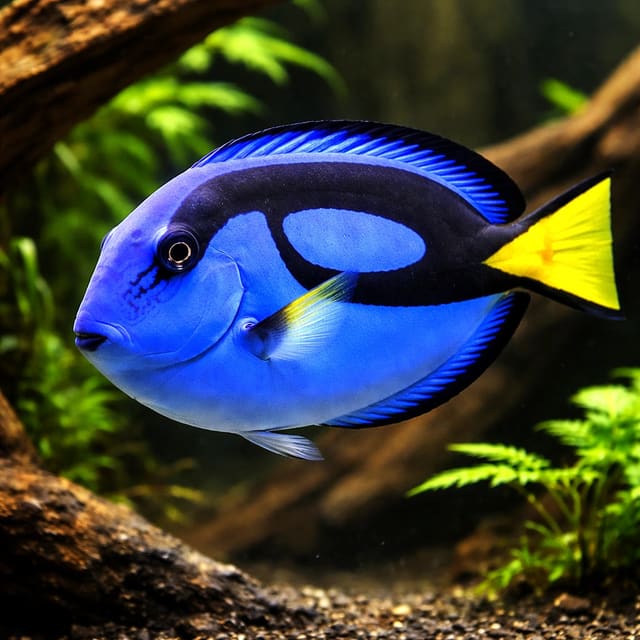
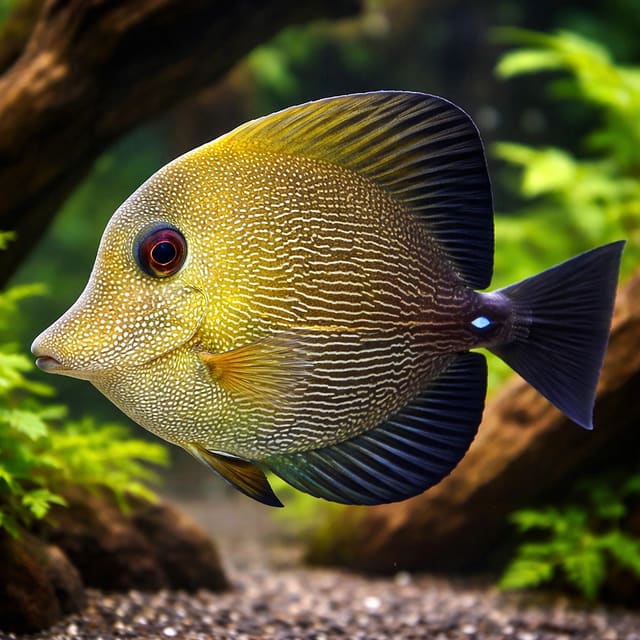
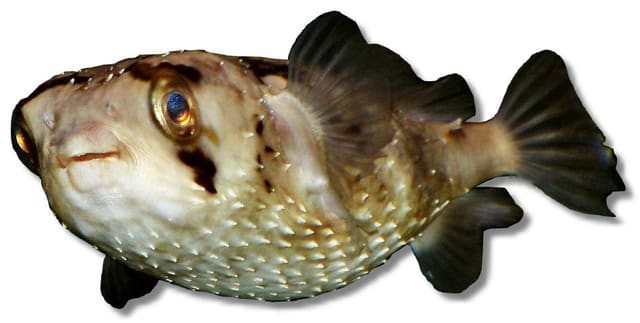
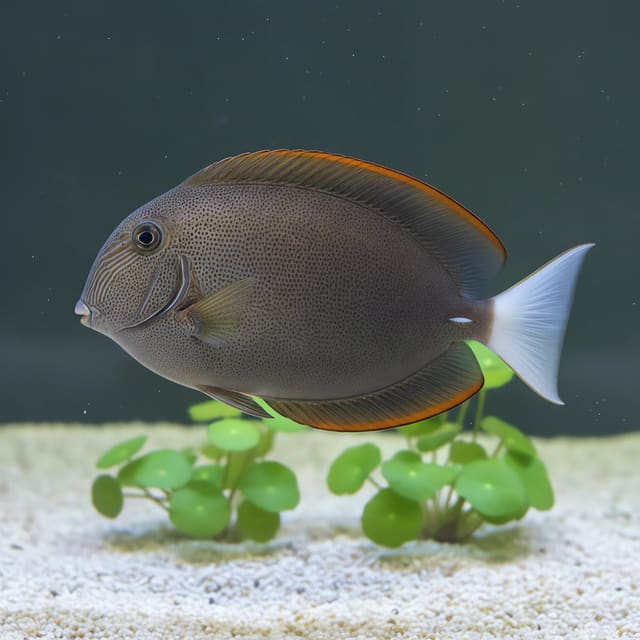
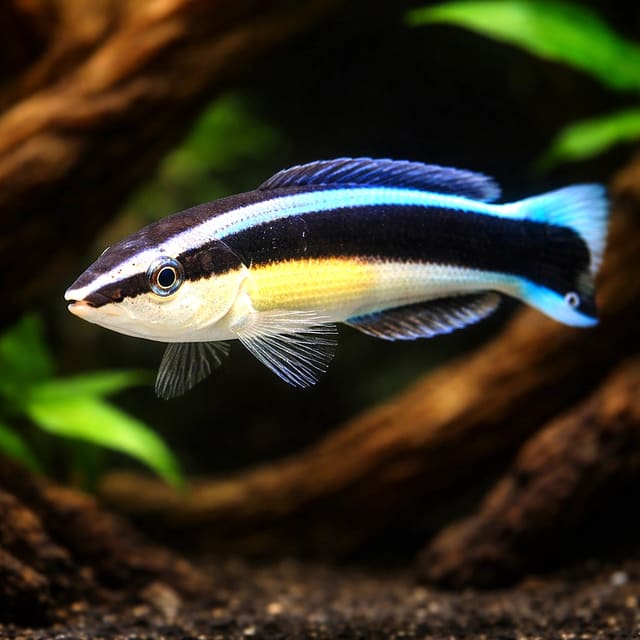
Some gallery images have been digitally enhanced to improve image quality. They show the listed type of animal rather than guaranteeing the exact markings of the individual supplied, so natural colour and pattern can vary.
Choose it only after the adult-space calculation, biological filtration and compatibility screening have been completed. The routine water target used here is 24–26°C, within FishBase’s recorded wild temperature range of 24–28°C. Ammonia and nitrite must remain at zero, and the aquarium should be mature before another fish is added to its biological load.
The fish suits a deliberately planned marine system centred on a large algae grazer. It should not be selected merely from its size on arrival or gallery appearance. If the adult calculation points to a smaller marine animal, browse the current marine fish collection and compare adult sizes, feeding biology and compatibility requirements before choosing.
| Suits | Not suited to |
|---|---|
| Stable aquarium water maintained at 24–26°C and pH 7.9–8.3 | Water outside 24–26°C and pH 7.9–8.3 |
| A species-focused aquarium planned around the complete care requirements | Multiple bicolour parrotfish unless adult space and interactions are assessed |
For routine aquarium management, use 24–26°C. FishBase records 24–28°C for the species in the wild, while OATA’s broad wrasse guidance narrows the aquarium operating range to 24–26°C. The narrower target stays inside the species-level environmental range rather than widening it.
| Measure | Operating target |
|---|---|
| Temperature | 24–26°C |
| Salinity | 1.020–1.025 |
| pH | 7.9–8.3 |
| Carbonate hardness | 8–12°dKH |
| Calcium | 380–450 ppm |
| Magnesium | 1,250–1,350 ppm |
| Ammonia | Zero mg per litre |
| Nitrite | Zero mg per litre |
| Nitrate | Not to exceed 50 mg per litre |
Test before introduction so the decision is based on measured water rather than the appearance of a clear aquarium. Temperature within 24–26°C is only one checkpoint: a system with detectable ammonia or nitrite is not ready for another fish. Check salinity and pH alongside the nitrogen compounds because all of these values form the operating environment.
Use repeated readings to distinguish a stable result from a brief snapshot. For example, a single zero-ammonia reading does not cancel a later detectable result after feeding or maintenance. Record the value, time and any recent change, then retest while correcting the cause. This creates a practical baseline for judging whether the aquarium remains steady as the fish settles and its feeding load becomes part of the system.
Reef aquariums may need different limits for more sensitive residents. In that case, compare every intended value with the requirements of those residents and use an overlap that remains within 24–28°C for this fish.
Begin the layout with the recorded 50 cm standard length drawn to scale. Add room beyond that line for the tail, turning movement and clearance from rockwork. This simple exercise prevents a large total volume from disguising a front-to-back dimension that is too tight for an adult.
Securely arranged structure should leave open routes rather than a dense wall. The aim is not a bare display or a prescribed aquascape style; it is a layout that accommodates the adult reference while allowing maintenance access. If a siphon cannot reach an area where waste accumulates, redesign that area before the fish is introduced.
Apply the same discipline to equipment placement. A pump guard, intake, heater or return can reduce the clear space even when it occupies little nominal volume. View the aquarium from above as well as from the front, because turning room depends heavily on depth.
Test the proposed routes during routine maintenance rather than judging them only when the aquascape is new. If equipment cleaning requires blocking the main passage, or moving one item closes access to a grazing area, adjust the layout before that conflict becomes part of daily care. Keep enough working room to reach intakes, remove accumulated waste and inspect the structure without repeatedly dismantling the fish’s movement routes.
Finally, consider the system after growth and after all planned residents are present. OATA advises increasing fish numbers slowly because beneficial bacterial populations need to grow as fish and feeding are added. Space and filtration therefore have to work for the completed plan, not just the first day.
A mature biological filter is essential. The RSPCA’s aquarium welfare guidance explains that fish release toxic ammonia. Beneficial bacteria in a working filter convert ammonia to nitrite, which is also toxic, and then to the safer nitrate. Clear water is not a substitute for testing those compounds.
Marine filtration may use live rock with sufficient water flow, an internal or external filter, or a sump-based filter. OATA also notes that a protein skimmer can help by removing dissolved organic waste before it breaks down further. Choose the arrangement by its ability to maintain zero ammonia, zero nitrite and nitrate below 50 mg per litre under the intended stocking and feeding load.
| Stage | Decision |
|---|---|
| Before introduction | Confirm the filter is mature and ammonia and nitrite are zero. |
| After adding a fish | Monitor the nitrogen compounds as the bacterial population adjusts to increased waste and feeding. |
| Before another addition | Proceed only when the system remains stable at the required values. |
Increase the population slowly. Adding several fish or sharply increasing feeding can leave the bacterial population unable to process the new waste, creating the “new tank syndrome” described by OATA. Adult size matters here: the eventual load must be considered even when the animal entering the aquarium is smaller.
Treat any detectable ammonia or nitrite after an addition as a stop signal for further stocking. Continue testing while the filter and maintenance routine bring both values back to zero. Review uneaten food, blocked intakes and recent cleaning at the same time, because each can change the load or reduce filtration performance. Resume planning only after measurements show that the system is processing its present load consistently.
Prevent blockages through regular filter checks and cleaning. When biological media needs cleaning, rinse it lightly in aquarium water removed during a partial water change rather than under the tap. Chlorine or chloramine in tap water may kill the established bacteria. Clean a protein skimmer regularly so declining performance does not quietly reduce waste removal.
FishBase describes this species as a benthic grazer of algae. Make algae the basis of the feeding plan and present it where the fish can graze naturally. Do not turn a general wrasse feeding menu into a parrotfish diet: frozen meaty foods recommended for many wrasses do not replace this species’ recorded algae-feeding biology.
A benthic grazer needs more than food drifting past in open water. Place the algae-based ration so it can be approached from stable, unobstructed areas. If another resident monopolises the feeding point, create separated access while keeping the total ration within what is eaten promptly.
Judge the portion by the fish’s response and by water testing. Food remaining after the feeding window is a reason to reduce the next portion or change how it is presented. A fish that stops grazing, loses condition or shows a marked change in interest needs a water-quality check and closer observation.
Compare feeding observations over time rather than changing the ration from one brief glance. Note whether the fish approaches the grazing point, remains there long enough to feed and leaves accessible food behind. If intake falls while another resident occupies the same area, separate access before increasing the total ration. If food remains despite clear access, reduce the portion and check water values and behaviour for another change.
Do not rely on algae already growing in the aquarium as the entire feeding plan. Its presence and consumption can vary, while the fish’s condition and the filter load still need active monitoring. Keep feeding deliberate, measurable and tied to what the fish actually consumes.
At least once every week, carry out a partial water change of 25%. Use a siphon where practical to remove solid waste from accessible substrate and low-flow collection areas. The change is a fixed routine, while test results determine whether the system needs closer attention between scheduled maintenance sessions.
Do not clean biological media under the tap. Chlorine or chloramine may damage the bacteria that process ammonia and nitrite. Avoid replacing or aggressively cleaning all established media at the same time, because the aquarium depends on that bacterial population as stocking and feeding increase.
Maintenance access should influence the aquascape from the beginning. Leave enough room to siphon waste and reach equipment without dismantling the fish’s main routes. A visually dense layout that cannot be cleaned is a poor trade for a large fish whose feeding adds to the biological load.
Use the weekly record to identify gradual changes. A nitrate result that remains below 50 mg per litre may still be moving upwards from one week to the next, while a pump or skimmer may show a slow decline before it blocks. Compare readings, removed waste and equipment condition with the previous entries. Investigate a trend early rather than waiting for a value to cross its maximum or for water movement to fail.
After any population or feeding increase, use testing to check that the filter remains ahead of the new waste load. The target remains zero ammonia, zero nitrite and nitrate below 50 mg per litre. A stable result over time is more useful than a single acceptable reading taken before the change.
Arrange for someone to receive the parcel so live fish are not left unattended. Before delivery, confirm that temperature, salinity and pH are within the intended operating ranges and that ammonia and nitrite are zero.
Follow the current delivery and Live Arrival Guarantee policy. Start filming while the parcel is still sealed, continue in one take through opening it and show the fish inside the sealed bag before anything is disturbed. Then float the bag for 20–30 minutes before releasing the fish, and never pour the bag water into the aquarium.
OATA advises increasing aquarium populations slowly because the beneficial bacteria in the filter need to adjust whenever fish and feeding are added. Do not combine this introduction with several other new fish; a measured introduction also makes it easier to distinguish a compatibility problem from a water-quality problem.
Keep the first observations factual. Note whether the fish swims appropriately, holds its balance, breathes at its usual rate and begins to investigate its surroundings. Changes in those signs belong in the health check below rather than being dismissed as an inevitable part of arrival.
Establish a normal baseline once the fish is settled. Individual fish vary, so the useful warning is a change from that individual’s usual swimming, colour, breathing, feeding, body condition or level of hiding.
| What you see | What to do first |
|---|---|
| Hanging at the surface, sitting on the bottom or erratic swimming | Test ammonia, nitrite, nitrate, pH and temperature. |
| Faster or slower gill movement | Check water quality and observe whether the change persists. |
| Darker or paler colour than usual | Review recent water, stocking and compatibility changes. |
| More hiding or altered aggression | Observe interactions and access to space and food. |
| White spots, fluffy growths, damaged fins, missing scales, bumps or ulcers | Test the water and record the visible change clearly. |
| Reduced feeding or changing body condition | Check grazing access, portion use and water values. |
Testing comes first because even small amounts of ammonia or nitrite can stress marine fish. Correcting the environmental problem is different from guessing at a disease treatment, so do not medicate from appearance alone.
If a health change persists, test the water and contact us with the readings, the timing of the change and a clear description of what the fish is doing. Continue the normal observation record while seeking guidance. Exact values and a timeline are more useful than a general statement that the fish seems unwell.
Include feeding in the daily visual check. A benthic algae grazer that loses interest in accessible food, cannot reach its feeding area or is displaced by another resident is signalling a practical problem that should be addressed before condition declines further.
Compatibility must be decided for the actual aquarium and residents rather than from a universal companion list. The first screen is physical: a fish recorded at 50 cm standard length needs turning room, clear movement routes and access to feeding surfaces after every resident reaches adult size.
OATA’s general marine compatibility advice emphasises that temperament and diet vary by species. That variability is why the names “tang”, “angelfish”, “triggerfish” or “pufferfish” cannot function as automatic approvals. Adult dimensions, individual behaviour and the completed stocking plan matter more than a broad group name.
Work through a proposed addition as a sequence rather than a yes-or-no label. First compare its adult dimensions with the remaining clear routes. Next compare water requirements with 24–26°C, salinity 1.020–1.025 and pH 7.9–8.3. Then identify where each animal will feed and whether both can reach those places without controlling the same narrow passage. Finally, include the extra feeding and waste in the filtration assessment.
Add fish slowly so the biological filter can adjust and so interactions can be observed clearly. If one resident controls a narrow route or feeding station, more nominal litres will not necessarily solve the conflict; the usable layout has to change.
For a stocking and compatibility assessment, contact us with the aquarium’s dimensions, mature filtration, current residents and intended additions. Include adult sizes and the needs of corals or mobile invertebrates rather than relying on purchase sizes.
The confirmed feeding fact is that this species is a benthic grazer of algae. That makes grazing surfaces central to its care, but it does not create a universal reef-safe label. Assess the actual corals, mobile invertebrates, rockwork and feeding arrangement before introducing the fish.
| Question | Planning rule |
|---|---|
| Will it eat its intended food? | Provide accessible algae-based feeding and observe active grazing. |
| Can it move safely? | Use the 50 cm adult reference to preserve turning room and open routes. |
| Can every resident feed? | Prevent one animal from monopolising the feeding area. |
| Can the system process the load? | Maintain zero ammonia, zero nitrite and nitrate below 50 mg per litre. |
Do not infer coral compatibility merely because algae is the recorded wild food. Equally, do not assume that every mobile invertebrate will be taken. The responsible decision is to screen each resident and watch the actual interaction after a slow introduction.
Layout is part of compatibility. Stable structure should preserve access for maintenance and leave more than one movement route. An aquarium can meet its water targets and still create conflict if a large fish and its tank mates must use the same narrow passage or single feeding point.
Use behavioural changes as an early warning. Increased hiding, altered aggression, erratic swimming or reduced food intake after a new addition calls for an immediate interaction check and water test. If the aquarium cannot preserve adult movement, feeding access and stable water for all residents, revise the stocking plan before adding the fish.
It is a marine, reef-associated member of the Scaridae family, endemic to the Red Sea and recorded as a benthic algae grazer reaching up to 50 cm standard length.
One purchase supplies one Bicolour parrotfish. Sex is not guaranteed for this offer.
FishBase records a maximum of 50 cm standard length, so plan the aquarium around that adult reference.
Plan a mature, filtered marine aquarium around a 50 cm adult; OATA’s 150-litre benchmark is for smaller species and says fish over 15 cm need larger systems.
Plan this offer per animal rather than as a prescribed group, and add another only after checking adult space, filtration, feeding access and interactions for every fish.
Use 24–26°C, salinity 1.020–1.025 and pH 7.9–8.3, with zero ammonia, zero nitrite and nitrate not exceeding 50 mg per litre.
It is a benthic algae grazer. Present algae where it can graze and offer only what it consumes within a few minutes while monitoring body condition and water quality.
Start filming before opening the sealed parcel and continue in one take through opening it and showing the fish inside the sealed bag. Then float the bag for 20–30 minutes before releasing the fish, and never pour the bag water into the aquarium.
Treat compatibility as case-specific: compare adult space, water overlap, grazing interactions, feeding access and the needs of every coral, mobile invertebrate and fish.
No reviews for this item yet. Bought one? Honest reviews only, good or bad.
What customers say about ordering from us
Easy website plenty of info on fish your buying great to pick a time slot
TRACEY DURRANT · 7 Oct 2026
Got some lovely fish thank you
Kevin Mackie · 7 Oct 2026
Reviews of our shop, collected by Judge.me, an independent third-party review collector. Newest first.