

Advanced
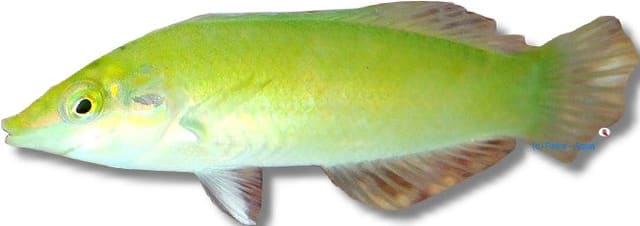
Pastel-green wrasse (Halichoeres chloropterus) - Marine Aquarium Livestock UK
£51.99
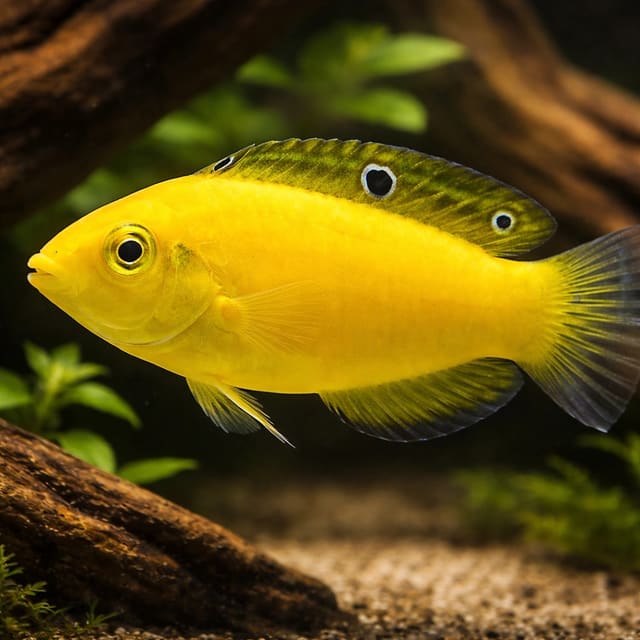
Canary wrasse (Halichoeres chrysus) from our Halichoeres range. Check care, compatibility and delivery details before ordering.
Halichoeres chrysus
Delivered on Thursday or Friday
Orders close every Friday at 5pm (UK time). We confirm the day in your tracking email.
Canary wrasse (Halichoeres chrysus) from our Halichoeres range. Check care, compatibility and delivery details before ordering.
Canary wrasse (Halichoeres chrysus) is part of our Halichoeres range. Canary wrasse (Halichoeres chrysus) from our Halichoeres range. Check care, compatibility and delivery details before ordering.
The care data below is built from the trusted supplier and site catalogue fields for this exact SKU.
| Scientific name | Halichoeres chrysus |
|---|
Canary wrasse (Halichoeres chrysus) should be added to a mature, stable aquarium with suitable filtration, compatible tank mates, and enough space for the adult size of the species or strain.
Canary wrasse (Halichoeres chrysus) should be observed after introduction so you can spot stress, chasing or feeding problems early.
Canary wrasse (Halichoeres chrysus) should be matched with tank mates using the adult size, temperament, water parameters and feeding behaviour on this page. Introduce carefully and watch the first week after delivery.
Feed Canary wrasse (Halichoeres chrysus) with suitable aquarium foods for its group, using modest portions and watching appetite, body condition and water quality.
Only add Canary wrasse (Halichoeres chrysus) to a mature aquarium with stable water. When your order arrives, float and acclimate slowly, keep the lights low, and avoid feeding heavily on the first day. Watch breathing, posture, colour and appetite during the first week.
We connect the listing, SKU, care notes and stock data so you can order the exact animal shown on this page. Livestock is packed in oxygenated bags with insulation and heat packs when needed, then sent by tracked UK courier with live arrival support.
No reviews yet. Bought this fish? You'd be the first — honest reviews only, good or bad.
24–28°C · pH 8.1–8.4 · 10000L
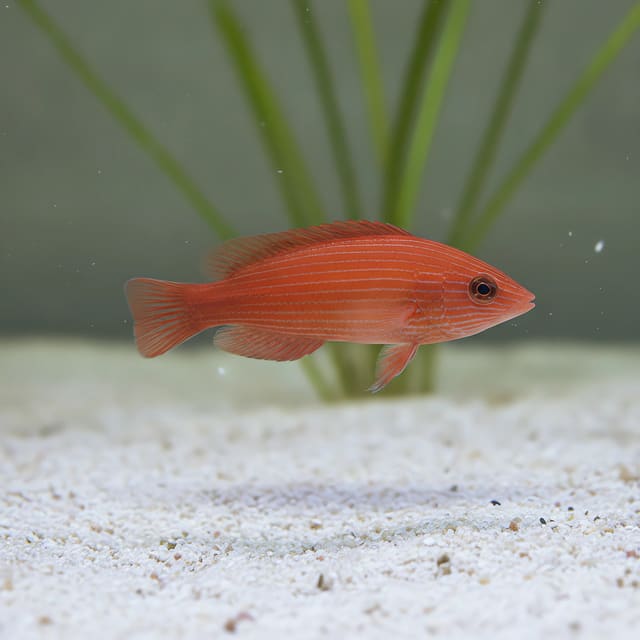
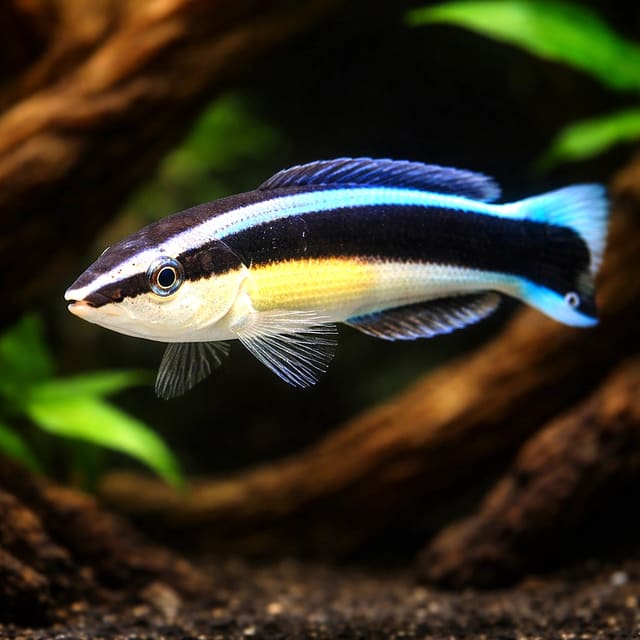
24–28°C · pH 8.1–8.4 · 300L
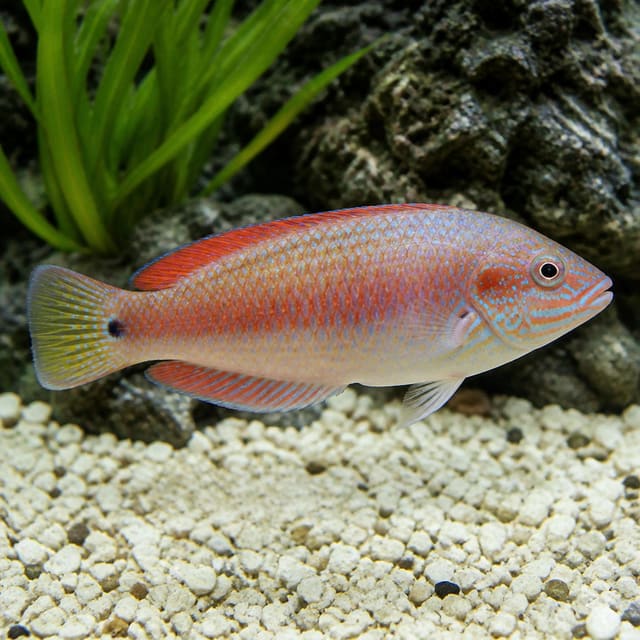
24–28°C · pH 8.1–8.4 · 500L
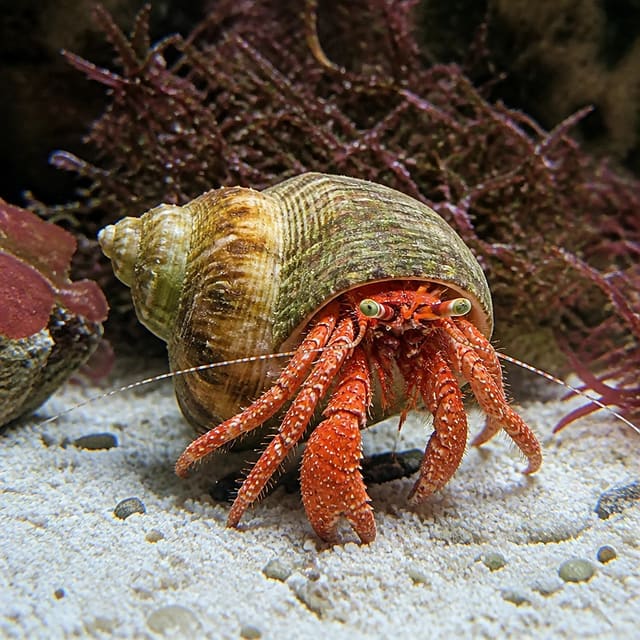
22–27°C · pH 8.1–8.4 · 60L
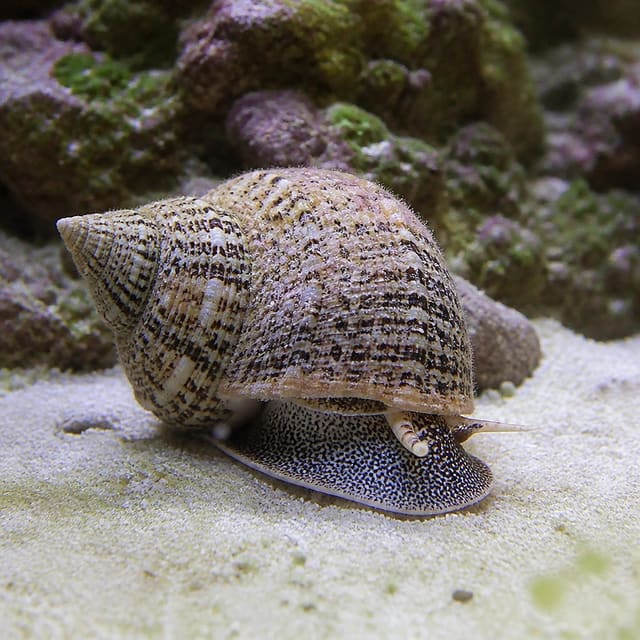
22–26°C · pH 8.1–8.4 · 75L
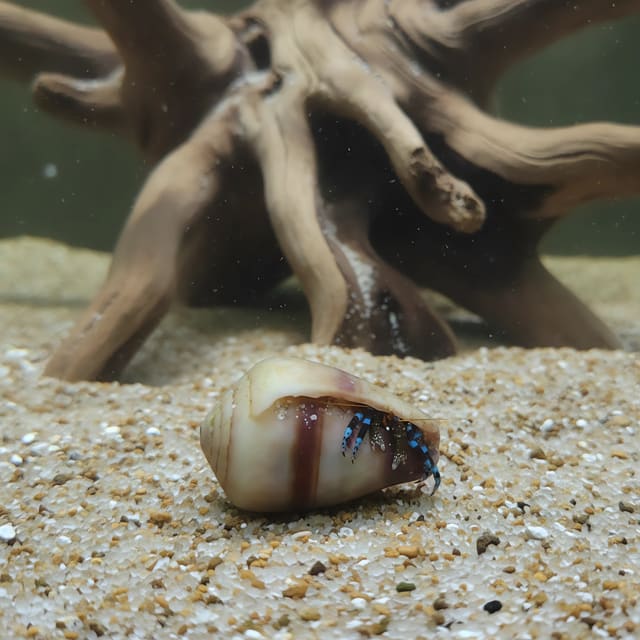
22–27°C · pH 8.1–8.4 · 60L
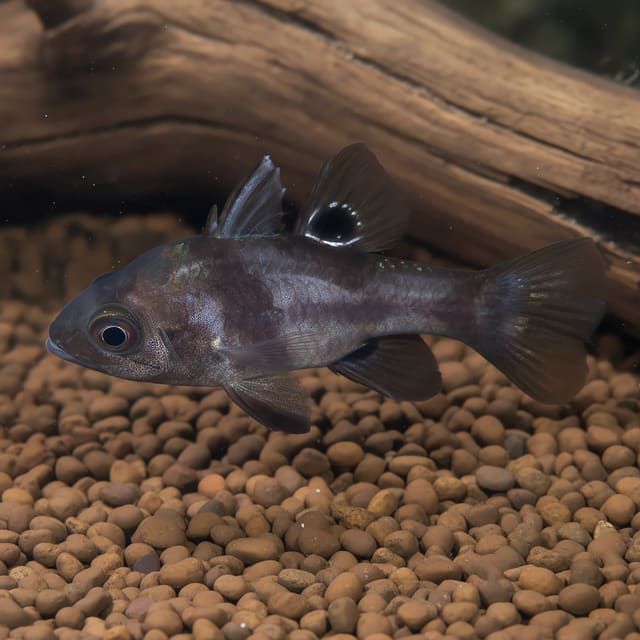
24–28°C · pH 8–8.4 · 200L
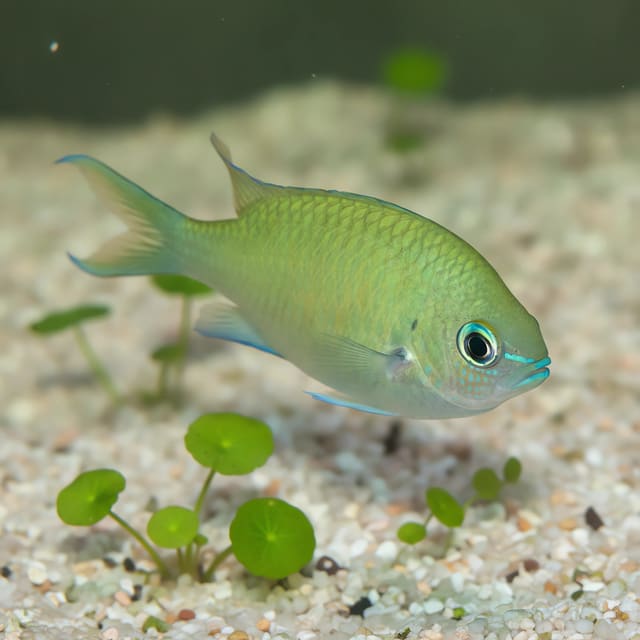
24–27°C · pH 8.1–8.4 · 150L
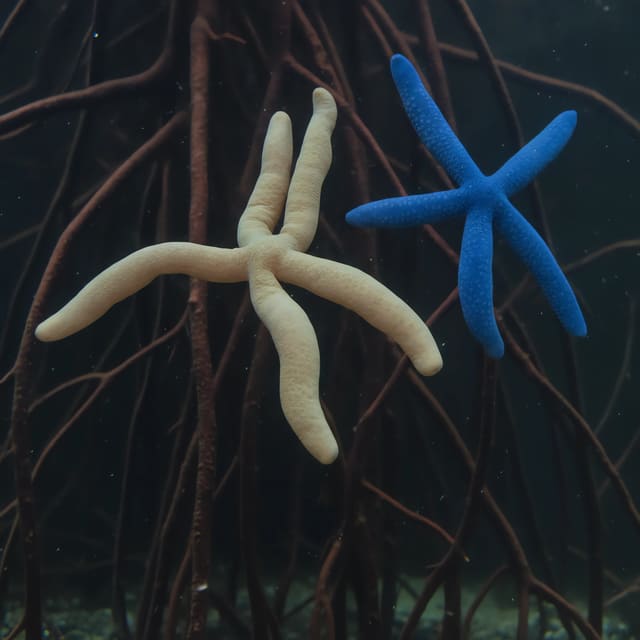
24–28°C · pH 8.1–8.4 · 300L
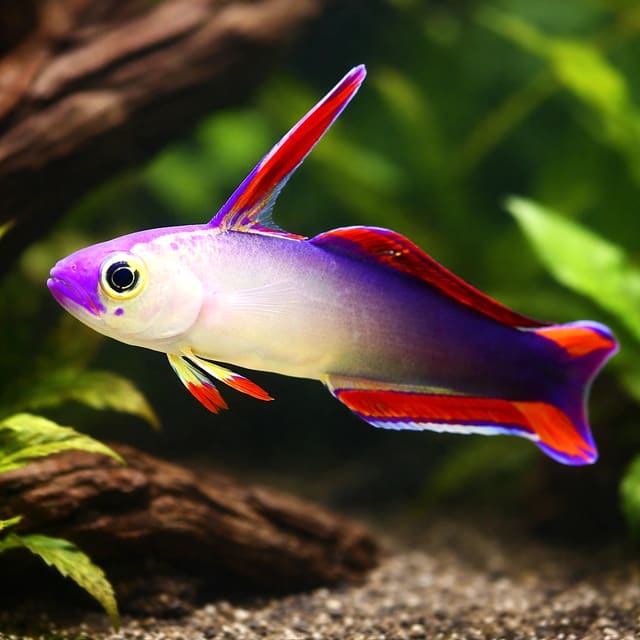
24–27°C · pH 8.1–8.4 · 100L
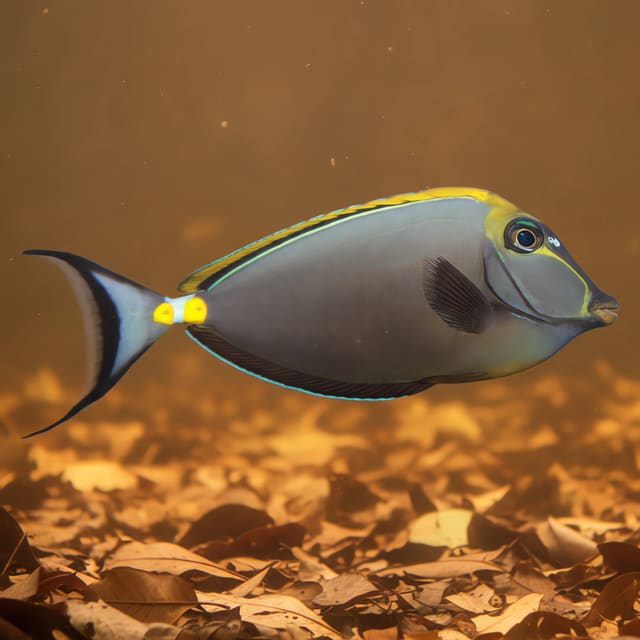
24–27°C · pH 8.1–8.4 · 900L
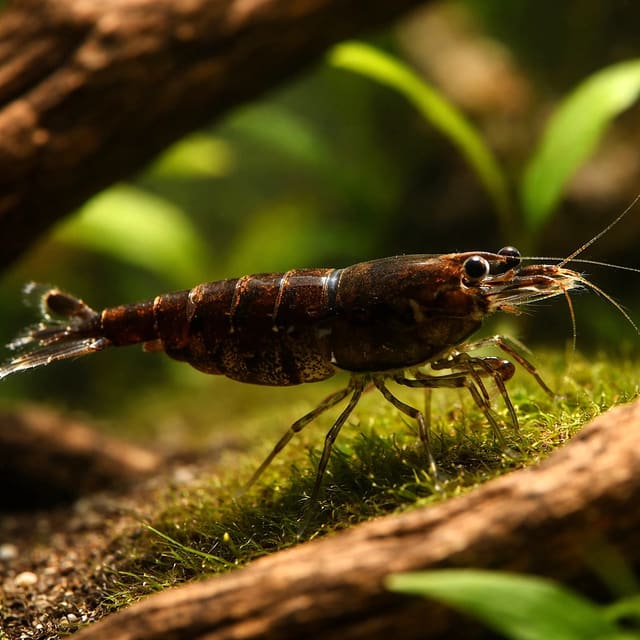
18–26°C · pH 6.5–8 · 30L
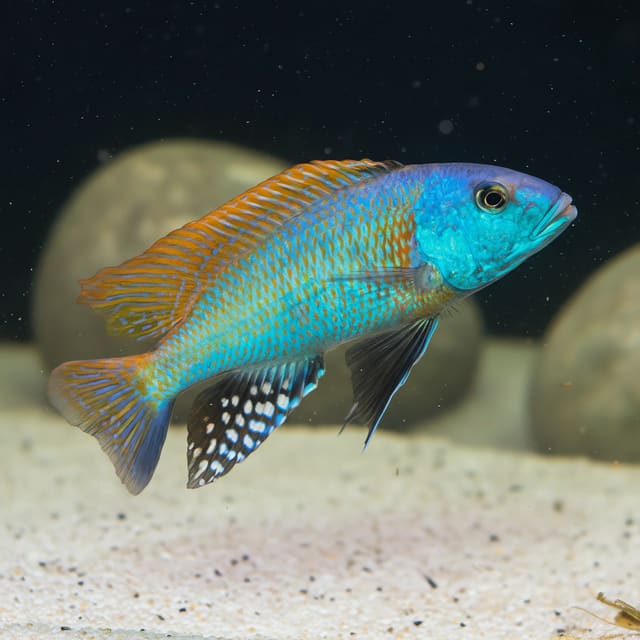
23–27°C · pH 7.4–8.4 · 1000L
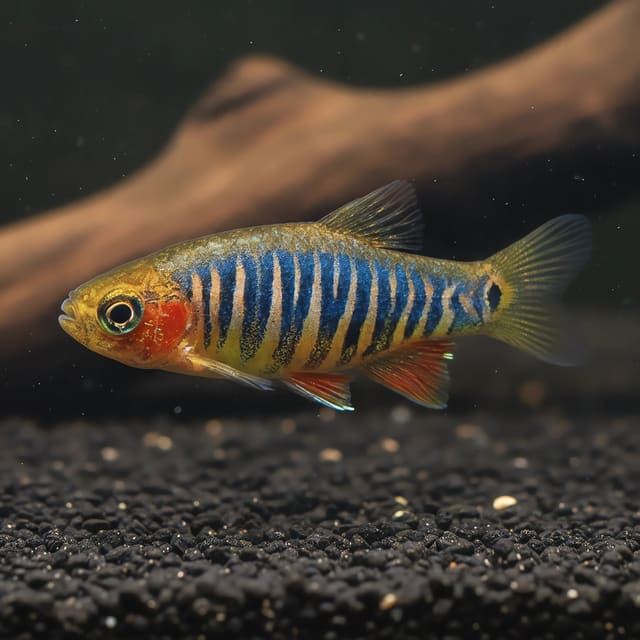
20–24°C · pH 7–8 · 45L
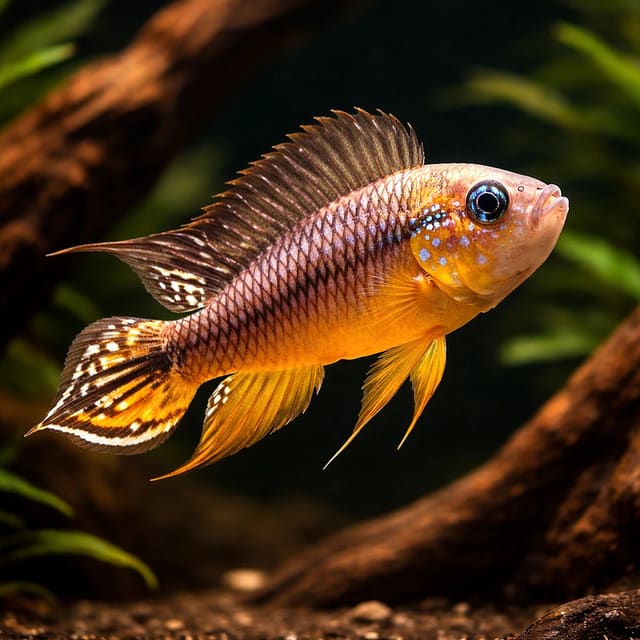
24–28°C · pH 5.5–7 · 60L
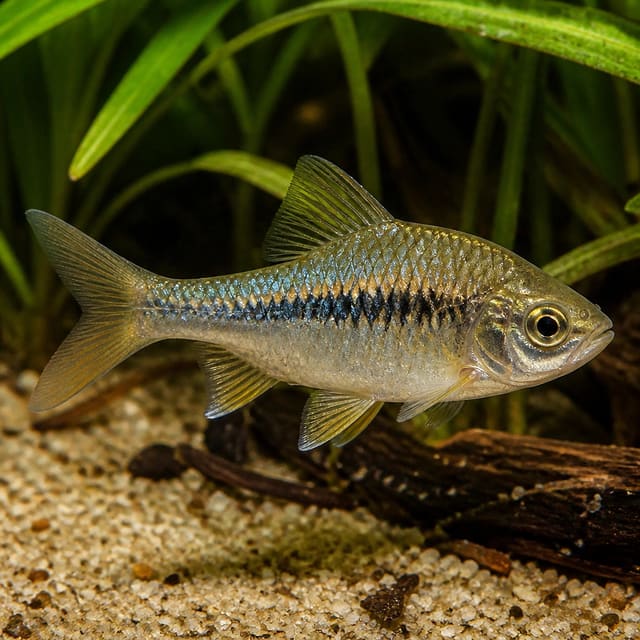
18–25°C · pH 6–8 · 100L
24–28°C · pH 7–8 · 120L
18–28°C · pH 6.5–8 · 20L
24–27°C · pH 7.5–8.8 · 150L