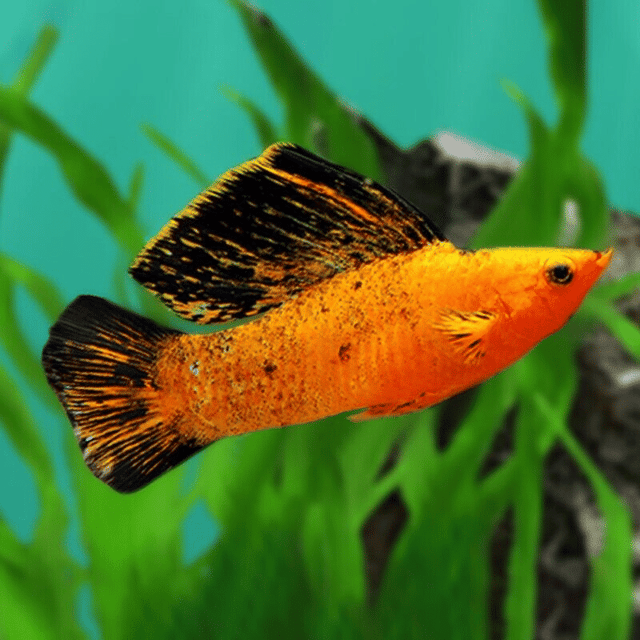
Poecilia velifera red leopard sailfin molly
25–28°C · pH 8–8 · 104L
£12.99

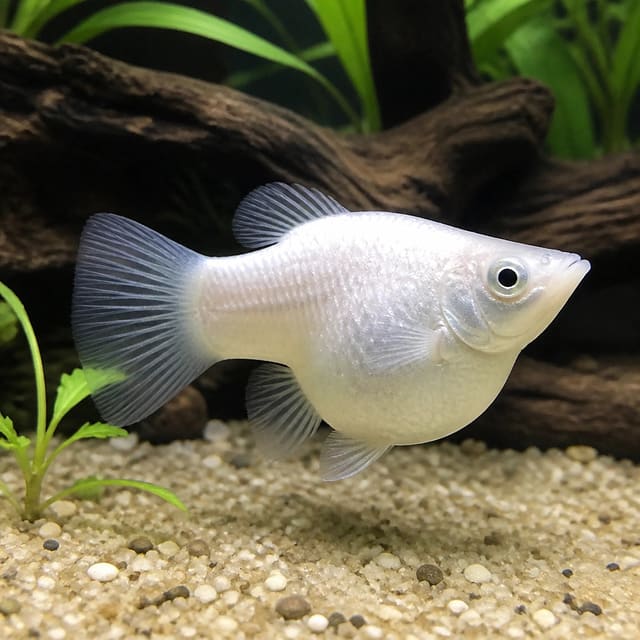
A 3-4 cm Silver Marble Lyra Molly, Poecilia latipinna, for peaceful hard-water community aquariums. Active, social and elegant, with lyre-shaped fins, mineral-water care and Live Arrival Guarantee.
Adult size is the maximum length this species reaches at full maturity (scientific sources). The livestock you receive will be younger and smaller — pick a size variant above for the actual shipping size. Product-photo provenance and any image-specific limitations are stated on the listing.
Poecilia latipinna
Save when buying multiple fish. Each quantity is one fish; sex and pair formation are not guaranteed unless the selected variant explicitly states them.
Confirm your email, then we’ll send an availability message for this exact item if it returns within 180 days.
This request is only for this product—no newsletter or other promotions. A mail-provider retry may very rarely duplicate the same availability message. Unconfirmed addresses are removed after 48 hours. See our privacy policy.
A 3-4 cm Silver Marble Lyra Molly, Poecilia latipinna, for peaceful hard-water community aquariums. Active, social and elegant, with lyre-shaped fins, mineral-water care and Live Arrival Guarantee.
Adult size is the maximum length this species reaches at full maturity (scientific sources). The livestock you receive will be younger and smaller — pick a size variant above for the actual shipping size. Product-photo provenance and any image-specific limitations are stated on the listing.
Maintain these water conditions for optimal health and vibrant colors
The Silver Marble Lyra Molly, Poecilia latipinna, is a refined livebearer best known for its elegant lyre-shaped tail and shimmering silver marbled pattern. It brings constant activity, a graceful swimming style, and a bright, reflective finish that stands out beautifully in a planted community aquarium. This is a freshwater fish from the livebearer group, and it is a popular choice for aquarists who enjoy sociable, active species with plenty of personality.
At Tropical Fish Co, we supply healthy UK aquarium fish selected for their colour, condition, and suitability for home aquariums. The Silver Marble Lyra Molly is shipped at around 3-4 cm, making it an ideal size for careful acclimatisation into a settled aquarium. The species behind this strain is Poecilia latipinna, a hard-water livebearer that should be planned as an active adult molly rather than a tiny nano fish. Use warm, mineral-rich water and avoid very soft, acidic community setups.
This molly is usually best suited to aquarists who can provide stable water quality, regular feeding, and a peaceful community setup. It is a fish that rewards good husbandry with constant activity, attractive finnage, and interesting social behaviour.
Lyra mollies appreciate an aquarium with plenty of open swimming space, good filtration, and stable water conditions. Although they can be hardy when kept correctly, they do not thrive in poor-quality or cramped environments. A mature, well-maintained tank of at least 90 litres is a much better starting point for a small group, because Poecilia latipinna is an active sailfin-type molly with more adult size and swimming demand than many smaller livebearers.
Provide a layout that balances open water with some cover. Live or artificial plants, fine driftwood, and smooth décor can all help create a calmer environment, but avoid overcrowding the tank. Mollies are active swimmers and benefit from room to explore. A secure lid is also sensible, as lively fish can sometimes jump when startled.
For this Poecilia latipinna strain, use a practical aquarium range of 21-26 C, pH 7.0-8.5 and 15-35 dGH. The key is not adding random salt; the important point is hard, mineral-bearing water with enough calcium and magnesium for long-term livebearer health.
Good filtration is essential. Mollies produce a fair amount of waste for their size, so choose a filter that provides effective biological filtration and gentle circulation. Keep ammonia and nitrite at zero, control nitrate with regular partial water changes, and avoid sudden swings in temperature or chemistry. Soft acidic aquariums are a poor fit for this fish even if the tank is otherwise peaceful.
This fish is best kept in a small group rather than alone. As with many livebearers, social dynamics are important, and a mixed group with more females than males can help reduce chasing and stress if breeding is not your aim. Keep them with similarly peaceful fish that appreciate comparable water conditions and are not likely to nip the lyre fins.
Silver Marble Lyra Mollies are omnivorous and do best on a varied diet. In nature and in home aquariums alike, they graze throughout the day, taking in small amounts of plant matter, algae, and protein-rich foods. A balanced feeding routine helps maintain colour, condition, and long-term health.
Offer a quality tropical flake or micro pellet as the staple, then supplement with a mix of frozen, thawed, or live foods such as daphnia and brine shrimp. A little blanched vegetable matter or algae-based food can also be useful. Feed small portions once or twice daily, only what the fish can consume quickly, and remove excess food to help keep the water clean.
Because mollies can be prone to digestive issues if overfed or given an unbalanced diet, avoid relying only on rich protein foods. A sensible mix of plant-based and protein-based foods is the safest approach. Good nutrition also supports better colour and fin development in lyra strains.
The Silver Marble Lyra Molly is generally peaceful, active, and community-friendly. It is usually best suited to calm tank mates that will not outcompete it for food or damage its flowing fins. Males may display some chasing behaviour, especially around females, but this is usually manageable in a properly stocked group.
Ideal companions are other gentle livebearers and peaceful species that prefer a similar temperament. Avoid aggressive, fin-nipping, or highly territorial fish, as lyra fins can be vulnerable to damage. Very delicate species that prefer soft, acidic conditions are often a poor match as well, because mollies generally do best in different water chemistry.
As always, compatibility depends on the whole aquarium, not just the species name. Size, temperament, feeding style, and water requirements all matter. If you are unsure, choose peaceful fish that are widely kept in similar community settings and monitor all new introductions carefully.
Breeding is highly relevant for Poecilia latipinna, as mollies are livebearers and can reproduce readily in the home aquarium if males and females are kept together. Fry may appear without much warning once females are gravid, so be prepared if you are stocking mixed sexes. If you do not want fry, keep only one sex or be ready to separate young fish as they mature.
In a suitable aquarium, healthy adults often breed without special intervention. However, successful rearing of fry depends on water quality, nutrition, and protection from predation. Dense planting or a separate rearing setup can help improve survival. Because adults may eat small fry, young fish are best raised in a protected environment if you want good numbers.
Breeding adults should be kept in the same stable hard-water range used for general care. Dense planting, floating cover and a vegetable-rich diet help females recover and give fry more shelter. Stable water quality and a varied diet are the most important practical factors for consistent livebearer breeding.
Like many livebearers, mollies can be affected by stress if water quality is poor or if they are kept in unsuitable conditions. Common issues include fin damage from fin-nipping tank mates, digestive problems from overfeeding, and general weakness caused by instability in the aquarium. The best prevention is a mature, clean tank with sensible stocking and a balanced diet.
Watch for clamped fins, loss of appetite, scratching, or lethargy, as these can indicate stress or the start of a water-quality issue. Because lyra fins are decorative and flowing, check regularly for tears or signs of harassment. If a fish appears unwell, test the water first and address maintenance before reaching for medication. Many problems improve quickly when the environment is corrected.
Mollies can also struggle if their water chemistry is badly mismatched. This strain is best planned for hard, alkaline water rather than very soft acidic aquariums. Stable, appropriate conditions are key to keeping them active and in good condition.
When you buy from Tropical Fish Co, you are choosing a UK specialist aquarium shop focused on healthy livestock and reliable service. Eligible livestock orders are packed for a UK live-animal courier service and supported by our Live Arrival Guarantee, so the delivery promise is clear without turning the product page into a discount advert.
We recommend having your aquarium fully prepared before dispatch day, including dechlorinated water, stable filtration, hard mineral-bearing water and an established biological filter. Acclimatise your new fish slowly and avoid feeding immediately on arrival if the fish appear stressed. A calm introduction greatly improves the chances of a smooth transition into the home aquarium.
Live fish purchases should always be planned with care, and a sensible setup is just as important as the quality of the fish itself. If you are unsure whether your water or tank mates are suitable, verify the details first or contact us for guidance before ordering.
For a hard-water livebearer display, you can pair this fish with other calm, reviewed livestock such as Calico Balloon Molly, Sunset Platy, Red Mickey Mouse Platy, Koi Tricolour Swordtail and Golden Tuxedo Male Guppy. Choose tank mates by water chemistry first, then temperament and adult size.
For aquarists looking for an elegant, active livebearer with a distinctive finish, the Silver Marble Lyra Molly is a rewarding choice. With good water quality, a varied diet and peaceful companions, it can become a long-term highlight in a well-kept freshwater community tank.
Max adult size is the length this species reaches at full maturity (from scientific sources). The livestock you receive will be younger and smaller — pick a size variant on the buy box for the actual shipping size. Product-photo provenance and any image-specific limitations are stated on the listing.
Best with peaceful hard-water community fish. Match water chemistry before mixing with softer-water species; males may chase in cramped or unbalanced groups.
Always research specific species before adding them to your tank. Consider:
No reviews for this item yet. Bought one? Honest reviews only, good or bad.
What customers say about ordering from us
I have a small group of long finned mountain minnows. So was delighted to be able to order ten of this variety to increase the genetics in my tank . The ones I recieved are healthy but it’s to early to give a verdict on wether they are of a long finned type since they are small currently.
Gordon Walker · 23 Sept 2026
100% success travel and "installation". Pleased with quality of purchase. The Siamese fighter a bit "shy" so have not yet seen him at his best yet but looking good. Happy customer. GG
George E Garratt · 21 Sept 2026
Reviews of our shop, collected by Judge.me, an independent third-party review collector. Newest first.