Advanced
Heteractis malu yellow - Marine Aquarium Livestock UK
24–26°C · pH 8.1–8.3
£47.99
The Sand anemone (Heteractis crispa) is an Indo-Pacific marine anemone. It suits experienced marine keepers who can follow OATA’s group guidance of 24–26°C, pH 8.1–8.3 and salinity 1.023–1.026 in a mature, filtered aquarium with room for movement and stinging. Sold individually as one live animal.
Heteractis crispa
The Sand anemone (Heteractis crispa) is an Indo-Pacific marine anemone. It suits experienced marine keepers who can follow OATA’s group guidance of 24–26°C, pH 8.1–8.3 and salinity 1.023–1.026 in a mature, filtered aquarium with room for movement and stinging. Sold individually as one live animal.
Maintain these water conditions for optimal health and vibrant colors
The Sand anemone is an Indo-Pacific sea anemone also known as the sebae anemone, leathery sea anemone, long tentacle anemone and purple tip anemone. This advanced-care marine invertebrate suits experienced keepers who can maintain stable saltwater chemistry, suitable lighting and safe clearance around its tentacles. The sebae anemone species summary places it in the Indo-Pacific, giving useful natural-history context for an animal that belongs in a saltwater aquarium rather than a freshwater or brackish system.
The World Register of Marine Species now lists it as Radianthus crispa. The familiar binomial Heteractis crispa identifies the same animal throughout its care fields and product name.
| Suits | Not suited to |
|---|---|
| Experienced marine keepers | Inexperienced keepers unable to meet specific anemone requirements |
| Mature, filtered marine aquariums with stable chemistry | Immature systems or aquariums with detectable ammonia or nitrite |
| Setups with moderate-to-high lighting for anemones | Setups unable to support photosynthetic nutrition |
| Layouts with clearance for movement and stinging | Crowded layouts that place vulnerable livestock within tentacle reach |
An anemone is a single-polyp marine invertebrate rather than a fish or a skeleton-building coral. It obtains nutrition through photosynthesis by internal zooxanthellae and through prey capture. Its tentacles can sting and hold animals that come within reach, while the anemone itself may change position when conditions or placement do not suit it.
Those characteristics make the aquarium’s lighting, water stability, open clearance and livestock plan inseparable. A visually attractive gap between rocks is not automatically a safe position if the animal can reach a coral, intercept a slow-moving fish or move into a crowded area. Plan the whole surrounding zone, not just the point where you first place its base.
This is an advanced-care choice for an experienced marine keeper. Success depends on a mature biological filter, stable saltwater chemistry, appropriate lighting, careful feeding and regular observation. The right keeper is prepared to test several water values, maintain them within narrow targets and alter the livestock layout if the animal moves.
One purchase supplies one Sand anemone. Use purchase quantity to choose how many animals you want. Plan the aquarium around the animal’s fully extended reach and the clearance it may need after settling.
Sex is guaranteed only when the selected option explicitly states male or female. This Sand anemone listing has no sex-guaranteed option.
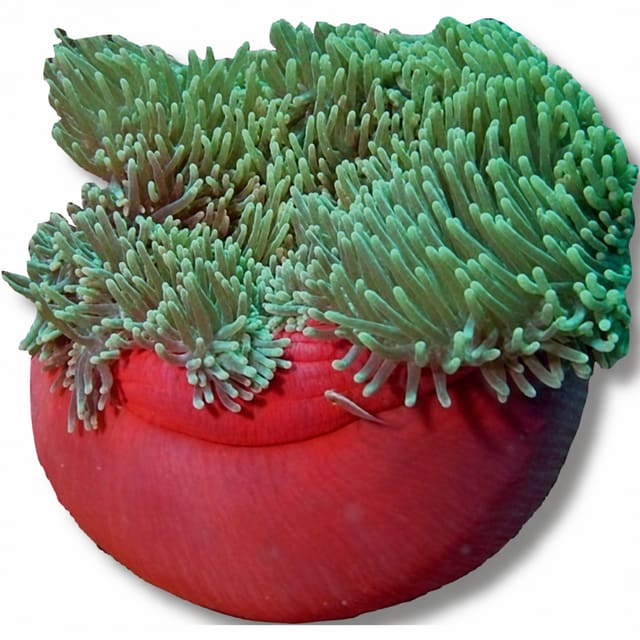
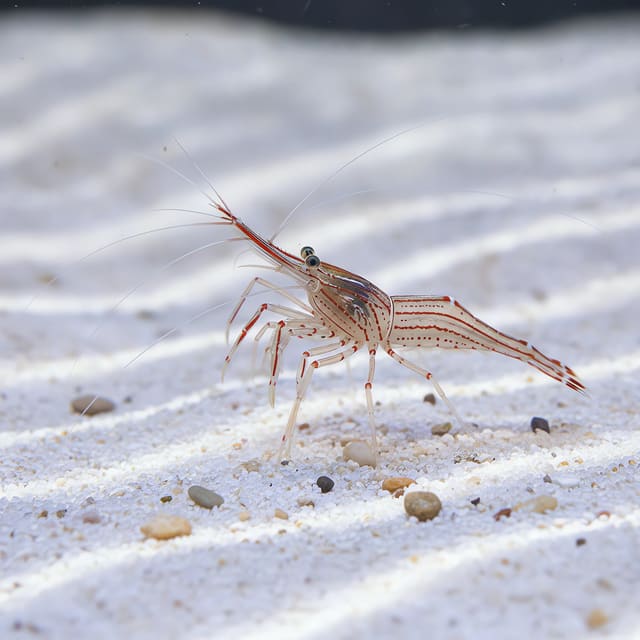
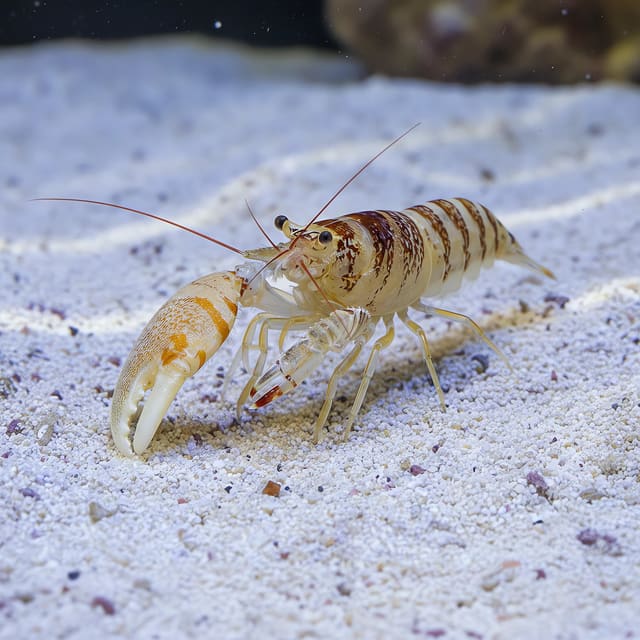
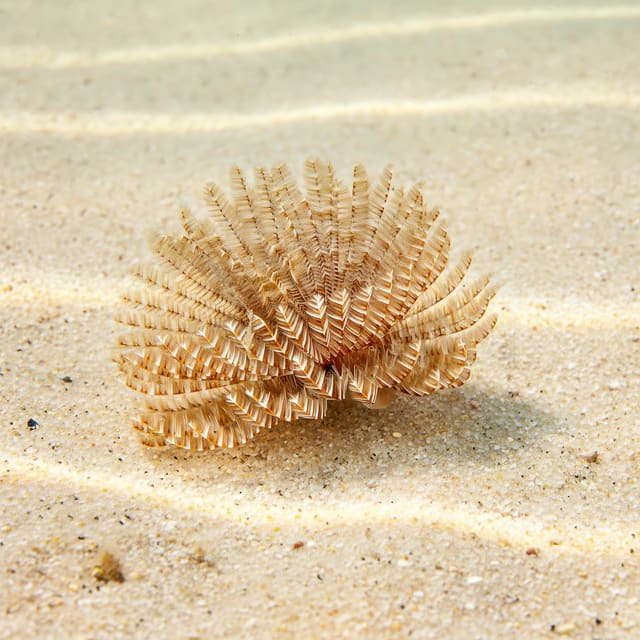
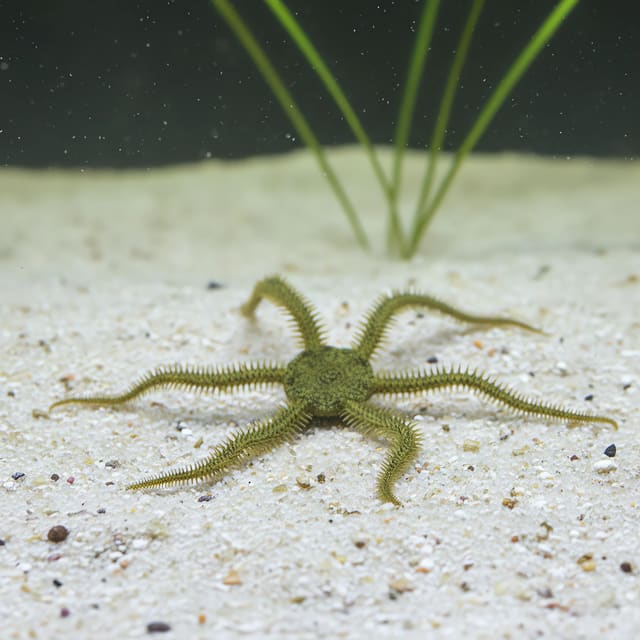
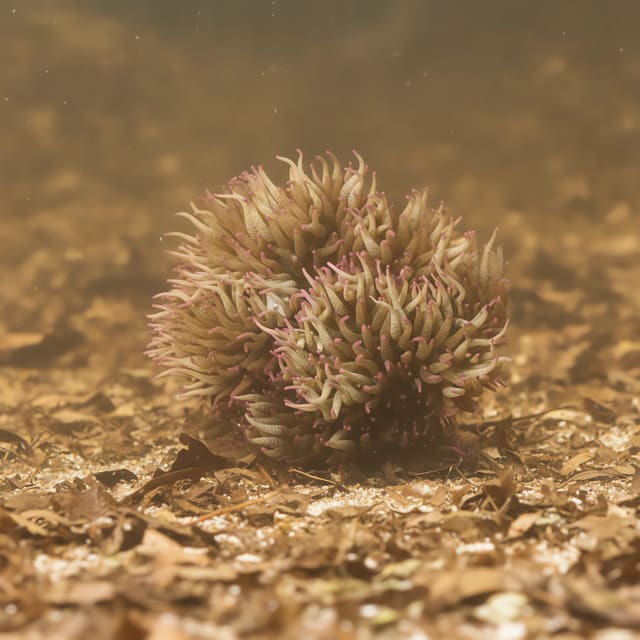
The gallery images are representative of this type of animal rather than photographs of the exact animal supplied, so colours can look slightly different from the live animal.
Use the image to understand the general anemone form, including the dense spread of slender tentacles, rather than as a promise of an exact shade or tip pattern. Colour and extension should also be considered alongside behaviour and water quality after introduction because darkening, bleaching, brown dead tissue, reduced extension and failure to open are among the changes that need attention.
Complete the aquarium and compatibility plan before purchase. Check the swimming habits of fish, the location of corals, the behaviour of any clownfish and the space the anemone could occupy if it moves. Choosing livestock independently and trying to create clearance afterwards can leave no safe route for the anemone or its neighbours.
You can browse the wider marine invertebrates collection when planning the aquarium, but treat each animal as a separate husbandry and compatibility decision. A shared marine category does not make two animals suitable tank mates.
OATA’s anemone guidance gives broad group targets of 24–26°C, pH 8.1–8.3 and salinity 1.023–1.026. Use these figures as the routine planning range while checking that every other animal in the aquarium can share it.
| Planning value | Target or limit |
|---|---|
| Temperature | 24–26°C |
| Salinity | 1.023–1.026 |
| pH | 8.1–8.3 |
| Ammonia | Zero mg per litre |
| Nitrite | Zero mg per litre |
| Nitrate | Not to exceed 40 mg per litre |
| Phosphate | Not to exceed 0.05 mg per litre |
| Carbonate hardness | 8–12°dKH |
| Calcium | 380–450 ppm |
| Magnesium | 1250–1350 ppm |
OATA recommends an aquarium of at least 80 litres for most anemones because smaller systems may undergo rapid chemistry changes. Treat that figure as a planning floor for most members of the group, not an automatic final fit for every animal. Larger anemones need larger aquariums, and the footprint must leave enough clearance around the tentacles.
Do not judge readiness by water volume alone. The aquarium also needs an established biological filter, suitable lighting, sufficient water movement and repeatable test results. An 80-litre system with changing salinity or detectable ammonia is a poorer choice than a larger, mature aquarium that consistently stays within target.
Choose this animal only when you can maintain the full set of values, not merely temperature and salinity. Ammonia and nitrite must remain at zero, while nitrate and phosphate must stay below their stated maxima. Calcium, magnesium and carbonate hardness also form part of the saltwater plan even though anemones do not build a calcium carbonate skeleton.
A mature marine aquarium is one in which the biological filter can process waste without allowing ammonia or nitrite to accumulate. Anemones can be stressed by even small amounts of either compound, so introduction should wait until both test at zero and the rest of the chemistry remains steady.
The RSPCA’s aquarium filtration guidance explains the biological sequence: beneficial bacteria convert toxic ammonia into nitrite and then into the safer nitrate. The filter must be established and maintained so this process continues as livestock and feeding add more waste.
| Ready to proceed | Reason to wait |
|---|---|
| Ammonia and nitrite repeatedly test at zero | Either reading is detectable |
| Temperature stays within 24–26°C | Temperature moves outside the range |
| Salinity remains within 1.023–1.026 | Salinity changes between checks |
| pH remains within 8.1–8.3 | pH is unstable or outside target |
| Filter runs without blockage | Flow or filtration is interrupted |
A single acceptable test is only a snapshot. Repeat testing through normal lighting, feeding and maintenance routines so you know the aquarium can hold its values during ordinary use. Correct the cause of any instability before introducing the animal rather than relying on a large adjustment at the last moment.
Add livestock gradually because the beneficial bacterial population has to respond whenever waste and feeding increase. Adding too many animals too quickly can create new tank syndrome, in which the filter lacks enough nitrifying bacteria to process the extra waste. The result may be unhealthy ammonia or nitrite levels capable of making an anemone ill or causing its death.
Keep the filter operating throughout preparation. If maintenance temporarily reduces flow or removes filter media, complete that work and confirm normal operation before introduction. The aim is a settled system whose normal routine is already working, not an aquarium undergoing major changes while the anemone tries to attach and adjust.
Use the target table as an operating range, not as permission to let readings swing from one edge to the other. Anemones need stable marine conditions, and smaller aquariums can change quickly. Measure values consistently and investigate movement before a limit is crossed.
Record results in the same units each time: carbonate hardness is 8–12°dKH, calcium is 380–450 ppm and magnesium is 1250–1350 ppm. Keeping a short dated log makes gradual movement easier to see than relying on memory.
When a reading moves, begin with clear causes such as missed maintenance, excess food, blocked filtration or a recent increase in livestock. Several simultaneous changes make it difficult to identify what restored the value and can replace one instability with another.
Test again after corrective maintenance and before adding more food or animals. If the anemone is already present, combine the numbers with observation: reduced tentacle extension, failure to open, movement after a settled period, bleaching or a gaping mouth outside defecation all justify an immediate water-quality check.
A filter is essential for an anemone aquarium. Marine filtration may use live rock with sufficient water flow, an internal or external filter, or a sump-based filter. Choose a method that can operate continuously and be maintained without repeatedly disrupting the biological bacteria that process waste.
Check the filter regularly and clean it before blockages reduce performance. Never rinse biological media under the tap because chlorine or chloramine may kill the established bacterial population. During a partial water change, rinse the media lightly in the removed aquarium water instead. This preserves more of the bacteria while loosening accumulated debris.
After cleaning, confirm that the filter has restarted normally and that water movement has returned to its usual pattern.
A protein skimmer can help maintain water quality by removing dissolved organic waste before it breaks down into more harmful substances. Clean it regularly so its performance does not decline. A skimmer supports the maintenance plan; it does not replace biological filtration, water testing or partial water changes.
Live rock used for filtration needs sufficient water movement, and the anemone may relocate if its position does not suit it. Observe the animal’s extension and position after introduction rather than assuming the first placement is permanent. A settled animal that later detaches and moves is a health and husbandry signal, particularly if the change occurs alongside worsening water tests or reduced feeding.
Check the full flow path whenever pumps, rockwork or filtration are changed. A modification elsewhere in the aquarium can alter the conditions reaching the anemone. Complete major filtration and layout work before introduction whenever possible so the animal is not repeatedly asked to settle into a changing environment.
Anemones obtain part of their nutrition through photosynthesis carried out by zooxanthellae living within their tissues. Lighting is therefore a nutritional requirement rather than decoration. OATA advises that anemones generally require moderate to high light, although the precise requirement and placement vary among species.
Use a marine lighting system capable of supporting a photosynthetic anemone and include the intended position in the plan. Do not select a location solely because it makes the animal easy to see. The position must combine appropriate illumination with stable water, workable flow and enough clearance from animals that could be stung.
Rockwork and neighbouring livestock can change how much light reaches a position. Consider shading from overhangs and the space occupied by corals before introduction. If the anemone changes location, reassess the light and compatibility around its new position rather than moving unrelated livestock without a plan.
Watch for reduced tentacle extension, failure to open, darkening, bleaching or brown dead tissue. These signs do not identify one cause by themselves, so pair the observation with immediate checks of temperature, salinity, pH, ammonia, nitrite, nitrate and the lighting arrangement.
A change in colour is more useful when compared with the animal’s own settled appearance than with a representative gallery image. Make a simple visual note after settling, including extension, mouth position and where the base is attached. That gives you a practical baseline for spotting change without expecting every animal to show the same shade.
Photosynthesis does not remove the need for prey-based feeding. Conversely, feeding does not make unsuitable lighting acceptable. Plan both routes together: maintain appropriate moderate-to-high illumination for the group, then offer manageable food items through the tentacles while controlling waste.
Anemones combine photosynthesis with prey capture. Suitable offered foods include pellets or larger frozen items such as lance fish, cockles or mussels. The item must be small enough for the animal to accept; an oversized piece may be rejected and left to break down in the aquarium.
The tentacles and mouth provide the clearest immediate feedback. A recognised item is moved towards the mouth. Repeated rejection, reduced intake or constant expulsion of stomach contents is a reason to stop adding food and check the animal’s condition and water quality.
Do not offer extra food simply because the previous item disappeared from view. Overfeeding can leave uneaten material that breaks down and releases toxic waste. Use acceptance, the absence of residue and stable ammonia, nitrite, nitrate and phosphate readings to guide the next feeding decision.
If a piece is rejected, consider portion size before changing the food type. The group guidance specifically warns that pieces which are too large may be refused. A smaller item gives the animal a more manageable feeding task and puts less waste into the aquarium if it is not accepted.
Reduced feeding should be read alongside tentacle extension, mouth position, movement and colour. Begin with water tests and a check of lighting and filtration. Do not mask a declining response by repeatedly presenting different foods, because every rejected item adds avoidable organic load to the system.
Keep feeding tools and actions gentle around the tentacles. Place the food where the animal can grasp it and allow the anemone to complete the transfer itself rather than forcing food into the mouth.
Prepare the aquarium before the animal arrives. Use OATA’s anemone targets to confirm that temperature, salinity, pH, ammonia and nitrite are within range, make sure the filter and lighting operate normally, and clear the intended position from nearby animals that could be stung.
These steps come from our delivery and Live Arrival Guarantee policy. Film every delivery continuously from the sealed parcel onwards. Keep the video with your order details and send it if you need to make a Live Arrival Guarantee claim.
Avoid carrying out major filter cleaning, rockwork rebuilding or a large livestock addition during the same introduction period. Beneficial bacteria need time to respond when livestock and feeding increase, and changing several parts of the system together makes any resulting water-quality movement harder to diagnose.
Once the anemone is released, treat the chosen position as a starting point rather than a permanent placement. It may move while selecting a location. Keep the wider route clear enough to reduce immediate conflicts with corals and slow-moving fish, then monitor extension, attachment, mouth position and colour.
Note whether the mouth is closed, how far the tentacles extend and where the base settles. Continue testing rather than judging success from extension alone. An animal can change appearance while the water is moving towards an unsafe value, so behaviour and chemistry should always be interpreted together.
Make a 25% partial water change at least once every week. Use a siphon to remove solid waste from the gravel where practical, then use some of the removed aquarium water to rinse filter media lightly when cleaning is needed.
Testing before the water change tells you what developed during the normal week. Testing again after a concerning result shows whether maintenance restored the value. Keep dated results so a slow rise in nitrate or phosphate is visible before either reaches its maximum.
| Change | First action |
|---|---|
| Mouth gaping outside defecation | Test water and observe feeding |
| Reduced extension or failure to open | Check water, lighting and flow |
| Darkening, bleaching or brown dead tissue | Test promptly and review the setup |
| Noticeable tissue recession | Check all water values and feeding |
| Reduced intake or repeated expulsion | Stop adding food and test water |
| Movement after a settled period | Check conditions and surrounding clearance |
No single sign identifies a complete diagnosis. Start with the measurable factors: ammonia, nitrite, nitrate, phosphate, temperature, salinity, pH, carbonate hardness, calcium and magnesium. Check filtration, lighting, flow and feeding residue at the same time.
If the signs persist after water and equipment checks, contact us for further guidance. Do not begin an improvised treatment in the display aquarium, because the first task is to identify and correct any husbandry pressure affecting the animal.
The first month should establish whether the aquarium routine remains stable with the added animal. The goal is not to force a particular position or appearance; it is to recognise the animal’s settled pattern while confirming that filtration, feeding and maintenance continue to hold the target values.
A stable month is a reason to continue the routine, not to relax it. Keep the same water ranges, weekly water change, careful feeding and compatibility screening in place. If a later equipment, livestock or rockwork change alters the animal’s position or behaviour, return to the same observation-and-test sequence used during introduction.
An anemone can sting and capture animals that come within reach. Compatibility therefore depends on how a fish moves, where it spends its time and whether it may damage the anemone. A general marine label or peaceful temperament is not enough to make the decision.
Avoid slow-moving fish and fish that spend much of their time near rockwork, such as dragonets, because anemones are likely to prey on animals they can catch. Also avoid puffers and triggerfish because members of those groups may damage anemones.
| Screening question | Decision |
|---|---|
| Does the fish move slowly near rockwork? | Do not combine it with the anemone |
| Could it rest or feed within tentacle reach? | Treat it as vulnerable |
| Is it a puffer or triggerfish? | Avoid the combination |
| Does it bite or damage anemones? | Do not add it |
| Can it remain clear of the animal if it moves? | Continue the wider assessment |
If the purpose is to house clownfish with the anemone, confirm that the chosen anemone can host the particular clownfish species. An incompatible pairing may result in the clownfish being stung or eaten. An anemone is not essential to keeping clownfish, so do not force a pairing merely to create a familiar display.
Observe the aquarium layout as part of this decision. A fish that usually stays clear may be channelled towards the tentacles by rockwork, feeding positions or narrow swimming routes. Leave a practical path around the anemone’s whole reach, including any area it could occupy after moving.
Compatibility with an unlisted fish remains uncertain until its swimming zone, feeding behaviour and tendency to bite anemones have been assessed. Arrange a stocking and compatibility assessment before combining animals whose behaviour does not clearly pass those screens.
Corals can share an aquarium with anemones when there is enough room to prevent stinging. Measure usable separation around the extended tentacles rather than spacing livestock only from the centre of the anemone. The animal may change position, so clearance must still work if it settles somewhere nearby.
Do not treat attachment as proof that the position is permanent. Movement by an anemone that has been settled for some time is also a health warning, so respond in two ways: protect neighbouring livestock from contact and test the aquarium conditions that may have prompted the change.
Begin the space plan with one animal. Consider an additional anemone only after accounting for the mature reach, movement zone and stinging clearance of each animal, as well as the extra waste and feeding added to the filter. Purchase quantity chooses the number supplied; it does not establish that multiple animals should share one aquarium.
There is no universal tank-mate list. A suitable decision combines water-range overlap with behaviour and physical space. Every proposed neighbour must tolerate 24–26°C, pH 8.1–8.3 and salinity 1.023–1.026, but matching water alone is insufficient if it can be caught, sting the anemone, damage it or become trapped within its movement zone.
Moving a coral, adding rock or changing flow can turn a previously clear route into a contact point. Observe tentacle reach after the change and confirm that slow-moving fish still have safe routes through the aquarium. Make compatibility a continuing maintenance decision rather than a one-time check made on introduction day.
Plan its space around the animal’s fully extended tentacle reach and the area it may occupy if it moves. Leave open clearance from corals and vulnerable fish rather than fitting it to a fixed decorative gap.
OATA’s group guidance recommends an aquarium of at least 80 litres for most anemones because smaller systems may experience rapid chemistry changes; larger animals need larger aquariums. Use a mature, filtered marine setup with sufficient tentacle clearance.
Begin with one animal. Consider another only after allowing for each anemone’s extended reach, movement zone, stinging clearance, feeding and added waste load.
It is best suited to experienced marine keepers. OATA advises that anemones can have specific requirements, including stable water chemistry, suitable lighting, careful feeding and compatibility planning.
It obtains nutrition through photosynthesis and prey capture. Offer a manageable pellet or a small frozen item such as lance fish, cockle or mussel by placing it in the tentacles, and remove rejected food before it breaks down.
OATA’s group guidance gives 24–26°C, pH 8.1–8.3 and salinity 1.023–1.026 for anemones. Keep ammonia and nitrite at zero mg per litre, nitrate at no more than 40 mg per litre and phosphate at no more than 0.05 mg per litre.
It uses stinging tentacles to capture animals within reach and may move around the aquarium. Avoid slow-moving fish and fish that spend much of their time near rockwork because they are vulnerable to predation.
Avoid slow-moving fish, rockwork-dwelling fish such as dragonets, puffers and triggerfish. Check clownfish compatibility by species, and keep corals only when there is enough room to prevent stinging if the anemone moves.
Someone must be present to receive it. Film every delivery continuously from the sealed parcel, showing the outer box as it is opened and the animal still in the sealed bag; then float the bag for 20–30 minutes before release and never pour the bag water into the aquarium.
No reviews for this item yet. Bought one? Honest reviews only, good or bad.
What customers say about ordering from us
Easy website plenty of info on fish your buying great to pick a time slot
TRACEY DURRANT · 7 Oct 2026
Got some lovely fish thank you
Kevin Mackie · 7 Oct 2026
Reviews of our shop, collected by Judge.me, an independent third-party review collector. Newest first.