Moderate
Ophiolepis superba - Marine Aquarium Livestock UK
24–26°C · pH 7.9–8.3
£58.99
Pacific Jewel Starfish (Nardoa novaecaledoniae) is a tropical marine sea star sold as one animal per purchase. Keep it in a mature, filtered aquarium with stable seawater, grazing rock and carefully screened tank mates.
Nardoa novaecaledoniae
Pacific Jewel Starfish (Nardoa novaecaledoniae) is a tropical marine sea star sold as one animal per purchase. Keep it in a mature, filtered aquarium with stable seawater, grazing rock and carefully screened tank mates.
Maintain these water conditions for optimal health and vibrant colors
Pacific Jewel Starfish is the shop name used here for Nardoa novaecaledoniae. The World Register of Marine Species accepts that scientific name and places the animal in the sea-star family Ophidiasteridae. It is an echinoderm, the wider animal group that includes starfish, sea urchins and sea cucumbers.
The yellow mesh sea star is another established common name. Its natural history helps explain the type of aquarium it needs: the species summary for Nardoa novaecaledoniae places it on tropical reefs in the Western Central Pacific, including the Philippines and waters around New Caledonia, at recorded depths of 0–30 m. Those habitat details describe the wild animal rather than aquarium water targets.
We rate this as an advanced choice. Starfish have very different feeding and compatibility needs, while all require stable marine conditions and careful observation. Choose it when you already run a mature marine aquarium, understand biological filtration and are prepared to judge feeding behaviour rather than treating any starfish as a general-purpose cleaner.
| Decision | What to plan |
|---|---|
| Animal | Live tropical sea star |
| Scientific name | Nardoa novaecaledoniae |
| Family | Ophidiasteridae |
| Natural setting | Tropical reefs recorded at 0–30 m |
| Store care rating | Advanced |
One purchase supplies one Pacific Jewel Starfish.
Plan around one animal unless a full stocking assessment supports adding another echinoderm. Extra starfish can increase demand for grazing surfaces and must be judged against the aquarium’s space, filtration and existing livestock rather than treated as a required social group.
Sex is guaranteed only when the selected option explicitly states male or female. This Pacific Jewel Starfish listing has no sex-guaranteed option.
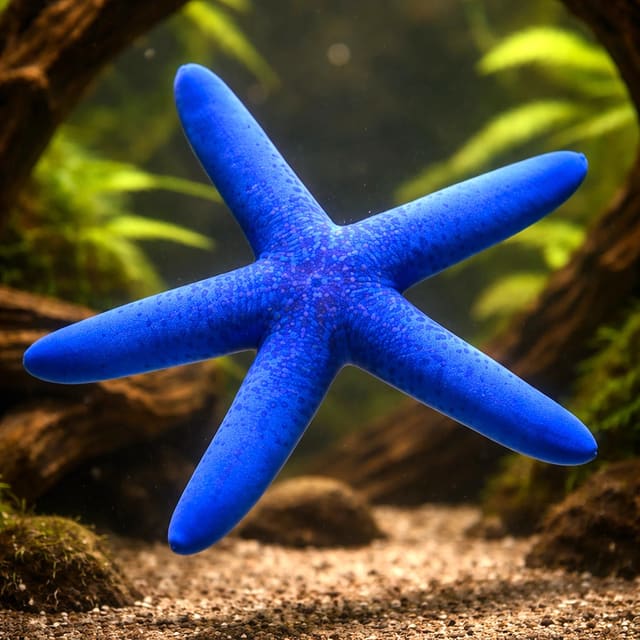
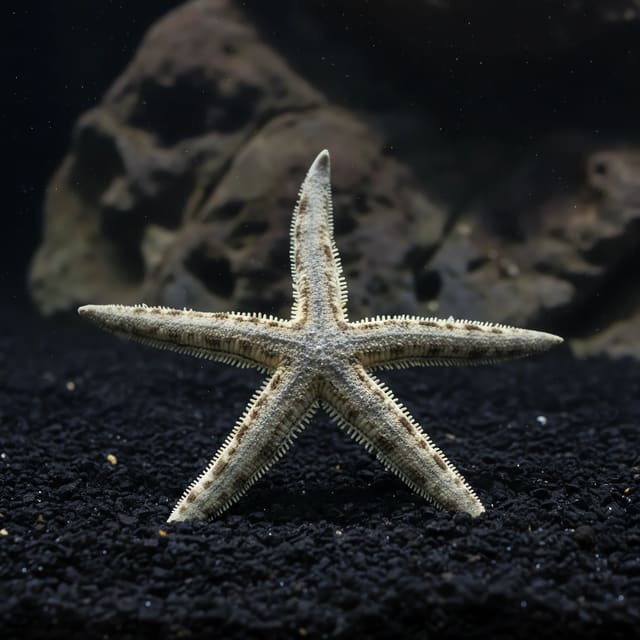
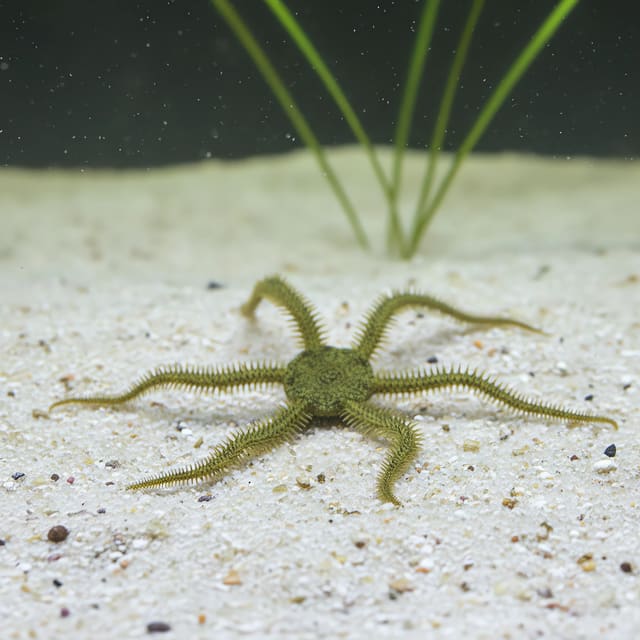
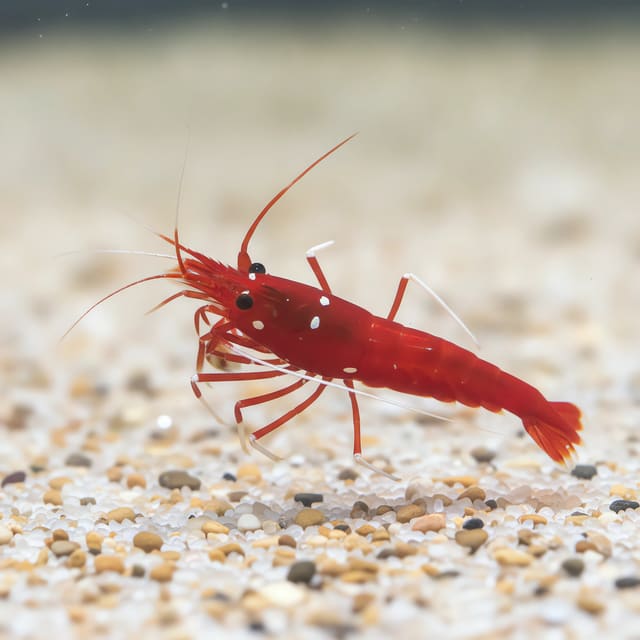
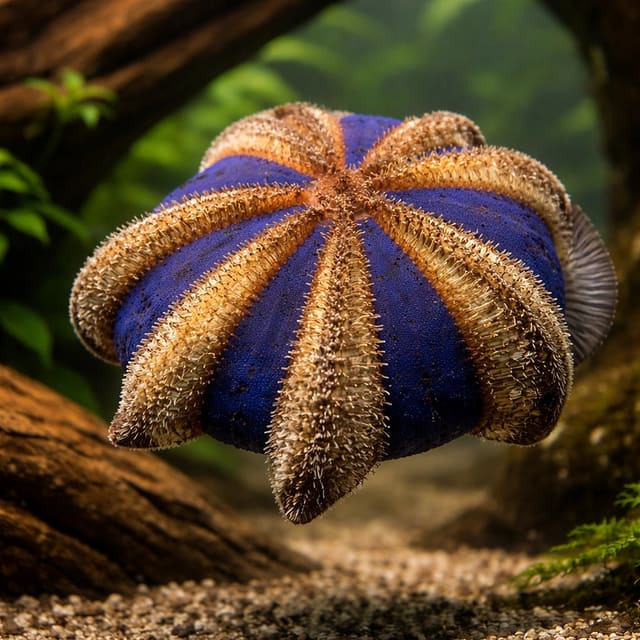
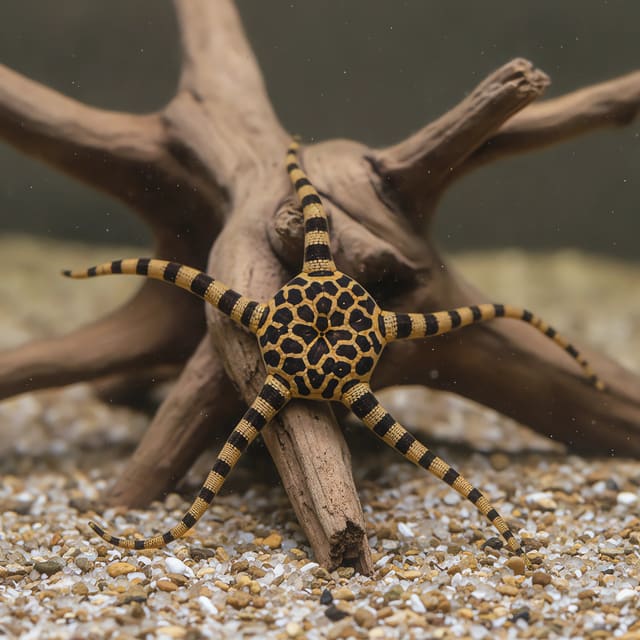
The gallery image represents the listed species but is not a promise of identical colour or markings. Some gallery images have been digitally enhanced to improve image quality. They show the listed type of animal rather than guaranteeing the exact markings of the individual supplied, so natural colour and pattern can vary.
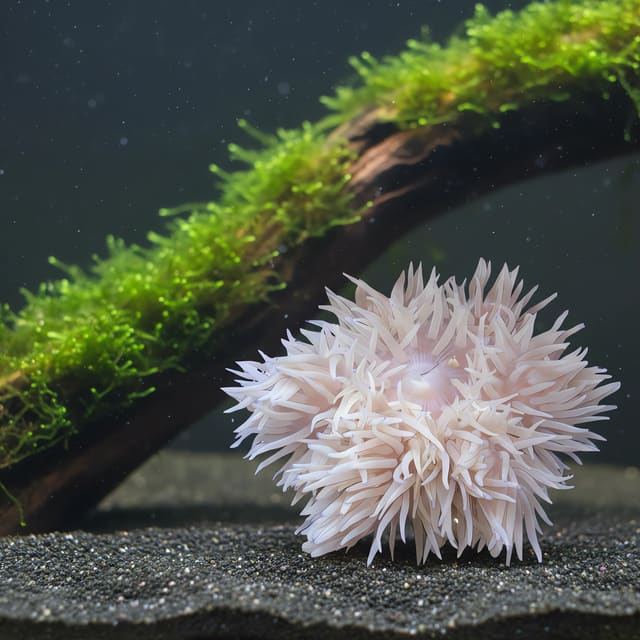
The visible scene shows a five-armed orange starfish with red-tinted tips and cream net-like markings on rock. Use those details to recognise the visual theme, while allowing for natural differences between animals. Do not use colour, arm proportions or the gallery pose to infer sex, age or final size.
The OATA guide for starfish, sea urchins and sea cucumbers gives general ranges for these animals rather than an optimum for Nardoa novaecaledoniae: 24–26°C, salinity of 1.023–1.026 and pH 7.9–8.3. It also calls for zero ammonia, zero nitrite, nitrate not exceeding 50 mg per litre, carbonate hardness of 8–12°dKH, calcium at 380–450 ppm and magnesium at 1250–1350 ppm.
Use those figures as the starting operating envelope, then favour consistency within it. A result inside the range does not compensate for detectable ammonia, detectable nitrite or repeated instability. Reef aquariums containing more sensitive animals may need narrower values, so the whole community must fit the chosen routine.
OATA recommends an aquarium of at least 60 litres for smaller species and a larger aquarium for larger starfish, urchins and sea cucumbers. Treat 60 litres as a floor for the smaller animals covered by that guidance, not as a minimum for every starfish. For this animal, choose the largest practical mature aquarium and judge its suitability by stable water, established filtration, usable rock surfaces and the eventual space required by the individual.
| Care point | Working figure |
|---|---|
| Temperature | 24–26°C |
| Salinity | 1.023–1.026 |
| pH | 7.9–8.3 |
| Ammonia | 0 mg per litre |
| Nitrite | 0 mg per litre |
| Nitrate | Up to 50 mg per litre |
| Carbonate hardness | 8–12°dKH |
| Water changes | 25% at least weekly |
| Suits | Not suited to |
|---|---|
| Stable aquarium water maintained at 24–26°C and pH 7.9–8.3 | Water outside 24–26°C and pH 7.9–8.3 |
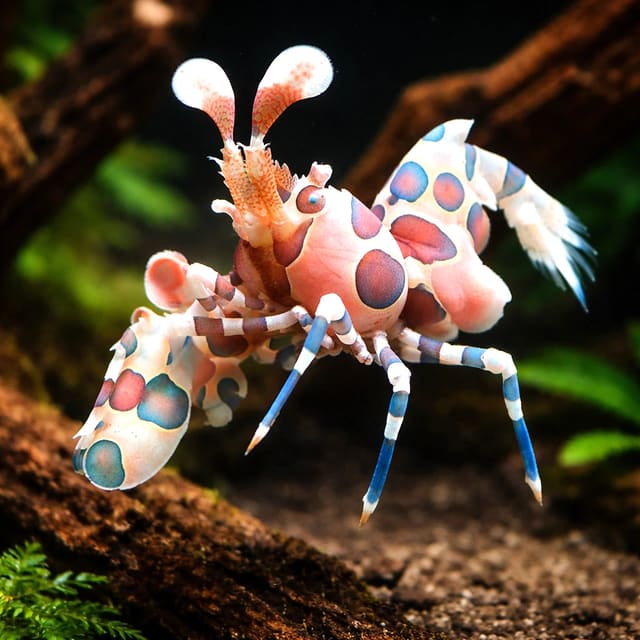
| Fish considered reef-safe after individual screening | Harlequin shrimp |
Set the aquarium within 24–26°C, salinity 1.023–1.026 and pH 7.9–8.3 before introducing the starfish. Test ammonia and nitrite as separate decisions: both must read zero. Keep nitrate at or below 50 mg per litre, while maintaining carbonate hardness at 8–12°dKH, calcium at 380–450 ppm and magnesium at 1250–1350 ppm.
Use a written test log so a change is visible before it becomes a pattern. Record the date, temperature, salinity, pH, ammonia, nitrite and nitrate together. Add carbonate hardness, calcium and magnesium on the schedule used for the wider reef aquarium. A single result tells you where the aquarium stands at that moment; a sequence shows whether maintenance is holding it there.
| Result | Action |
|---|---|
| Ammonia above zero | Do not add the starfish; check filtration, stocking and waste. |
| Nitrite above zero | Pause the introduction and restore biological stability. |
| Nitrate above 50 mg per litre | Carry out the maintenance needed to bring it back within the limit. |
| Temperature outside 24–26°C | Correct the aquarium gradually before introduction. |
| Salinity outside 1.023–1.026 | Bring the aquarium into range before the animal is released. |
| pH outside 7.9–8.3 | Check the wider water routine rather than repeatedly chasing one reading. |
If a reef contains animals that require tighter chemistry, work to the narrower compatible range. Never widen a sensitive animal’s limits merely because the starfish and echinoderm figures are broader. The correct target is the overlap that all residents can tolerate.
Test again whenever behaviour or appearance changes. Small amounts of ammonia or nitrite can stress echinoderms, so unusual movement, weak attachment or tissue changes should prompt a water check rather than a speculative treatment.
Suppose temperature and salinity remain inside range but ammonia changes from zero to a detectable result after feeding or adding livestock. Treat ammonia as the decisive warning rather than averaging the readings into an overall impression that the water is acceptable. Pause further additions, inspect filtration and waste, and continue testing until both ammonia and nitrite are consistently zero again.
A different pattern needs a different response. If ammonia and nitrite remain zero but nitrate rises towards 50 mg per litre over successive checks, review waste removal and the weekly water-change routine before the limit is exceeded. This approach links each result to an action and avoids changing several parts of the system without knowing which problem you are addressing.
A filter is essential. OATA describes several suitable forms for a marine setup: live rock with sufficient water flow, an internal or external filter, or a sump-based filter. A protein skimmer can also help by removing dissolved organic waste before it breaks down into more harmful substances.
The RSPCA’s aquarium filtration guidance explains the biological reason. Livestock waste releases ammonia, which is toxic. Beneficial bacteria in a working biological filter convert ammonia to nitrite and then to the safer nitrate. The starfish should enter only after this process is established and routine tests show zero ammonia and zero nitrite.
Stocking too quickly can produce new tank syndrome because the bacterial population cannot process the increased waste. A mature aquarium is therefore one whose filter continues to hold ammonia and nitrite at zero through normal feeding and maintenance, not simply one that has been running for a particular length of time.
Live or artificial rock is essential for the animals covered by the OATA guidance because it creates grazing opportunities and cover. Arrange enough accessible surface for the starfish to move across while leaving the filter and water flow unobstructed. Stability matters more than decorative complexity.
Before adding the animal, compare the new biological load with the aquarium’s recent history. A system that has just received several additions needs time for its filter population to catch up. Add this starfish only when tests and routine maintenance show that the system is coping consistently.
First, confirm that normal feeding has not produced detectable ammonia or nitrite. Next, check that filter flow remains reliable between maintenance sessions and that cleaning does not cause recurring instability. Finally, review recent livestock additions. If several animals have just been added, wait for the biological filter to adjust rather than placing another demand on it immediately.
Keep the same checkpoints after introduction. A filter that worked before stocking must continue processing the extra waste created by livestock and feeding. When ammonia or nitrite appears, reduce pressure on the system by pausing additions and reviewing waste, feeding and filter performance. Do not judge filtration by equipment size or water clarity alone; judge it by stable operation and repeated zero readings for both toxic nitrogen compounds.
Do not choose this animal as a guaranteed cleaner. Starfish have varied diets: OATA describes omnivorous brittle stars that take small amounts of frozen brine shrimp, mysis shrimp or prepared flakes, while other starfish consume algae and biofilms on glass or live food in a sand bed. Some starfish can also consume sponges, tube worms or other starfish.
For Pacific Jewel Starfish, begin with a mature aquarium containing established rock surfaces and visible grazing opportunities. Preserve those surfaces through the maintenance cycle rather than cleaning every rock face at once. Movement across glass or rock shows where the animal travels, but it should not be treated as automatic proof that enough food has been consumed.
| Observation | Decision |
|---|---|
| Regular movement over established rock | Keep mature grazing surfaces accessible and continue checking body condition. |
| Repeated attention to algae or biofilm | Avoid stripping all growth from the aquarium during maintenance. |
| Interest in a confirmed food type | Use small amounts and remove waste through the normal maintenance routine. |
| Reduced food intake | Test water and compare behaviour, attachment and appearance with the animal’s usual pattern. |
| Food left to decay | Remove it before it adds unnecessary pressure to water quality. |
Establish the intended feeding mode during the stocking assessment before purchase. This is also the point to decide whether the aquarium has enough established food-bearing surface or sand-based life for that plan. If natural grazing is central to the approach, place the animal only in a mature aquarium where algae, biofilms or appropriate live foods have had time to develop.
Keep feeding and water quality connected. Increasing food also increases the amount the filter must process. Add food cautiously, watch the response and check that ammonia and nitrite remain at zero. If intake falls, do not compensate by scattering several different foods around the aquarium; first check water, attachment, movement and tissue condition.
A starfish may cross a surface without consuming what is on it. Record where it pauses, whether the same route is used repeatedly and whether feeding response changes alongside attachment or appearance. The aim is to build a consistent picture of behaviour, not to label every movement as successful grazing.
If the animal repeatedly uses established rock while remaining normally active and attached, preserve that part of the aquarium during maintenance. If feeding response falls at the same time as movement, attachment or colour changes, test the water before altering the food plan. When extra food leaves waste behind, remove it and review the amount offered rather than allowing it to increase the filter’s workload.
This decision sequence protects both nutrition and water quality: maintain suitable natural surfaces, observe the individual, add only cautiously, remove waste and check ammonia and nitrite after any meaningful increase in feeding.
Carry out a partial water change of 25% at least once every week. Use the change to remove accumulated waste and to review the aquarium as a complete system: livestock condition, filter flow, rock surfaces, skimmer performance and the latest water readings all belong to the same routine.
A siphon can remove solid waste from gravel during the water change. Work in sections rather than disturbing every surface at once. Rock provides grazing opportunities and cover, so cleaning should remove harmful accumulation without erasing all established surfaces from the animal’s route.
Do not wait for the aquarium to look dirty before acting. Dissolved waste and nitrogen compounds are not judged by appearance. The weekly change, filter check and regular testing work together: the change removes waste, the filter processes ongoing livestock output, and the tests show whether both are keeping pace.
| If you notice | Do this |
|---|---|
| Reduced filter flow | Check for a blockage and clean only as needed. |
| Falling skimmer performance | Clean the skimmer and confirm normal operation. |
| Recurring ammonia or nitrite | Review stocking, feeding and biological filtration before adding livestock. |
| Rising nitrate | Check waste removal and keep it from exceeding 50 mg per litre. |
| Loss of grazing surfaces | Adjust cleaning so established rock remains part of the feeding plan. |
A 25% change means replacing one quarter of the aquarium water being used for the calculation. For example, 25% of 100 litres is 25 litres, while 25% of 200 litres is 50 litres. Use the aquarium’s working water volume for planning and follow the same method each week so the routine remains consistent.
Prepare the change as one connected job. Remove solid waste where practical, retain the withdrawn aquarium water needed for lightly rinsing filter media, restore normal filter and skimmer operation, and then check that flow has returned. This avoids cleaning the biological media under the tap or forgetting to restart equipment after maintenance.
Use the result to shape the next week. If nitrate still trends upwards, waste remains trapped or filter flow falls again quickly, review feeding, stocking and maintenance together rather than merely waiting for the next scheduled change.
Learn the starfish’s normal movement, attachment, colour and feeding response. Echinoderms naturally vary, so the useful signal is a persistent change from the individual’s normal pattern rather than one isolated pose. Compare several observations and test the water as soon as a concerning change appears.
Reduced activity, prolonged inactivity, difficulty moving, unusual movement, loss of attachment and an inability to right itself after overturning can indicate a problem. Test temperature, salinity, pH, ammonia, nitrite and nitrate. Check that filter flow remains normal and that no recent stocking or feeding increase has placed extra pressure on the biological filter.
A darker or paler appearance than normal deserves attention when it persists or appears alongside a behavioural change. Look for lesions, discoloured patches, excessive mucus, tissue damage, loss of tube feet or arms, and fluffy growths. Do not turn a visible lesion into a guessed diagnosis; start with water tests and a full review of recent maintenance.
Reduced food intake or a weaker response to touch, light or water movement can be an early warning. Compare it with the animal’s usual response and check whether the aquarium has undergone a water change, filter interruption, livestock addition or feeding change. Correct an identified environmental problem without making repeated abrupt adjustments.
| Change | First response |
|---|---|
| Weak attachment | Test water and inspect movement. |
| Persistent inactivity | Compare with normal behaviour and check filtration. |
| Colour change | Look for accompanying tissue or feeding changes. |
| Lesions or tissue loss | Test immediately and contact us about the decline. |
| Reduced feeding | Review water quality and the established feeding plan. |
Act early because even small amounts of ammonia and nitrite can stress starfish and other echinoderms. Keep the response evidence-led in the everyday sense: measure the aquarium, identify the change and address the cause rather than adding an unselected treatment.
For example, prolonged inactivity together with detectable ammonia calls for an immediate review of filtration, stocking and waste. A brief rest with normal attachment, colour and water readings gives a different picture, so continue observation rather than treating the pose alone as a diagnosis. When lesions, tissue loss or continuing decline appear, complete the same water and system checks promptly and contact us about the health change.
Complete the aquarium checks before the delivery window. Someone must be home to receive live livestock, so use the delivery and Live Arrival Guarantee policy to confirm the delivery window, tracking process and claim requirements. If practical, start filming every delivery before opening the parcel, with the sealed parcel and outer box visible, and continue in one take through opening until the animal is shown inside the sealed bag. Send clear photos or an optional video with the order number if a Live Arrival Guarantee claim is needed. We strongly recommend an unboxing video when practical: it helps us investigate arrival concerns faster, resolve them with less back-and-forth and understand packing or transit issues so we can reduce recurrence. Video is optional and clear photos are accepted. Never delay necessary animal care to record evidence.
Prepare the aquarium first so acclimation is not used to compensate for unsuitable salinity, detectable ammonia, detectable nitrite or an immature filter.
Establish a normal baseline for movement, attachment, colour and responsiveness. Test the water if the animal shows prolonged inactivity, difficulty moving, loss of attachment, inability to right itself, unusual colour, tissue damage or reduced feeding. Review the filter and recent stocking at the same time because health and water quality are closely linked.
Continue the normal weekly 25% water-change routine rather than carrying out unnecessary disruptive maintenance immediately after introduction. Keep established rock surfaces accessible and watch how the animal uses them before altering the aquascape or cleaning away grazing growth.
| Checkpoint | What to confirm |
|---|---|
| After release | Normal filter operation and the animal’s initial attachment and movement. |
| Next observations | Whether movement, colour and responsiveness begin forming a consistent baseline. |
| After feeding | Food response and continued zero ammonia and nitrite. |
| Weekly maintenance | A 25% water change, clear filter flow and retained grazing surfaces. |
If attachment weakens or activity changes after introduction, test the complete water set rather than assuming acclimation alone is responsible. Review temperature, salinity, pH, ammonia, nitrite and nitrate together, then check filtration and recent feeding. This gives you a measured starting point for the next decision and avoids repeatedly disturbing the animal while searching for a cause.
Compatibility must be assessed before introduction. OATA advises that starfish, sea urchins and sea cucumbers can mix with fish considered reef-safe, but other fish such as triggerfish may predate on them. A reef-safe description is therefore a screening starting point, not permission to overlook the behaviour and feeding biology of each resident.
| Tank mate | Decision |
|---|---|
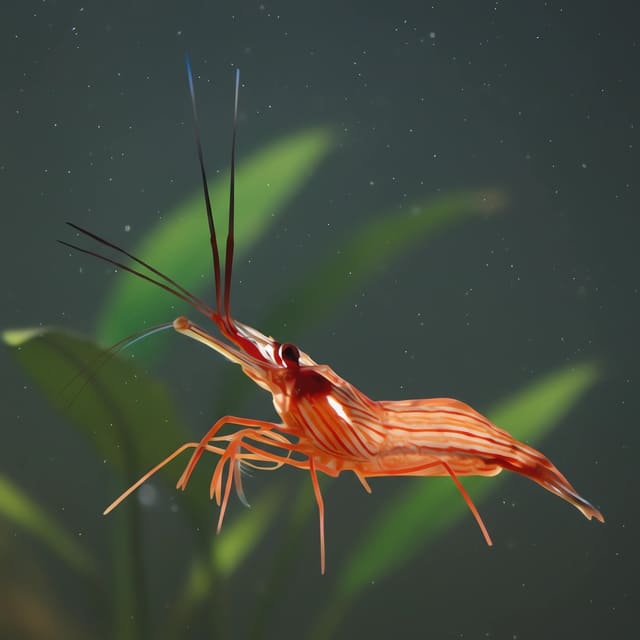
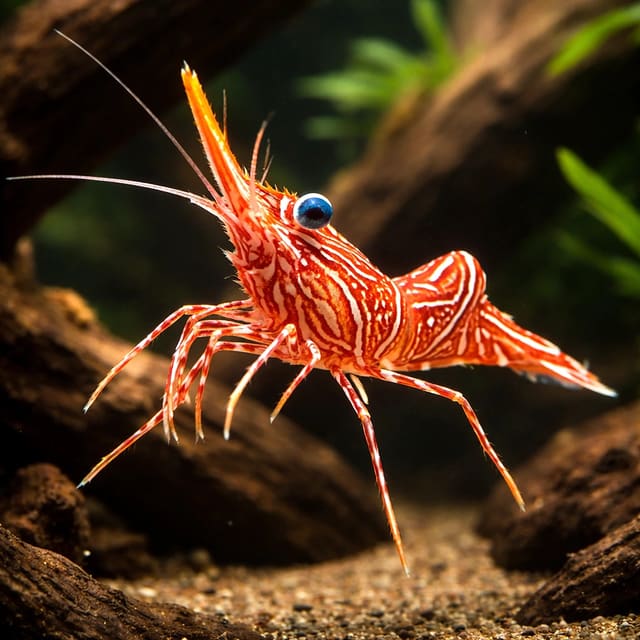
| Harlequin shrimp | Avoid: they prey exclusively on starfish. |
| Triggerfish | Use caution: they may predate on the starfish. |
| Fish considered reef-safe | Potentially suitable after the individual species is screened. |
| Corals and other reef invertebrates | Proceed only after confirming the starfish fits that reef community. |
| Additional echinoderms | Assess space, food resources, filtration and all species involved. |
Harlequin shrimp are the clear exclusion because starfish are their specialised prey. Triggerfish require a cautious decision because predation may occur. For every other animal, judge whether it is likely to bite, prey on or repeatedly disturb the starfish and whether the starfish’s own feeding behaviour fits the community.
Contact us with the aquarium volume, water readings and complete livestock list for a stocking and compatibility assessment. Include planned additions as well as existing residents, because two animals that appear acceptable separately may create a different feeding or predation risk when combined.
If a harlequin shrimp appears anywhere on the livestock list, the decision is to avoid adding the starfish because the shrimp preys on starfish. If a triggerfish is present, treat predation as a real risk rather than relying on a general community label. A reef-safe fish can move to the next stage of screening, but still consider the behaviour of the species and individual.
Then examine the starfish’s effect on the community. Confirm that its feeding mode fits the corals and other invertebrates and that the aquarium has enough suitable surfaces and filtration for the additional animal. Finish with water tests: ammonia and nitrite must both be zero before introduction. This order separates direct predation, reef suitability and biological capacity instead of collapsing them into one vague compatibility answer.
Do not apply one reef-safe promise to every starfish. OATA stresses that starfish species have diverse needs and that the animal should be checked for reef suitability before introduction. The same diversity appears in feeding: some starfish consume algae and biofilms, while others can consume sponges, tube worms or other starfish.
Use that variation as a practical decision rule. Identify the intended role before purchase, establish the feeding plan and decide what living surfaces or animals could be affected. An animal selected for observation should not be expected to solve algae or maintenance problems without a feeding assessment.
One purchase supplies one Pacific Jewel Starfish. Begin the aquarium plan around that single animal rather than treating several starfish as a required group. Before adding another echinoderm, reassess mature grazing area, suitable food, filtration capacity and the compatibility of every species involved.
OATA’s minimum of 60 litres applies to smaller species within a very varied set of echinoderms, while larger species need larger aquariums. Choose more water volume and usable rock surface when the animal’s eventual span, feeding demands or existing community make the smaller-species floor inappropriate.
The marine invertebrates collection can help you compare body forms and aquarium roles. Treat each animal as a separate husbandry decision: a starfish, brittle star, sea urchin or sea cucumber may use different food and space even when all are sold as marine invertebrates.
| Question | Safe decision |
|---|---|
| Is a harlequin shrimp present? | Do not add the starfish. |
| Is a triggerfish present? | Treat predation as a material risk. |
| Are the fish considered reef-safe? | Continue screening each species and individual. |
| Does the reef contain sensitive animals? | Use the narrower compatible water range and confirm reef suitability. |
| Are more echinoderms planned? | Reassess space, food and filtration before each addition. |
If the aim is simply to add an interesting echinoderm, make sure the aquarium can support its feeding behaviour without assigning it a cleaning job. If the aim is algae control, do not assume that the starfish will provide it: group guidance shows that feeding modes vary widely. The aquarium must remain maintainable even if this individual does not consume the material you want removed.
For a mixed reef, make two separate checks. First, decide whether resident animals could prey on the starfish. Second, decide whether the starfish’s feeding behaviour fits the reef community. Passing one check does not answer the other. Revisit both questions whenever another fish, invertebrate or echinoderm is planned, because each addition changes predation, food demand and the load placed on filtration.
It is Nardoa novaecaledoniae, an accepted tropical marine sea star in the family Ophidiasteridae, also known as the yellow mesh sea star.
One purchase supplies one animal. Sex is guaranteed only when an option explicitly states male or female, and this offer has no sex-guaranteed option.
One purchase supplies one Pacific Jewel Starfish.
Use a mature, filtered marine aquarium with rock for grazing and cover. OATA’s group guidance recommends at least 60 litres for smaller echinoderms and larger aquariums for larger species.
Plan around one animal first. Assess food-bearing surfaces, aquarium space, filtration and compatibility separately before adding another starfish or other echinoderm.
OATA’s group guidance for starfish, sea urchins and sea cucumbers gives 24–26°C, salinity 1.023–1.026 and pH 7.9–8.3. Keep ammonia and nitrite at 0 mg per litre and nitrate at no more than 50 mg per litre.
Provide mature rock with established grazing surfaces and match feeding to observed behaviour. Starfish may consume algae, biofilms, live sand-bed foods or small meaty foods depending on feeding mode.
If practical, start filming before opening the parcel, showing it still sealed and the outer box, and continue in one take until the animal is visible inside the sealed bag. Float the sealed bag for 20–30 minutes before release and do not pour transport water into the aquarium.
Avoid harlequin shrimp because they prey exclusively on starfish. Triggerfish may also predate; screen reef-safe fish and confirm that the starfish fits the wider reef community.
No reviews for this item yet. Bought one? Honest reviews only, good or bad.
What customers say about ordering from us
Easy website plenty of info on fish your buying great to pick a time slot
TRACEY DURRANT · 7 Oct 2026
Got some lovely fish thank you
Kevin Mackie · 7 Oct 2026
Reviews of our shop, collected by Judge.me, an independent third-party review collector. Newest first.