Moderate
Ophiolepis superba - Marine Aquarium Livestock UK
24–26°C · pH 7.9–8.3
£58.99
The Sand Sifting Starfish (Archaster typicus), also called the sand star, is a starfish of the family Archasteridae from shallow Indo-Pacific waters. It suits an established marine aquarium with a settled sand bed and reef-safe fish, kept within OATA's guidance for starfish of 24–26 °C, pH 7.9–8.3 and salinity 1.023–1.026. Sold individually as one live starfish.
Archaster typicus
The Sand Sifting Starfish (Archaster typicus), also called the sand star, is a starfish of the family Archasteridae from shallow Indo-Pacific waters. It suits an established marine aquarium with a settled sand bed and reef-safe fish, kept within OATA's guidance for starfish of 24–26 °C, pH 7.9–8.3 and salinity 1.023–1.026. Sold individually as one live starfish.
Maintain these water conditions for optimal health and vibrant colors
The Sand Sifting Starfish (Archaster typicus) is a marine starfish from shallow Indo-Pacific waters, also known as the sand star. The World Register of Marine Species lists Archaster typicus Müller & Troschel, 1840 as an accepted species in the family Archasteridae, within the order Valvatida. It suits a keeper whose marine aquarium is already mature, with stable water and a settled sand bed, rather than a tank that has only just been set up.
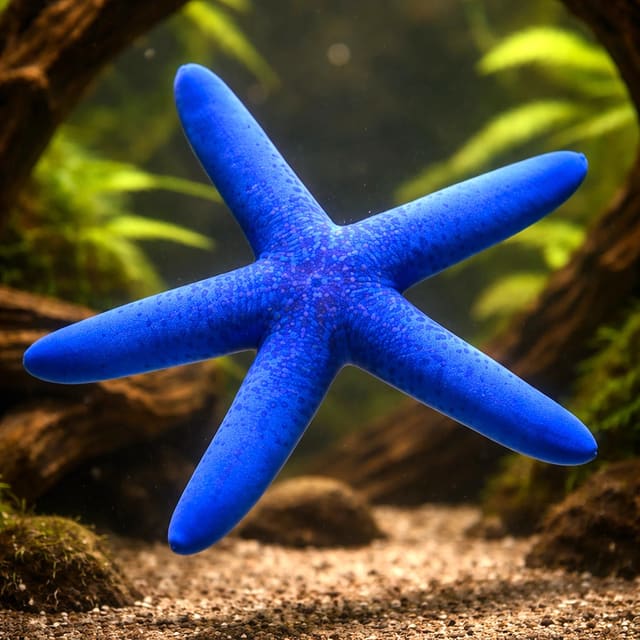
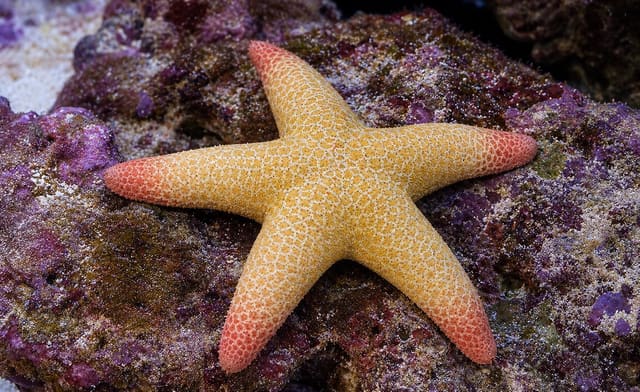
Like sea urchins and sea cucumbers, starfish are echinoderms: animals with radial symmetry, which in a starfish shows as evenly spaced arms. OATA includes the sand sifting starfish among the popular starfish kept in marine aquariums, alongside the blue starfish and the red starfish, and describes starfish, sea urchins and sea cucumbers as usually undemanding of water chemistry. What they do demand is a well-run, established system.
Its arms carry tube feet, which OATA lists alongside spines and arms among the parts whose loss signals a health problem. A settled starfish stays attached to surfaces and can right itself when turned over, and those simple signs shape the daily checks later in this guide.
Wikipedia notes that the names sand star and sand sifting star are also used for starfish in the genus Astropecten. Common names therefore do not pin down the animal on their own. When you compare starfish, or read advice written for a sand star, check that it refers to Archaster typicus.
| Suits | Not suited to |
|---|---|
| An established marine aquarium with stable water | A newly set-up tank |
| A wide, settled sand bed with live or artificial rock | An aquarium with little open substrate |
| Fish considered reef-safe | Triggerfish, harlequin shrimp or chocolate chip starfish |
| Keepers who test water weekly | Systems where ammonia or nitrite readings fluctuate |
Each purchase is one live Sand Sifting Starfish. Sex is guaranteed only when the selected option explicitly states male or female. This Archaster typicus listing has no sex-guaranteed option. With a starfish, the practical decisions rest on the aquarium, so the checks below matter most.
Choosing this starfish is a decision about your aquarium's age and stability first. If your system is not yet fully mature, the kindest choice is to wait and order later: a sand star added too early finds too little growing in the sand to live on.
Gallery images have been digitally enhanced to improve image quality. Natural colour, pattern, size and maturity can vary between live animals.
If you are building a marine invertebrate collection around it, the marine invertebrate range shows the other animals the shop stocks; check each one against the compatibility tab before it goes into the same aquarium.
| At a glance | Planning figure |
|---|---|
| Sold as | One live starfish |
| Temperature | 24–26 °C |
| pH | 7.9–8.3 |
| Salinity | 1.023–1.026 |
| Aquarium | Mature, and larger than the 60-litre minimum for small echinoderms |
| Companions | Fish considered reef-safe |
OATA's care sheet for starfish, sea urchins and sea cucumbers starts with a general rule: within reason, buy an aquarium as large as possible. It gives at least 60 litres for smaller species and says larger starfish, sea urchins and sea cucumbers need a larger aquarium, with the size varying by species. For a sand star, plan on the larger side of that advice. A bigger system also carries a wider sand bed and holds its water values more steadily between tests.
OATA's feeding guidance is that starfish living on algae, biofilms and live foods in the sand bed should only go into mature aquariums where those foods have had time to grow. A tank can look clean and clear long before the life in the sand has had time to grow, so treat a new aquarium as unsuitable, however good the test results look, and add the starfish once the system has been running steadily with other livestock for some time.
OATA explains that stocking too quickly, before the filter's nitrifying bacteria have built up, causes new tank syndrome: ammonia and nitrite rise to unhealthy levels and invertebrates may become ill or die. Check that ammonia and nitrite are both at zero before any invertebrate goes in, and increase the livestock slowly, because the bacteria need to catch up every time stocking and feeding increase.
A worked example: while a new system matures, tests usually show ammonia first, then nitrite, and then nitrate as the bacteria convert each in turn, the chain the RSPCA describes. The starfish belongs at the end of that process, once ammonia and nitrite both read zero week after week and nitrate stays within OATA's 50 mg per litre, not on the first day a zero appears.
| Your aquarium | What to do |
|---|---|
| Newly set up, still cycling | Wait; finish maturing the filter and sand bed first |
| Running steadily, small footprint | Check open sand area and water stability before choosing a starfish |
| Large, long-established, reef-safe fish | A good home for a single sand star |
OATA describes starfish, sea urchins and sea cucumbers as undemanding of décor, needing very little. Two elements are still essential. Live or artificial rock provides opportunities for grazing and cover, and the sheet notes that some starfish may require a sand bed. For a starfish sold as a sand sifter, from the shallow waters Wikipedia describes, treat the sand as the main habitat and the rock as the backdrop.
Arrange live or artificial rock towards the back or sides, where it provides grazing surfaces and cover for other animals and supports biological filtration when live rock is used with sufficient flow. Keep the front and centre as open sand. This layout also makes the starfish easier to watch, which matters for the daily checks described in the health section.
In a tank with a 100 cm front, one option is to build the rock into two separate groups at either end, leaving a clear band of sand across the middle and front. The starfish then has open substrate to cross, fish have rock to shelter in, and a siphon can reach each part of the sand without moving the rock.
Keep the aquarium at 24–26 °C, pH 7.9–8.3 and salinity 1.023–1.026. These are OATA's broad values for starfish, sea urchins and sea cucumbers as a group of invertebrates, and the sheet recommends checking for any requirements particular to the species you buy. The full set is below.
| Measure | Aim for |
|---|---|
| Salinity | 1.023–1.026 |
| Temperature | 24–26 °C |
| pH | 7.9–8.3 |
| Ammonia | Zero |
| Nitrite | Zero |
| Nitrate | No more than 50 mg per litre |
| Carbonate hardness | 8–12 °dKH |
| Calcium | 380–450 ppm |
| Magnesium | 1250–1350 ppm |
OATA adds that in a reef aquarium some of these parameters will need to be altered to suit more sensitive species. If your starfish is going into a reef system, set the water around the needs of the most demanding animals in it while keeping ammonia and nitrite at zero.
Starfish are echinoderms that OATA describes as stressed by even the smallest amounts of ammonia and nitrite, which may then cause them to develop diseases. Of all the figures above, the two zeros are the ones never to compromise on.
A filter is essential whatever the size of the tank. The RSPCA's aquarium environment advice explains why: animals release ammonia, which is toxic, and a working biological filter grows beneficial bacteria that convert it to nitrite, also toxic, and then to nitrate, which is safer. For a marine set-up, OATA lists three ways to provide that filtration: live rock with sufficient water flow, an internal or external filter, or a sump-based filter.
OATA notes that a protein skimmer can be beneficial, because it removes dissolved organic waste before it breaks down into more harmful substances. Clean the skimmer regularly so it keeps working at full performance.
In a 200-litre system, a 25% change is 50 litres. Prepare the replacement salt water in advance and check that it reads within the 1.023–1.026 band, then siphon 50 litres from the sand surface, rinse any filter media that needs it in part of that removed water, and refill. Siphon a different section of the sand each week so the whole bed is never disturbed at once.
OATA notes that some echinoderms perform a useful cleaner role in the aquarium. That never replaces the weekly water change, filter care and testing above, which keep the water values the starfish depends on.
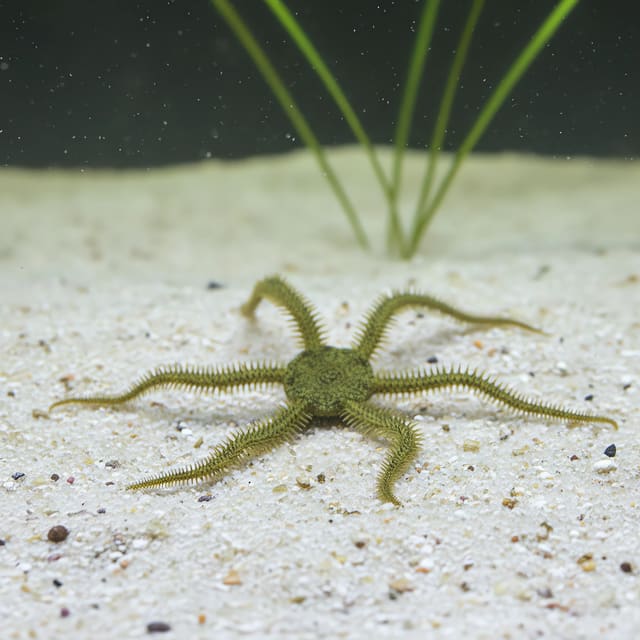
OATA's guidance is clear that starfish have varying dietary requirements. Some, such as brittle stars, are omnivorous and will eat small amounts of frozen meaty foods such as brine shrimp or mysis shrimp, and prepared foods like flakes. Others consume algae and biofilms on the glass and live foods in the sand bed, and these should only be placed into mature aquariums where those foods have had time to grow.
Plan its food supply around the aquarium rather than a feeding routine. The most important decision is when you buy it: into a mature tank with a settled sand bed, not a new one. After that, protect the food supply by maintaining the sand gently, stocking slowly and keeping the system stable.
If you see those warning signs, test the water first and read the health section below. Do not assume that frozen foods suited to a brittle star will suit a sand star; plan for it around the sand bed instead.
Feed the fish in the tank according to their own needs, not in the hope of feeding the starfish. Every animal releases ammonia that the filter has to process, so extra food added for the starfish's sake mainly adds to the load on the filter.
Before the parcel arrives, check that ammonia and nitrite are at zero, as OATA advises before any invertebrate is added. Each animal is hand-bagged in pure oxygen inside an insulated poly box, with a heat pack when the weather calls for it, and carried by a tracked, licensed live-animal courier. The full terms are on our delivery and Live Arrival Guarantee page.
Test salinity, temperature, pH, ammonia and nitrite and write the readings down; they are your comparison point if anything looks wrong later. Decide where the starfish will go in: an open patch of sand, clear of rock and easy to see from the front.
The Live Arrival Guarantee depends on three things: someone at the address to receive the parcel, the parcel opened and inspected on the day it arrives, and the continuous unboxing video showing it still sealed. Film every delivery this way, even when all looks well as the lid comes off.
Place the starfish on open sand rather than on rock, then watch how it moves and responds over the following days using the checklist in the health section. Keep testing weekly, and leave further additions until the tank has shown steady readings with the starfish in it, since OATA advises increasing livestock slowly.
OATA notes that all echinoderms vary slightly in behaviour and appearance, and that watching for changes helps you catch problems before they become a real health issue. For starfish, these are the changes it lists:
Test the water. OATA's advice whenever you are concerned about livestock is to check water quality first, and because echinoderms are stressed by even the smallest amounts of ammonia and nitrite, any reading above zero is the first thing to put right. Check salinity and temperature at the same time. If the readings are all within range and the change continues, contact us with a description of what you are seeing.
OATA lists an inability to right itself when overturned as a warning sign. If the starfish is on its back and does not turn itself over, treat that like the other signs above: test the water straight away and look for any other change on the list.
A short look each day builds a picture of how your starfish usually behaves: where it tends to rest, how readily it moves, and how it responds when water flow reaches it. The warning signs above only mean something against that baseline, so make the check part of feeding the rest of the aquarium or your first look at the tank each morning.
OATA's guidance is that starfish, sea urchins and sea cucumbers should be mixed with other species carefully. They will mix with fish considered reef-safe, but some animals are a direct threat to a starfish.
Fish considered reef-safe are the group OATA names as suitable company for starfish. Check each species you plan to add against that description, and against the three animals above, before it goes in.
| Companion | Decision |
|---|---|
| Fish considered reef-safe | Suitable |
| Triggerfish | Avoid: may prey on starfish |
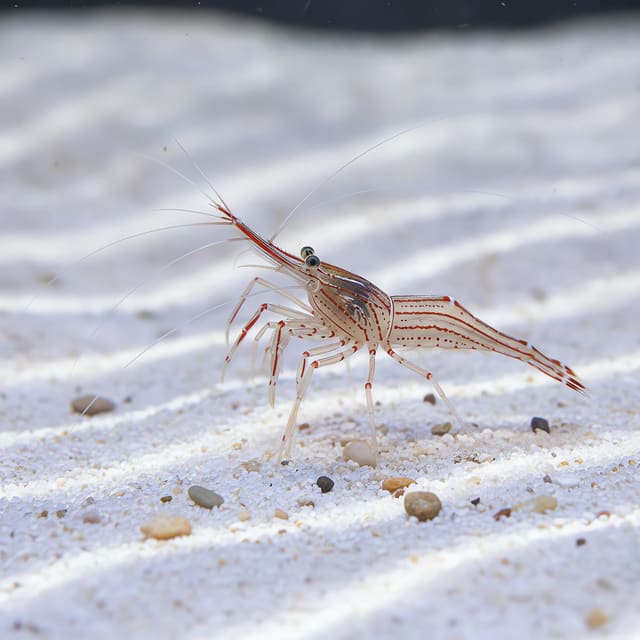
| Harlequin shrimp | Avoid: prey exclusively on starfish |
| Chocolate chip starfish | Avoid: can consume other starfish |
| Other starfish | Check that species' diet and reef-safe status first |
OATA also advises checking that any starfish you are interested in is reef-safe, and notes that a reef system may need some water parameters altered for its more sensitive species. If corals and other invertebrates share the tank, ask us about your specific set-up before you order.
Because a sand star depends on a mature system, the order in which you stock the aquarium matters as much as the species you choose. OATA's advice to increase livestock slowly applies to every addition, not only to the starfish.
If any answer is no, leave that animal out of this aquarium.
In practice, the starfish is one of the later additions to a new marine aquarium: mature the filter and sand bed, add reef-safe fish slowly, confirm weeks of steady readings, and only then add the sand star.
Start with a single starfish. A second makes a larger demand on the same sand bed, so consider one only in a large, long-established system in which the first has stayed active and responsive for some time.
Choose the largest marine aquarium you reasonably can, with a wide area of open sand. OATA's guidance for starfish, sea urchins and sea cucumbers is at least 60 litres for the smaller species and a larger aquarium for larger starfish, so plan well above that 60-litre floor and make sure the tank is already mature.
Start with one. OATA advises adding livestock slowly, because the filter's bacteria need time to catch up whenever stocking and feeding increase, and starfish that live on foods in the sand bed need those foods to have had time to grow. Consider a second only in a large, long-established aquarium.
No. It belongs in an established marine aquarium with a settled sand bed and stable water. OATA advises that starfish feeding on biofilms and live foods in the sand bed should only go into mature aquariums where those foods have had time to grow, so wait until your system has been running steadily.
Plan its food around a mature aquarium with an established sand bed rather than a feeding routine. OATA explains that starfish diets vary: brittle stars take small frozen meaty foods, while others live on algae, biofilms and live foods in the sand bed and need a mature aquarium where those foods have grown. Do not assume a sand star will take the frozen foods a brittle star accepts.
Keep it at 24–26 °C and pH 7.9–8.3, the values OATA gives for starfish, sea urchins and sea cucumbers as a group. Hold both steady, and keep ammonia and nitrite at zero.
OATA's guidance for this group of invertebrates is a salinity of 1.023–1.026, carbonate hardness of 8–12 °dKH, calcium of 380–450 ppm and magnesium of 1250–1350 ppm, with nitrate not above 50 mg per litre. Test these before the starfish arrives and after each water change.
OATA's guidance is that starfish mix with fish considered reef-safe. Avoid triggerfish, which may prey on starfish, harlequin shrimp, which prey exclusively on starfish, and chocolate chip starfish, which can consume other starfish. Check every new addition for these risks first.
Not with a chocolate chip starfish, which OATA notes can consume other starfish. For any other species, check its diet and whether it is reef-safe first: starfish diets vary, and a second animal that lives on foods in the sand bed shares the same supply, so start with one and add others only to a large, long-established aquarium.
It is hand-bagged in pure oxygen, packed in an insulated poly box with a heat pack when the weather calls for it, and carried by a tracked, licensed live-animal courier; someone must be at the address to receive it. Start a continuous unboxing video with the parcel still sealed and open it in one take, then float the bag for 20–30 minutes before releasing the starfish, and never pour the bag water into your tank. For a Live Arrival Guarantee claim, send the shop that video and your order number on the same day; WhatsApp is fastest.
No reviews for this item yet. Bought one? Honest reviews only, good or bad.
What customers say about ordering from us
Easy website plenty of info on fish your buying great to pick a time slot
TRACEY DURRANT · 7 Oct 2026
Got some lovely fish thank you
Kevin Mackie · 7 Oct 2026
Reviews of our shop, collected by Judge.me, an independent third-party review collector. Newest first.