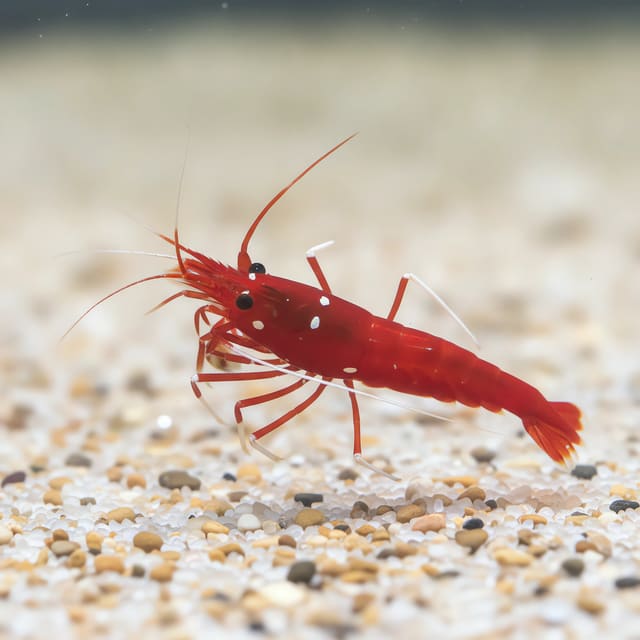
Fire Shrimp (Lysmata debelius)
24–26°C · pH 7.9–8.3
£64.99
Lysmata wurdemanni is an accepted saltwater shrimp species historically known in the marine aquarium trade as the peppermint shrimp. One purchase supplies one animal. Keep it in a mature, filtered marine aquarium with rockwork; OATA’s marine-crustacean guidance gives 24–26°C and salinity 1.023–1.026.
Lysmata wurdemanni
Lysmata wurdemanni is an accepted saltwater shrimp species historically known in the marine aquarium trade as the peppermint shrimp. One purchase supplies one animal. Keep it in a mature, filtered marine aquarium with rockwork; OATA’s marine-crustacean guidance gives 24–26°C and salinity 1.023–1.026.
Maintain these water conditions for optimal health and vibrant colors
Lysmata wurdemanni is a saltwater shrimp in the family Lysmatidae. The World Register of Marine Species accepts Lysmata wurdemanni (Gibbes, 1850) as the species name, so the scientific identity is the clearest way to understand which animal this page describes.
The shrimp has historically been called the peppermint shrimp in the marine aquarium trade. An encyclopaedic account of its natural history explains an important limitation of that common name: genetic and morphological revisions found that many shrimp previously labelled L. wurdemanni belong to distinct species, including Lysmata boggessi and Lysmata rathbunae. Use the binomial rather than the trade name alone when comparing identities.
This shrimp suits a keeper who already has a mature marine filter, can test saltwater parameters and is prepared to screen every proposed tank mate for predation risk. Its exoskeleton, moulting cycle and sensitivity to ammonia and nitrite make water quality, rockwork and cautious stocking more important than decorative complexity. You can compare its role with other animals in our marine invertebrates collection, but assess every addition on its own behaviour and care needs.
| Suits | Not suited to |
|---|---|
| Mature, filtered marine aquariums | Immature or unfiltered aquariums |
| Keepers able to test marine water values | Setups where ammonia or nitrite is detectable |
| Rockwork with grazing and hiding areas | Aquariums without suitable shelter |
| Communities screened for shrimp predation | Non-reef-safe fish likely to prey on marine crustaceans |
One purchase supplies one animal.
Sex is guaranteed only when the selected option explicitly states male or female. This Lysmata wurdemanni listing has no sex-guaranteed option.
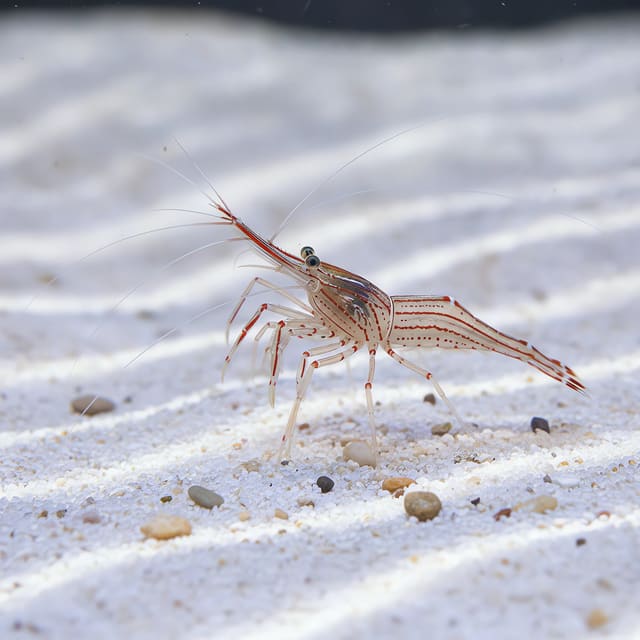
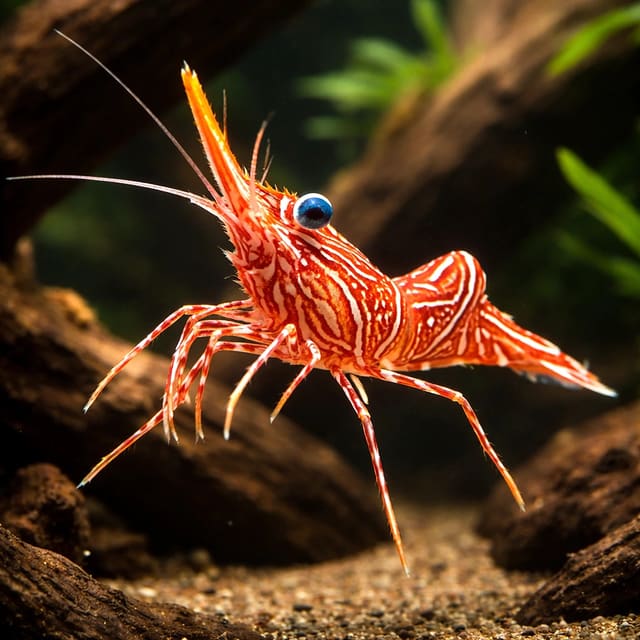
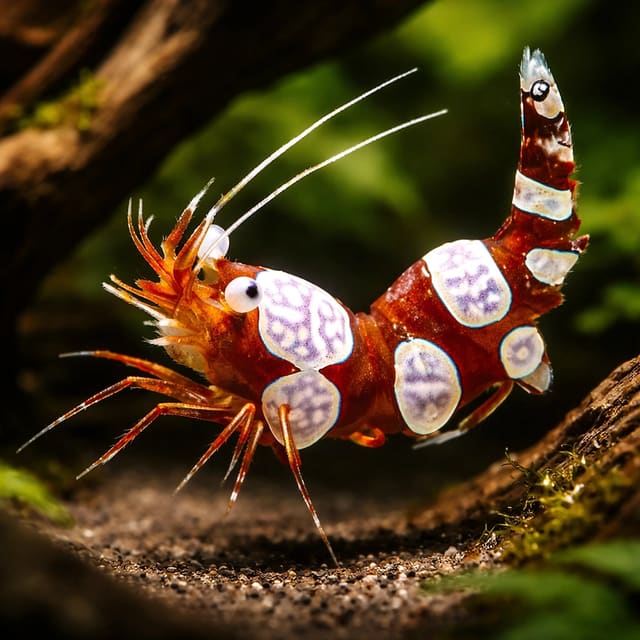
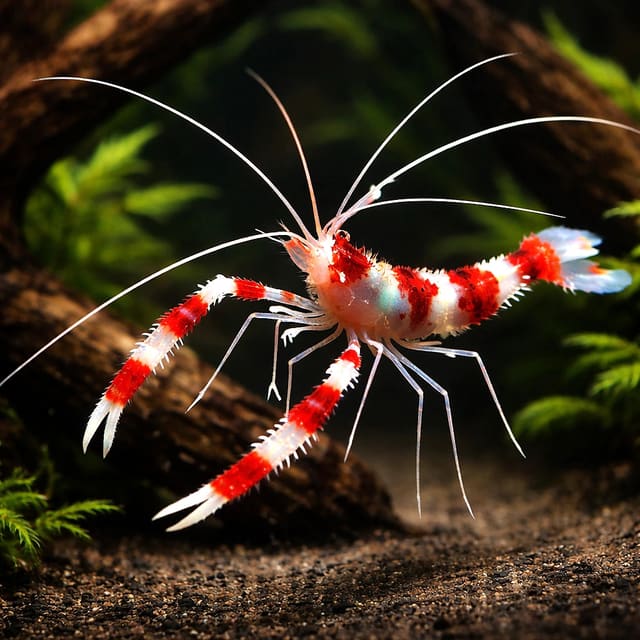
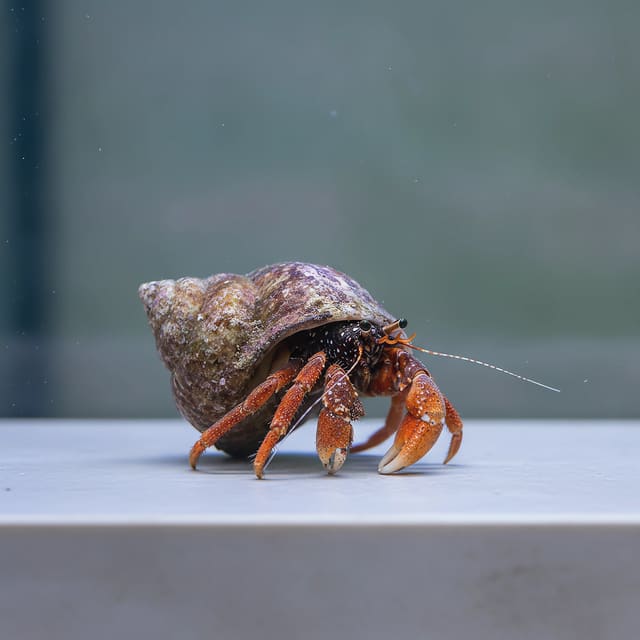
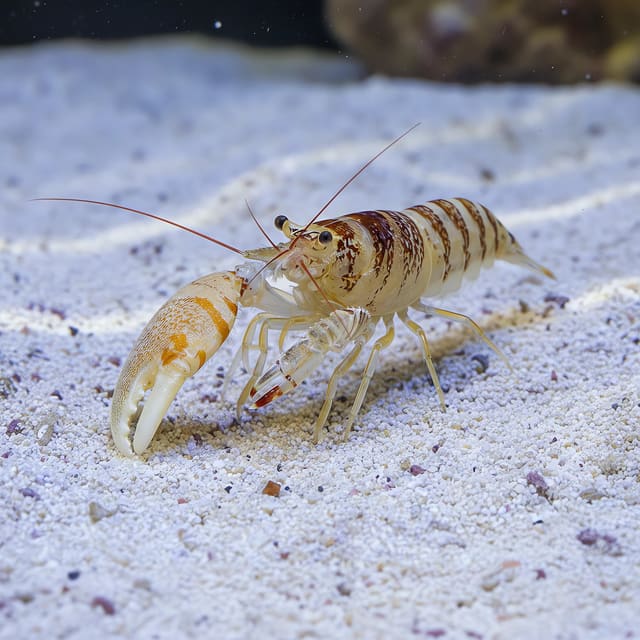
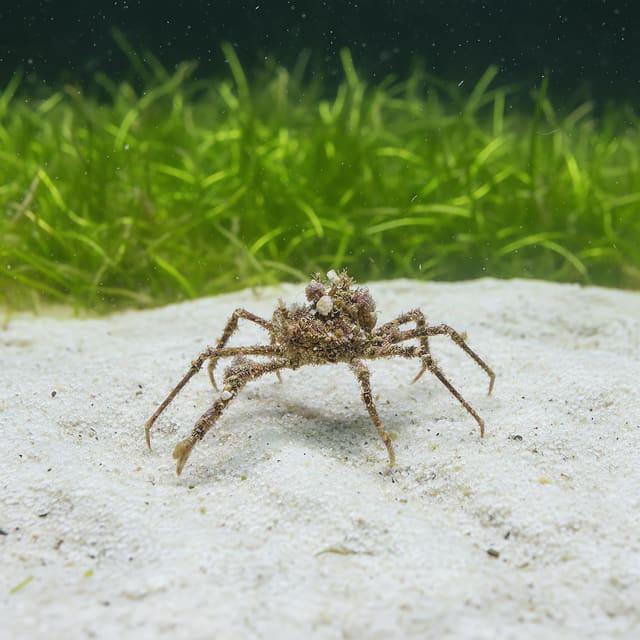
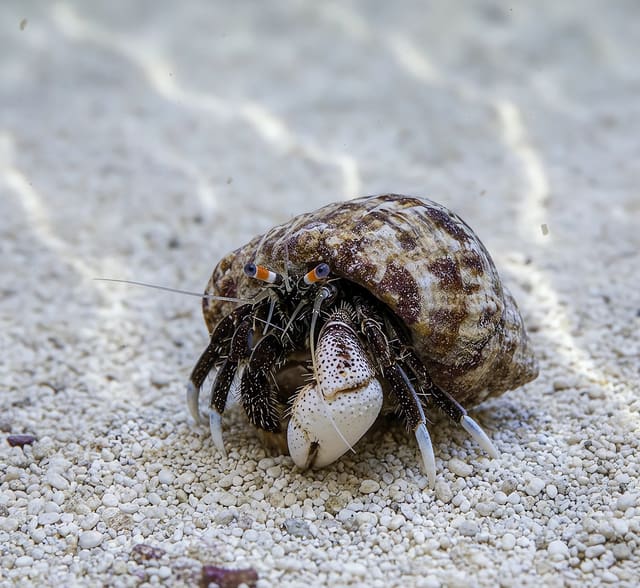
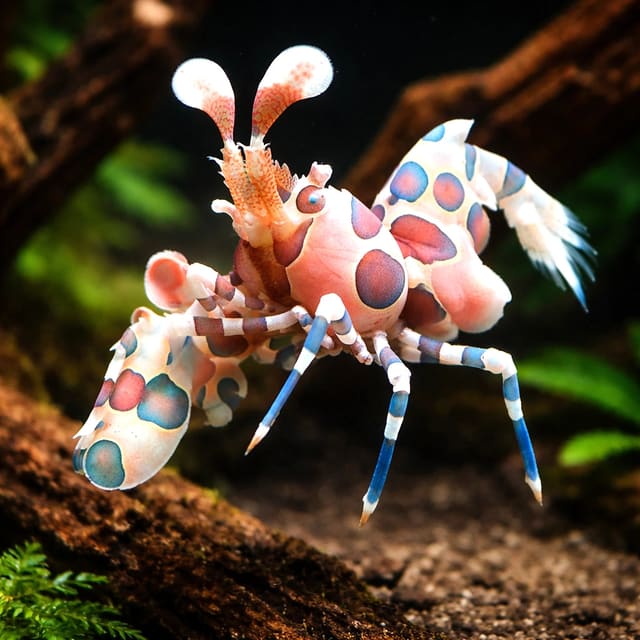
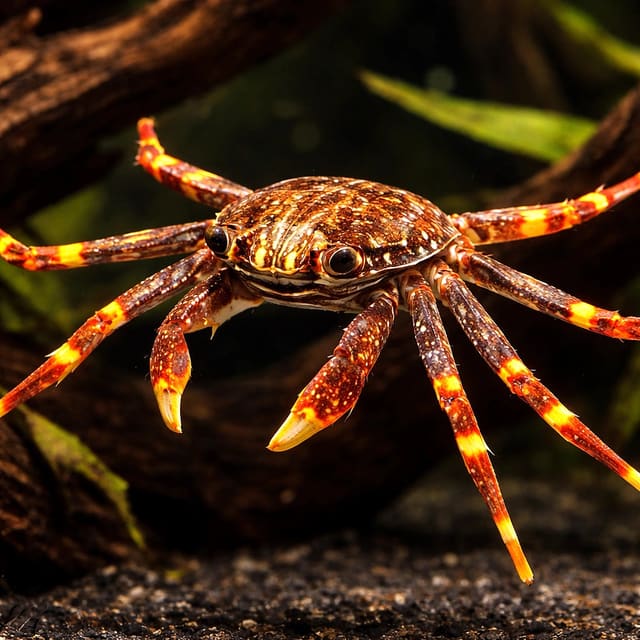
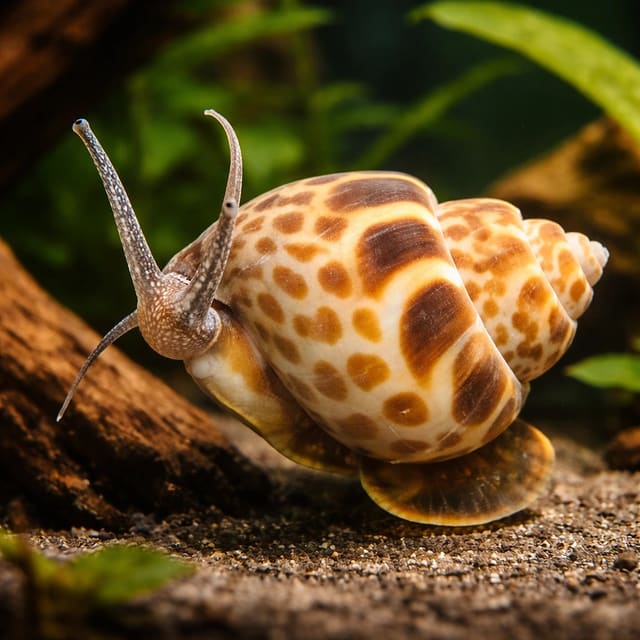
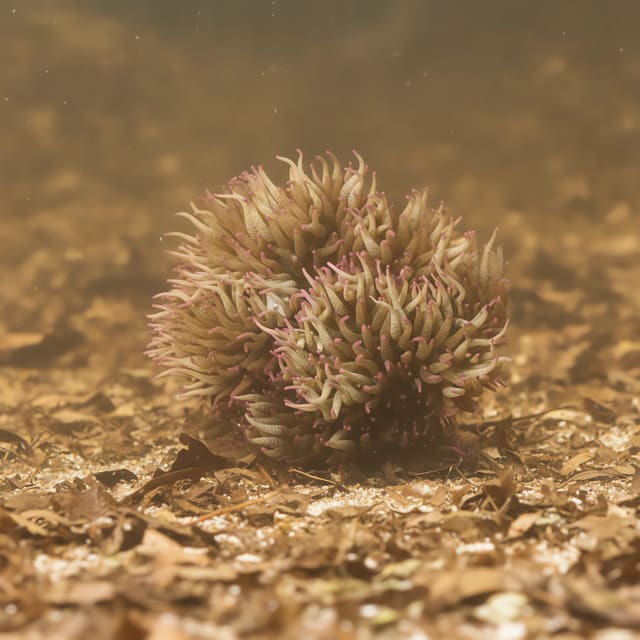
The gallery images are representative of this type of animal rather than photographs of the exact animal supplied, so colours can look slightly different from the live animal.
OATA’s marine-crustacean guidance gives 24–26°C, pH 7.9–8.3 and salinity 1.023–1.026 for the wider group. These are broad group targets rather than a species-specific optimum. Use them as the routine starting range while also meeting any narrower requirements imposed by more sensitive animals in a reef aquarium.
| Planning point | Working target |
|---|---|
| Temperature | 24–26°C |
| Salinity | 1.023–1.026 |
| pH | 7.9–8.3 |
| Carbonate hardness | 8–12°dKH |
| Calcium | 380–450 ppm |
| Magnesium | 1,250–1,350 ppm |
| Ammonia and nitrite | Zero mg per litre |
| Nitrate | Not to exceed 50 mg per litre |
For smaller crab and shrimp species, OATA recommends an aquarium of at least 40 litres. Use at least 40 litres as the closest planning baseline, then increase space when the wider community, aquascape or livestock load requires it. A nominal volume does not compensate for an immature filter, crowding or poor water movement.
Include live or artificial rock because it creates grazing surfaces and hiding places. Freshly moulted crustaceans often hide while the new exoskeleton hardens, which may take a couple of days. Arrange enough sheltered areas that the shrimp can withdraw without losing access to the filtered part of the aquarium.
A filter is essential. Suitable marine filtration can use live rock with sufficient water flow, an internal or external filter, or a sump-based filter. A protein skimmer can also help by removing dissolved organic waste before it breaks down. Choose the method according to the complete aquarium, but make biological filtration and unobstructed flow non-negotiable.
Before choosing this shrimp, make three decisions in order: confirm that the filter is mature, confirm that the water falls within the working targets and confirm that existing animals are unlikely to prey on a shrimp. Only then should colour, behaviour or an interest in Aiptasia influence the purchase.
A mature filter contains beneficial bacteria able to process the waste created by the aquarium’s livestock and feeding. The RSPCA’s aquarium filtration guidance explains the sequence: toxic ammonia is converted to nitrite, which is also toxic, and then to the safer end product nitrate. The filter must be established and operating before the shrimp enters the aquarium.
Filter choice does not replace testing. Confirm zero mg per litre ammonia and zero mg per litre nitrite before adding the shrimp. Continue testing after additions because extra livestock and feeding increase the load placed on the bacterial population.
Add livestock gradually rather than treating spare water volume as spare biological capacity. Beneficial bacteria need to increase as the aquarium population and feeding load rise. Adding too many animals too quickly can create new tank syndrome, allowing ammonia or nitrite to reach unhealthy levels.
Use a simple checkpoint after every addition: test ammonia and nitrite, inspect the filter for normal flow and check whether uneaten food remains. If either nitrogen reading rises above zero, pause further additions and review filtration, feeding and maintenance before placing more demand on the aquarium.
Keep filtration decisions separate from appearance. Clear water can still contain dissolved ammonia, nitrite or nitrate, while suspended particles do not by themselves measure biological performance. Base the decision to add this shrimp on test results, established filtration and stable operation rather than sight alone.
Run the aquarium at 24–26°C, salinity 1.023–1.026 and pH 7.9–8.3. Keep carbonate hardness at 8–12°dKH, calcium at 380–450 ppm and magnesium at 1,250–1,350 ppm. Ammonia and nitrite must remain at zero mg per litre, while nitrate must not exceed 50 mg per litre.
| Test result | Decision |
|---|---|
| Ammonia above zero | Pause livestock additions and inspect filtration, waste and feeding. |
| Nitrite above zero | Pause additions and review biological-filter performance. |
| Nitrate approaching 50 mg/L | Review water changes, uneaten food and accumulated waste before it exceeds the maximum. |
| Salinity outside 1.023–1.026 | Return it to the working range before introducing the shrimp. |
| Temperature outside 24–26°C | Correct the aquarium before adding livestock. |
Record results rather than relying on memory. A short log of temperature, salinity, pH, ammonia, nitrite and nitrate shows whether a reading is isolated or part of a developing pattern. Add carbonate hardness, calcium and magnesium to that routine so the complete marine chemistry remains within its target range.
Reef aquariums may contain more sensitive animals that require adjusted or narrower parameters. In that situation, use the range that safely accommodates the most sensitive resident while keeping every value within the shrimp’s working marine range. Compatibility includes shared water requirements as well as direct behaviour.
Marine crustaceans can be stressed by even small amounts of ammonia and nitrite. Do not wait for visible changes before responding to a non-zero result. Stop increasing the livestock load, check that the filter is flowing freely, remove the cause of excess waste and resume additions only after ammonia and nitrite return to zero.
Keep nitrate below its stated maximum rather than treating 50 mg per litre as a target. Weekly partial water changes, controlled supplementary feeding and removal of accumulated solid waste work together to prevent deterioration. The maintenance section below gives the routine for carrying out those tasks without damaging the biological filter.
Marine crustaceans have varied dietary requirements. Most members of the group are omnivorous and consume algae, detritus and small meaty items, so use a mixed feeding plan rather than relying on one food. Suitable group choices include nori algae sheets, small frozen foods such as brine shrimp and pellets.
OATA also notes that peppermint shrimp identified as Lysmata wurdemanni consume unwanted Aiptasia anemones. Treat that behaviour as one possible part of what the shrimp finds in an aquarium, not as a complete feeding plan or a guaranteed method of clearing every Aiptasia. Continue to offer varied supplementary food whether Aiptasia is present or absent.
Many crustaceans graze through the day, so a fixed number of meals does not suit every aquarium. Base supplementary feeding on the natural food present, the shrimp’s feeding response and the amount left after a feed. The goal is to provide variety without leaving excess food to decay.
Uneaten food breaks down and releases waste into the water. That creates extra work for the biological filter and can contribute to rising ammonia, nitrite or nitrate. Check the feeding area after each supplementary feed and use the next portion to correct any consistent surplus.
Do not assume visible grazing means supplementary nutrition is never needed. The amount and type of natural food vary between aquariums, and animals sold for a grazing role still require an appropriate diet when they consume the material they were introduced to eat. A rotation of algae-based and small meaty foods gives a more practical plan than dependence on a single aquarium pest.
Crustaceans have a segmented body protected by a hard exterior called an exoskeleton. Growth requires them to shed that exterior. An empty shell in the aquarium can therefore be a normal moult rather than the body of the shrimp.
After shedding, the replacement exoskeleton may take a couple of days to harden. The shrimp will often hide during this period, making secure shelter a functional part of its care rather than an optional decoration. Live or artificial rock is essential because it provides both grazing opportunities and places where a freshly moulted animal can withdraw.
Normal hiding after a moult must still be distinguished from a health change. Difficulty moulting, incomplete shedding, a prolonged soft-shell condition or a marked change in moulting frequency belongs on the health-warning checklist. Combine what you see with test results instead of judging the empty shell alone.
Reserve rockwork for the shrimp before introducing it. Do not count a crowded pile that is already occupied by territorial or predatory animals as dependable shelter. The aquarium should offer grazing surfaces and withdrawal areas while preserving sufficient water flow for the filtration system.
When considering additional livestock, check that sheltered areas remain accessible and that new animals will not remove the shrimp’s opportunity to hide. This is particularly important around a moult, when the new exoskeleton has not yet hardened. Space, compatibility and shelter therefore need to be assessed together rather than as separate decorations and livestock choices.
Carry out a partial water change of 25% at least once every week. Use a siphon where the substrate allows it so solid waste does not continue breaking down in the aquarium. Test the water as part of the same routine, covering ammonia, nitrite, nitrate, pH and the remaining marine parameters used for this setup.
Check and clean filters regularly to prevent blockages, but do not run the filter under the tap. Chlorine or chloramine can kill part of the beneficial bacterial population established in the media. Instead, rinse the media lightly in aquarium water removed during the partial water change.
A light rinse is different from making every piece of media look new. The purpose is to remove obstructive debris while retaining as much of the bacterial population as possible. Restore the filter promptly and confirm normal flow after cleaning.
During the first four weekly maintenance cycles after adding the shrimp, compare each set of readings with the previous one. This creates an early warning if the added feeding and livestock load are pushing nitrate upwards or causing ammonia or nitrite to appear.
If a filter blockage, excess food or accumulated waste is found, correct that cause before adding more livestock. Maintenance should preserve biological capacity and remove waste; it should not create a second disruption by running the filter under the tap.
Prepare the aquarium before the delivery window. Confirm that someone can receive the parcel, that the filter is running and that ammonia and nitrite are both zero mg per litre. Check temperature, salinity and pH against the aquarium targets before opening the bag.
Follow our delivery and Live Arrival Guarantee policy for the current arrival procedure and claim requirements. The core acclimatisation instruction is to float the closed bag for 20–30 minutes before releasing the shrimp. Never pour the bag water into the aquarium.
Do not use acclimatisation to compensate for an unsuitable aquarium. If ammonia or nitrite is detectable, the biological filter requires attention before another animal is introduced. If the proposed tank mates have not been screened for predation, complete that decision before opening the bag.
Add the shrimp as one controlled increase in livestock load. Additional animals and extra feeding should follow gradually so the filter’s beneficial bacteria can respond to the higher waste input. Test after the addition rather than assuming that previously good results will remain unchanged.
Hiding soon after a moult can be part of normal crustacean biology, but a new arrival still needs observation. Use the specific warning signs in the health section—loss of coordination, unusual movement, damage, marked colour change or feeding refusal—to decide whether a response is needed.
Observe the shrimp often enough to recognise a change from its usual pattern. Marine crustaceans vary in appearance and behaviour, so the decision rests on change over time rather than one isolated pose. Pair visual observation with water tests because ammonia and nitrite can cause serious stress even in small amounts.
| What you see | What to do |
|---|---|
| Reduced activity or prolonged inactivity | Test water and compare the behaviour with the shrimp’s normal pattern. |
| Difficulty walking or swimming | Check coordination, appendages and water quality promptly. |
| Repeated attempts to leave the water | Check all marine parameters and the behaviour of tank mates. |
| Darker or paler colour than normal | Review water readings and look for other condition changes. |
| More hiding or changed temperament | Check for a recent moult and screen nearby livestock interactions. |
| Exoskeleton, limb, antenna or eye damage | Assess compatibility and monitor the affected animal closely. |
| Lesions, discolouration or white or fluffy growths | Record the change and seek individual health guidance. |
| Reduced feeding response | Check food condition, leftovers, water quality and other symptoms. |
Moulting needs its own interpretation. An empty exoskeleton and temporary hiding can be normal, while incomplete shedding, difficulty moulting, prolonged softness or a changed moulting pattern are warning signs. Locate and observe the shrimp rather than treating the shell alone as the diagnosis.
If ammonia or nitrite is above zero, pause further livestock additions and inspect the filter, feeding level and accumulated waste. If food remains after feeds, remove the surplus and reduce the next portion. If another animal is pursuing or attempting to eat the shrimp, treat compatibility as the immediate problem.
Do not apply a disease treatment based only on a general symptom. Record the test results and visible change, then contact us for help assessing persistent health changes. Clear observations—movement, feeding, colour, moult condition and water readings—make that assessment more useful than a broad description that the shrimp looks unwell.
Marine crustaceans generally mix with fish considered reef-safe, while fish that are not reef-safe are likely to prey on them and should not be kept with them. Avoid any fish whose normal aquarium behaviour places shrimp at risk of predation.
A reef-safe description is a starting screen rather than a guarantee for every individual combination. Compatibility varies, and a label applied to a species cannot predict every interaction in a particular aquascape. Review the proposed fish, the existing community and the shrimp’s access to rockwork before deciding.
Do not turn a broad community description into a universal tank-mate list. A fish community can be peaceful towards other fish while still presenting a predation risk to a crustacean. The relevant question is whether each animal is suitable around shrimp, not simply whether it is sold as a community fish.
For a stocking and compatibility assessment, contact us with the identities of the proposed tank mates, aquarium volume and existing rockwork. That is more useful than choosing by colour, general temperament or the word “reef” alone.
Marine crustaceans differ widely in compatibility. Some scavenging lobsters and crabs are opportunistic and may prey on slow-moving aquarium inhabitants, so do not assume that sharing the same animal group makes two invertebrates suitable companions.
Begin with direct risk: consider whether a crab, lobster or other proposed resident is known for opportunistic feeding. Then compare the shared environment. Every resident must fit the same temperature, salinity, pH and water-quality plan, with the narrower requirements of sensitive reef animals governing the final target.
Rockwork helps by providing grazing areas and shelter for a newly moulted shrimp, but shelter does not make a predatory combination safe. Avoid a known predation risk rather than trying to solve it by adding more décor.
| Proposed neighbour | Decision rule |
|---|---|
| Fish not considered reef-safe | Avoid when it is likely to prey on marine crustaceans. |
| Fish considered reef-safe | Screen the individual combination before introduction. |
| Opportunistic scavenging crab or lobster | Use caution because it may prey on slow-moving residents. |
| Sensitive reef animal | Use water targets that also meet its narrower requirements. |
| Unclear interaction history | Delay the combination until the predation risk has been assessed. |
Continue observing after introduction. A change in hiding, feeding response, movement or physical condition may signal that the social environment needs attention, especially if damage appears on limbs, antennae, eyes or the exoskeleton.
Compatibility is also affected by stocking pace. Every new animal and the extra food it receives increase the load on the filter. A behaviourally suitable combination can still fail if several additions push ammonia or nitrite above zero, so test the water as well as watching interactions.
Treat one shrimp as a complete, individually assessed addition. One purchase supplies one animal; it does not imply a group. If you plan to keep more than one, repeat the compatibility, shelter and filtration checks for every addition rather than assuming the first successful introduction settles the decision.
This approach answers the practical group-planning question without forcing a social arrangement onto the shrimp. Begin with the number you can house, feed and observe responsibly, then make any further addition a fresh decision based on the aquarium’s response.
Watch the biological load as closely as the animals. More livestock generally means more feeding and more waste, requiring the beneficial bacteria in the filter to increase. If ammonia or nitrite appears, stop adding animals and correct filtration, feeding or maintenance before continuing.
Food distribution also changes when more scavenging animals share an aquarium. Continue offering a varied diet while checking for uneaten material. Adding extra food indiscriminately can allow leftovers to decay, so judge each supplementary feed by what is consumed and what remains.
Finally, preserve access to shelter. A freshly moulted shrimp may hide for a couple of days while its exoskeleton hardens. Additional livestock must not remove every usable hiding place or introduce an avoidable predation risk during that vulnerable period.
It is an accepted saltwater shrimp species in the family Lysmatidae, historically called the peppermint shrimp in the marine aquarium trade. Taxonomic revisions mean that this trade name has also been used for several distinct western Atlantic shrimp.
One purchase supplies one animal.
Confirm that the marine filter is mature and running, ammonia and nitrite are zero mg per litre, the water is within its working ranges and suitable rockwork is in place before adding the shrimp.
Lysmata wurdemanni needs a mature, filtered marine aquarium with live or artificial rock for grazing and hiding. Use OATA’s at-least-40-litre planning baseline for smaller crabs and shrimp, then allow extra room for the complete community.
Treat one animal as a complete, individually assessed addition. When considering more than one, add livestock slowly, provide rockwork and hiding places, and recheck water quality and compatibility after each addition.
OATA’s marine-crustacean guidance gives 24–26°C, salinity 1.023–1.026 and pH 7.9–8.3. Keep ammonia and nitrite at zero mg per litre and nitrate below the stated maximum of 50 mg per litre.
Offer a varied marine-crustacean diet using nori, small frozen foods such as brine shrimp and pellets. Adjust supplementary feeding to natural grazing and remove uneaten food; do not depend on Aiptasia as the complete diet.
Start filming before opening the sealed parcel and continue in one take through opening it and showing the shrimp inside the sealed bag. Then float the bag for 20–30 minutes before release and never pour the bag water into the aquarium.
Screen every proposed tank mate individually. Avoid fish that are not reef-safe and are likely to prey on marine crustaceans; fish considered reef-safe still require an individual compatibility check, and opportunistic crabs or lobsters need caution.
No reviews for this item yet. Bought one? Honest reviews only, good or bad.
What customers say about ordering from us
Easy website plenty of info on fish your buying great to pick a time slot
TRACEY DURRANT · 7 Oct 2026
Got some lovely fish thank you
Kevin Mackie · 7 Oct 2026
Reviews of our shop, collected by Judge.me, an independent third-party review collector. Newest first.