Lysmata kuekenthali - Marine Aquarium Livestock UK
24–26°C · pH 7.9–8.3
£38.99
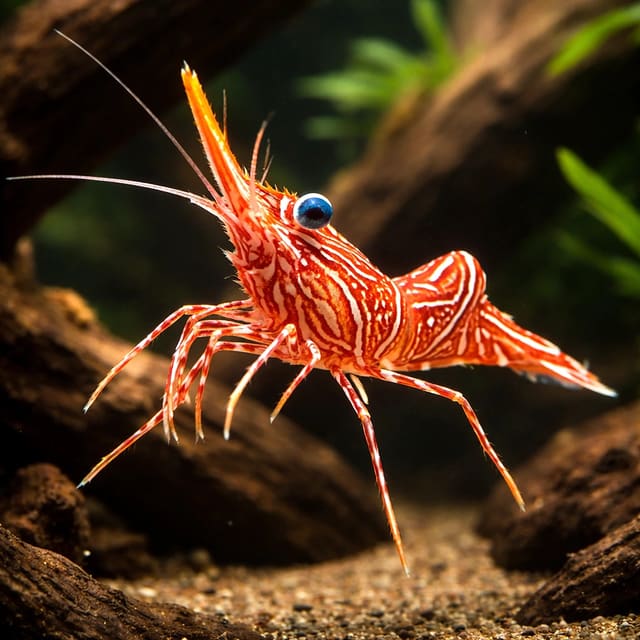
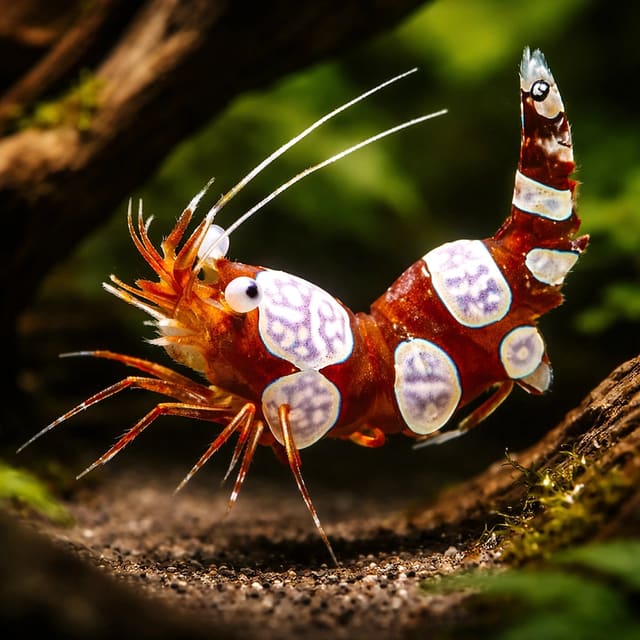
The Tiger Pistol Shrimp (Alpheus bellulus) is a marine snapping shrimp in the Alpheidae family. It suits keepers who can maintain OATA’s marine-crustacean guidance of 24–26°C, pH 7.9–8.3 and salinity of 1.023–1.026 while screening every tank mate. Sold individually.
Alpheus bellulus
Save when buying more. Each quantity is one shrimp; sex is not guaranteed unless the listing explicitly states it.
The Tiger Pistol Shrimp (Alpheus bellulus) is a marine snapping shrimp in the Alpheidae family. It suits keepers who can maintain OATA’s marine-crustacean guidance of 24–26°C, pH 7.9–8.3 and salinity of 1.023–1.026 while screening every tank mate. Sold individually.
Maintain these water conditions for optimal health and vibrant colors
The Tiger Pistol Shrimp (Alpheus bellulus) is a marine shrimp in the Alpheidae family, whose members are commonly known as snapping shrimp. WoRMS accepts Alpheus bellulus as a species in Alpheidae, while the Tiger Pistol Shrimp summary identifies it as a shrimp belonging to that family. It suits a keeper prepared to maintain stable marine conditions, run an effective filter and assess every intended tank mate before introduction.
This is an invertebrate with a hard exterior called an exoskeleton. Growth involves shedding that exterior, and the shrimp may hide while its new exoskeleton hardens. Rock therefore has a practical role beyond decoration: it provides cover for a freshly moulted crustacean.
Judge suitability by the complete aquarium rather than by the shrimp alone. Water chemistry must remain within the marine-crustacean range, ammonia and nitrite must stay at zero, and fish that are not considered reef-safe must be excluded because they are likely to prey on marine crustaceans.
| Suits | Not suited to |
|---|---|
| A filtered marine aquarium | Freshwater aquariums |
| Water held at 24–26°C and pH 7.9–8.3 | Water containing detectable ammonia or nitrite |
| Aquariums with essential rock cover | Unfiltered aquariums without hiding opportunities |
| Fish individually assessed as reef-safe | Fish not considered reef-safe |
| Keepers who test and maintain water every week | Set-ups where compatibility is assumed from a general label |
One purchase supplies one live shrimp. There is a single purchasing form on this product page, so plan for one animal without treating the purchase unit as a social or compatibility recommendation.
Sex is guaranteed only when the selected option explicitly states male or female. This Alpheus bellulus listing has no sex-guaranteed option.
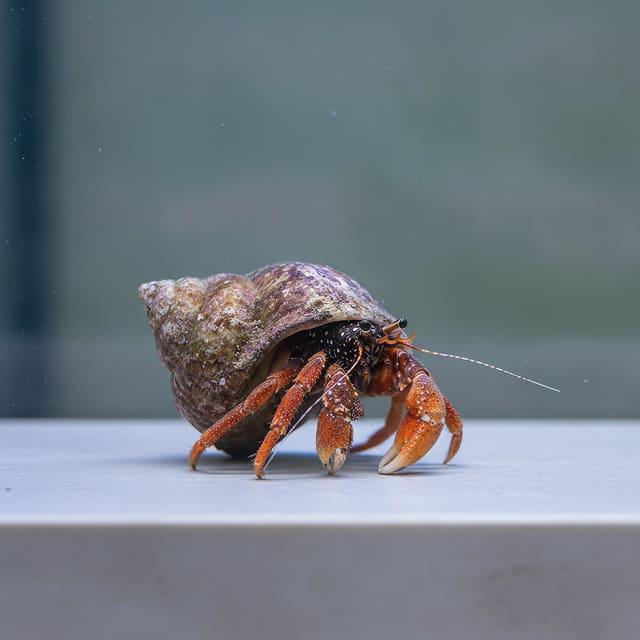
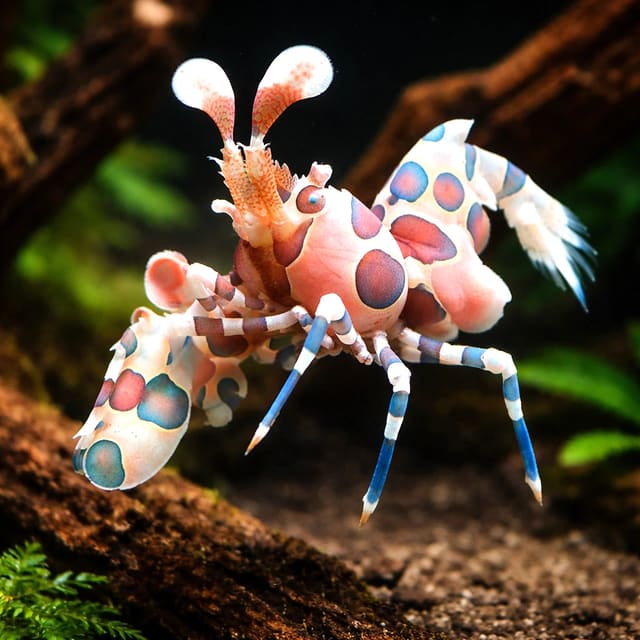
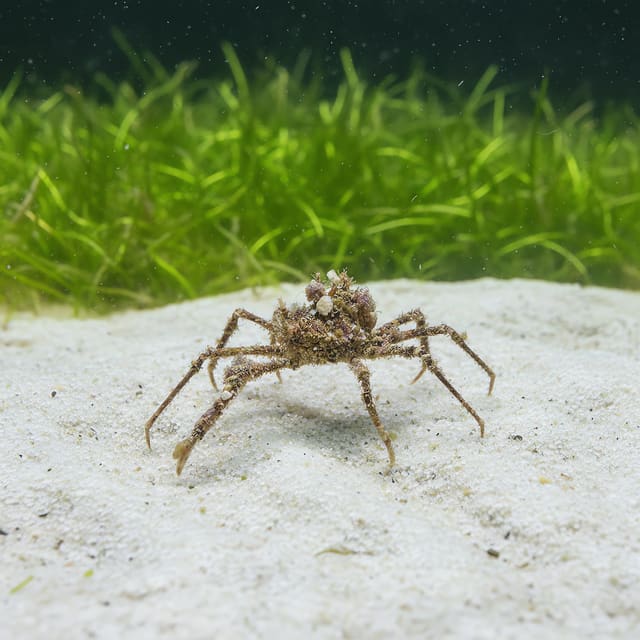
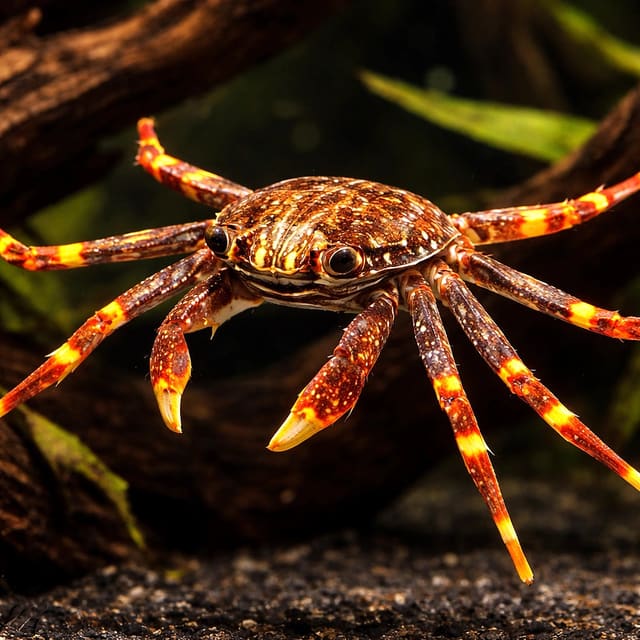
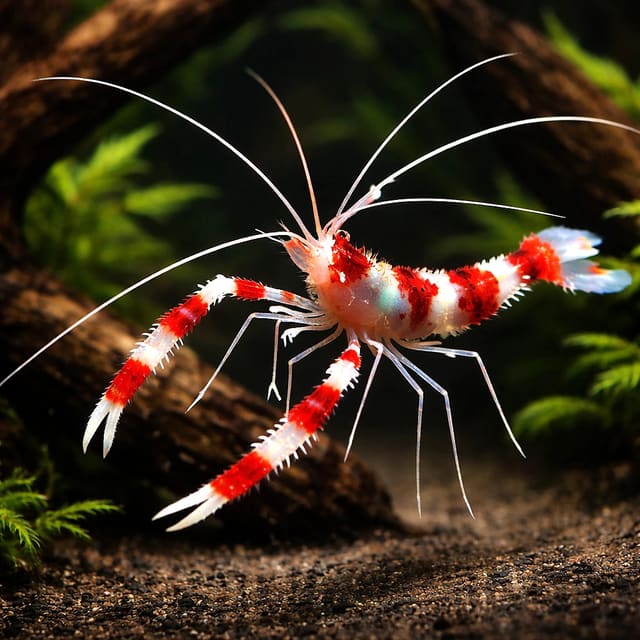
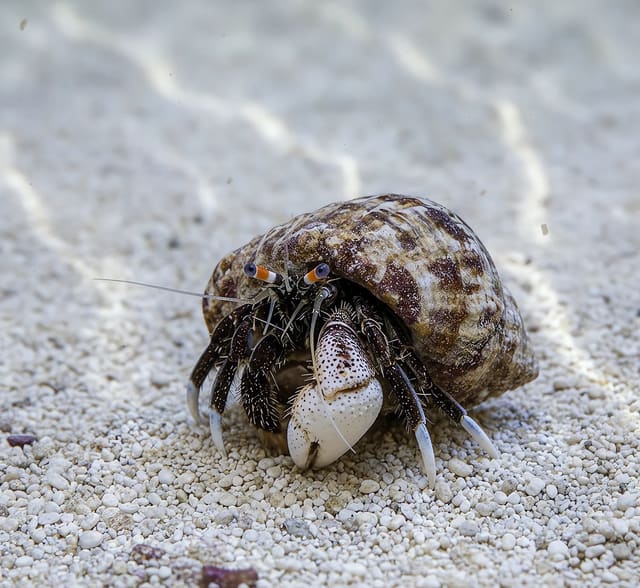
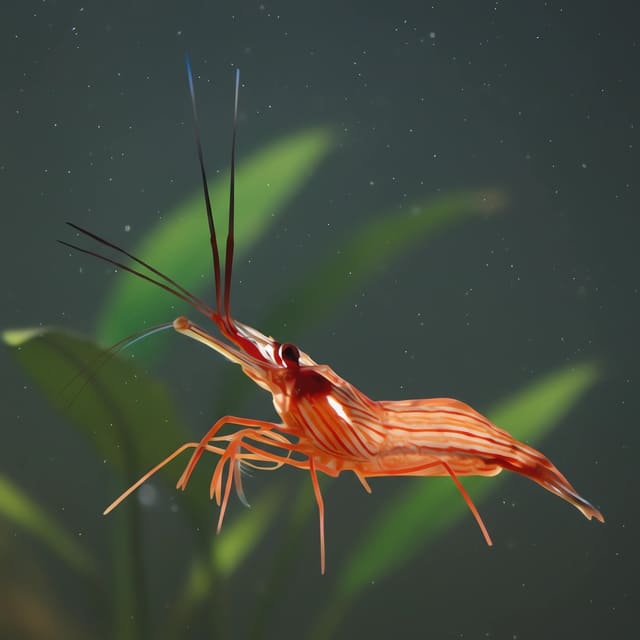
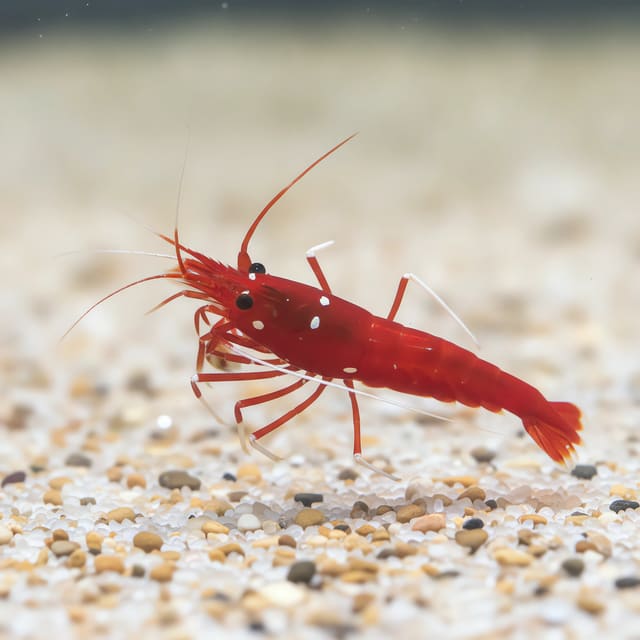
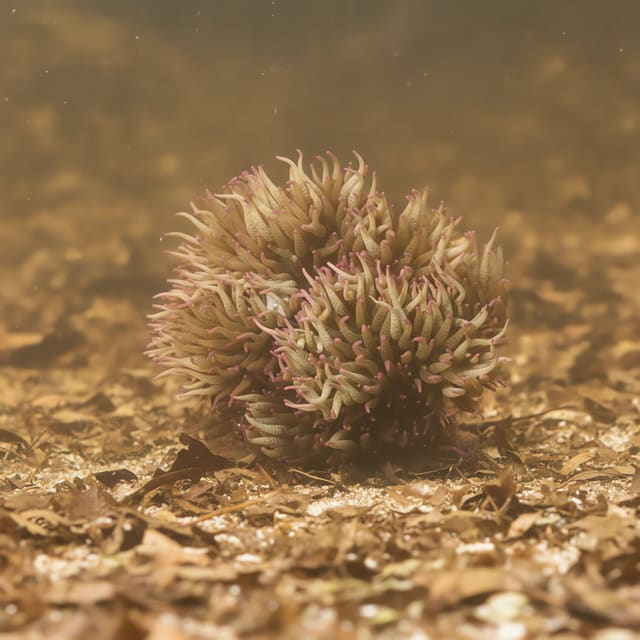
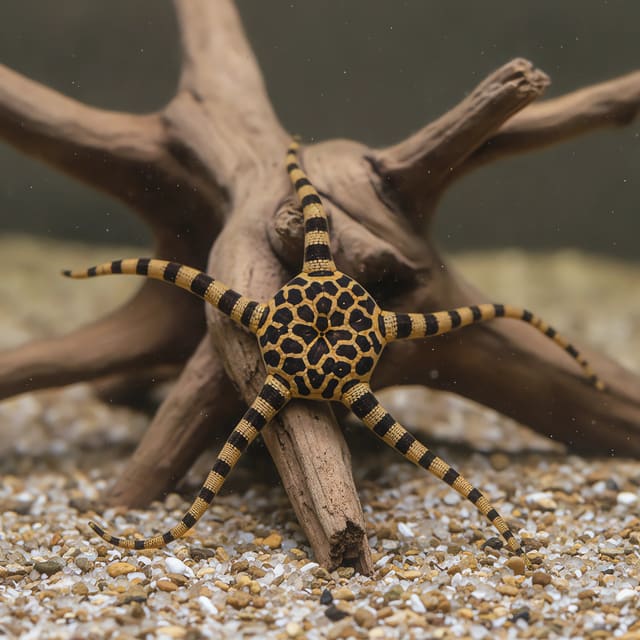
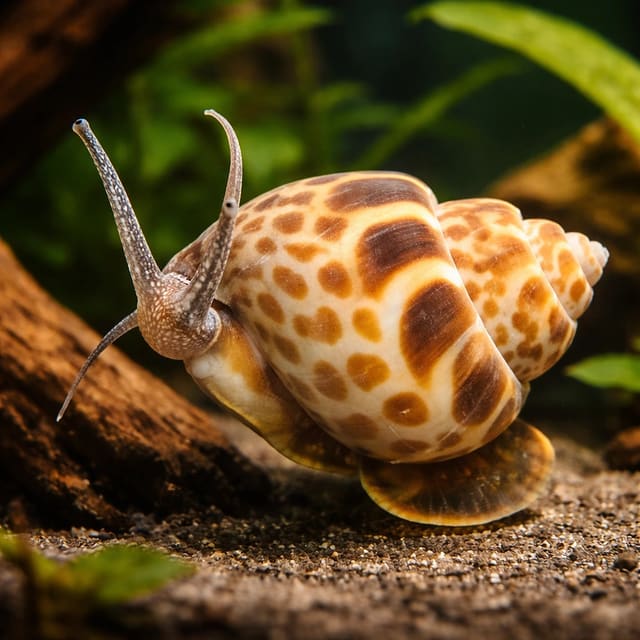
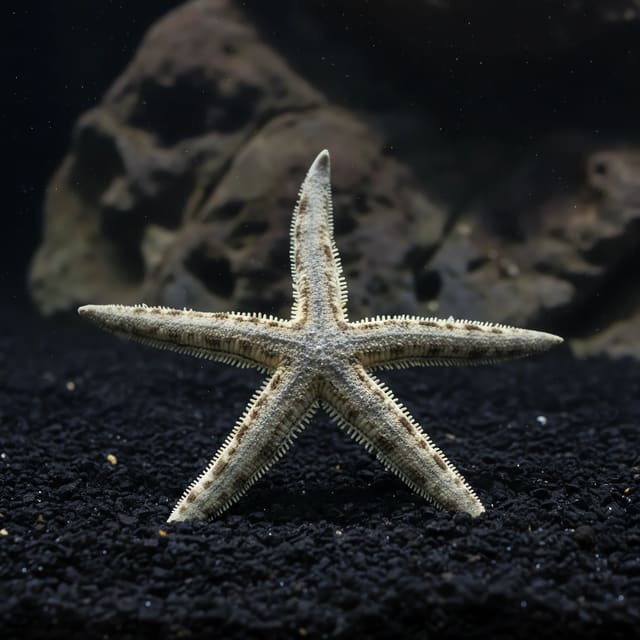
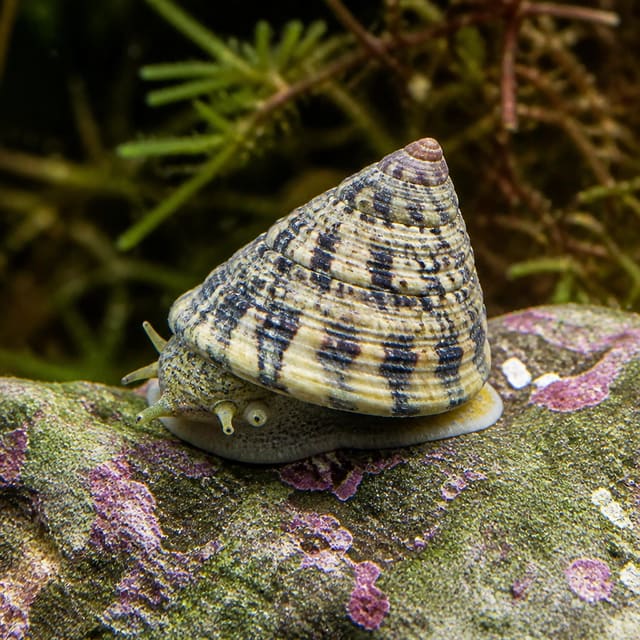
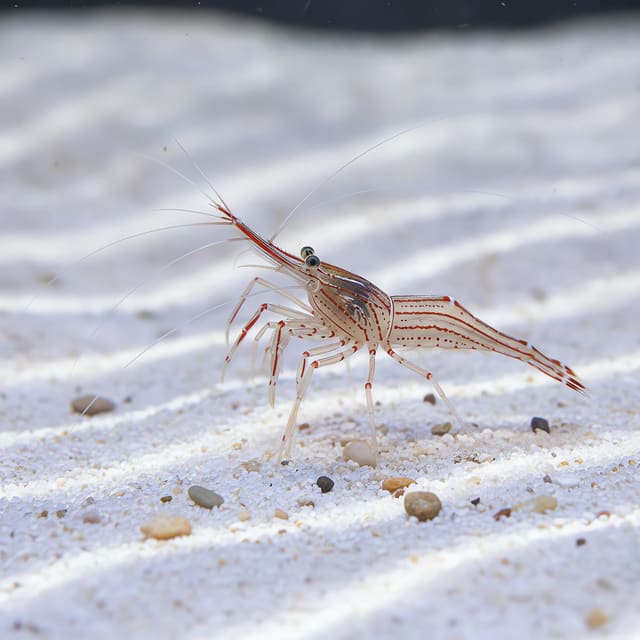
The gallery images are representative of this type of animal rather than photographs of the exact animal supplied, so colours can look slightly different from the live animal.
Use more than 40 litres and decide the final aquarium volume through a stocking and compatibility assessment. OATA reserves an aquarium of at least 40 litres for smaller crabs and shrimp, while larger crustaceans require a larger aquarium whose size varies by species. For this shrimp, use the larger planning category rather than treating 40 litres as its minimum.
Volume is only one part of the decision. The aquarium must also provide effective filtration, suitable marine chemistry and essential rock for shelter. More water does not compensate for incompatible livestock, detectable ammonia or nitrite, or inadequate biological filtration.
If you are comparing different animals for the same marine system, browse the marine invertebrates collection and assess each candidate against the aquarium’s water, filtration and inhabitants. Do not infer that two marine invertebrates are compatible simply because they appear in the same collection.
Keep the aquarium at 24–26°C, pH 7.9–8.3 and salinity of 1.023–1.026. Maintain carbonate hardness at 8–12°dKH, calcium at 380–450 ppm and magnesium at 1250–1350 ppm. Ammonia and nitrite must remain at zero mg per litre, while nitrate must not exceed 50 mg per litre.
OATA’s marine-crustacean sheet gives these figures as group guidance. Use them as the working range for planning and refine the complete aquarium around any more sensitive reef inhabitants.
These checks work together. Correct temperature cannot make detectable ammonia safe, and a large aquarium cannot make a predatory fish suitable. Treat water, filtration, space and compatibility as four separate conditions that all need to pass.
Keep temperature at 24–26°C and pH at 7.9–8.3. Maintain salinity between 1.023 and 1.026, carbonate hardness between 8 and 12°dKH, calcium between 380 and 450 ppm, and magnesium between 1250 and 1350 ppm. Test ammonia, nitrite and nitrate alongside those marine values rather than judging water quality from clarity alone.
When one result falls outside its range, investigate the aquarium before adding livestock. Check feeding, accumulated solid waste, filter flow and maintenance history. Overstocking or adding livestock too quickly can leave the biological filter unable to process the increased waste, producing unhealthy ammonia and nitrite levels.
| Reading | Decision |
|---|---|
| Ammonia above zero | Pause livestock additions and address waste processing |
| Nitrite above zero | Pause livestock additions and check biological filtration |
| Nitrate above 50 mg/l | Carry out maintenance and review feeding and waste |
| Marine value outside range | Restore suitable conditions before introduction |
Read the measurements together before making a livestock decision. A result of 25°C passes the temperature check, but the aquarium still fails the readiness check if ammonia or nitrite is detectable. Likewise, zero ammonia does not make a salinity reading outside 1.023–1.026 suitable. Record each value against its range so the reason for pausing or proceeding remains clear.
After correcting a result, test again before introduction rather than assuming the adjustment has worked. This second check confirms both the value and the aquarium’s ability to hold it within range.
Run an effective filter and provide live or artificial rock. OATA treats filtration as essential for marine crustaceans and accepts several arrangements: live rock with sufficient water flow, an internal or external filter, or a sump-based filter. Choose the method that can support the total livestock and feeding load rather than relying on aquarium volume alone.
A protein skimmer can help maintain water quality by removing dissolved organic waste before it breaks down into more harmful substances. It is beneficial rather than a replacement for the essential filter, routine testing and partial water changes.
The RSPCA explains the biological-filter process: beneficial bacteria convert toxic ammonia to nitrite and then to the safer nitrate. OATA applies the same waste-capacity principle when warning that livestock and feeding increases require the established bacterial population to increase too.
Do not use a clear appearance as a substitute for testing. Ammonia and nitrite are chemical hazards, while a blocked or poorly maintained filter can reduce the aquarium’s capacity to process waste. The working test is measurable water quality supported by functioning equipment.
Adding one animal also adds feeding and waste to the aquarium. Confirm that ammonia and nitrite remain at zero and inspect filter flow before considering another addition. If either waste reading rises or the filter shows reduced performance, stop increasing the livestock load and correct the cause.
Rock cover and filtration solve different needs. Cover gives a moulting shrimp somewhere to hide while its new exoskeleton hardens, whereas the filter processes waste. A strong filter cannot replace shelter, and abundant rock cannot replace measurable biological filtration.
Offer a varied marine-crustacean diet that can include nori algae sheets, small frozen items such as brine shrimp, and pellets. OATA advises that most marine crustaceans are omnivorous and may consume algae, detritus and small meaty items, so use variety rather than relying on a single food.
Judge supplementary feeding alongside the natural food within the aquarium. Many crustaceans graze during the day, and their feeding frequency depends partly on those natural food items. The practical target is adequate variety without an accumulation of uneaten food.
Overfeeding matters because uneaten food breaks down and releases toxic waste into the water. This links feeding directly to ammonia, nitrite and nitrate control. An extra portion is therefore not just a nutrition decision; it adds work for the biological filter.
Avoid turning a general observation into a fixed daily schedule. Instead, assess what is eaten, what remains in the aquarium and how the water tests respond. Keep the foods varied, use the test results as feedback and make only the amount of supplementary food that can be managed without waste accumulation.
Include feeding observations in the same record as water results. A note that appetite declined on the same day as a change in activity or colour is more useful than an isolated comment because OATA identifies all three as signs worth monitoring.
If uneaten food appears, reduce the supplementary amount before adding another type or increasing frequency. Remove accumulated solid waste during maintenance and compare the next ammonia, nitrite and nitrate readings with the earlier results. This shows whether the changed portion has reduced the waste burden.
If the food is consumed without residue, continue observing appetite and water quality rather than automatically increasing the amount. Variety remains important, but every added item must still fit within the filter’s capacity to process the resulting waste.
Carry out a 25% partial water change at least once every week. The frequency applies to the weekly change, while the exchange amount is 25%. Use a siphon during the change to remove solid waste from the substrate where it accumulates.
| Aquarium water volume | 25% change |
|---|---|
| 80 litres | 20 litres |
| 100 litres | 25 litres |
| 120 litres | 30 litres |
| 200 litres | 50 litres |
Base the calculation on the aquarium water volume being maintained. For example, 25% of 120 litres is 30 litres. Keep the percentage consistent while checking that the replacement water supports the required marine values.
Inspect the filter regularly and clean it when needed to prevent blockages. If filter media needs cleaning, do not run it under the tap. Rinse it lightly in aquarium water removed during the partial water change; this reduces the loss of established beneficial bacteria.
Clean the protein skimmer regularly when one is used. Its purpose is to remove dissolved organic waste before that material breaks down, so poor maintenance reduces the benefit it brings to the system.
A weekly record makes trends visible. If nitrate continues to climb despite the 25% change, examine feeding, solid-waste removal, filter performance and the pace of livestock additions. The response should address the waste entering and moving through the system, not merely the number on one test.
Set aside enough aquarium water during the partial change to rinse filter media lightly when cleaning is needed. This combines waste removal with filter care without placing the established bacterial population under the tap. Return the cleaned equipment to operation and check that normal flow has resumed.
Complete the maintenance record with the changed volume, test results and any filter or skimmer work. When a later result changes, this history helps distinguish a feeding increase, a blockage or missed solid-waste removal from the normal pattern.
An empty exoskeleton can be a normal sign of growth. Crustaceans shed their hard exterior, and it takes a couple of days for the replacement exoskeleton to harden. The shrimp will often hide during this period, which is why rock cover must be present before introduction.
Observe the animal without treating every period of concealment as a problem. The useful distinction is between expected hiding around a moult and a wider change accompanied by abnormal movement, colour, physical damage or reduced feeding.
If you see a concerning change, test ammonia, nitrite, nitrate, temperature, pH and salinity and inspect the filter. Even small amounts of ammonia or nitrite can stress crustaceans. Contact us for help interpreting a health change, but do not delay the immediate water and equipment checks.
Do not begin a disease treatment from appearance alone. The care decision supported here is observation, prompt testing and correction of husbandry conditions. Treatment choice requires a diagnosis and must not expose the aquarium to additional risk.
When an empty exoskeleton appears, first check whether the shrimp is concealed within the rock cover while the new exterior hardens. Continue checking water quality and avoid treating the shed shell alone as evidence of illness.
Escalate the response when hiding occurs with another listed change, such as lost coordination, damage, incomplete shedding or reduced feeding. Record the combination, inspect filtration and compare the current water values with the aquarium’s usual results. Several observations together give a clearer reason to act than concealment by itself.
Arrange for someone to receive the parcel and open and inspect it on the day it arrives. Follow the Tropical Fish Co delivery and Live Arrival Guarantee policy in this order:
The policy describes live animals as hand-bagged in pure oxygen and placed in an insulated poly box, with a heat pack when the weather calls for it. It also requires someone to be at the delivery address to receive the parcel because live animals cannot be left unattended.
Before release, the destination aquarium must already meet the husbandry conditions: 24–26°C, pH 7.9–8.3, salinity of 1.023–1.026, zero ammonia and zero nitrite. Confirm that the filter is operating and that essential rock cover is present. These are aquarium-readiness checks rather than additions to the numbered store procedure.
Add livestock slowly after the filter has matured. Every increase in livestock and feeding raises the waste-processing demand placed on the beneficial bacterial population.
Avoid fish that are not considered reef-safe. OATA says such fish are likely to predate on marine crustaceans and that the two should not be kept together. This is the clearest compatibility boundary for Alpheus bellulus.
Fish considered reef-safe may pass the first screening stage, but that label is not a universal compatibility promise. Marine crustaceans vary in compatibility, so assess the actual fish, the shrimp and the aquarium before introducing them.
Do not substitute a general temperament label for that assessment. Calling the shrimp peaceful would not answer whether a fish might eat it, and calling a fish reef-safe does not describe every interaction possible in a particular aquarium.
| Compatibility result | Action |
|---|---|
| Fish is not considered reef-safe | Avoid the combination |
| Fish is considered reef-safe | Continue to an individual compatibility assessment |
| Reef status or predation risk is unclear | Do not introduce until assessed |
| Ammonia or nitrite is detectable | Pause every livestock addition |
Contact us for one stocking and compatibility assessment with the aquarium volume, water values and a complete livestock list. That assessment should happen before purchase or introduction, not after two animals have already been placed together.
The same process applies when changing an established community. A new fish adds both an interaction risk and a new waste load, so compatibility and biological-filter capacity must pass independently.
Observe the shrimp and the new fish for changes in activity, hiding, aggression, physical condition and feeding. At the same time, test ammonia and nitrite because a behaviourally calm introduction still increases the aquarium’s waste load.
If the animals show no concerning interaction but ammonia or nitrite appears, pause further additions and address filtration and waste. If water remains suitable but predation or injury occurs, the compatibility result has failed. Passing one part of the assessment never cancels a failure in the other.
Assess every additional crustacean separately rather than applying a universal group number. Marine crustaceans have varied needs and compatibility, and the fact that two animals are shrimp, crabs or lobsters does not establish that they should share an aquarium.
Use particular caution with scavenger crabs and lobsters. OATA notes that some are opportunistic and may predate on slow-moving aquarium inhabitants. Treat that as a reason for individual assessment, not as permission based on aquarium size alone.
Do not interpret one animal per purchase as an instruction to keep the shrimp alone, in a pair or in a group. Purchase quantity describes the offer; social planning remains part of the compatibility assessment.
Likewise, do not use a general marine-crustacean food list as proof that two species will feed together without conflict. Nori, frozen brine shrimp and pellets describe dietary variety for the group, while the amount of natural food and the behaviour of each inhabitant still affect supplementary feeding.
After any approved addition, monitor the same changes used for routine health checks: movement, hiding, aggression, colour, physical damage, moulting and feeding. Test ammonia and nitrite because a compatibility success can still become a water-quality failure if the biological filter cannot process the added waste.
The safest conclusion is conditional: reef-safe fish can be considered after screening; fish not considered reef-safe must be avoided; additional crustaceans require a separate assessment.
A larger aquarium can provide more water and room, but it does not answer whether one crustacean may prey on another or whether each animal can use the same conditions. Complete the interaction, shelter, water and waste checks even when the aquarium exceeds the 40-litre smaller-species benchmark.
When adding another crustacean passes those checks, monitor the first feeding and subsequent maintenance results for uneaten food and rising nitrogen waste. An apparently compatible pairing still requires the filter to process the combined feeding load.
Use the larger-crustacean planning category rather than a smaller-shrimp minimum. OATA reserves at least 40 litres for smaller crabs and shrimp and says larger crustaceans need a larger aquarium, so plan above 40 litres and determine the final footprint through the stocking assessment.
Plan an aquarium above 40 litres with effective filtration and essential rock cover. OATA’s 40-litre minimum applies only to smaller crabs and shrimp, while the larger category requires more space according to the animal and intended community.
Assess every individual addition separately because OATA says marine-crustacean compatibility varies. Do not apply a fixed group number; check interaction risk, space, shelter, filtration and the complete livestock plan before adding another crustacean.
It suits a keeper who can maintain OATA’s marine-crustacean guidance of 24–26°C, pH 7.9–8.3, salinity of 1.023–1.026, zero ammonia and zero nitrite, complete weekly maintenance and screen every tank mate. Do not rely on a simple care-level label in place of those tasks.
OATA’s marine-crustacean guidance recommends a varied diet that may include nori algae sheets, small frozen items such as brine shrimp, and pellets. Match supplementary feeding to the natural food in the aquarium and avoid uneaten food accumulating and releasing toxic waste.
Keep it at 24–26°C and pH 7.9–8.3; OATA gives these as marine-crustacean guidance. Also maintain salinity at 1.023–1.026, carbonate hardness at 8–12°dKH, calcium at 380–450 ppm and magnesium at 1250–1350 ppm.
Do not rely on a blanket peaceful or fin-safe label. OATA says marine crustaceans vary in compatibility, so assess the intended fish and avoid fish not considered reef-safe because they are likely to predate on the shrimp.
Consider fish individually assessed as reef-safe, while avoiding fish not considered reef-safe. Additional crustaceans require separate screening, and scavenger crabs or lobsters need caution because OATA says some may predate on slow-moving aquarium inhabitants.
The Tropical Fish Co policy describes live animals as hand-bagged in pure oxygen inside an insulated poly box, with a heat pack when the weather calls for it. Someone must receive the parcel, film it continuously from sealed, open it the same day and float the bag for 20–30 minutes before release.
No reviews for this item yet. Bought one? Honest reviews only, good or bad.
What customers say about ordering from us
Easy website plenty of info on fish your buying great to pick a time slot
TRACEY DURRANT · 7 Oct 2026
Got some lovely fish thank you
Kevin Mackie · 7 Oct 2026
Reviews of our shop, collected by Judge.me, an independent third-party review collector. Newest first.