−12%
Moderate
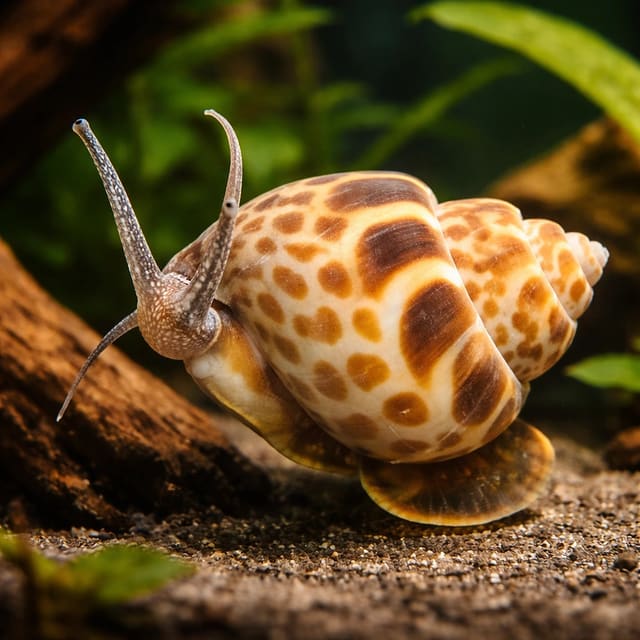
Light Babylon Snail (Babylonia spirata)
26–30°C · pH 8.1–8.4 · 60L
£17.59£19.99
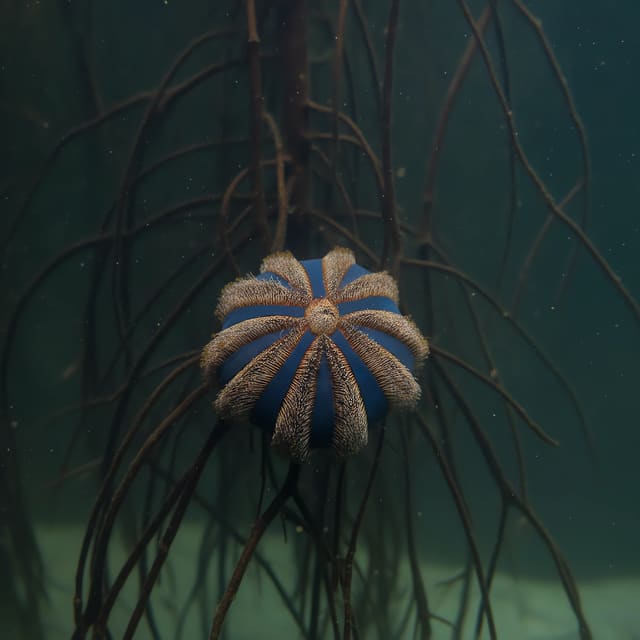
Sea Urchin Black (Mespilia globulus) is a Temnopleuridae sea urchin from tropical shallow reef habitats. It suits keepers with a mature, filtered marine aquarium maintained at 24–26°C, salinity 1.023–1.026 and pH 7.9–8.3 under OATA’s broad echinoderm guidance. Sold individually.
Mespilia globulus
Sea Urchin Black (Mespilia globulus) is a Temnopleuridae sea urchin from tropical shallow reef habitats. It suits keepers with a mature, filtered marine aquarium maintained at 24–26°C, salinity 1.023–1.026 and pH 7.9–8.3 under OATA’s broad echinoderm guidance. Sold individually.
Maintain these water conditions for optimal health and vibrant colors
Sea Urchin Black is Mespilia globulus, an echinoderm in the family Temnopleuridae. The World Register of Marine Species recognises this as the accepted scientific name. Echinoderms have radial symmetry, and the rounded form behind the name globulus reflects the animal’s ball-like shape. It suits a keeper prepared to maintain a mature, filtered marine aquarium, test its water and preserve suitable grazing resources.
Wikipedia’s account of Mespilia describes this animal as the globular sea urchin, sphere sea urchin or tuxedo urchin. It occurs in tropical shallow reef habitats and is the only species in its genus. Those habitat details explain why the aquarium should be marine, structurally suitable for grazing and kept stable rather than treated like a newly assembled display.
| Suits | Not suited to |
|---|---|
| A mature marine aquarium with working biological filtration | A newly assembled aquarium or filter that cannot maintain zero ammonia and nitrite |
| Rock that provides grazing opportunities and cover | An aquarium without suitable grazing surfaces |
| Algae to graze, with nori added when algae is insufficient | A feeding plan that does not replace depleted grazing food |
| Fish assessed as reef-safe for the intended aquarium | Triggerfish or another animal that may prey on an echinoderm |
| A keeper prepared to test and maintain stable marine water | A system where water chemistry and filtration cannot be monitored consistently |
This animal suits a keeper prepared to test marine water, maintain filtration, inspect grazing resources and respond promptly to changes in attachment, movement, appearance or feeding. Its useful algae-grazing role does not replace aquarium maintenance, and the aquarium must continue to support it after visible algae becomes scarce.
One purchase supplies one animal. Do not turn the photographs, filename wording or an assumed trade grade into a measurement.
Dispatch size and adult size answer different questions. A dispatch measurement describes the animal sent at that time; adult size determines long-term space. Plan the aquarium around the adult animal, the grazing area it can reach, the cover formed by the rockwork and the biological load of the complete livestock collection. Do not use the apparent scale of gravel, plants or wood in an illustration to calculate aquarium volume.
OATA recommends an aquarium of at least 60 litres for smaller starfish, sea urchins and sea cucumbers, while larger species need more space. Treat that figure as a group planning floor for genuinely smaller echinoderms rather than a complete volume decision for this animal. A suitable aquarium must also have enough rock for grazing and cover, an essential filter and enough room for the existing livestock.
Sex is guaranteed only when the selected option explicitly states male or female. This Sea Urchin Black listing has no sex-guaranteed option.
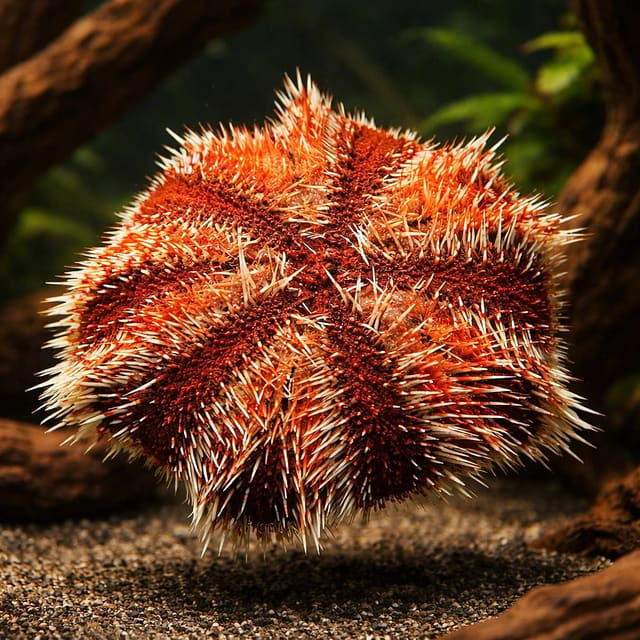
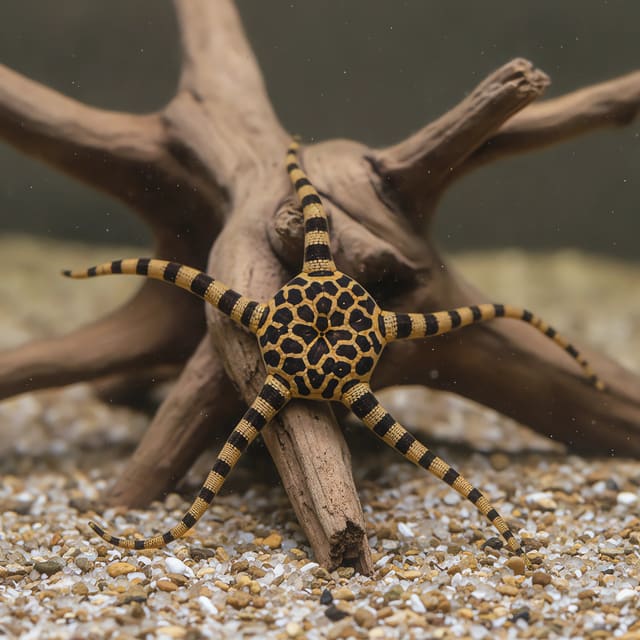
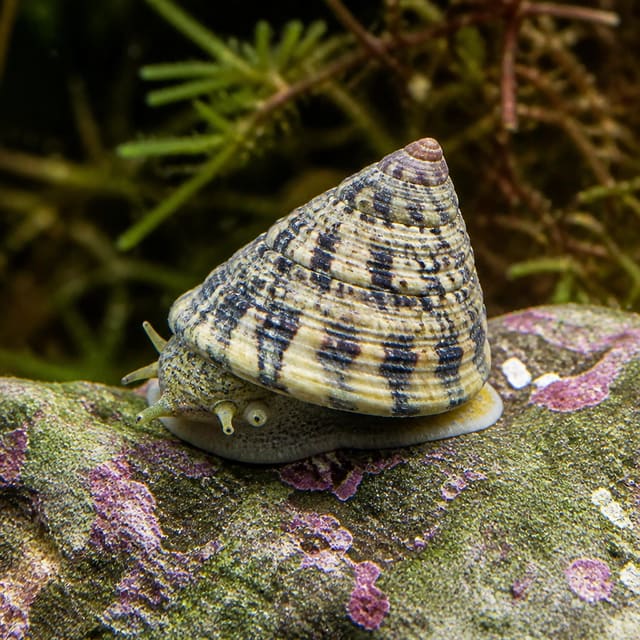
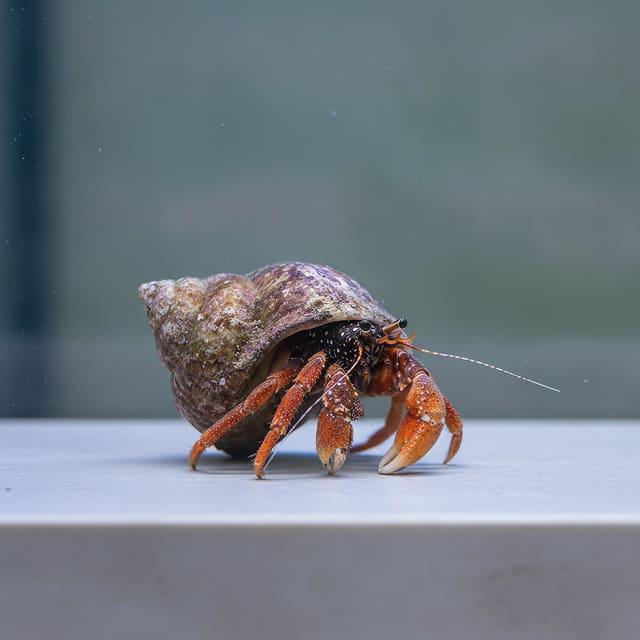
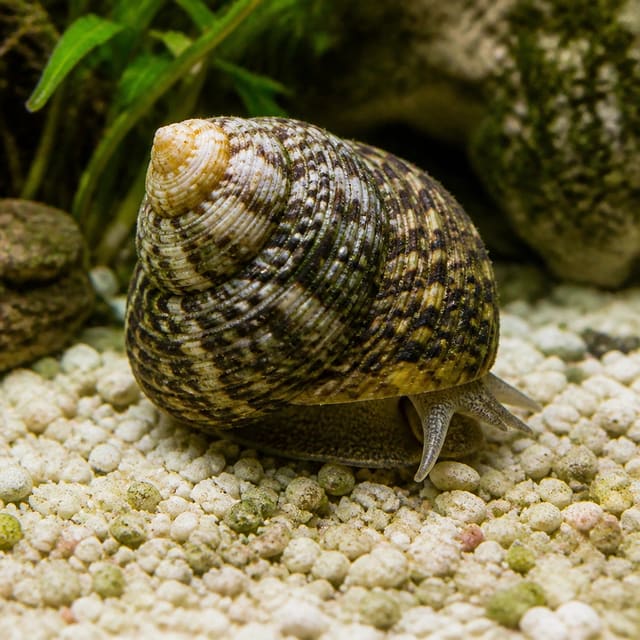
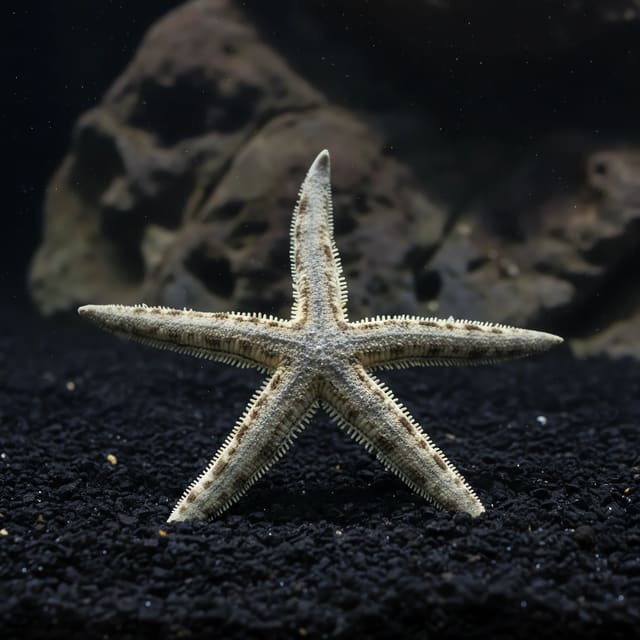
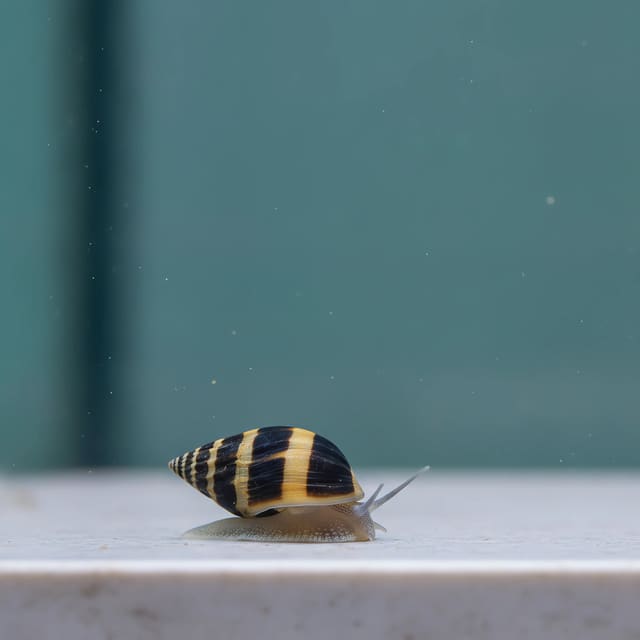
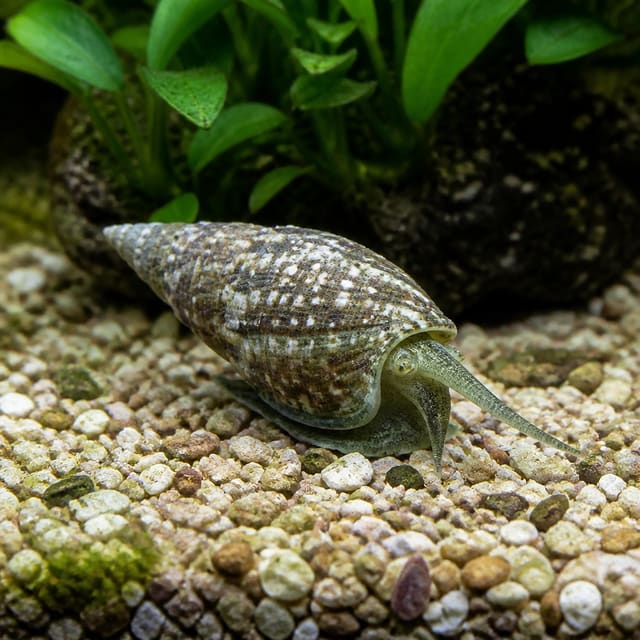
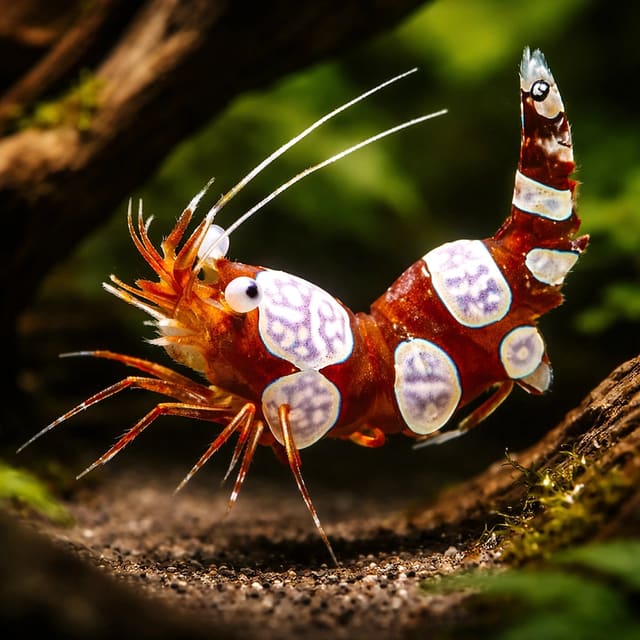
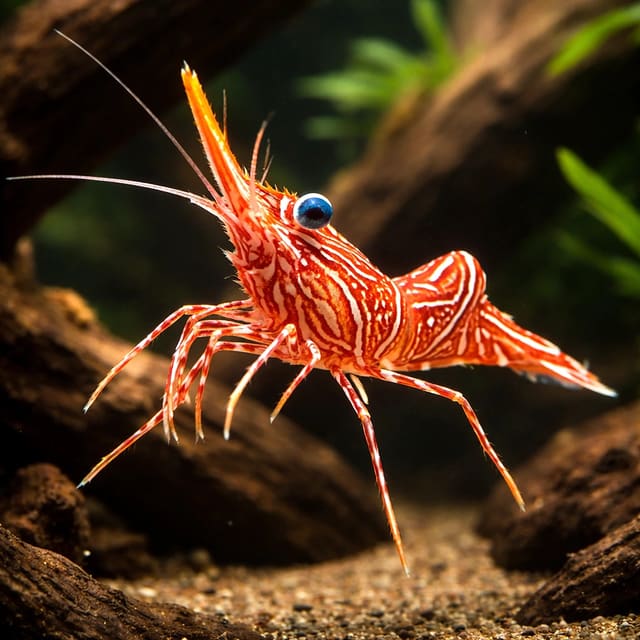
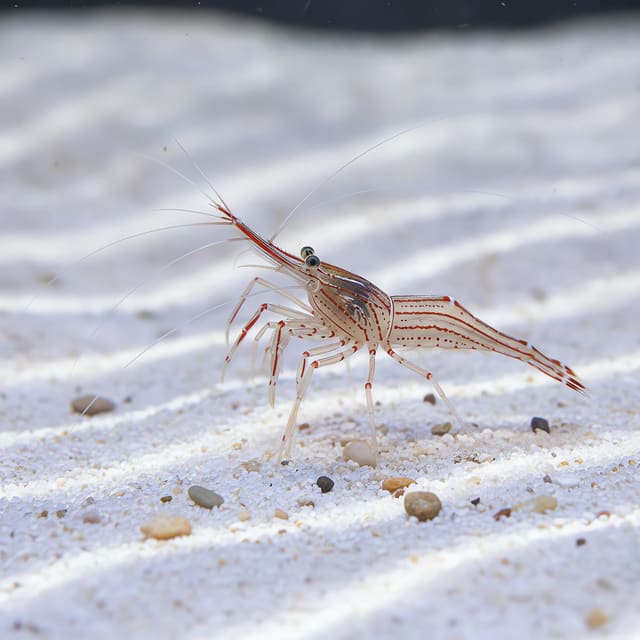
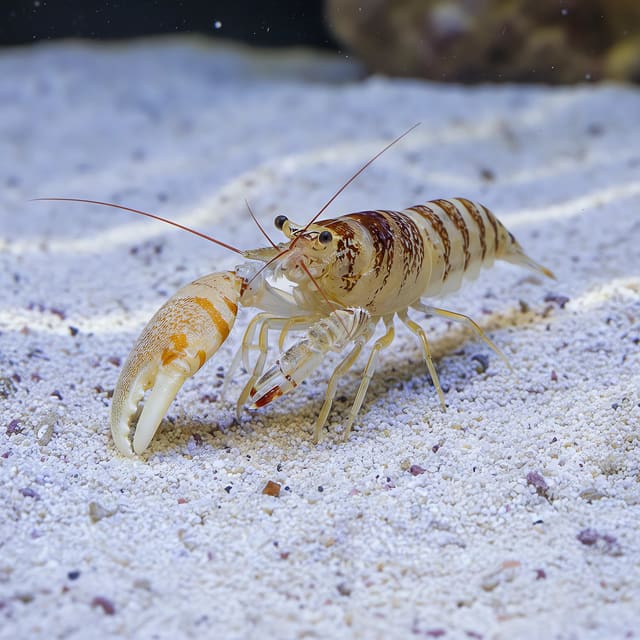
Some gallery images are representative illustrations of this type of animal, and none shows the exact animal supplied, so pattern and colours can differ from the live animal.
If you are comparing different clean-up animals rather than assuming they perform the same role, browse the marine invertebrates collection and assess each animal’s feeding and compatibility separately.
Start with an established marine aquarium and an essential working filter. OATA describes several suitable filtration arrangements for marine systems: live rock with sufficient water flow, an internal or external filter, or a sump-based filter. Choose the arrangement that can be maintained consistently and that supports the whole aquarium rather than relying on the urchin’s grazing to keep the system clean.
Live or artificial rock is essential because it creates grazing surfaces and cover. Arrange enough accessible structure for the animal to move over hard surfaces while feeding. The value of the rock is practical: it expands the area on which algae can grow and gives the urchin places to occupy away from open water.
| Component | Job |
|---|---|
| Biological filter | Supports bacteria that process livestock waste. |
| Live or artificial rock | Creates grazing opportunities and cover. |
| Water flow | Supports a live-rock filtration arrangement where that is the chosen method. |
| Protein skimmer | May remove dissolved organic waste before it breaks down. |
| Test kits | Show whether ammonia, nitrite, nitrate and the marine chemistry remain within target. |
A protein skimmer can be beneficial, but it does not replace biological filtration, testing or water changes. Clean it regularly so that it continues to perform its intended waste-removal role.
Judge readiness by function rather than by how long the aquarium has existed. The filter must already support beneficial bacteria, ammonia and nitrite must test at zero, and grazing food must have had time to develop. Adding livestock to a system before those conditions are in place risks new tank syndrome because the bacterial population may be too small for the additional waste and feeding.
Use décor sparingly and prioritise usable hard surfaces. A visually elaborate layout offers little benefit if it reduces accessible grazing area or makes routine maintenance difficult. The practical target is a filtered marine environment with cover, reachable rock and room to carry out weekly water changes without destabilising the aquarium.
OATA’s sea urchin and echinoderm sheet gives the following broad group guidance. Use these values as routine aquarium targets while also meeting the needs of any more sensitive reef inhabitants.
| Measure | Target |
|---|---|
| Temperature | 24–26°C |
| Salinity | 1.023–1.026 |
| pH | 7.9–8.3 |
| Ammonia | Zero mg/l |
| Nitrite | Zero mg/l |
| Nitrate | Not to exceed 50 mg/l |
| Carbonate hardness | 8–12°dKH |
| Calcium | 380–450 ppm |
| Magnesium | 1250–1350 ppm |
Stability begins with measurement. Test before introduction, then continue monitoring as part of routine maintenance. A temperature reading inside 24–26°C does not compensate for detectable ammonia, and a correct pH does not make rising nitrite acceptable. Every line in the table has its own purpose.
Record results in the same units each time. Carbonate hardness is expressed here as °dKH and should not be substituted with a general-hardness reading. Calcium and magnesium use parts per million, while ammonia, nitrite and nitrate use milligrams per litre.
Look for trends as well as isolated readings. A value moving steadily towards a boundary gives time to act before the animal shows reduced activity, loses attachment or changes appearance.
A biological filter is a living part of the aquarium. The RSPCA’s aquarium filtration guidance explains that beneficial bacteria process toxic ammonia into nitrite and then into the safer nitrate. OATA adds that echinoderms can be stressed by even small amounts of ammonia and nitrite, making zero readings the operational target.
Increase livestock slowly. Every added animal and every increase in feeding asks the bacterial population to process more waste. New tank syndrome occurs when the filter bacteria cannot keep pace, allowing ammonia and nitrite to reach unhealthy levels. The remedy is prevention: mature the filter, test the water and make stocking changes gradually.
This method removes accumulated debris while reducing bacterial loss. It also separates filter cleaning from cosmetic cleaning: filter media does not need to look new, but water must move through it and blockages must not prevent it from working.
A protein skimmer supports water quality by removing dissolved organic waste before that waste breaks down, yet its performance depends on regular cleaning. Include the skimmer in the maintenance checklist rather than waiting for output to decline.
Use the filter and test results together. Normal water movement does not demonstrate zero ammonia, while a single zero test does not show that a blocked filter is healthy. Check function and chemistry, particularly after a livestock addition or an increase in feeding.
If ammonia or nitrite appears, treat the result as a stop signal for further stocking. Restore stable zero readings and make sure the aquarium’s bacterial capacity matches its current livestock before proceeding.
Sea urchins are herbivorous grazers. Natural algae on aquarium surfaces forms the first part of the feeding plan, while nori algae sheets are the supported supplement when the aquarium does not contain enough algae. This makes a mature aquarium important for food as well as filtration.
Inspect the grazing environment every day. Look at the amount of algae on the rock and glass, note whether the animal is moving across those surfaces, and watch for a reduction in food intake. The decision is conditional rather than calendar-based: when grazing algae is insufficient, add nori.
| What you observe | What to do |
|---|---|
| Usable algae remains on grazing surfaces | Continue monitoring the animal and its grazing area. |
| Algae is becoming scarce | Supplement with nori rather than waiting for grazing resources to disappear. |
| Food intake falls | Test water quality and inspect behaviour and appearance at the same time. |
| More livestock or feeding has been added | Watch ammonia and nitrite because the filter must process the additional waste. |
Do not treat the animal as a complete algae-control system. Its feeding requirement continues after it has reduced visible growth. The keeper’s job is to make sure grazing remains nutritionally useful and to bridge any shortage with nori.
Keep the feeding plan specific to an herbivorous urchin. The broad OATA sheet separates urchins from starfish and plankton-feeding echinoderms because those animals can have very different diets. Foods intended for a different feeding biology should not replace algae and nori here.
Reduced feeding can accompany a health or water-quality problem, so do not respond by changing food alone. Check ammonia and nitrite first, review salinity, temperature and pH, and compare the animal’s attachment, movement and appearance with its normal pattern.
A useful feeding log can remain short: note whether algae was present, whether nori was needed and whether normal grazing continued. That record helps distinguish a gradual food shortage from a sudden behavioural change.
Carry out a partial water change of 25% at least once a week. OATA strongly recommends this routine for starfish, sea urchins and sea cucumbers. Use the change to remove accumulated solid waste, maintain the filter safely and review the aquarium before small problems become larger ones.
Never run established filter media under tap water. Chlorine or chloramine may kill the beneficial bacteria that process ammonia and nitrite. A light rinse in removed aquarium water protects more of that population while clearing debris.
Use the nitrate result to judge the direction of the system, keeping it from exceeding 50 mg/l. Ammonia and nitrite have a stricter requirement: both remain at zero. If either appears, pause further additions and focus on water quality and filter function.
Maintenance should preserve stability rather than chase a different reading each week. Keep temperature at 24–26°C, salinity at 1.023–1.026 and pH at 7.9–8.3. Check carbonate hardness at 8–12°dKH, calcium at 380–450 ppm and magnesium at 1250–1350 ppm.
The weekly change is a minimum rhythm, not permission to ignore the aquarium between changes. Daily observation can reveal reduced activity, poor attachment, unusual movement, colour change, lesions, tissue damage, spine loss or reduced feeding before the next scheduled test.
Prepare the aquarium before the parcel arrives. Test ammonia and nitrite and proceed only when both are zero. Confirm that temperature, salinity and pH sit inside the intended ranges, that filtration is operating and that rock and grazing food are ready.
Follow the store’s delivery and acclimatisation guidance: someone must be present to receive live livestock. Film every delivery continuously from the parcel while it is still sealed, including opening it and showing the animal still inside the sealed bag. Float the bag for 20–30 minutes before release, and never pour bag water into the aquarium.
Do not use the floating period to compensate for an unsuitable aquarium. A bag can reach the aquarium’s temperature while ammonia, nitrite, salinity or pH remain outside the intended values. Testing before introduction separates those decisions.
Add livestock slowly after the filter has matured. Beneficial bacteria need to increase as livestock and feeding increase; too many changes in a short period can leave the filter unable to process the added waste. A new arrival should therefore be treated as a biological-load change as well as an acclimatisation event.
Keep the first response practical: protect water quality, verify filter function and avoid another livestock addition while the aquarium adjusts.
Learn the animal’s normal pattern after introduction. Individual echinoderms can vary in behaviour and appearance, so change is often more useful than a single pose. Watch how it moves, attaches to surfaces, responds to its surroundings and feeds.
| Change | First action |
|---|---|
| Reduced activity or prolonged inactivity | Test water and compare filter operation with its normal performance. |
| Difficulty moving or unusual movement | Check ammonia, nitrite, salinity, temperature and pH. |
| Loss of attachment | Review water quality promptly and continue close observation. |
| Unable to right itself when overturned | Treat this as a health warning and check the aquarium conditions. |
| Darker or paler colour | Compare with its normal appearance, not the illustrated gallery colours. |
| Lesions, discoloured patches or excess mucus | Test water and contact us about the health change. |
| Tissue damage or spine loss | Check water immediately and screen tank mates for predation. |
| Reduced response or food intake | Review water quality and the amount of algae and nori. |
Fluffy growths, tube-foot loss and other visible tissue changes also deserve prompt attention. Record when the change began and whether it followed maintenance, feeding or a livestock addition. That timeline makes it easier to connect the observation with a water-quality or compatibility change.
Begin with testing because ammonia and nitrite must remain at zero and even small amounts may stress echinoderms. Also check that nitrate has not exceeded 50 mg/l and that temperature, salinity, pH, carbonate hardness, calcium and magnesium remain within the working ranges.
Do not diagnose a condition from colour alone. The gallery contains illustrated colours that can differ from the live animal, and healthy individuals may show slight variation. A colour change becomes more meaningful when it appears alongside reduced attachment, unusual movement, tissue damage or lower food intake.
Keep additional livestock out of the plan until the cause of a health change has been addressed and stable water has returned.
Mix sea urchins with other species carefully. OATA advises that echinoderms can mix with fish considered reef-safe, while fish such as triggerfish may prey on them. Avoid triggerfish and apply the same predation screen to every proposed companion rather than relying on a broad community label.
| Question | Decision |
|---|---|
| Is the fish considered reef-safe? | It may pass the first screen, subject to the rest of the aquarium assessment. |
| May the animal prey on an echinoderm? | Do not combine it with this urchin. |
| Is the proposed companion a triggerfish? | Avoid the combination because triggerfish may predate echinoderms. |
| Will the complete livestock plan leave enough grazing food? | Proceed only when algae or supplemental nori can support the urchin. |
| Can the mature filter support another animal and its feeding? | Add livestock slowly and monitor ammonia and nitrite. |
“Reef-safe” is a screening term, not a universal guarantee between every pair of animals. Compatibility depends on the exact species mix, feeding pressure and capacity of the aquarium. Assess the intended combination before introduction and review it again if behaviour, attachment, tissue condition or spine condition changes.
Do not copy a tank-mate list from a different sea urchin, starfish or sea cucumber. Echinoderms are diverse and have different needs. The dependable rule here is narrower: choose fish considered reef-safe, exclude animals that may prey on the urchin and avoid triggerfish.
After introduction, watch for reduced activity, unusual movement, loss of attachment, tissue damage or spine loss. Those signs have more than one possible cause, so test water as well as reassessing companions. Compatibility and water quality should be checked together rather than treating either as an automatic explanation.
Where a proposed species has mixed behaviour around echinoderms, choose the cautious outcome and leave that combination out.
One purchase supplies one Sea Urchin Black, but purchase quantity does not establish a social requirement. Do not assume that this animal needs a fixed group or that several can be added without a separate space, food and filtration assessment.
Consider each additional animal as three changes at once: another grazer using the available algae, another animal contributing to the aquarium’s biological load and another compatibility relationship to screen. The aquarium must continue to provide rock, cover and adequate food while keeping ammonia and nitrite at zero.
A second animal should never be used as a response to inactivity or reduced feeding in the first. Those changes call for water testing, a feeding review and a compatibility check. Adding another animal would increase biological demand while the cause remains unresolved.
Apply the same gradual approach to fish and other invertebrates. Beneficial bacteria need time to increase whenever livestock and feeding increase. Pause further additions if ammonia or nitrite appears, or if the urchin shows reduced attachment, unusual movement, tissue damage or lower food intake.
Coral and mixed-invertebrate displays need an aquarium-wide decision because more sensitive inhabitants may require narrower water targets than the echinoderm ranges. Set the working values to protect the most sensitive compatible inhabitant without moving outside the urchin group ranges used here.
For aquarium planning, treat Mespilia globulus as a larger echinoderm and plan around its adult scale, usable grazing area, filtration and total stocking rather than estimating dimensions from gallery scenes.
OATA recommends at least 60 litres for smaller echinoderms; use a larger aquarium for this plan, with enough rock for grazing and cover, essential filtration and room for the complete livestock collection.
Do not assume a fixed group size. Assess every additional urchin against adult space, grazing food, filtration capacity and compatibility, and add livestock slowly.
It suits a keeper prepared to maintain a mature marine aquarium, test water consistently, keep ammonia and nitrite at zero and respond promptly to changes in movement, attachment, appearance or feeding.
Sea urchins are herbivorous grazers. Maintain algae on grazing surfaces and supplement with nori algae sheets whenever natural algae is insufficient.
Use OATA’s broad echinoderm targets of 24–26°C and pH 7.9–8.3, with salinity at 1.023–1.026, ammonia and nitrite at zero, and nitrate not exceeding 50 mg/l.
Screen compatibility by reef safety and predation risk rather than relying on an aggression label. Avoid triggerfish because they may prey on echinoderms.
Choose fish considered reef-safe for the intended aquarium, screen every companion for predation risk and avoid triggerfish because they may prey on echinoderms.
Start filming every delivery with the parcel still sealed; someone must be present to receive it. Film continuously as the parcel is opened and show the animal still inside the sealed bag, then float the bag for 20–30 minutes and never pour the bag water into the aquarium.
No reviews for this item yet. Bought one? Honest reviews only, good or bad.
What customers say about ordering from us
Easy website plenty of info on fish your buying great to pick a time slot
TRACEY DURRANT · 7 Oct 2026
Got some lovely fish thank you
Kevin Mackie · 7 Oct 2026
Reviews of our shop, collected by Judge.me, an independent third-party review collector. Newest first.