Advanced
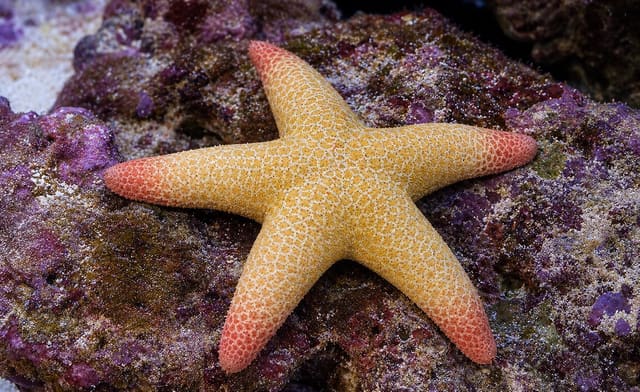
Pacific Jewel Starfish (Nardoa novaecaledoniae)
24–26°C · pH 7.9–8.3
£64.99
Blue Starfish (Linckia laevigata), the blue Linckia of the tropical Indo-Pacific, sold as one live sea star. It needs a mature marine aquarium with plenty of rock, stable salt water and reef-safe tank mates.
Linckia laevigata
Blue Starfish (Linckia laevigata), the blue Linckia of the tropical Indo-Pacific, sold as one live sea star. It needs a mature marine aquarium with plenty of rock, stable salt water and reef-safe tank mates.
Maintain these water conditions for optimal health and vibrant colors
The Blue Starfish, Linckia laevigata, is a sea star from the shallow waters of the tropical Indo-Pacific, also known as the blue Linckia or blue star. OATA names it among the popular starfish kept in marine aquariums. Each purchase supplies one live Blue Starfish. Before anything else, be sure of your aquarium: this is a marine animal that needs full-strength salt water in a mature, stable system with plenty of rock, so it belongs in an established marine or reef tank rather than a newly set-up one.
Starfish are echinoderms, the group that also includes sea urchins and sea cucumbers. Like other starfish, this one shows radial symmetry, with evenly spaced arms around a central disc. It sits in the family Ophidiasteridae, order Valvatida, and was described by Linnaeus in 1758. You may see it written as 'Linckia laevigata blue'; there, blue describes the colour rather than a separate species.
| Feature | Blue Starfish |
|---|---|
| Scientific name | Linckia laevigata |
| Family | Ophidiasteridae (order Valvatida) |
| Natural range | Shallow waters of the tropical Indo-Pacific |
| Water | Marine; OATA group guidance 24–26 °C, pH 7.9–8.3, salinity 1.023–1.026 |
| Aquarium | Mature marine system with plenty of live or artificial rock |
| Companions | Reef-safe fish; never harlequin shrimp or triggerfish |
Sex is guaranteed only when the selected option explicitly states male or female. This Blue Starfish listing has no sex-guaranteed option.
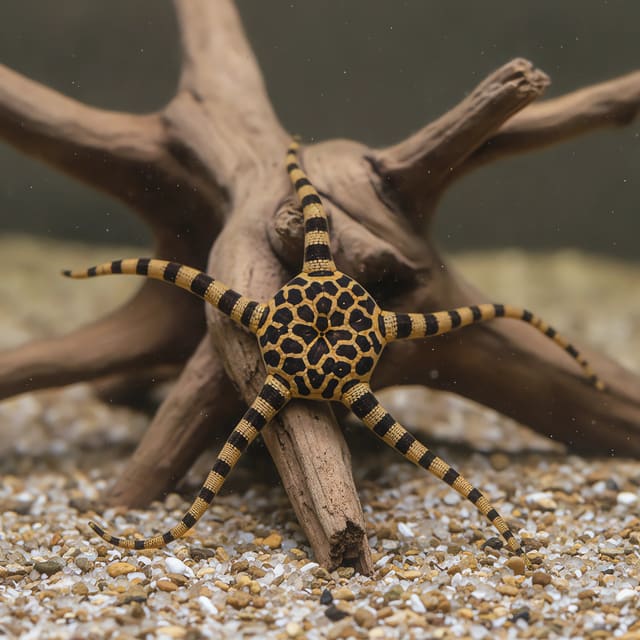
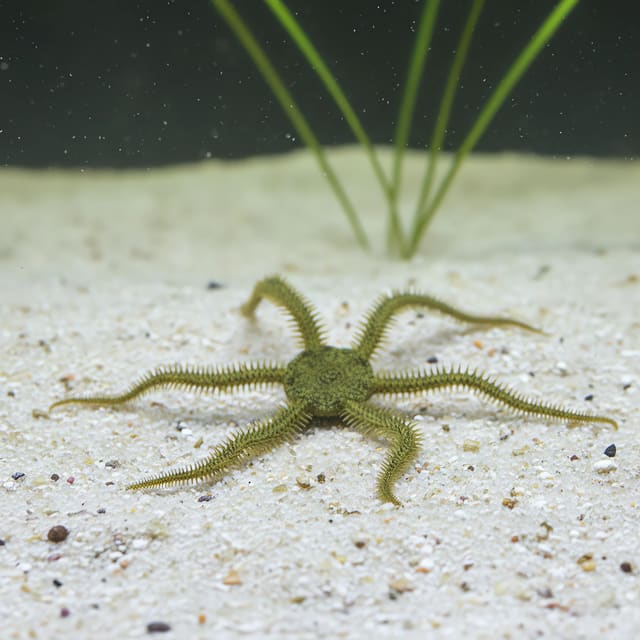
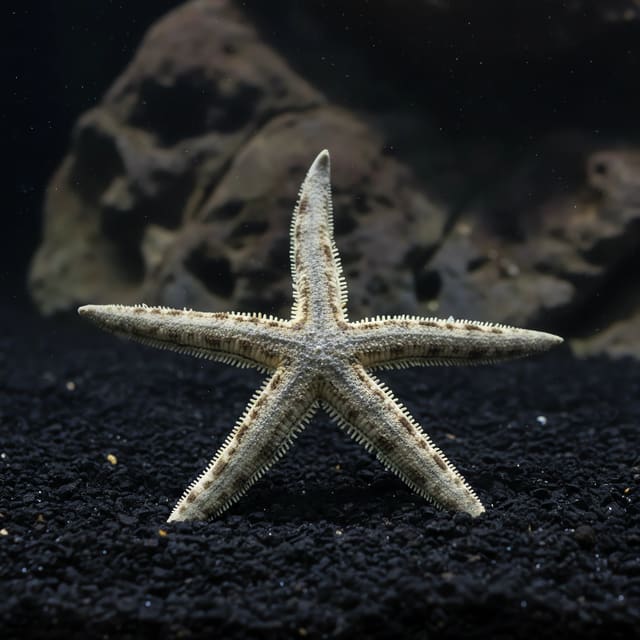
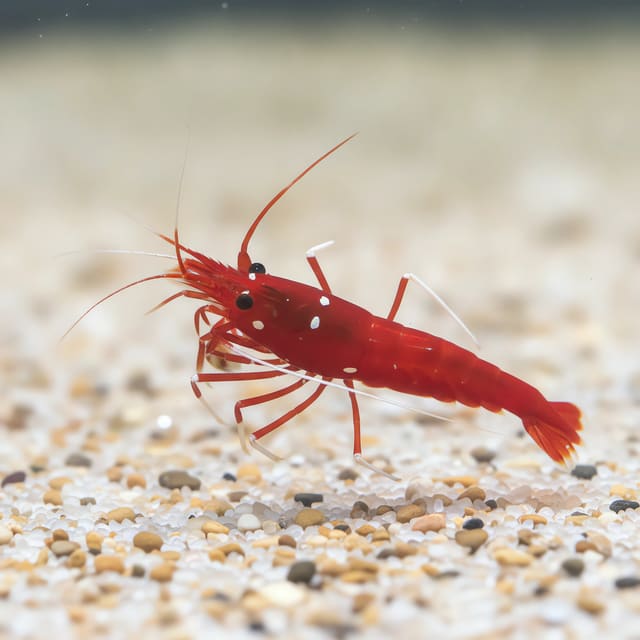
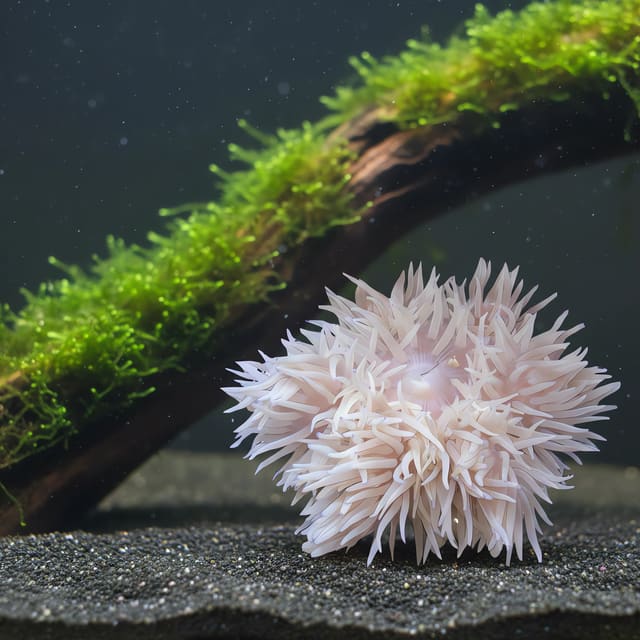
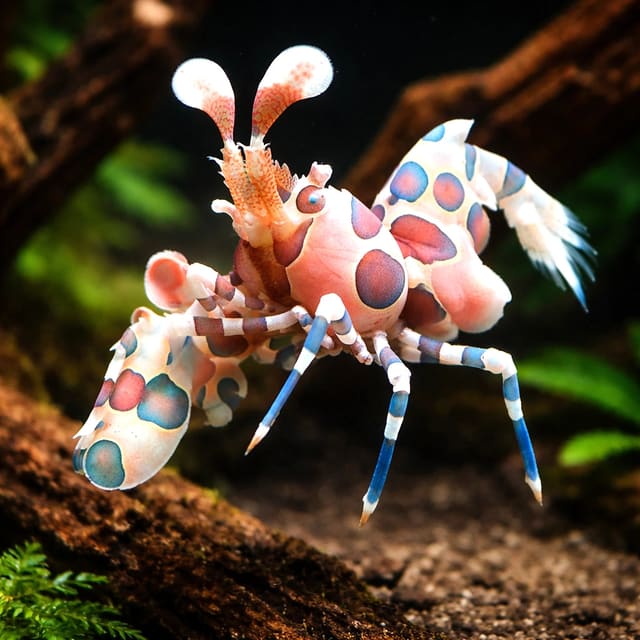
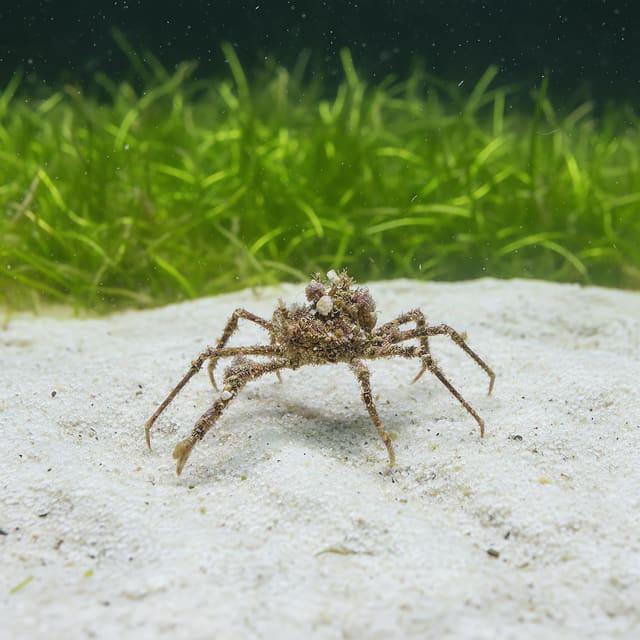
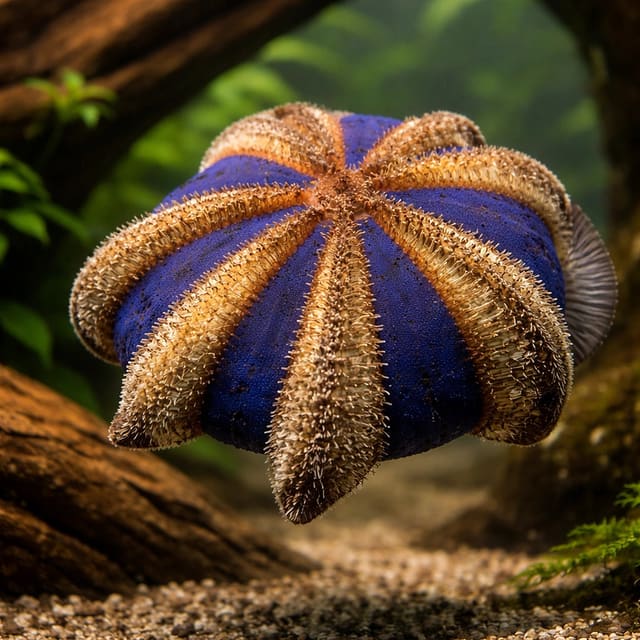
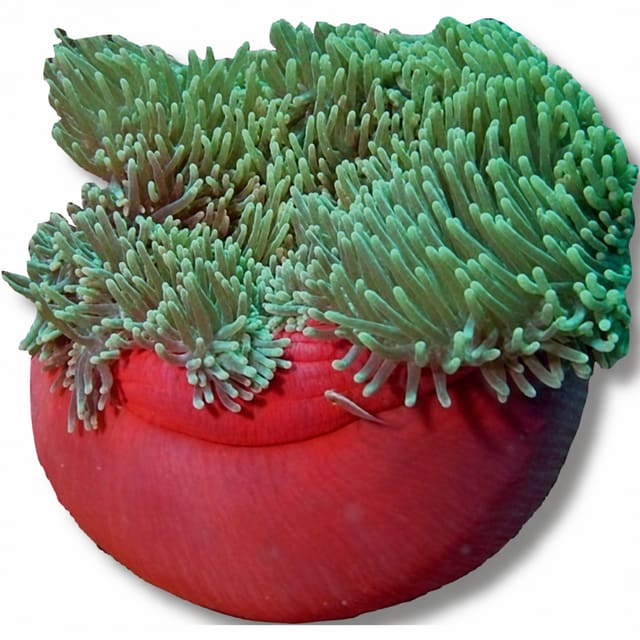
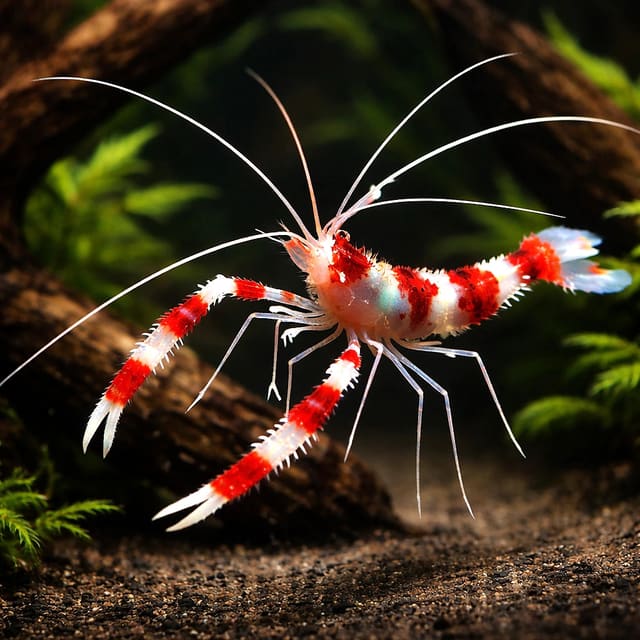
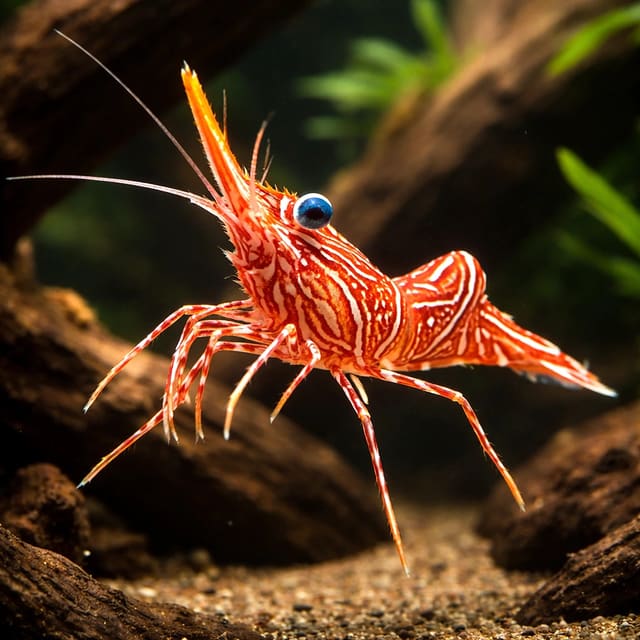
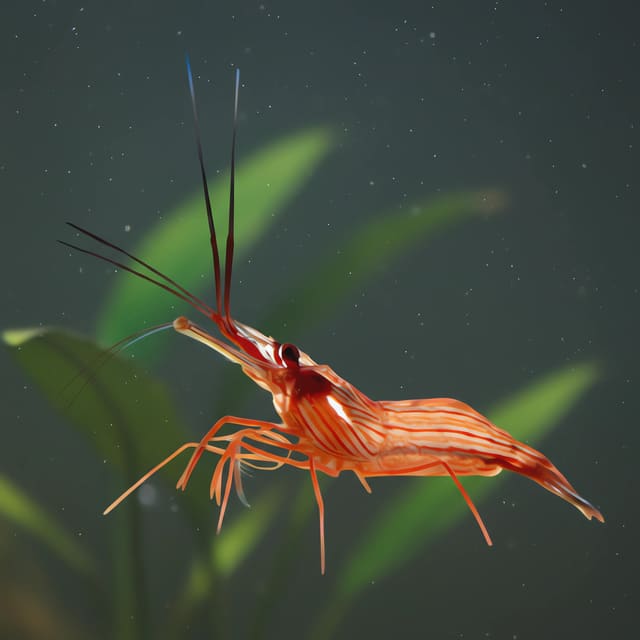
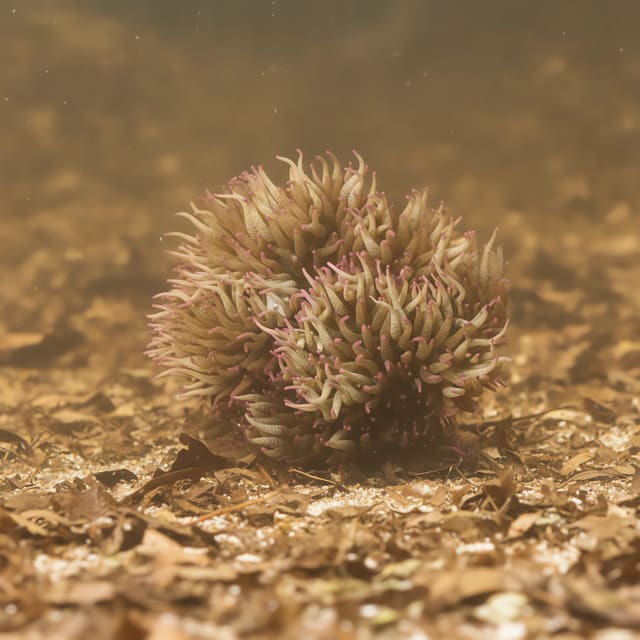
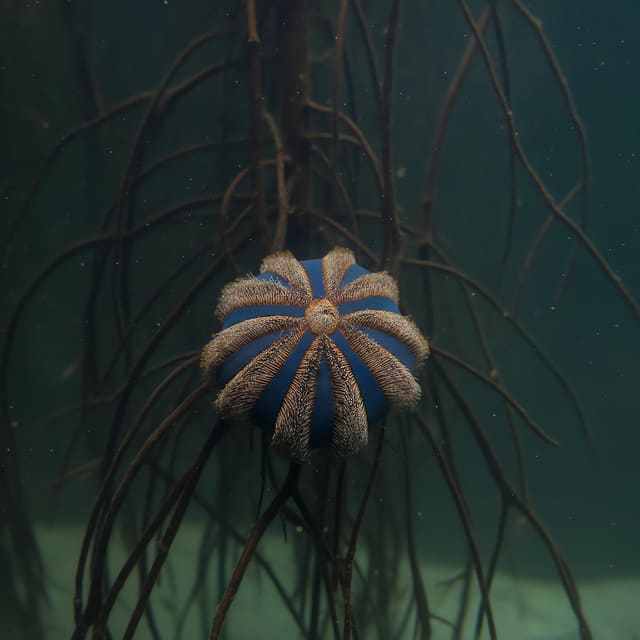
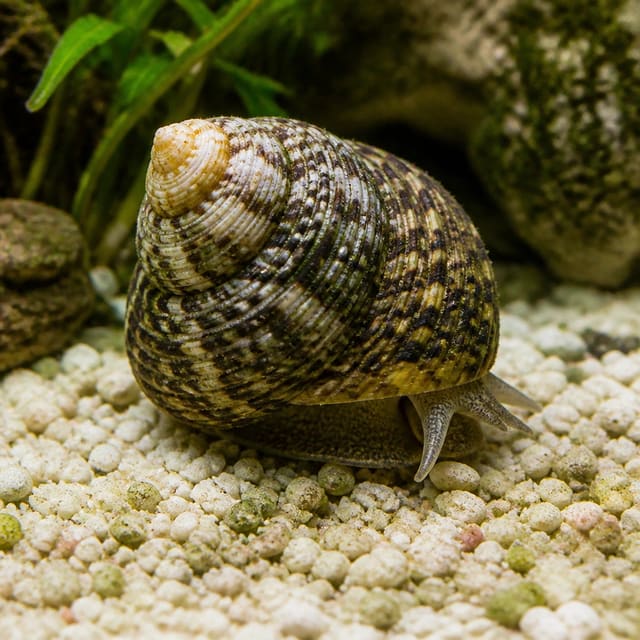
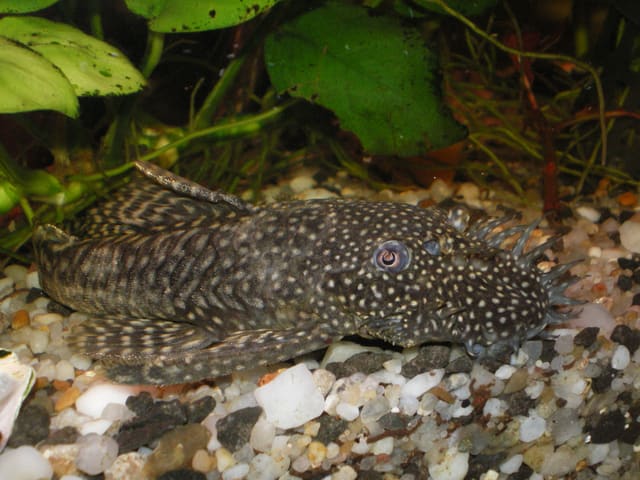
Gallery images have been digitally enhanced to improve image quality. Natural colour, pattern, size and maturity can vary between live animals. Some gallery scenes show the starfish among green plants and wood; at home it needs a marine aquarium built around live or artificial rock, as described in the care tab.
| Suits | Less suited to |
|---|---|
| An established, mature marine aquarium with steady water | A new or still-cycling marine tank |
| Plenty of live or artificial rock for grazing and cover | A bare or sparsely furnished tank |
| Reef-safe fish as companions | Triggerfish, harlequin shrimp or starfish that eat other starfish |
| A keeper who tests weekly and changes water at least once every week | Any aquarium where ammonia or nitrite can be detected |
A Blue Starfish is best for a keeper whose marine aquarium has been running steadily for some time, who already tests the water each week and knows what its readings normally look like. It is a poor fit for a tank that is still being set up, for a system whose salinity or temperature swings between checks, or for any aquarium holding triggerfish or harlequin shrimp. If you are planning a reef around one, set the tank up for the corals and fish first and add the starfish once everything is settled.
First, water quality: OATA warns that starfish can be stressed by even the smallest amounts of ammonia and nitrite, which may then lead to disease. Second, maturity: starfish that graze algae and biofilm need an aquarium where those foods have had time to grow. Third, a careful arrival: follow the unboxing and floating steps exactly, then give the starfish time to settle on the rockwork. The care tab covers each in detail, and our marine invertebrate range is the place to compare other starfish, though each animal's needs and tank mates should be checked on its own.
Wikipedia describes Linckia laevigata as a sea star commonly found in the shallow waters of the tropical Indo-Pacific. The World Register of Marine Species lists it as an accepted species in the family Ophidiasteridae, order Valvatida, with Linnaeus as the author in 1758. Blue Linckia and blue star are its common names in English.
OATA stresses how varied echinoderms are. Some species perform an excellent 'cleaner' role in the aquarium, others show interesting behaviours, and between them they have many different needs. That variety is why the water, set-up and feeding guidance on this page comes from OATA's care sheet for starfish, sea urchins and sea cucumbers as a group, applied to what a Blue Starfish needs from its tank.
OATA's list of warning signs is also a useful description of normal behaviour. A healthy starfish stays attached to rock or glass, moves in its usual way rather than in odd patterns, can turn itself the right way up if it is overturned, and responds to touch, light and water movement. Its tube feet and arms are intact, and its surface is free of lesions, discoloured patches, excess mucus and fluffy growths.
Get to know your starfish's usual pattern of movement and resting places in its first weeks. Slight variations are normal for any echinoderm, and knowing what is typical for your animal makes a real change far easier to spot.
Aquarium starfish are not interchangeable, and OATA's care sheet shows how differently the common species can feed and behave. It names the blue starfish, the red starfish and the sand sifting starfish as popular choices, and it singles out others for their diet or behaviour. Knowing where the Blue Starfish sits among them helps you choose tank mates and avoid an unhappy mix.
| Starfish | What OATA notes |
|---|---|
| Blue starfish (Linckia laevigata) | Named among the popular starfish kept in marine aquariums |
| Red starfish (Fromia indica) | Also named among the popular aquarium starfish |
| Sand sifting starfish (Archaster typicus) | Also named among the popular aquarium starfish |
| Brittle stars | Omnivorous; will eat small amounts of frozen meaty foods and prepared foods such as flakes |
| Chocolate chip starfish (Protoreaster nodosus) | Can be destructive, consuming sponges, tube worms and other starfish |
The last row is the one to remember. A chocolate chip starfish can consume other starfish, so it does not belong in the same tank as a Blue Starfish. If you already keep another starfish, check which kind it is before adding this one, and make sure your rockwork offers enough grazing surface and cover for every animal that depends on it.
OATA describes starfish, sea urchins and sea cucumbers as usually undemanding of water chemistry and gives the suggested values below as a general guide for the whole group. Its care sheet asks keepers to check any species-specific requirements before buying, and notes that some values will need to be altered in a reef aquarium to accommodate more sensitive species.
| Measure | OATA group guidance |
|---|---|
| Salinity | 1.023–1.026 |
| Temperature | 24–26 °C |
| pH | 7.9–8.3 |
| Ammonia | Zero mg per litre |
| Nitrite | Zero mg per litre |
| Nitrate | No more than 50 mg per litre |
| Carbonate hardness | 8–12 °dKH |
| Calcium | 380–450 ppm |
| Magnesium | 1250–1350 ppm |
Salinity, normally read as specific gravity, tells you how much salt the water holds, and every marine animal in the tank depends on it. Carbonate hardness is the water's buffering capacity, which helps pH hold steady between water changes. Calcium and magnesium are part of normal sea water chemistry and are often tested alongside carbonate hardness in reef systems. Ammonia and nitrite should read zero at every test; nitrate can be present, but OATA's ceiling for this group is 50 mg per litre.
Salt stays behind when water evaporates, so the salinity of an open marine tank creeps upwards between water changes. Top up evaporation with fresh water rather than salt water, and check the salinity after topping up so it stays inside the 1.023–1.026 band. Temperature needs the same attention: a heater with a thermostat and a separate thermometer hold the tank inside OATA's 24–26 °C group range through a cold spell, and in a warm summer room it is worth checking that the water has not crept above the top of that range.
In a reef aquarium, the corals and other sensitive animals set the fine detail of your water chemistry, as OATA's note about altering parameters for them implies. A Blue Starfish added to a reef should go into water that already suits them and is holding steady, rather than water adjusted around the new arrival.
Before ordering, test salinity, temperature, pH, ammonia, nitrite, nitrate and carbonate hardness, and confirm that ammonia and nitrite read zero. If any value is drifting, find and fix the cause and let the aquarium settle for a while before the starfish arrives. Keep a simple written log of your readings; a trend is easier to act on than a single number.
OATA's general rule for starfish, sea urchins and sea cucumbers is to buy an aquarium as large as you reasonably can. It recommends at least 60 litres for smaller species and says that larger starfish need a larger aquarium, with the right size varying by species. For a Blue Starfish, treat 60 litres as a floor rather than a target and choose the most generous marine system you can maintain well.
The reason OATA scales its advice by species is how much echinoderms differ in size: it contrasts the long spine urchin, whose spines can grow up to 25 cm long, with the yellow sea cucumber, which is unlikely to grow over 7 cm. A bigger system also gives a grazing animal more rock surface to work over.
Whatever the size, a filter is essential. For marine set-ups OATA lists three routes: live rock with sufficient water flow, an internal or external filter, or a sump-based filter. A protein skimmer can also help maintain water quality, because it removes dissolved organic waste before it breaks down into more harmful substances. The RSPCA explains the chemistry behind this: waste ammonia is toxic, and beneficial bacteria in a working biological filter convert it to nitrite, which is also toxic, and then to nitrate, which is safer.
Starfish are undemanding of décor and need very little, but OATA singles out live or artificial rock as essential, because it provides opportunities for grazing and cover. Build a generous rock structure with open surfaces the starfish can travel over and crevices it can use for shelter. OATA adds that some starfish may require a sand bed, so an established area of sand gives you more flexibility.
OATA's feeding guidance explains that starfish have varying dietary requirements. Some, such as brittle stars, are omnivorous and will eat small amounts of frozen meaty foods such as brine shrimp or mysis shrimp, as well as prepared foods like flakes. Others consume algae and biofilms on the glass and live foods in the sand bed, and OATA is clear that these species should only be placed into mature aquariums where those foods have had time to grow.
Maturity also protects against the most common early problem, which OATA calls 'new tank syndrome'. The beneficial bacteria in the filter need to increase every time more livestock is added and feeding increases. Overstocking, or stocking too quickly, leaves too few nitrifying bacteria for the extra waste, and ammonia and nitrite rise to unhealthy levels, which may cause invertebrates to become ill or die.
OATA stresses that starfish, sea urchins and sea cucumbers vary in their dietary requirements, and that grazing starfish depend on the natural food a mature tank provides. Plan for a Blue Starfish to live in an established aquarium with plenty of seasoned rock, so grazing surfaces are there from the day it arrives.
If you offer prepared or frozen foods, use small amounts, watch whether the starfish takes them, and remove anything left behind so it does not break down in the water. Keep the rest of the tank's feeding moderate too, since everything that goes in ends up as waste the filter has to process.
Include feeding in your daily check. OATA lists reduced food intake among the early signs that something may be wrong, alongside changes in activity and colour. A starfish that stops moving across the rock as it normally does is worth a closer look and a water test.
Our Live Arrival Guarantee depends on three things: someone at the delivery address to receive the parcel, since live animals cannot be left unattended; the parcel opened and inspected the same day; and a continuous unboxing video. Your starfish is hand-bagged in pure oxygen and packed in an insulated poly box, with a heat pack when the weather calls for it, then carried on a tracked service by a licensed live-animal courier.
The video is there to make claims quicker, clearer and fair for genuine customers. Our licensed live-animal courier may ask us for continuous unboxing evidence when we raise a claim, so a single unbroken recording from the sealed box to the animal in its bag settles questions straight away. We email your tracking number and confirmed delivery date in advance, so you know exactly when to be in.
The full conditions are on our delivery and Live Arrival Guarantee page.
OATA's advice before adding any invertebrate is to make sure the aquarium is appropriate for the animal and that ammonia and nitrite read zero. Test the day before delivery, correct any salinity drift in good time, and keep other changes to the tank to a minimum that week.
Let the starfish find its own way around the rock. Check on it during your normal routine rather than moving it, note where it settles, and look through OATA's warning signs over the first days. Keep any further livestock additions slow, so the filter bacteria keep pace.
Good husbandry is essential with starfish. OATA explains that they can be stressed by even the smallest amounts of ammonia and nitrite, which may then cause them to develop various diseases, so the routine below is about keeping those readings at zero and the water steady.
Regular partial changes also help keep nitrate under OATA's ceiling of 50 mg per litre for this group. If nitrate climbs towards that figure between changes, look at feeding, stocking and filter maintenance before simply changing more water.
If the filter needs cleaning, do not run it under the tap, because any chlorine or chloramine present may kill the beneficial bacterial population established in the media. Rinse it lightly in the tank water removed during a partial water change instead, which reduces the amount of bacteria lost.
Record what you did and what the tests showed. When a starfish shows a warning sign, a log of recent water changes, test results and livestock additions is the quickest way to find the cause.
OATA suggests watching for changes in several areas, so that problems can be caught before they become a real health issue:
If you are concerned, OATA's advice is to test your water quality and then ask your retailer for guidance. A short routine makes that conversation useful:
Avoid adding new livestock while you work out the cause, since every addition increases the load on the filter bacteria.
OATA's advice is that starfish, sea urchins and sea cucumbers should be mixed with other species carefully, and that you should always check compatibility before introducing one. Its guidance gives a clear list of animals to keep apart from starfish, and one kind of fish they will mix with.
OATA states that starfish will mix with fish considered reef-safe. Check each fish species against its own profile before assuming it belongs in that group, as the label depends on how the fish treats invertebrates.
Each of these is a different kind of risk. Harlequin shrimp feed on nothing but starfish, so the two can never share a tank. Triggerfish are a predator risk, which is why OATA names them as fish that may predate on starfish. A destructive starfish is a risk from within the same group, and is easy to overlook when a keeper assumes all starfish can live together.
OATA covers starfish, sea urchins and sea cucumbers in one care sheet because they are all echinoderms, yet it still asks keepers to check compatibility for each animal before introducing it. Urchins, for example, are herbivorous and are often used to control algae, while most sea cucumbers are planktonic feeders that need small particulate foods. Plan each animal's food and space separately rather than treating the group as one.
OATA also advises checking that the starfish you are interested in is reef-safe before it goes into a reef. Tell us which corals and invertebrates you keep when you order a Blue Starfish, and we can go through the fit with you before it is packed.
OATA's starfish guidance is to buy as large an aquarium as you reasonably can, with at least 60 litres for smaller species and more for larger ones, plus a filter and plenty of live or artificial rock for grazing and cover.
It suits a keeper who already runs a mature, stable marine aquarium rather than someone starting a new one. OATA warns that starfish can be stressed by even the smallest amounts of ammonia and nitrite, and that grazing starfish should only go into mature aquariums where their foods have had time to grow.
Starfish diets vary by species, according to OATA: some take small frozen meaty foods such as brine shrimp or mysis, while others graze algae and biofilm on rock and glass and take live foods in the sand bed. Give it an established tank with plenty of seasoned rock, watch how it feeds, and remove any food it leaves.
OATA's group guidance for starfish, sea urchins and sea cucumbers is 24–26 °C, pH 7.9–8.3 and salinity 1.023–1.026, with ammonia and nitrite at zero. In a reef aquarium, some values may need adjusting to suit more sensitive species.
OATA says starfish will mix with fish considered reef-safe. Keep it away from triggerfish, which may predate on starfish, harlequin shrimp (Hymenocera picta), which prey exclusively on starfish, and destructive starfish such as the chocolate chip starfish (Protoreaster nodosus).
It is hand-bagged in pure oxygen inside an insulated poly box, with a heat pack when the weather calls for it, and a licensed live-animal courier carries it on a tracked service. Be at home to receive it, record the unboxing in one continuous video from the sealed parcel, then float the sealed bag for 20–30 minutes before releasing it, keeping the bag water out of your tank. The video is needed for any Live Arrival Guarantee claim.
The identity, natural history and care guidance on this page comes from these public references:
No reviews for this item yet. Bought one? Honest reviews only, good or bad.
What customers say about ordering from us
Easy website plenty of info on fish your buying great to pick a time slot
TRACEY DURRANT · 7 Oct 2026
Got some lovely fish thank you
Kevin Mackie · 7 Oct 2026
Reviews of our shop, collected by Judge.me, an independent third-party review collector. Newest first.
Moved by UK carriers licensed to handle live animals
Hand-packed with oxygen bags, poly box, heat pack
Email photos the same day; an optional unboxing video helps us review problems faster — claim terms apply
Klarna & PayPal Pay in 3 at checkout