Moderate
Halfmoon Mustard Male Betta (Betta splendens)
26–28°C · pH 6–8 · 41L
£37.99

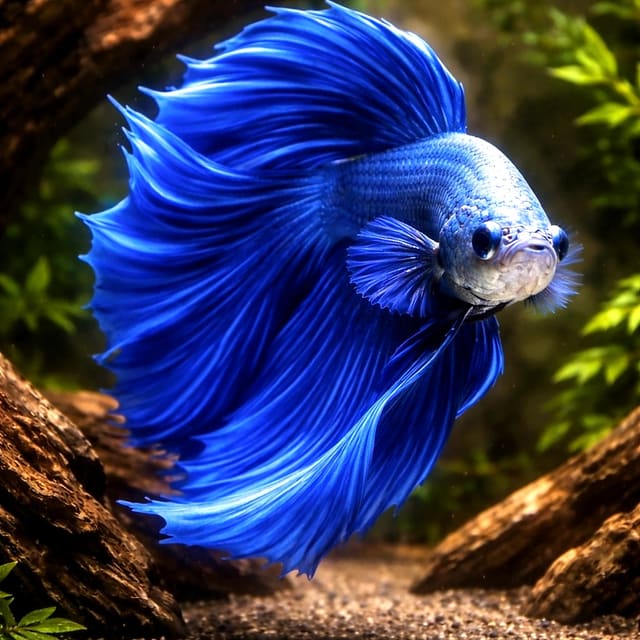
A striking blue Alien betta with vivid metallic patterning and classic betta personality, best kept alone in a warm, planted aquarium. Moderate care, aggressive. 24-30C, pH 6.0-7.5.
Adult size is the maximum length this species reaches at full maturity (scientific sources). The livestock you receive will be younger and smaller. Product-photo provenance and any image-specific limitations are stated on the listing.
Betta splendens
Confirm your email, then we’ll send an availability message for this exact item if it returns within 180 days.
This request is only for this product—no newsletter or other promotions. A mail-provider retry may very rarely duplicate the same availability message. Unconfirmed addresses are removed after 48 hours. See our privacy policy.
A striking blue Alien betta with vivid metallic patterning and classic betta personality, best kept alone in a warm, planted aquarium. Moderate care, aggressive. 24-30C, pH 6.0-7.5.
Adult size is the maximum length this species reaches at full maturity (scientific sources). The livestock you receive will be younger and smaller. Product-photo provenance and any image-specific limitations are stated on the listing.
For one typical domestic Betta splendens, start with at least 20 litres, a mature filter, thermostatic heater, separate thermometer, gentle flow, a secure lid with surface access, and plants or refuges. Keep one male per aquarium.
Maintain these water conditions for optimal health and vibrant colors
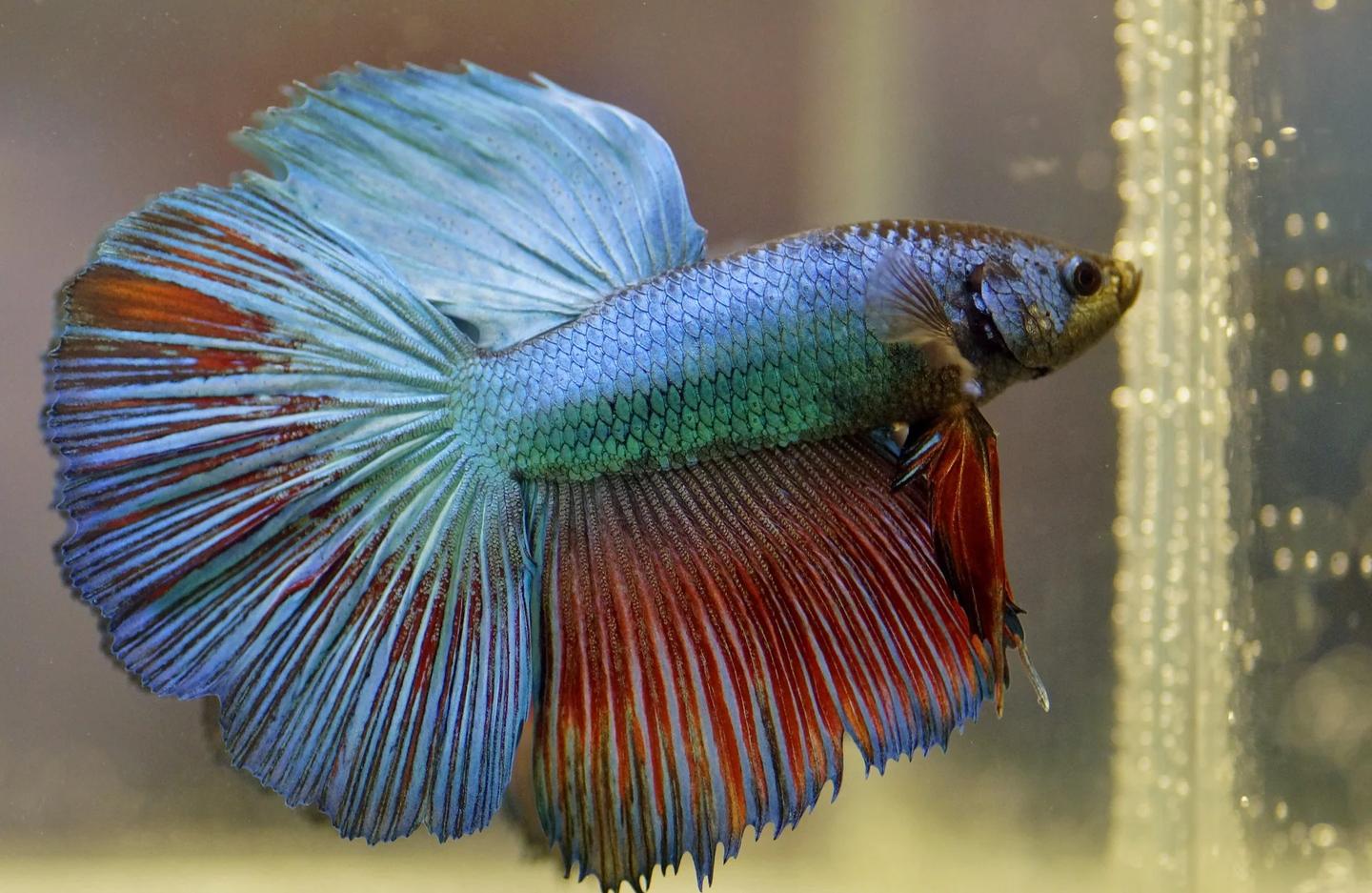
Alien bettas look the part: dense metallic blue patterning laid in an intricate, almost reptilian mesh across body and fins, a colourway developed from wild-type crosses and unlike anything in the traditional show lines. This male measures 6–7 cm and carries the pattern edge to edge — under spot lighting the mesh effect is genuinely otherworldly.
Keep the romance for the viewing and the realism for the stocking plan. He is aggressive, moderate care, and his record permits little company: snails, plus peaceful shrimp in heavily planted tanks where some will still be eaten. It rules out other male bettas, fin-nipping fish — tiger barbs and many danios are named — large, aggressive or highly territorial species, and long-finned or brightly coloured fish that pull his attention into displays. He needs at least 20 litres and preferably 25 or more, heated to 24–30 °C, with pH 6.0–7.5 and hardness 1–15 dGH. A carnivore by record, he feeds and lives high in the water column, and his territorial behaviour strengthens around breeding condition — typical for lines close to wild stock.
Lines bred close to wild stock keep wild reflexes, and his daily behaviour shows it: faster startle responses, sharper feeding strikes, and a stronger reaction to movement above the tank than ornamental strains display. Site his aquarium somewhere with calm foot traffic and he settles noticeably quicker. Otherwise the record asks for the familiar: 20–25 litres or more, heater inside 24–30 °C, carnivore feeding, weekly changes holding pH 6.0–7.5 and 1–15 dGH. The mesh patterning is most dramatic under a single point-source light that lets the metallic scales flicker as he turns. With danios and tiger barbs expressly named on his avoid list, the snails-and-shrimp-only default is the path of least regret.
Alien-type males remain one of the most requested specialist bettas in the UK, and our stock is irregular — buy when listed rather than waiting. Despatch by licensed live-animal courier; live arrival guaranteed.
No reviews for this item yet. Bought one? Honest reviews only, good or bad.
What customers say about ordering from us
I have a small group of long finned mountain minnows. So was delighted to be able to order ten of this variety to increase the genetics in my tank . The ones I recieved are healthy but it’s to early to give a verdict on wether they are of a long finned type since they are small currently.
Gordon Walker · 23 Sept 2026
100% success travel and "installation". Pleased with quality of purchase. The Siamese fighter a bit "shy" so have not yet seen him at his best yet but looking good. Happy customer. GG
George E Garratt · 21 Sept 2026
Reviews of our shop, collected by Judge.me, an independent third-party review collector. Newest first.