Easy
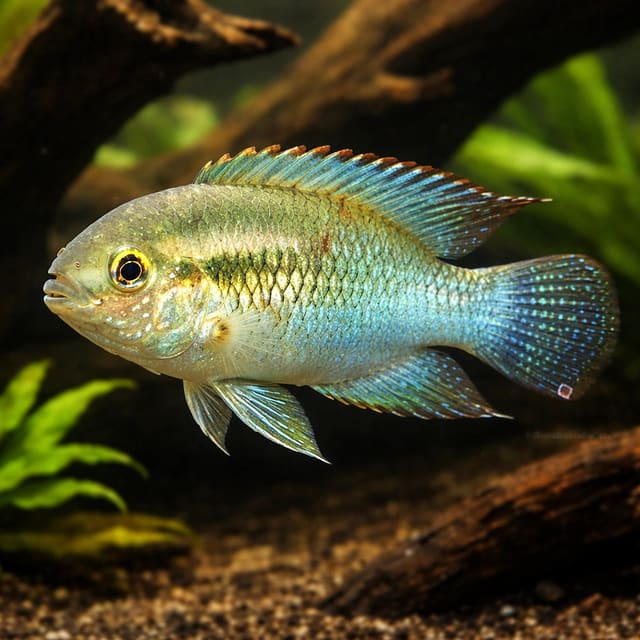
Electric Blue Acara (Andinoacara pulcher) – Neon Blue, 2–7cm Sizes
22–23°C · pH 6.5–8
£6.19
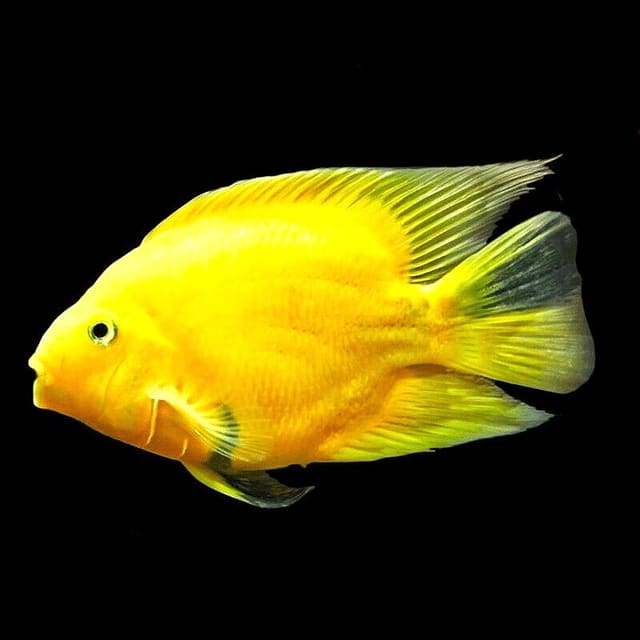
The Hybrid platinum parrot is an aquarium-bred parrot cichlid hybrid, a type first bred in Taiwan around 1986. It suits an intermediate keeper planning one fish or a compatible pair at 22–27°C and pH 6.5–8.0 under OATA’s American-cichlid guidance. Sold individually in sizes from 3–4 cm to 6–7 cm.
Hybrid platinum parrot
Save when buying multiple fish. Each quantity is one fish; sex and pair formation are not guaranteed unless the selected variant explicitly states them.
The Hybrid platinum parrot is an aquarium-bred parrot cichlid hybrid, a type first bred in Taiwan around 1986. It suits an intermediate keeper planning one fish or a compatible pair at 22–27°C and pH 6.5–8.0 under OATA’s American-cichlid guidance. Sold individually in sizes from 3–4 cm to 6–7 cm.

Cichlids are a family of roughly 1,800 accepted species, not one care type. Before buying, identify the exact species and source, then compare adult measurement, usable tank dimensions, social system, territory, tested water, diet and an exit plan. No family-wide minimum tank, water range or tank-mate list is safe.
Maintain these water conditions for optimal health and vibrant colors
The Hybrid platinum parrot is an aquarium-bred hybrid fish in the cichlid family, Cichlidae. Its history begins in aquariums rather than a wild habitat: Wikipedia’s Blood Parrot Cichlid account places the first breeding of this type of hybrid in Taiwan around 1986. It is not a saltwater parrotfish or a wild parrot-cichlid species.
We rate it intermediate: it needs an aquarium of at least 300 litres, a mature filter, weekly testing and a keeper ready to rehouse it if aggression develops. American cichlids vary greatly in temperament, so the keeper must be ready to house one fish alone or manage a deliberately compatible pair. Community placement should follow the individual fish’s aggression, the adult space it needs and the water requirements of every proposed companion.
The decisive starting targets are 22–27°C, pH 6.5–8.0 and general hardness of 4–12°dH. These are OATA’s American-cichlid values applied to the hybrid’s parent group. Keep ammonia and nitrite at zero, and do not allow nitrate to rise more than 20 mg per litre above the normal level in the tap water used for changes.
| Suits | Not suited to |
|---|---|
| An intermediate keeper prepared to test water weekly | An unfiltered or biologically immature aquarium |
| A plan for one fish or a behaviourally compatible pair | An unassessed group of cichlids |
| Water maintained at 22–27°C and pH 6.5–8.0 | Companions needing conflicting water conditions |
| A keeper able to respond if aggression develops | A community where every fish must remain calm |
Choose this hybrid for a carefully planned cichlid aquarium, not for a reconstruction of a wild biotope. If you are comparing different aquarium cichlids rather than choosing companions, browse the current South American cichlid collection and assess each animal on its own care requirements.
One purchase supplies one Hybrid platinum parrot in the size selected. The live selector uses the labels 3–4 cm, 5–6 cm and 6–7 cm; use it to choose the dispatch size appropriate for your established aquarium and stocking plan. The size you select is the size supplied, not the adult size.
Do not treat a larger dispatch fish as a different sex or temperament. Instead, plan the final aquarium around the larger American-cichlid space benchmark and observed behaviour. A fish selected at 3–4 cm still needs the same long-term space plan, while a larger dispatch fish can create a greater immediate change in feeding and biological load. Check ammonia and nitrite before introduction, then increase livestock gradually so the filter bacteria can respond to the additional waste.
Sex is guaranteed only when the selected option explicitly states male or female. This Hybrid platinum parrot listing has no sex-guaranteed option.
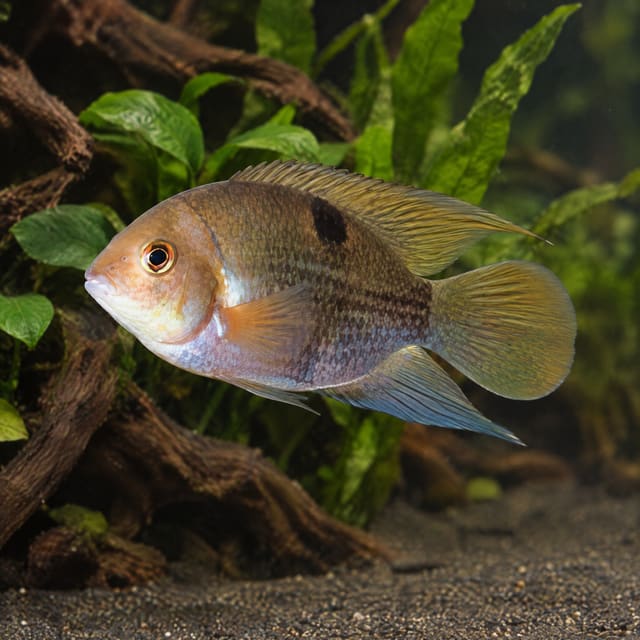
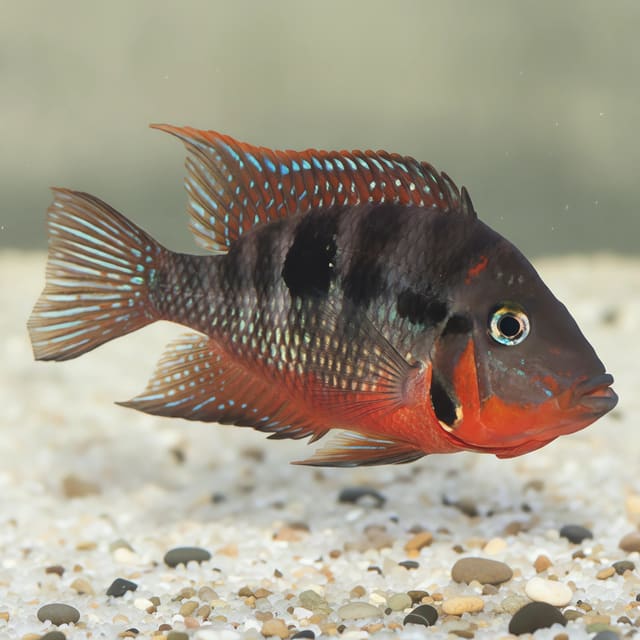
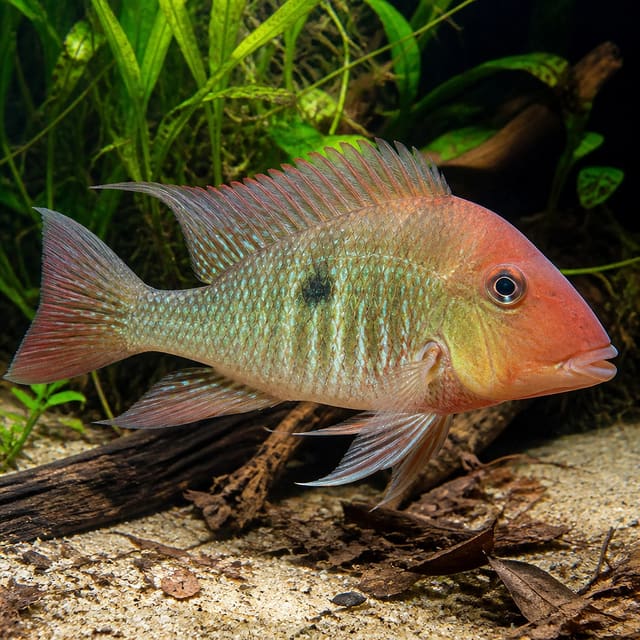
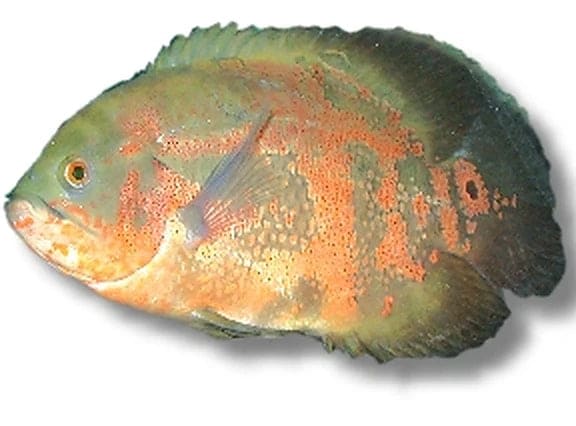
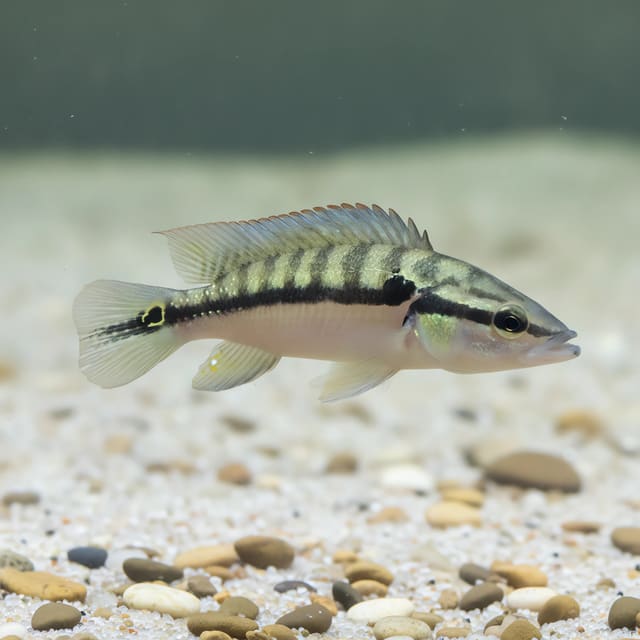
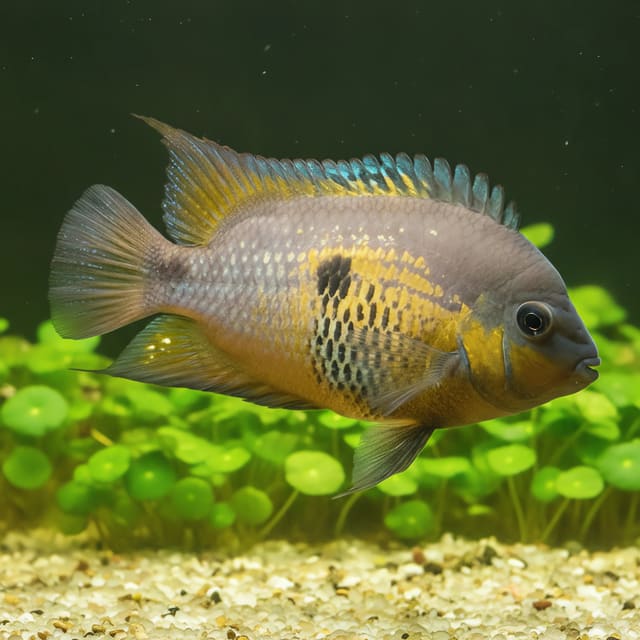
The gallery contains representative scenes of pale pink-white, rounded fish with translucent fins. One scene shows two animals facing one another, but the number visible in an image does not change the sold unit of one fish per purchase. Some gallery images have been digitally enhanced to improve image quality. They show the listed type of animal rather than guaranteeing the exact markings of the individual supplied, so natural colour and pattern can vary.
This is a hybrid rather than a wild species, so the care advice here follows its parent group. That means the practical plan starts with American-cichlid guidance and is refined through observation of the fish’s feeding response and temperament. The dispatch label is not a basis for reducing the final aquarium plan.
Use an aquarium of at least 300 litres for this hybrid. OATA recommends at least 120 litres for a pair of American-cichlid species under 15 cm and at least 300 litres for larger or more aggressive species over 15 cm. Plan this hybrid with the larger-category benchmark throughout rather than using its dispatch length to choose the aquarium.
Choose as large an aquarium as practical above that 300-litre minimum. A larger aquarium keeps temperature and water quality more stable and gives each fish more room to move away if another begins controlling a particular area. Volume alone does not make an incompatible stocking plan safe, so combine litres with useful horizontal space, cover and a clear route for each fish to move away from another.
Use fine aquarium gravel or sand because OATA notes that many American cichlids dig or sift substrate while feeding or breeding. Plants may be dug up or eaten, so arrange cover with that possibility in mind. OATA suggests plastic plants for cover because American cichlids may dig up or eat live plants.
| If you observe | Planning response |
|---|---|
| The aquarium is below 300 litres | Use a larger aquarium before adding this hybrid |
| Another fish is being considered | Recalculate space and filtration for the complete stocking plan |
| Aggression increases | Reassess companions and prepare to separate fish |
| Repeated chasing or exclusion | Separate the fish rather than relying on volume alone |
Keep the aquarium at 22–27°C, pH 6.5–8.0 and general hardness of 4–12°dH. Carbonate hardness should remain within 3–10°dKH. OATA’s American-cichlid sheet gives these values as group guidance, so use them consistently for this hybrid and avoid chasing a particular point within each range.
Keep ammonia at zero mg per litre and nitrite at zero mg per litre. Nitrate should not exceed 20 mg per litre above the normal nitrate level of the tap water used for the aquarium. For example, if conditioned tap water measures 10 mg per litre nitrate, the aquarium should remain at or below 30 mg per litre. This comparison uses the same test method for both samples and makes the OATA limit practical when source water already contains nitrate.
| Value | Working target |
|---|---|
| Temperature | 22–27°C |
| pH | 6.5–8.0 |
| General hardness | 4–12°dH |
| Carbonate hardness | 3–10°dKH |
| Ammonia and nitrite | Zero mg per litre |
| Nitrate | Up to 20 mg per litre above tap-water level |
Measure the aquarium rather than estimating its chemistry from a local water description. Our water chemistry guide explains what the main tests measure, while the water matcher helps compare your measured values with these targets.
A reading inside the range is useful only when ammonia and nitrite remain at zero and changes are gradual. If pH is 7.2 one week and 7.3 the next, both readings fit the target; avoid unnecessary adjustment. If a reading moves outside the range, first repeat the test, compare the aquarium with conditioned tap water and check recent maintenance or stocking changes. Correct the cause steadily instead of making an abrupt chemical swing.
Record results with the date, feeding level, water change and any new fish. A short log makes it easier to connect a rising nitrate result with increased feeding or stocking and to recognise a genuine trend before the fish shows distress.
Use a biologically mature, well-maintained filter from the start. The RSPCA’s aquarium welfare guidance explains that fish release toxic ammonia and that a working biological filter supports bacteria which convert ammonia to nitrite and then to the safer nitrate. A filter is therefore part of the animal’s life-support system, not simply a way to clear visible debris.
Mature the aquarium and filter before livestock is introduced. If this is your first setup, follow our first tropical aquarium guide before choosing an introduction date. Test the aquarium directly and wait for ammonia and nitrite to reach zero under the established routine.
New tank syndrome occurs when the bacterial population cannot keep pace with waste production, allowing ammonia or nitrite to rise. Prevent it by proving that the filter works before introduction, increasing livestock slowly and continuing to test after each change in stocking or feeding.
| Checkpoint | Decision |
|---|---|
| Ammonia or nitrite is detectable | Delay adding the fish and restore zero readings |
| The filter is blocked or flow has fallen | Check it before increasing the biological load |
| The aquarium is newly matured | Add livestock slowly and test after each addition |
| The water looks clear | Still test it; clarity does not measure ammonia or nitrite |
Arrange the filter and décor before the fish arrives so the aquarium can run as one stable system. Later changes should preserve the established bacterial media and maintain the target temperature and chemistry.
Feed a varied diet based on specialised cichlid pellets or granules, supplemented with frozen or freeze-dried foods. OATA describes American cichlids generally as omnivorous fish that often prefer meaty foods. It names daphnia, brine shrimp and bloodworm for smaller species, and cockles, lancefish and prawns for larger species. Select pieces the individual can take and swallow comfortably rather than choosing food solely from its dispatch length.
Offer food once a day and give only the amount eaten within a few minutes. Start with a modest portion, watch the entire feeding response and stop when food begins reaching the substrate uneaten. This method adjusts the ration to the individual fish without relying on an assumed adult size or appetite.
Variety means rotating suitable food types across different feeds, not serving several full portions at once. A cichlid pellet or granule can form the practical base, with an appropriately sized frozen or freeze-dried item used to vary texture and ingredients. When changing food, introduce the new item within the usual daily portion and watch whether it is taken promptly.
| If you see | Do this next |
|---|---|
| Food remains after a few minutes | Remove the excess and reduce the next portion |
| The fish takes only small pieces | Choose a smaller particle size |
| Food repeatedly reaches the substrate | Offer less at one time and observe more closely |
| Interest in food falls | Test water and compare the change with normal behaviour |
Overfeeding produces excess faeces and leaves uneaten food to break down, increasing the waste the biological filter must process. A generous-looking feed can therefore reduce water quality even when the fish consumes part of it. Keep the ration tied to what disappears within a few minutes and include feeding amounts in the aquarium log.
Do not use appetite alone as a reason to keep adding food. OATA notes that American cichlids can consume a large amount in one sitting, so an eager response does not show that another portion is needed. Consistent measured feeding makes weekly nitrate trends easier to understand and keeps maintenance predictable.
Change 25% of the aquarium water at least once every week. Use a siphon to remove solid waste from the substrate, treat replacement tap water with conditioner to remove chlorine or chloramine and keep the replacement process within the established temperature and chemistry targets. This routine removes dissolved and solid waste while preserving the stable environment required by the fish and filter.
Test ammonia, nitrite and nitrate at least weekly. Also record temperature, pH and hardness often enough to detect movement away from 22–27°C, pH 6.5–8.0 and 4–12°dH. Test more closely after adding livestock, changing feeding or servicing equipment because each event can alter biological demand.
Check the filter for blockages and reduced flow. When media needs cleaning, rinse it lightly in aquarium water removed during the partial change. Do not run it under the tap: chlorine or chloramine may kill the bacterial population which processes ammonia and nitrite. The aim is to remove obstructing debris while retaining biological function.
| Weekly task | Reason |
|---|---|
| Test ammonia and nitrite | Both must remain at zero mg per litre |
| Compare aquarium and tap-water nitrate | Keep the aquarium rise within 20 mg per litre |
| Change 25% of the water at least once a week | Remove accumulated waste and replenish water |
| Condition replacement water | Neutralise chlorine or chloramine |
| Check filter flow | Maintain circulation through biological media |
Do not wait for cloudy water or visible debris before acting. Ammonia and nitrite are chemical hazards measured by a test, while nitrate trends can develop before the aquarium looks different.
Arrange for someone to receive the parcel because live fish must not be left unattended. Tropical Fish Co hand-packs live fish in pure oxygen inside an insulated poly box and adds a heat pack when weather conditions call for it. A licensed live-animal courier carries the parcel, with tracking and the confirmed arrival date sent by email.
These are the receiving and acclimatisation steps in the Tropical Fish Co delivery and Live Arrival Guarantee policy. Read that page before the delivery date for the current receiving requirements and claim procedure.
OATA’s American-cichlid guidance requires a mature, filtered aquarium with ammonia and nitrite at zero; keep temperature within 22–27°C before introduction. Acclimatisation cannot compensate for an immature filter, conflicting water requirements or an unsuitable stocking plan.
OATA advises increasing fish numbers slowly because the filter’s beneficial bacteria need to respond whenever livestock and feeding increase. Continue the normal measured feeding and weekly testing routine, and compare the new fish’s swimming, breathing, colour, condition and appetite with its own pattern. Avoid judging health from one isolated behaviour without checking the water.
| Arrival checkpoint | Required response |
|---|---|
| No one can receive the parcel | Resolve the receiving arrangement before dispatch |
| Ammonia or nitrite is above zero | Correct the aquarium before introduction |
| The bag has floated for less than 20 minutes | Continue floating until the 20–30 minute period is complete |
| Bag water remains after release | Discard it rather than adding it to the aquarium |
Keep the delivery procedure focused on receipt, the 20–30 minute float and clean release. Longer-term settling depends on stable water, a functioning filter, measured feeding and compatible companions.
Learn the fish’s normal pattern and act when that pattern changes. OATA identifies swimming, colour, temperament, breathing, physical appearance, body condition and feeding response as useful areas to watch. A change is a prompt to test the aquarium and review recent events; it is not, by itself, a diagnosis.
| If you see | First response |
|---|---|
| Hanging at the surface, sitting on the bottom or erratic swimming | Test ammonia, nitrite, nitrate, temperature and pH |
| Gill covers moving faster or slower than normal | Check water quality and filter operation promptly |
| A darker or paler appearance than usual | Compare water readings, behaviour and recent aquarium changes |
| More aggression or hiding than normal | Reassess space and every companion |
| White spots, fluffy growths, lost fins, damaged scales, ulcers or bumps | Test water and contact us for health guidance |
| Reduced food intake or falling body condition | Remove uneaten food, test water and review the daily feeding log |
Correct measurable husbandry problems first. Ammonia and nitrite must return to zero, nitrate must remain within the OATA limit, and the filter must maintain normal flow. Continue using conditioned replacement water and preserve the filter bacteria during maintenance.
Do not increase feeding to compensate automatically for poor body condition, because uneaten food can worsen water quality. Record when the change began, the latest test results, recent additions, maintenance and what the fish ate. This gives a clear sequence for deciding the next step without guessing.
Behaviour must also be interpreted in context. A fish hiding more while another repeatedly approaches may require a compatibility response, while a fish breathing rapidly with no social pressure calls for an immediate water and equipment check. When several fish change at once, prioritise testing and system checks because they share the same environment.
Daily observation can be brief but should be consistent. Check the fish while it swims and feeds, then note departures from its normal condition. Weekly records supply the longer view needed to distinguish a one-off event from a developing trend.
Plan to keep one fish or a deliberately compatible pair. OATA says most American cichlids do better either singly or in pairs, while also warning that size and temperament vary considerably across the group. Apply that as the starting structure for this hybrid rather than assuming that several fish will form a stable social group.
Keeping one fish removes the need to manage interaction with another parrot cichlid, but it does not remove the need for adult space, filtration or careful community screening. A pair needs enough room for both animals and must be judged by behaviour. The word “pair” describes the social plan; it does not guarantee sex, bonding or breeding.
For a proposed pair, use OATA’s larger-category benchmark of at least 300 litres. This volume is a starting requirement rather than proof that two fish will be compatible, so continue to assess access to food, cover and swimming space.
If you are adding this fish to an established population, check the aquarium dimensions, working volume, temperature, pH and hardness against every resident animal and its size before buying.
| Plan | Decision rule |
|---|---|
| One Hybrid platinum parrot | Still assess every other resident fish |
| A pair | Use at least 300 litres and proceed only when both animals can share space and food |
| More than two | Do not assume group stability from American-cichlid guidance |
| An existing pair changes behaviour | Reassess immediately and separate if necessary |
Match companions by water requirements, adult space and observed aggression. OATA says mixing American cichlids can be difficult. It says calmer species such as angelfish and severums can be mixed in a robust community with larger shoaling species, while more aggressive species must be kept alone or with equally aggressive cichlids. Those examples define a screening method; they do not make every named fish a companion for this hybrid.
First decide whether the individual Hybrid platinum parrot behaves calmly enough for a community plan. If it proves aggressive, avoid combining it with calm community fish and move to solitary housing or a carefully assessed plan involving cichlids with comparable aggression. If it remains calm, larger shoaling fish can be considered only when their water needs, adult size and use of space also fit.
| Proposed companion | How to assess it |
|---|---|
| Another American cichlid | Compare aggression, adult space and water needs |
| Larger shoaling fish | Consider only for a robust community with a calm individual |
| An equally aggressive cichlid | Consider only if the aquarium supports that aggression and space demand |
| Shrimp or another invertebrate | Treat as a separate compatibility decision rather than an automatic companion |
Fin-nipping should be treated as an individual screening point. Watch fins, access to food and how fish use space instead of assigning a guaranteed fin-nipping label to the hybrid. If damage or repeated pursuit appears, separate the animals and reassess the plan.
Do not rely on the phrase “community fish” by itself. A robust community in OATA’s example uses larger shoaling species and calmer cichlids, while an aggressive individual requires a fundamentally different plan. Compatibility remains conditional on the actual fish and the complete aquarium.
The 3–4 cm, 5–6 cm and 6–7 cm labels are dispatch sizes, not adult sizes; plan this hybrid with OATA’s larger-species aquarium benchmark of at least 300 litres.
Use at least 300 litres. OATA recommends this benchmark for American-cichlid species over 15 cm or those that are more aggressive, so plan this hybrid for the larger category from the start.
OATA says most American cichlids do better singly or in pairs, so plan one fish or a behaviourally compatible pair rather than assuming an unassessed group will remain stable.
We rate it intermediate: OATA describes American cichlids as usually undemanding, but this hybrid needs at least 300 litres, weekly testing and a keeper ready to rehouse it if aggression develops.
Feed specialised cichlid pellets or granules with varied frozen or freeze-dried foods once daily, offering only what it eats within a few minutes under OATA’s American-cichlid guidance.
Keep it at 22–27°C, pH 6.5–8.0 and 4–12°dH; OATA gives these as American-cichlid group guidance for the parent group.
American cichlid temperament ranges from calm to very aggressive, so screen this individual for chasing, exclusion and fin damage; house an aggressive fish alone or only with carefully assessed, equally aggressive cichlids.
OATA says calmer American cichlids can be mixed in a robust community with larger shoaling fish, while more aggressive cichlids must be kept alone or with equally aggressive cichlids; assess invertebrates separately.
Start a short continuous unboxing video for every delivery before opening the parcel, showing it still sealed, then being opened and the fish still in the bag. Keep the video for the Live Arrival Guarantee claim process. Tropical Fish Co hand-packs the fish in pure oxygen inside an insulated poly box, adds a heat pack when weather calls for it and uses a licensed live-animal courier; someone must receive the parcel, then float the bag for 20–30 minutes before release without pouring bag water into the aquarium.
No reviews for this item yet. Bought one? Honest reviews only, good or bad.
What customers say about ordering from us
Easy website plenty of info on fish your buying great to pick a time slot
TRACEY DURRANT · 7 Oct 2026
Got some lovely fish thank you
Kevin Mackie · 7 Oct 2026
Reviews of our shop, collected by Judge.me, an independent third-party review collector. Newest first.