Krill Flakes - Aquarium supplies from Tropical Fish Co

Krill Flakes Fish Food UK

£5.99In Stock

Krill Flakes fish food for tropical fish, packed with protein to boost colour and appetite. Buy online today for fast UK delivery.

Aquarium SuppliesColour EnhancingFish FoodFlake FoodMarine FishProtein RichTropical Fish

Premium Quality

Healthy, vibrant fish from trusted suppliers

Expert Care

Detailed care guides and support

Live Arrival Guarantee

Your fish arrives healthy or we'll replace it

Acclimated

Properly quarantined and ready for your tank

Why Choose This Fish?

Krill Flakes fish food for tropical fish, packed with protein to boost colour and appetite. Buy online today for fast UK delivery.

Krill Flakes are a smart choice for aquarists who want stronger colour, reliable daily nutrition, and a cleaner feeding routine in one easy-to-use flake. Made for a wide range of tropical community species, this Krill Flakes Fish Food is especially useful when standard flakes seem to leave fish looking washed out or less eager at feeding time. Krill is naturally rich in protein and carotenoid pigments, so Krill Flakes for Aquarium use can help support reds, oranges, and warm body tones in many popular aquarium fish. If you are searching for dependable fish food UK hobbyists can use every day, this is a practical option for mixed tanks, display aquariums, and colour-focused setups.

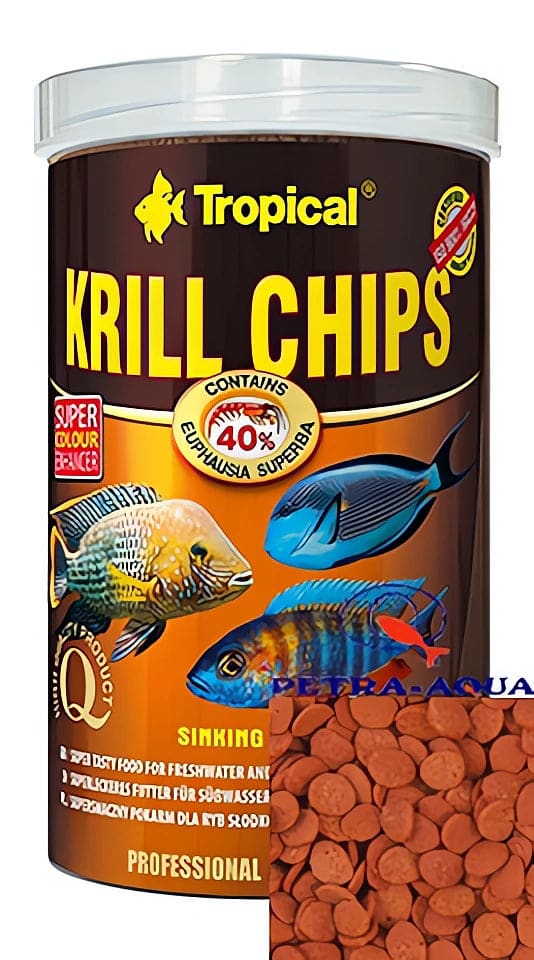
As a versatile aquarium food UK product, these flakes are suitable for many small to medium tropical species that feed in the upper and mid-water levels. They work well as krill flake food for tropical fish, as krill flake food for community fish, and as part of a varied menu alongside granules, tablets, and plant-based foods. See our detailed product image fish-food-uk.webp showing the flake texture and colour, which helps explain why many keepers choose krill colour flakes for aquarium fish when they want a more visually vibrant aquarium. For aquarists comparing dry fish food UK options, this 100g pack offers simple storage, easy portioning, and broad compatibility across many freshwater setups.

🔹 Quick Facts

  • Product Name: Krill Flakes
  • Format: Floating to slow-sinking flakes
  • Pack Size: 100g
  • Best For: Tropical community fish, colour enhancement, mixed feeding plans
  • Feeding Zone: Surface to mid-water
  • Use Frequency: Daily or as part of a varied diet
  • Water Type: Freshwater tropical aquariums
  • Storage: Keep cool, dry, and sealed after use

Product Profile

  • Category: Tropical flake food
  • Main Ingredient Focus: Krill-based colour and protein support
  • Suitable For: Community fish, many omnivores, selected carnivorous tropicals

In the aquarium hobby, krill-based flakes are valued because they bridge the gap between everyday staple feeding and targeted colour support. This makes Krill Flakes a useful option for fishkeepers who want more than a basic flake without moving fully to frozen foods or multiple specialist diets.

Why Choose Krill Flakes Fish Food UK Aquarists Can Use Every Day?

Many fishkeepers ask what separates krill flakes from ordinary mixed flakes. The main difference is ingredient focus. Krill Flakes Fish Food uses krill to provide a rich, palatable protein source plus natural pigments that can support stronger colour expression over time. That is why many hobbyists compare krill flake food vs standard fish food when trying to improve feeding response and appearance in tetras, barbs, rasboras, gouramis, livebearers, and dwarf cichlids.

This also answers a common buying question: what is the best tropical fish food UK keepers should choose for a mixed aquarium? In practice, there is no single food for every species, but a strong krill-based flake can be an excellent core food for many community tanks. If you already rotate foods, Krill Flakes can sit alongside Vitality & Color Flakes for broader vitamin support or with Spirulina Granulat when you want more plant content in the weekly diet.

Why Krill Flakes Stand Out

  • Supports colour development with naturally pigment-rich krill
  • Useful as a staple or rotation food in tropical freshwater tanks
  • Easy to crumble for smaller fish and fry-sized mouths
  • Simple 100g format for regular home aquarium use

What Are the Main Krill Flake Food Benefits for Fish?

The most obvious krill flake food benefits for fish are palatability, protein quality, and colour support. Fish often take krill-based foods eagerly, which is helpful for newly settled stock or species that can be hesitant with bland flakes. The natural pigment profile is one reason people search for the best krill colour flakes for tropical fish or the best krill flake food for freshwater fish when they want to bring out warmer body tones.

There is also a practical maintenance benefit. Good flakes should be fed in small amounts and eaten quickly, helping reduce waste compared with heavy overfeeding of frozen cubes. That matters because krill flake food water quality impact depends largely on feeding discipline. Used correctly, flakes are tidy and efficient. Used carelessly, any food can pollute the tank.

For aquarists browsing fish food online UK stores, this product is a convenient middle ground between basic flake and richer specialist diets. It is especially useful in tanks where fish need a little more encouragement at feeding time, or where you want a visible difference in colour without changing the whole feeding programme.

Expert Tip

If you are trying to improve colour in a community tank, use krill flakes consistently for 3-4 weeks rather than feeding them once in a while. In our experience, regular small feedings give better visual results than occasional heavy feeds.

How Do You Feed Krill Flake Food Correctly?

A common PAA-style question is how to feed krill flake food without clouding the water. The best method is simple: offer only what your fish can finish in around 30-60 seconds, once or twice daily depending on stock level and species. This is the core of any sensible krill flakes feeding guide. Crush the flakes slightly for nano fish and leave them larger for medium community species.

For most aquariums, krill flake food feeding frequency should be 1-2 times per day. In heavily stocked tanks, split the ration into two smaller meals instead of one large one. Good krill flake food portion size depends on fish size, temperature, and filtration, but the goal is always complete consumption with minimal leftovers. That is the easiest way to control waste and maintain stable water quality.

If you are looking for a practical krill flakes for daily feeding routine, pair this food with a second complementary option. For example, use Krill Flakes in the morning and Insect Menu Granules S in the evening for extra variety. In tanks with bottom-feeding species, combine your flake schedule with Tropical SuperVit Tablets B so shy fish and lower-level feeders are not missed.

Time Food Amount
Morning Krill Flakes Small pinch, eaten in 30-60 seconds
Evening Krill Flakes or mixed diet partner Small pinch, adjusted to stock level

⚠️ Avoid Overfeeding

Overfeeding flakes is one of the fastest ways to create ammonia spikes, greasy surface films, and excess nitrate. If flakes are still visible after a minute, reduce the next feed. Good feeding habits matter more than simply buying a better food.

Which Fish Benefit Most from Krill Flakes for Tropical Fish?

Krill flakes for tropical fish are best suited to species that naturally feed from the surface or mid-water and accept flake readily. This includes many tetras, rasboras, danios, barbs, guppies, platies, mollies, swordtails, rainbowfish, gouramis, and some dwarf cichlids. In a mixed aquarium, krill flakes for community tank use is especially helpful where you want one easy staple for several species with similar feeding habits.

As krill flake food for community fish, these flakes are useful in everyday freshwater setups where fish need a colourful, protein-rich diet but not an oversized pellet or specialist frozen-only menu. For smaller fish, crumble the flakes before feeding. For larger community species, leave them in broader pieces so fish can graze naturally at the surface.

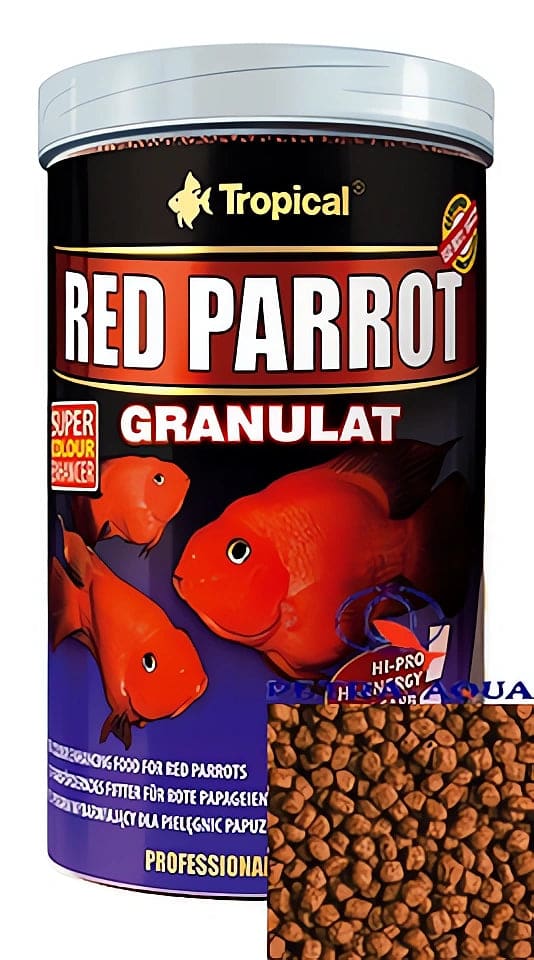
If you keep bettas in a community or separate display, you may still want a more species-focused option such as Tropical Betta Flakes. Likewise, larger cichlids or parrot fish may do better with a chunkier food like Tropical Red Parrot Granules. For all-round community use, though, Tropical Krill Flakes remain one of the easiest foods to fit into a varied feeding plan.

Are Krill Flakes Better Than Standard Flakes, TetraMin, JBL, or Hikari?

Shoppers often compare krill flakes vs TetraMin, Tropical krill flakes vs JBL, or krill flakes vs Hikari. The honest answer is that each brand and formula has its place. Standard mixed flakes are often designed as broad staple diets, while krill-focused flakes are chosen when colour support and feeding response are higher priorities.

If your fish already do well on a balanced staple, krill flakes can be used as a rotation food rather than a full replacement. If your fish look pale, ignore plain flakes, or you want a stronger display effect, Premium Krill Flakes may be the better fit. This is why many aquarists searching for buy Tropical krill flakes UK or Tropical krill flakes buy online UK are specifically looking for a richer alternative to generic flake foods.

For a broader menu, you can rotate Krill Flakes with Kirysek Granules for small tropicals or Vitality & Color Flakes when you want a different flake profile through the week. Variety is often more useful than arguing which single food wins every comparison.

What Ingredients and Nutritional Content Should You Expect?

When hobbyists search for krill flakes ingredients or krill flakes nutritional content, they usually want to know whether the food is just coloured flake or a genuinely useful diet component. A good krill flake formula should provide digestible protein, marine-derived nutrients, and natural pigment support, while still being light enough for routine feeding in a tropical aquarium.

That is why quality krill flake food for aquarium use matters. Better formulas are designed so fish take them quickly and break them down efficiently. This helps support condition and reduces the chance of heavy waste output after feeding. In practical terms, fishkeepers usually notice two things first: stronger feeding enthusiasm and better warm colour tones over time.

For keepers who like to diversify diets, Krill Flakes can be paired with plant-rich foods such as Spirulina Granulat or occasional protein variation from Insect Menu Granules S. That mix gives omnivorous community fish a more complete weekly menu than flakes alone.

Spirulina Granulat

A useful companion food for livebearers, rainbowfish, and community omnivores that benefit from more plant matter alongside krill-based flakes.

Insect Menu Granules S

Ideal for alternating with Krill Flakes when you want extra dietary variety and a different protein source for small tropical fish.

How Often Should You Use Krill Flakes in a Community Tank?

For most aquariums, krill flakes for daily feeding are perfectly suitable when the stock is made up of omnivorous tropical fish and the overall diet remains varied. In a standard mixed setup, use them once daily or as one of two daily feeds. If you keep more specialised herbivores or bottom-dwellers, supplement accordingly rather than expecting one flake to do everything.

This is where a sensible krill flake food feeding frequency plan matters. Community tanks often do best with small, repeated meals instead of one large dump of food. That approach improves uptake, reduces aggression at feeding time, and lowers the risk of leftovers. It also gives you better control over krill flake food water quality impact, especially in smaller aquariums.

As a rule, if your fish are active, colours are improving, and there is no visible waste after feeding, your routine is probably right. If fish are bloated, sluggish, or food is settling uneaten, reduce the amount. A good krill flakes feeding guide is always based on fish behaviour, not just the size of the pinch in your hand.

How Should You Store Krill Flakes and What Is the Shelf Life?

Proper storage is one of the most overlooked parts of dry food quality. Good krill flake food storage tips are simple: keep the tub sealed, store it in a cool dry place, avoid direct sunlight, and never let wet fingers introduce moisture into the container. Heat, humidity, and repeated air exposure gradually reduce freshness and can make flakes stale or clumpy.

When people ask about krill flakes shelf life, the practical answer is to use the food well within the manufacturer guidance and to prioritise freshness after opening. A 100g tub is a sensible size because it is large enough for regular use but not so large that it sits half-open for too long in a lightly stocked aquarium.

If you buy several foods at once, rotate them sensibly and keep lids tightly closed. Aquarists who shop fish food online UK often build a small feeding library, but freshness matters more than collecting too many open tubs. One or two staple foods plus one specialist option is usually enough for most home tanks.

Storage Checklist

  • Seal the container immediately after each feed
  • Store away from radiators and windowsills
  • Use dry hands or a dry spoon
  • Do not refrigerate unless the label specifically says so
  • Replace old food if smell, texture, or colour changes noticeably

Is This Better Than Frozen Fish Food UK Buyers Also Consider?

Many aquarists compare flakes with frozen fish food UK options. Frozen foods are excellent for conditioning, variety, and feeding more demanding species, but they are not always the easiest daily staple. They require freezer space, careful thawing, and stricter portion control. Krill flakes are easier to store, faster to feed, and usually cleaner for everyday use in a community aquarium.

That does not mean flakes replace everything. In fact, the best feeding plans often combine a quality dry staple with occasional frozen foods. If your fish are healthy and active, using Krill Fish Food Flakes as the daily base and frozen treats once or twice weekly is often more practical than relying on frozen foods alone.

This is also why many hobbyists searching for tropical fish food UK or uk fish food want a dependable dry staple first. Once the everyday feeding routine is stable, extras become much easier to manage.

What Questions Do Buyers Commonly Ask Before Choosing Fish Food UK?

What is the best tropical fish food UK aquarists can buy? The best option depends on species, but krill-based flakes are a strong all-round choice for many colourful community fish.

Is this suitable for pond fish food UK use? Not really as a main pond diet. Pond fish usually need foods designed for outdoor temperatures, larger mouths, and seasonal metabolism. This product is intended mainly for tropical aquarium fish, not as a primary pond fish food UK solution.

How does it compare with b&m fish food or supermarket options? Many budget foods feed fish adequately, but specialist formulas usually offer better ingredient focus and more targeted use. If you are comparing with b&m fish food or tropical fish food tesco, the difference is often in formulation purpose rather than just price.

Can humans eat fish food or are there types of fish food for humans? Aquarium food is not made for human consumption. Searches for types of fish food for humans are unrelated to aquarium feeding and should not influence your choice here.

Is this the same as betta fish food UK products? Not exactly. Bettas can take some flakes, but dedicated betta diets are often more suitable for regular feeding, such as Tropical Betta Flakes.

Where can I find fish food flakes near me? Local shops may carry flakes, but buying online gives you more control over formula choice, pack size, and product comparison.

⚠️ Ignore Irrelevant Search Terms

Some search phrases online, such as dog food terms or unrelated retail searches, are not useful when choosing aquarium nutrition. Focus on species suitability, feeding behaviour, ingredient quality, and storage freshness instead.

How Does Krill Flake Food Fit into a Wider Feeding Plan?

The best long-term results come from variety. Use Krill Flakes Fish Food as a colour-supporting staple, then rotate with other foods depending on the fish you keep. For example, omnivorous community fish can alternate between Krill Flakes and Vitality & Color Flakes. Small-mouthed species may benefit from Kirysek Granules. Surface feeders and display bettas can be given Tropical Betta Flakes in species-specific tanks.

Bottom-feeding fish should not be expected to live on surface flakes alone, so a sinking companion food is useful. If your aquarium includes mixed feeding zones, add Tropical SuperVit Tablets B to make sure lower-level fish get their share. This is especially important in busy community tanks where fast surface feeders dominate meal times.

For keepers with non-fish reptiles or amphibious pets, it is also important not to mix categories. Turtle Pro Multi-Feed is formulated for turtles, not as a substitute for tropical fish diets.

Why Buy Krill Flakes Online in the UK from Tropical Fish Co?

When customers search krill flakes fish food buy UK, buy krill flakes UK, buy krill flake food online UK, or krill flakes for sale online UK, they usually want three things: a clearly described product, a sensible pack size, and confidence that the food is suitable for real aquarium use rather than vague marketing claims. This 100g Krill Flakes tub is built around practical feeding needs for tropical freshwater aquariums.

We present this product as a realistic option for aquarists comparing krill flake food price UK, krill flakes price UK, and overall value. A 100g pack is large enough for regular feeding but still manageable for freshness. It also works well for fishkeepers who want to trial premium krill colour flakes UK or krill colour flakes UK without committing to oversized bulk packs.

If you are building a complete feeding shelf, you can also add complementary foods such as Spirulina Granulat, Insect Menu Granules S, and Vitality & Color Flakes. That gives you a more flexible routine than relying on one food alone. For aquarists who want dependable fish food UK options with clear use cases, Krill Flakes are a strong, easy-to-use choice.

Why Choose Tropical Fish Co for Krill Flakes

  • Clear product positioning for tropical freshwater community feeding
  • 100g size is practical for freshness, storage, and routine home use
  • Easy to combine with specialist flakes, granules, and tablets in one order

You Might Also Like

Build a more complete feeding routine with a few complementary foods. Vitality & Color Flakes are a strong all-round partner for mixed tropical tanks. Spirulina Granulat adds useful plant content for omnivores and livebearers. Insect Menu Granules S gives small tropical fish a different protein source for variety.

If you keep species with specialised needs, Tropical Betta Flakes are better suited to bettas, while Tropical SuperVit Tablets B help feed lower-level fish in busy community aquariums. For larger display fish, Tropical Red Parrot Granules offer a more substantial format than flakes.