Moderate
Assam Badis (Badis assamensis)
18–24°C
£12.99

Tiny specialist Indostomus paradoxus for mature planted nano aquariums with gentle flow, dense cover, quiet tank mates and very small live foods.
Adult size is the maximum length this species reaches at full maturity (scientific sources). The livestock you receive will be younger and smaller — pick a size variant above for the actual shipping size. Product-photo provenance and any image-specific limitations are stated on the listing.
Indostomus paradoxus
Armoured Stickleback are a shoaling species — they need 6+ to feel safe and show their full colour. Larger shoals stay calmer, eat better, and look stunning.
Confirm your email, then we’ll send an availability message for this exact item if it returns within 180 days.
This request is only for this product—no newsletter or other promotions. A mail-provider retry may very rarely duplicate the same availability message. Unconfirmed addresses are removed after 48 hours. See our privacy policy.
Tiny specialist Indostomus paradoxus for mature planted nano aquariums with gentle flow, dense cover, quiet tank mates and very small live foods.
Adult size is the maximum length this species reaches at full maturity (scientific sources). The livestock you receive will be younger and smaller — pick a size variant above for the actual shipping size. Product-photo provenance and any image-specific limitations are stated on the listing.
Maintain these water conditions for optimal health and vibrant colors
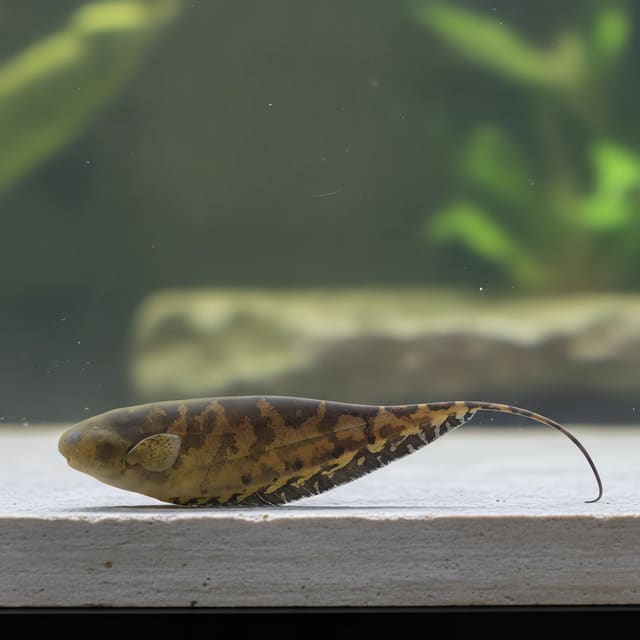
Armoured Stickleback (Indostomus paradoxus) is a tiny specialist oddball for mature, quiet nano aquariums. It is also known as the Paradox Fish or Toothpick Fish. This is not a conventional community fish or a good impulse choice for a first aquarium: its appeal lies in its miniature armoured body, hovering posture and subtle hunting behaviour, and it needs very small foods with little competition.
Use the live product controls on this page for current price and availability. Prepare the aquarium and food cultures before ordering rather than relying on larger flakes or pellets after the fish arrives.
Use a mature planted aquarium with gentle filtration and plenty of fine structure: moss, fine-leaved plants, roots, leaf litter and shaded corners all help this fish behave naturally. Leave calmer open areas between the cover so food can drift within reach.
A species-focused setup is usually safest. Fast tetras, barbs, danios, guppies and larger bottom fish can take every useful food item before an Indostomus has a chance to feed. The problem is not aggression so much as speed and competition.
Keep the aquarium stable around 22–26°C with mildly acidic to near-neutral water and low-to-moderate hardness. Exact numbers matter less than consistency and clean water. Ammonia and nitrite must remain at zero and nitrate should be controlled with careful feeding and regular small water changes.
Use a sponge filter or a well-baffled outlet so the fish is not forced to hover in strong current. Small aquariums can change quickly, so avoid large sudden maintenance swings and do not over-clean established biological media.
Plan the feeding routine before purchase. Suitable foods include baby brine shrimp, cyclops, moina or small daphnia, microworms and other suitably tiny live or frozen foods. Watch the fish take food rather than assuming that food placed in the aquarium has been eaten.
Feed lightly. Uneaten micro-food can foul a nano aquarium quickly, while heavy feeding does not solve a food-size or competition problem. If a fish repeatedly misses meals, reduce competition or move it to a more species-focused setup.
If companions are used, choose tiny, calm fish that do not rush every meal and that share the same water conditions. Small snails can usually be considered separately from fish stocking, but even peaceful micro-fish should be observed closely at feeding time.
Avoid boisterous feeders, large fish, fin-nippers and species that need strong current. Small shrimp or shrimplets should not be assumed safe with a micro-predatory fish.
Indostomus paradoxus is associated with quiet, vegetated freshwater habitats and spends much of its time close to plants, roots, leaf litter or the bottom. A settled fish may appear motionless for long periods before making short, precise movements to take prey.
That quiet behaviour is normal and is part of the attraction of the species. Bright, bare, high-flow displays make the fish harder to observe and can make feeding more difficult.
Prepare a fully cycled aquarium before delivery. Keep the lights low at first and release the fish close to cover. Once settled, offer tiny moving foods and check that each individual is actually feeding.
During the first week, monitor respiration, body condition, balance and feeding response as well as water quality. Hiding can be normal; hiding combined with weight loss or persistent refusal to feed needs investigation.
Armoured Sticklebacks suit keepers who enjoy specialist nano aquariums, small live-food cultures and careful observation. They are a poor match for anyone wanting a bright, highly active centrepiece or a simple flake-fed community fish.
Before ordering, make sure the aquarium is mature, the flow is gentle and a reliable supply of suitably small food is already available. Current price, availability and delivery information are shown separately in the live store controls so the husbandry description remains useful when commercial details change.
Max adult size is the length this species reaches at full maturity (from scientific sources). The livestock you receive will be younger and smaller — pick a size variant on the buy box for the actual shipping size. Product-photo provenance and any image-specific limitations are stated on the listing.
Best kept in a quiet species-focused planted nano aquarium because it is tiny, shy and easily outcompeted for food.
Always research specific species before adding them to your tank. Consider:
No reviews for this item yet. Bought one? Honest reviews only, good or bad.
What customers say about ordering from us
I have a small group of long finned mountain minnows. So was delighted to be able to order ten of this variety to increase the genetics in my tank . The ones I recieved are healthy but it’s to early to give a verdict on wether they are of a long finned type since they are small currently.
Gordon Walker · 23 Sept 2026
100% success travel and "installation". Pleased with quality of purchase. The Siamese fighter a bit "shy" so have not yet seen him at his best yet but looking good. Happy customer. GG
George E Garratt · 21 Sept 2026
Reviews of our shop, collected by Judge.me, an independent third-party review collector. Newest first.