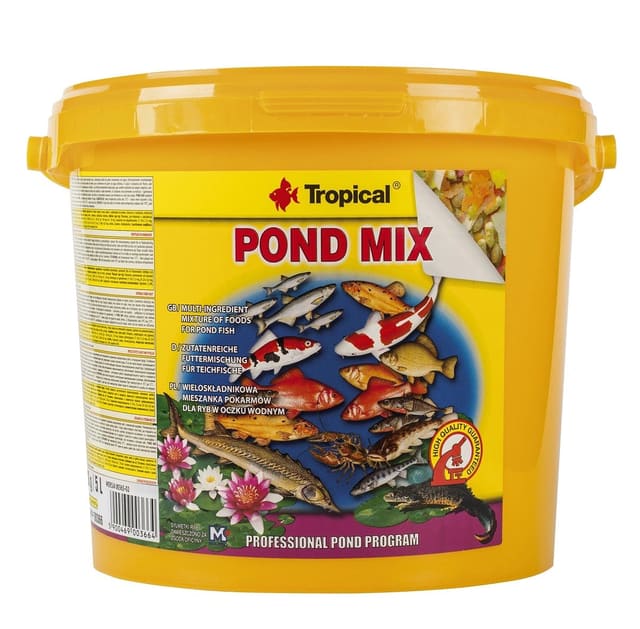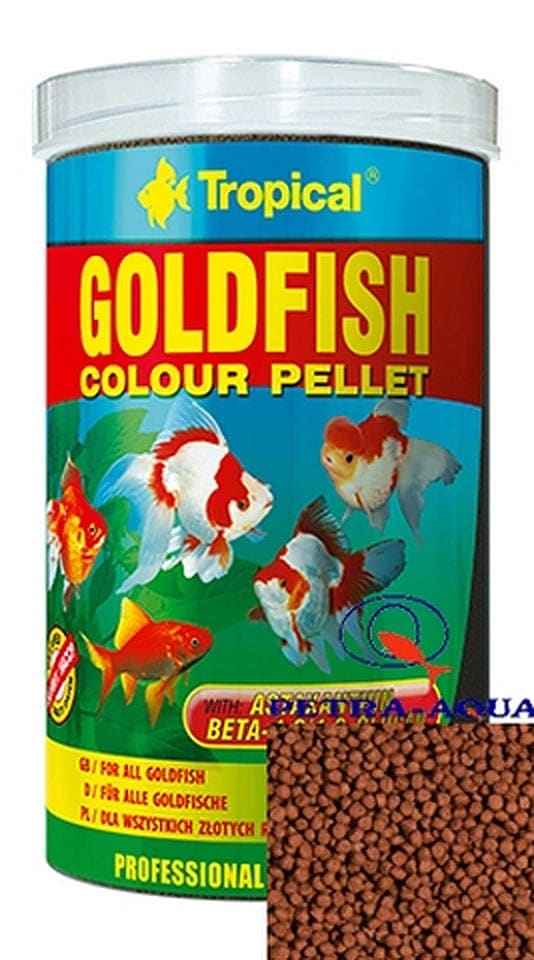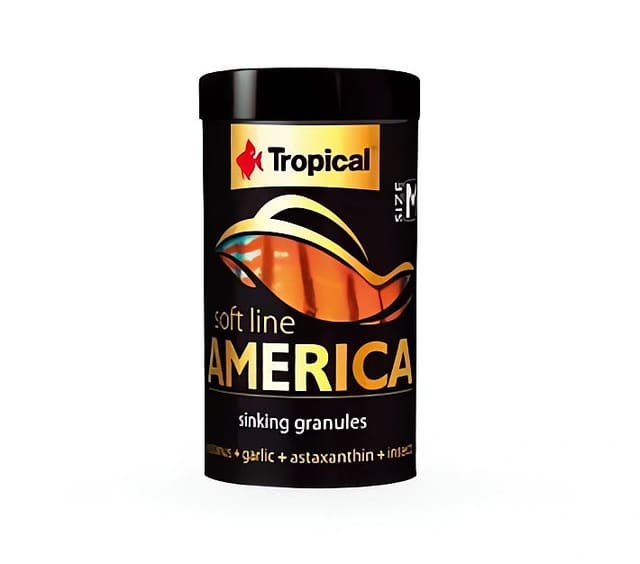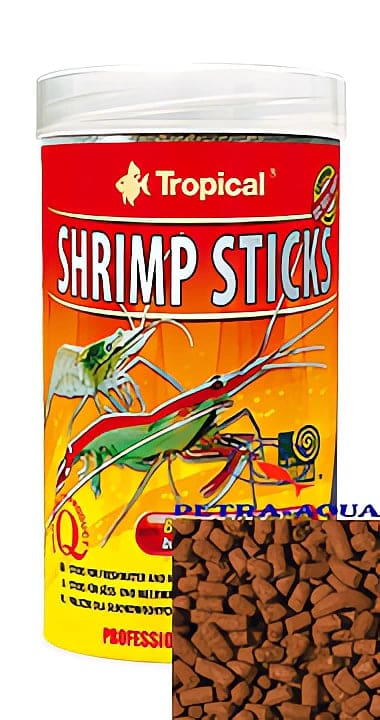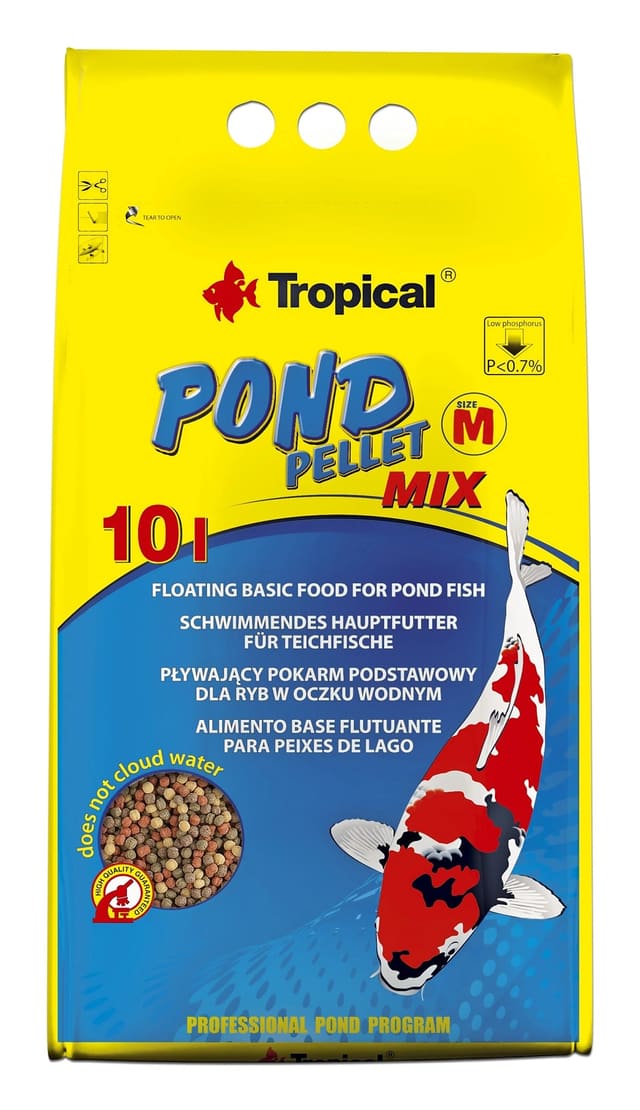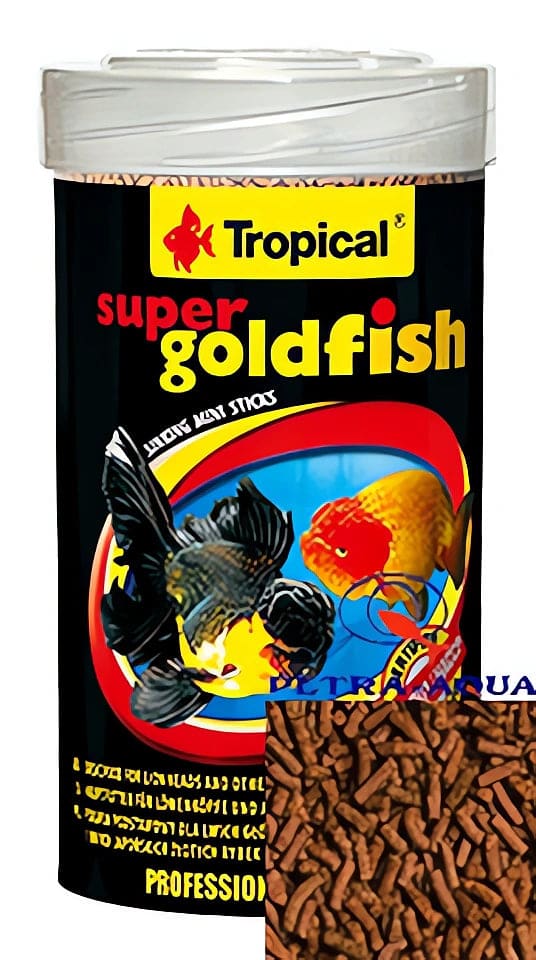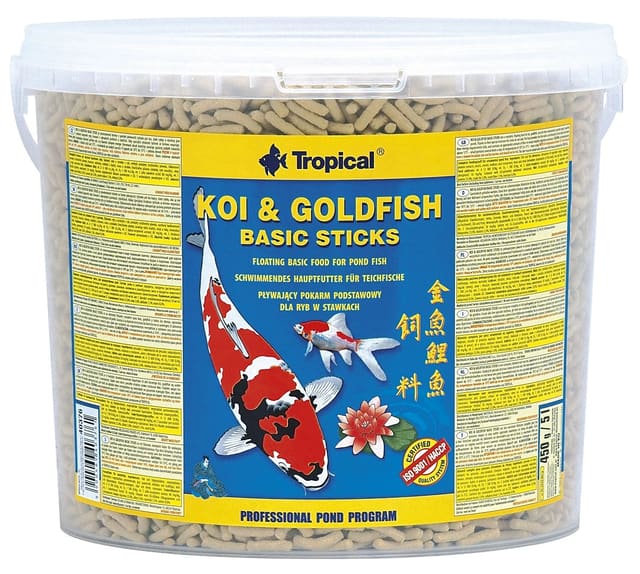
Tropical Koi & Goldfish Basic Sticks
£1.29

Tropical Koi Spirulina Pellet L supports vibrant colour and balanced daily nutrition for koi. A practical choice for moderate care setups. Buy now with UK delivery.
Minimum of 2 per order.
Tropical Koi Spirulina Pellet L supports vibrant colour and balanced daily nutrition for koi. A practical choice for moderate care setups. Buy now with UK delivery.
Tropical Koi Spirulina Pellet - S is a warm-weather, colour-supporting pond food designed for koi and other pond fish that feed confidently at the surface. These tropical koi spirulina pellets are ideal when you want floating pellets for koi feeding that are easy to observe, easy to portion, and practical for mixed-size ponds. The small pellet format makes them especially useful if you keep younger koi, smaller pond fish, or simply prefer small floating koi pellets for easy feeding rather than larger seasonal foods like 6mm koi pellets or 8mm floating pellets. If you have been searching for a koi spirulina food guide, this formula sits in the sweet spot for keepers who want koi food for vibrant colouration without switching to an oversized pellet.
See the product image tropical-koi-spirulina-pellet-s-dry-food.webp for a close look at the pellet size and dry texture. In practice, this is a smart choice for pond fish feeding in summer, for a koi feeding guide above 15c, and for anyone comparing colour enhancing koi food vs growth koi food. It also suits keepers looking for koi food that helps maintain water quality, because floating food lets you monitor intake and remove leftovers before they soften. Whether you are upgrading from koi sticks fish food, comparing 3mm koi pellets with larger formats, or troubleshooting koi not eating pellets, this food offers a practical, easy-to-manage option for regular summer use.
This food fits neatly into a modern koi carp diet guide where floating, digestible foods are used during active feeding periods. It is especially useful for keepers who want high quality koi food from Tropical and need a smaller pellet than Tropical Koi Spirulina Pellet L.
When pond temperatures rise and koi become more active, feeding behaviour changes. Fish cruise the surface more often, digestion improves, and it becomes easier to use floating koi pellets for monitoring feeding. That is exactly where Tropical Koi Spirulina Pellet S performs best. It is a premium koi carp food with spirulina aimed at regular feeding in warmer conditions, especially as part of the best koi food for summer feeding category.
Spirulina is widely used in ornamental fish diets because it supports natural pigmentation and complements a varied feeding plan. For keepers trying to choose between wheat germ pellets for koi and a summer colour food, the difference is seasonal purpose: wheat germ formulas are often preferred in cooler periods for easier digestion, while spirulina-based foods are commonly used as koi food for warmer months above 15C. If your goal is stronger reds, cleaner whites, and better overall finish, this is the type of food many hobbyists reach for when comparing the best spirulina koi pellets for colour enhancement.
For ponds with mixed fish sizes, a small pellet often reduces competition at feeding time. Larger koi still take the food eagerly, while smaller fish are less likely to be outcompeted than when using oversized pellets.
Many buyers ask whether they need 3mm koi pellets, 6mm koi pellets, or even 8mm floating pellets. The answer depends on fish size, feeding behaviour, and how closely you want to control portions. Small pellets are ideal for younger koi, mixed ponds, and keepers who prefer to feed little and often. They also work well if you are transitioning fish from koi sticks fish food to a more uniform pellet.
Compared with larger foods, size S pellets spread more evenly across the water surface. That makes them useful for shy fish, for ponds with goldfish and koi together, and for owners trying to avoid one dominant fish monopolising the meal. If you have previously used Tropical Koi & Goldfish Sticks or Tropical Koi & Goldfish Spirulina Sticks, this pellet format gives you a neater, more measured feeding pattern.
| Food Size | Best For | Notes |
|---|---|---|
| Small pellet (S) | Mixed-size ponds, younger koi | Best for controlled feeding and surface observation |
| 6mm koi pellets | Medium to large koi | Good when all fish are feeding strongly |
| 8mm floating pellets | Large koi only | Less suitable for mixed ponds with smaller fish |
A common buyer question is what fish eat spirulina. In ornamental fishkeeping, spirulina is used across a wide range of species, not just koi. Goldfish, many livebearers, plecs, some cichlids, barbs, rainbowfish, and various algae-grazing species all accept spirulina-based foods. In pond settings, this means Tropical Koi Spirulina Pellet S can also be useful for goldfish and other compatible pond fish that feed at the surface.
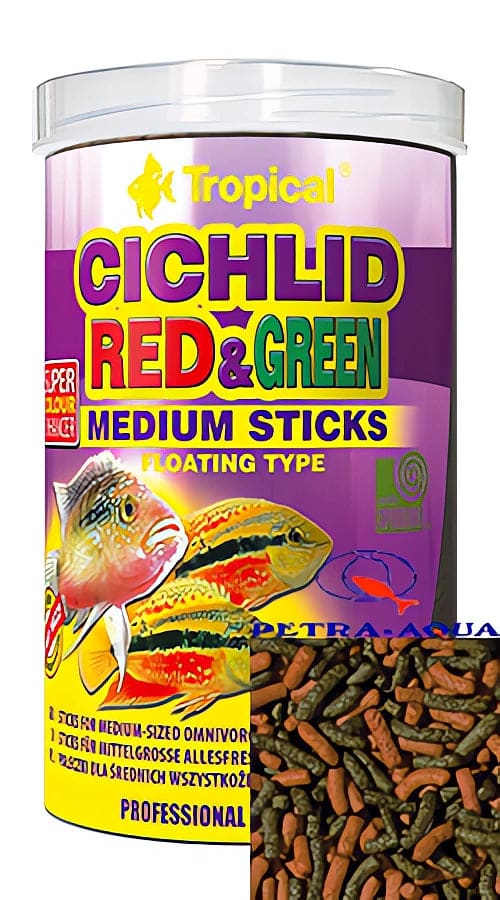
Another related question is what tropical fish eat algae. While this product is formulated for pond use, the broader answer includes species such as mollies, platies, Siamese algae eaters, Ancistrus, and many herbivorous or omnivorous fish. If you keep indoor fish as well, you may want a finer spirulina option like Tropical Super Spirul.Forte Micro Granulat for smaller tropical species, or Cichlid Red & Green Sticks for larger omnivorous aquarium fish.
The best feeding method is simple: offer only what your fish can consume within a few minutes, once or several times daily depending on temperature and activity. This is the foundation of how to avoid overfeeding koi. Because these are floating pellets for koi feeding, you can watch every mouthful and adjust quickly. That makes them a strong option for anyone seeking koi food for water quality as well as colour support.
As a general koi feeding guide above 15c, feed more actively when water is warm and fish are visibly searching for food. During hot weather and peak metabolism, small, regular meals are often better than one heavy feed. This is especially true in ornamental ponds where filtration is good but stocking levels are high. If you are comparing against bulk options like koi fish food 10kg, remember that freshness and correct seasonal use matter just as much as bag size.
| Time | Food | Amount |
|---|---|---|
| Morning | Tropical Koi Spirulina Pellet S | Small portion eaten within 2-3 minutes |
| Evening | Tropical Koi Spirulina Pellet S | Repeat only if fish remain active and water is above 15°C |
Overfeeding is one of the fastest ways to reduce pond water quality. Uneaten pellets soften, break down, and add waste to the system. Feed little and often, and remove leftovers if fish lose interest.
If you are choosing between koi sticks fish food, spirulina pellets, and growth formulas, think in terms of function. Sticks are often easy to see and feed, but pellets can provide more consistent portion control. Growth foods are usually selected when body mass and rapid development are the main goal. Spirulina foods are more often chosen for finish, skin quality, and koi food for vibrant colouration.
Compared with wheat germ pellets for koi, this food is better suited to warmer periods when fish are digesting efficiently and colour improvement is a priority. Compared with large growth pellets, size S is more flexible in mixed ponds. It also offers an advantage over some bulky stick foods because the feeding response is easier to measure pellet by pellet. For hobbyists who already like the Tropical range, it pairs naturally with Tropical Koi Spirulina Pellet L for larger koi and with Tropical Koi & Goldfish Spirulina Sticks when you want a different texture.
| Feature | Tropical Koi Spirulina Pellet S | Wheat Germ Pellets for Koi |
|---|---|---|
| Main Use | Summer colour support | Cooler-weather digestibility |
| Feeding Style | Small floating pellets | Usually pellet-based, seasonal |
| Best For | Colour enhancing koi food vs growth koi food decisions | Transition feeding in cooler water |
| Ideal Temperature | Above 15°C | Often used at lower temperatures |
Yes, when used correctly. No food can compensate for poor filtration or overstocking, but floating foods give you a major advantage: visibility. Because the pellets remain at the surface, you can see whether the fish are still interested, whether one fish is bullying others away, and whether any food is being ignored. That makes this a practical koi food that helps maintain water quality when paired with sensible feeding habits.
This also explains why many pond keepers prefer floating koi pellets for monitoring feeding over sinking foods during the active season. It is easier to spot appetite changes early, which can help you catch stress, low oxygen, or illness before bigger problems develop. If your goal is koi pellets that support immune system function indirectly, the real key is consistency: stable water, appropriate temperature, and a balanced feeding routine.
Feed at the same place and roughly the same times each day. Consistent feeding patterns make it easier to notice unusual behaviour, including fish hanging back, spitting pellets, or losing interest in food.
Koi not eating pellets is one of the most common concerns in pond care. In most cases, the cause is not the pellet itself but the conditions around feeding. Check water temperature first. Koi feed best in warmer water, so a summer spirulina pellet is not the right tool in very cool conditions. Next, look at oxygen levels, recent weather changes, and whether the fish have been startled by predators or handling.
Another issue is food familiarity. Fish raised on koi sticks fish food may need a short transition period before accepting pellets confidently. Start with very small amounts and feed when the pond is calm. If herons have visited recently, appetite may drop sharply for a few days. That is one reason some buyers compare specialist foods with searches like herons koi trio pellets—not because the formula is the problem, but because feeding behaviour changes after stress events.
Do not keep adding more food if koi refuse the first portion. Uneaten pellets will only increase waste. Pause, test water quality, and review temperature before feeding again.
Some hobbyists ask how to feed spirulina powder to fish. Powdered spirulina is usually mixed into homemade gel foods, coating pastes, or fry diets rather than scattered directly into a pond. For koi, pellets are usually the cleaner and safer option because they are portioned, stable, and far less likely to cloud the water. If you are feeding a pond, a floating pellet is almost always easier to manage than loose powder.
The related question how to grow spirulina algae comes up from keepers interested in DIY nutrition. While spirulina can be cultured under controlled conditions, it is not practical for most pond owners as a primary feed source. Commercially prepared foods offer consistency in particle size, nutrient balance, and storage life. In other words, if your main goal is reliable summer feeding, Tropical Koi Spirulina Pellet S is far more convenient than trying to culture and process spirulina at home.
One of the best features of this product is that it is koi food suitable for all sizes in a practical, real-world sense. Very large koi can still consume small pellets easily, while smaller fish are not excluded from feeding. That makes it especially useful in decorative ponds where koi live alongside goldfish or where different age groups share the same water.
If your pond contains only large adults and you want a bigger mouthful per pellet, compare this product with Tropical Koi Spirulina Pellet L. If you keep a broader pond community and want a more forgiving format, size S is often the better everyday option. It is also a sensible bridge product for owners moving away from sticks and into a more measured pellet routine.
Not all spirulina foods are built for the same job. Indoor tropical foods may contain spirulina but are usually sized for aquarium species, not pond fish. That is why products such as Tropical Super Spirul.Forte Micro Granulat are better for smaller aquarium fish, while Tropical Koi Spirulina Pellet S is tailored to pond feeding habits and surface observation.
Likewise, foods such as Cichlid Red & Green Sticks serve omnivorous aquarium fish rather than koi. If your focus is a pond-based koi carp diet guide, this product is the more appropriate fit. It is built around the needs of outdoor fish during active feeding months, where small floating koi pellets for easy feeding and visible intake matter more than micro-granule precision.
| Feature | Tropical Koi Spirulina Pellet S | Tropical Super Spirul.Forte Micro Granulat |
|---|---|---|
| Use | Pond koi and pond fish | Small aquarium fish |
| Format | Small floating pellet | Micro granule |
| Best For | Summer pond feeding above 15°C | Indoor tropical feeding |
| Feeding Visibility | High | Moderate |
Spirulina is commonly included in ornamental fish diets to support pigmentation and overall condition. In koi, that often translates to cleaner presentation and stronger visual contrast when used as part of a balanced routine. This is why many buyers seek best spirulina koi pellets for colour enhancement rather than relying on generic pond food alone.
It is important to stay realistic: no food can fix poor water, stress, or genetics. But a consistent summer diet based on high quality koi food from Tropical can help support condition during the months when koi are most active. For keepers comparing koi pellets that support immune system claims, the biggest benefit usually comes from the whole feeding system—good food, correct portions, stable water, and low stress.
We present this product with clear, use-based guidance rather than vague claims. Tropical Koi Spirulina Pellet S is best used as a warm-season floating food for koi and pond fish when water is above 15°C and colour support is a priority. That matters because many feeding problems come from using the wrong food at the wrong temperature, not from the brand itself.
Our listing helps you compare pellet size, feeding role, and alternatives within the same range, including Tropical Koi Spirulina Pellet L, Tropical Koi & Goldfish Sticks, and Tropical Koi & Goldfish Spirulina Sticks. That makes it easier to choose the right food for your pond instead of buying on pellet size alone. If you are building a broader feeding rotation, you can also explore our wider koi spirulina pellet range as a starting point for seasonal planning and buyer comparison.
Order with confidence if you want a practical koi food for warmer months above 15C, a manageable pellet for mixed ponds, and a straightforward route into spirulina-based summer feeding.
If you are comparing formats, try Tropical Koi Spirulina Pellet L for larger koi that prefer a bigger pellet. For mixed ponds and traditional surface feeding, Tropical Koi & Goldfish Sticks remain a dependable option. If spirulina-rich sticks suit your feeding style better, consider Tropical Koi & Goldfish Spirulina Sticks. For indoor algae-focused feeding, Tropical Super Spirul.Forte Micro Granulat is a strong match for smaller aquarium fish, while Cichlid Red & Green Sticks suit larger omnivorous tropical species.
No reviews for this item yet. Bought one? Honest reviews only, good or bad.
What customers say about ordering from us
I have a small group of long finned mountain minnows. So was delighted to be able to order ten of this variety to increase the genetics in my tank . The ones I recieved are healthy but it’s to early to give a verdict on wether they are of a long finned type since they are small currently.
Gordon Walker · 23 Sept 2026
100% success travel and "installation". Pleased with quality of purchase. The Siamese fighter a bit "shy" so have not yet seen him at his best yet but looking good. Happy customer. GG
George E Garratt · 21 Sept 2026
Reviews of our shop, collected by Judge.me, an independent third-party review collector. Newest first.