Easy
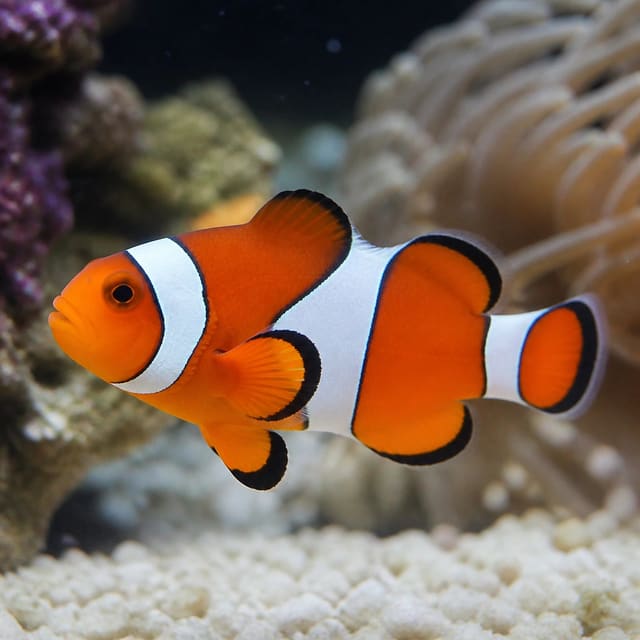
Misbar Ocellaris Clownfish (Amphiprion ocellaris)
24–27°C · pH 8.1–8.4 · 90L
£27.99
The Clown anemonefish (Amphiprion ocellaris) is a territorial marine fish that reaches up to 11 cm. One purchase supplies one animal. Plan 24–26°C marine water and at least 60 litres for a pair, with more space when adding other species.
Adult size is the maximum length this species reaches at full maturity (scientific sources). The livestock you receive will be younger and smaller. Product-photo provenance and any image-specific limitations are stated on the listing.
Amphiprion ocellaris
The Clown anemonefish (Amphiprion ocellaris) is a territorial marine fish that reaches up to 11 cm. One purchase supplies one animal. Plan 24–26°C marine water and at least 60 litres for a pair, with more space when adding other species.
Adult size is the maximum length this species reaches at full maturity (scientific sources). The livestock you receive will be younger and smaller. Product-photo provenance and any image-specific limitations are stated on the listing.
Maintain these water conditions for optimal health and vibrant colors
The Clown anemonefish (Amphiprion ocellaris) is also called the common clownfish or false percula clownfish. It is a marine member of the Pomacentridae family, which includes clownfishes and damselfishes. Orange or red-brown individuals may carry three white bands across the head and body, while some geographical forms are black with white bands.
The natural history of the ocellaris clownfish describes a life closely associated with host anemones. Newly hatched fish begin near the surface; juveniles later move towards the bottom and seek shelter in an anemone. This becomes a symbiotic association in its natural habitat. Treat that wild relationship as useful context rather than a reason to make an anemone an automatic addition to the aquarium.
FishBase records Amphiprion ocellaris from shallow coral reefs and calm lagoons across the Indo-West Pacific. Its range includes parts of the eastern Indian Ocean, Southeast Asia, northwest Australia, Indonesia, the Philippines, Taiwan and the Ryukyu Islands. Adults live among the tentacles of large sea anemones on these reefs.
FishBase records a maximum length of 11 cm total length for male or unsexed fish. Use 11 cm as the planning reference even when the fish is smaller. Adult length affects territory, waste production and the space needed around other fish; a small fish does not make a small or immature marine aquarium suitable.
This species suits a keeper prepared to mature and test a marine system before introduction, feed a varied omnivorous diet twice daily and monitor territorial behaviour. Its familiar appearance does not remove the need for stable salinity, biological filtration and deliberate tank-mate screening.
One purchase supplies one Clown anemonefish. Aquarium planning should use the recorded maximum of 11 cm.
Sex is guaranteed only when the selected option explicitly states male or female. This Clown anemonefish listing has no sex-guaranteed option.
Clownfish can develop a pronounced dominance relationship, and a dominant fish may become the larger member of a pair. Do not use apparent size, colour or a gallery scene to infer the sex of the animal being ordered. Instead, make a stocking plan that remains workable regardless of sex and observe interactions closely if another clownfish is introduced.
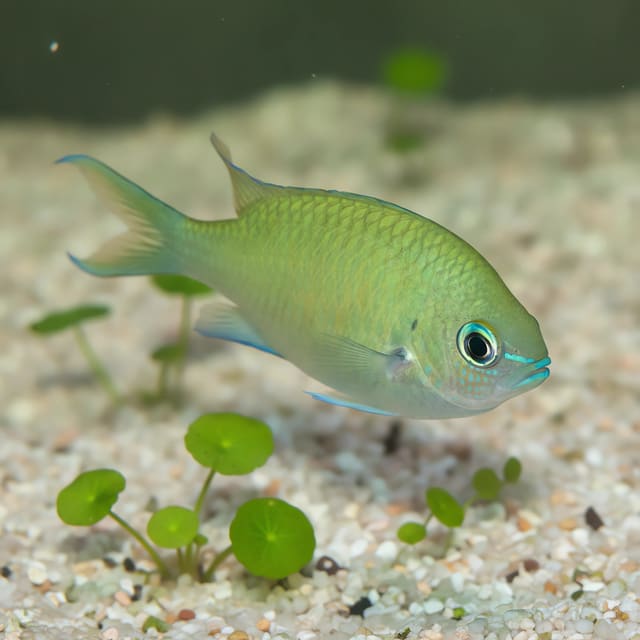
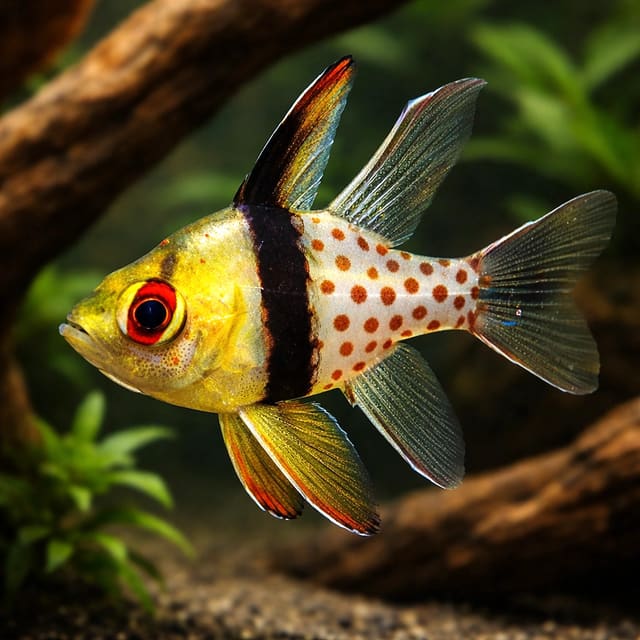
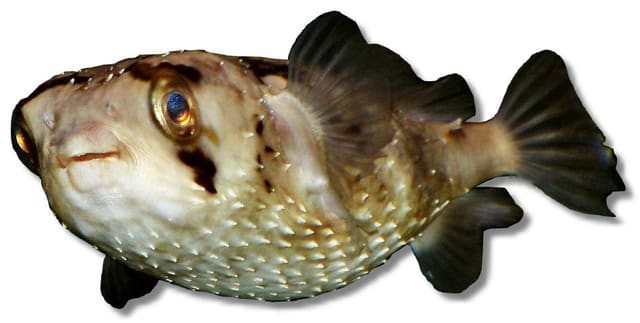
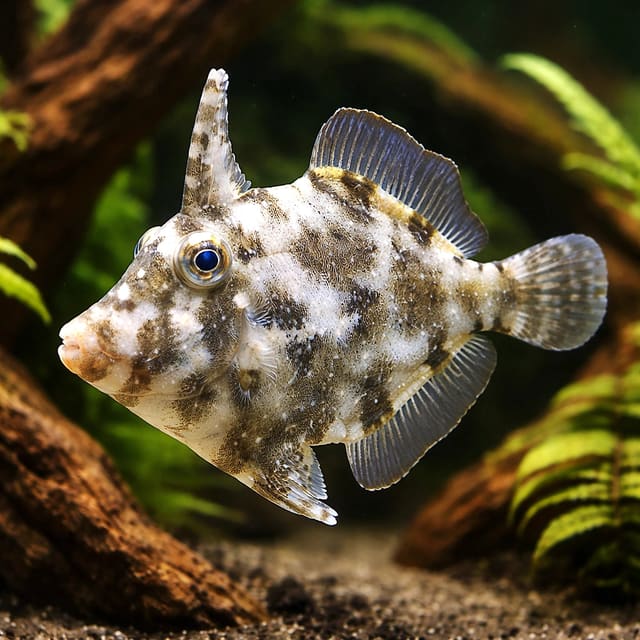
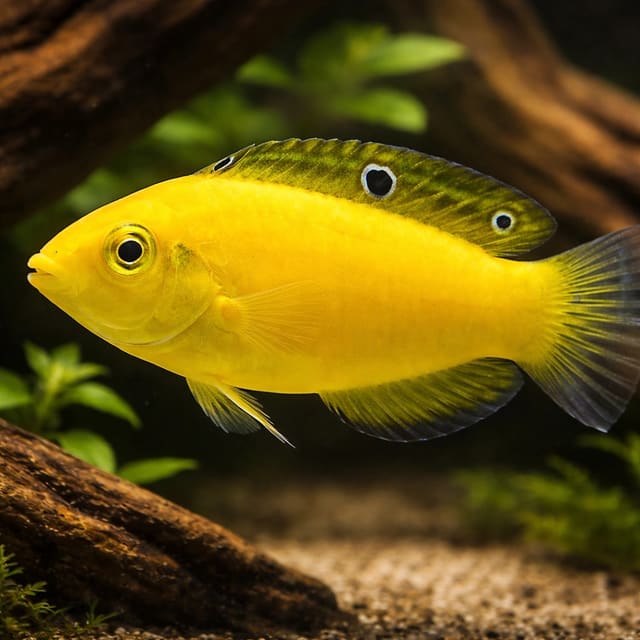
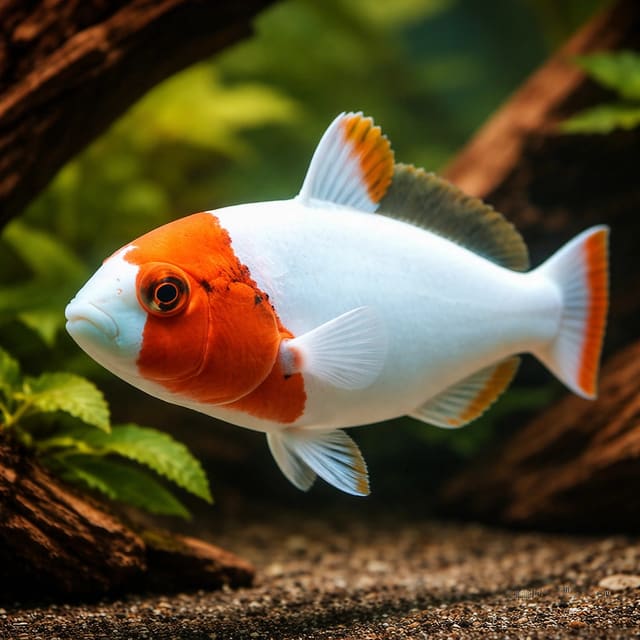
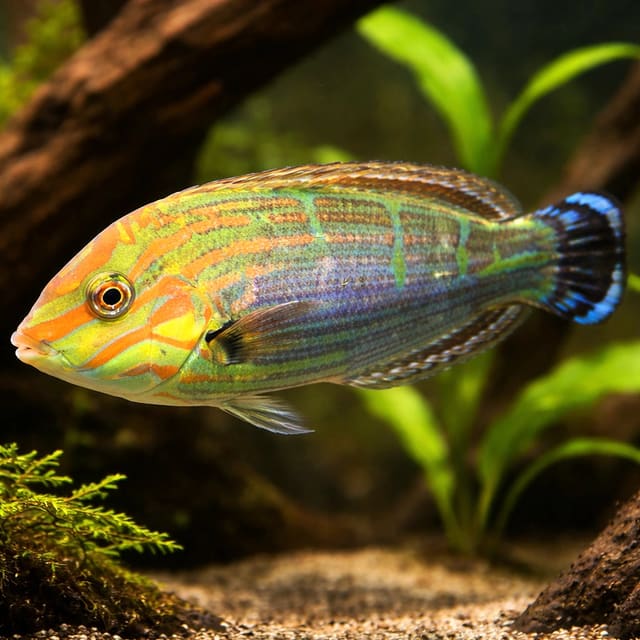
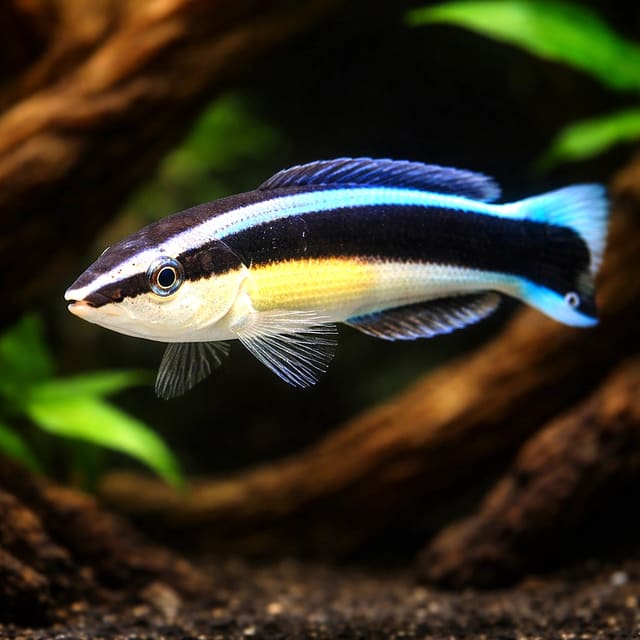
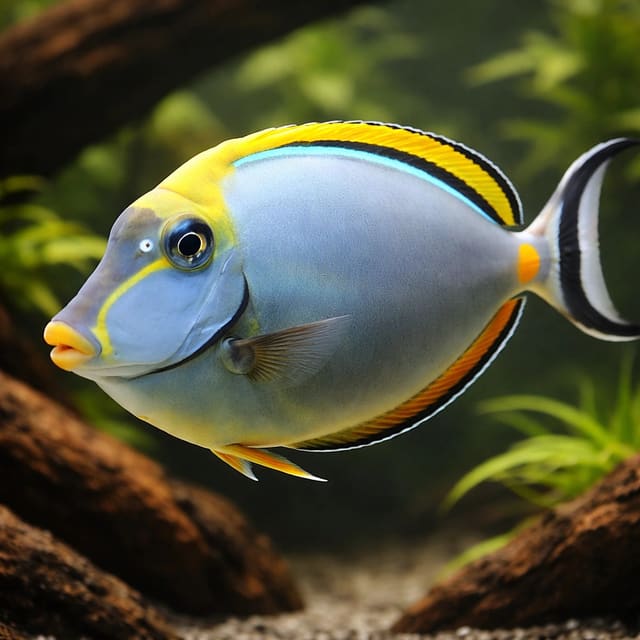
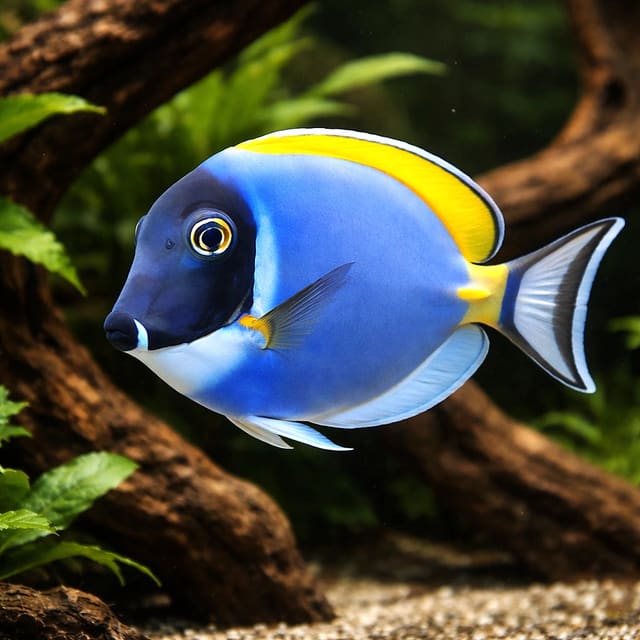
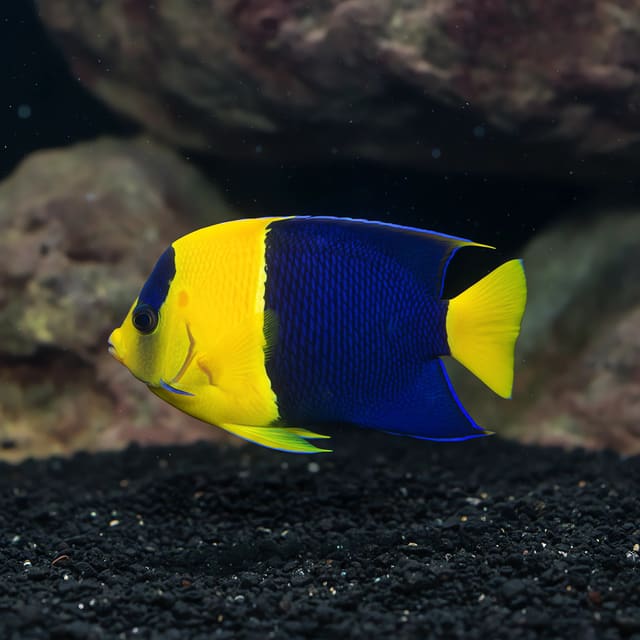
Some gallery images have been digitally enhanced to improve image quality. They show the listed type of animal rather than guaranteeing the exact markings of the individual supplied, so natural colour and pattern can vary.
Start with a mature, filtered marine aquarium and reserve enough territory for the adult fish. OATA recommends at least 60 litres for a pair of smaller clownfish species such as the common clownfish, with a larger aquarium when other species are included. The figure applies to a pair; it should not be treated as permission to fill a 60-litre system with additional fish.
Before committing to companions, compare their temperament, adult size and likely use of space with the clownfish’s territorial behaviour. Browse the marine fish collection to identify possibilities, then assess each proposed combination rather than relying on a universal list.
OATA’s clownfish guidance gives 24–26°C, pH 7.9–8.3 and salinity of 1.020–1.025 as broad group guidance. It also gives carbonate hardness of 8–12°dKH, calcium of 380–450 ppm and magnesium of 1,250–1,350 ppm. If the aquarium contains more sensitive reef animals, choose operating values that meet their narrower requirements while remaining within an appropriate range for the fish.
| Planning decision | Working figure |
|---|---|
| Recorded adult length | Up to 11 cm total length |
| Temperature | 24–26°C |
| pH | 7.9–8.3 |
| Salinity | 1.020–1.025 |
| Ammonia and nitrite | Zero mg per litre |
| Nitrate | Not to exceed 50 mg per litre |
| Pair planning | At least 60 litres |
| Feeding | Twice daily; only what is eaten within a few minutes |
Stability matters as much as the target figures. Check temperature, salinity and pH consistently, and test ammonia, nitrite and nitrate rather than judging the water by appearance. A larger aquarium gives more water volume over which heat, dissolved waste and salinity changes can be diluted, but it still needs routine testing and maintenance.
Keep ammonia and nitrite at zero mg per litre. Nitrate must not exceed 50 mg per litre, and more sensitive reef animals may need a lower target. If a reading moves away from the intended range, find and correct the cause rather than masking the result with extra feeding or additional livestock.
A filter is essential. Live rock with sufficient flow, an internal or external filter, or a sump-based filter may provide filtration in a marine system. A protein skimmer can also help remove dissolved organic waste before it breaks down. Choose equipment for the total aquarium and its planned biological load, not only for the clownfish.
| Suits | Not suited to |
|---|---|
| Stable aquarium water maintained at 24–26°C and pH 7.9–8.3 | Water outside 24–26°C and pH 7.9–8.3 |
| A species-focused aquarium planned around the complete care requirements | Shy or easily intimidated species |
The biological filter must be established before the fish enters the aquarium. The RSPCA’s aquarium welfare guidance explains why: fish release toxic ammonia, beneficial bacteria convert it to nitrite, and another stage of the process converts nitrite to the safer nitrate. Both ammonia and nitrite remain toxic, so a clear-looking aquarium is not enough.
Increase the aquarium’s population slowly. Every added fish and every increase in feeding creates more waste, and the beneficial bacterial population must grow to process that extra load. Adding several animals quickly can exceed the filter’s capacity and lead to new tank syndrome, with ammonia or nitrite rising to harmful levels.
Plan filtration around the whole stocking proposal. Live rock with sufficient water movement may form part of the filtration, while an internal filter, external filter or sump can perform the mechanical and biological work. A protein skimmer may help by removing dissolved organic waste before decomposition adds to the filter’s burden.
Record temperature, salinity, pH, ammonia, nitrite and nitrate before introduction. If ammonia or nitrite is detectable, postpone adding the fish and restore biological stability first. Also check that water can move around the filtration media without blockage and that the intended territory is not already dominated by a resident fish.
Do not interpret one satisfactory test as permanent protection. Feeding, new livestock, filter cleaning and accumulating waste can all change the biological load. Repeated results reveal whether the system is genuinely stable and give you a baseline for investigating later changes in the fish.
Run the aquarium at 24–26°C, pH 7.9–8.3 and salinity of 1.020–1.025. Keep carbonate hardness at 8–12°dKH, calcium at 380–450 ppm and magnesium at 1,250–1,350 ppm when these measurements form part of the system’s reef management. The aim is a repeatable operating range, not continual adjustment towards a single exact number.
A temperature inside range does not compensate for detectable ammonia, and acceptable pH does not make high nitrite safe. Test ammonia and nitrite for zero mg per litre and keep nitrate from exceeding 50 mg per litre. Where corals or other sensitive animals require tighter values, operate the shared aquarium around the needs of its most sensitive suitable inhabitant.
| If you find | Make this decision |
|---|---|
| Detectable ammonia or nitrite | Stop further stocking, check filtration and correct the water-quality problem. |
| Rising nitrate | Review feeding, waste removal and the weekly water-change routine. |
| Changing salinity | Check evaporation management and measure before making a correction. |
| Blocked water flow | Restore flow and service the filter without killing its bacterial population. |
| Repeated pH movement | Review the full marine chemistry rather than repeatedly dosing towards one reading. |
At least once every week, make a partial water change of 25%. Use a siphon to remove settled solid waste where the aquarium layout allows it. Water changes remove dissolved and solid waste, but they do not replace a functioning biological filter or correct chronic overstocking.
Check filters regularly and clean them before blockages restrict performance. Never rinse established biological media under the tap because chlorine or chloramine may kill beneficial bacteria. Instead, rinse it lightly in aquarium water removed during the partial water change. This preserves more of the bacterial population while removing debris.
Clean a protein skimmer regularly so collected waste and restricted airflow do not reduce its performance. Keep a written maintenance record if several people care for the aquarium; noting tests, water changes and equipment cleaning makes trends easier to recognise and prevents important work from being duplicated or missed.
Clownfish are omnivorous. Use a good-quality flake or pellet as the regular prepared food, then supplement it with frozen choices such as mysis shrimp, enriched brine shrimp or red plankton. The fish may also graze on algae offered for herbivorous inhabitants or growing in the aquarium.
Offer only the amount the fish can eat within a few minutes, twice daily. Begin with a small portion and watch it being consumed before adding more. The useful measure is what disappears promptly, not a fixed pinch or scoop, because food size, appetite and the number of animals sharing the feed all alter the appropriate portion.
Overfeeding creates two problems at once. Uneaten food decomposes and releases waste, while excessive intake changes body condition. A portion that lingers beyond a few minutes is therefore a water-quality warning as well as wasted food. Review the amount before changing the menu.
Learn the fish’s normal response at feeding time. Reduced intake or a loss of interest in food can be an early sign that something has changed. Test ammonia, nitrite, nitrate, pH, salinity and temperature when appetite changes, and compare the result with the aquarium’s usual readings.
Variety means rotating among the named prepared and frozen choices, not offering every food at every meal. Keep the routine consistent enough to notice a change in behaviour. If other fish feed more rapidly, make sure the clownfish receives its share without increasing the total amount until excess food is left behind.
Wild adults inhabit coral reefs and calm lagoons, where they live among large sea anemones. In an aquarium, the central planning decision is to leave enough room for a territory and to keep filtration effective around the whole layout. Do not let decorative complexity create dead areas where solid waste accumulates or prevent you from observing the fish.
The natural association explains why clownfish are closely linked with anemones, but each proposed reef inhabitant must fit the aquarium’s water chemistry and husbandry plan. OATA notes that some parameters need alteration for more sensitive reef animals. Decide whether the system can meet those needs before adding any such inhabitant, rather than changing several values after introduction.
Keep the fish’s adult length of up to 11 cm in mind when arranging open swimming room and territorial space. A layout that looks spacious around a small fish may become restrictive as the animal approaches its recorded maximum. Access for siphoning, filter servicing and observation should remain practical after all permanent décor is in place.
Use at least 60 litres when planning a pair of smaller clownfish such as Amphiprion ocellaris. Choose a larger aquarium when other species will share the system. Extra volume improves environmental stability and gives more room to separate territorial areas, but it cannot make incompatible temperaments work together.
For one fish, plan the aquarium around the 11 cm adult reference, the need for a stable biological filter and the territory required by every resident. Do not add another clownfish merely to change the social arrangement after the first fish has established a territory. Assess the space and prepare to monitor the interaction before making that decision.
Position equipment so temperature and salinity can be checked without disturbing the fish. Ensure water reaches the filtration system effectively, inspect the layout for trapped debris during weekly maintenance and keep feeding points observable. These practical choices make it easier to detect changes before waste or conflict becomes severe.
Arrange for someone to receive live fish and begin acclimatisation without leaving the parcel unattended. Start filming every delivery with the parcel still sealed, then keep one continuous take as the parcel is opened and the fish is shown inside the sealed bag. Read the current delivery and Live Arrival Guarantee policy before the delivery window so the receiving person knows the required steps and any claim conditions.
Float the closed bag for 20–30 minutes before releasing the fish. Never pour the bag water into the aquarium. Follow the current policy steps for opening and release, and avoid combining acclimatisation with rearranging equipment, adding several animals or making abrupt changes to water chemistry.
Once released, give the fish time to orientate itself. Observe swimming and breathing without repeatedly approaching the aquarium or trying to force a feeding response. A quiet first period gives you a clearer view of whether behaviour is settling rather than reacting to continual disturbance.
Keep the normal twice-daily feeding plan, but begin with portions that are easy to observe and remove if ignored. Test water after introduction because the extra animal and food increase the biological load. Ammonia and nitrite must remain at zero mg per litre.
Watch for a stable appetite, appropriate swimming, clear bright eyes, intact scales and undamaged fins. If another fish repeatedly displaces the newcomer from its chosen area or prevents it from feeding, treat that as a compatibility problem rather than adding more food. Avoid further livestock additions while the filter and residents adjust.
Learn the fish’s normal appearance, swimming pattern, feeding response and use of territory. Clownfish can differ slightly as individuals, so a change from the established pattern is often more useful than comparing every movement with another aquarium.
| Change you see | First action |
|---|---|
| Hanging at the surface, sitting on the bottom or erratic swimming | Test water quality and check equipment operation. |
| Faster or slower gill movement | Check temperature, salinity, ammonia and nitrite promptly. |
| Darker or paler colour | Compare behaviour, water results and recent territorial interactions. |
| More hiding or altered aggression | Observe which fish controls space and feeding access. |
| White spots, fluffy growths, damaged fins or missing scales | Test the aquarium and seek case-specific health guidance. |
| Reduced appetite or changing body condition | Measure the water and review portions and competition at meals. |
Start with objective checks. Confirm ammonia and nitrite remain at zero mg per litre, nitrate does not exceed 50 mg per litre, temperature remains 24–26°C, pH remains 7.9–8.3 and salinity remains 1.020–1.025. Inspect the filter and water movement for blockages before assuming the change has a single biological cause.
Do not add a treatment simply because a fish looks different. White spots, damaged tissue, unusual breathing and appetite loss can require different responses, while poor water quality can worsen many conditions. Record what you see, when it began and the measured values. If you are concerned about a health change, contact us after testing the water so the next step can be considered from the observed signs and results.
During the first month, compare weekly test results, appetite and territorial behaviour. Keep additions slow so the biological filter can adjust to greater waste production. Continue a 25% water change at least once every week, service equipment without tap-rinsing biological media and reduce feeding if food remains after a few minutes.
A stable month is not a reason to stop monitoring. Growth, pair formation, altered territory and extra residents can change the load on the system. Keep the routine consistent enough that a genuine change stands out quickly.
Common and percula clownfish are generally less aggressive than some larger clownfish species, but every clownfish can defend a chosen part of the aquarium. That territorial area may be protected more strongly during breeding. Compatibility therefore depends on usable space and behaviour, not merely on whether two species appear on a generic community list.
OATA advises against mixing clownfish with species that are shy or easily intimidated. A timid fish may lose access to food or shelter even when there is no obvious injury. Watch where each fish swims, which animal yields during an approach and whether every resident can feed without being displaced.
| Screening question | Decision rule |
|---|---|
| Will the proposed fish be easily intimidated? | Avoid the combination. |
| Will both fish want the same defended area? | Allow more territory or choose a different companion. |
| Is the aquarium planned only to the 60-litre pair figure? | Choose a larger aquarium before adding other species. |
| Can every resident reach food? | Proceed only if feeding access can be observed and maintained. |
| Is the filter already adjusting to a recent addition? | Wait before increasing the biological load. |
Do not assume that shared reef habitat makes two animals compatible. Compare adult size, temperament, likely territory and the requirements of any sensitive reef inhabitant. The clownfish’s recorded adult length is up to 11 cm, so judge the final arrangement rather than its present size.
Introduce livestock slowly because compatibility and filtration are connected. More fish bring more waste and feeding, while crowding can intensify territorial pressure. If ammonia or nitrite rises after an addition, stop further stocking and restore water quality. If all readings remain stable but one fish is repeatedly chased or excluded from food, address the social arrangement.
For a stocking and compatibility assessment, contact us with the aquarium volume, current livestock, measured water values and the exact species being considered. That gives a more useful basis for screening than a universal list of supposedly safe companions.
Wild Amphiprion ocellaris form distinct monogamous pairs. Clownfish are protandrous hermaphrodites, and OATA notes that the dominant individual usually grows larger and becomes female while the male remains smaller. In an aquarium pair, the larger female will often bully the male; monitor this closely to ensure that the male is not injured.
Use an aquarium of at least 60 litres for a pair of smaller clownfish, and choose more space when other species are present. Check that both fish can move away from one another, reach food and avoid continual displacement. The numerical volume is a starting point, not a substitute for watching the interaction.
One purchase supplies one animal, so a pair requires a deliberate plan involving two animals rather than an assumption based on a gallery scene. Do not use colour or apparent body proportions to assign sex. Build the plan around behaviour, adult size and enough room for a territory.
Additional clownfish make social planning more complex because every individual can contribute to territorial pressure. Do not describe an unplanned collection as a group simply because the aquarium is large. Decide which social unit the system is intended to support and avoid further clownfish additions unless space, dominance and monitoring have been considered in advance.
When other species are present, give the aquarium more room than the 60-litre pair recommendation and exclude shy or easily intimidated fish. Add animals slowly, maintain zero ammonia and nitrite, and reassess the arrangement if any resident loses feeding access or sustains damage.
It is a marine member of the Pomacentridae family, also called the common clownfish or false percula clownfish. FishBase records it from shallow reefs and calm lagoons in the Indo-West Pacific, with a maximum length of 11 cm total length.
One purchase supplies one animal. Plan the aquarium around the fish’s recorded adult length of up to 11 cm.
Use up to 11 cm total length when planning space, territory and filtration for this fish.
Use a mature, filtered marine aquarium with zero mg per litre ammonia and nitrite. Plan at least 60 litres for a pair of smaller clownfish and choose a larger aquarium when other species will share the system.
Make either arrangement a deliberate stocking decision. Give one fish a suitable adult territory; for a pair, use at least 60 litres, monitor dominance closely and ensure both fish can feed without injury or continual displacement.
Keep temperature at 24–26°C, pH at 7.9–8.3 and salinity at 1.020–1.025. Ammonia and nitrite should be zero mg per litre, while nitrate must not exceed 50 mg per litre.
Feed a good-quality flake or pellet with frozen mysis shrimp, enriched brine shrimp or red plankton for variety. Offer only what it eats within a few minutes, twice daily, and reduce the portion if food remains.
Start filming with the parcel still sealed, then keep one continuous take through opening and showing the fish inside the sealed bag. Float the closed bag for 20–30 minutes before release and never pour the bag water into the aquarium.
Screen each proposed companion by temperament, adult size, territory and feeding access. Avoid shy or easily intimidated species, use more than the 60-litre pair figure when adding other fish and monitor every introduction for displacement or injury.
No reviews for this item yet. Bought one? Honest reviews only, good or bad.
What customers say about ordering from us
Easy website plenty of info on fish your buying great to pick a time slot
TRACEY DURRANT · 7 Oct 2026
Got some lovely fish thank you
Kevin Mackie · 7 Oct 2026
Reviews of our shop, collected by Judge.me, an independent third-party review collector. Newest first.